This sequence introduces 5th-grade students to the structure and purpose of social narratives. Students learn to deconstruct stories into descriptive, perspective, and directive sentences to better understand social expectations and hidden rules.
A comprehensive unit focused on Wilson Reading System Step 5.2, covering open syllables in multi-syllabic words. Includes instructional slides, hands-on activities, and a full week's teaching guide.
A comprehensive 9-week instructional sequence designed for students with Blind and Low Vision needs, focusing on mastery of common Braille contractions through repetitive practice, tracing, and dictation.
A comprehensive series of lessons designed to build community independence for students with intellectual disabilities, focusing on navigation, social interaction, and transactions in local spaces like CVS, the library, and cafes.
A gentle and empowering sequence designed for students with low cognitive skills to build self-confidence and emotional awareness through positive affirmations and creative expression.
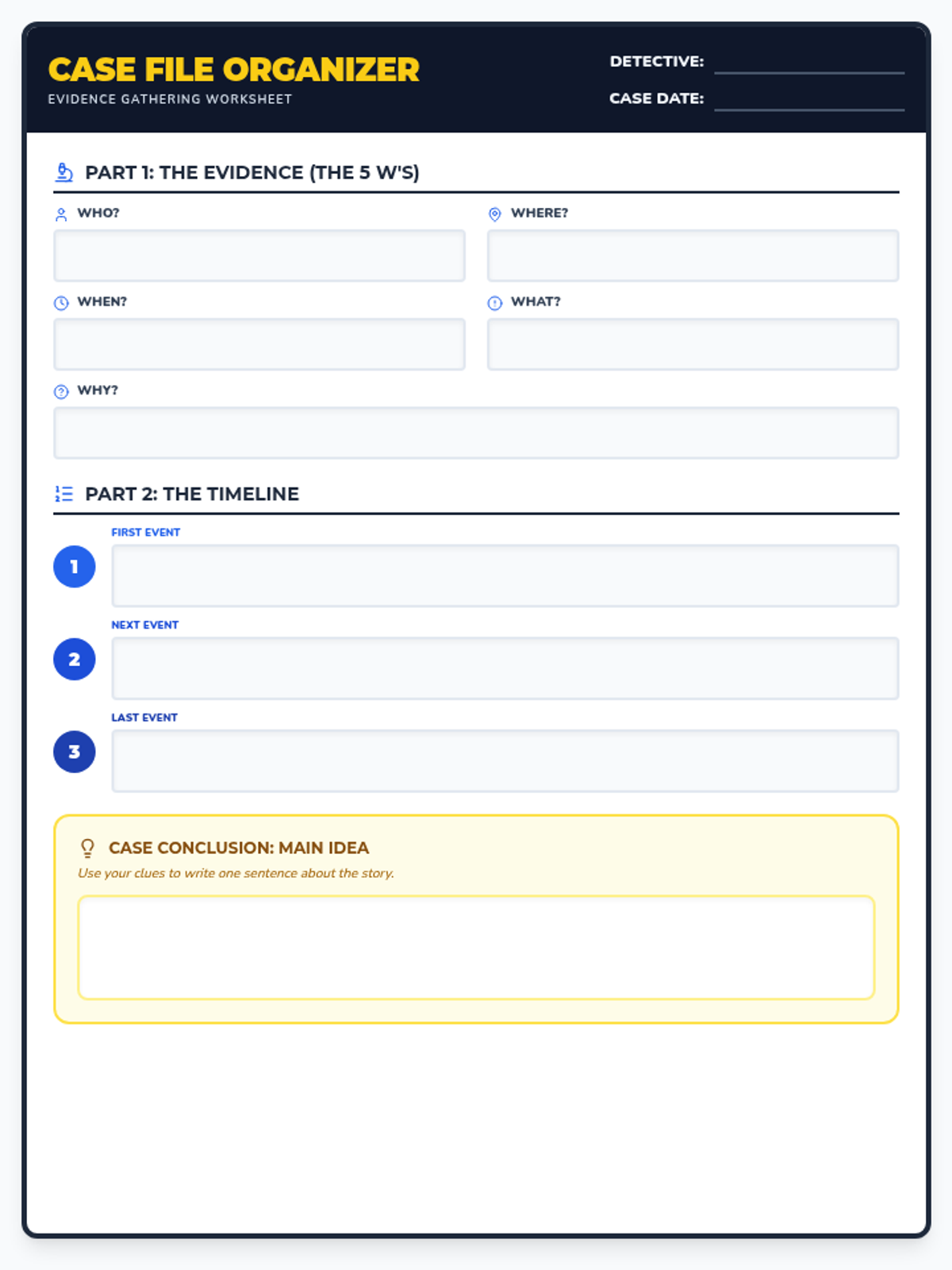
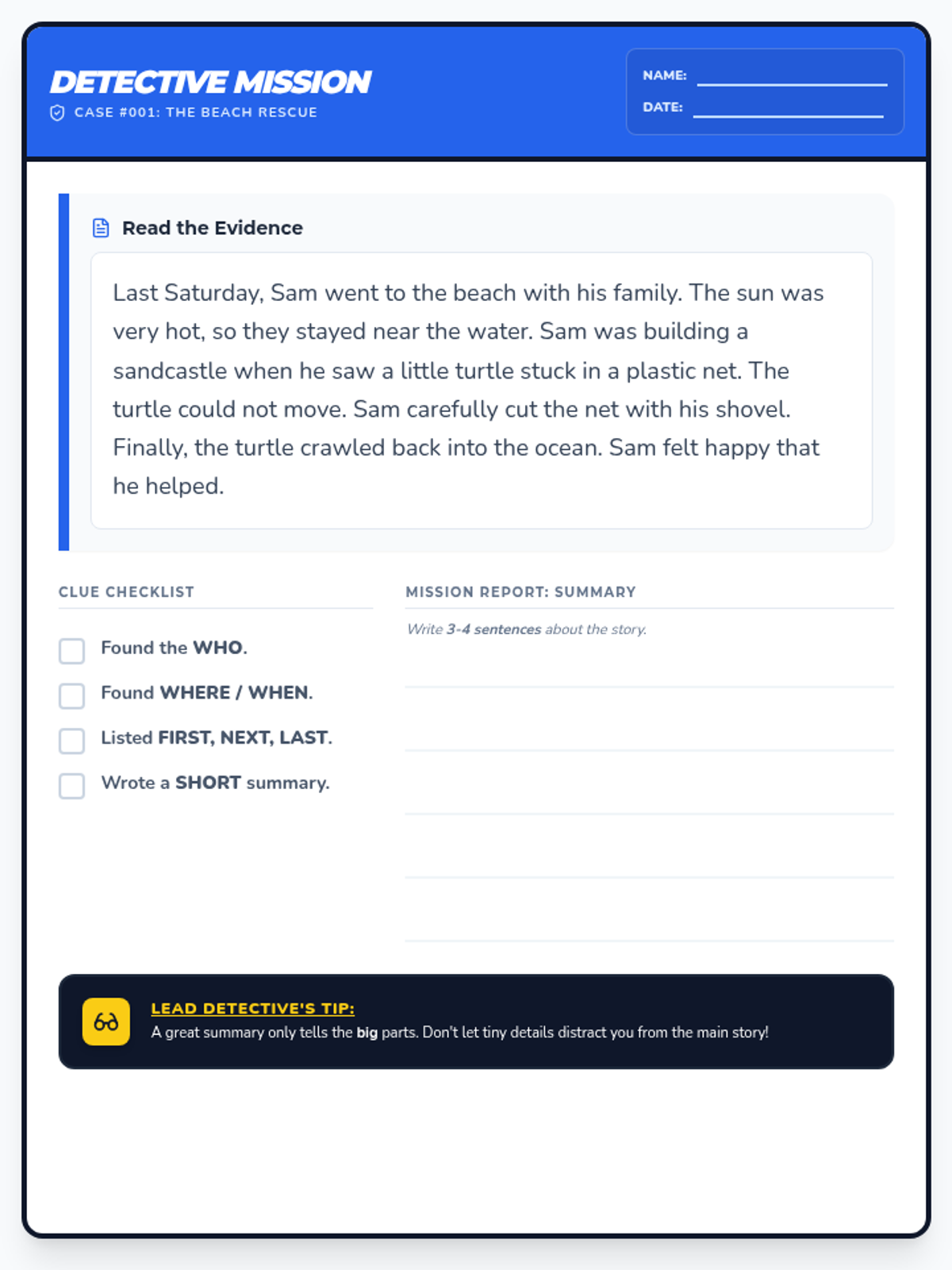
A comprehensive detective-themed curriculum designed to help students with ASD develop interoceptive awareness. Students learn to identify physical clues for a wide range of emotions through movement, visual mapping, and scenario-based problem solving.
A comprehensive week-long intervention designed for students working on multiplication facts for 2, 3, 5, and 10 using multi-sensory, explicit instruction and visual arrays. This sequence includes teacher guides, instructional slides, visual worksheets, matching games, and task cards to support IEP goal mastery.
A comprehensive set of 10 evidence-ready work samples for the MCAS-Alt synonym identification strand, featuring consistent formatting for accuracy and independence tracking.
A 3-day introductory course on exterior home maintenance for students working independently. Covers seasonal tasks, tool identification, hazard reporting, and safety protocols.
A comprehensive 4-day planning framework and resource set for Tier 2 reading intervention in a Title 1 setting, aligned with the Science of Reading.
A comprehensive 5-lesson unit designed to help 5th graders master key executive functioning skills: planning, organization, time management, working memory, and flexibility.
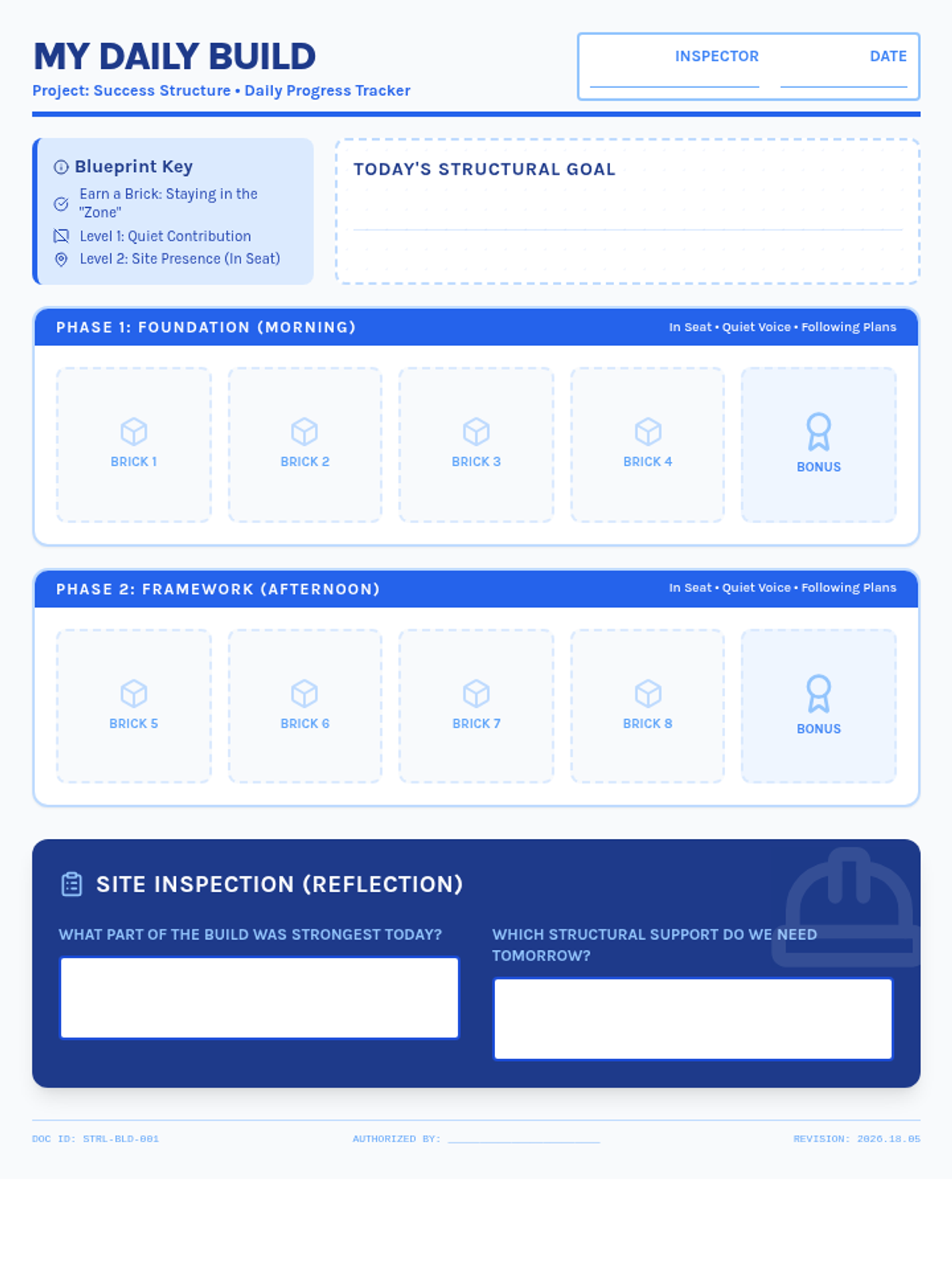
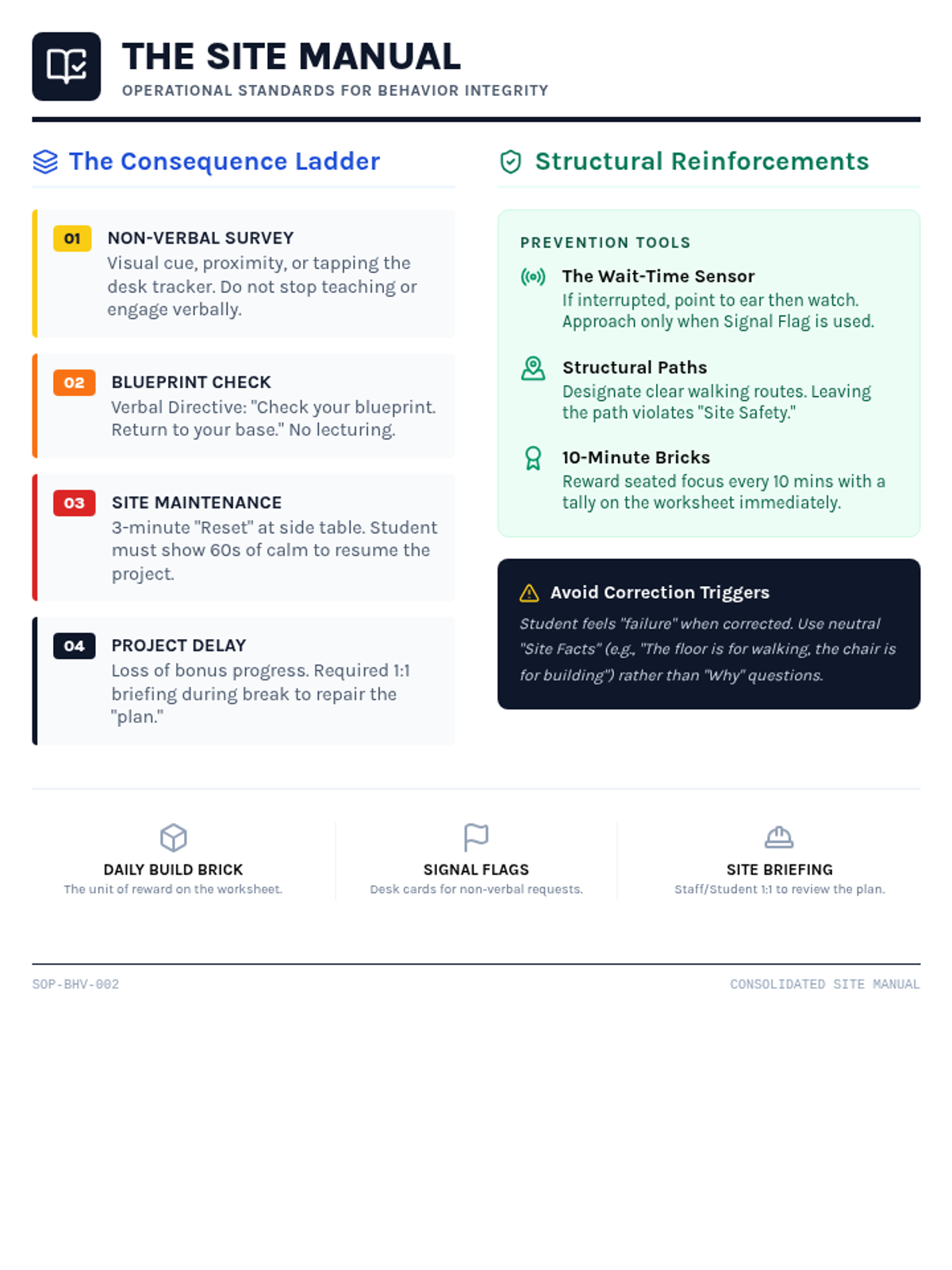
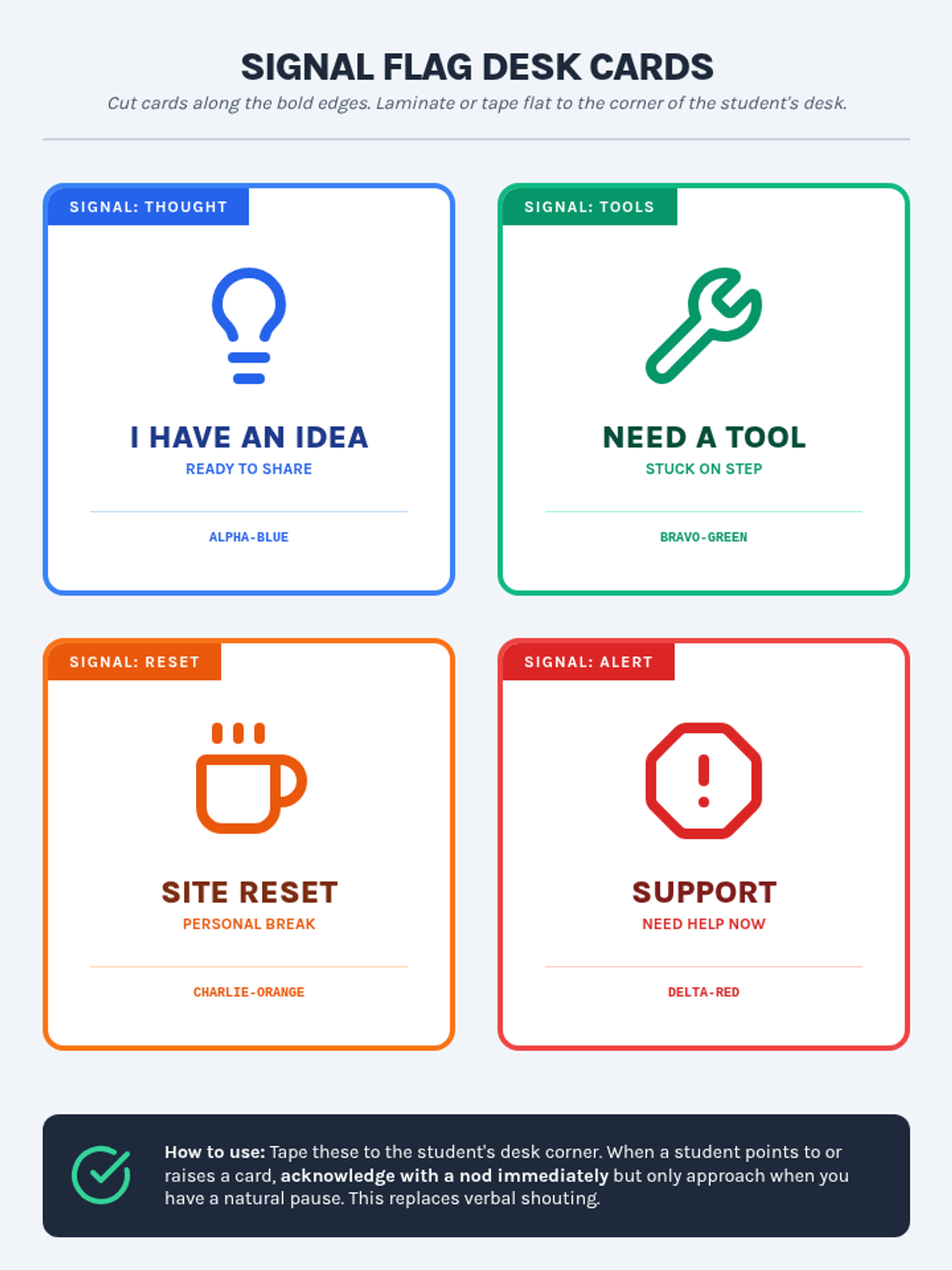
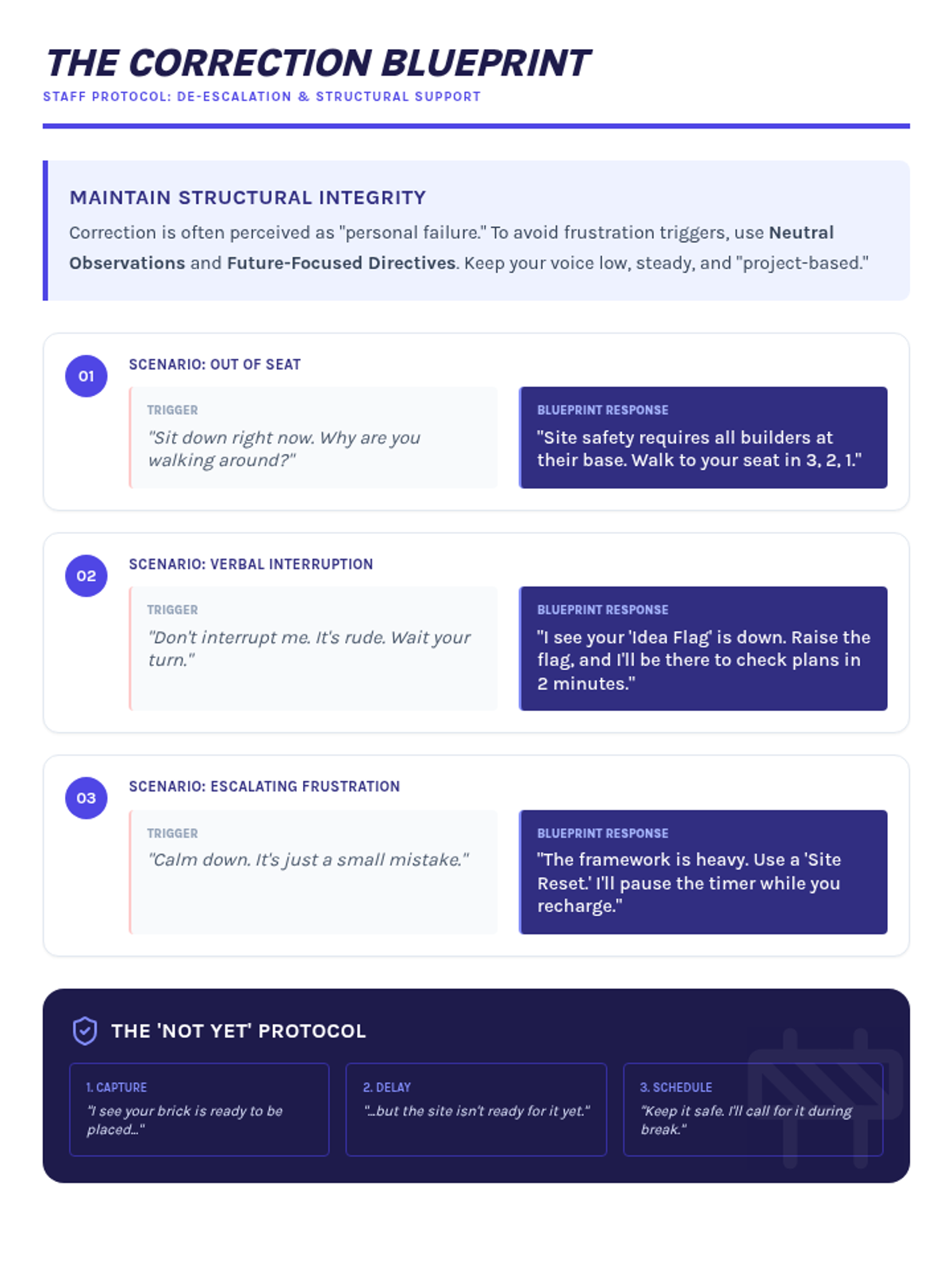
A 6-week Tier 2 executive functioning intervention focused on developing goal-setting and problem-solving skills. Students use an engineering/blueprint theme to "design" their success and navigate challenges.
A 10-session series for IRR nonverbal autism students to establish a consistent morning routine using visual supports for date, weather, and mood tracking.
A series of drawing-based challenges designed to improve active listening and following complex, multi-step instructions through creative output.
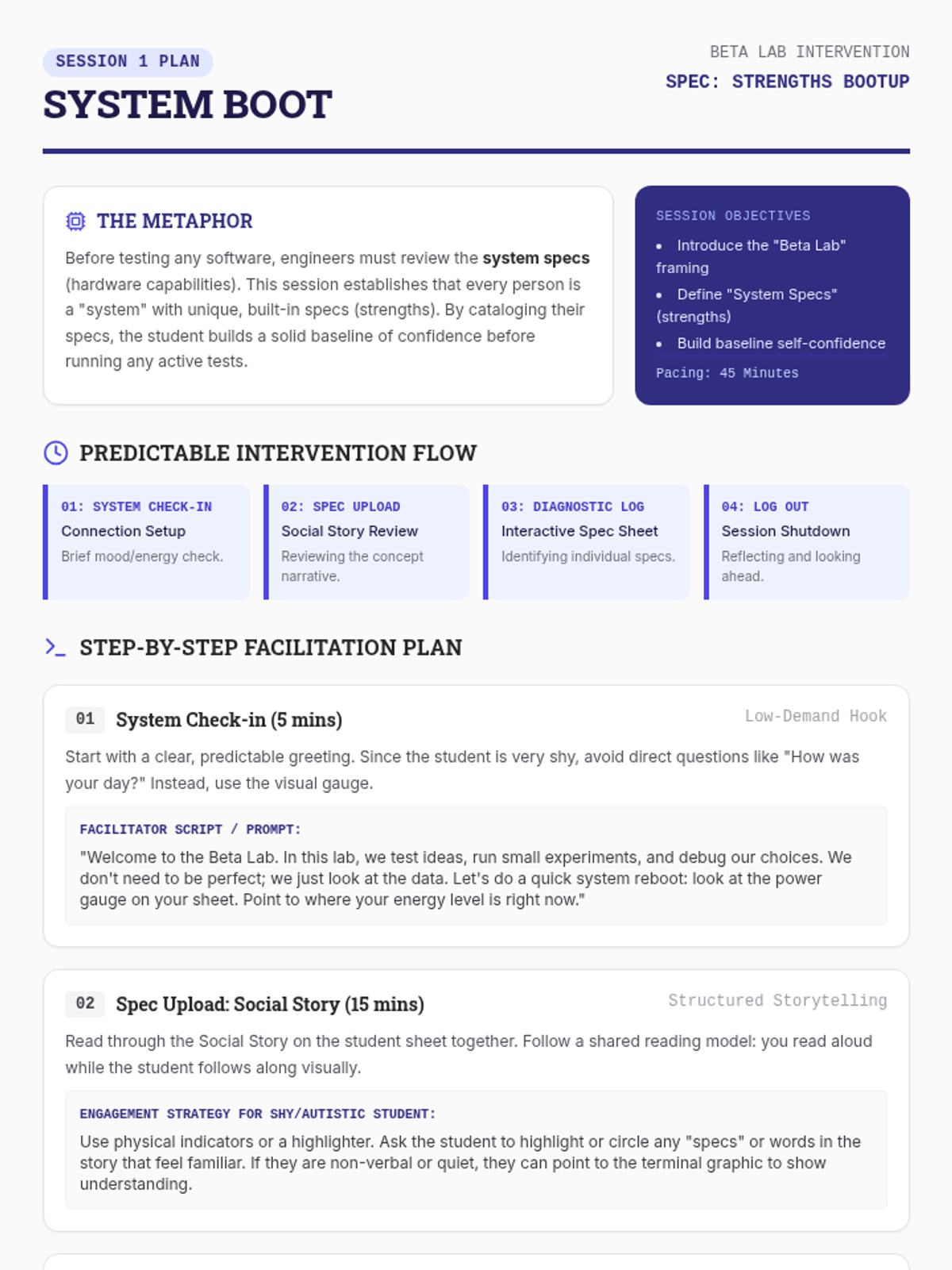
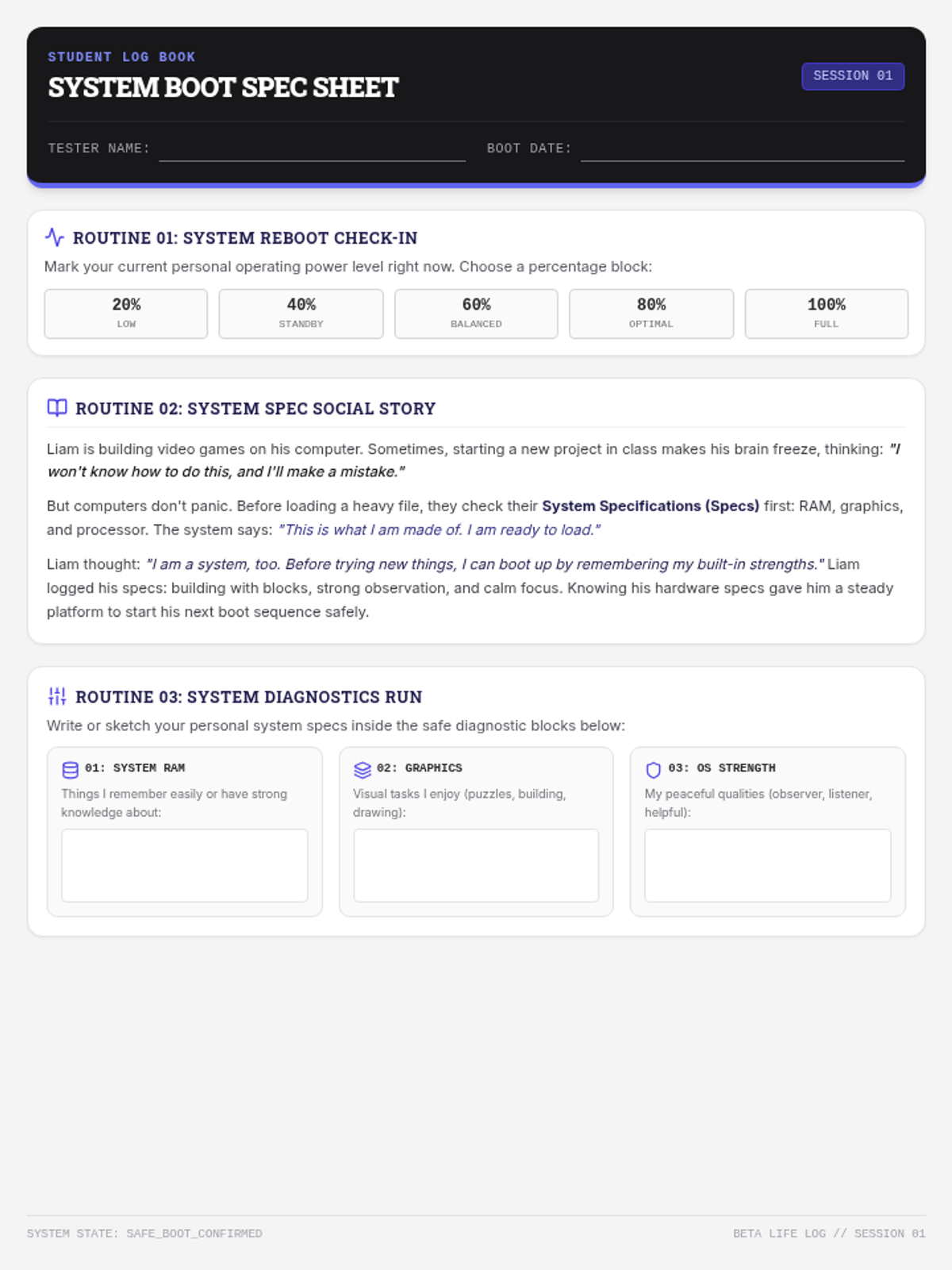
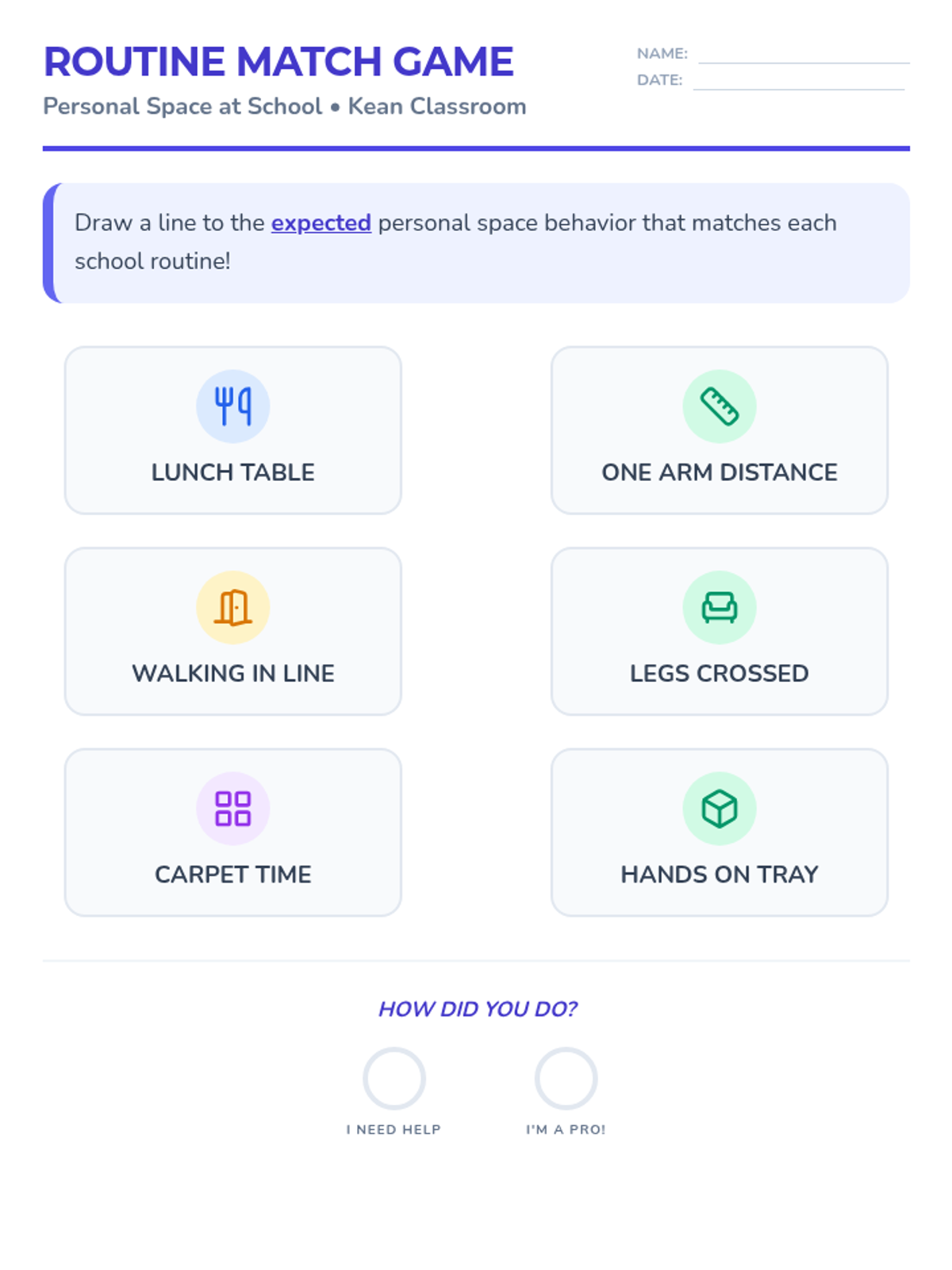
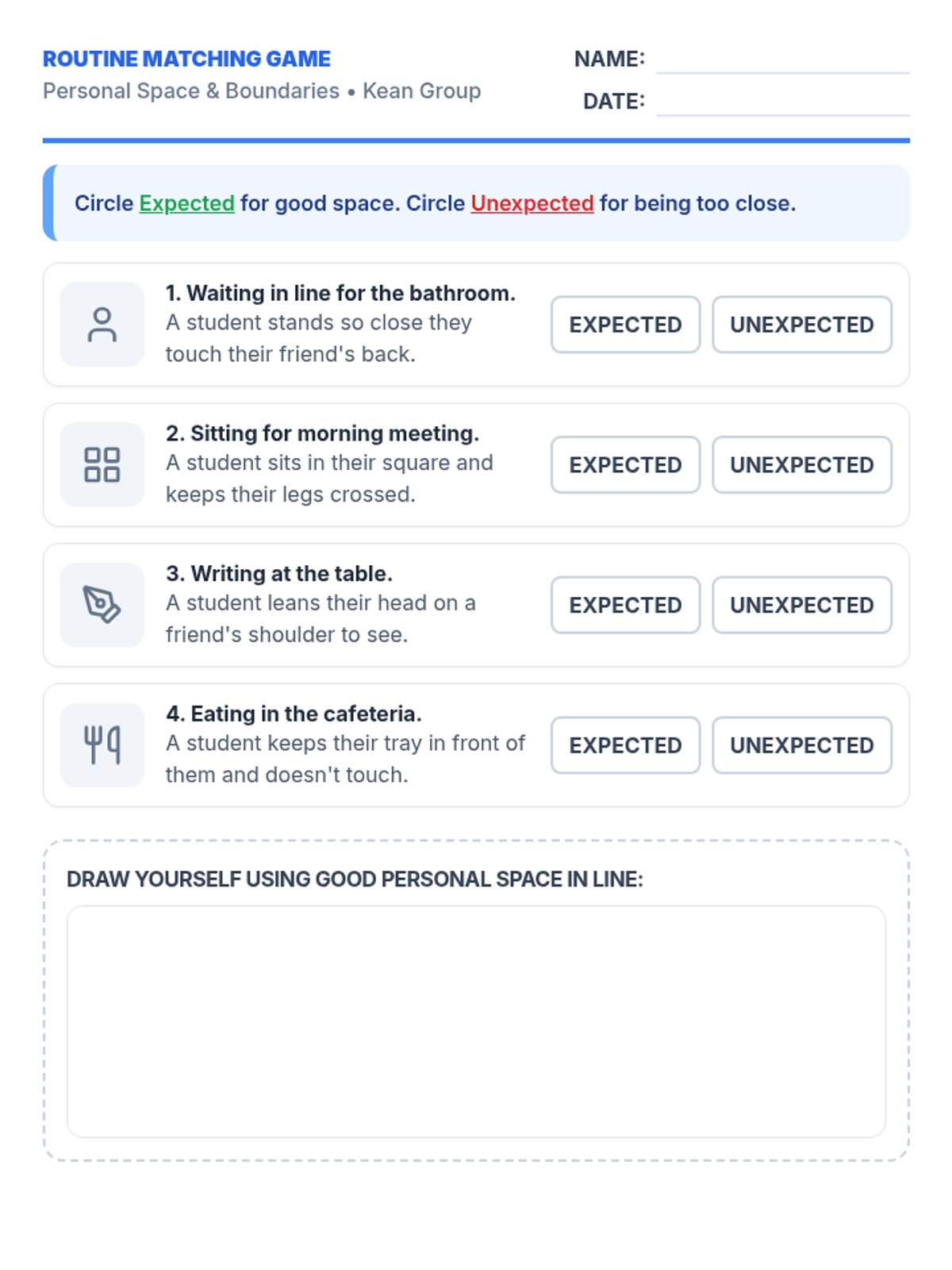
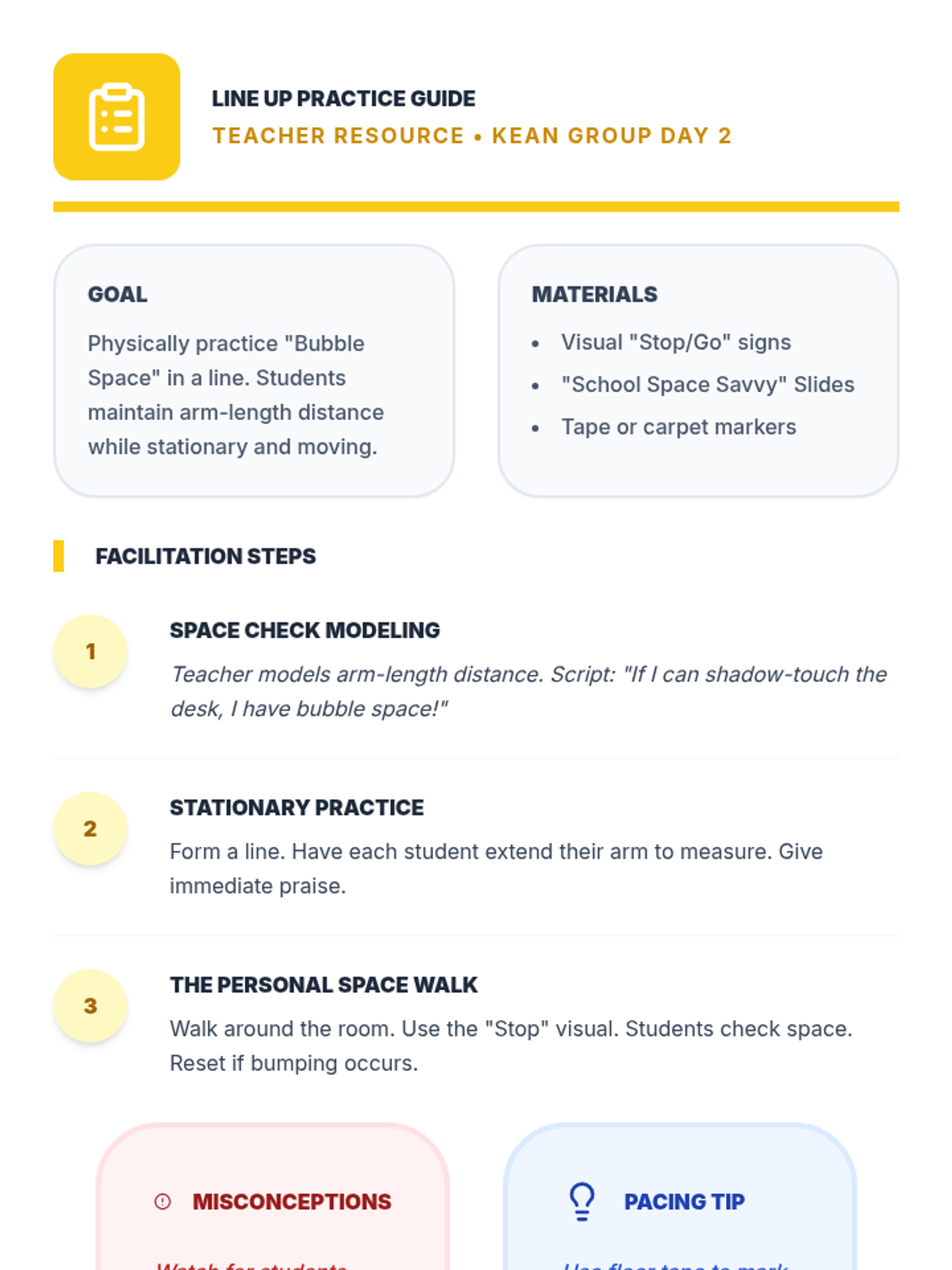
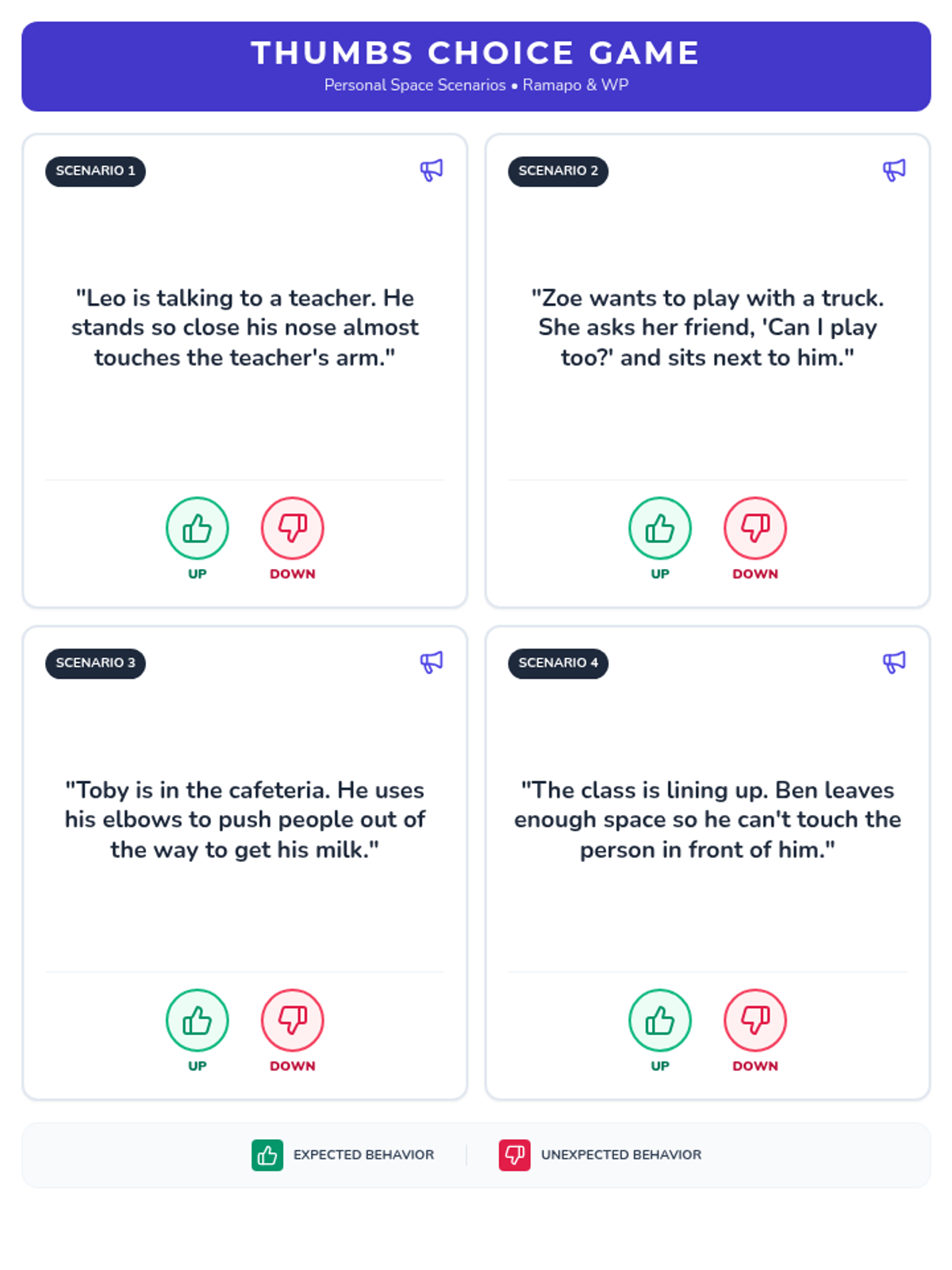
A comprehensive collection of social stories and visual supports designed by an Occupational Therapist to help students ages 5-14 navigate essential school routines, personal boundaries, and classroom expectations.
This sequence shifts the focus from assistive technology to the cognitive strategies required for auditory learning. Students engage in inquiry-based activities to distinguish between passive hearing and active listening, applying specific comprehension strategies while using text-to-speech (TTS) to access grade-level texts.
This sequence empowers 5th-grade students to understand, use, and advocate for Text-to-Speech (TTS) as a vital learning tool. It focuses on the distinction between fairness and sameness, identifying specific tasks where TTS is most effective, and building the social-emotional confidence to communicate needs to teachers and peers.
A 5th-grade sequence focused on using Text-to-Speech (TTS) technology as a cognitive strategy for reading comprehension. Students learn bi-modal reading, text chunking, evidence collection, and active annotation to transition from passive listening to active engagement with digital text.
This technical foundation sequence introduces 5th-grade students to text-to-speech (TTS) software, focusing on interface navigation, customization of voice settings, selective reading strategies, and independent troubleshooting. Students develop the skills to personalize digital tools to meet their individual sensory and learning needs.
This sequence uses base-ten blocks to help 6th-grade students with learning disabilities visualize decimal place value and operations. By redefining the 'flat' as one whole, students tactilely explore tenths and hundredths to build a concrete foundation for addition and subtraction.
A 5-lesson sequence designed for 5th-grade students focusing on working memory through physical navigation. Students practice spatial vocabulary, single-step commands, and sequential logic through movement-based activities.
A specialized sequence for 5th-grade students focusing on working memory support through task segmentation. Students learn to break complex tasks into single steps, using digital pacing and physical checklists to manage cognitive load and reduce anxiety.
A specialized sequence for 5th-grade students to develop working memory strategies, specifically focusing on following single-step directions through verbal rehearsal, keyword identification, and distraction management.
A sequence focused on teaching 5th-grade students to use visual tools to manage working memory and follow single-step directions, moving from symbol recognition to independent flip-book use.
A specialized sequence designed to support 4th-grade students with working memory challenges by teaching them to use visual icons and checklists as external memory aids. The sequence builds from symbol recognition to independent task completion using visual command lines.