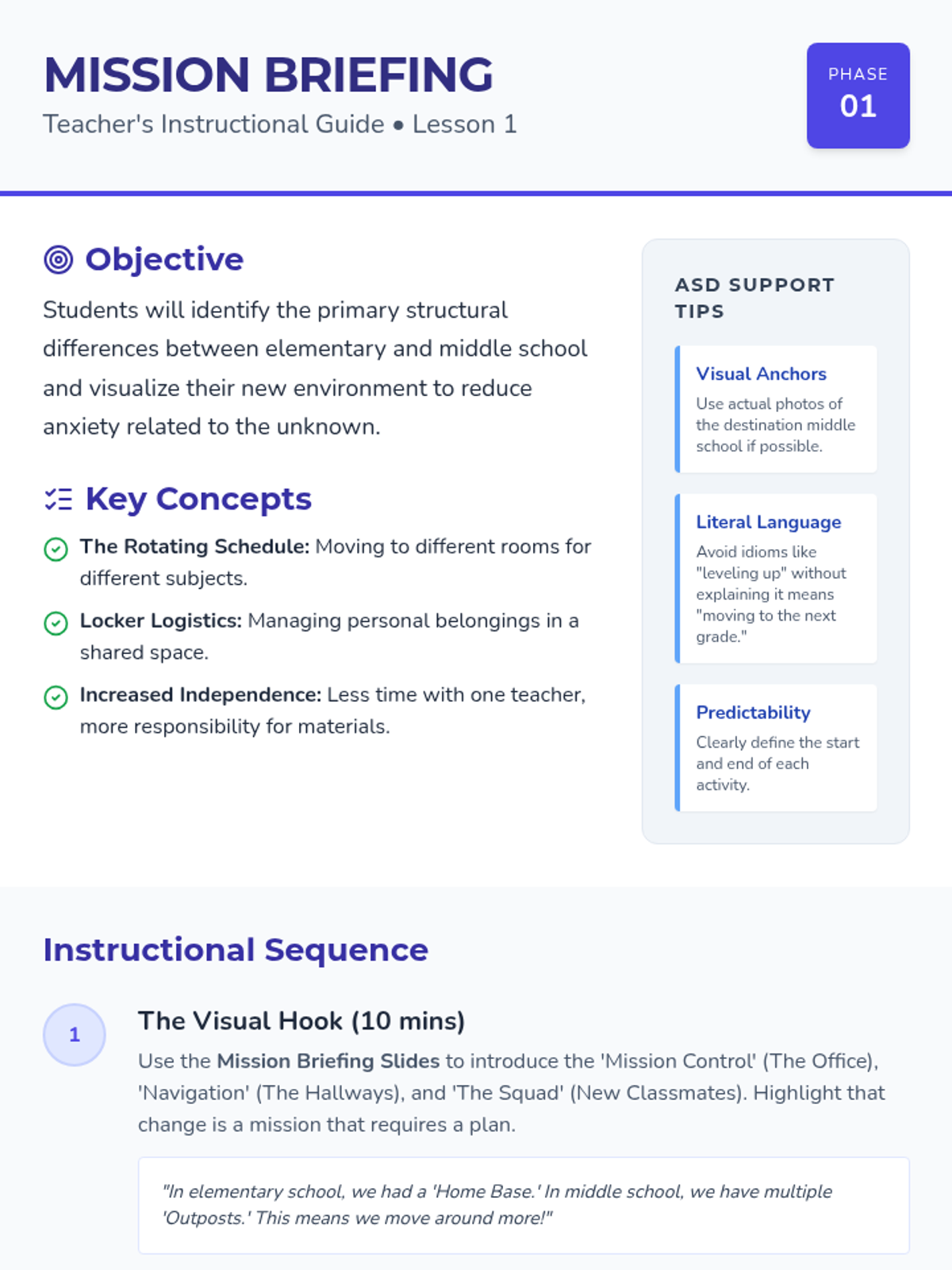
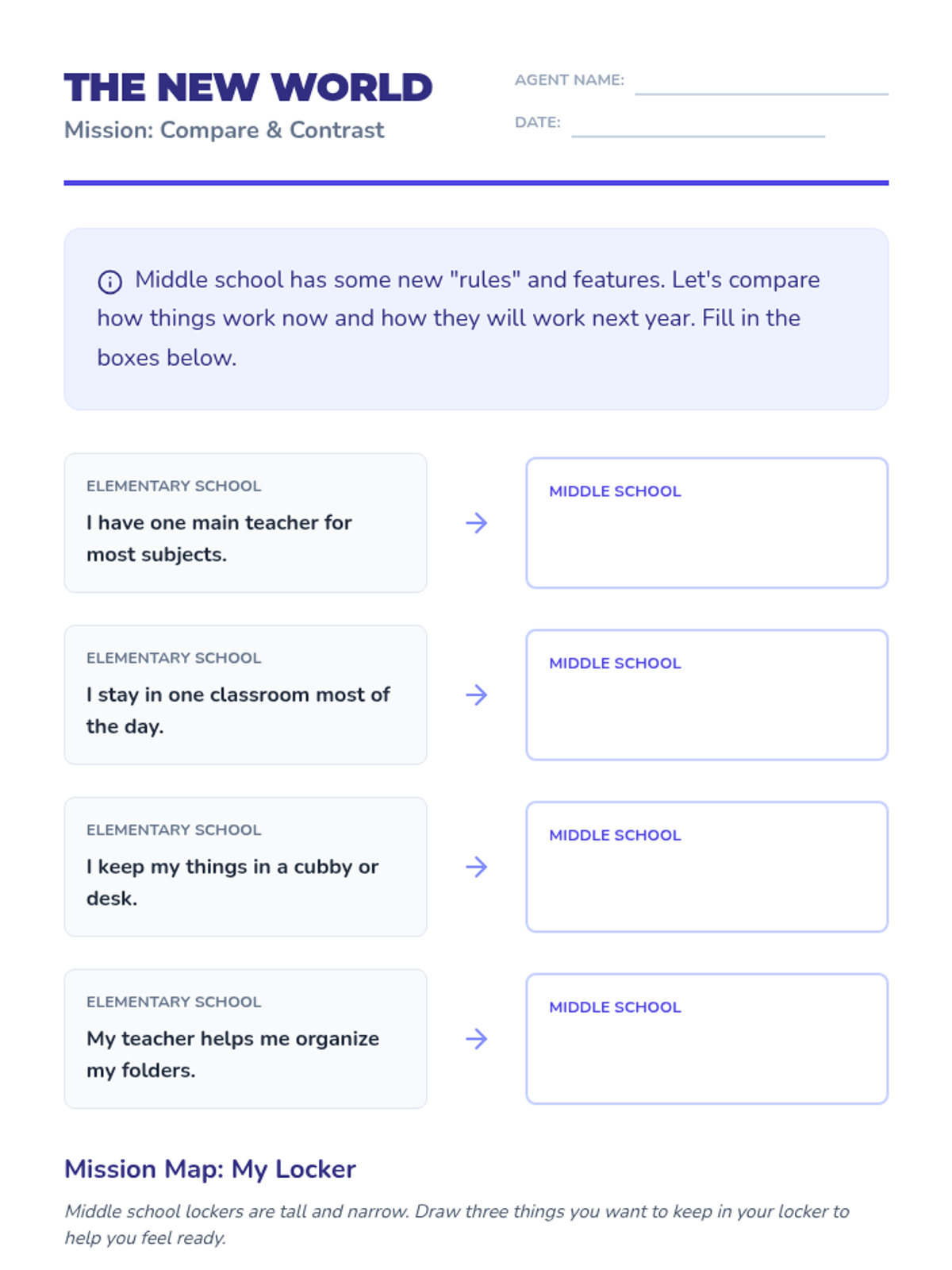
A 5-lesson sequence for 6th-grade students focusing on physical organization through visual supports and color-coding. Students move from identifying classroom systems to designing and auditing them to build independence and shared responsibility.
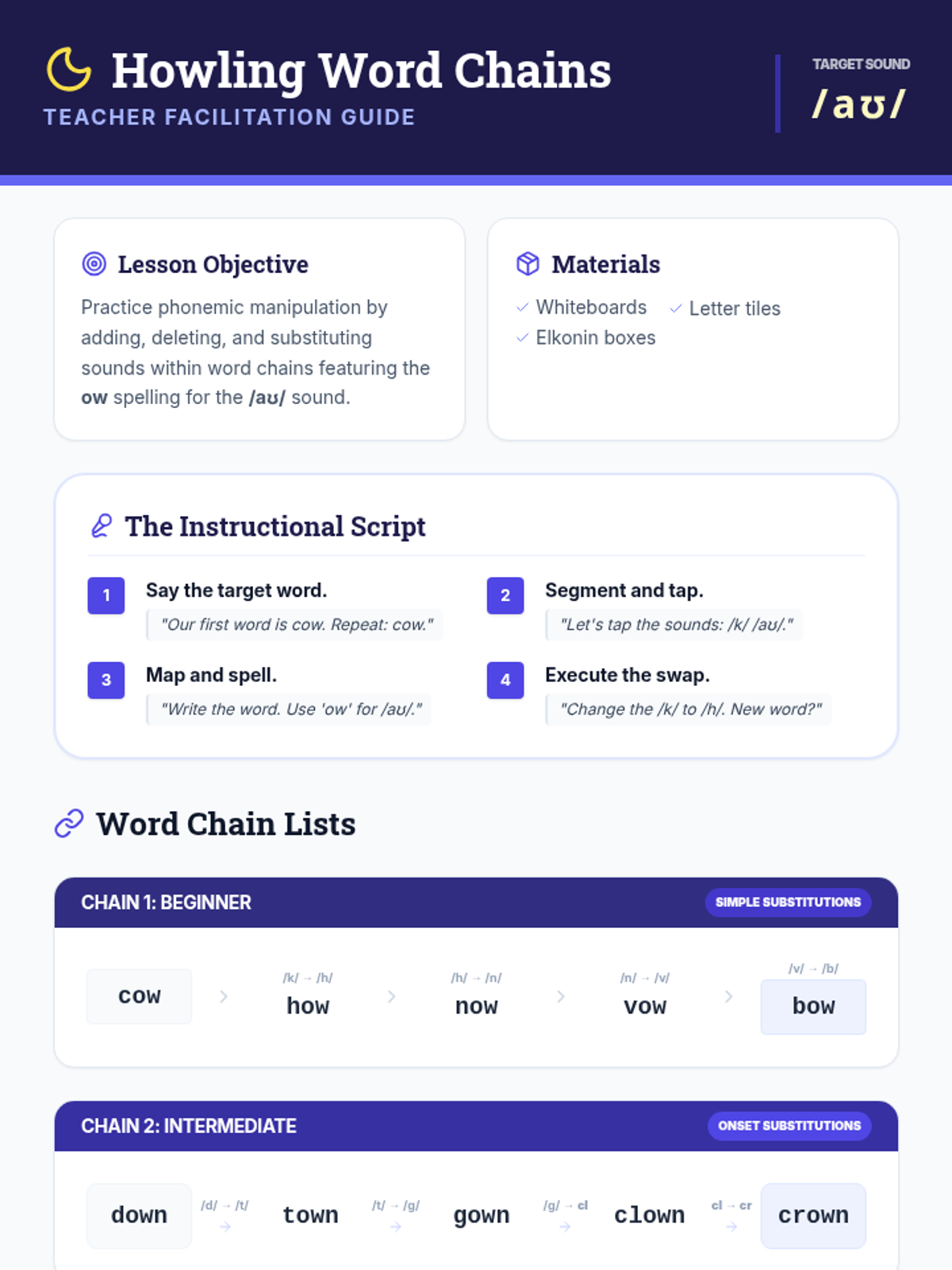
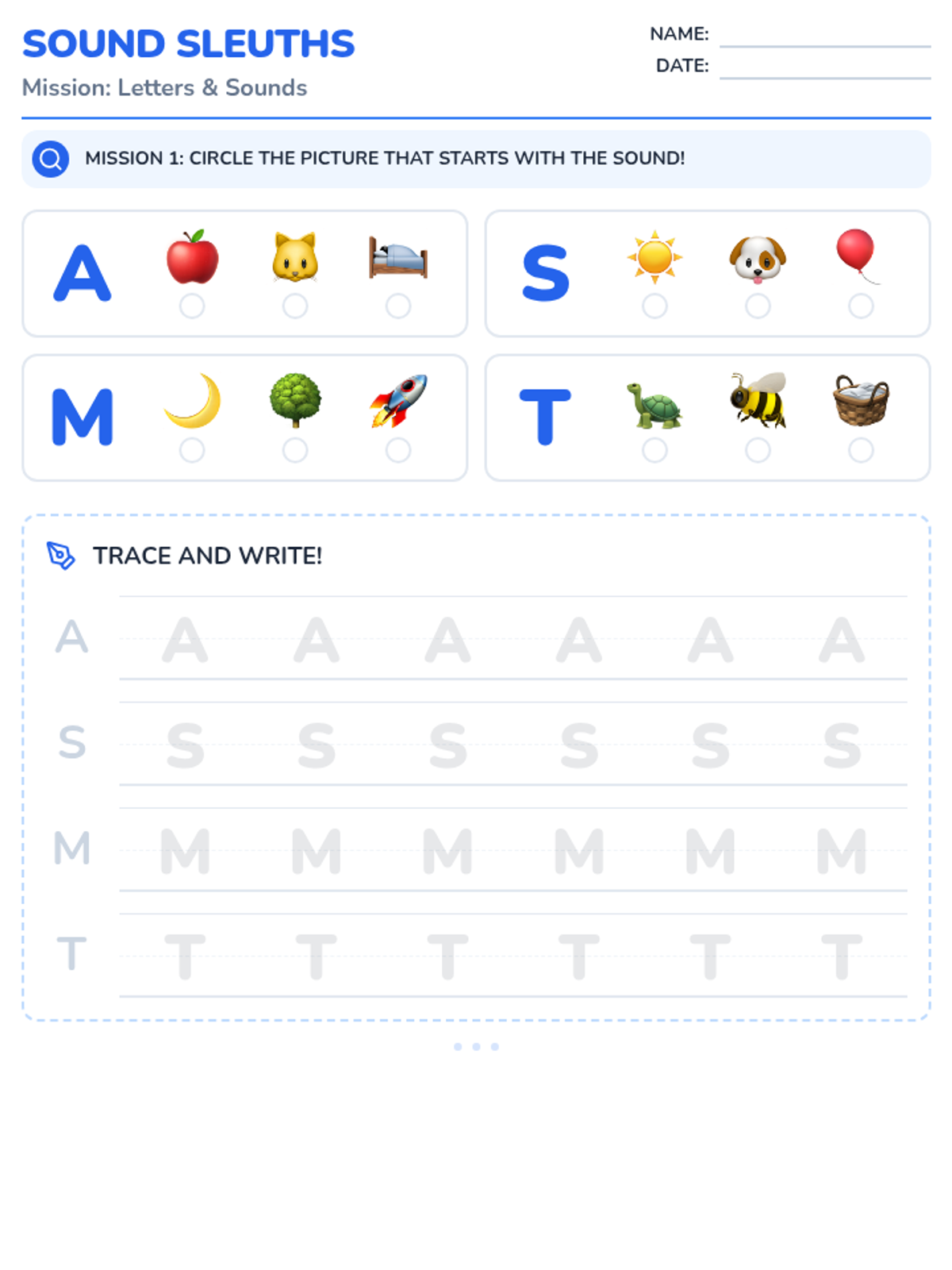
A week-long series of Valentine's Day themed activities designed for nonverbal students at a 1st/2nd grade level. The sequence focuses on fine motor skills, basic numeracy, literacy through tracing, and visual logic through patterns and matching.
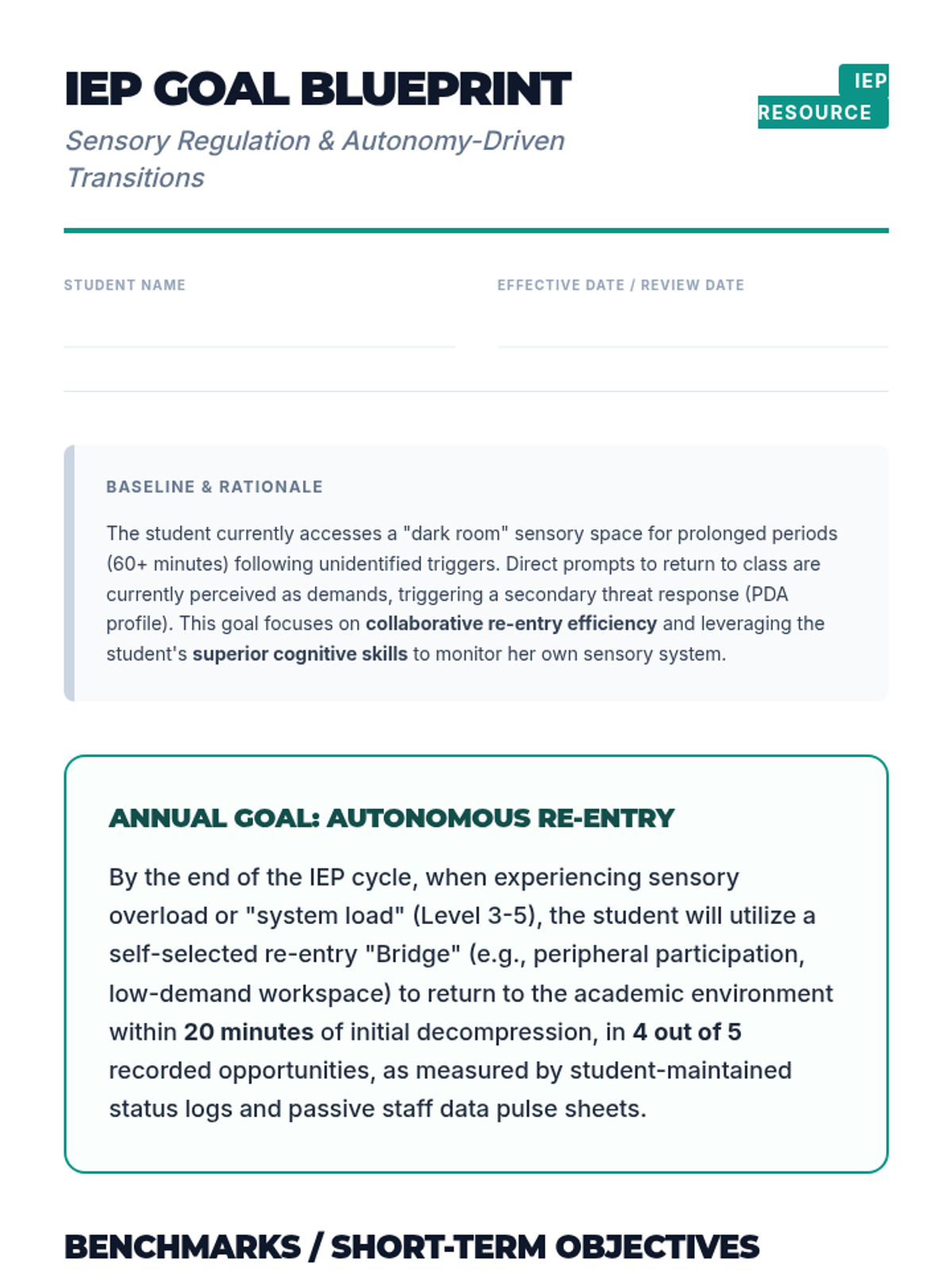
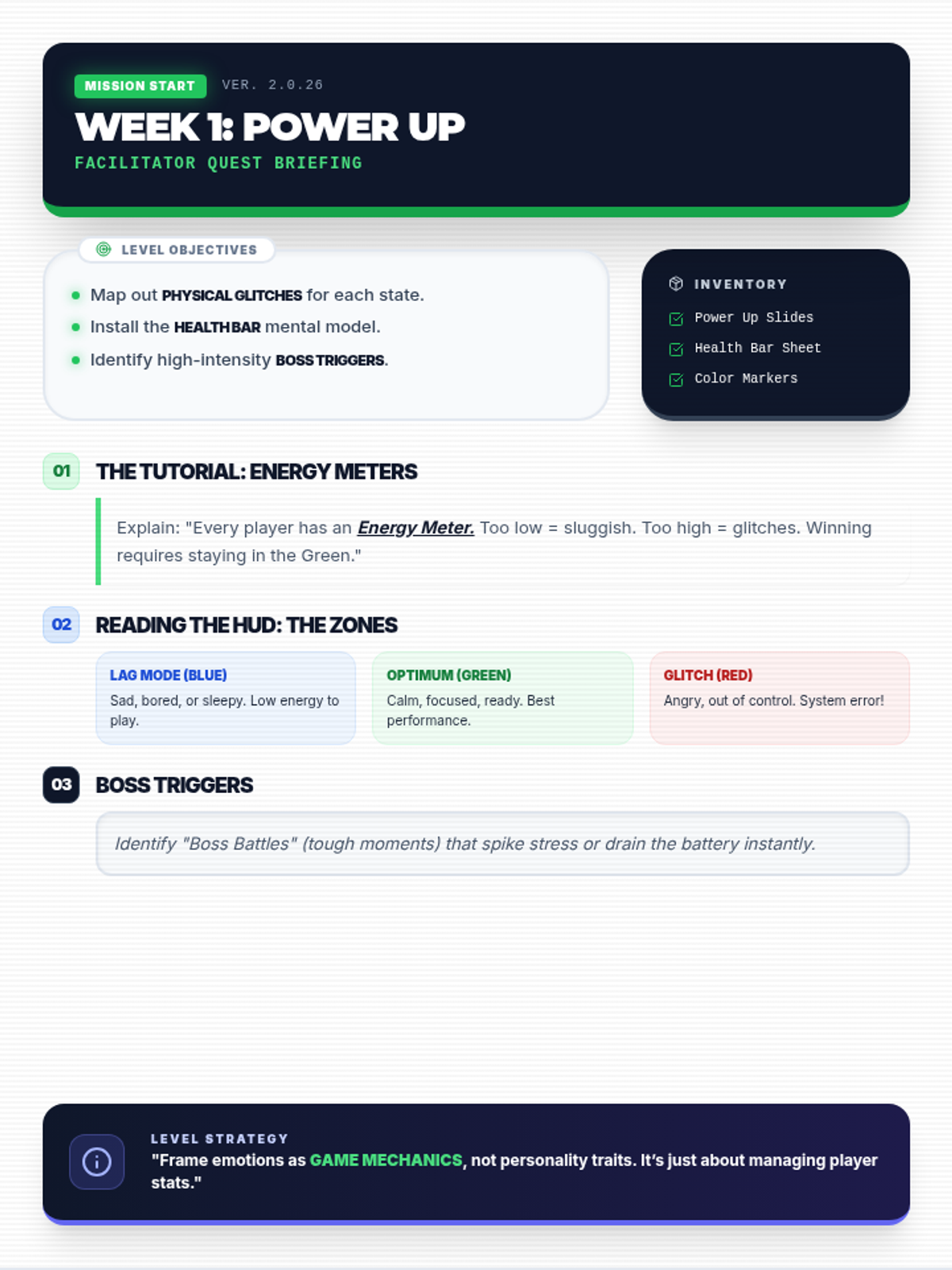
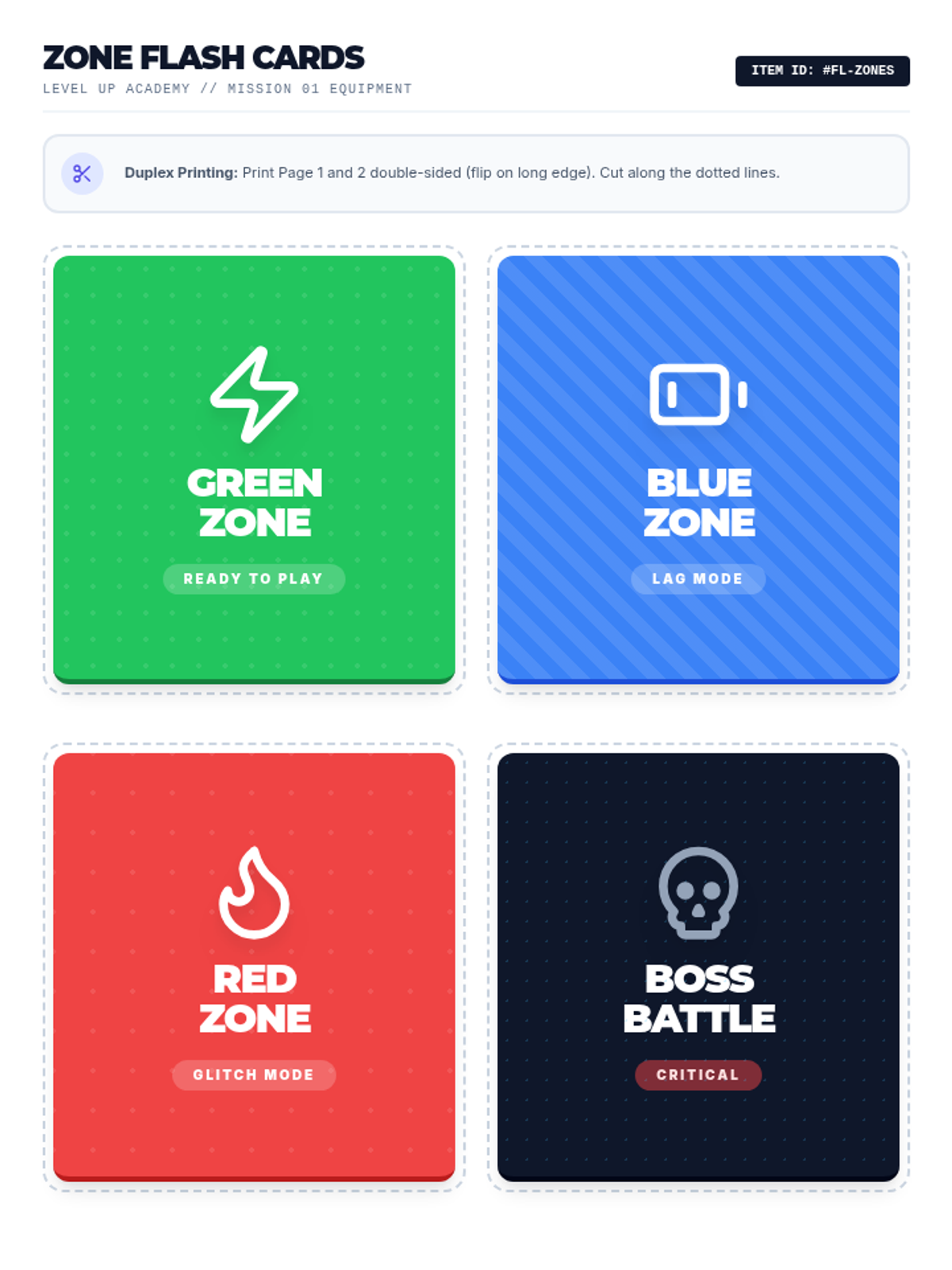
A comprehensive toolkit designed for a 6th-grade student to navigate emotional dysregulation. This sequence focuses on identifying internal triggers, building a personalized strategy toolkit, and establishing a clear safety protocol for crisis moments, providing stability in both school and home environments.
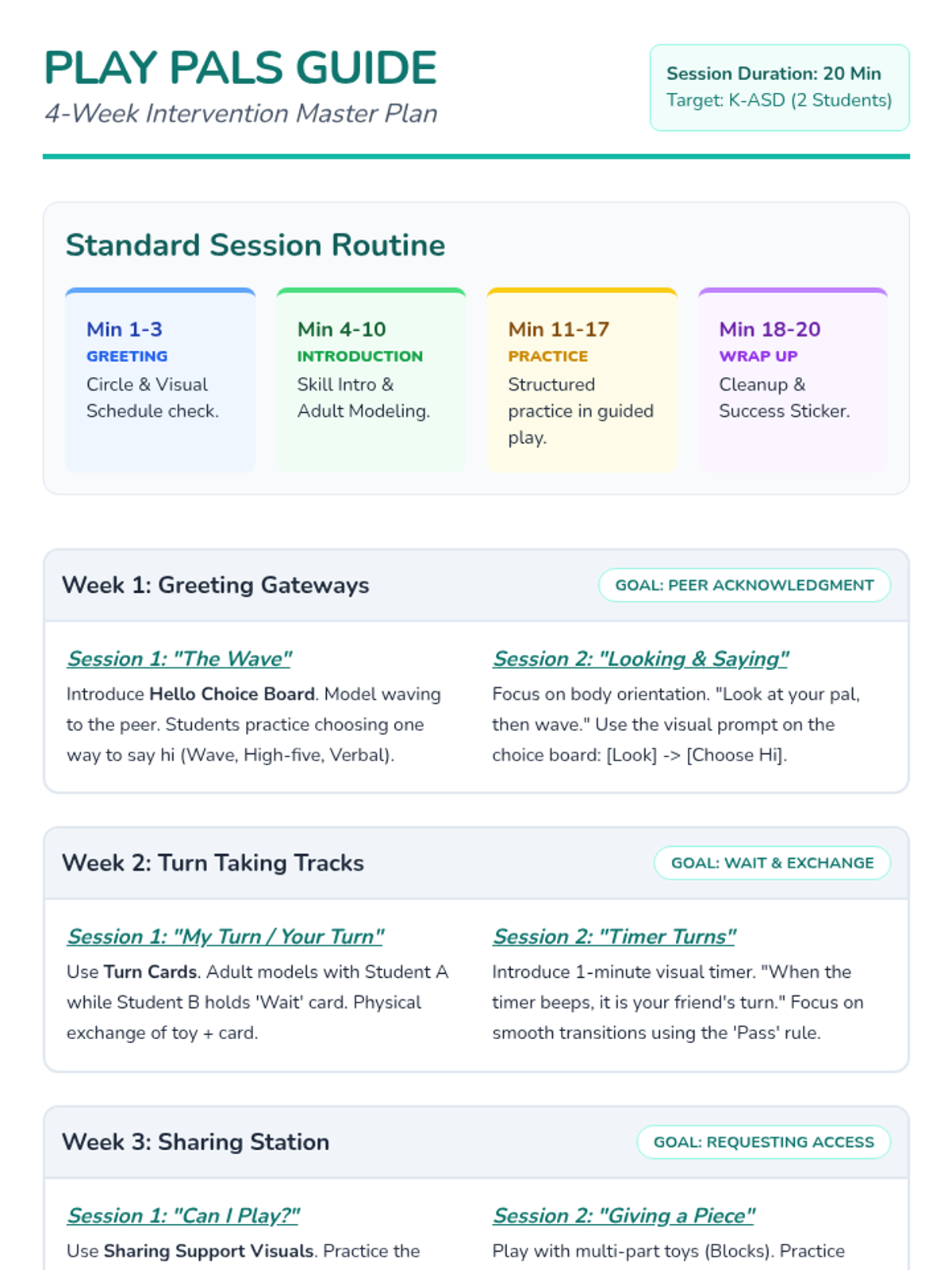
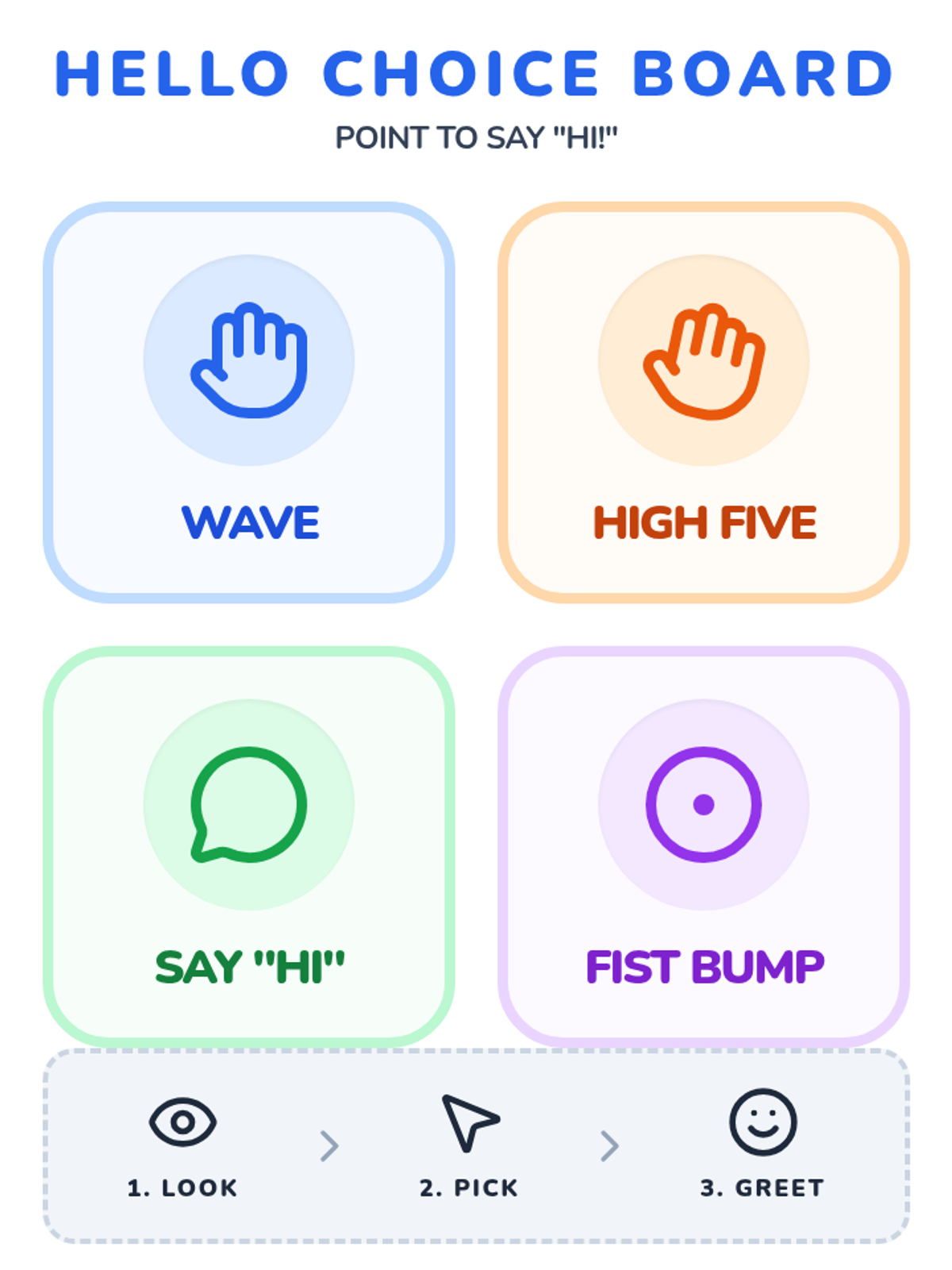
A comprehensive 30-minute interactive lesson plan focused on communication, motor skills, and social engagement for early childhood autistic students using Eric Carle's 'Around the Farm'.
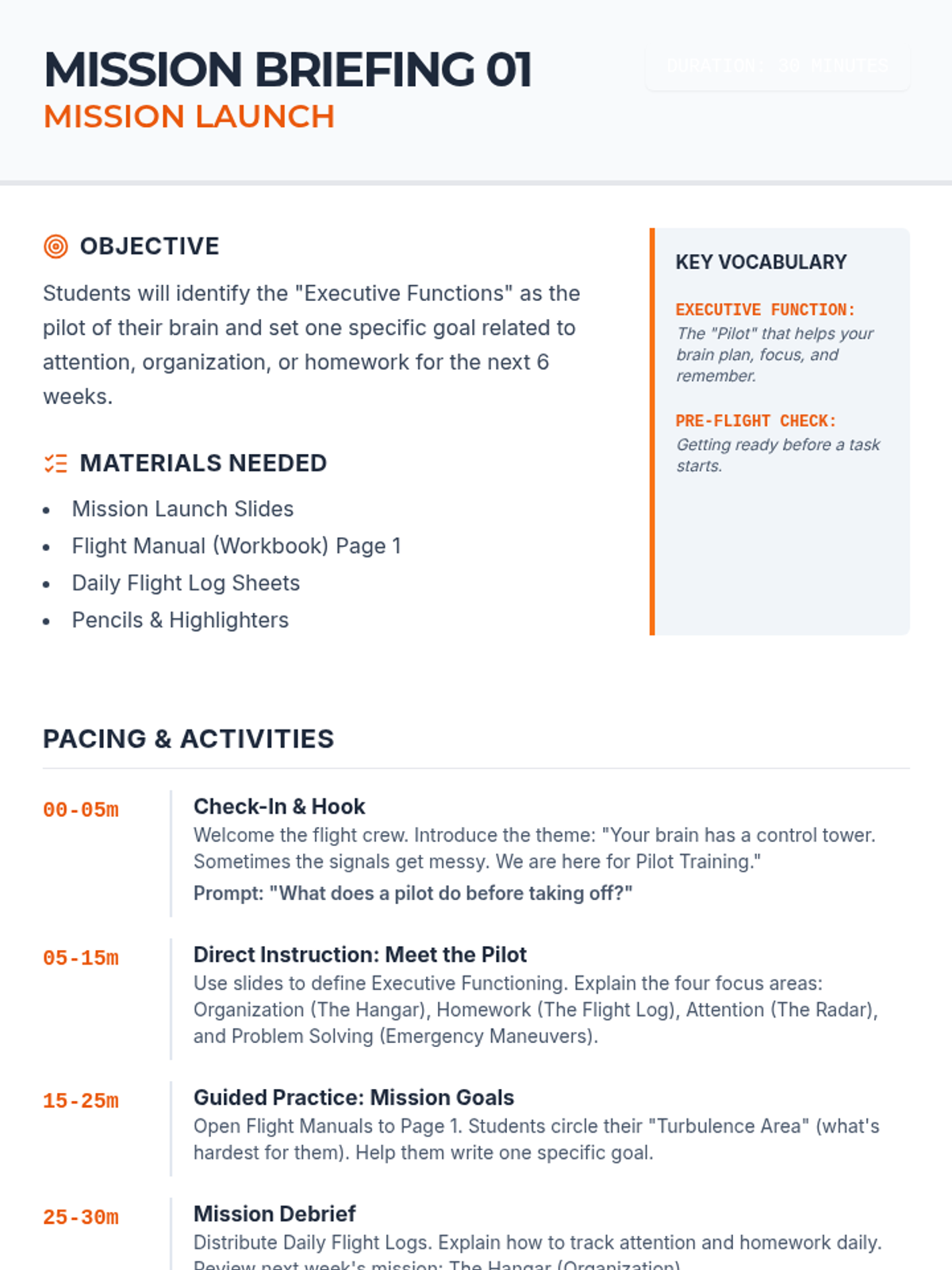
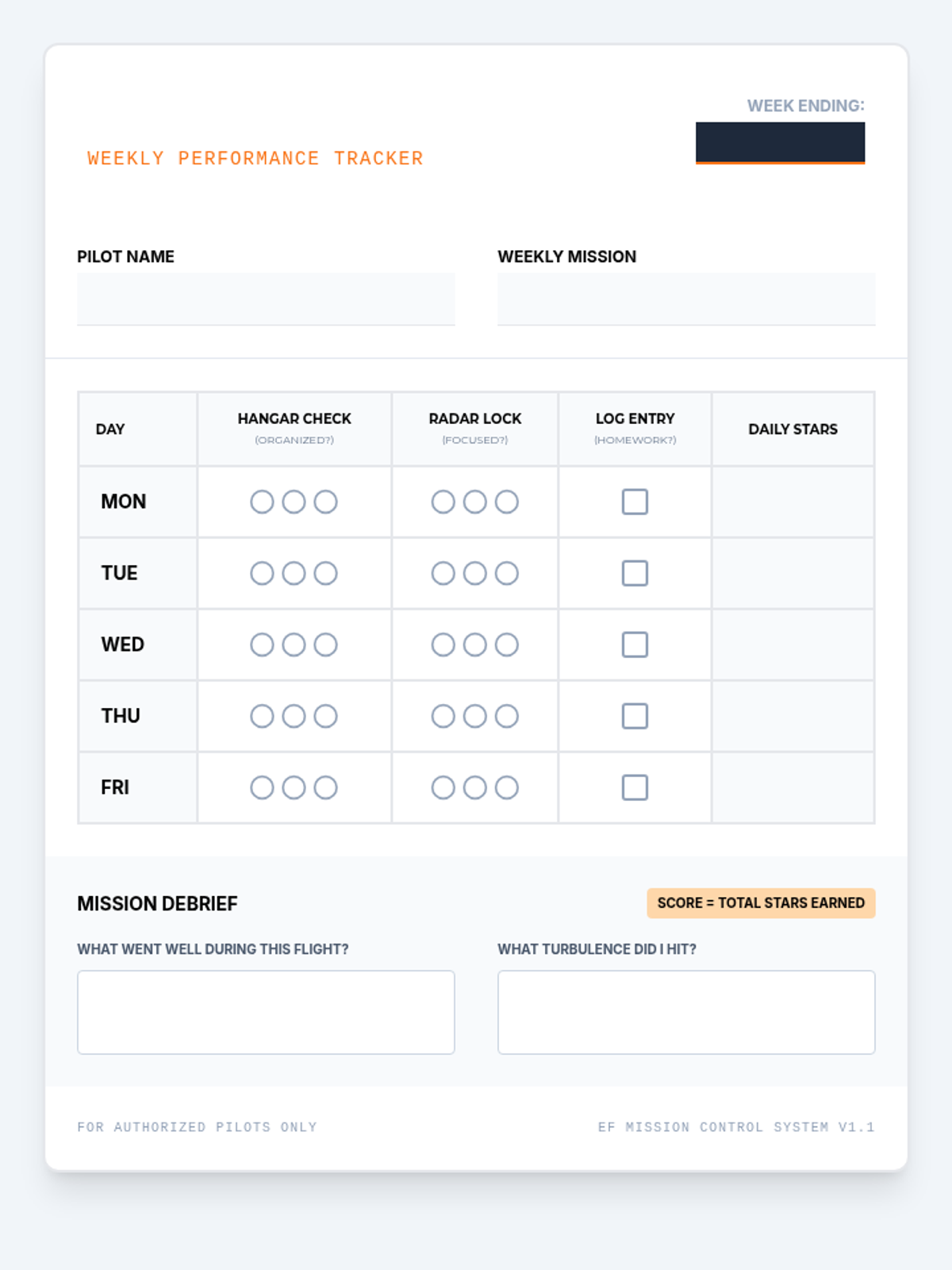
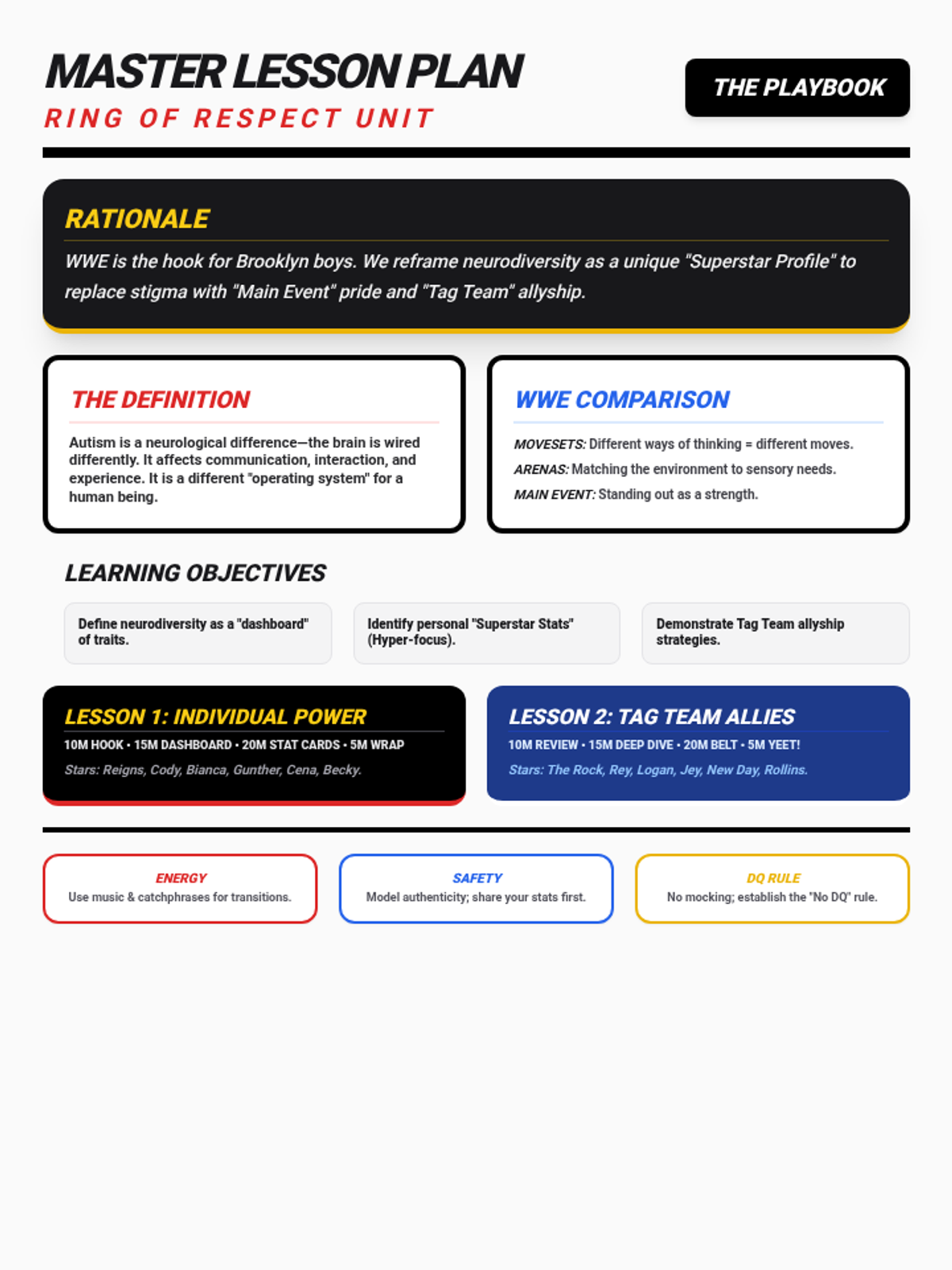
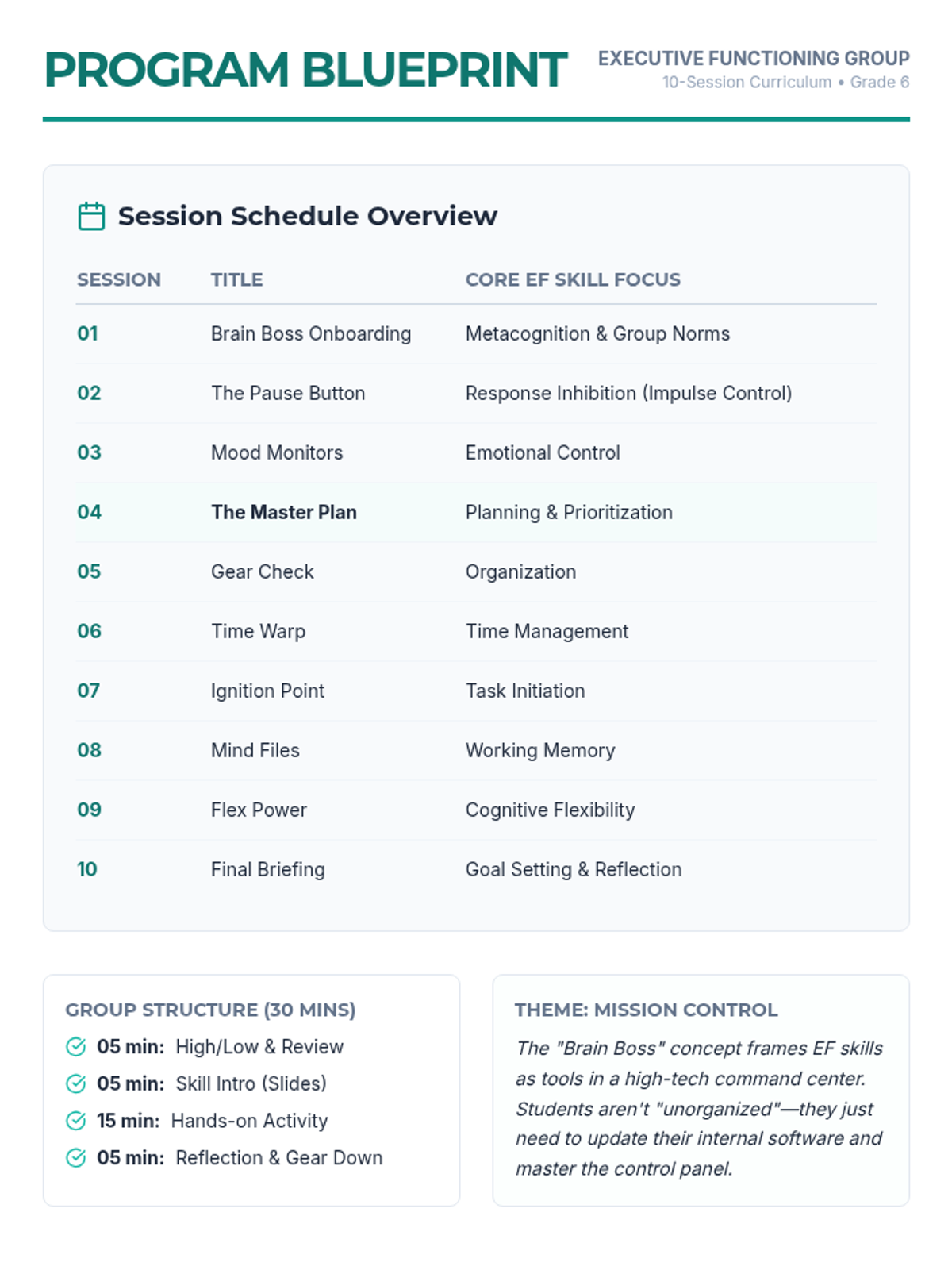
A series of lessons exploring the intersection of neuroscience and daily behavior, focusing on executive function and neurodivergence.
A comprehensive 9-week instructional sequence designed for students with Blind and Low Vision needs, focusing on mastery of common Braille contractions through repetitive practice, tracing, and dictation.
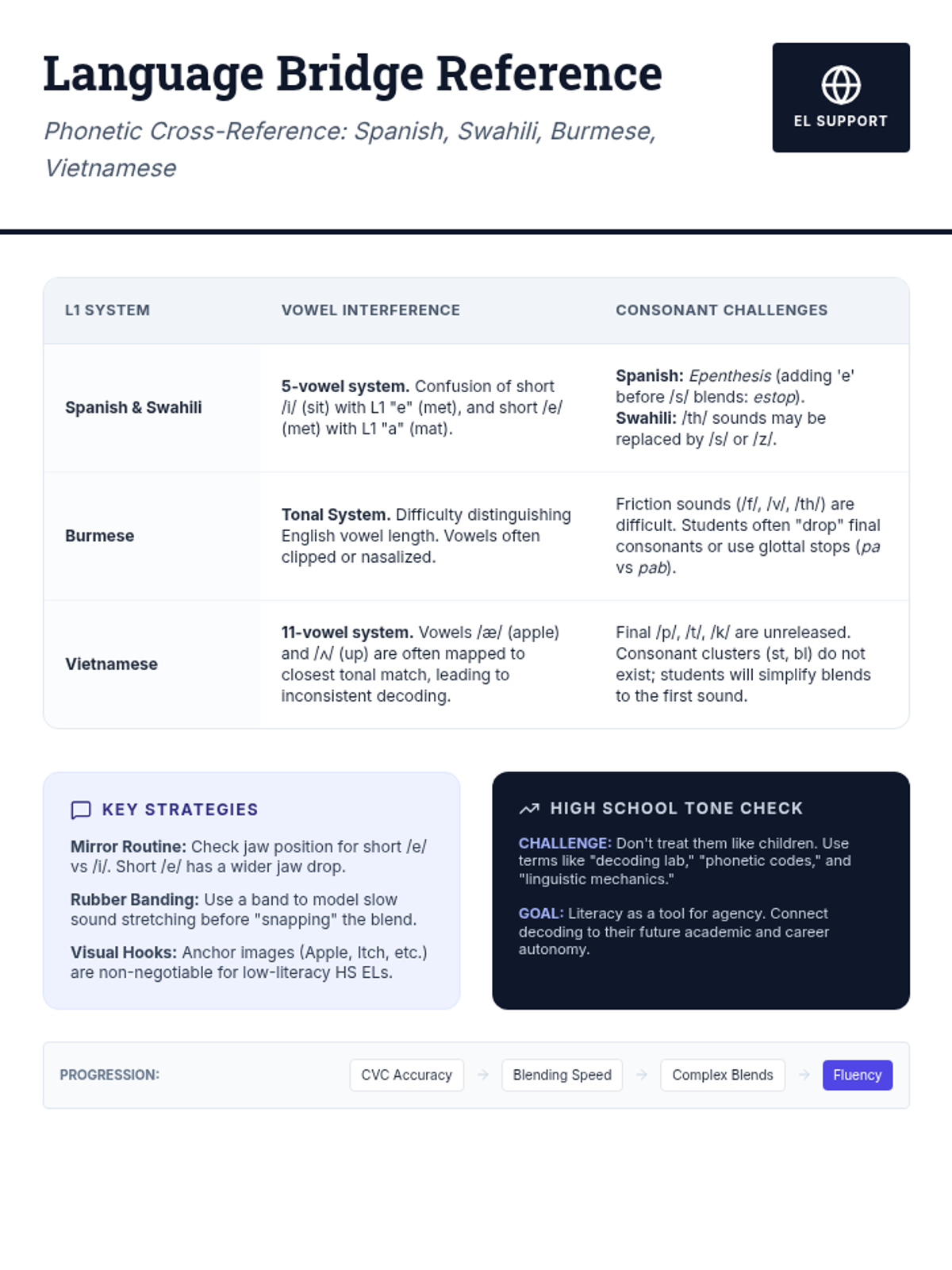
This professional development sequence explores the complex intersection of English language acquisition and special education, focusing on legal requirements, identification challenges, and equitable practices.
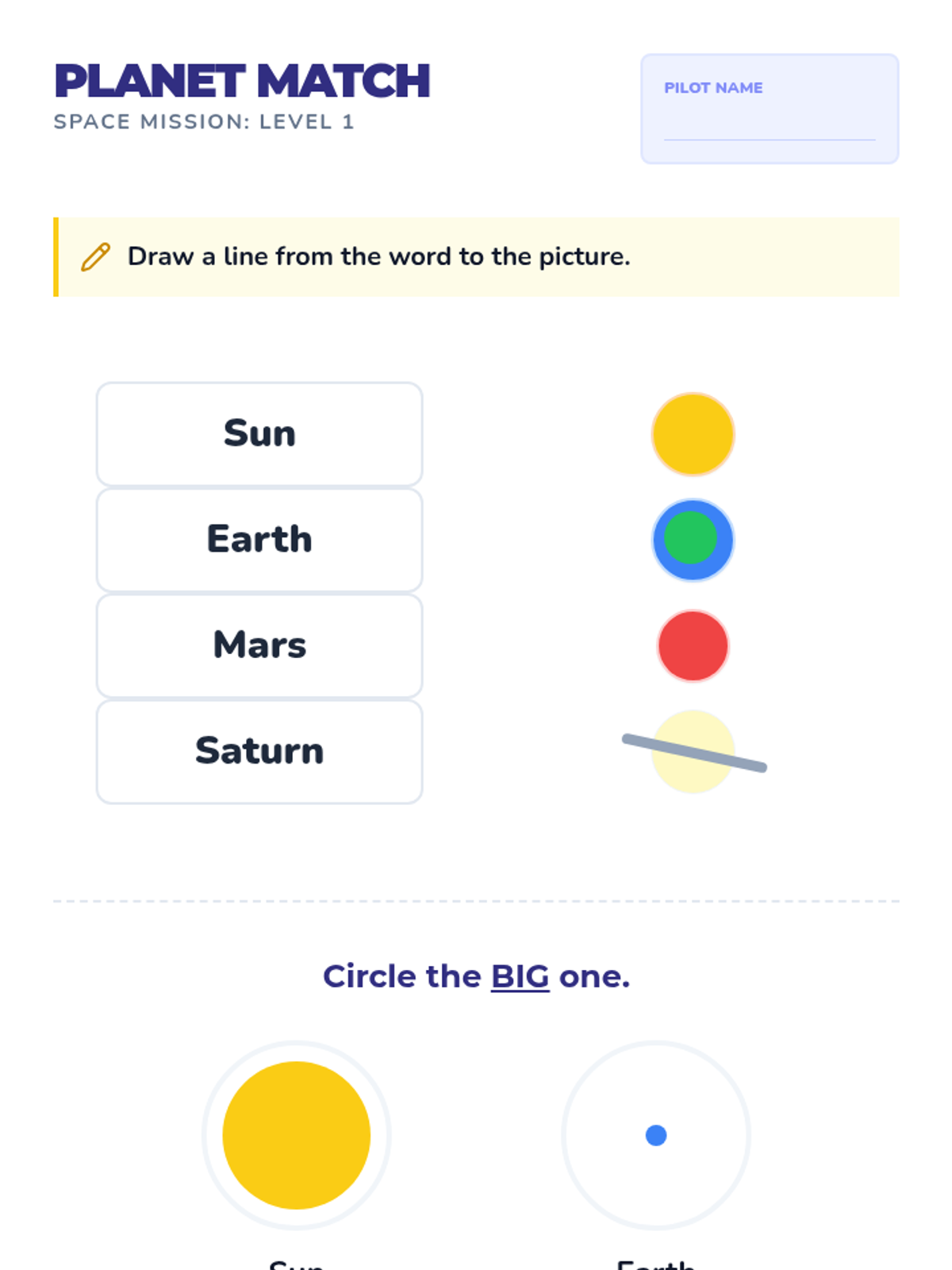
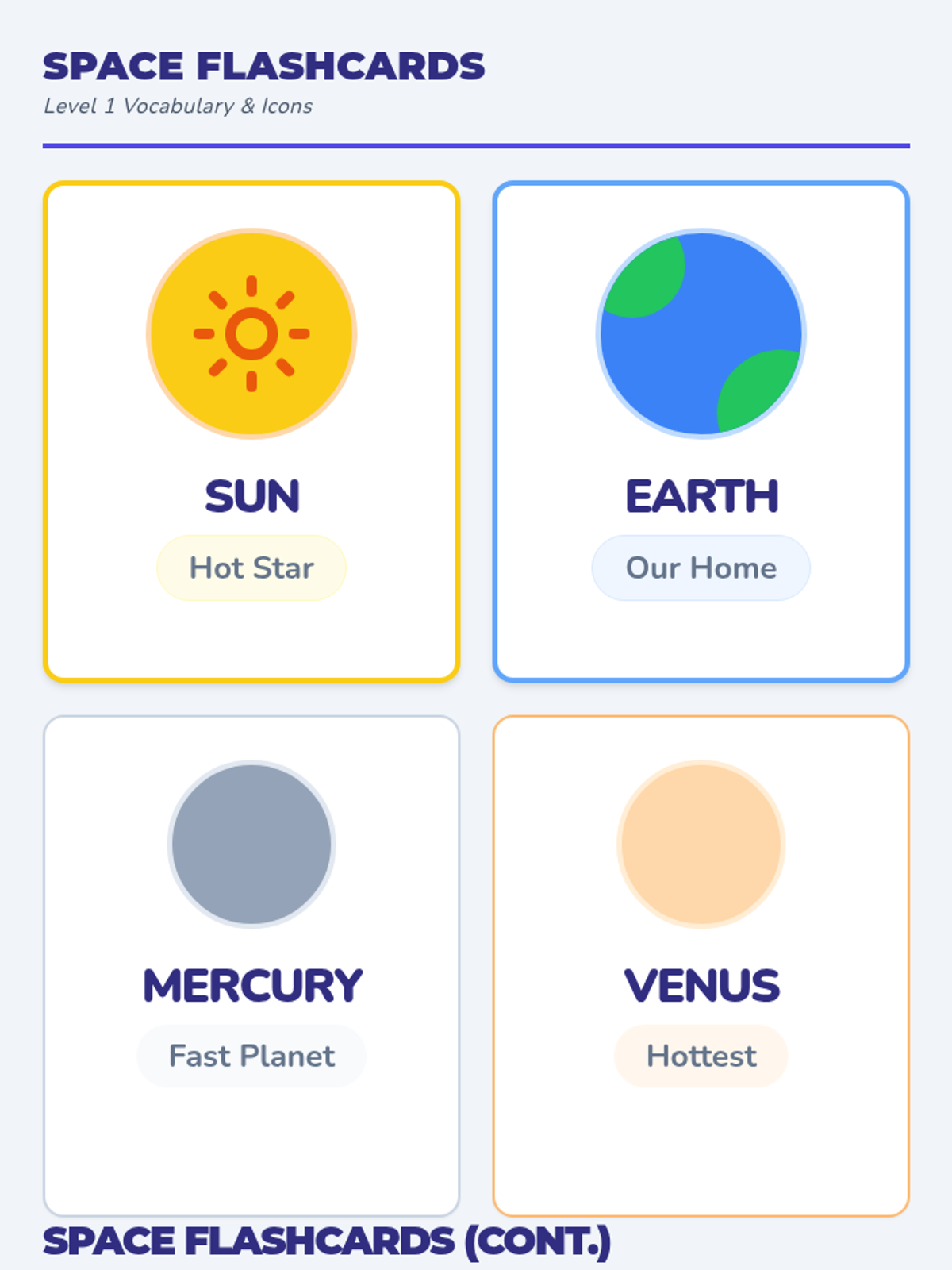
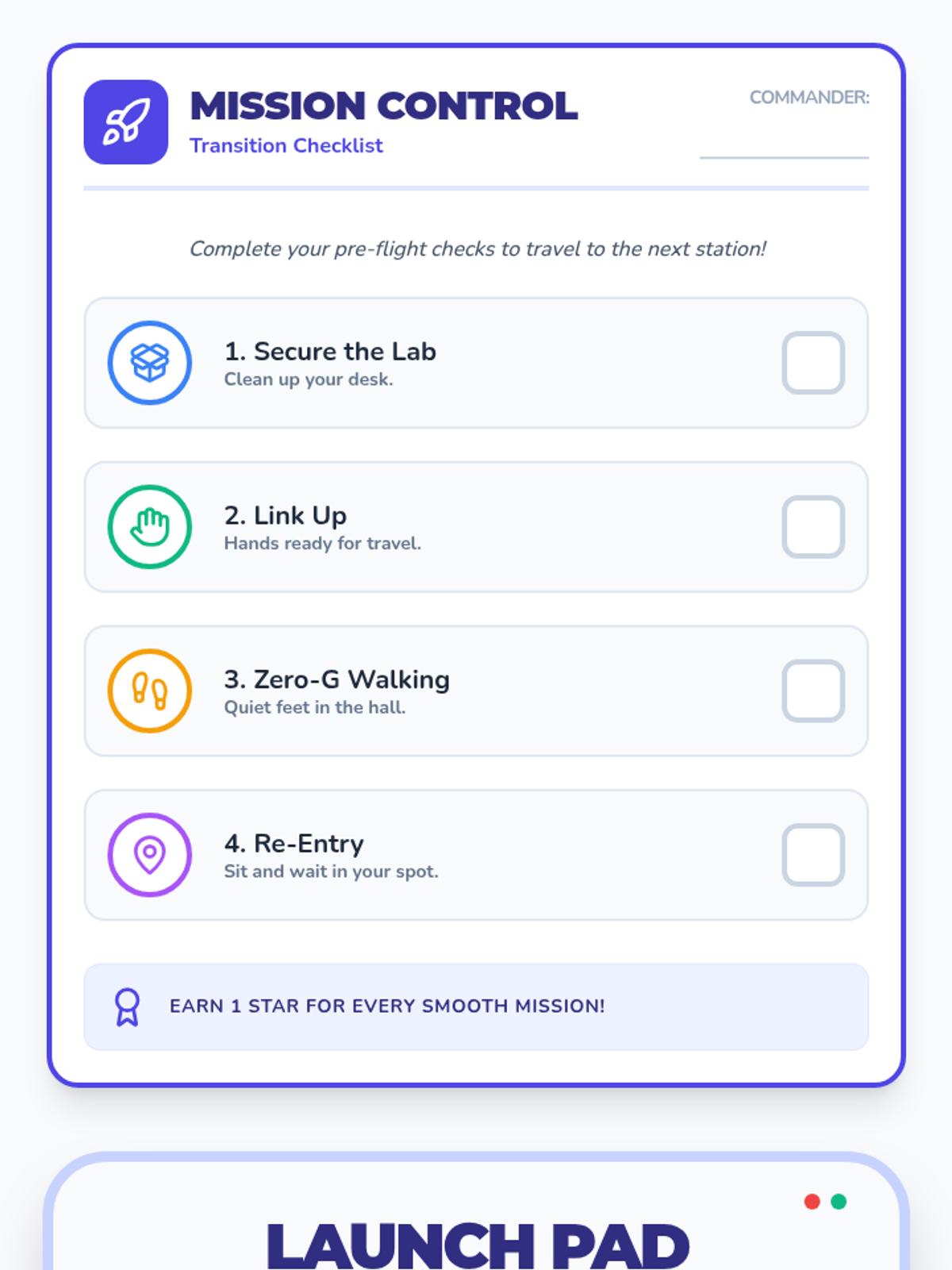
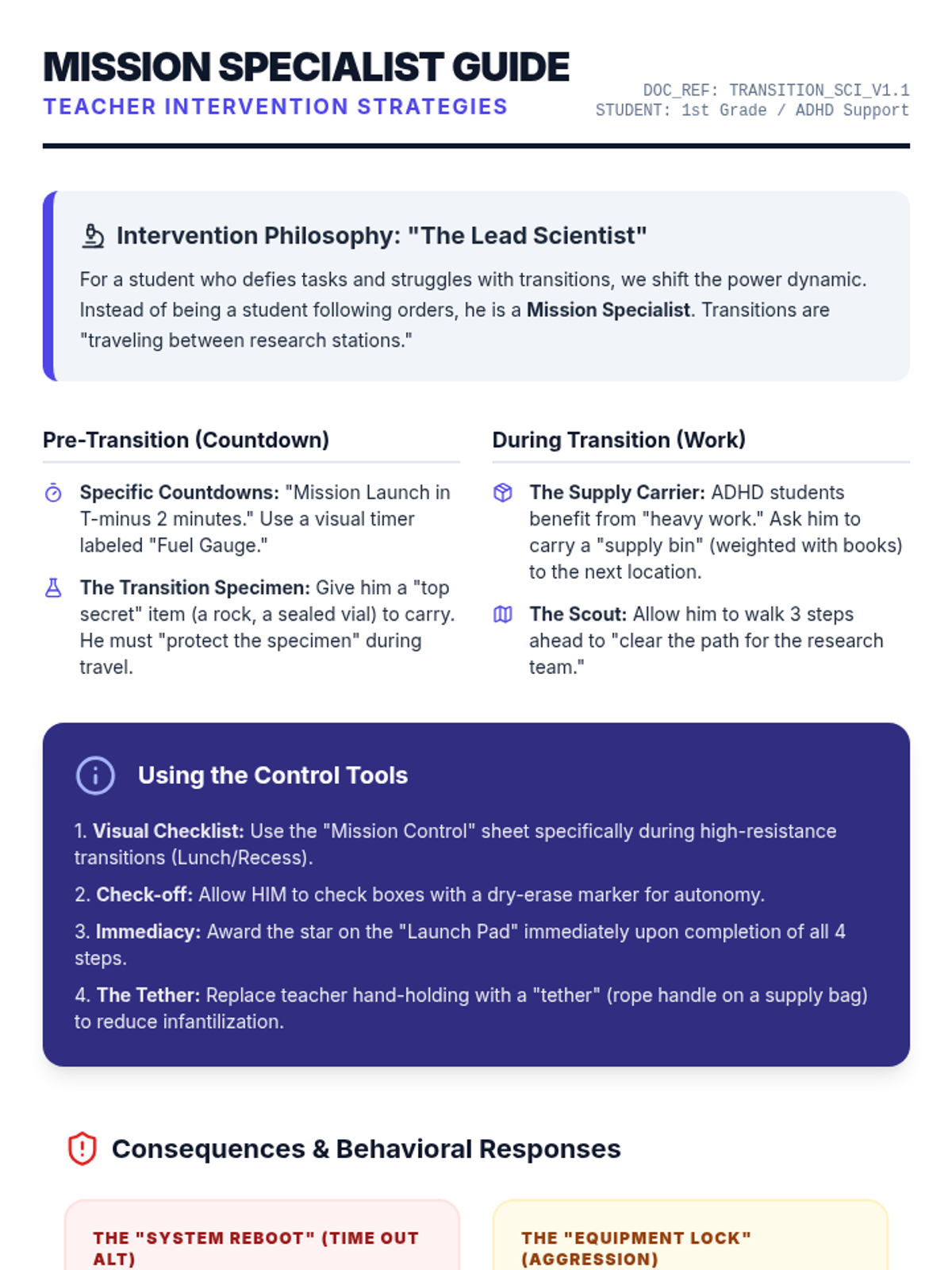
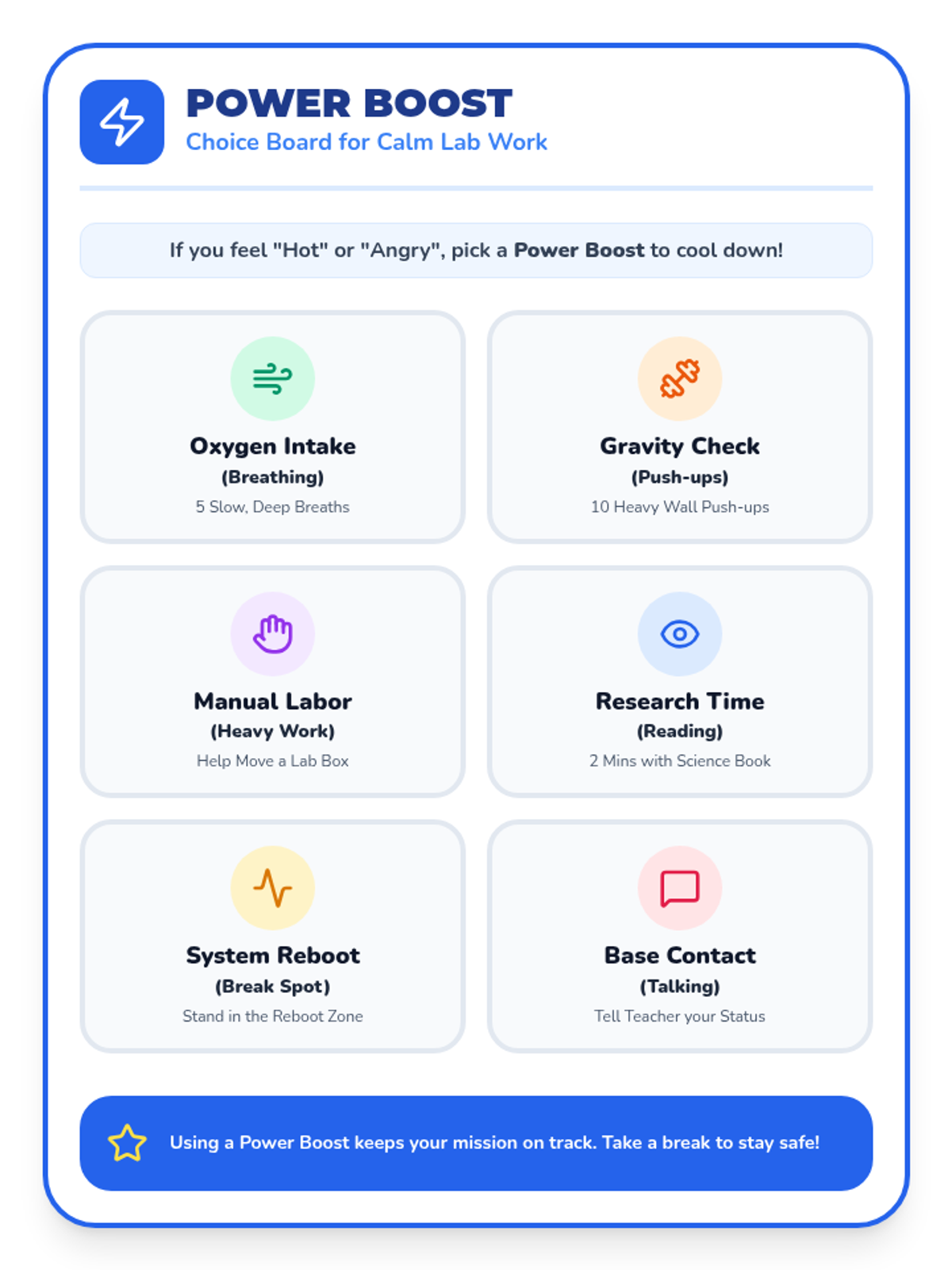
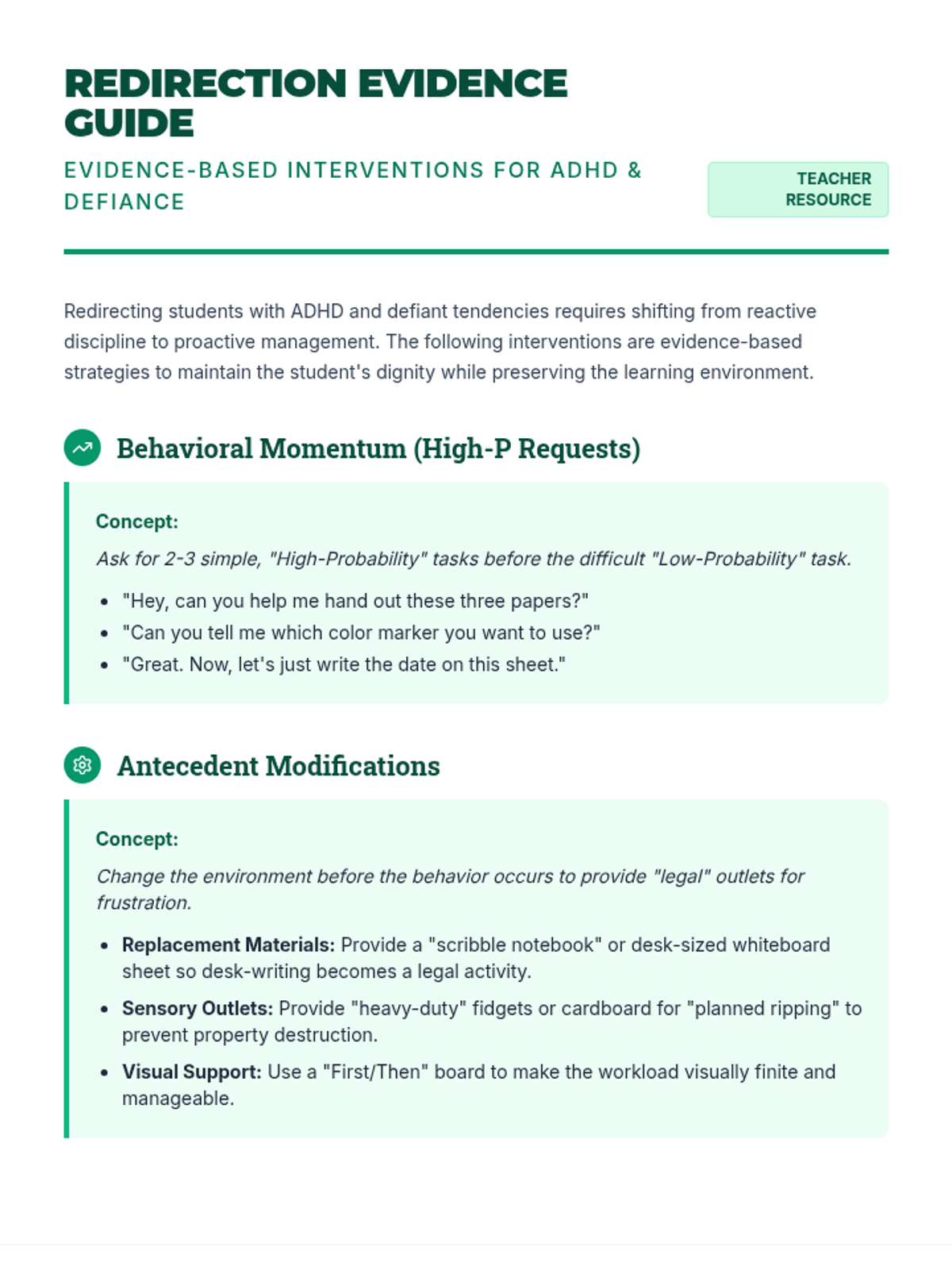
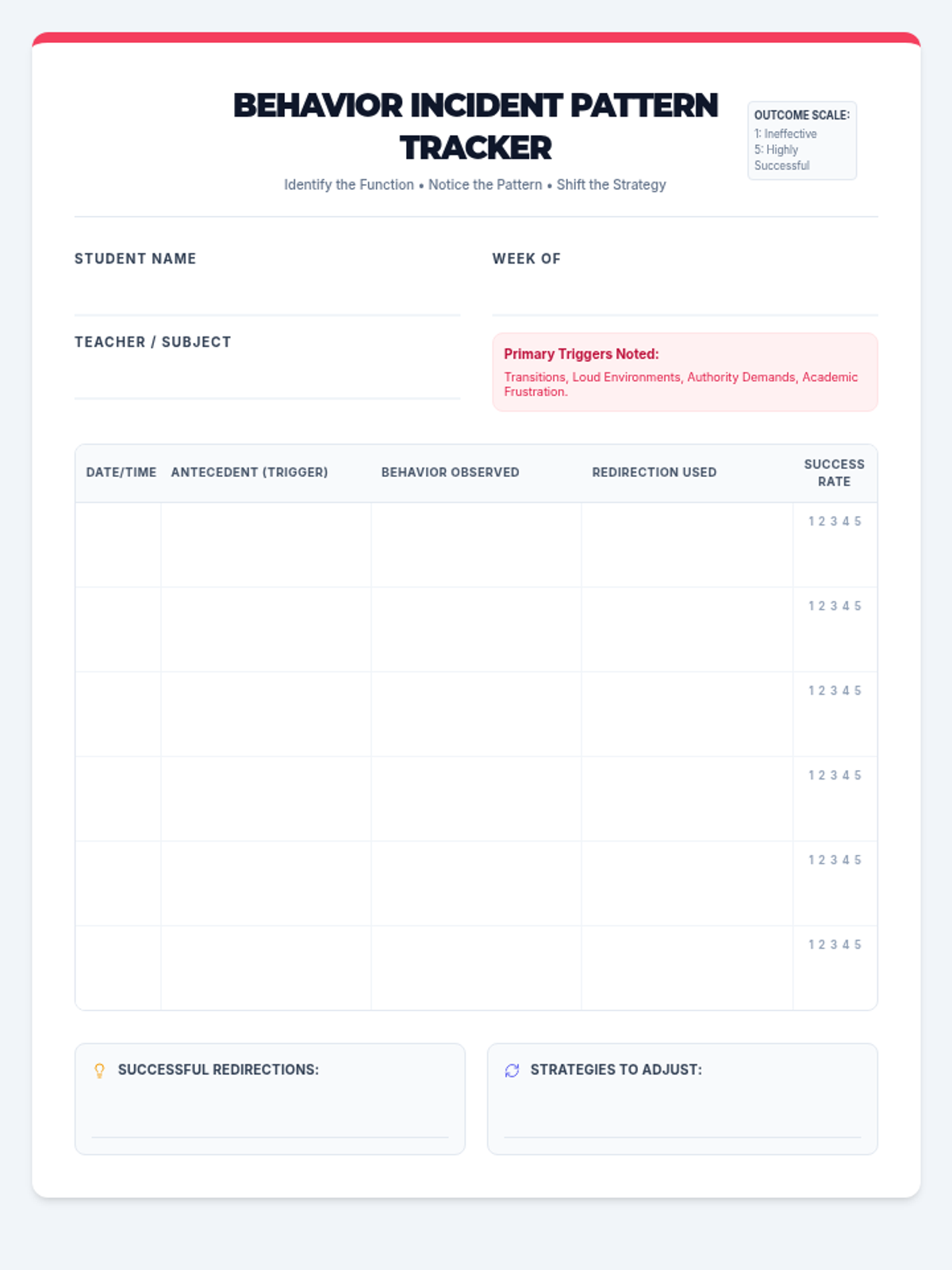
A specialized set of resources designed for 3rd-grade students with Oppositional Defiance, focusing on empowerment, autonomy, and emotional regulation through a space-themed narrative.
Une formation complète de 9h destinée aux AED pour transformer une salle polyvalente (permanence, foyer, cours) en espace flexible, abordant les postures professionnelles et l'aménagement spatial.
Une formation immersive de 12 heures destinée aux professeurs-documentalistes pour maîtriser les codes de la littérature adolescente actuelle et concevoir des stratégies de médiation innovantes au CDI.
A comprehensive series of lessons designed to build community independence for students with intellectual disabilities, focusing on navigation, social interaction, and transactions in local spaces like CVS, the library, and cafes.
A Tier 3 social-emotional curriculum designed for middle school students on the autism spectrum, focusing on self-regulation, social cues, and conflict resolution through a 'Social Architect' theme.
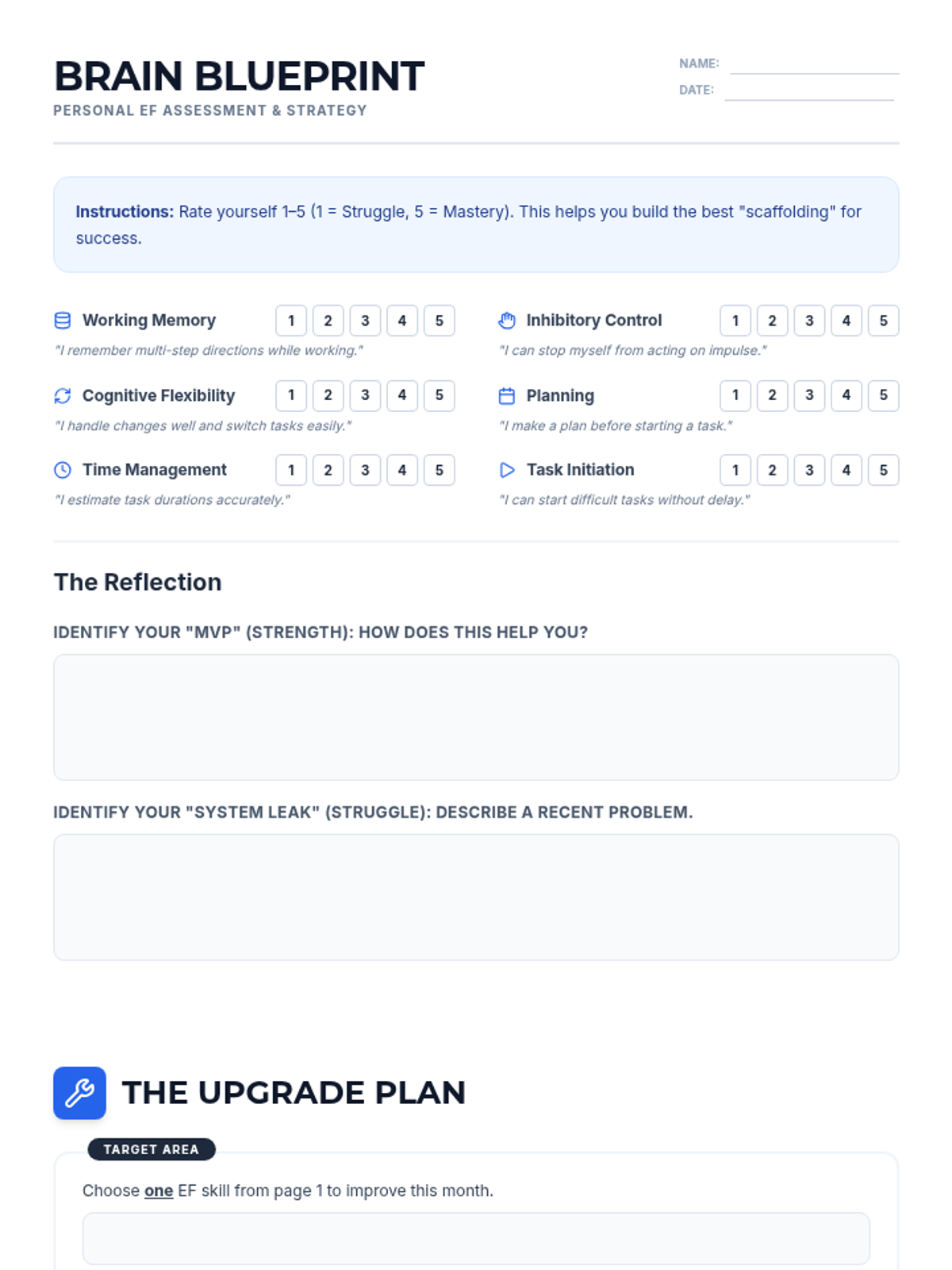
A comprehensive unit designed for 7th and 8th-grade special education students to strengthen executive functions. Through a 'mental fitness' theme, students practice working memory, cognitive flexibility, and impulse control through games and reflective journaling.
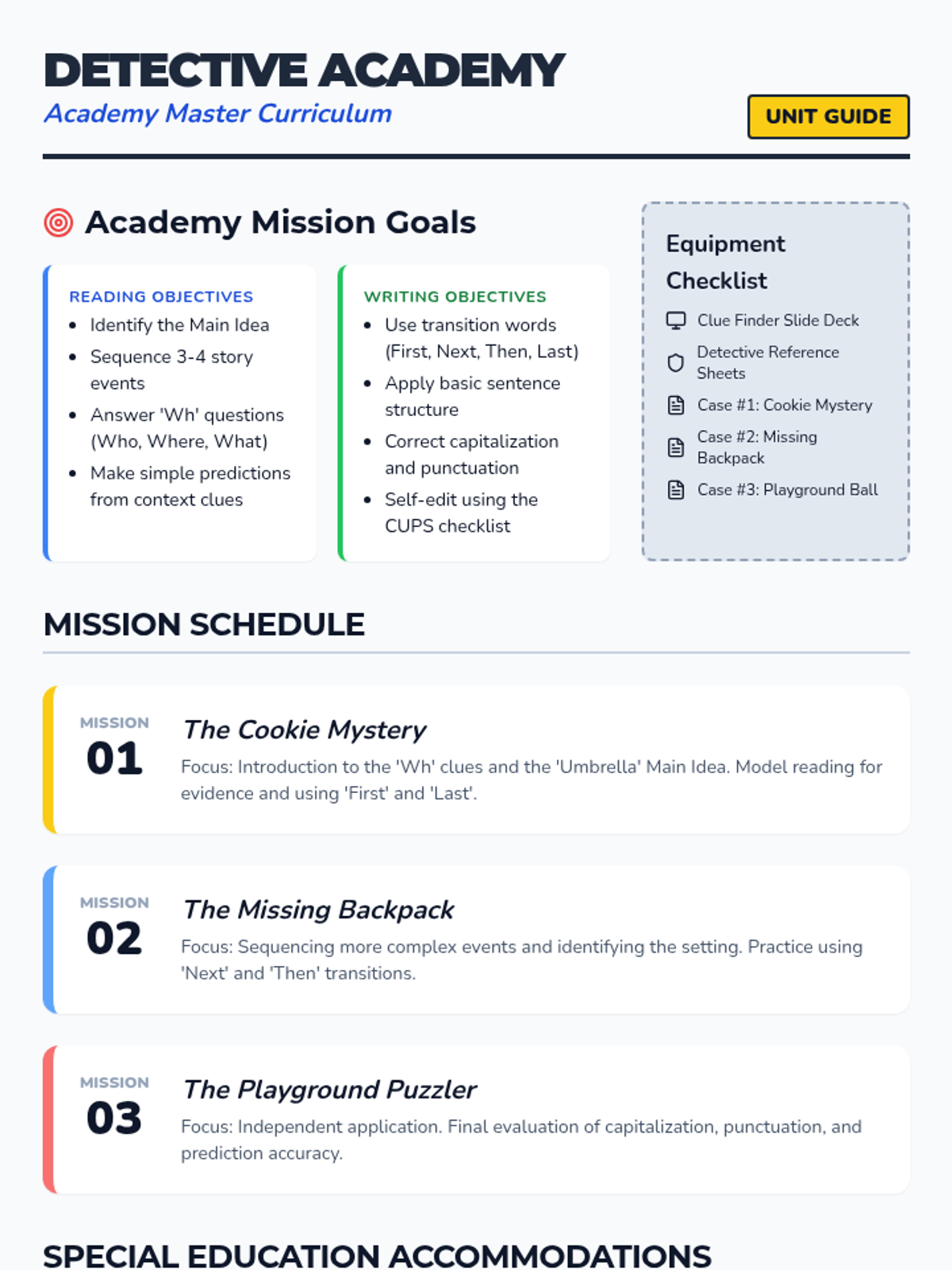
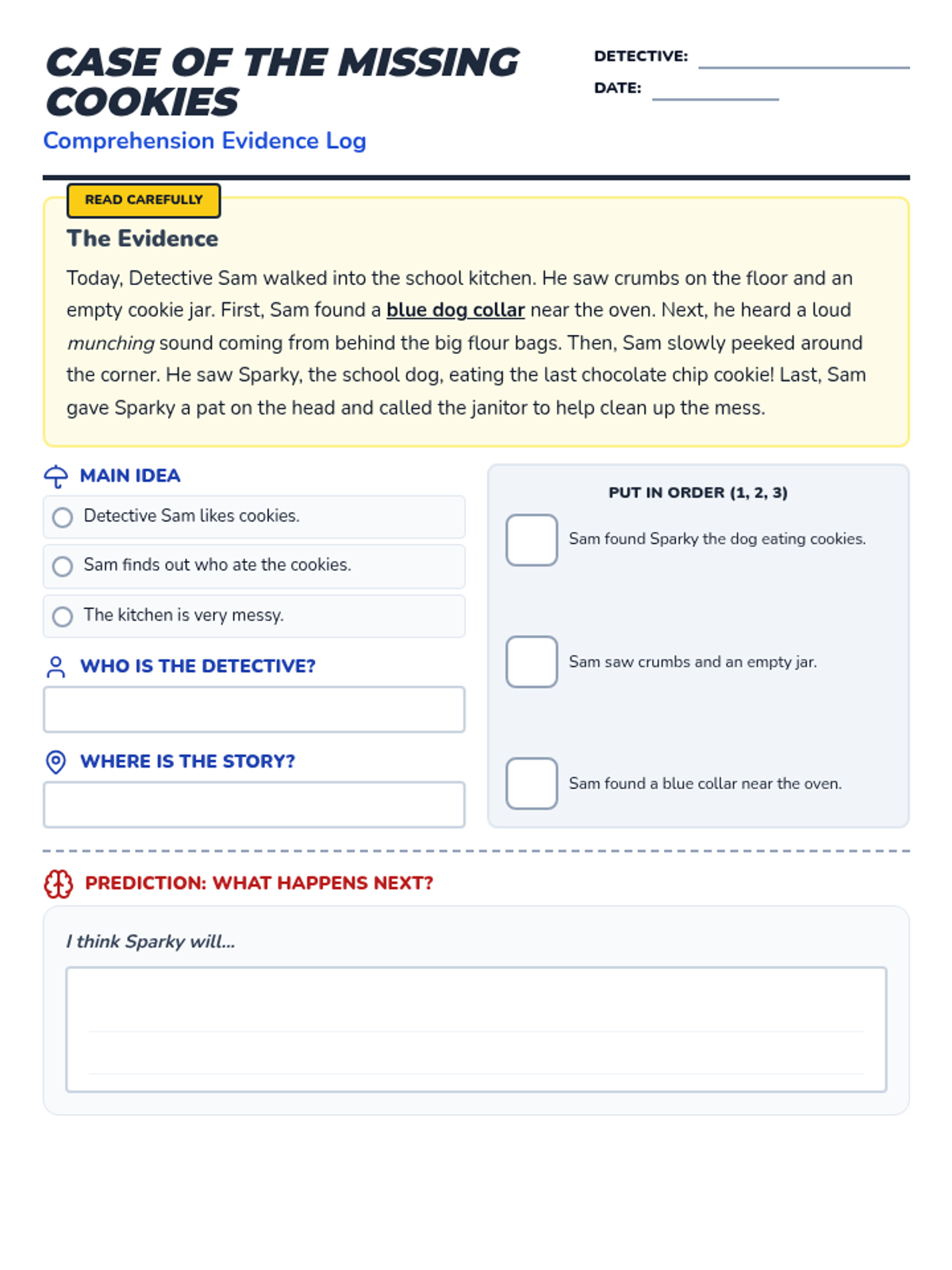
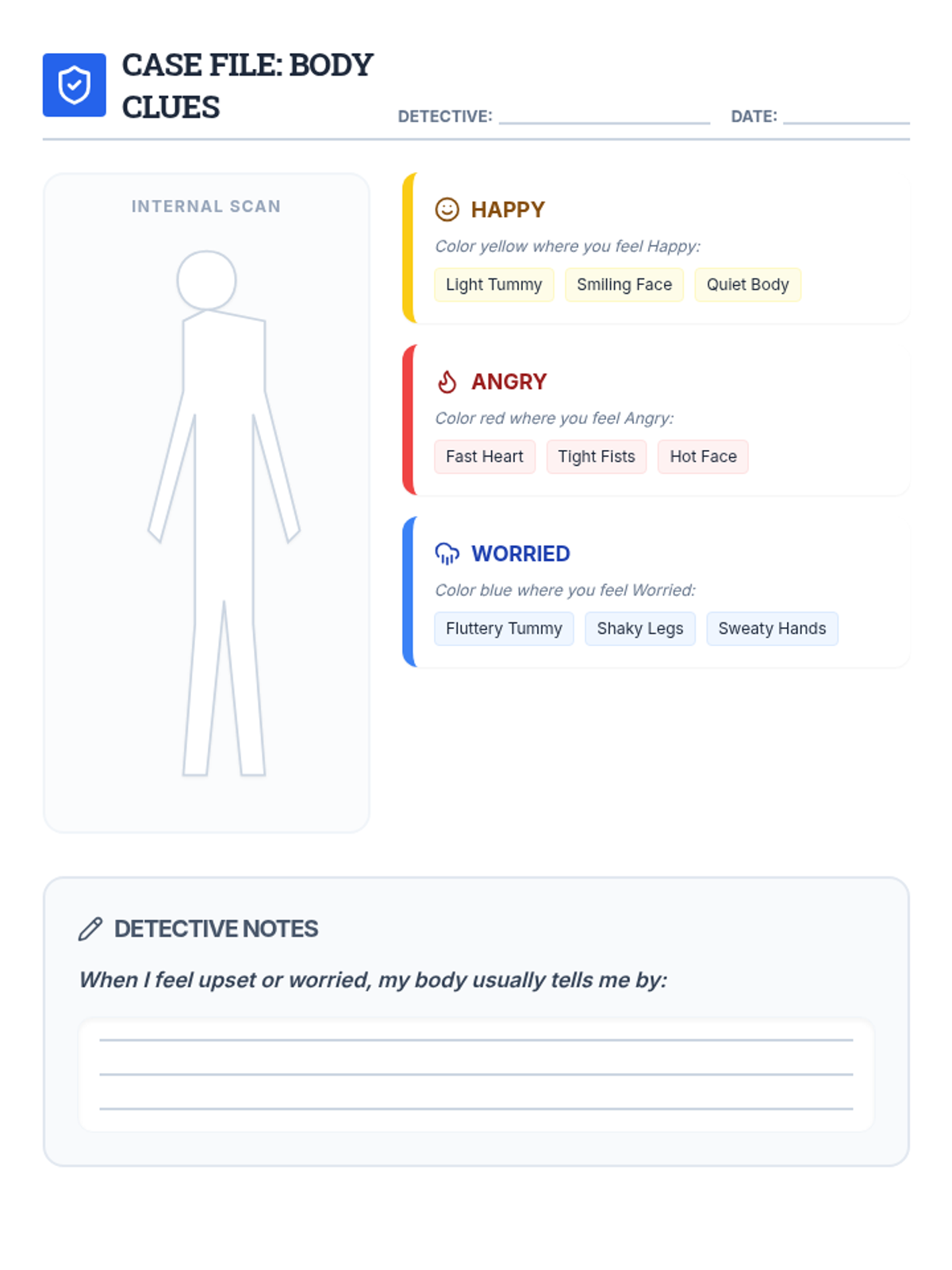
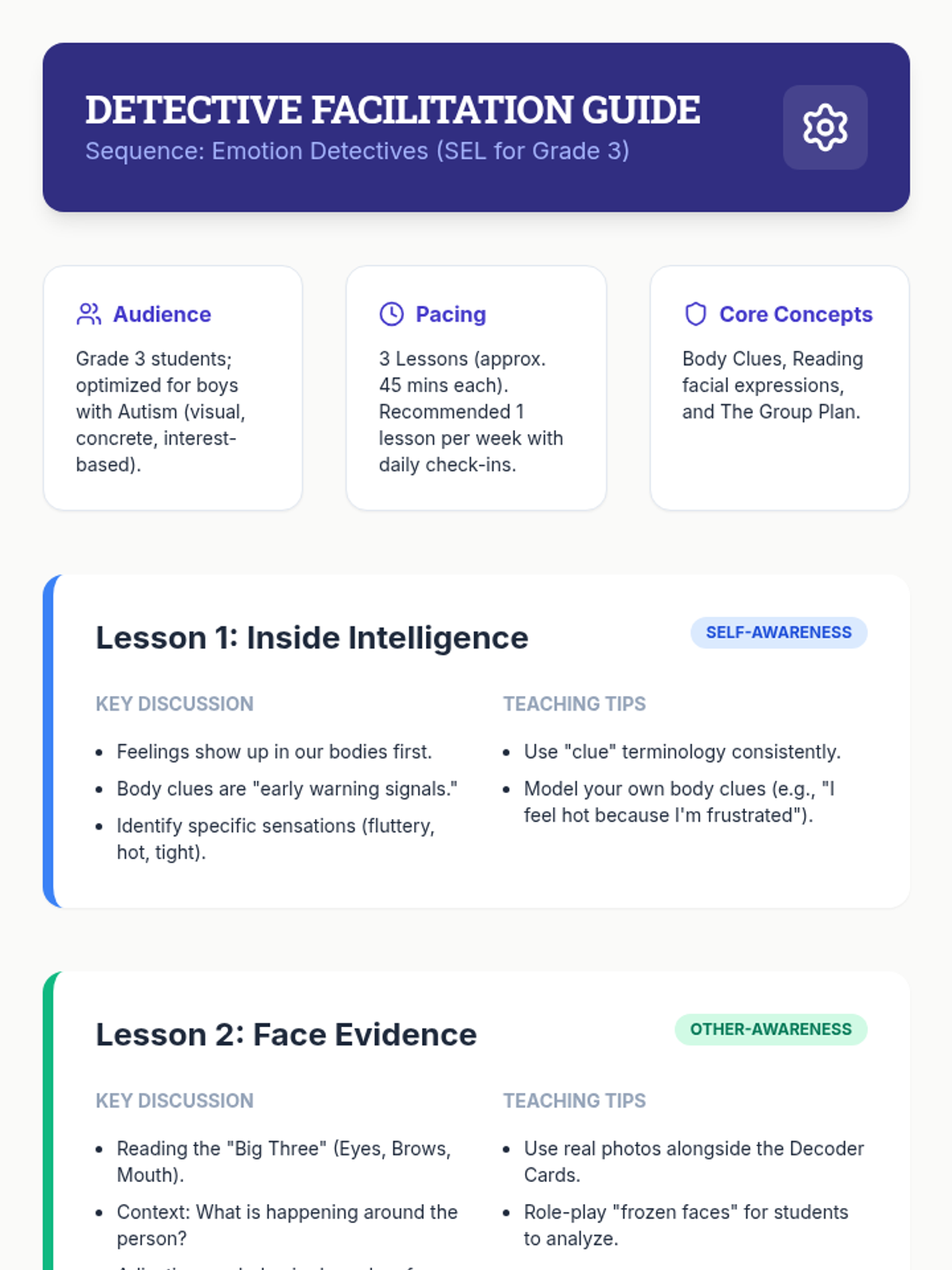
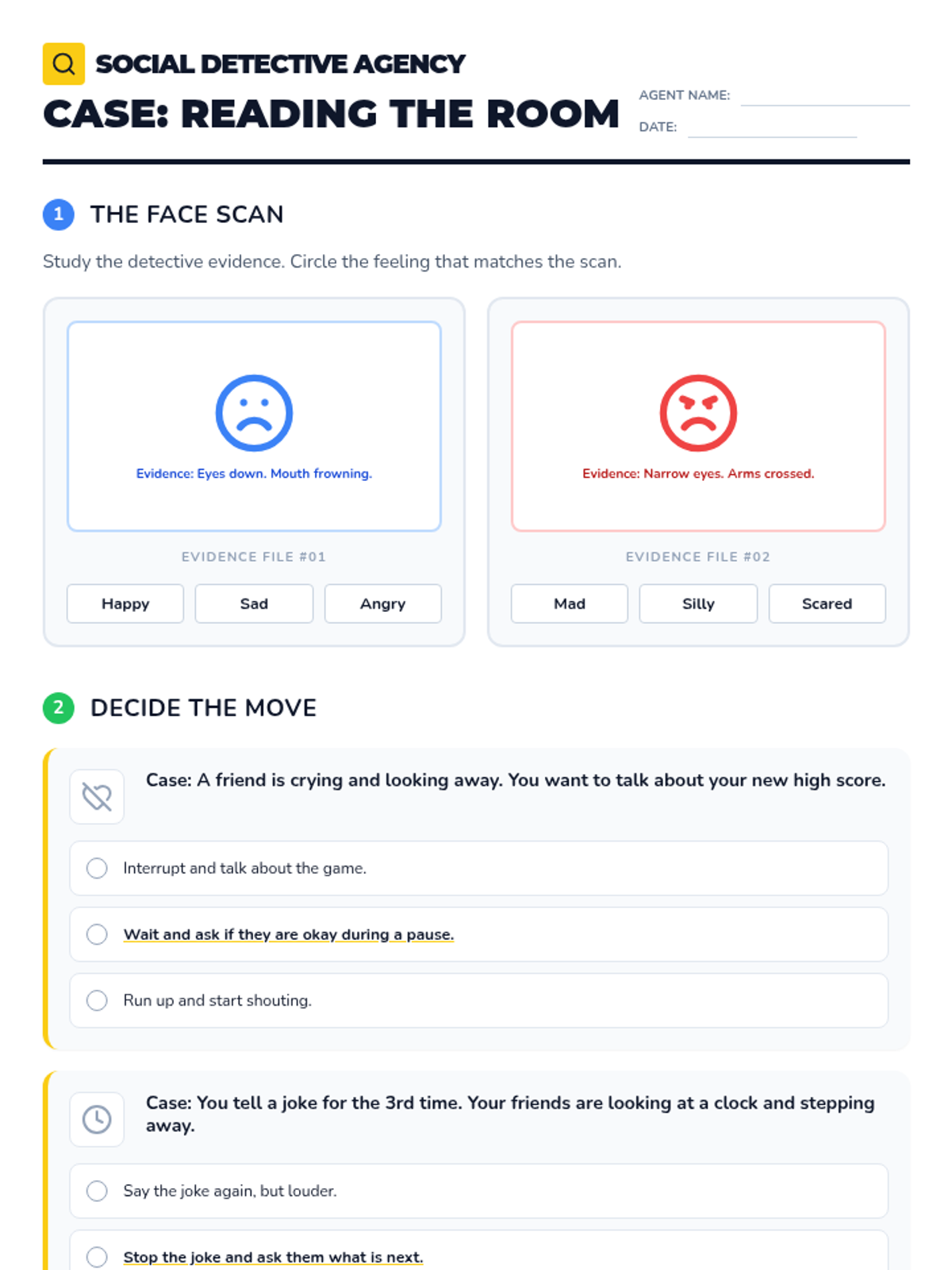
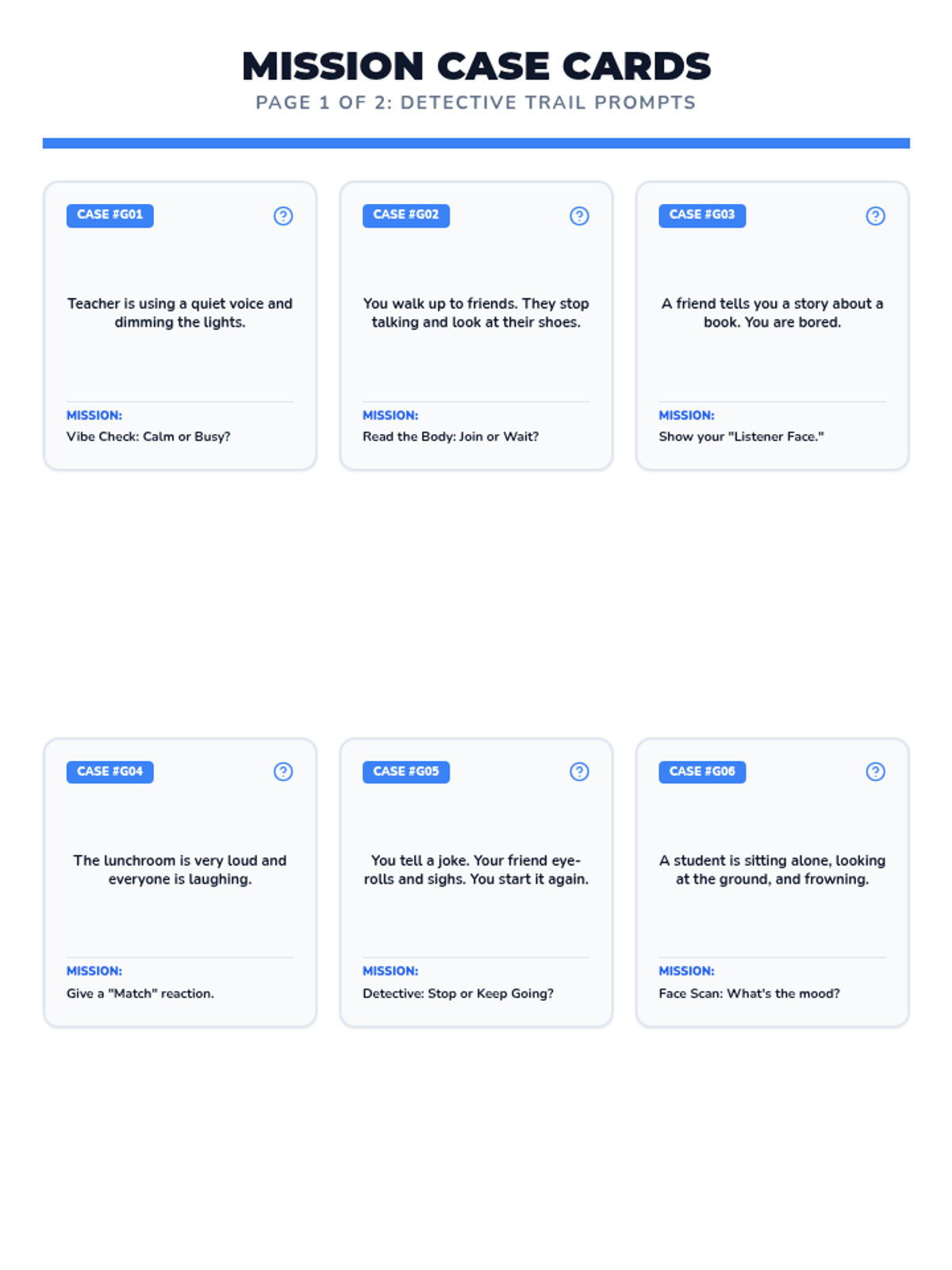
A comprehensive detective-themed curriculum designed to help students with ASD develop interoceptive awareness. Students learn to identify physical clues for a wide range of emotions through movement, visual mapping, and scenario-based problem solving.
A comprehensive set of 10 evidence-ready work samples for the MCAS-Alt synonym identification strand, featuring consistent formatting for accuracy and independence tracking.
A 3-day life skills sequence for high school special education students to master the safe use of household tools and kitchen appliances through graphic organizers and project-based learning.
A 3-day introductory course on exterior home maintenance for students working independently. Covers seasonal tasks, tool identification, hazard reporting, and safety protocols.
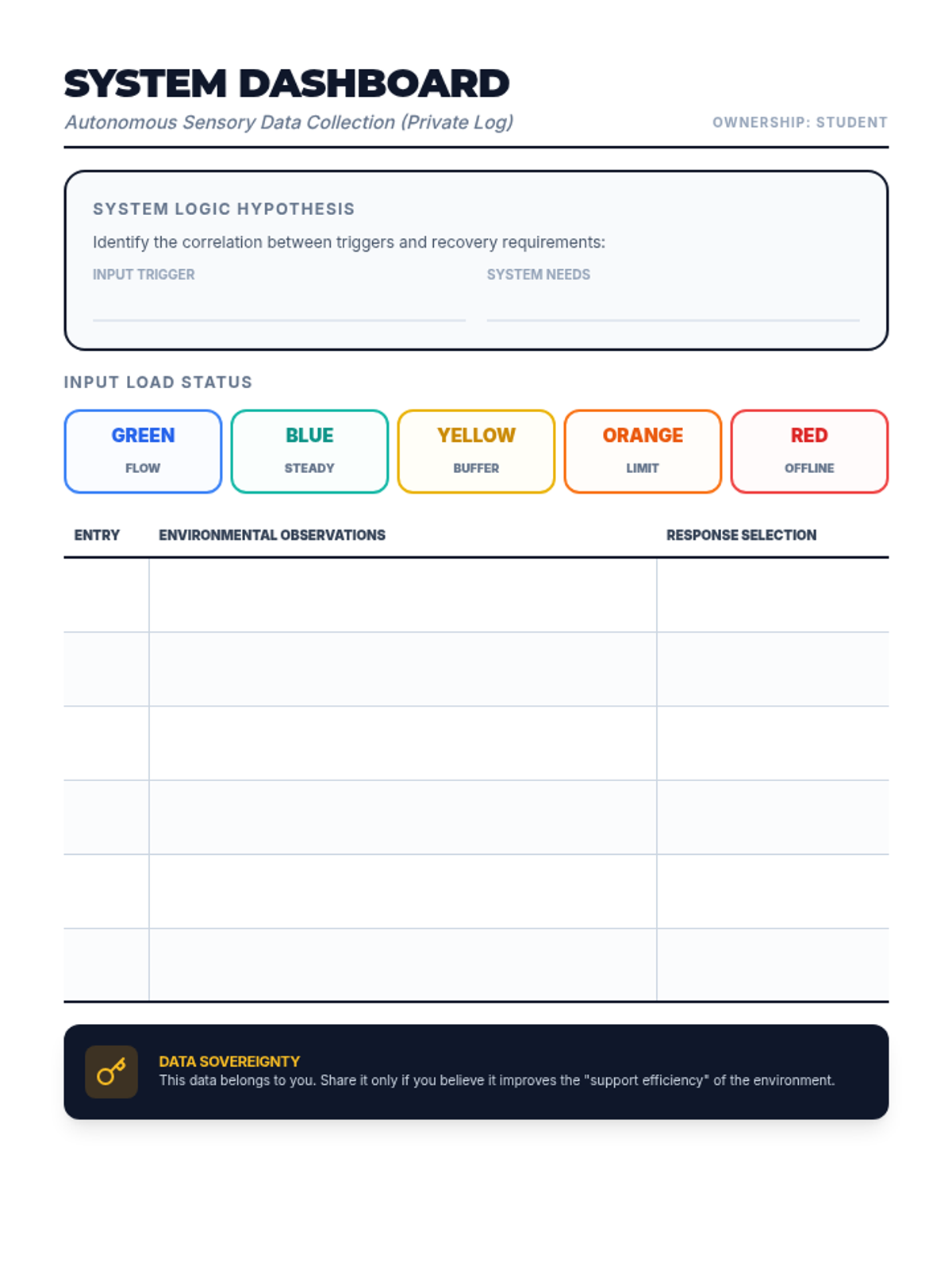
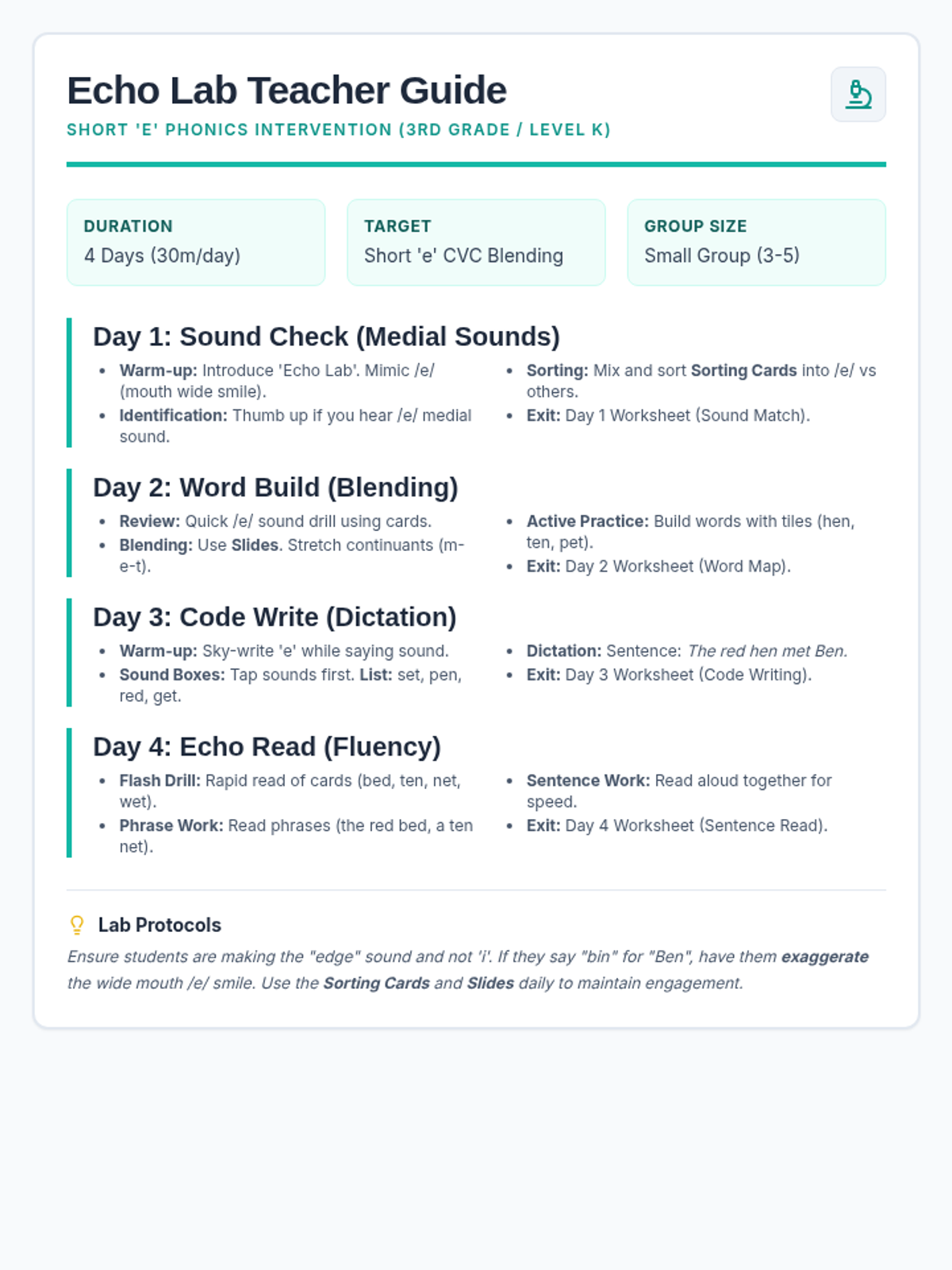
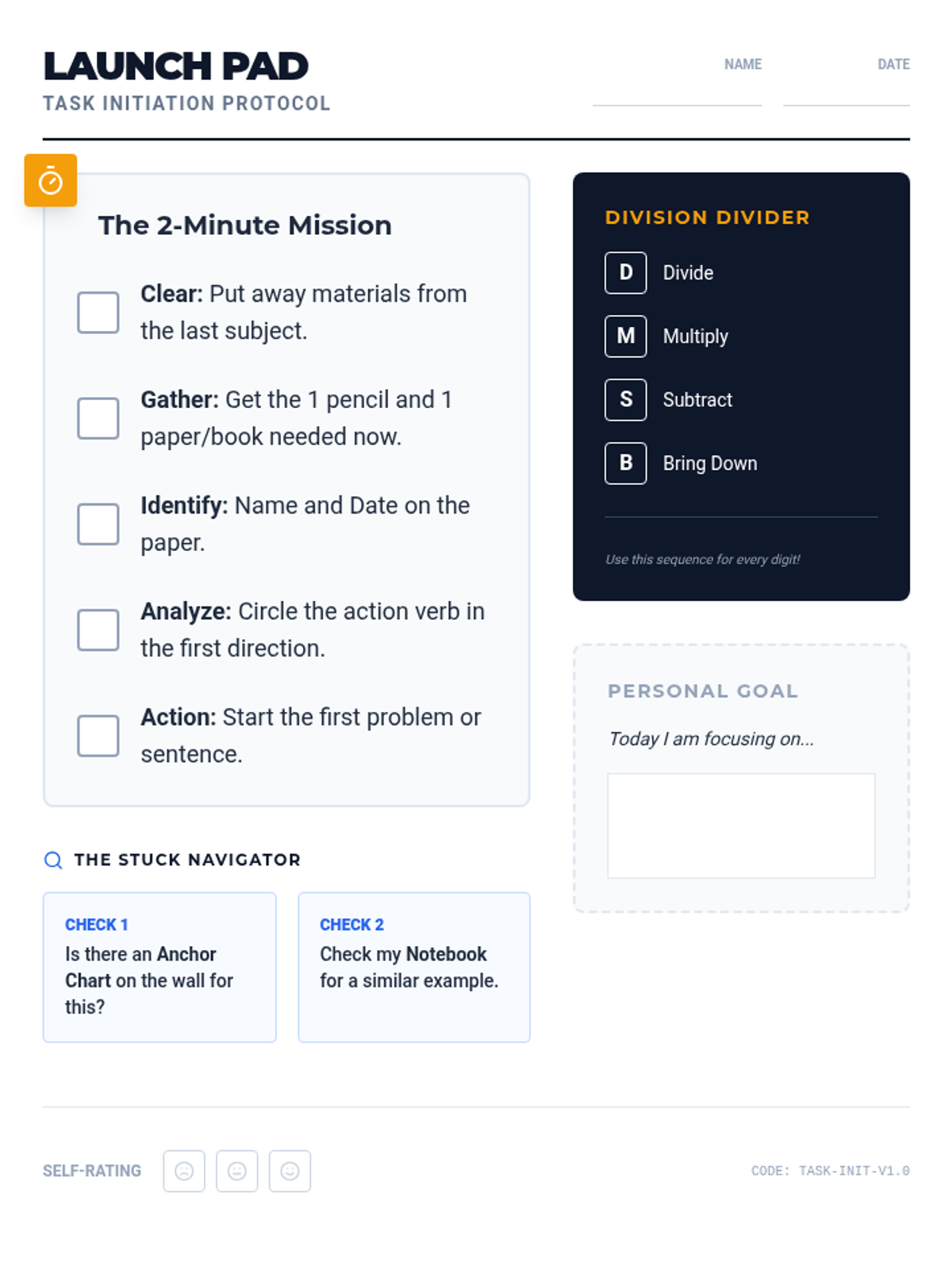
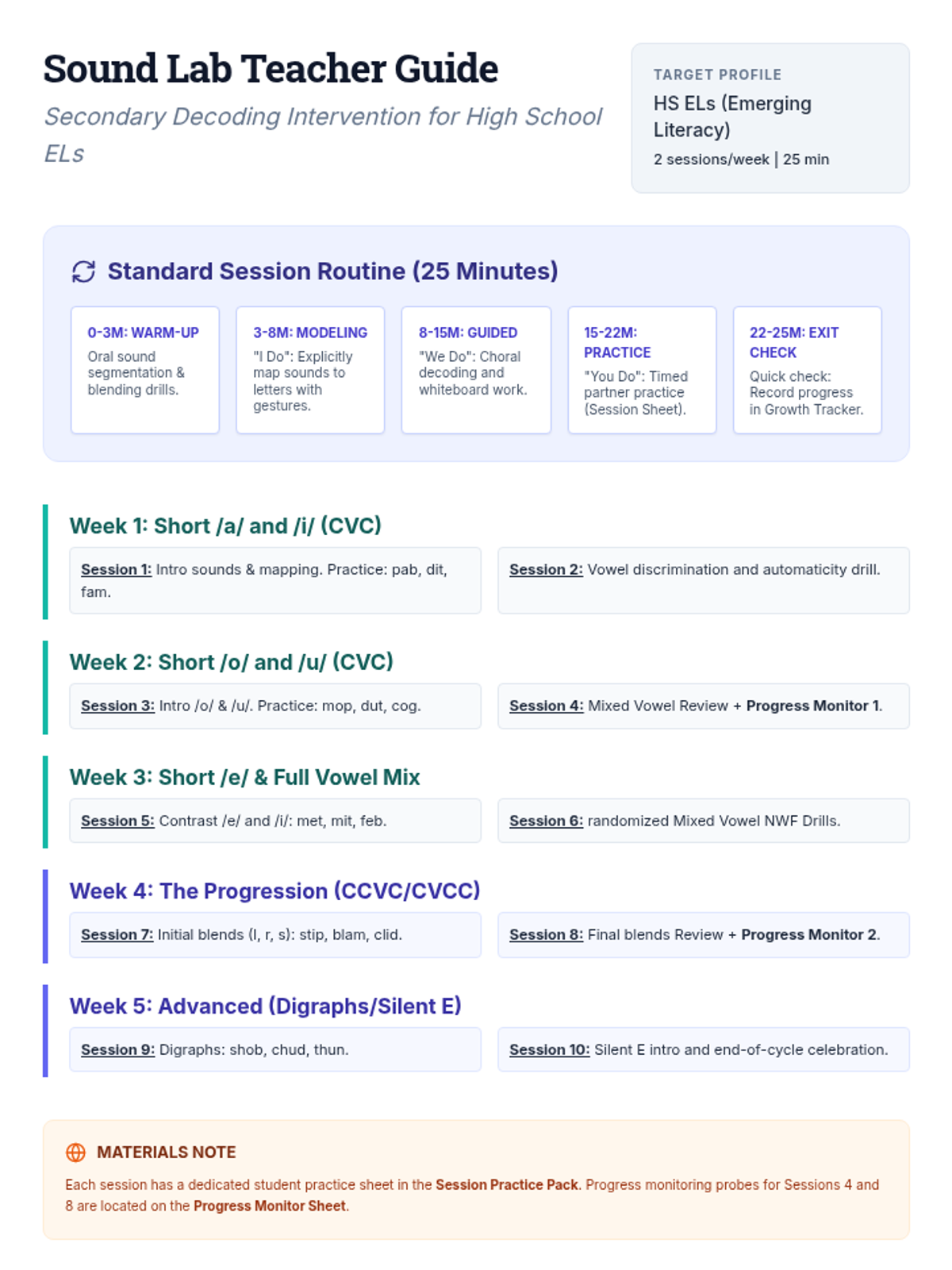
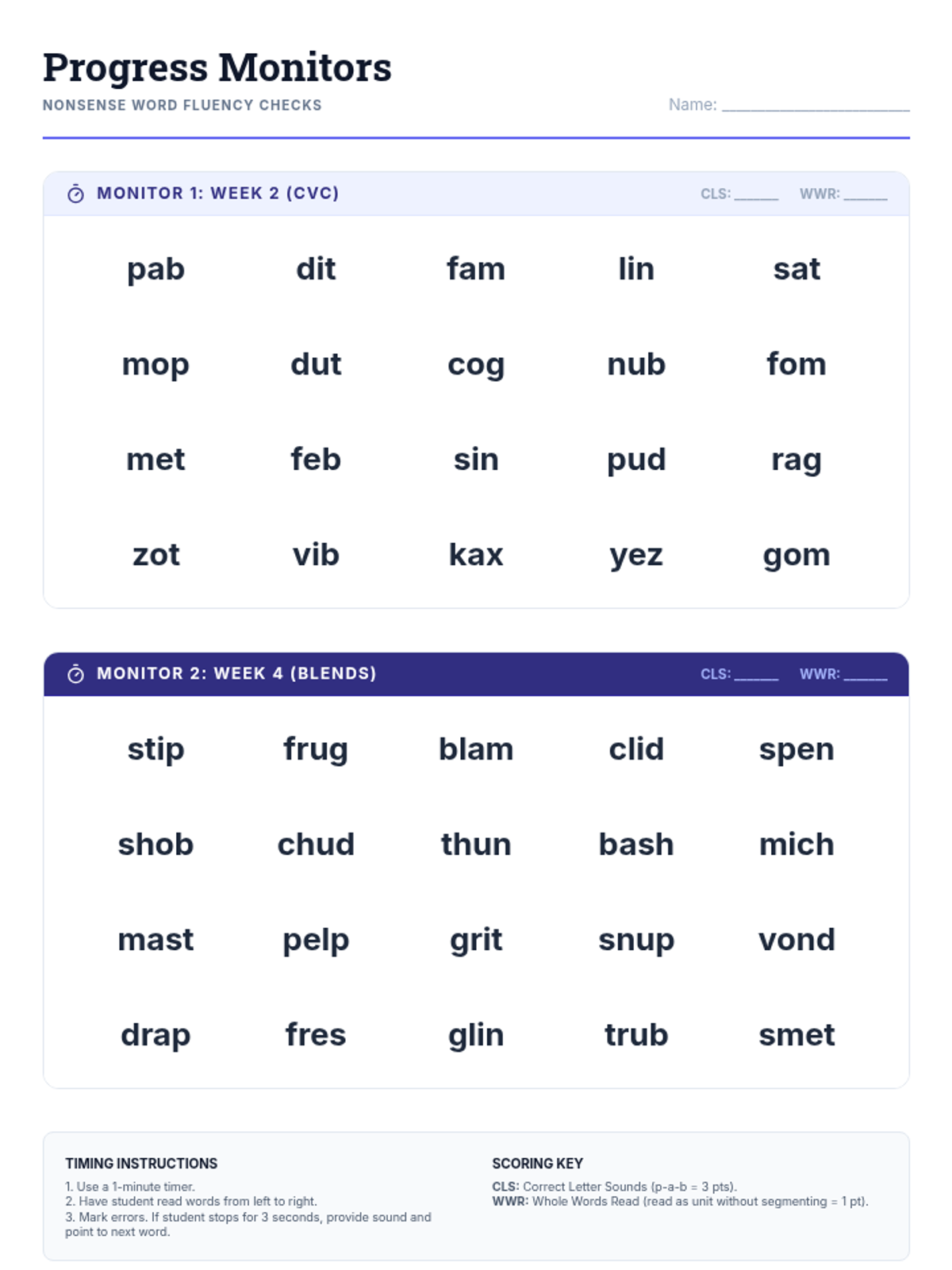
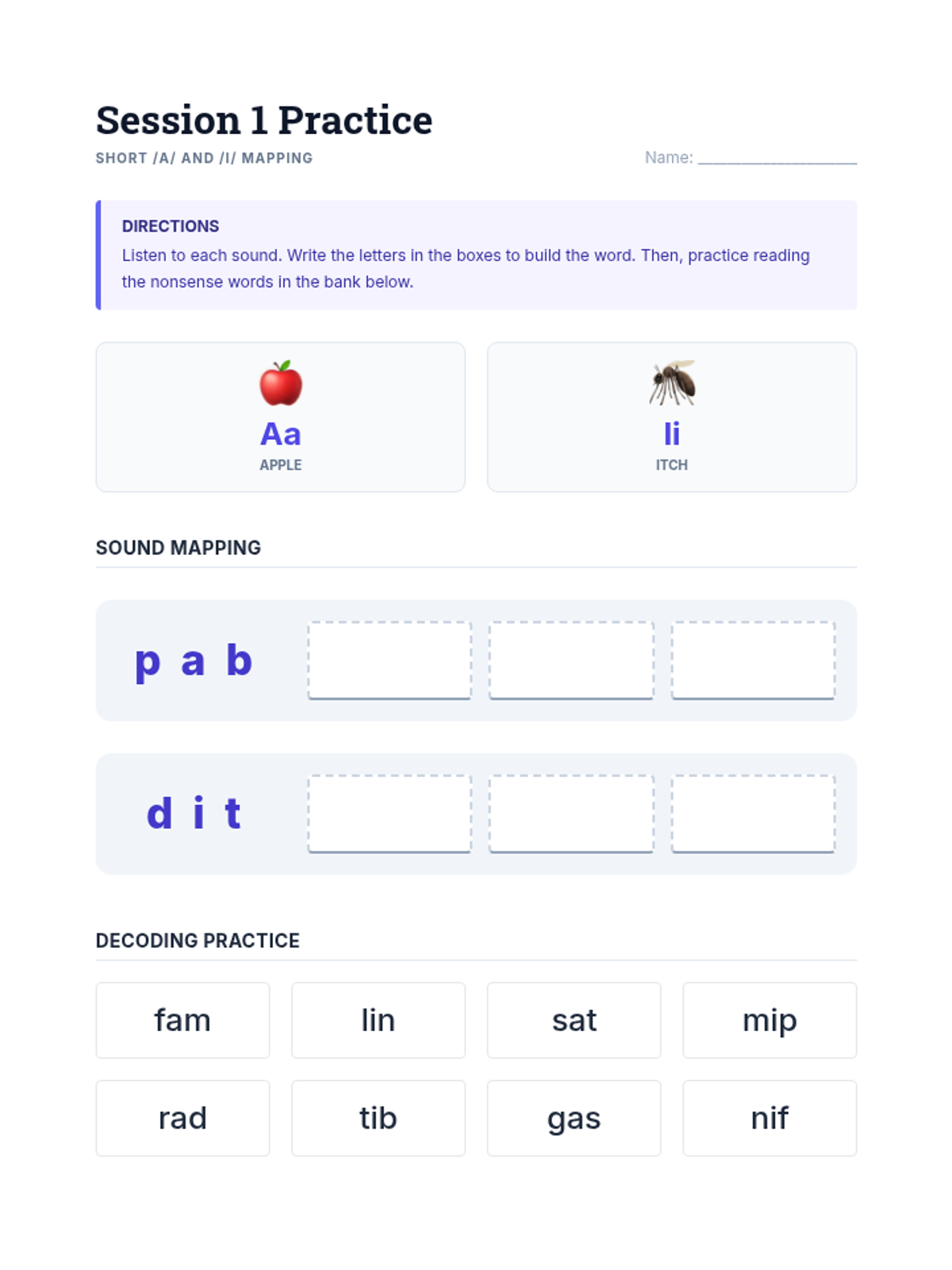
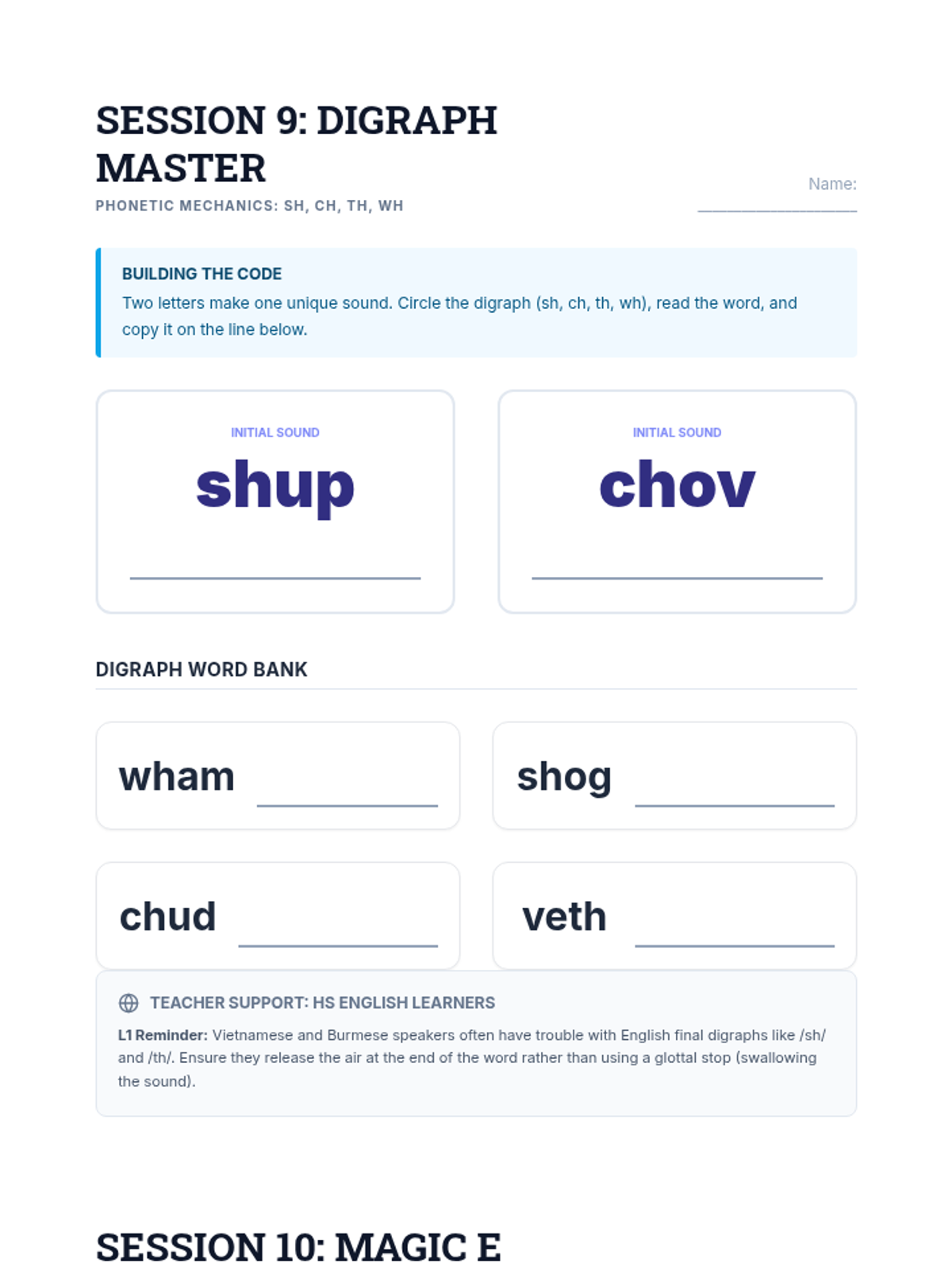
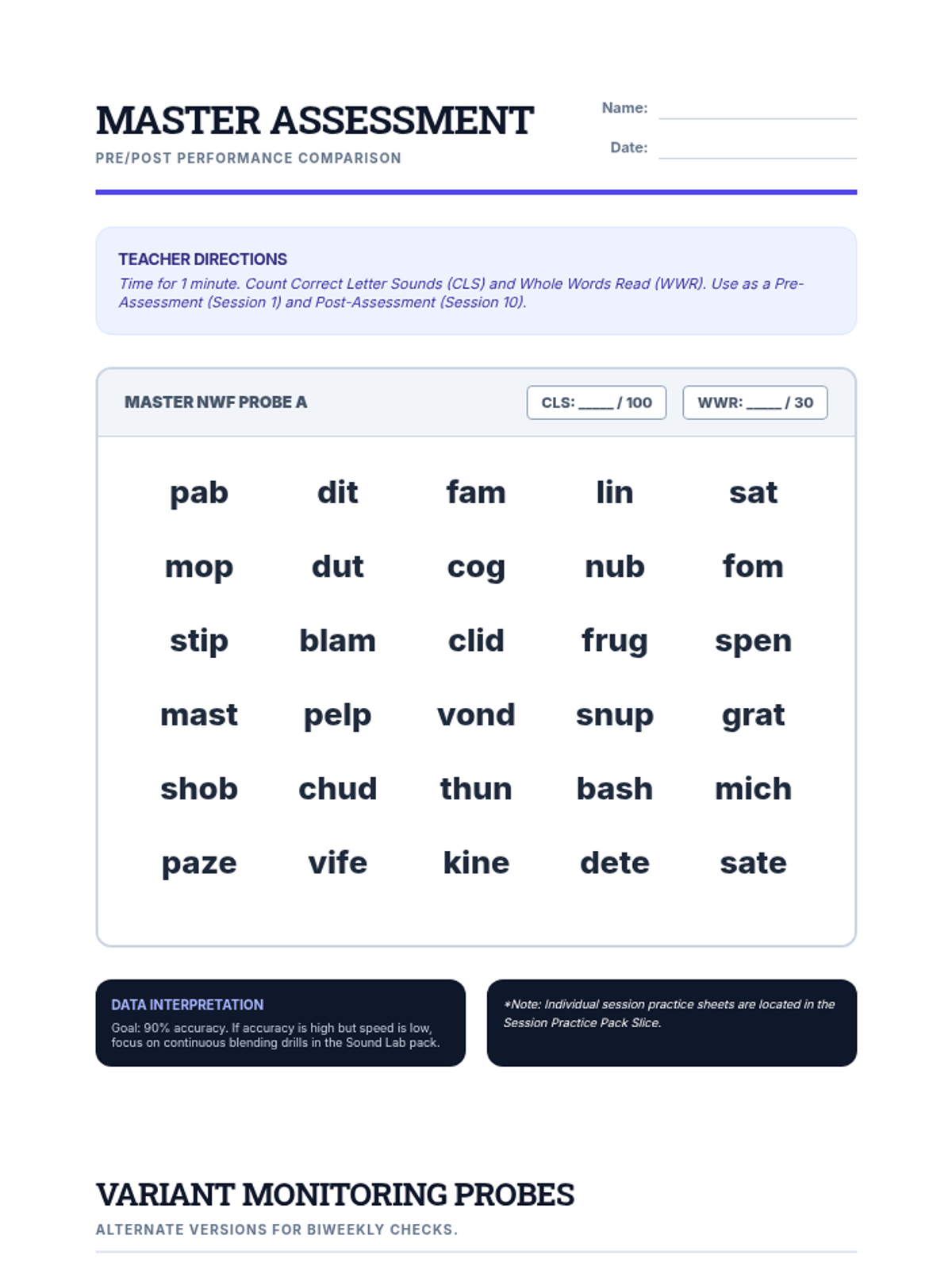
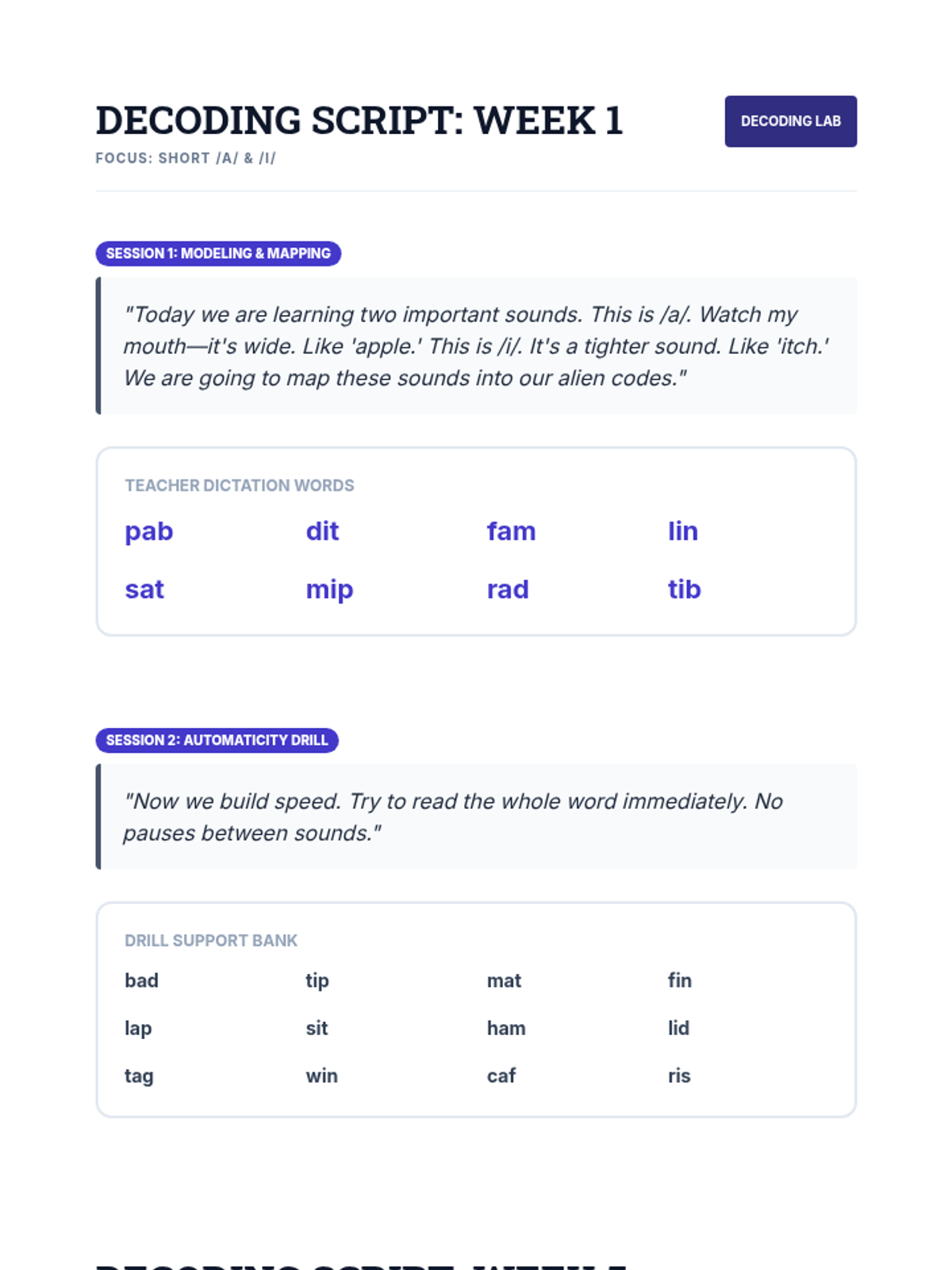
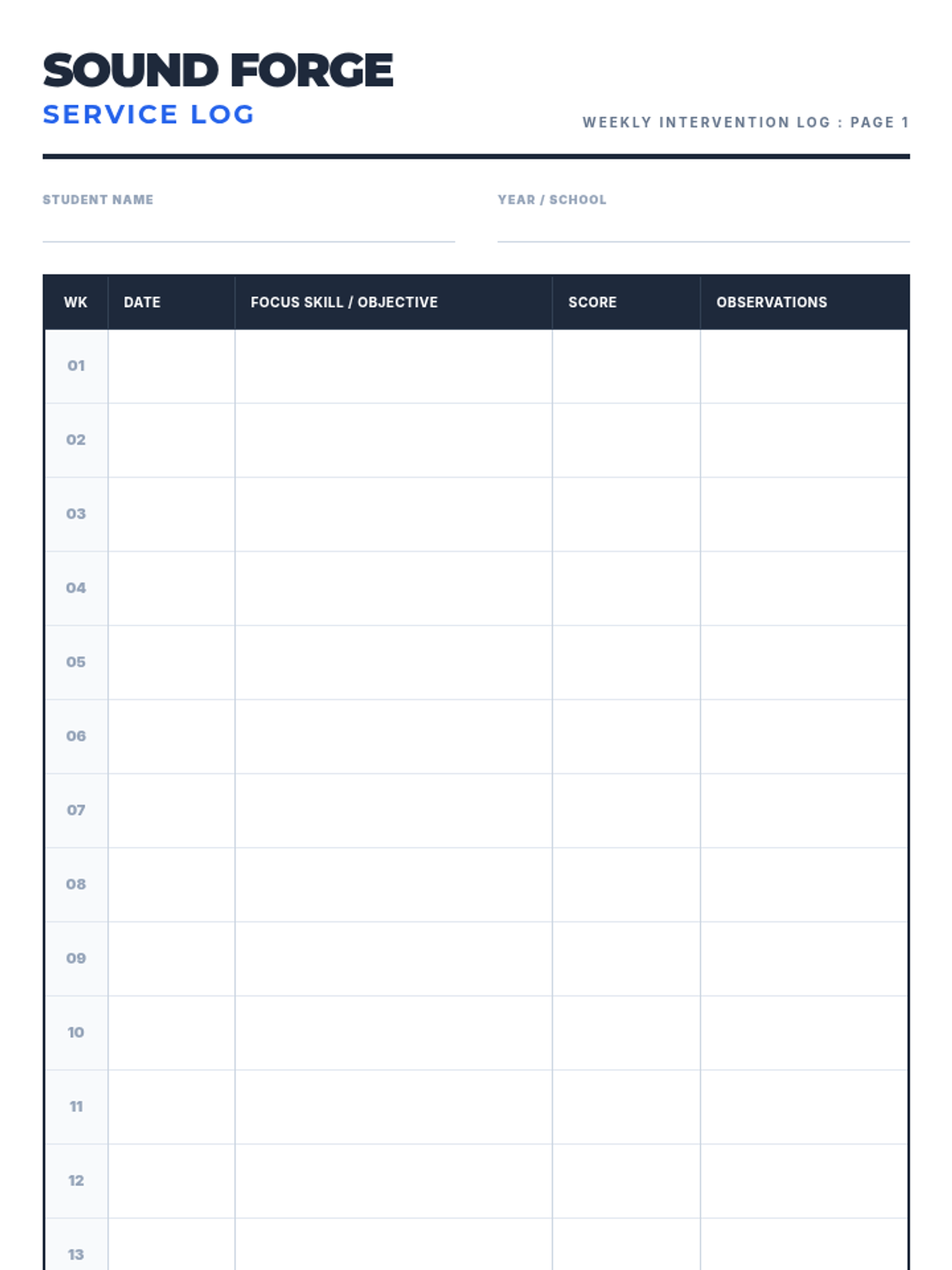
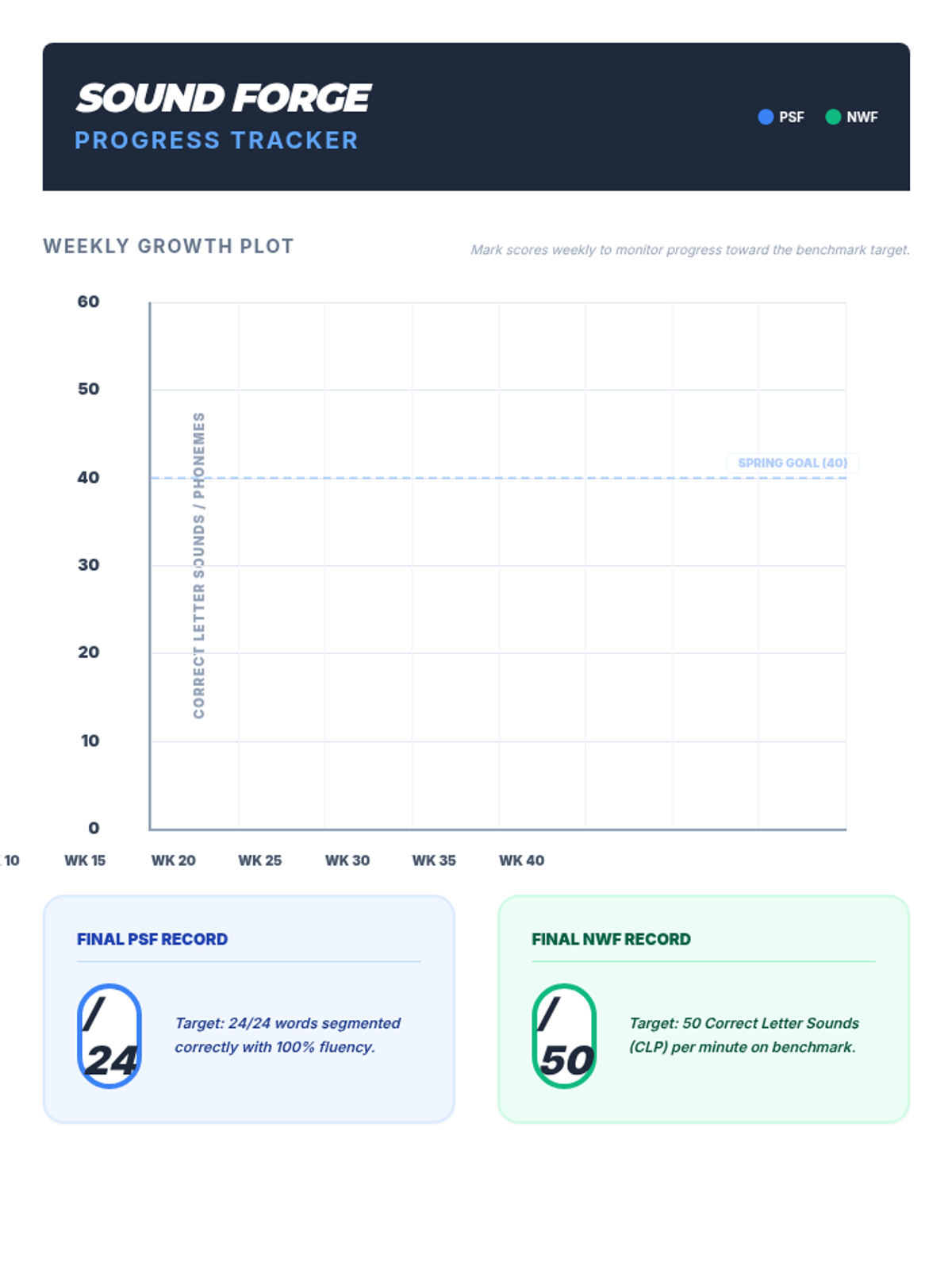
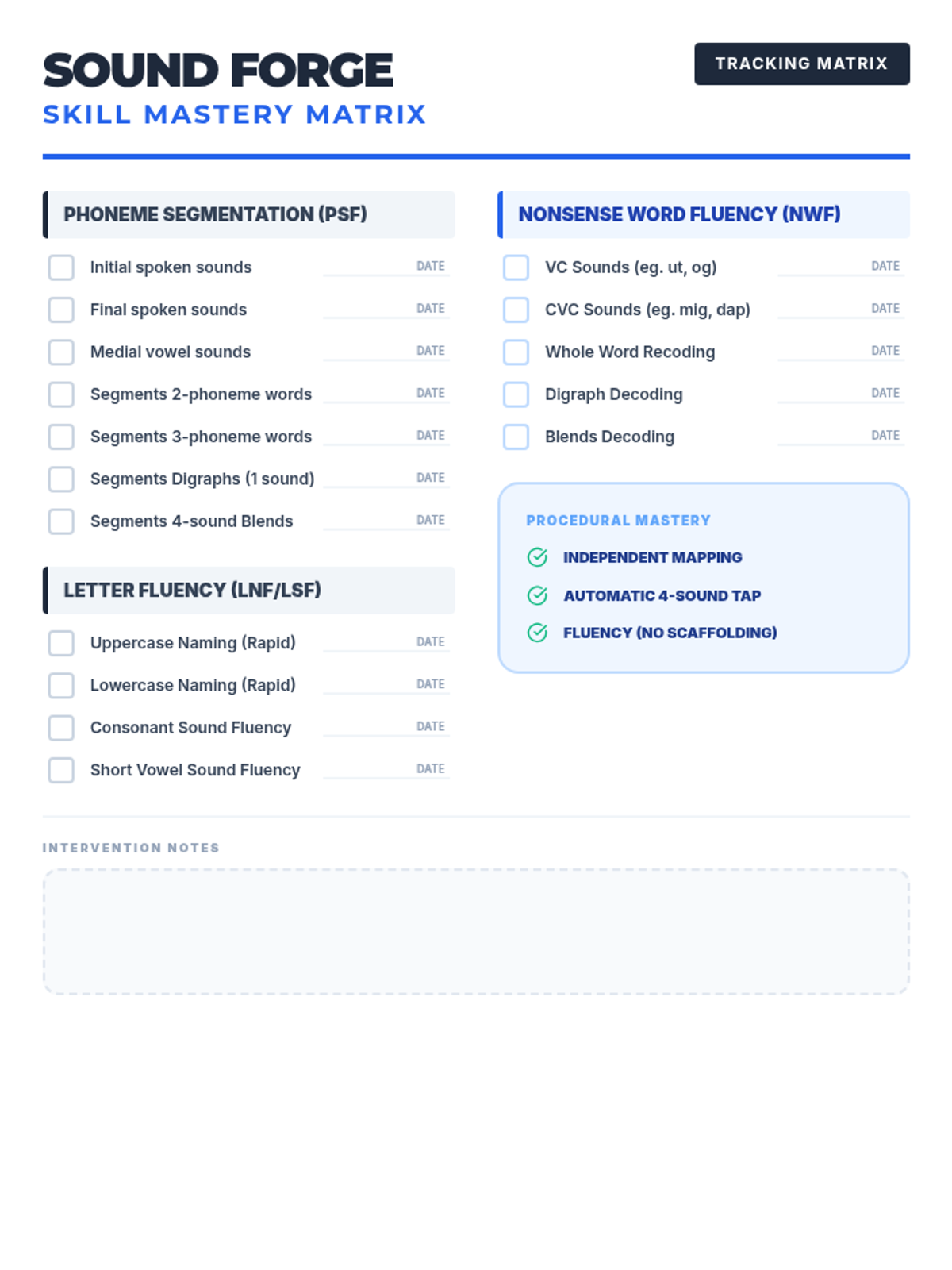
A comprehensive 4-day planning framework and resource set for Tier 2 reading intervention in a Title 1 setting, aligned with the Science of Reading.
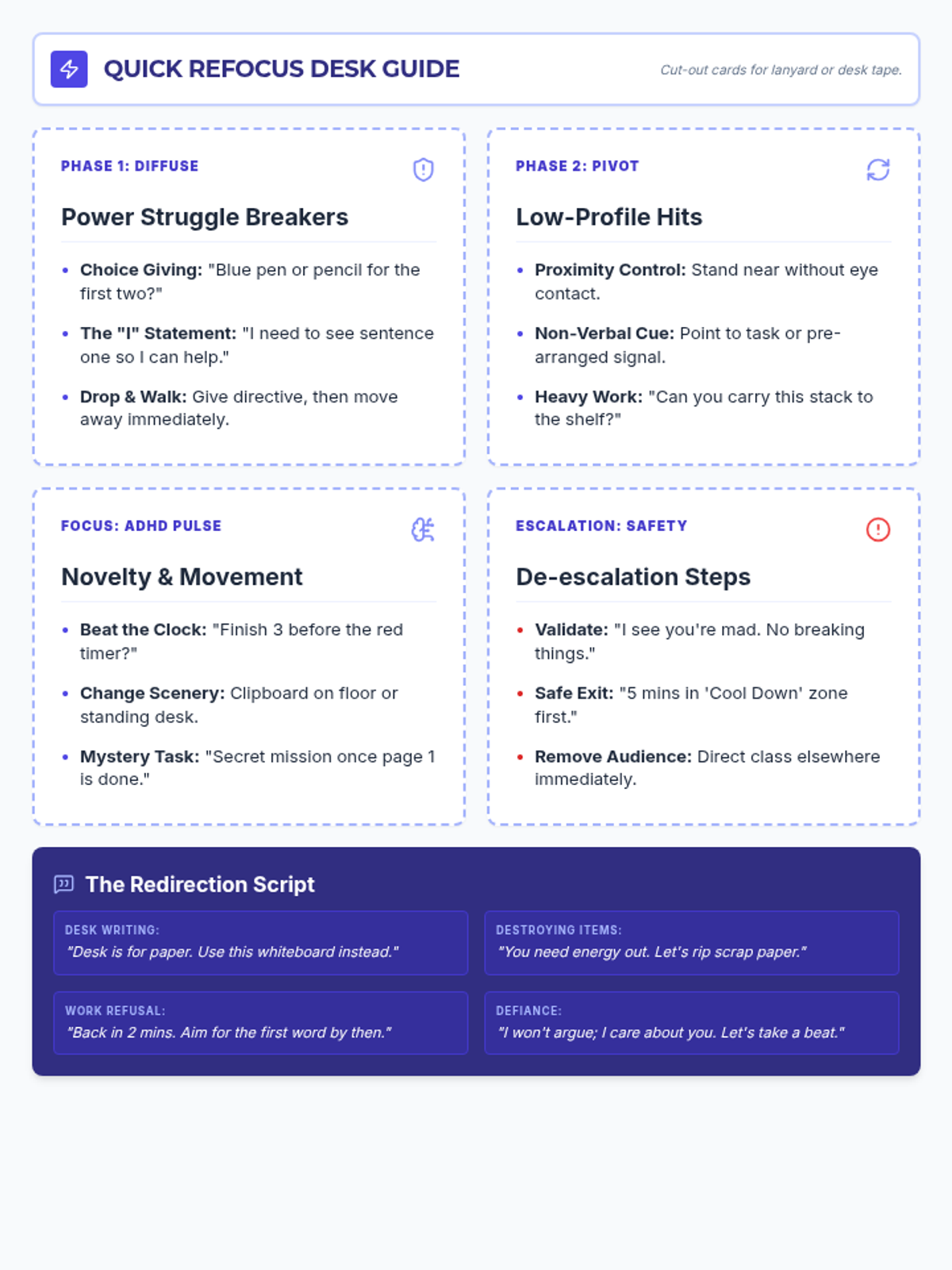
A comprehensive support plan for a 4th-grade student with autism, focusing on emotional regulation, proactive classroom strategies, and visual communication tools to replace threatening language during escalation.
A series of mini-lessons designed to help students understand and optimize their working memory through environmental organization and cognitive strategies.
A 6-week Tier 2 executive functioning intervention focused on developing goal-setting and problem-solving skills. Students use an engineering/blueprint theme to "design" their success and navigate challenges.
A series of movement-based lessons for Pre-K students with cognitive delays, focusing on 'Safe Body' (hands and feet) and personal space. Each lesson uses a station-based model with high adult support and minimal verbal directions.
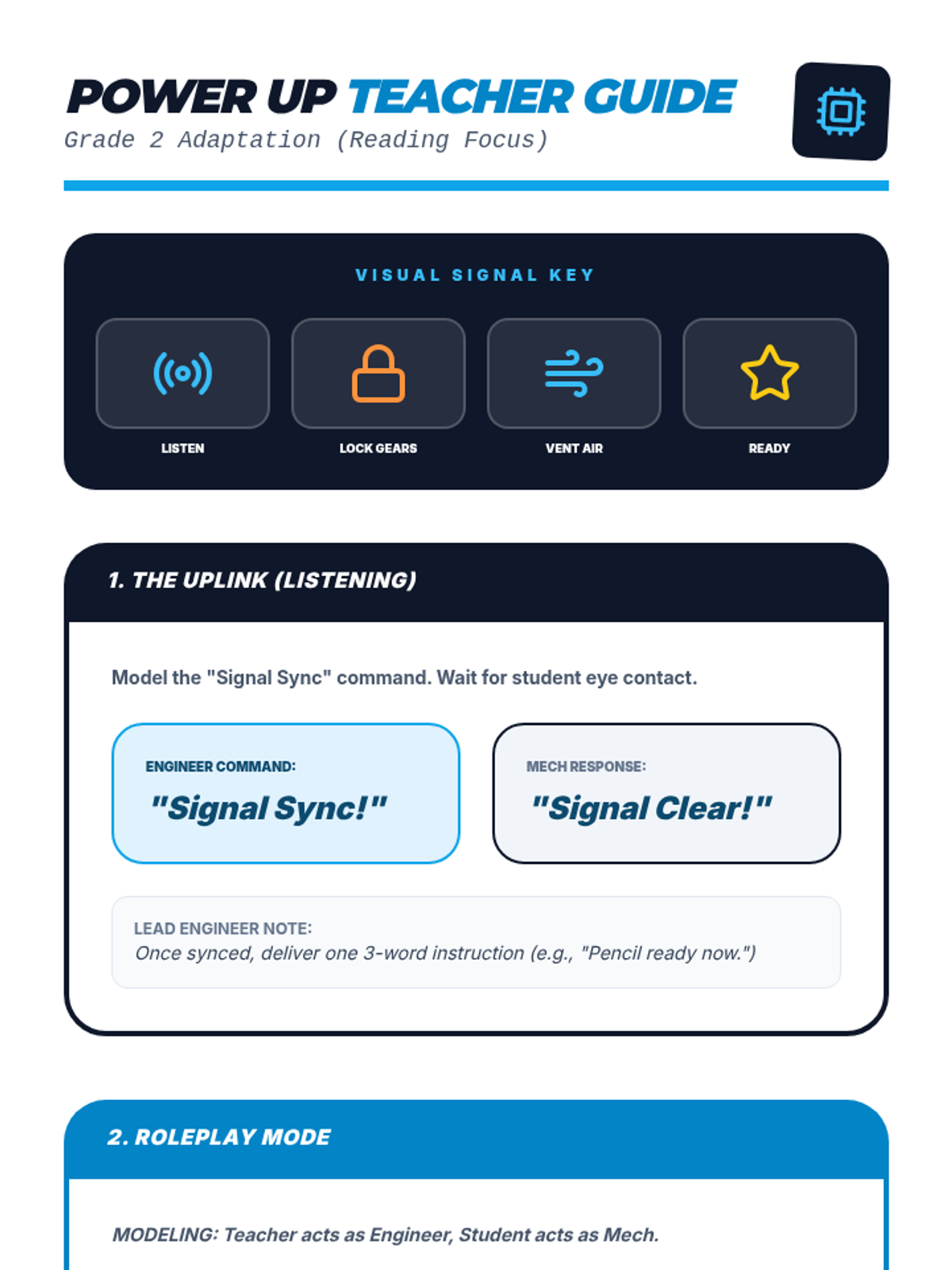
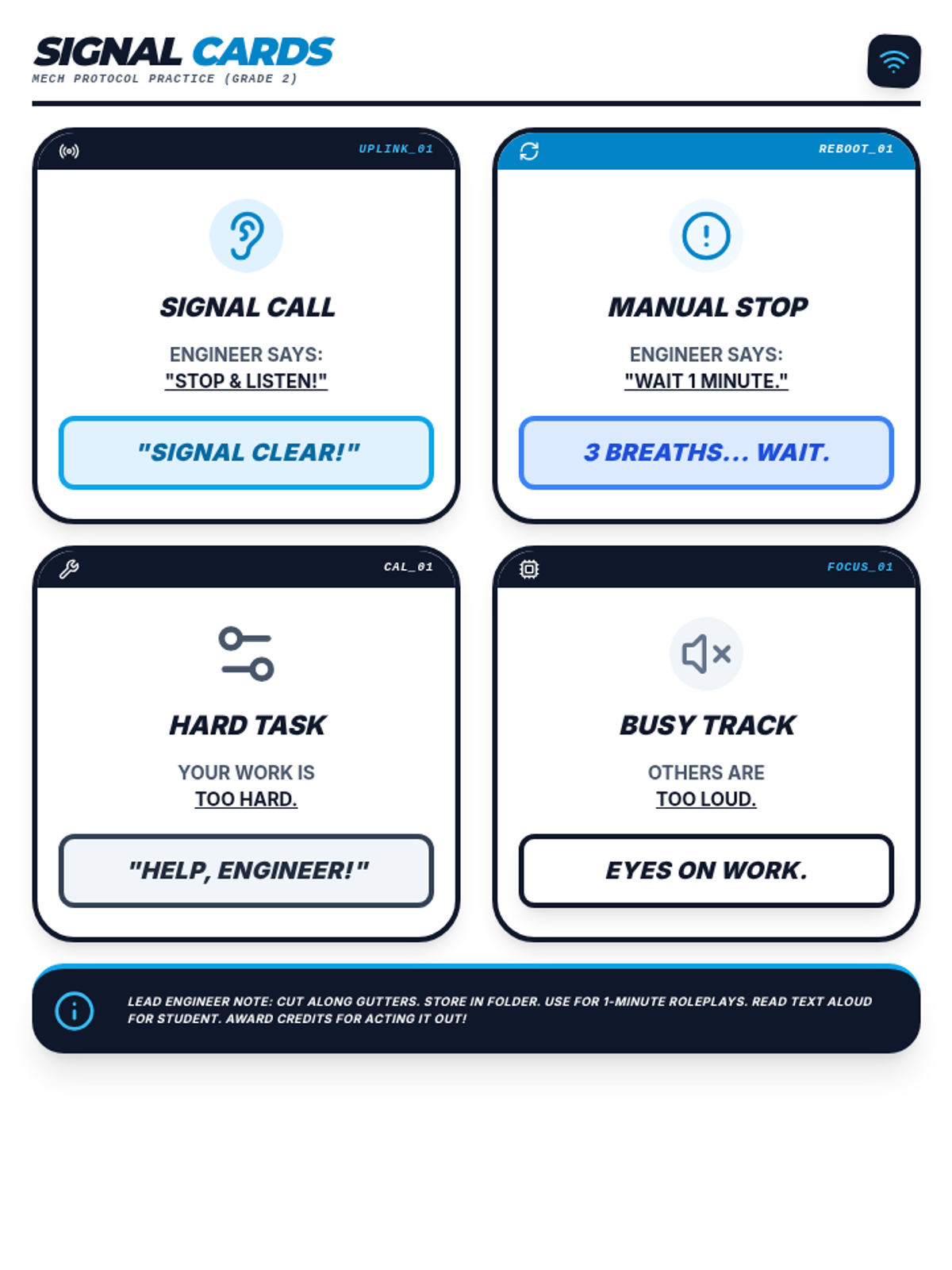
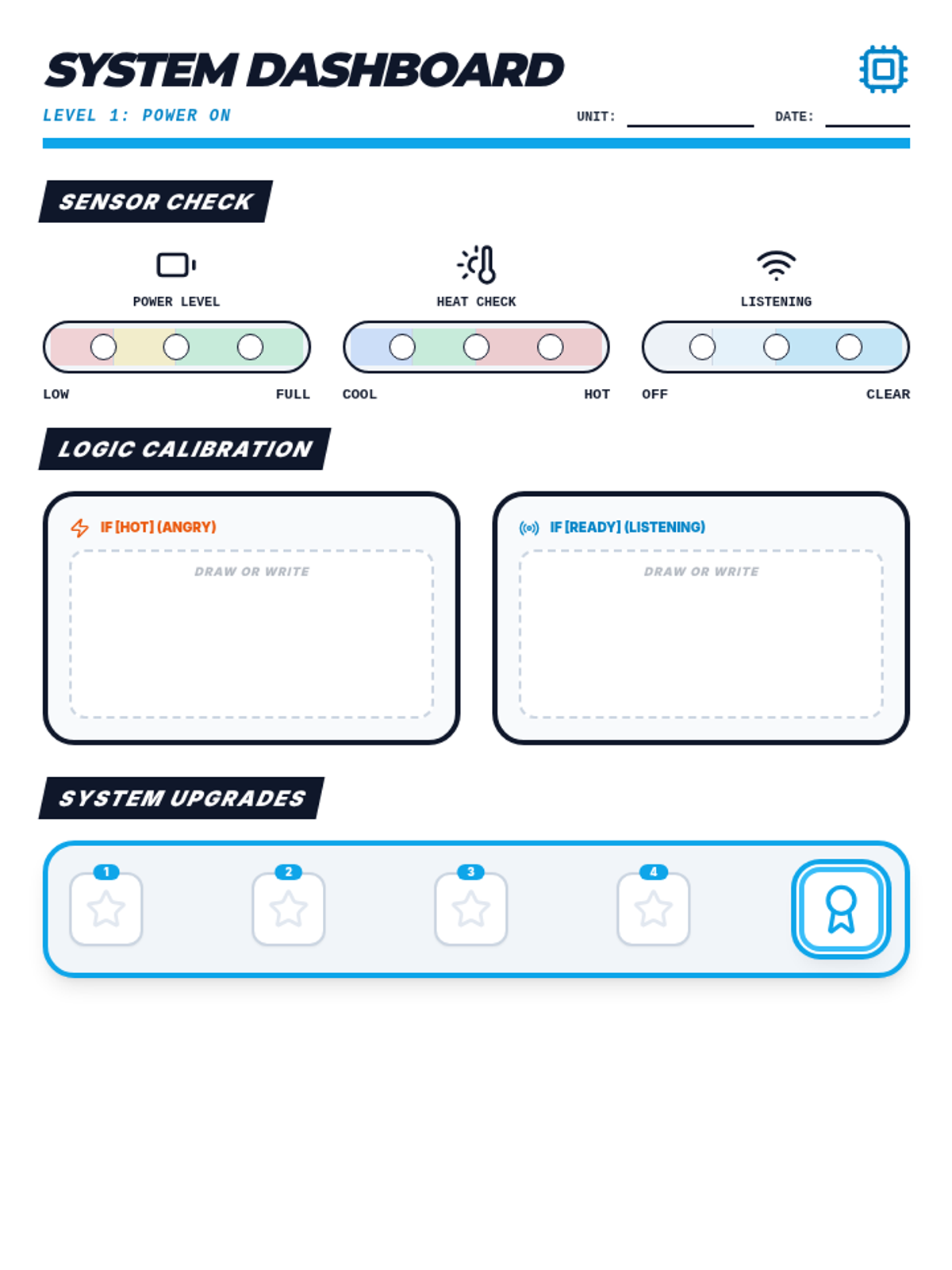
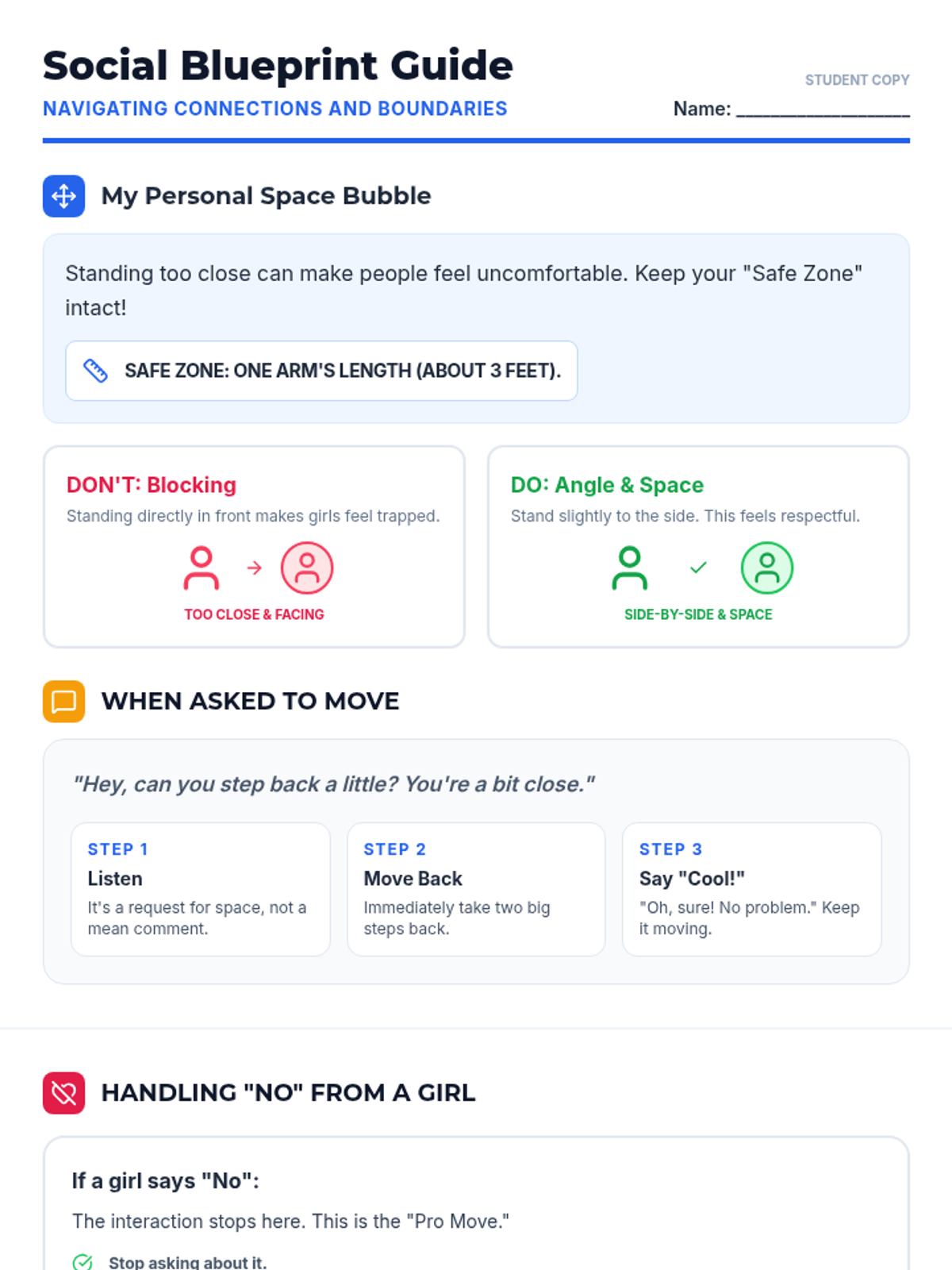
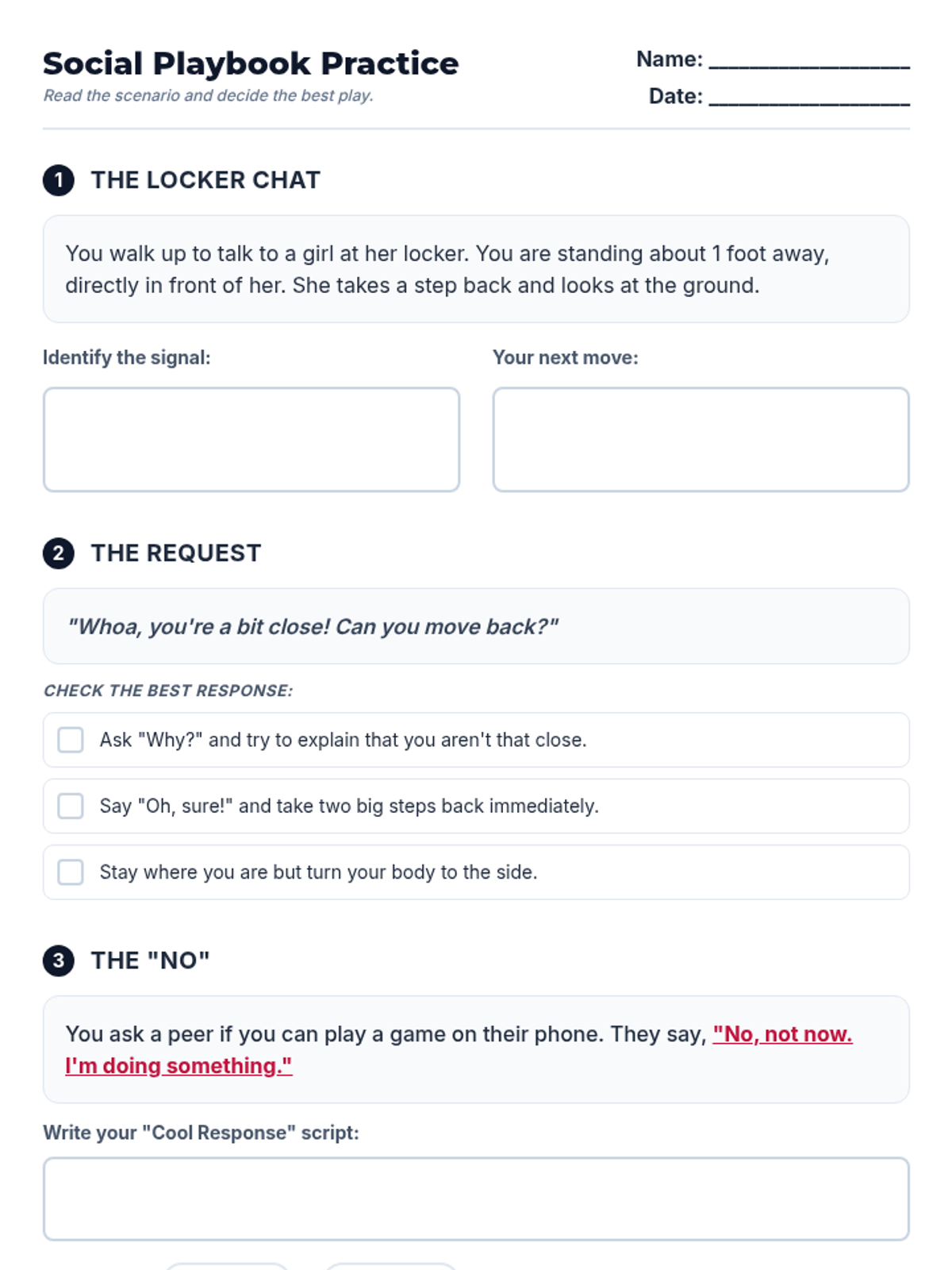
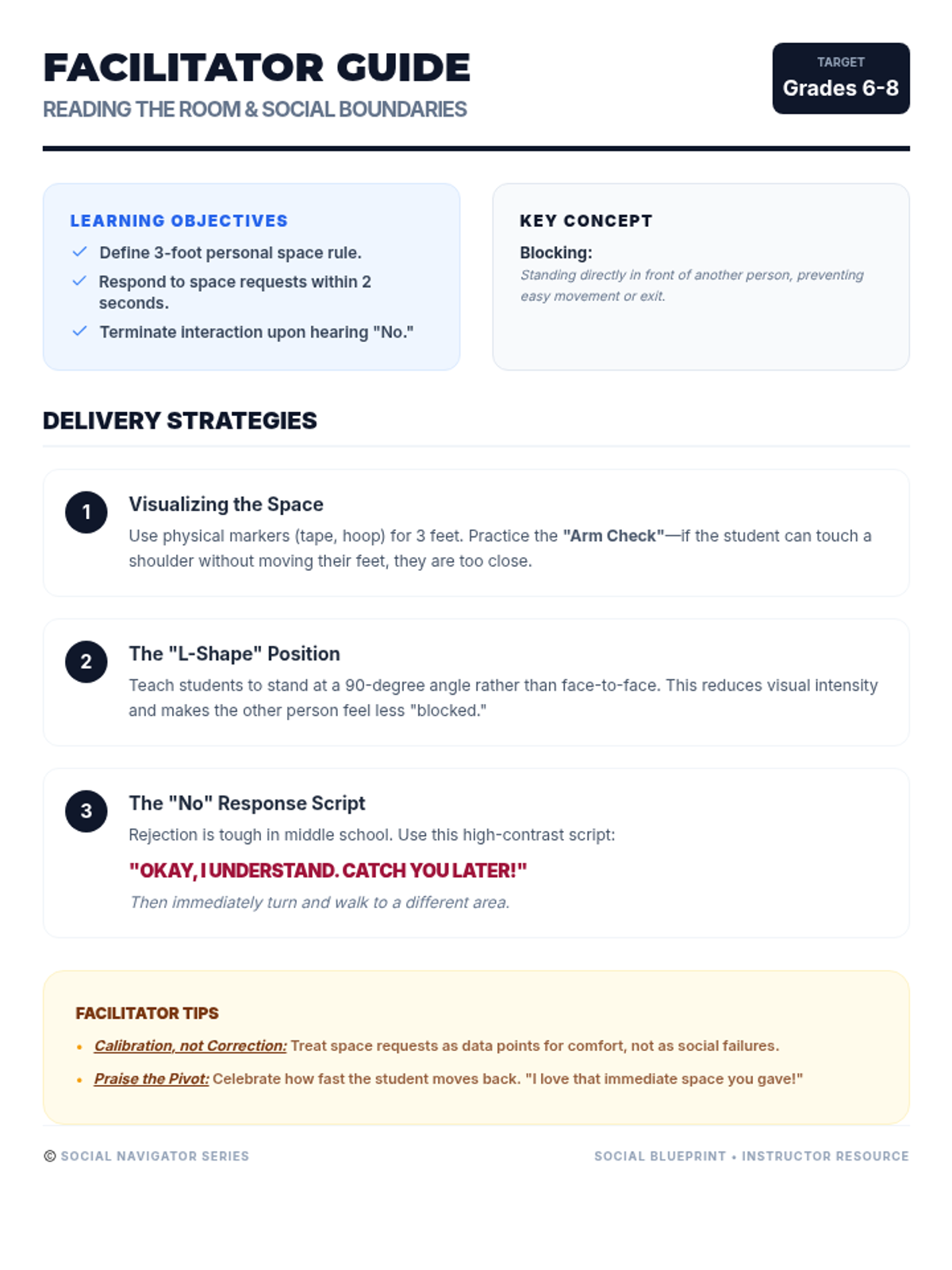
A specialized social skills sequence for high school students focusing on executive function, emotional regulation, and social boundaries. This sequence uses a modern, tech-inspired 'Social Navigator' theme to engage 9th-grade students in self-monitoring and problem-solving.
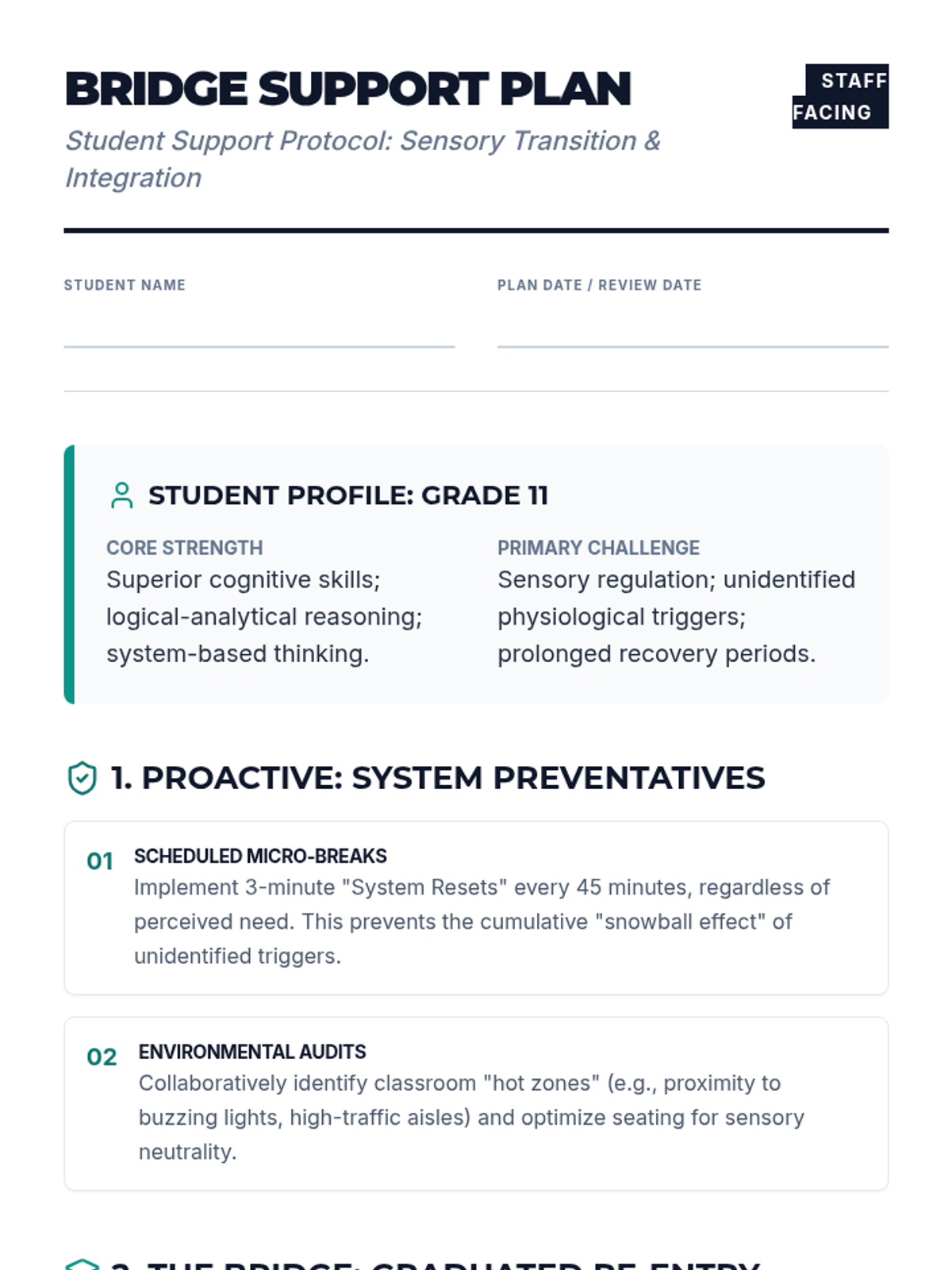
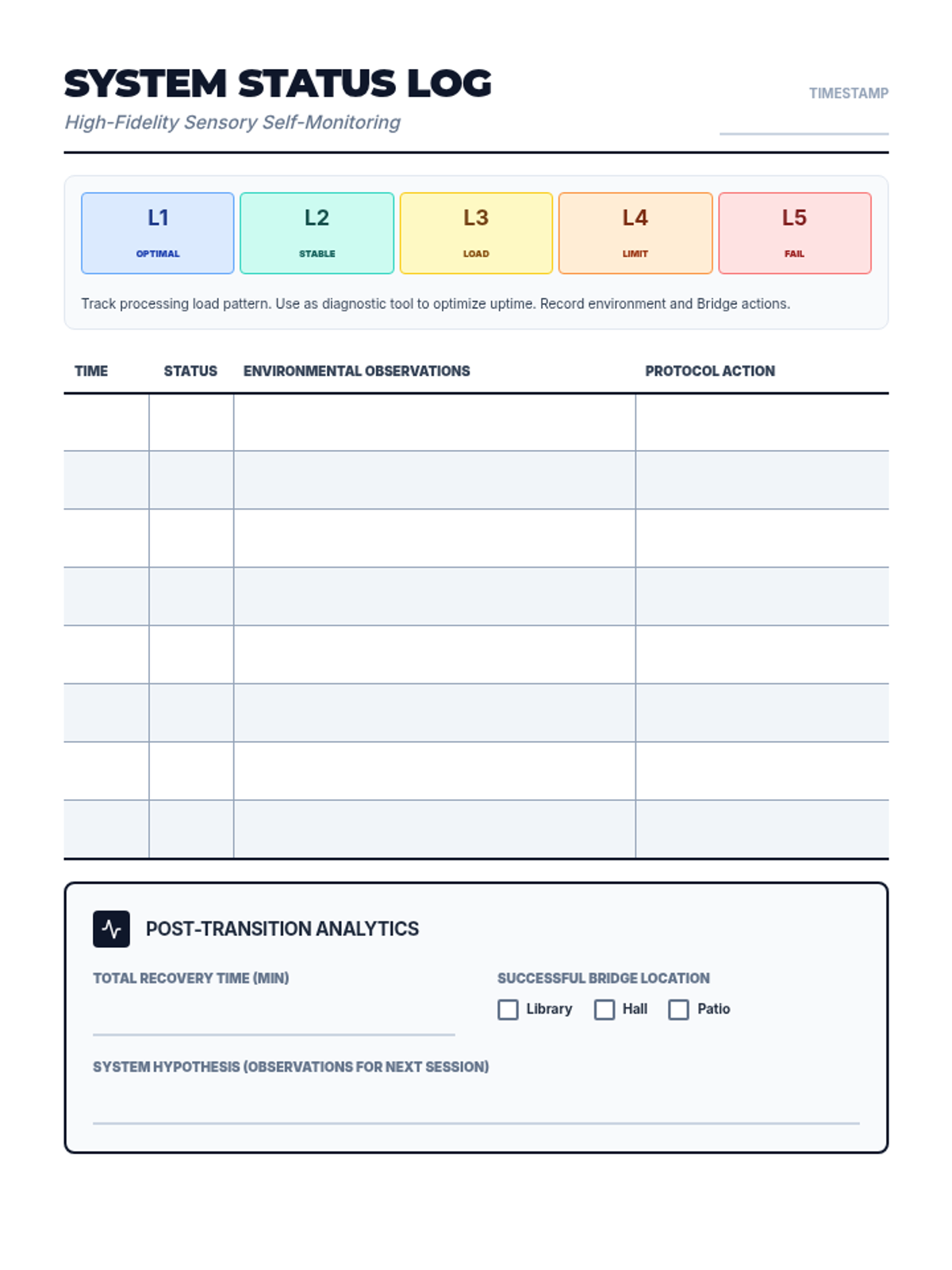
A CBT-based sequence for an 8th-grade student with autism, focusing on managing difficult transitions and recovering from behavioral incidents through restorative practices and emotional regulation.
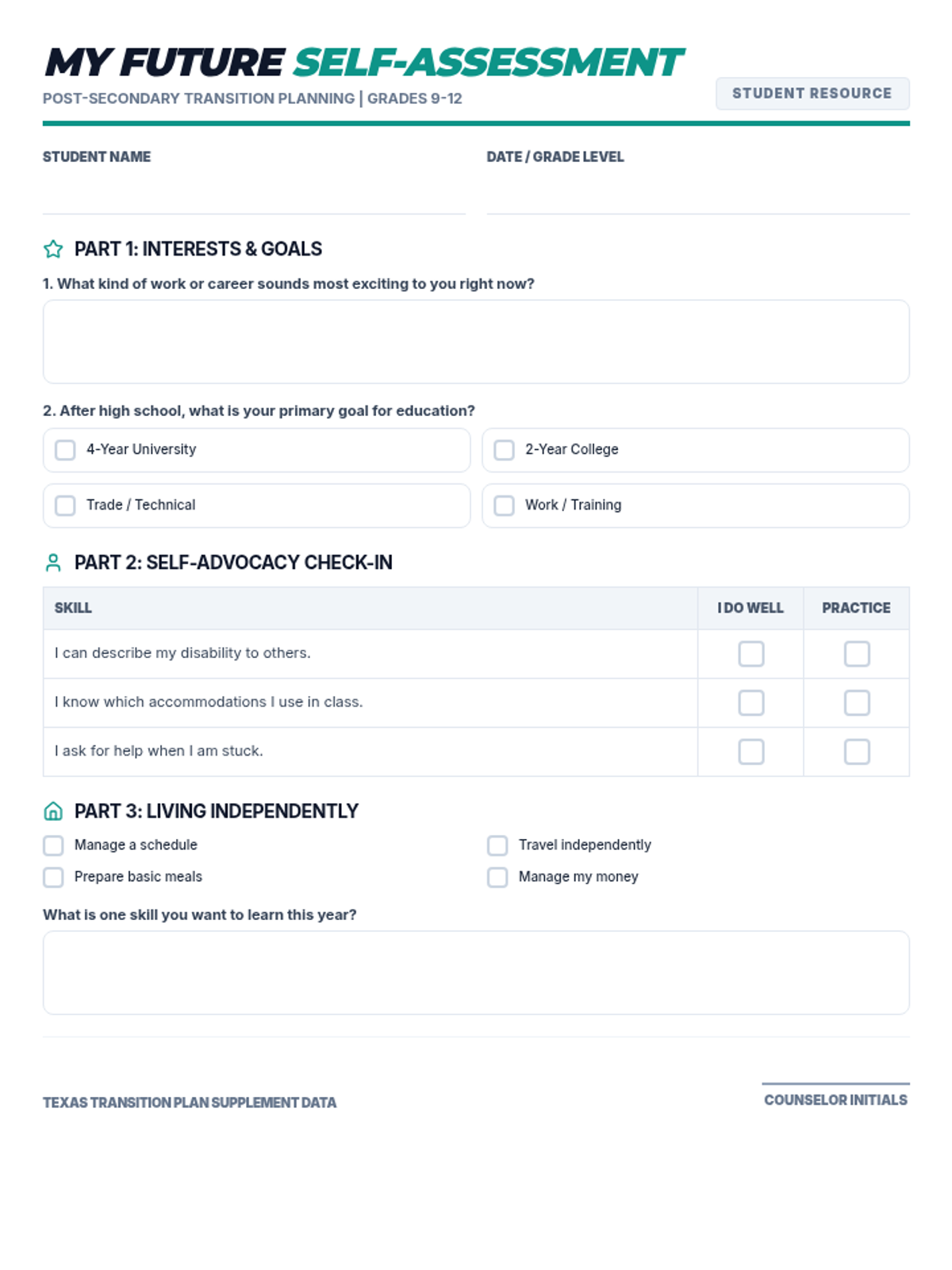
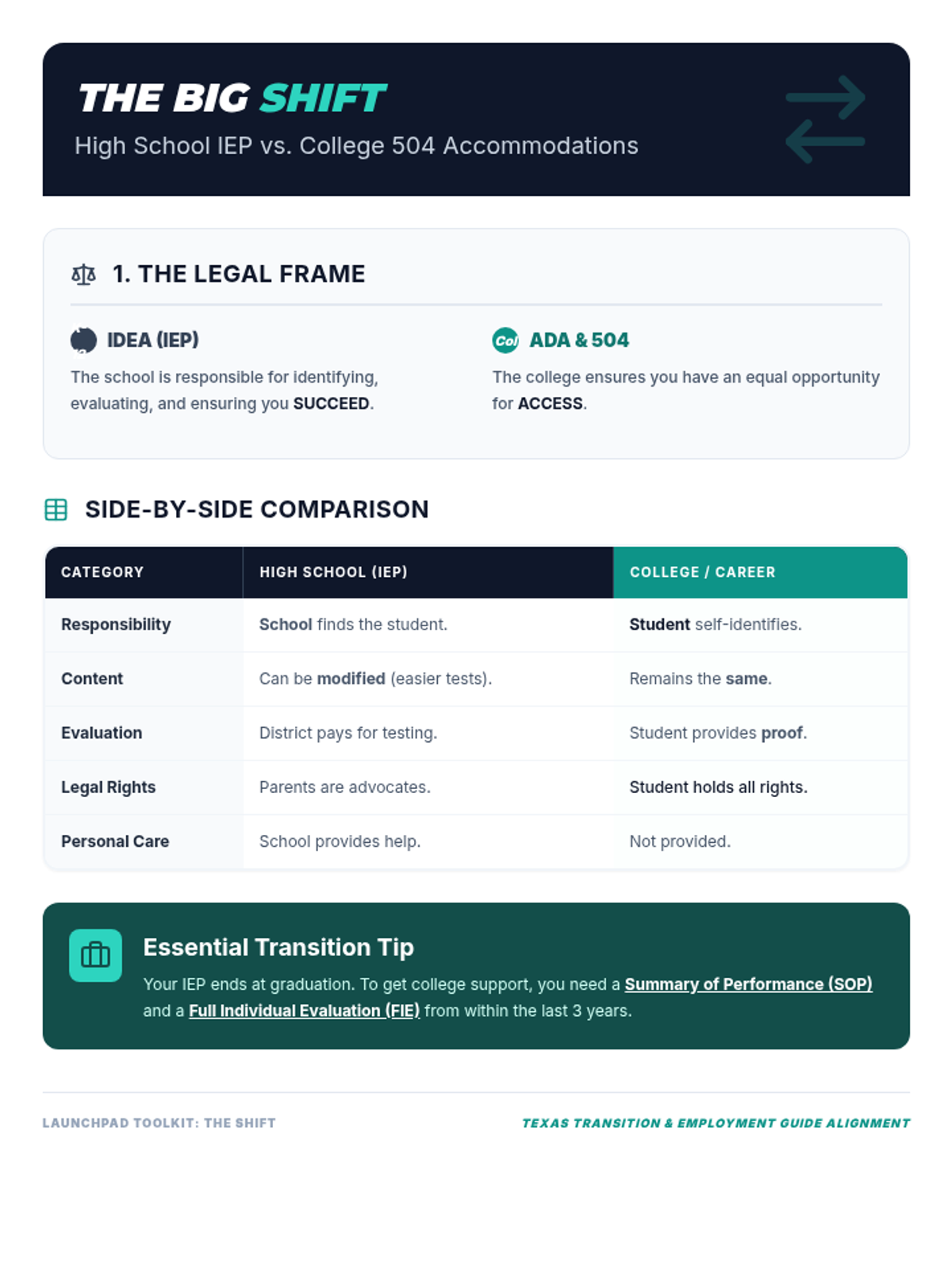
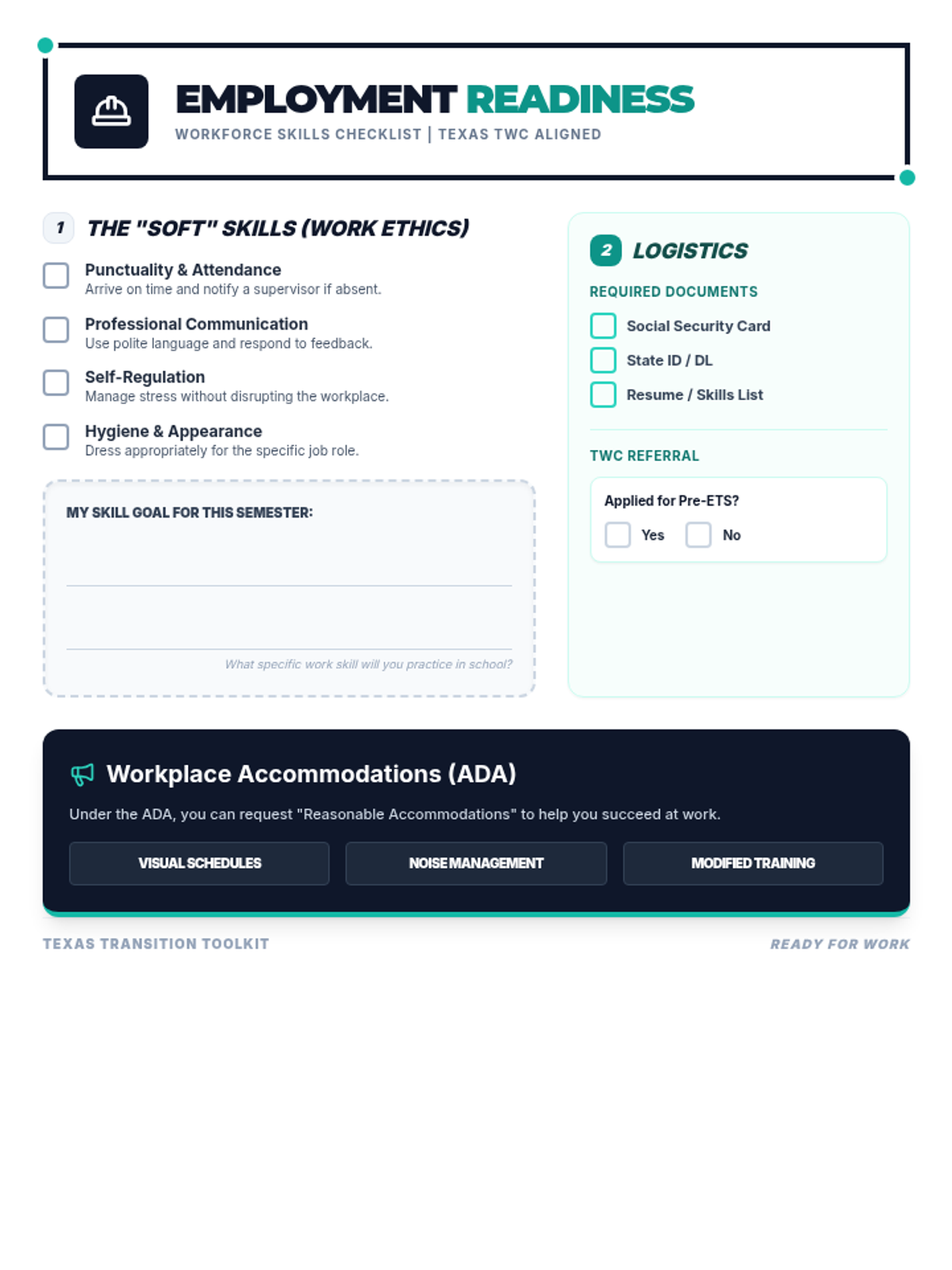
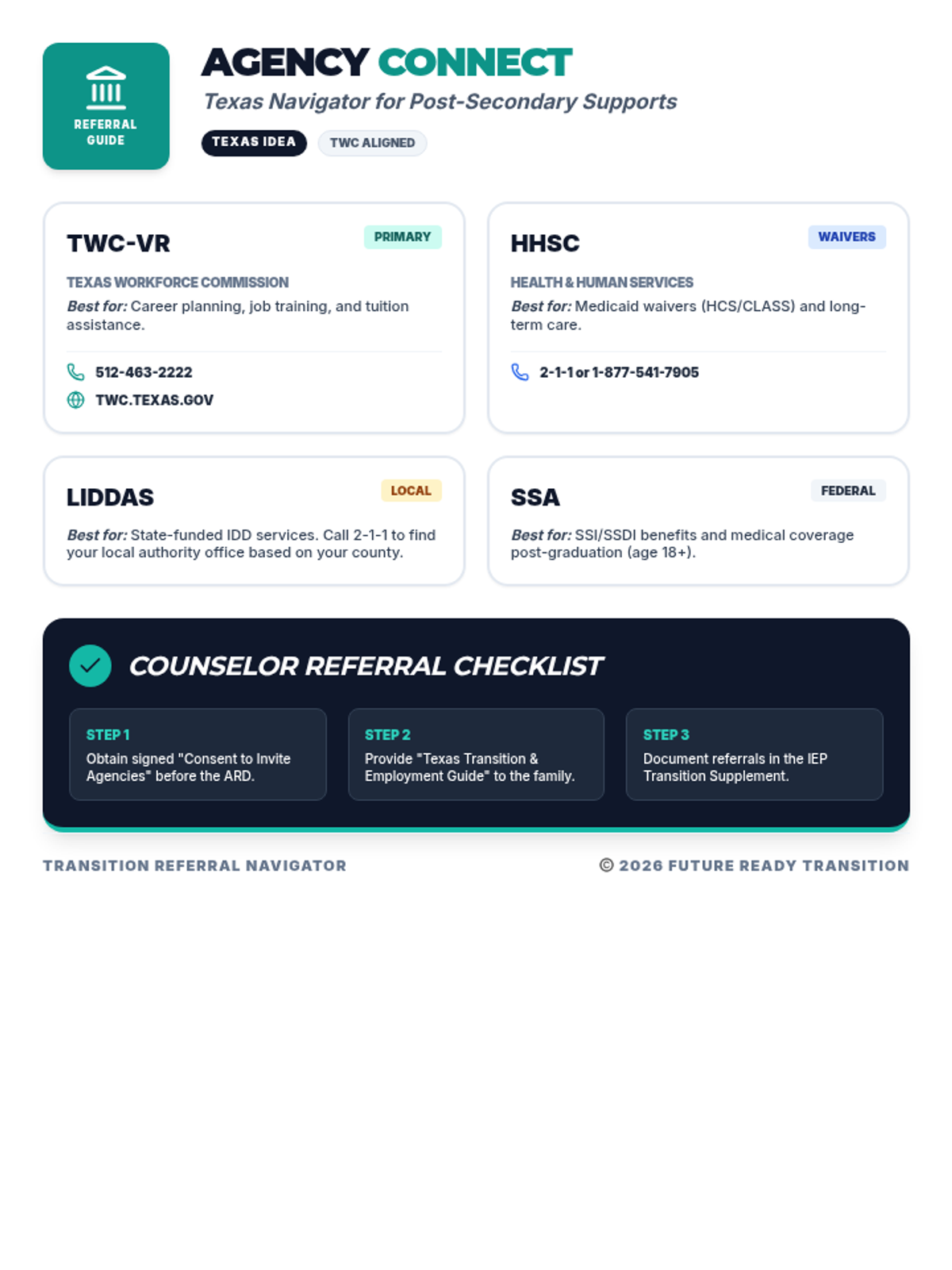
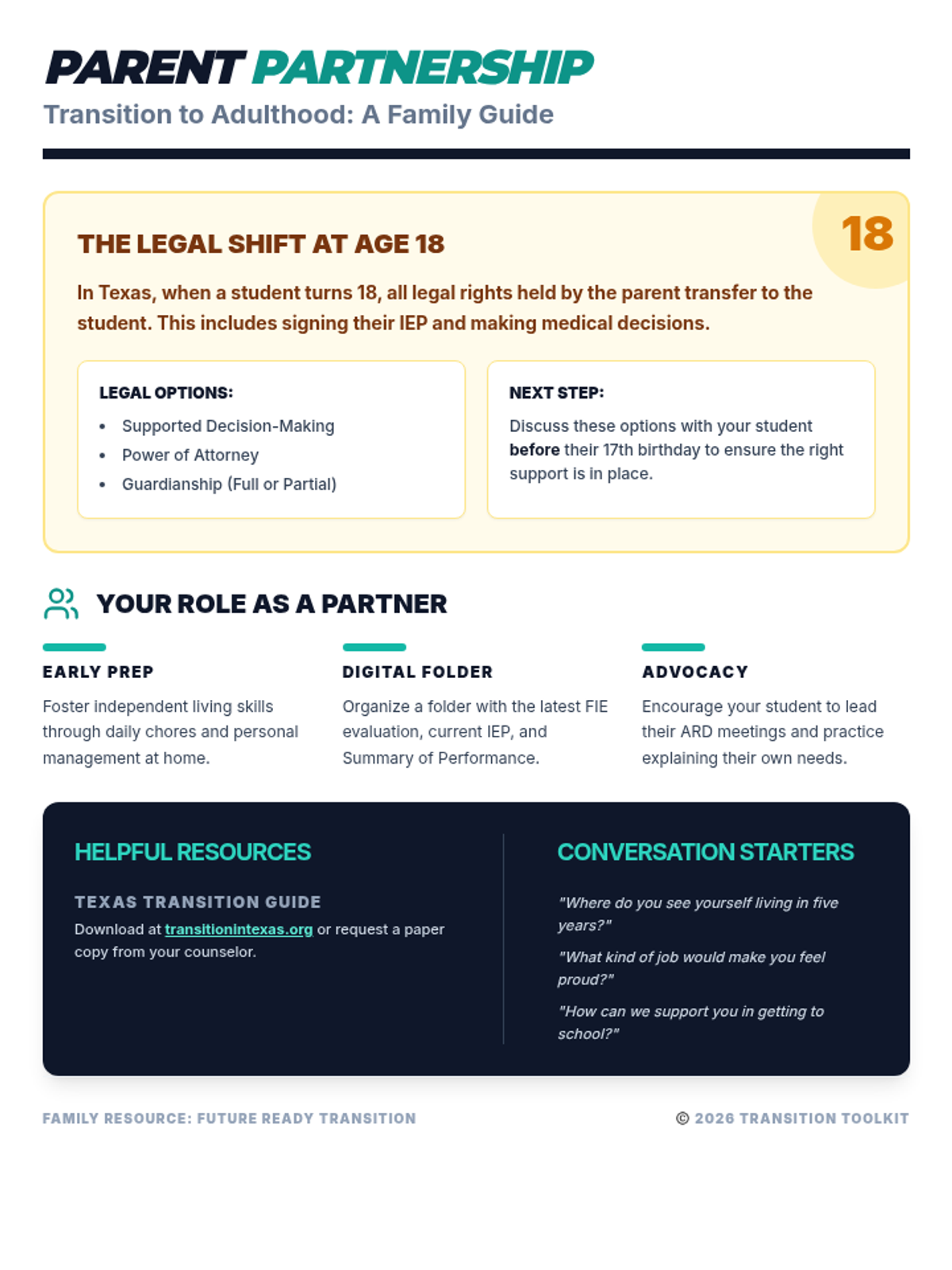
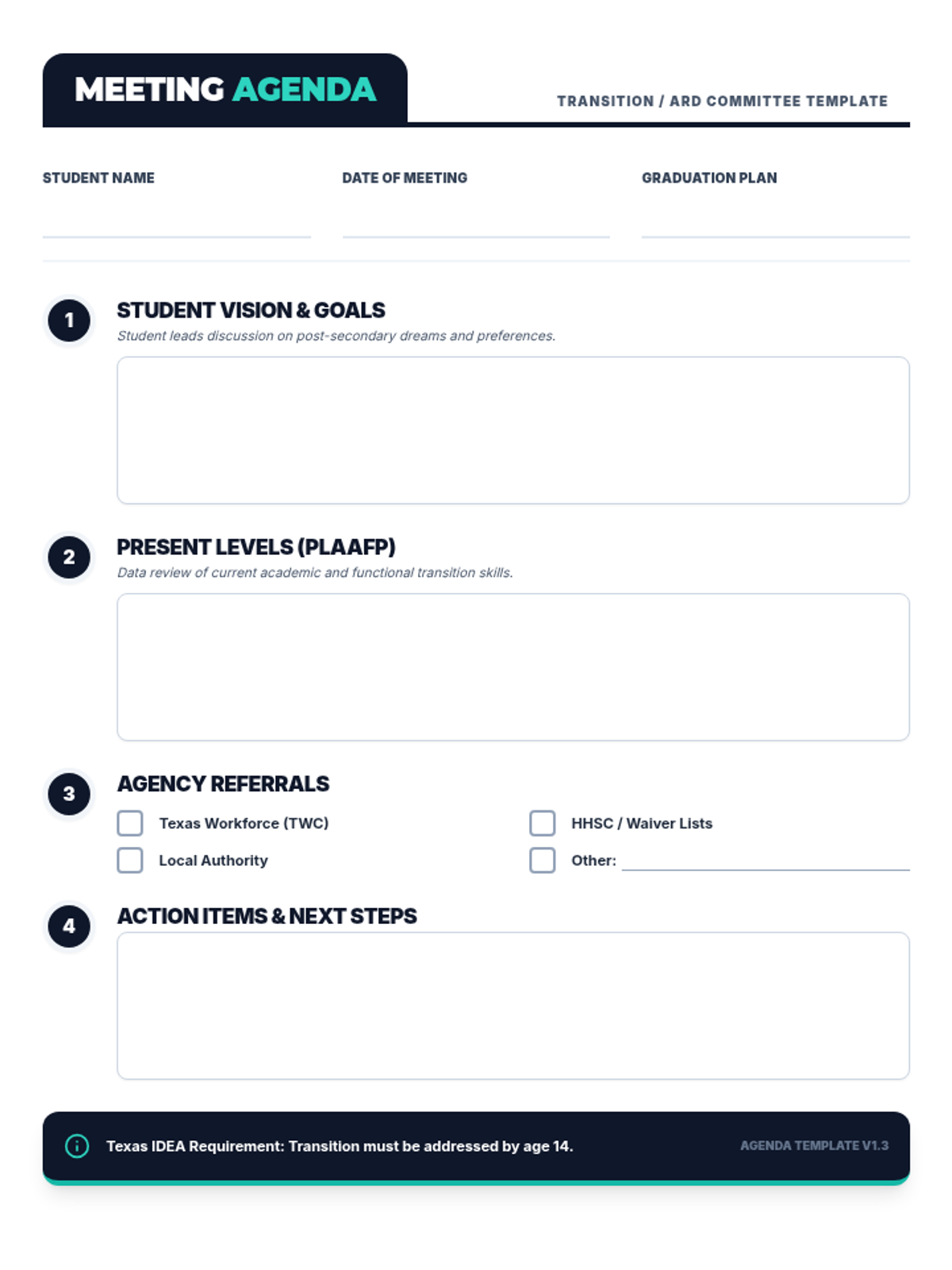
A comprehensive unit focused on preparing students with disabilities for the transition to post-secondary life, emphasizing self-advocacy, legal rights, and strategic disclosure.
A series of drawing-based challenges designed to improve active listening and following complex, multi-step instructions through creative output.
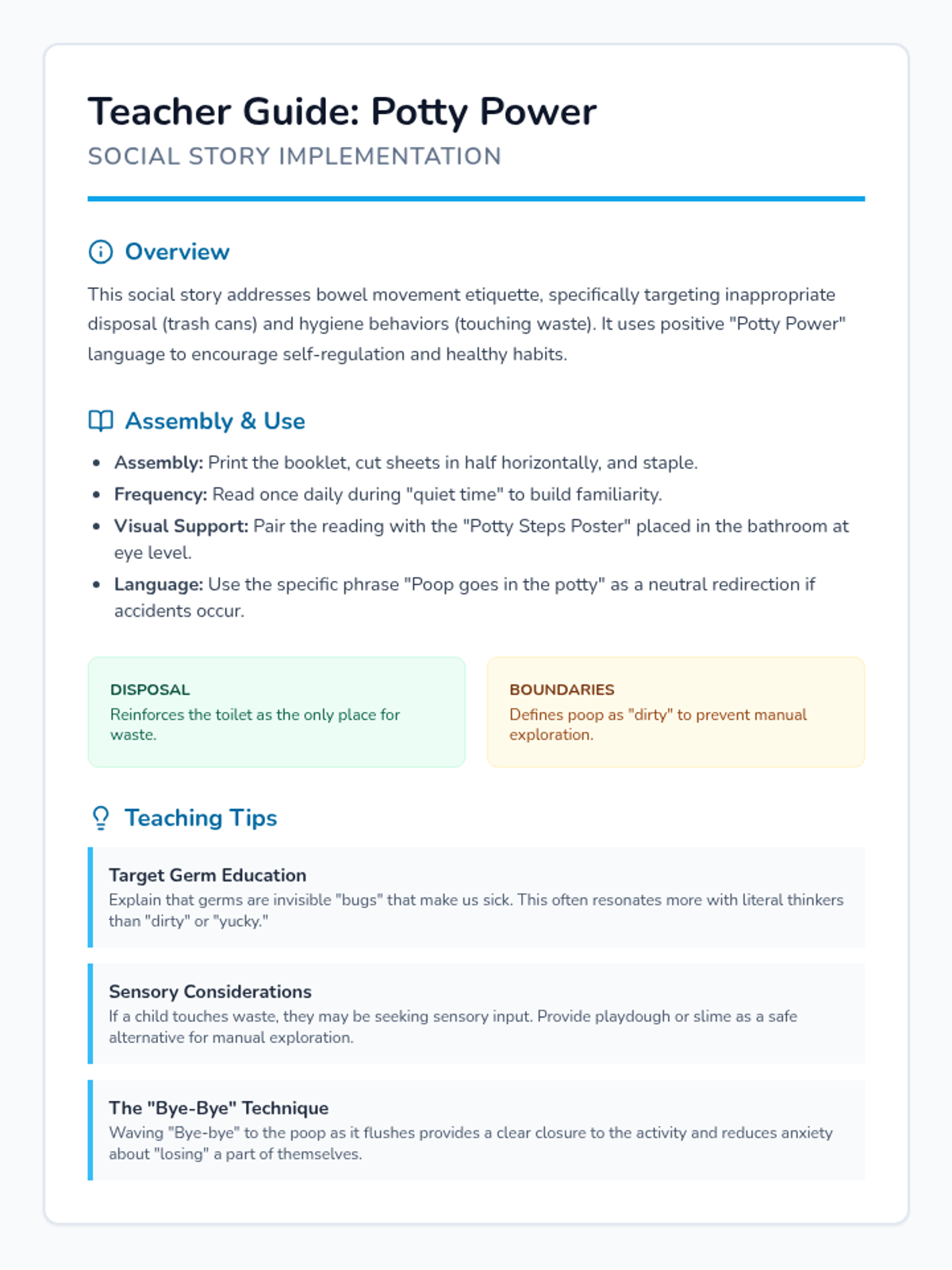
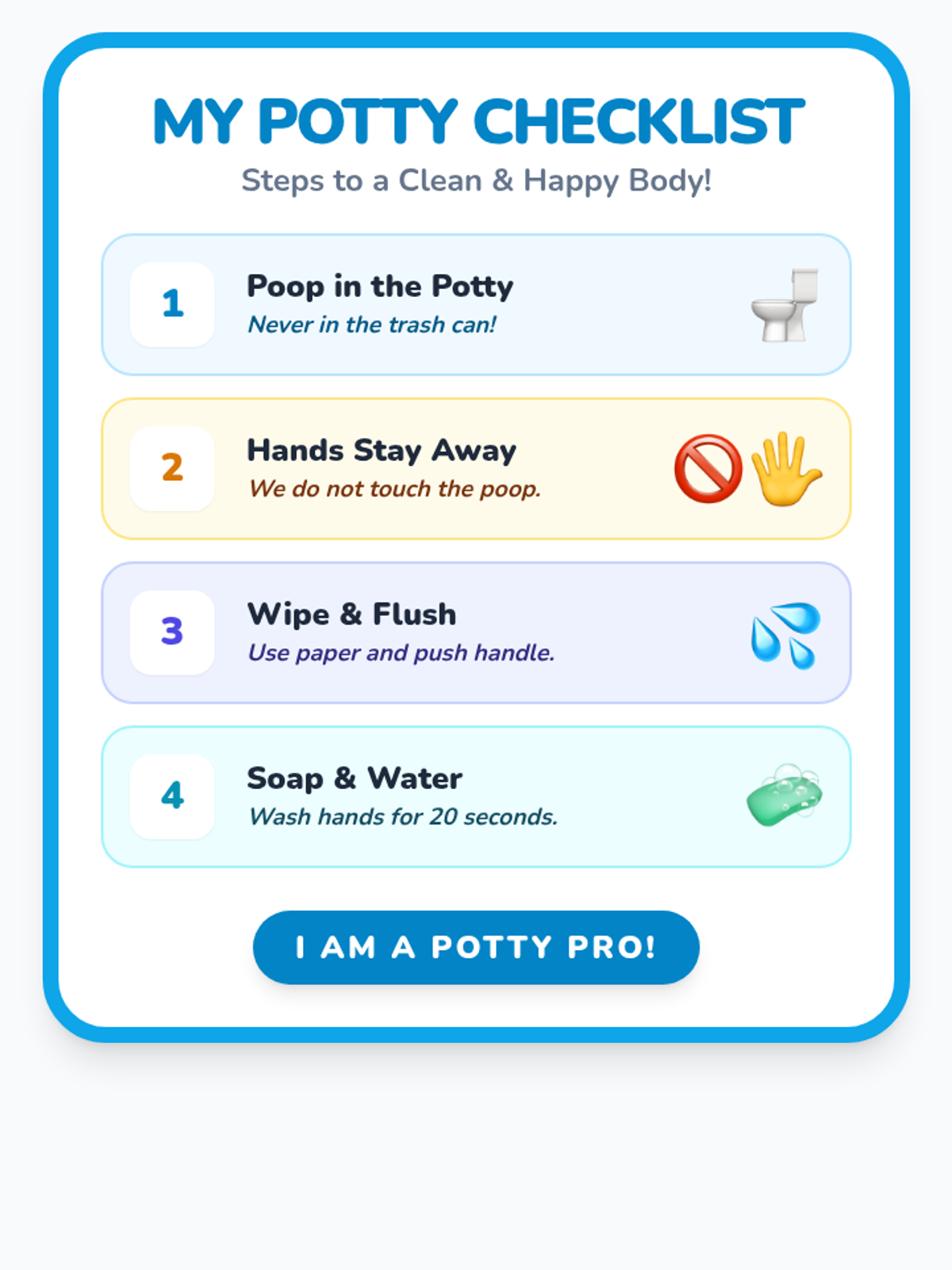
A comprehensive collection of social stories and visual supports designed by an Occupational Therapist to help students ages 5-14 navigate essential school routines, personal boundaries, and classroom expectations.
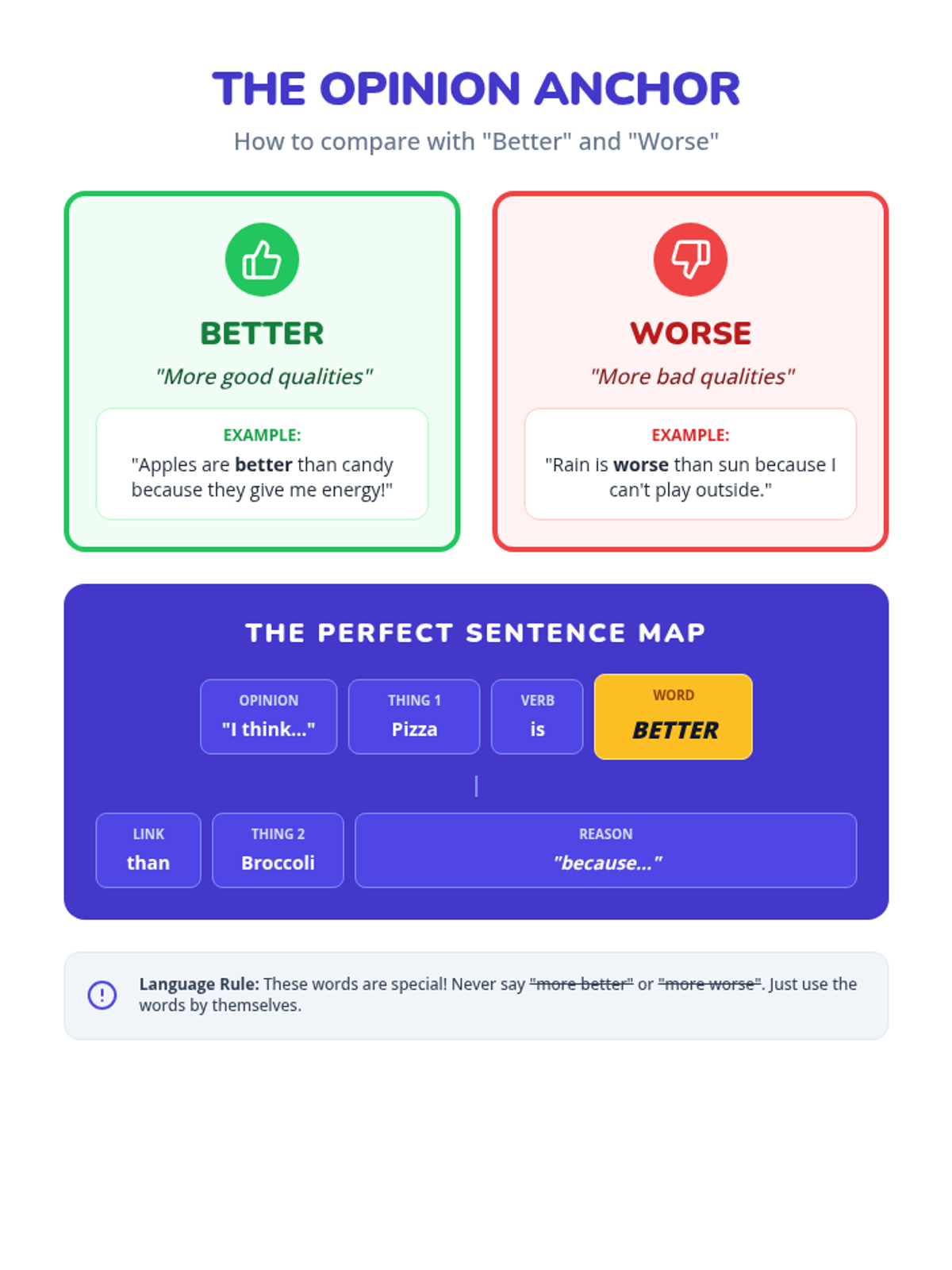
A thematic unit centered on winter and snow, exploring grammar, functional language, and descriptive comparison skills.
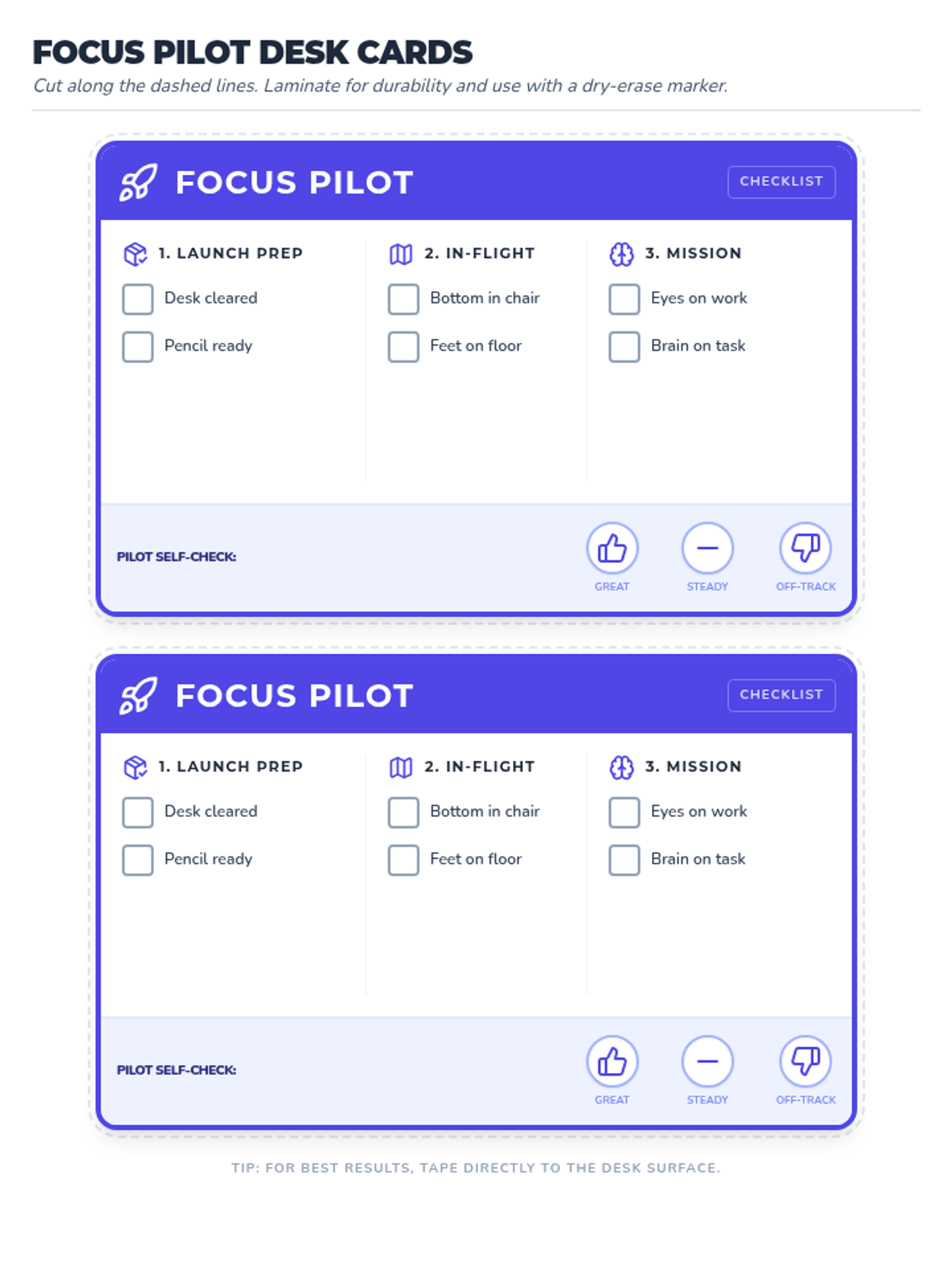
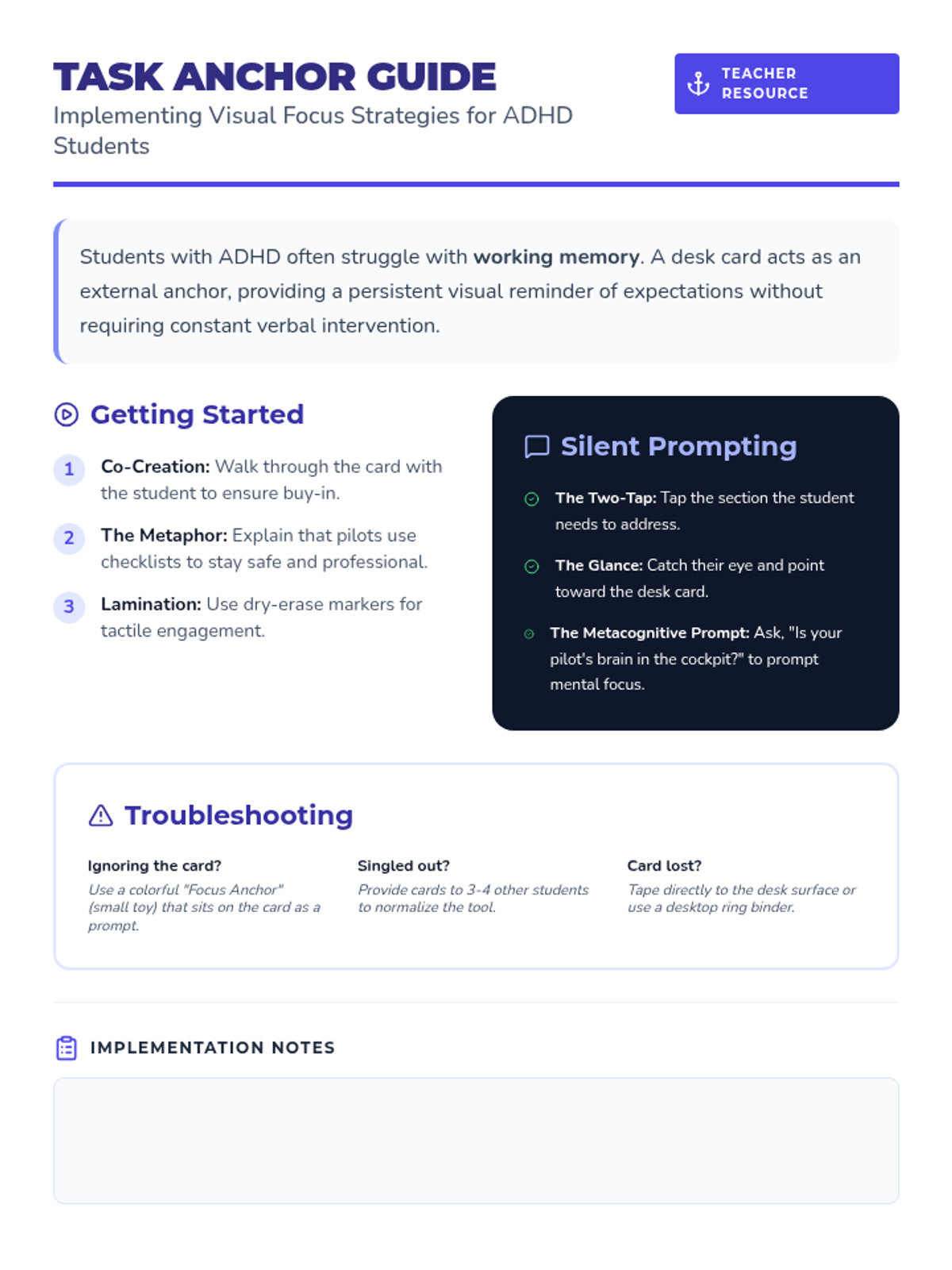
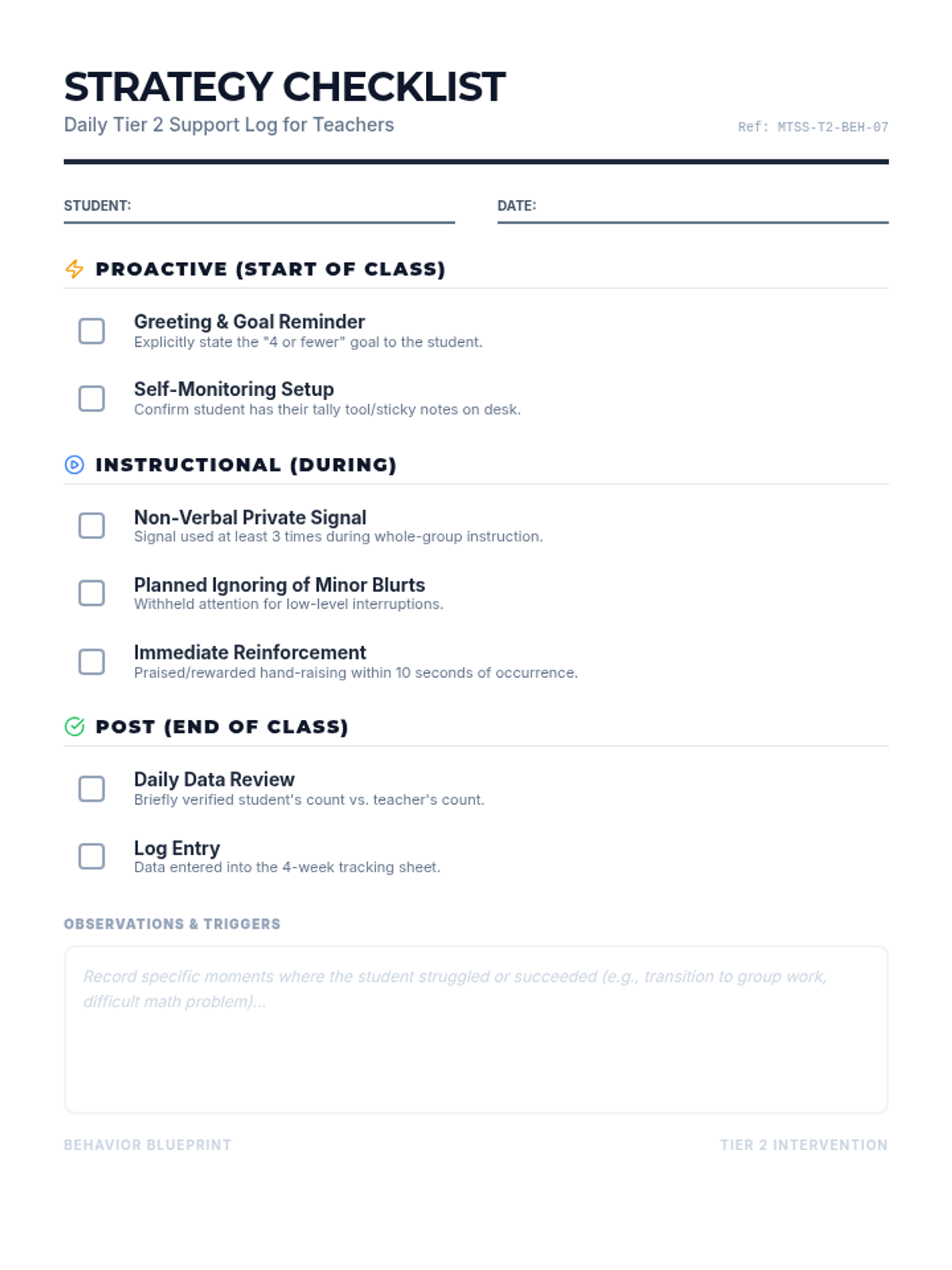
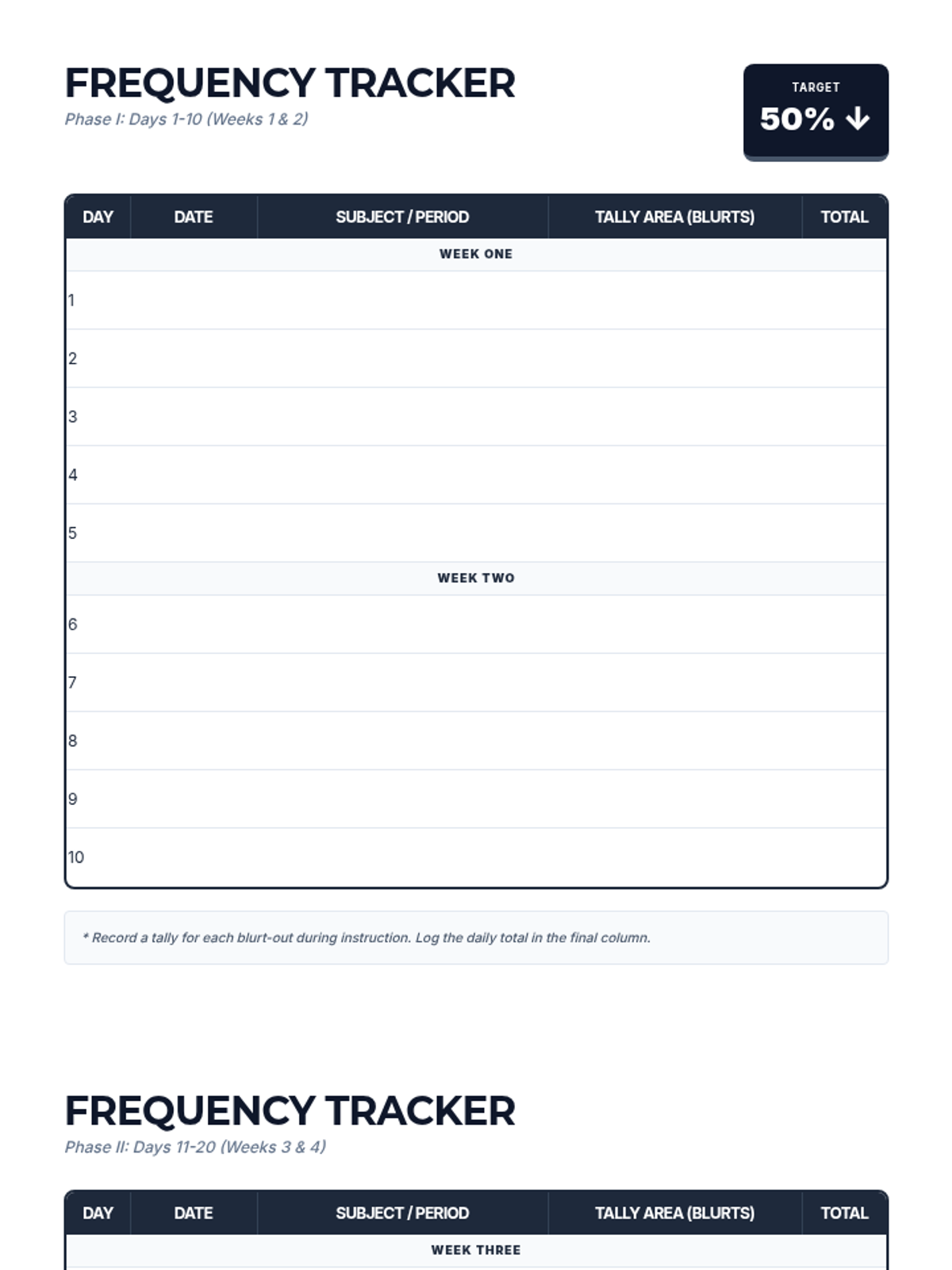
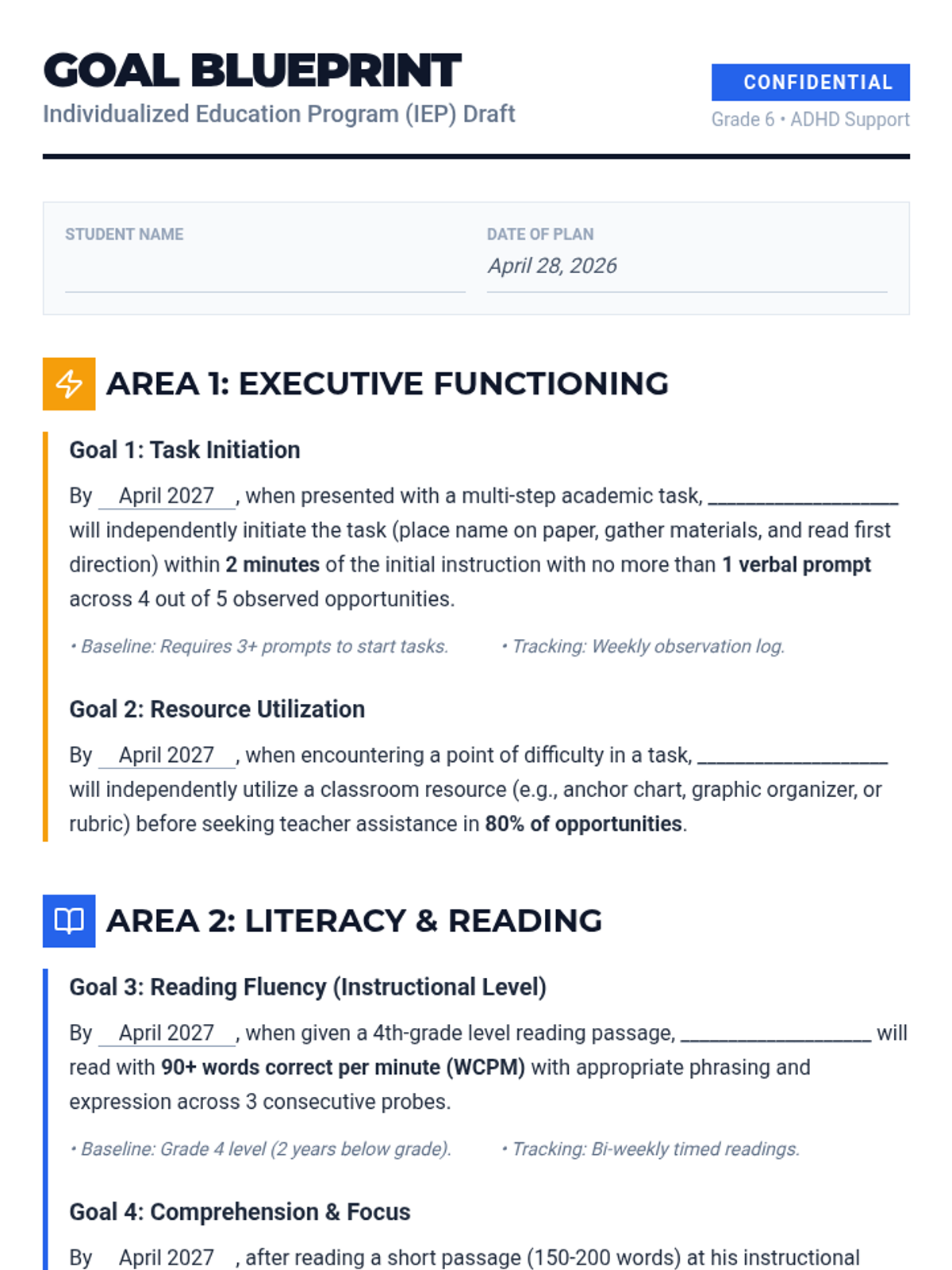
A series of tools designed to help middle schoolers with ADHD master self-regulation through technical movement and mindfulness. The sequence frames focus as a high-performance 'tactical' skill.
A 5-lesson sequence designed for 3rd-grade students to master the use of text-to-speech (TTS) technology for decoding informational texts, academic vocabulary, and non-linear text features like captions and sidebars. Students progress from decoding individual words to synthesizing information from multiple sources for research and presentation.
A sequence focused on empowering 3rd-grade students to customize their text-to-speech settings. Students experiment with speed, voice, and visual highlighting to create a personalized 'Assistive Tech Profile' for better reading retention and comfort.
A sequence designed for 2nd grade students to master the use of text-to-speech (TTS) technology. Students move from basic identification of tools to independent navigation and troubleshooting, viewing TTS as a helpful 'reading buddy'.
A 10th-grade sequence focused on empowering students to manage their own IEP/504 timelines, accommodations, and administrative responsibilities through the lens of project management. Students transition from passive recipients of services to active managers of their educational milestones.
A project-based unit where 6th-grade students use text-to-speech technology to access and analyze complex informational texts. Students develop research skills, digital literacy, and metacognitive awareness of their own learning tools.
This sequence shifts the focus from assistive technology to the cognitive strategies required for auditory learning. Students engage in inquiry-based activities to distinguish between passive hearing and active listening, applying specific comprehension strategies while using text-to-speech (TTS) to access grade-level texts.
This sequence guides 6th-grade students through the technical mastery of text-to-speech (TTS) tools. It moves from basic navigation to personalized configuration, empowering students to treat assistive technology as a custom scaffold for their unique learning styles.
This sequence empowers 5th-grade students to understand, use, and advocate for Text-to-Speech (TTS) as a vital learning tool. It focuses on the distinction between fairness and sameness, identifying specific tasks where TTS is most effective, and building the social-emotional confidence to communicate needs to teachers and peers.
A comprehensive transition sequence for 12th-grade students focusing on the legal, professional, and practical aspects of using Text-to-Speech (TTS) and other assistive technologies in higher education and the workplace. Students learn to advocate for their rights under the ADA and Section 504 through role-play, professional writing, and portfolio building.
A comprehensive graduate-level sequence focused on the pedagogical implementation of assistive writing technology. It shifts the focus from tool selection to instructional methodologies that scaffold digital organizers, dictation, and text-to-speech for student autonomy.
This graduate-level sequence prepares educators to evaluate and select assistive writing technologies using evidence-based frameworks like SETT. It covers the neurology of dysgraphia, technical analysis of speech-to-text and word prediction, and the legal requirements for IEP implementation.
A project-based sequence for 4th-grade students in special education settings, focusing on moving from passive highlighting to active extraction, organization, and synthesis. Students learn to refine highlights, extract them onto cards, sort ideas logically, and create a visual 'One-Page Expert Guide' as a summary tool.