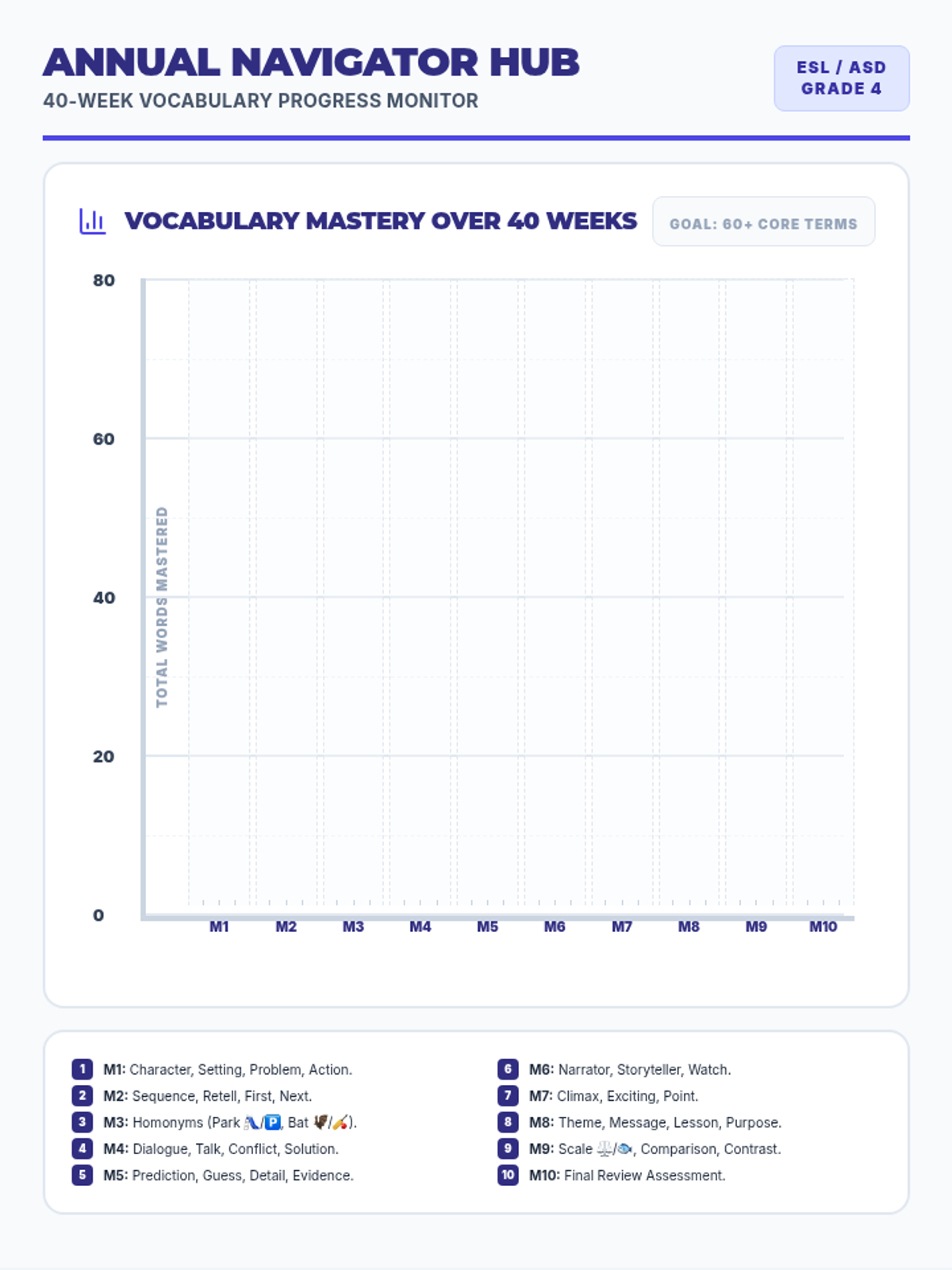
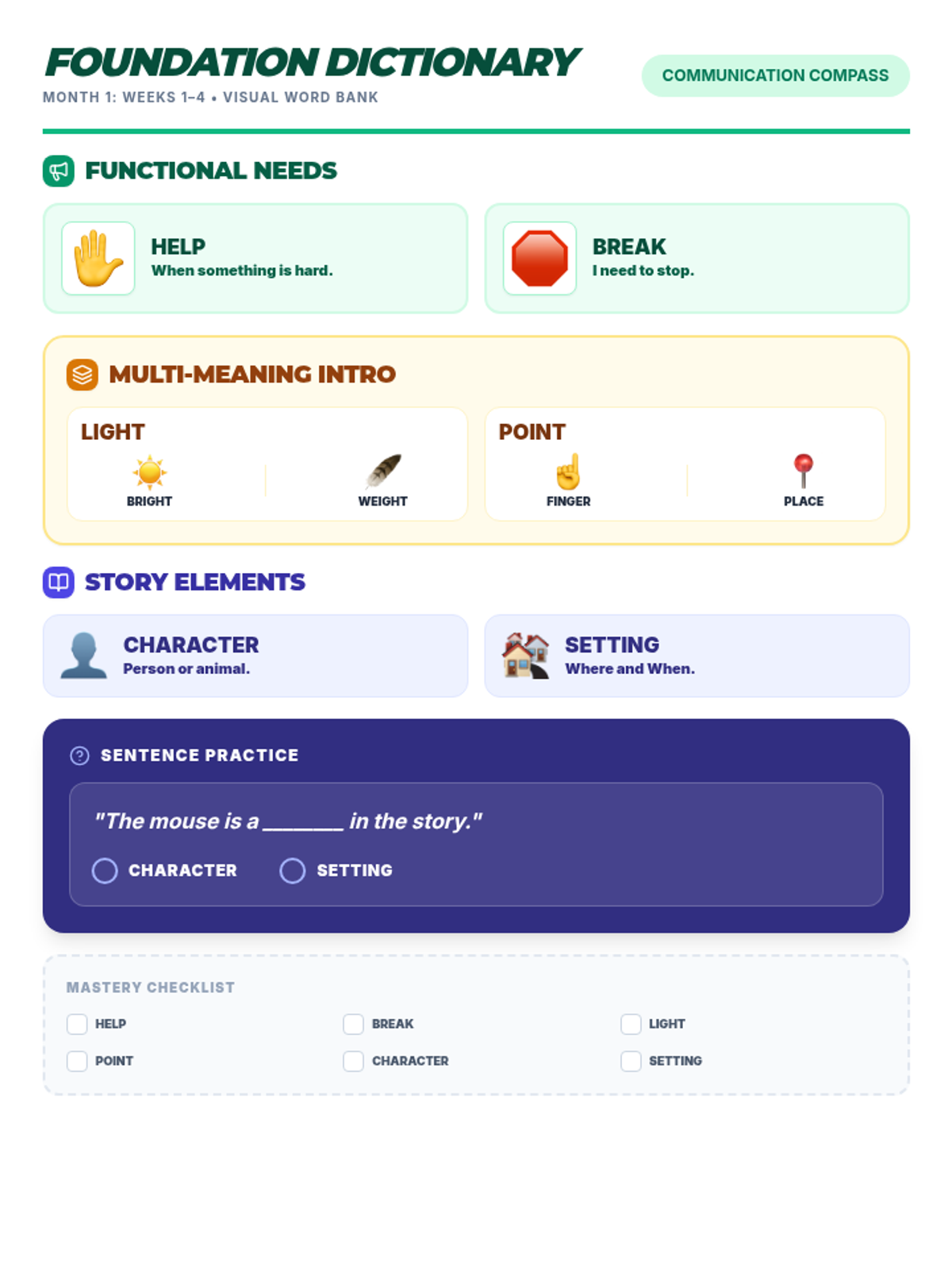
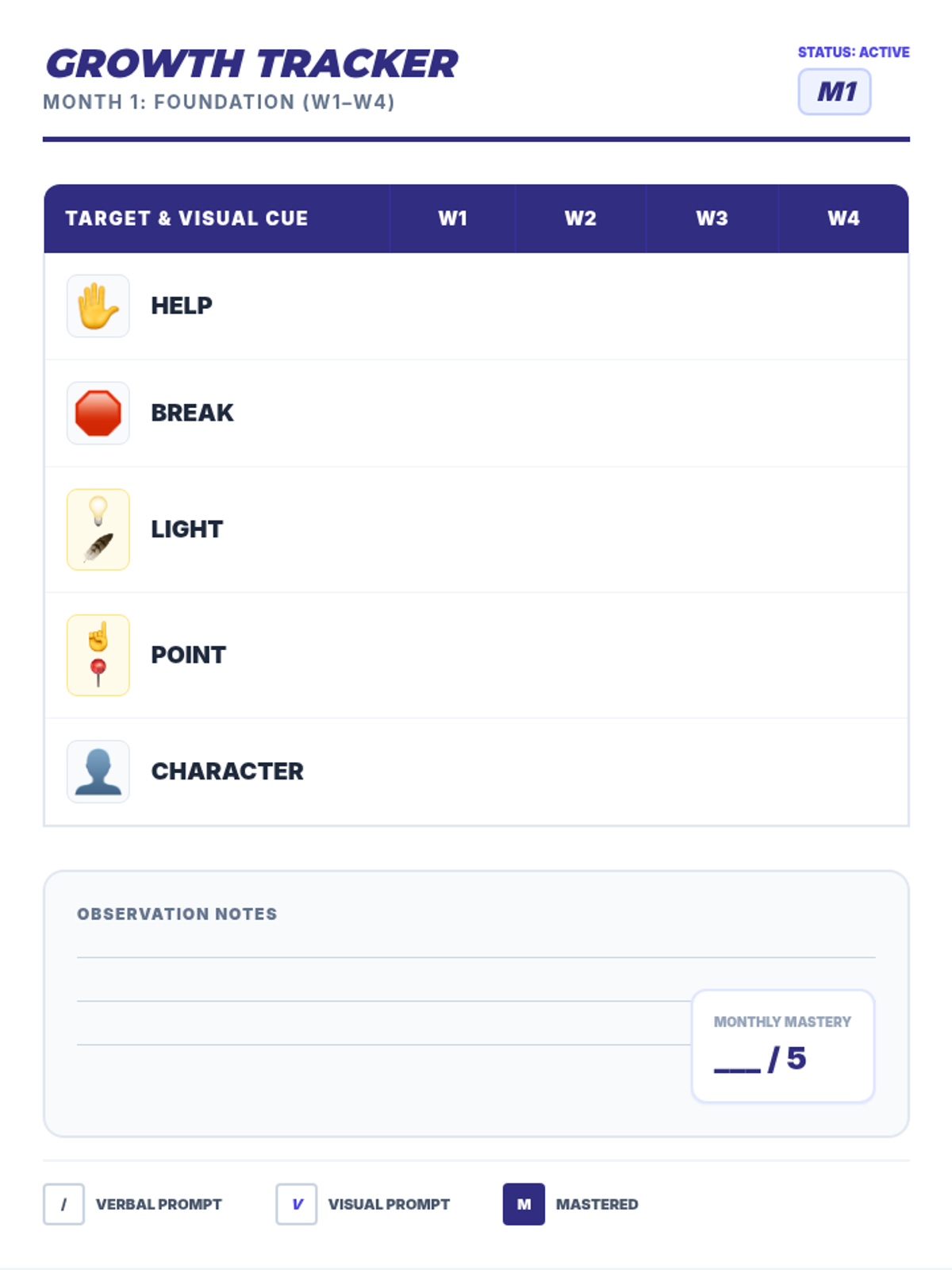
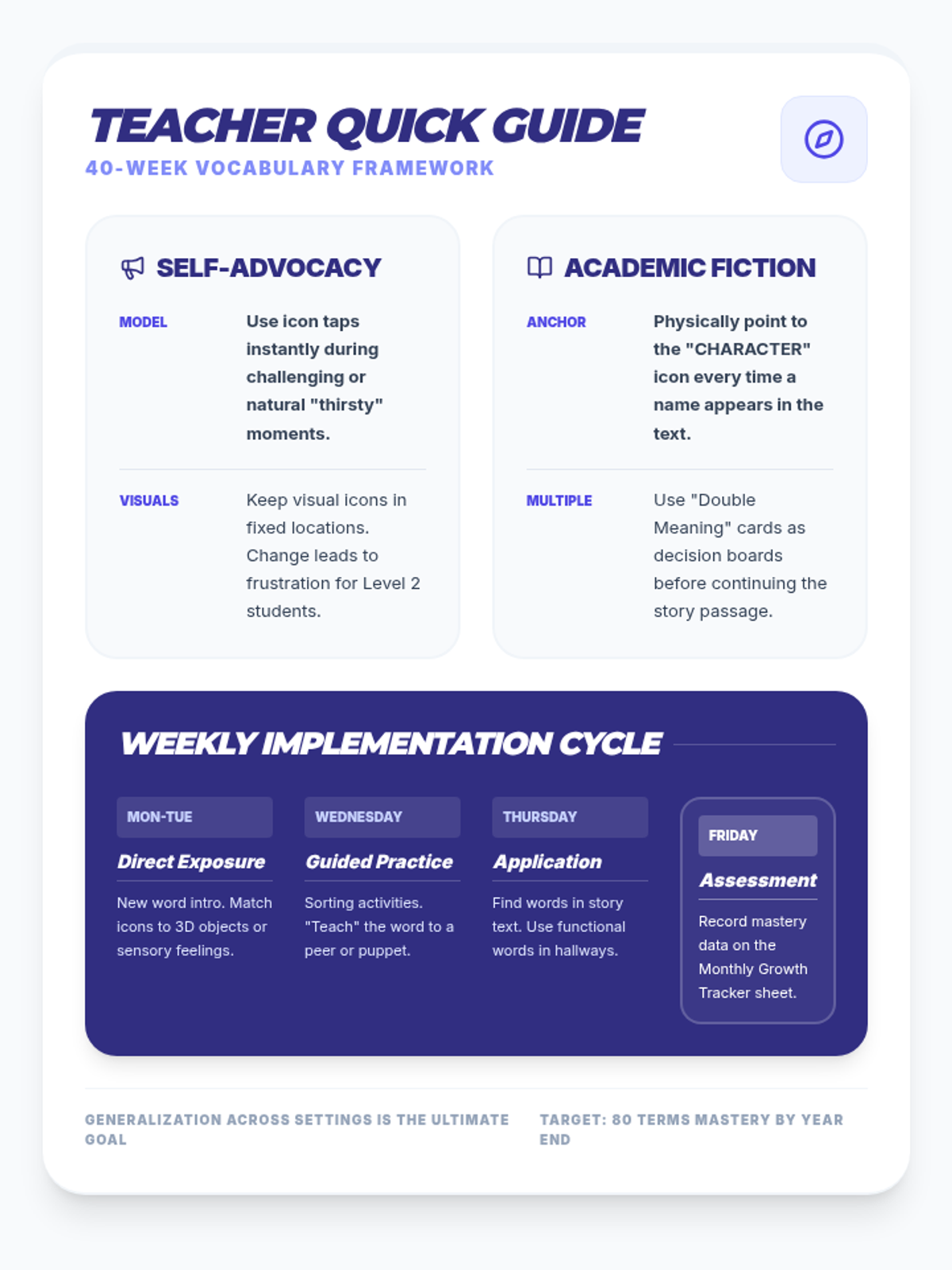
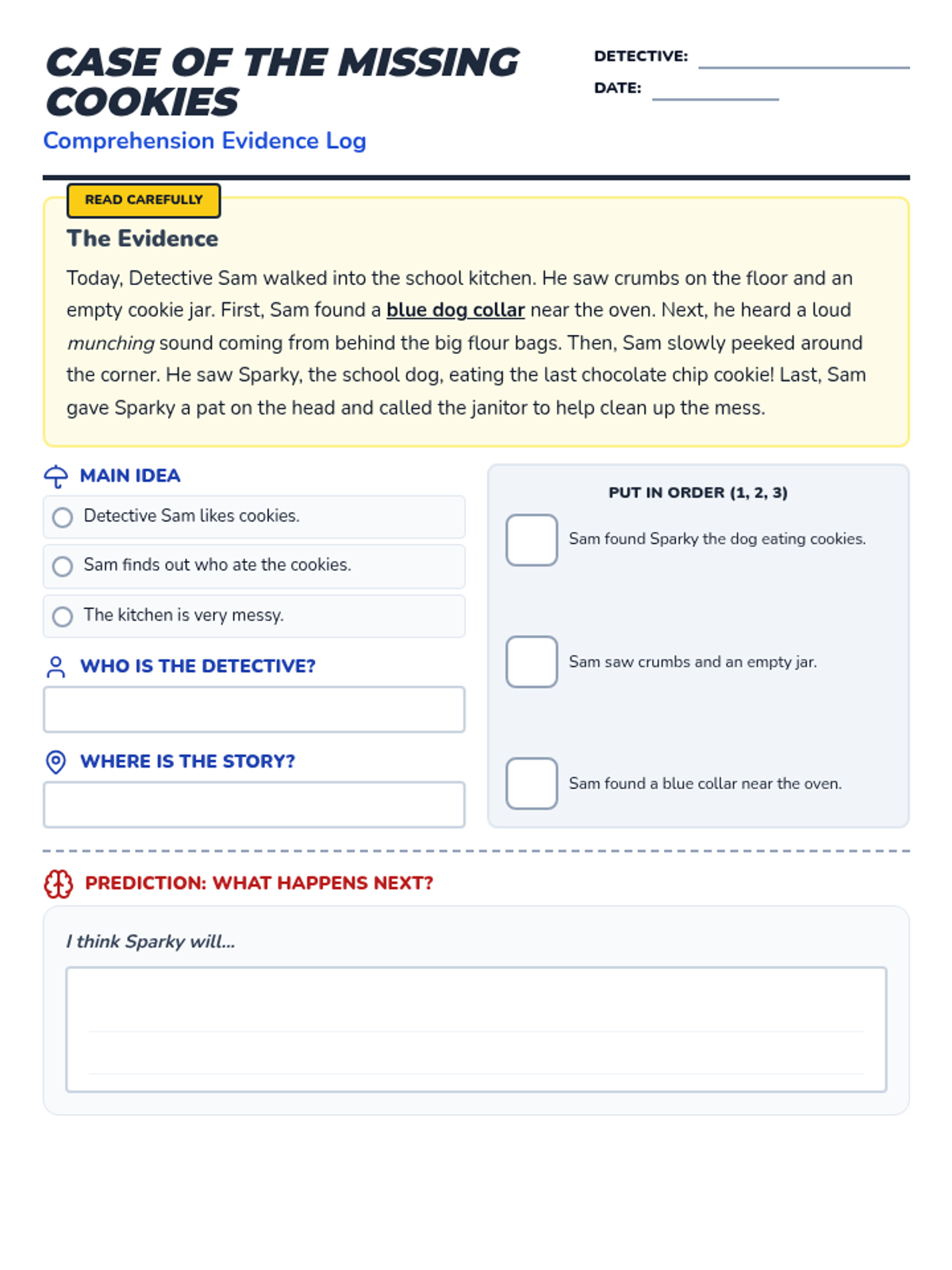
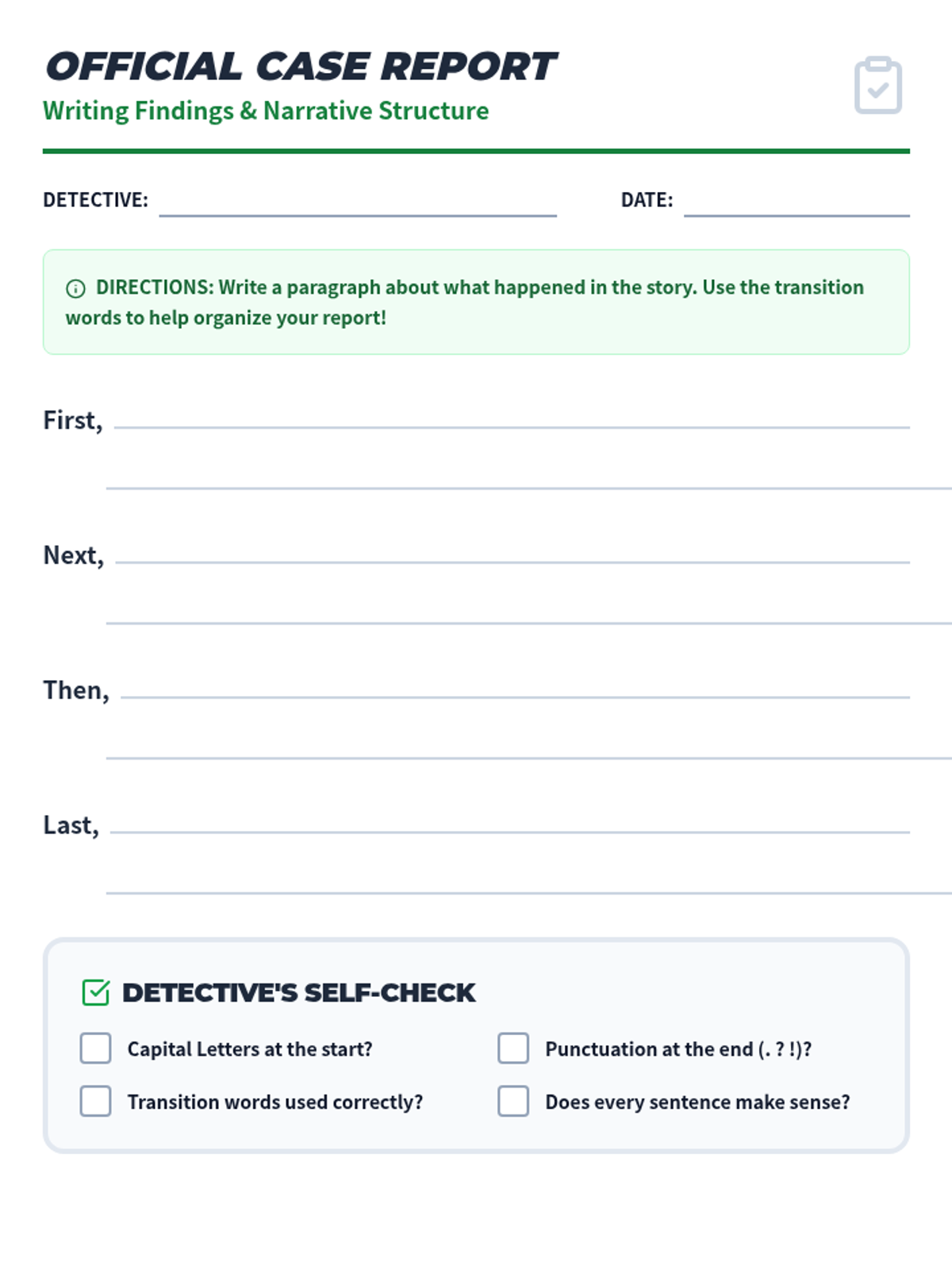
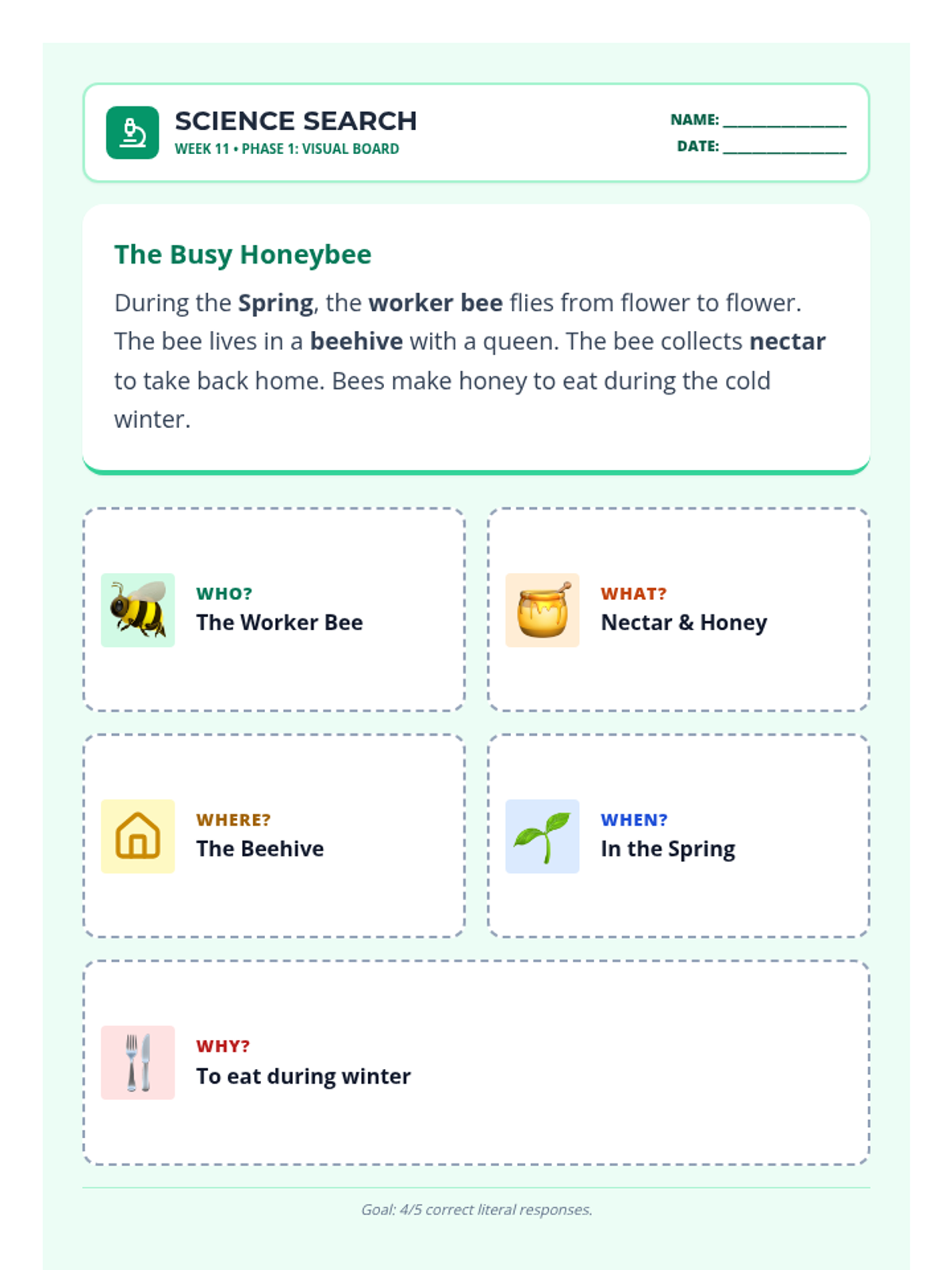
A comprehensive 5-lesson unit designed for 4th-grade students with diverse learning needs. This sequence transforms study habits from passive reading to active creation using color-coding, graphic organizers, mnemonics, and interactive foldables.
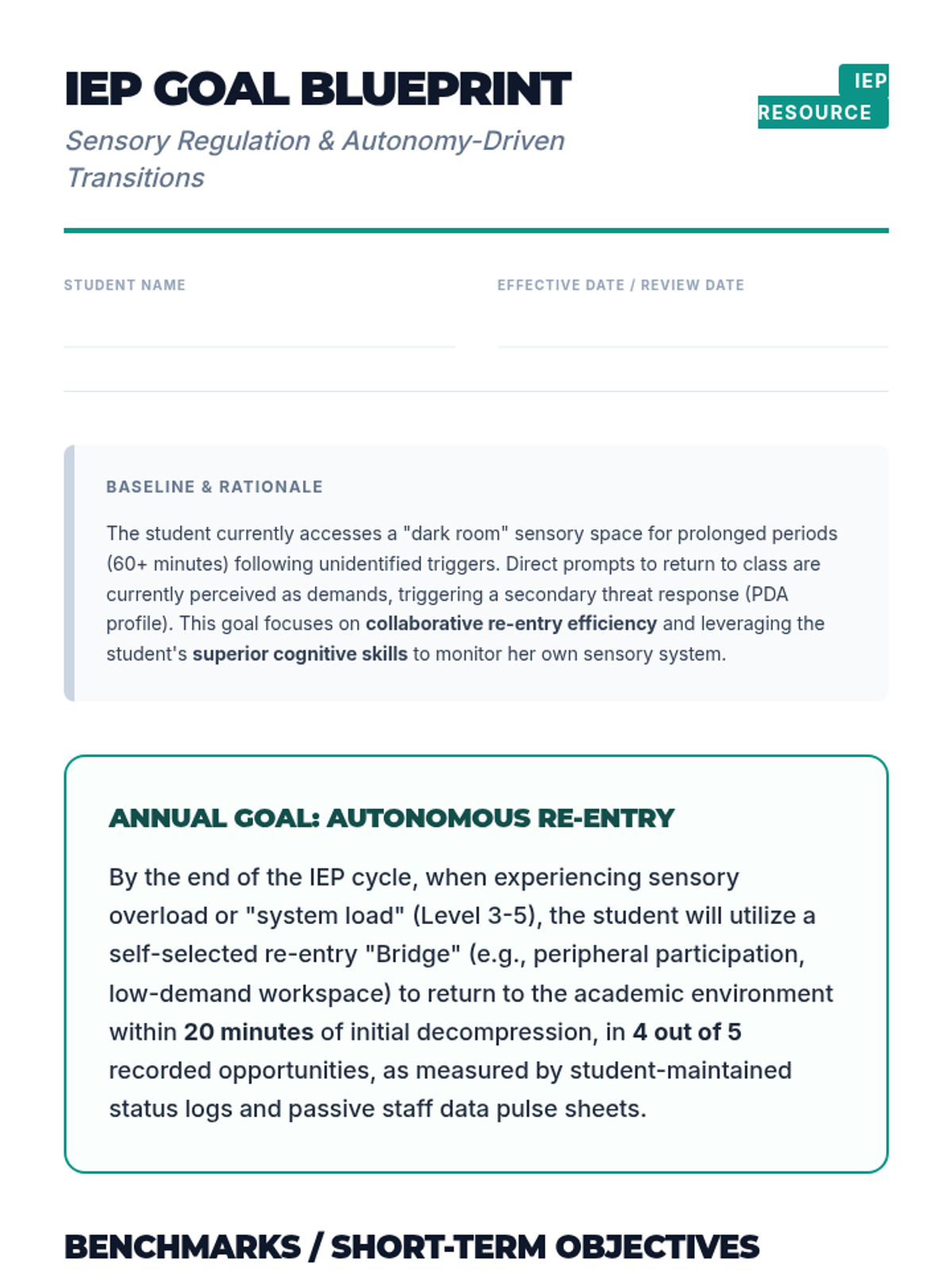
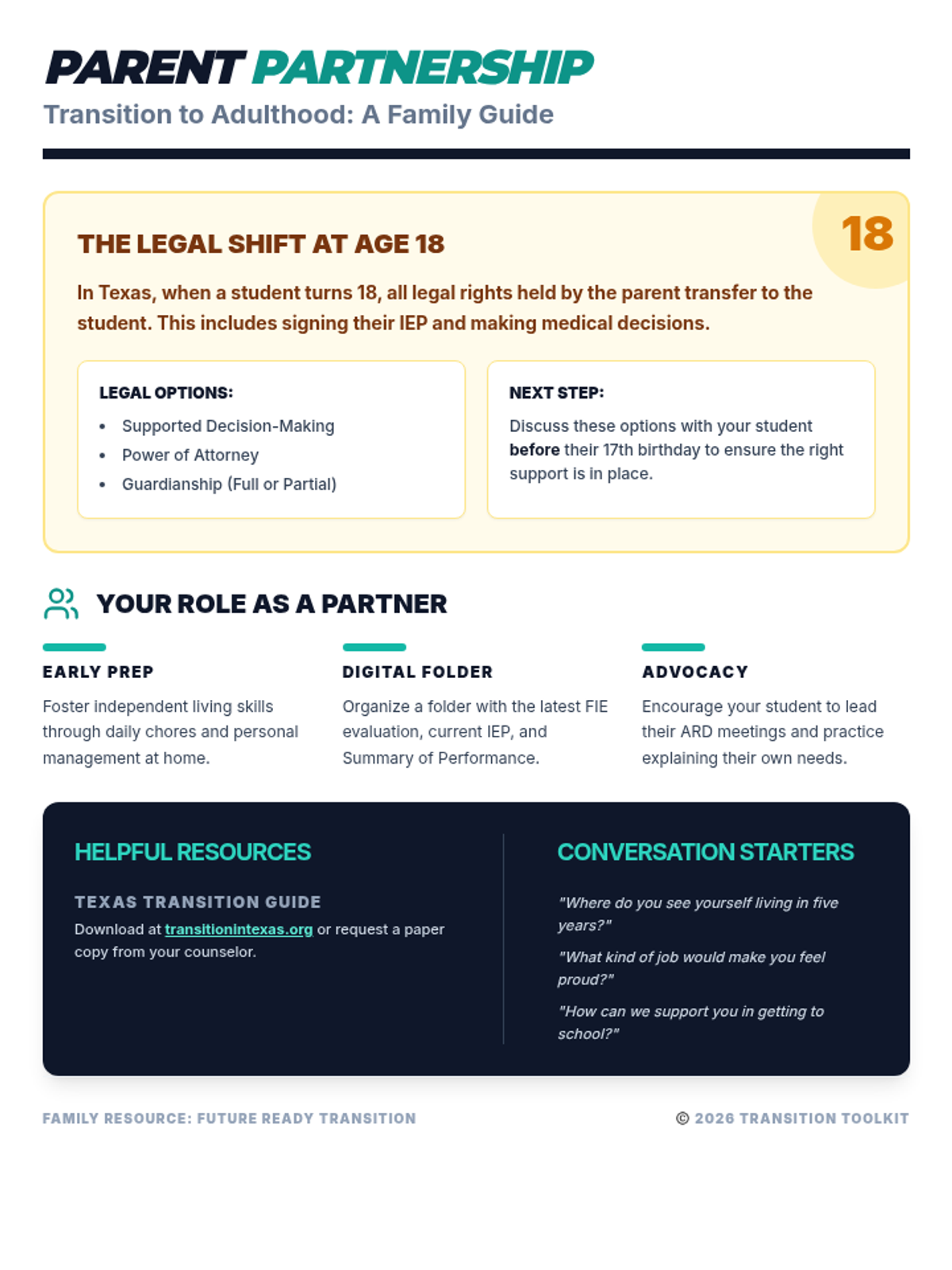
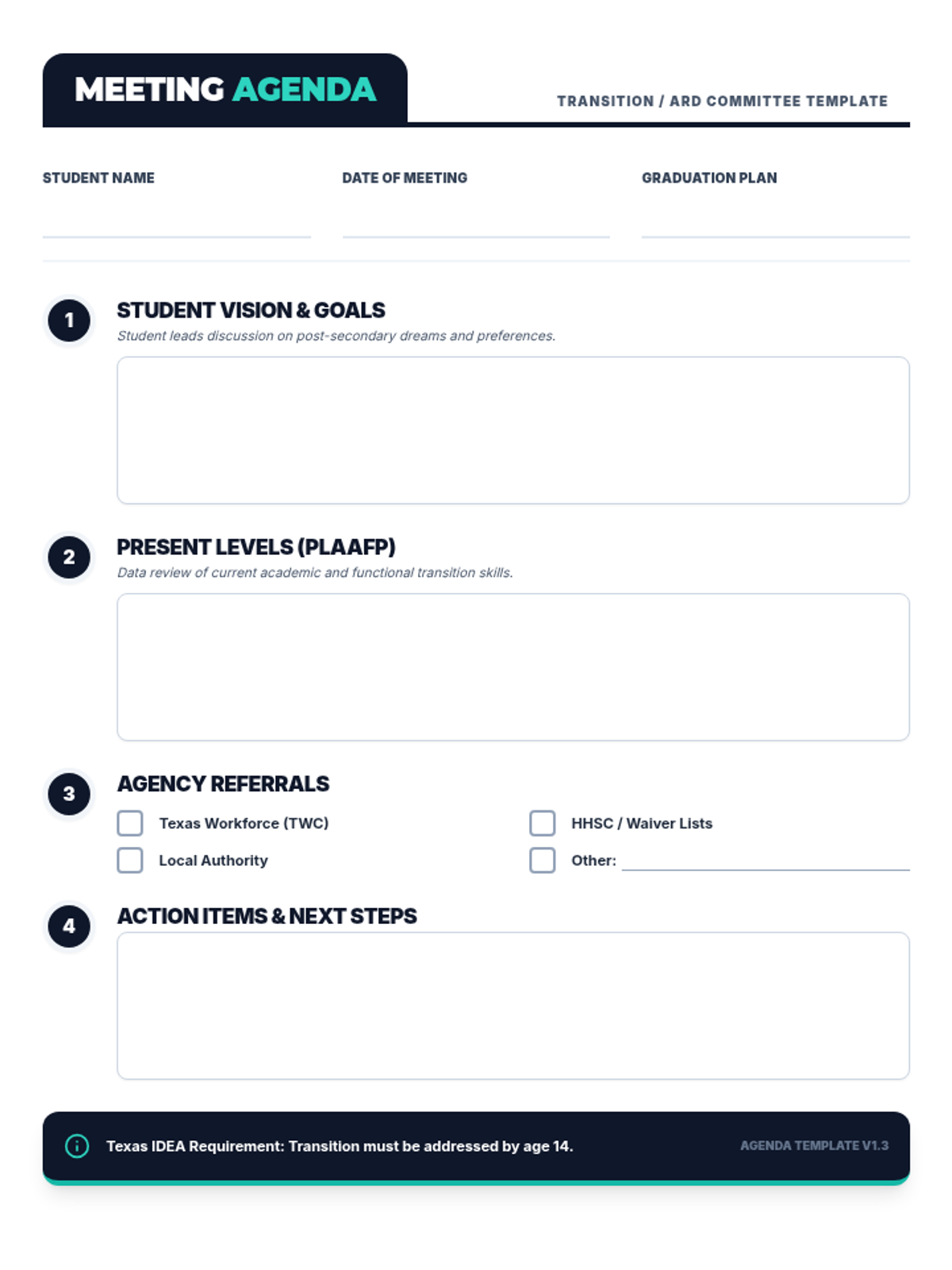
A comprehensive suite of resources for high school special education teachers to manage their caseload, internalize IEPs, and establish strong family and co-teaching partnerships during the first month of school.
A comprehensive framework for K-5 RSP math instruction, including a California Common Core aligned scope and sequence of power standards and a leveled placement diagnostic.
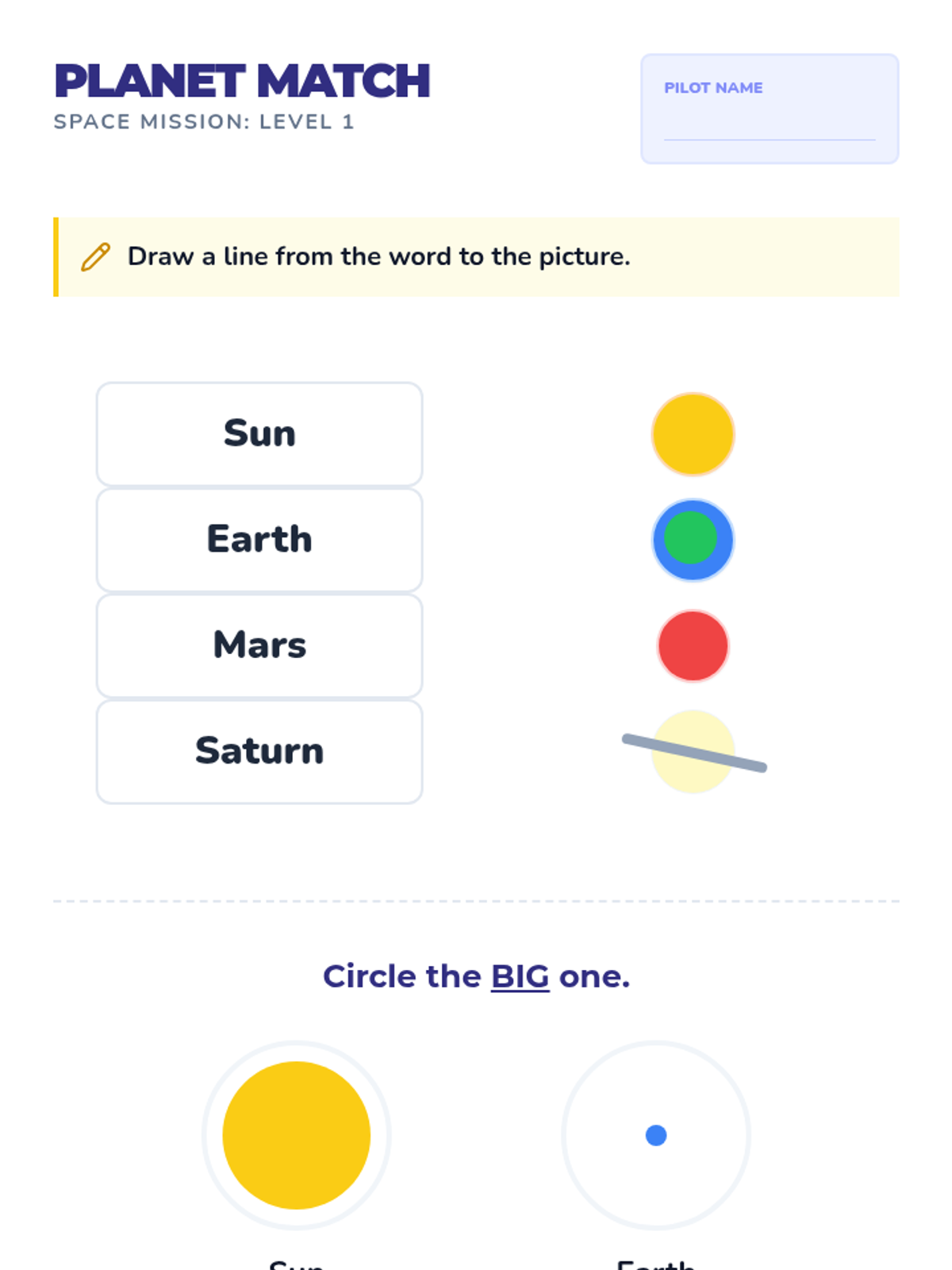
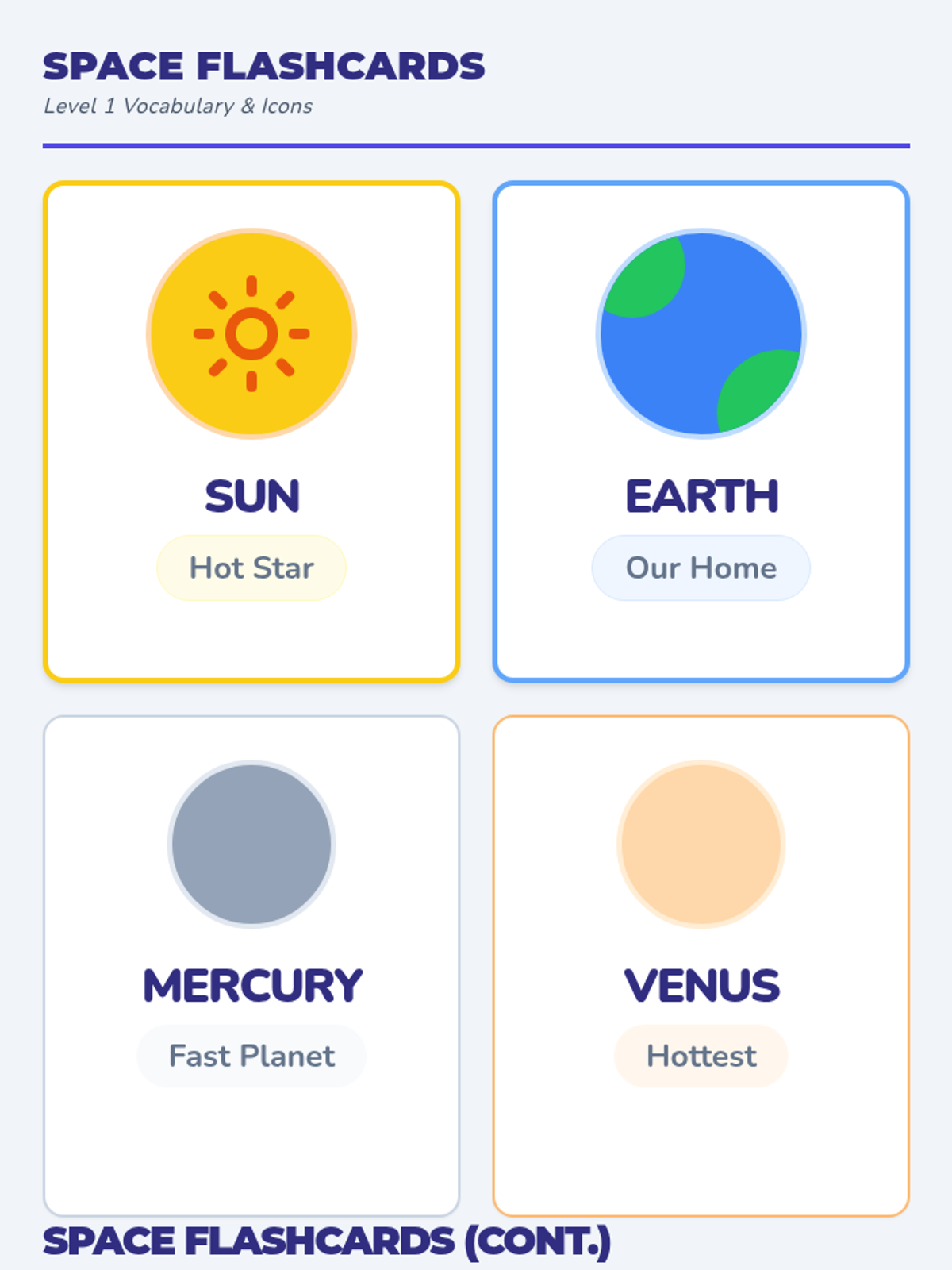
A three-part social skills series using space metaphors to help a student expand her social circle, develop a flexible mindset about learning time, and practice working with different peers. The lessons emphasize that while a special friend is a 'bright star,' learning missions often require giving friends space and joining a 'new crew' to succeed.
A 5-day reading comprehension and writing unit for struggling readers, blending the world of Farming Simulator with real-world agriculture. Focuses on 2nd-grade level literacy skills within a high-interest 5th-grade context.
A comprehensive collection of resources for K-12 educators and staff focusing on trauma-informed care, social-emotional learning, neurodiversity, and crisis intervention. Includes training slides, student worksheets, clinical templates, and parent guides.
A professional development series designed to equip educational support staff with practical, grade-appropriate strategies for improving student independence and executive skills.
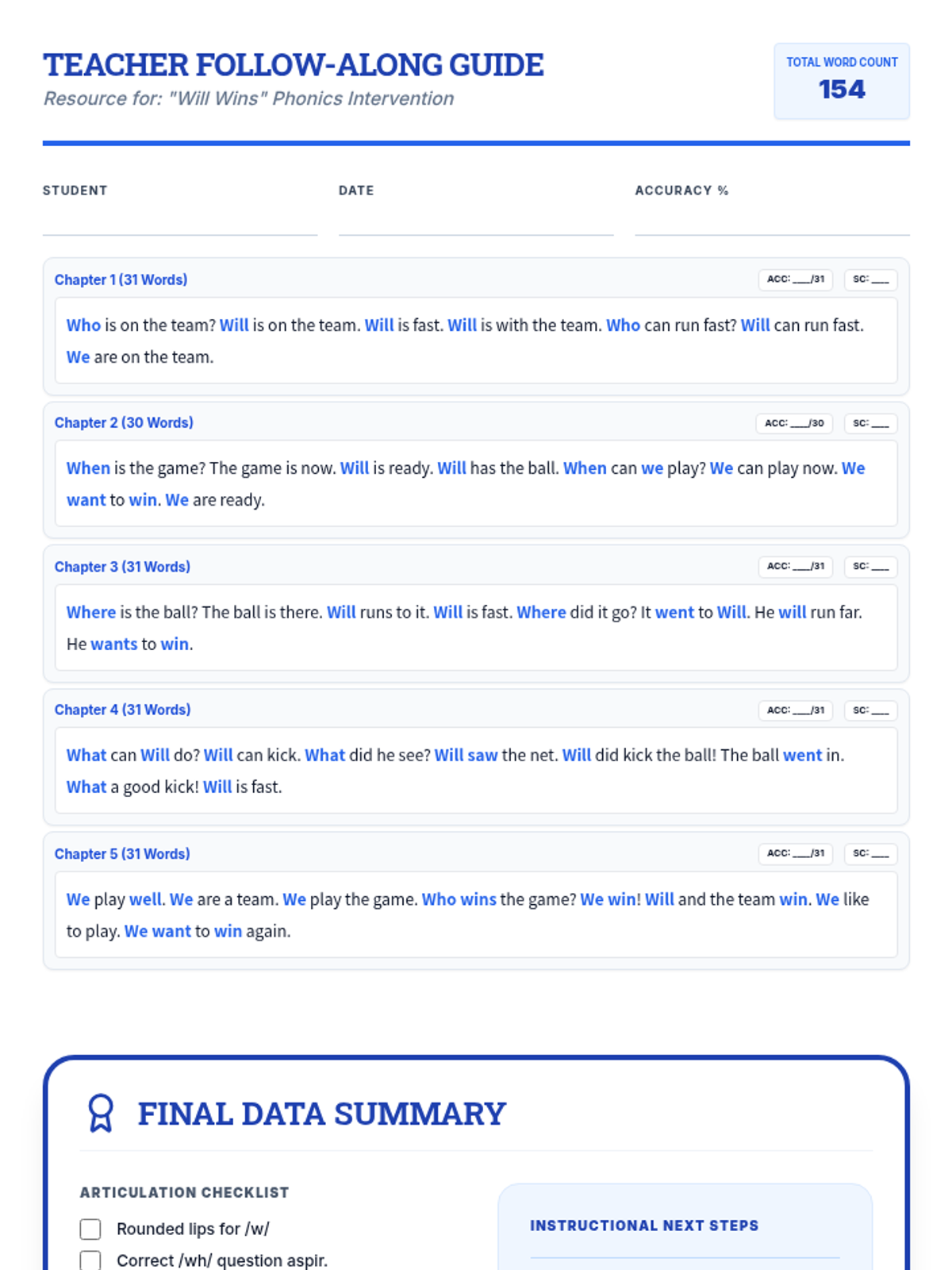
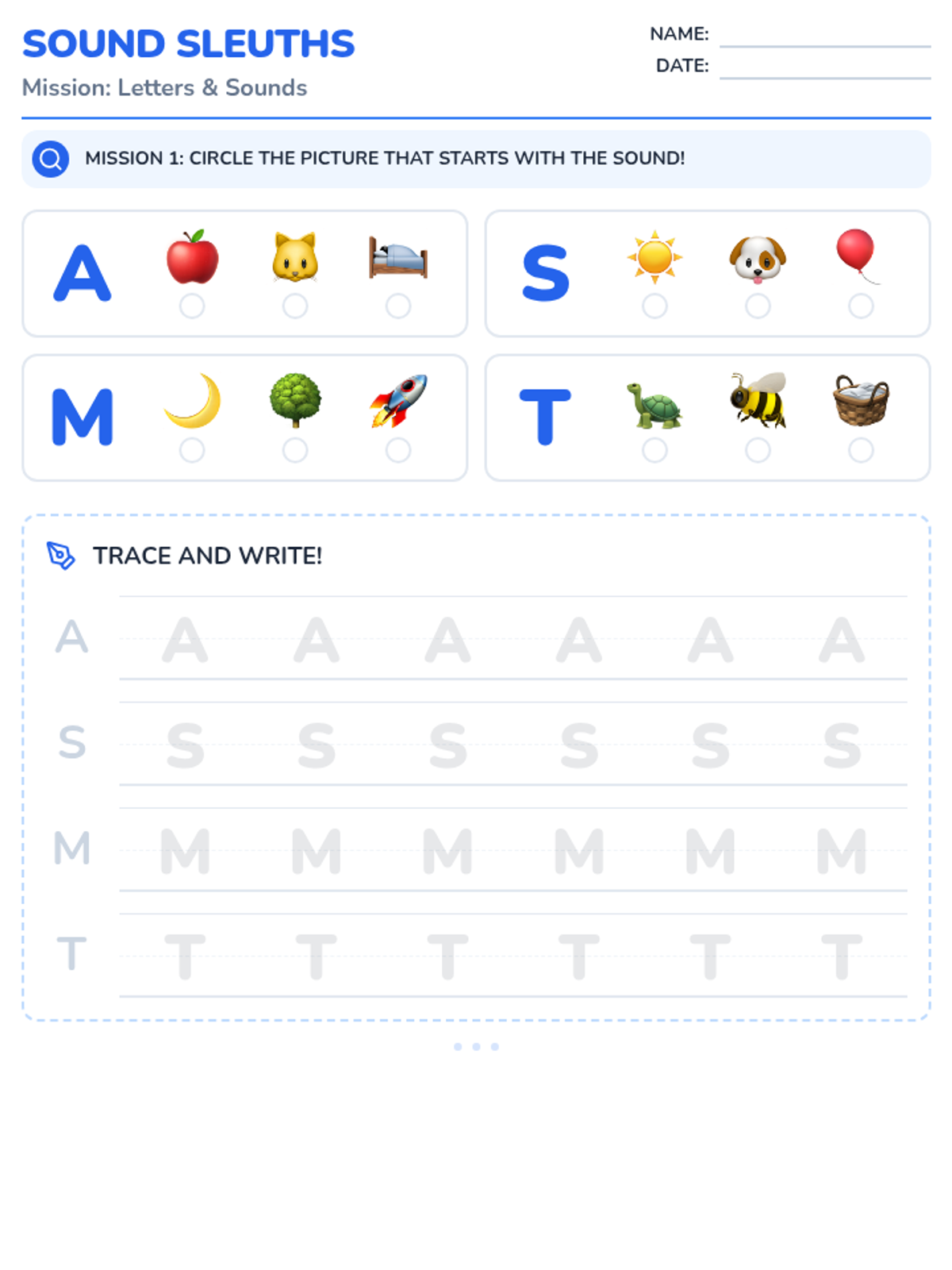
A collection of themed lessons and reading passages designed to help early elementary students master the vocalic /or/ sound through engaging narratives and structured tracking.
A comprehensive K-5 Media Center curriculum spanning August to May. Each month features a thematic unit integrating library skills (Dewey Decimal System, research, digital citizenship), literacy (poetry, biographies, informational texts), and STEM/Maker Space challenges. Resources are differentiated for K-2 and 3-5.
Essential classroom management tools and visual supports for special education settings to promote student independence and reduce anxiety.
A comprehensive set of behavioral support tools for a 3rd-grade student, including a formal intervention plan, a daily report card, a visual choice board, and a behavior contract, all centered around a 'Mission Control' theme.
A social-emotional learning unit designed for elementary students with Autism to decode and apply unspoken social rules in various environments. The unit uses a 'Social Code Breakers' theme to make abstract social expectations concrete through role-playing, movement, and visual supports.
A comprehensive unit designed for 4th-grade students with dysgraphia to master nonfiction summary writing using evidence. This sequence leverages assistive technology, structured digital organizers, and oral-to-text strategies to bypass mechanical writing barriers.
A comprehensive social boundaries curriculum designed for students with intellectual and developmental disabilities, based on the Circles model of intimacy and relationship levels.
A social skills series designed for students with Autism to navigate conversation boundaries, understand privacy levels, and build authentic connections without relying on exaggerated stories or private disclosures.
A 4-session career exploration program designed for high school students with significantly low cognitive profiles, focusing on hands-on, repetitive vocational skills through visual aids and role-playing.
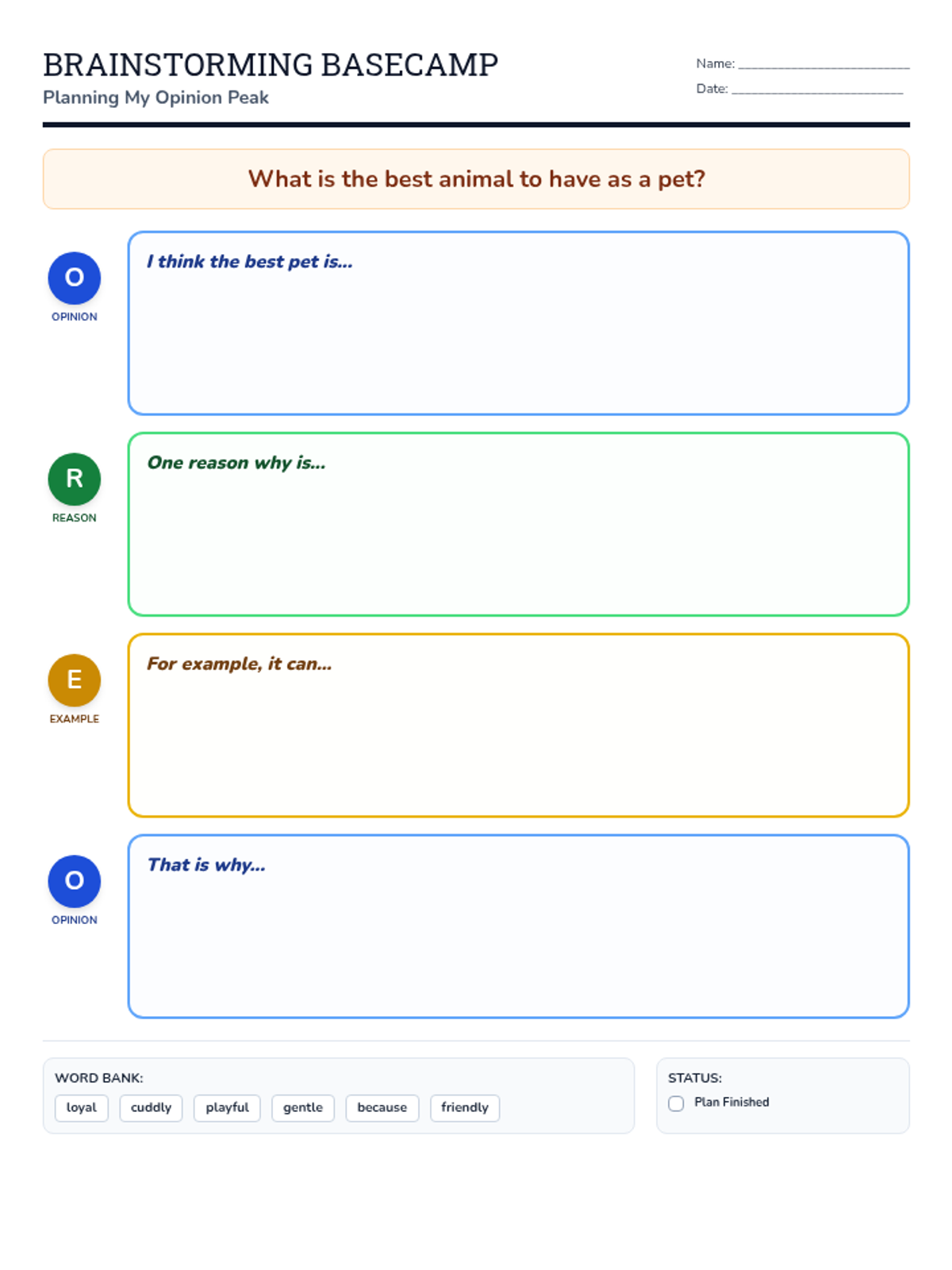
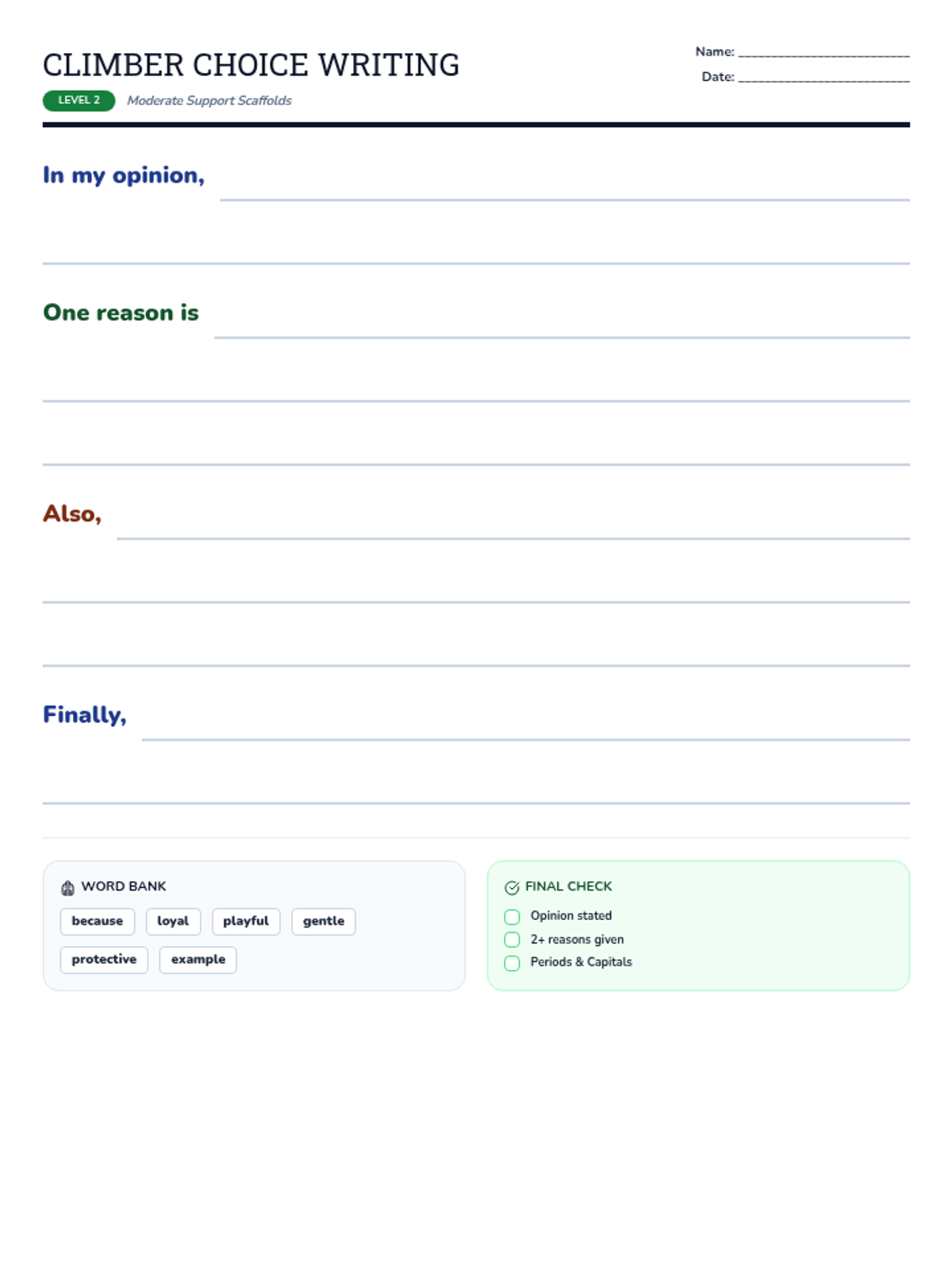
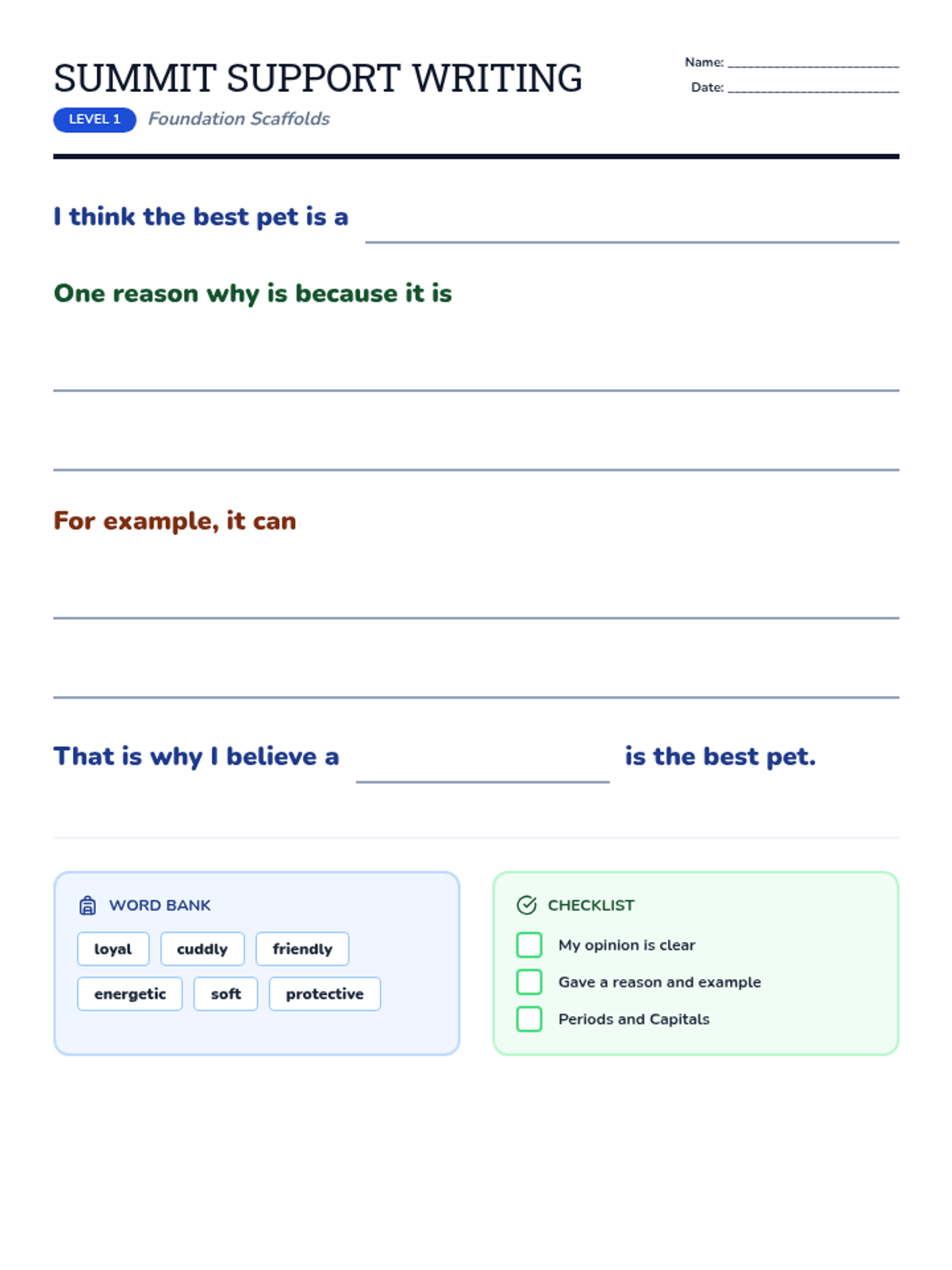
A week-long writing journey for Special Education students to reflect on past experiences, growth, and future goals. This sequence emphasizes logical organization and structured brainstorming to help students produce a cohesive short essay.
A series of cognitive development activities for children with autism, focusing on categorization, discrimination, and attribute identification.
A module designed to help students master temporal processing and visual sequencing through the lens of time travel and detective work. Students learn to organize daily routines and understand cause-and-effect relationships using visual prompts.