Cool Down Staff Guide Staff Training Guide
Cool Down Kit
Errorless Behavioral Intervention Protocol for FASD, ASD, & Sensory Needs
Crisis-Safe
Target Student Profile
FASD: High executive dysfunction, difficulty with cause-and-effect, processing delays. Requires highly concrete, repetitive visual structures.Autism (ASD): High need for predictability, rigid processing, difficulty reading internal state cues. Highly responsive to color-coding.Sensory Integration (SI): Sensory overload triggers "fight" response (aggression, destruction). Needs low-arousal, non-verbal calm down pathways.
Why Errorless Learning?
Traditional behavior plans often correct mistakes, which causes instant shame, executive shutdown, or escalation. Errorless intervention guarantees success. All choice paths are pre-vetted, safe replacement behaviors. Color-coded visuals ensure matching is self-correcting, completely bypassing verbal confrontation.
Phase-by-Phase Facilitation Strategy
Escalation Phase Student Presentation Staff Action & Protocol 1. Baseline (Green) Calm, cooperative, engaged, responsive. Deliver high praise, run proactive sorting boards, establish routines with the token system. 2. Triggered (Yellow) Pacing, verbal muttering, sensory seeking, minor property tapping. Stop verbal instruction. Hand student the "First-Then" visual strip. Cue "Break" using non-verbal visuals. 3. Crisis (Red) Physical aggression, throwing items, extreme threats of harm. Go silent. Ensure safety first. Hold up the static, single-option red emergency card. Do not argue.4. Recovery (Blue) Crying, fatigue, extreme quietness, shame. Provide low-sensory rest area. Use the "Interactive Narrative" to process once breathing rate is normal.
Critical De-escalation Rule for High-Arousal States
Minimize Verbal Input: Students with FASD and Autism process verbal language up to 10 seconds slower when highly anxious. Yelling, arguing, or "explaining rules" acts as a profound sensory irritant, pushing them from verbal threats directly into physical destruction. Stick to pointing and placing simple, color-matched visuals.
Page 1 of 2
Staff Training Guide
Active Implementation Protocols
Prompt Hierarchies, Folder Management, and Safety Rules
Steps
Low-Arousal Prompting Hierarchy
Always start at the top of the hierarchy (least intrusive, least verbal) to prevent sensory reactivity.
1
Visual Cue & Point
Silently tap the "First-Then" strip or the color-coded "Rest Area" icon. Maintain a flat, neutral facial expression.
2
Gestural Assistance & Guide
Hand the student their physical "Cool Choice" choice board and hand them the specific color icon. No verbal command.
3
Modeling & Action Match
Model the behavior yourself. If cueing a "deep breath," take a deep breath yourself with visual exaggerate shoulders.
4
Single-Word Verbal Directive
Only if steps 1-3 fail. Use single, low-frequency, flat-pitch words. E.g., "Break" or "Squeeze." Avoid full sentences like "You need to take a break."
Tool-Specific Intervention Guides
1. Regulation Sorting Folder: Run daily during morning transitions. Ensures student maps colors (Green=Ready, Yellow=Slow, Red=Safe Tools) to internal states.
2. Interactive Social Narrative: Read with the student *only* when they are in the Green zone. Do not try to read the storybook while the student is actively throwing chairs or hitting.
3. Emergency Crisis Card: Keep Velcroed to the back of student's desk. Pull immediately if physical aggression starts.
Safety Protocols
Threats & Verbal Abuse
Do not argue, defend yourself, or issue consequences during the threat. Maintain a calm posture, back away, and point to the Break Card . Maintain flat response.
Property Destruction
Clear the path of classmates. Do not grab the student or struggle to pull objects away. Offer the sensory substitute (e.g., rip paper pad) from their folder visual options.
Physical Aggression
Enact protective stance. Keep hands up in front, palms open. Put the Red Emergency Card in their field of vision and block silently.
Remember: De-escalation is not about "winning" or teaching a moral lesson. It is purely about reducing adrenaline. Teach lessons during the calm baseline green zone.
Page 2 of 2
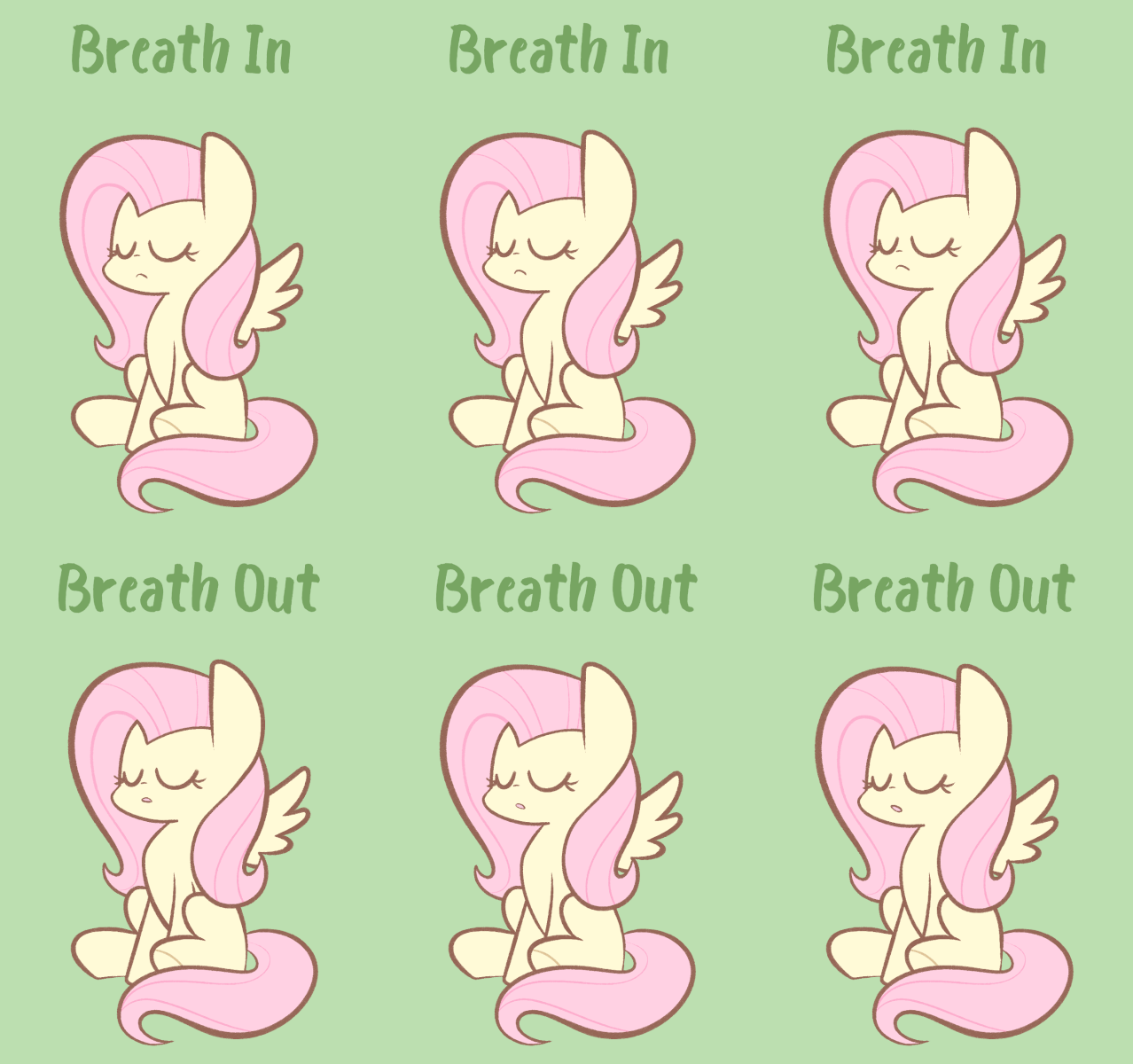
Regulation Sorting Folder Blue Zone Binder Sheet
When I feel tired, sad, or moving slow... I can choose helper tools.
Place Blue Choice 1 Here [ Velcro Hook Dot ]
Place Blue Choice 2 Here [ Velcro Hook Dot ]
Blue Zone Board | Page 1 of 8
Green Zone Binder Sheet
When I feel calm, happy, and focused... I am ready to work and play.
Place Green Choice 1 Here [ Velcro Hook Dot ]
Place Green Choice 2 Here [ Velcro Hook Dot ]
Green Zone Board | Page 2 of 8
Yellow Zone Binder Sheet
When I feel frustrated or silly... I can slow down and use my tools.
Place Yellow Choice 1 Here [ Velcro Hook Dot ]
Place Yellow Choice 2 Here [ Velcro Hook Dot ]
Yellow Zone Board | Page 3 of 8
Red Zone Binder Sheet
When I feel angry or out of control... I can make a safe choice.
Place Red Choice 1 Here [ Velcro Hook Dot ]
Place Red Choice 2 Here [ Velcro Hook Dot ]
Red Zone Board | Page 4 of 8
Printable Blue Coping Cards
Cut along the solid gray line. Apply velcro loop dot to the back.
Pony Rest
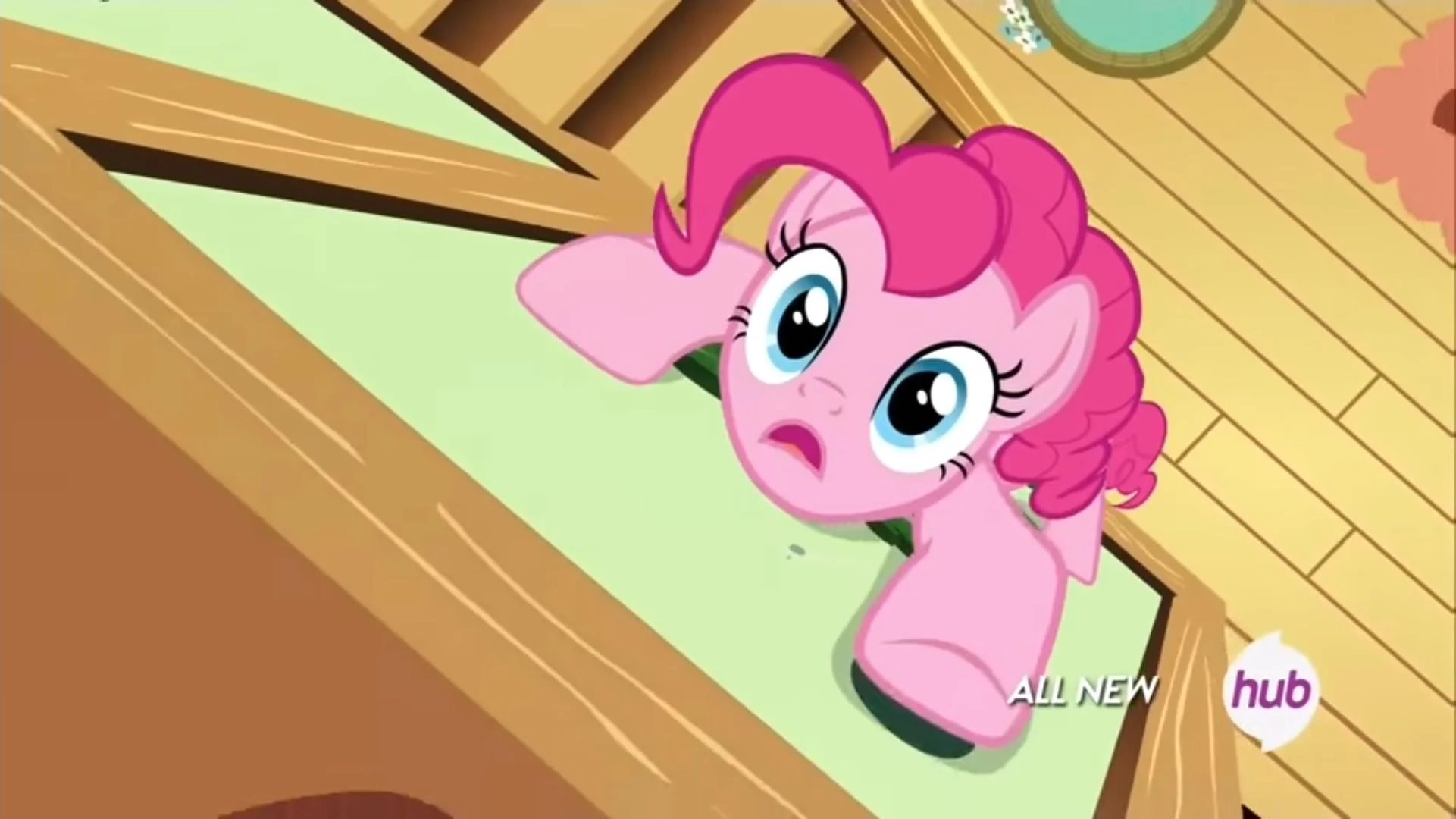
Take 5 minutes with Pinkie Pie on the beanbag.
Pony Drink
Get a cold drink with Rainbow Dash.
Blue Printable Cards | Page 5 of 8
Printable Green Coping Cards
Cut along the solid gray line. Apply velcro loop dot to the back.
Pony Work
Calm mind, ready to focus on school tasks.
Pony Friends
Share materials and play with pony friends.
Green Printable Cards | Page 6 of 8
Printable Yellow Coping Cards
Cut along the solid gray line. Apply velcro loop dot to the back.
My Cool Choices Narrative Safe Body Story
My Name:
I Have A Body.
I can keep my body safe.
Keep hands and body safe Page 1
Safe Body Story
It Is Too Loud.
My body feels fast and tight.
No Hitting.
Hitting hurts my friends.
Recognizing big feelings Page 2
Safe Body Story
Safe Hands.
I show my signal for help.
I Take A Break.
I go to my quiet spot.
Using my safe choices Page 3
Safe Body Story
I Am Safe!
My body is calm and happy.
Keeping my body safe and calm Page 4
Crisis Deescalation Tools Crisis De-escalation Boards
Interactive desk-mats to structure behavioral expectations and reinforce positive coping.
Desk Visuals
First - Then Visual Board
1. FIRST
[ Place Task Card ]
2. THEN
[ Place Reward Card ]
I Am Working For...
[ Reward Choice ]
Earn stars for displaying safe hands, safe feet, and using self-regulation tools.
1
2
3
4
5
Assembly Instructions: Laminate this page as a single double-sided board. Use the tokens from Page 2 with velcro adhesive.
Tokens & Reward Cards
Cut-Out Resource Sheet: Print, laminate, cut, and apply velcro to assemble interactive token boards.
Cut-Outs
1. Star Tokens (Cut out 5)
STAR
STAR
STAR
STAR
STAR
2. Reward Choice Cards (Cut out 6)
iPad Time
5 min
Coloring
Draw Space
Blocks
Build Time
Safe Jump
Gross Motor
Headphones
Listening
Playdough
Sensory
3. Portable Emergency Strip (Cut entire strip below)
1
Stop Hands down, slow body.
2
Breathe 3 deep, long breaths.
3
Choose Pick folder safe choice.
Pony Sorting Board Pony Sorting Board
Alternative Board: Match your pony cards directly to their matching zone characters!
Blue Zone
Feel slow or tired? Rest with Pinkie Pie or get a sip with Rainbow Dash.
Blue Choice 1
Blue Choice 2
Green Zone
Happy and focused? Complete your tasks and play with your friends.
Green Choice 1
Green Choice 2
Yellow Zone
Frustrated or worried? Squeeze your sensory ball or take deep breaths.
Yellow Choice 1
Yellow Choice 2
Red Zone
Angry or out of control? Rip scrap paper safely or do wall pushes.
Red Choice 1
Red Choice 2
Pony Matching: Match Twilight Sparkle, Pinkie Pie, Fluttershy, Rainbow Dash, and Applejack cards to their correct color zones.