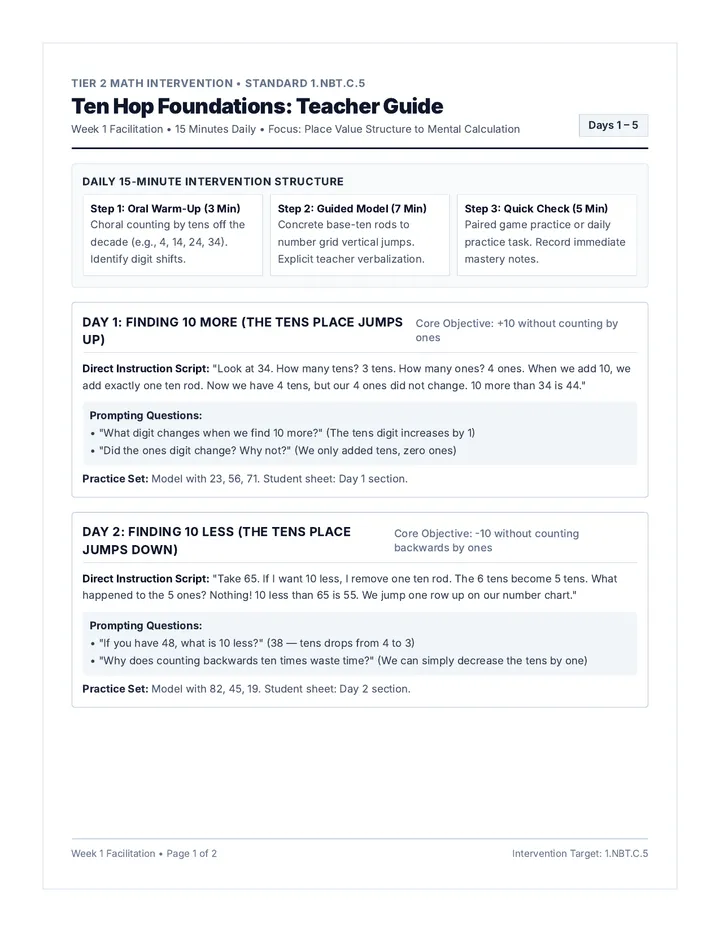
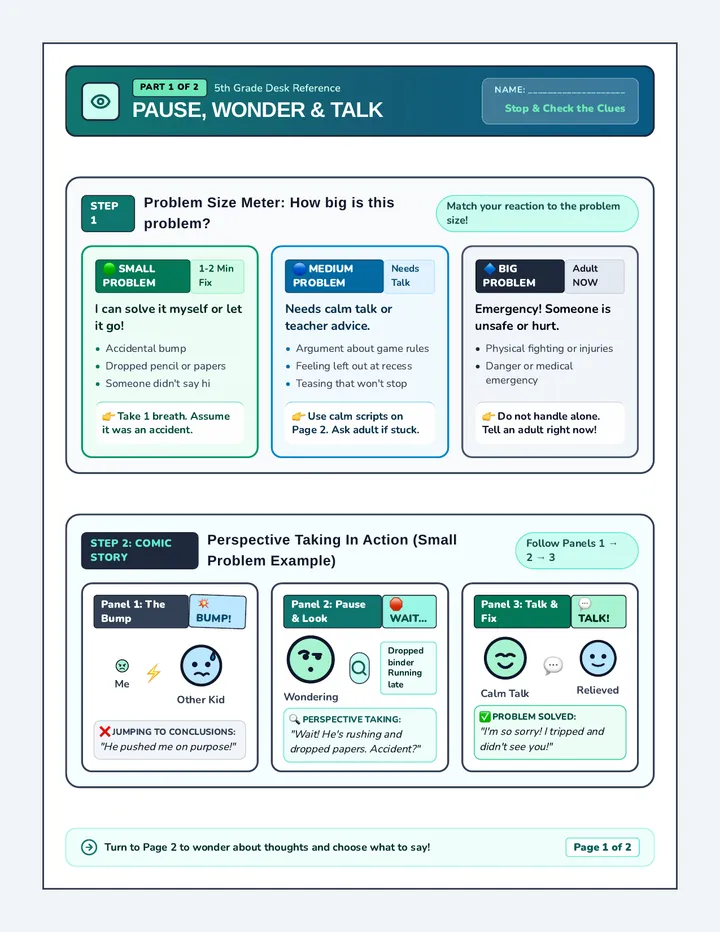
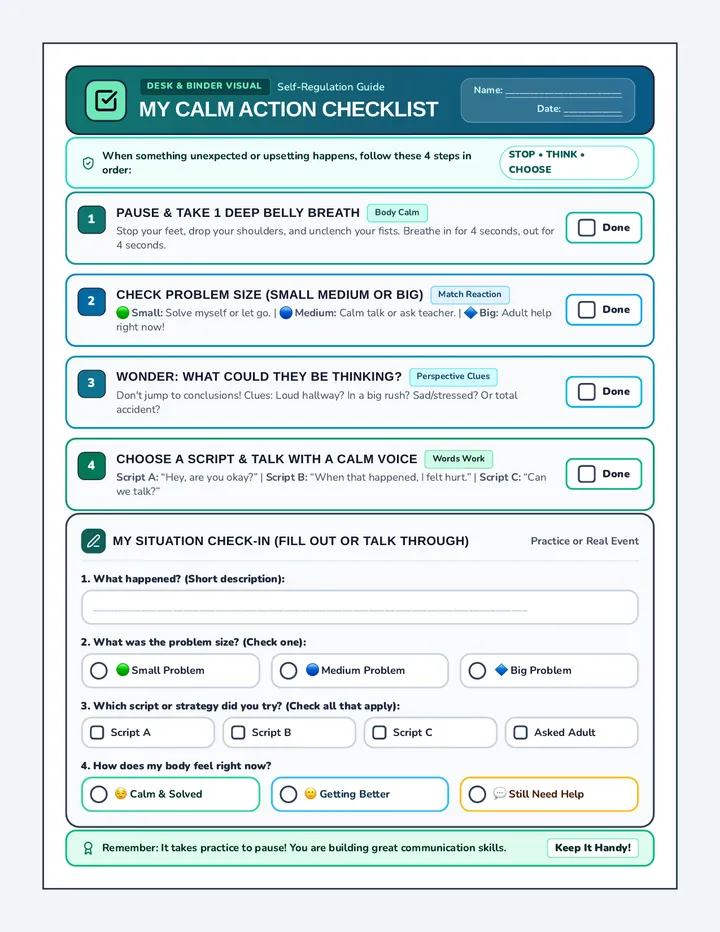
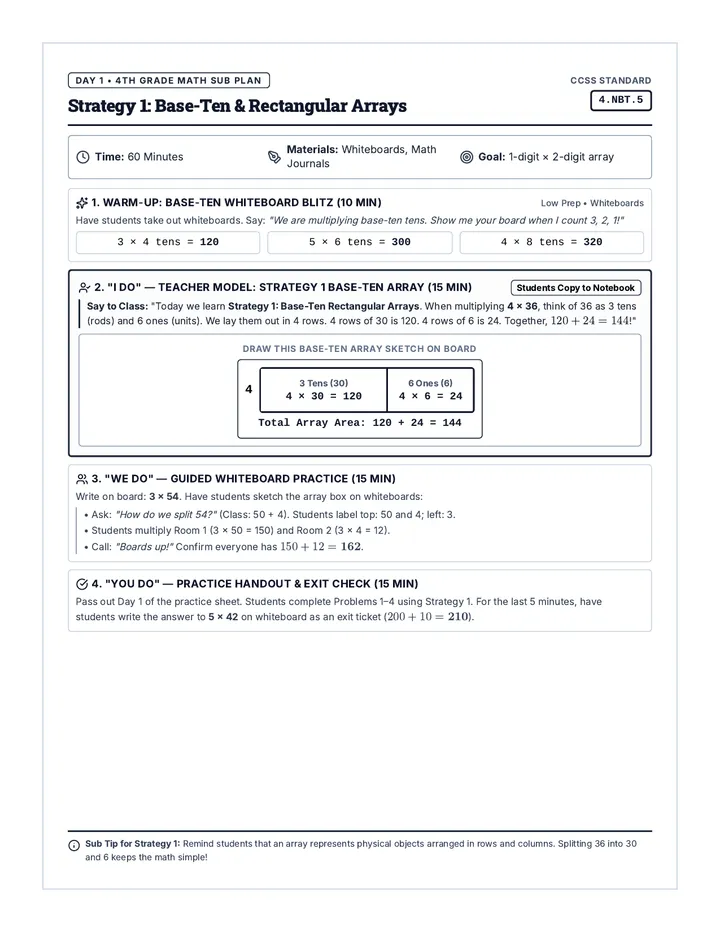
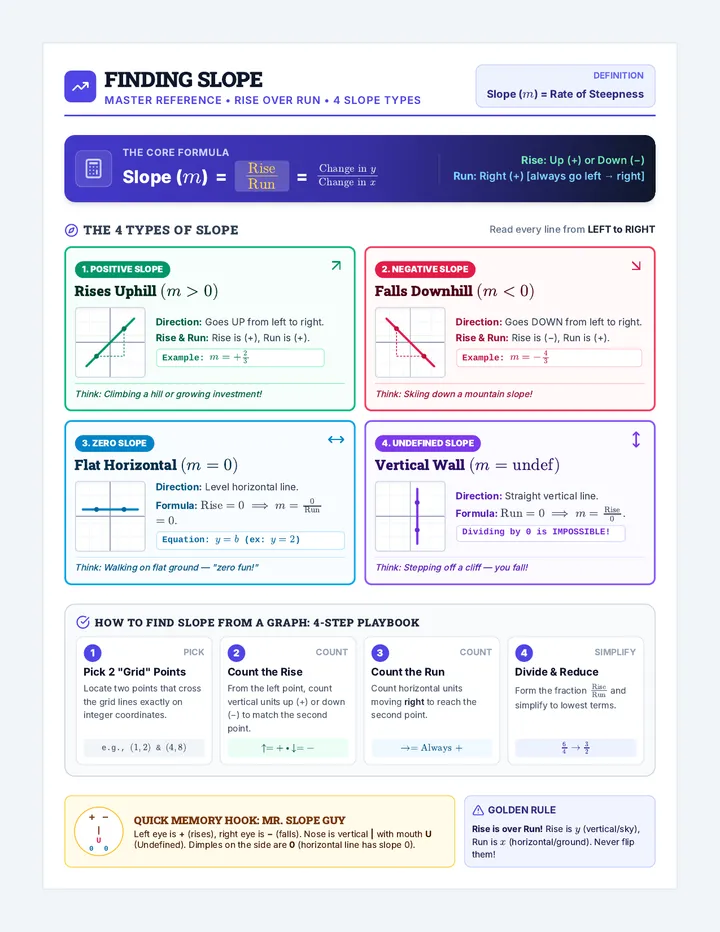
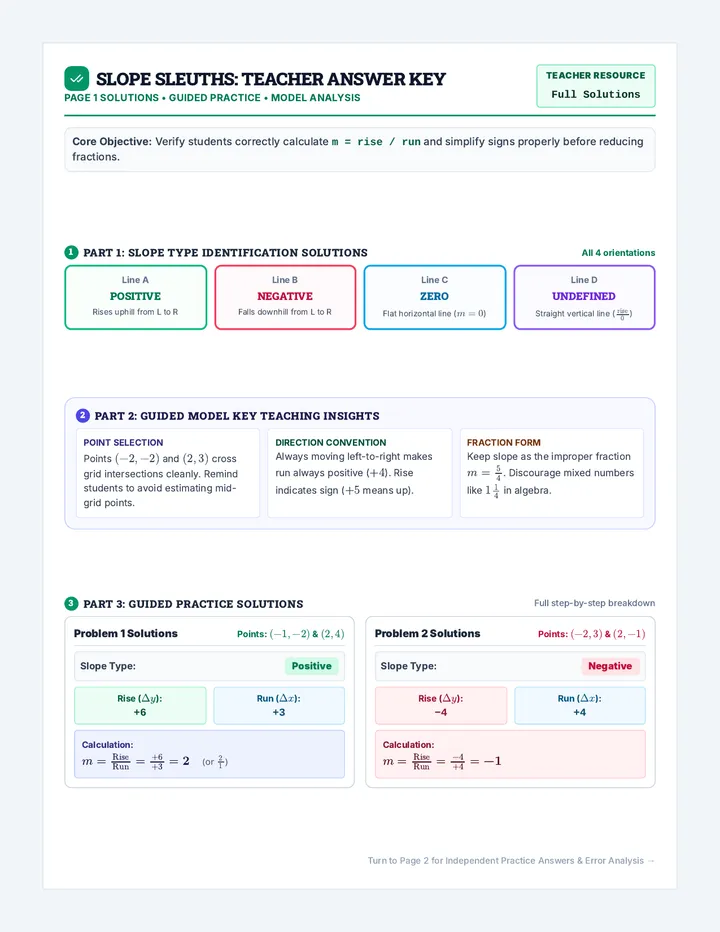
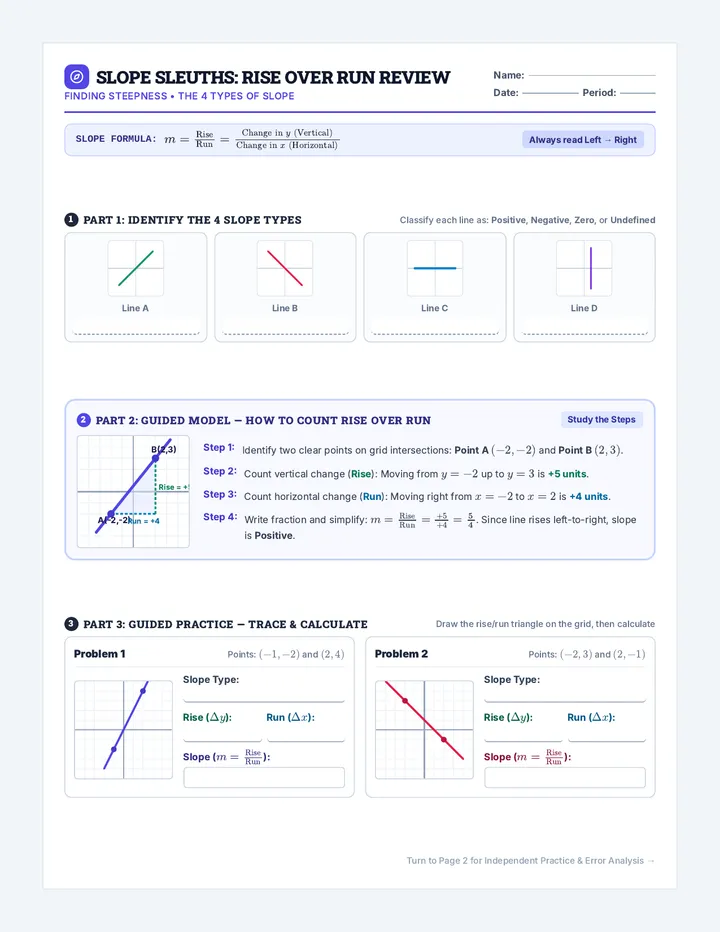
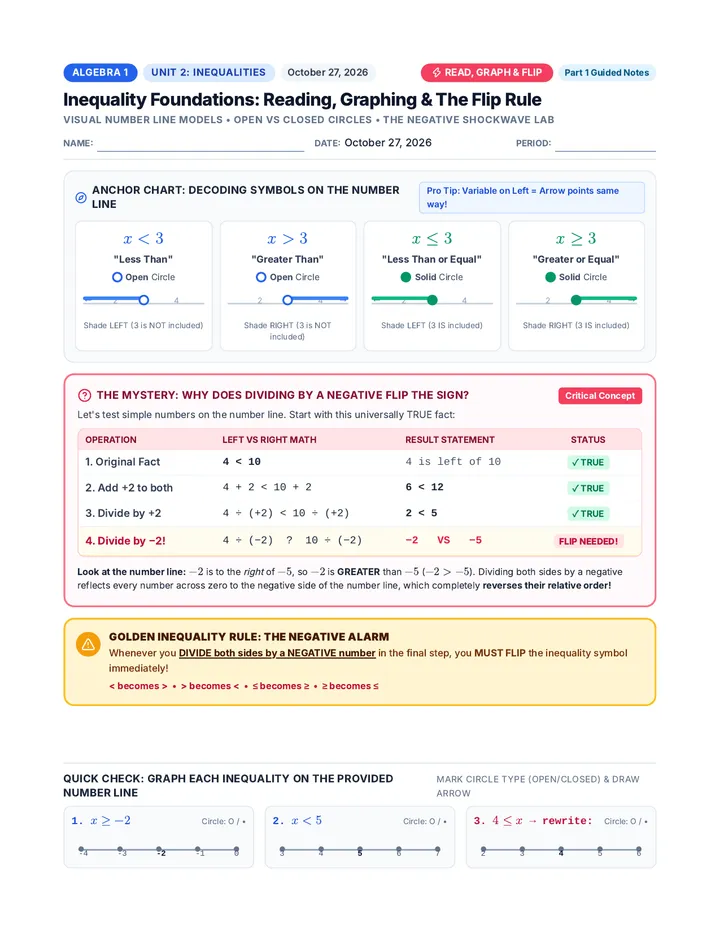
A complete set of high-contrast, professional binder organization kits for Economics, Business Mathematics, Algebra, and Personal Finance. Each kit contains a master index cover page, table of contents, customizable assignment logs, and printable color-coded divider tabs with matching spine inserts.
ECONOMICS BINDER SYSTEM IMPORTANT COURSE INFORMATION
TAB 01
8-WEEK PROGRESS LEDGER
Track daily Bellringers, Daily Exit Tickets, and official Weekly Notebook Grades.
Page 3 of 10
Check or shade the bubble (M, T, W, Th, F) daily upon completing your Bellringer and Exit Ticket. Your teacher will record your official Weekly Notebook Grade below.
Week
Daily Bellringers Completed
Daily Exit Tickets Completed
Notebook Grade
Sign-Off
W1
M T W Th F
|
M T W Th F
|
|
|
| W2 |
M T W Th F
|
M T W Th F
|
|
|
| W3 |
M T W Th F
|
M T W Th F
|
|
|
| W4 |
M T W Th F
|
M T W Th F
|
|
|
| W5 |
M T W Th F
|
M T W Th F
|
|
|
| W6 |
M T W Th F
|
M T W Th F
|
|
|
| W7 |
M T W Th F
|
M T W Th F
|
|
|
| W8 |
M T W Th F
|
M T W Th F
|
|
|
Notebook Grading Standard
**Cleanliness & Order (5 pts)**Sheets punched and filed in tab order. No loose sheets.
**Class Notes (10 pts)**Active Cornell-style study notes compiled for each active lesson.
**Daily Warm-Ups (5 pts)**Both logs complete and daily bell work solved correctly.
Page 4 of 10
TAB 02
DAILY WORKSPACE
Warm-Ups & Exit Reflections
Daily Section Expectations:
Always copy the day's economics warm-up prompt immediately.
Clearly show all graph models, curves, and shifting behaviors.
Complete your exit ticket summary reflection before leaving.
Keep sheets filed in strict reverse chronological order (newest on top).
ECONOMICS BINDER SYSTEM TAB 02: DAILY WORKSPACE
Page 5 of 10
TAB 03
ACTIVE VOCABULARY
Core Economic Term Index
Vocabulary Section Expectations:
Record all core terminology introduced during social studies lectures.
Write rigorous economics definitions in your own words.
Always provide a graphic model layout or behavioral statement.
Review this index as your primary resource when studying for exams.
ECONOMICS BINDER SYSTEM TAB 03: ACTIVE VOCABULARY
Page 6 of 10
TAB 04
ASSIGNMENTS & PRACTICE
Homework Logs & Completed Homework
Assignment Filing Expectations:
Keep a detailed listing of all assigned homework and projects.
Write clearly, outlining key conceptual and coordinate answers.
Store completed homework assignments sequentially by due date.
Never discard practice papers; file them here immediately after return.
ECONOMICS BINDER SYSTEM TAB 04: ASSIGNMENTS LOG
Page 7 of 10
TAB 05
LECTURE NOTES
Cornell Study Notes & Market Models
Note-Taking Standards:
Use the Cornell Note format (Notes, Cues, Summary) for all lectures.
Highlight all primary definitions and boxed formulas.
Graph all market shifts with clear labeled axes (P, Q) and curves (S, D).
Review and write your summary keywords within 24 hours of class.
ECONOMICS BINDER SYSTEM TAB 05: LECTURE NOTES
Page 8 of 10
TAB 06
GRADED WORK PORTFOLIO
Quizzes, Tests, & Performance Audits
Graded Portfolio Guidelines:
File all returned chapter tests and weekly quizzes here immediately.
For every incorrect answer, complete a thorough "Error Analysis" form.
Show correct curves or mathematical concepts in your correction.
Keep this section signed off weekly as verification of study correction.
ECONOMICS BINDER SYSTEM TAB 06: GRADED WORK PORTFOLIO
Page 9 of 10
TAB 07
UNIT REVIEWS
Study Guides, Exam Preps, & Reference Aids
Exam Prep Guidelines:
Complete all teacher-assigned exam study guides in detail.
Store macroeconomics references and indicators matrices here.
Review notes and flashcard concepts before major assessments.
Store semester and final exam outline materials for easy review.
ECONOMICS BINDER SYSTEM TAB 07: UNIT REVIEWS
CUT-OUT TABS & SPINE LABELS
Print on cardstock. Cut along dashed lines, fold, and tape to dividers.
Page 10 of 10
Foldable Tabs (7 tabs)
01 PROGRESS
PROGRESS 01
02 DAILY WORK
DAILY 02
03 VOCABULARY
VOCAB 03
04 ASSIGNMENTS
ASSIGN 04
05 NOTES
NOTES 05
06 GRADED WORK
GRADED 06
07 REVIEWS
REVIEWS 07
How to install: Cut along dashed strips, fold down center, then tape to divider pages.
Spine Labels
2.0"
ECONOMICS
Student
1.5"
ECONOMICS
Student
1.0"
ECONOMICS
NAME
Select spine width and slide into the outer binder slot.
Student Signature
Date
Parent Signature
Date
BUSINESS MATH BINDER SYSTEM IMPORTANT COURSE INFORMATION
TAB 01
8-WEEK PROGRESS LEDGER
Track daily Bellringers, Daily Exit Tickets, and official Weekly Notebook Grades.
Page 3 of 10
Check or shade the bubble (M, T, W, Th, F) daily upon completing your Bellringer and Exit Ticket. Your teacher will record your official Weekly Notebook Grade below.
Week
Daily Bellringers Completed
Daily Exit Tickets Completed
Notebook Grade
Sign-Off
W1
M T W Th F
|
M T W Th F
|
|
|
| W2 |
M T W Th F
|
M T W Th F
|
|
|
| W3 |
M T W Th F
|
M T W Th F
|
|
|
| W4 |
M T W Th F
|
M T W Th F
|
|
|
| W5 |
M T W Th F
|
M T W Th F
|
|
|
| W6 |
M T W Th F
|
M T W Th F
|
|
|
| W7 |
M T W Th F
|
M T W Th F
|
|
|
| W8 |
M T W Th F
|
M T W Th F
|
|
|
Notebook Grading Standard
**Cleanliness & Order (5 pts)**Sheets punched and filed in tab order. No loose sheets.
**Class Notes (10 pts)**Active Cornell-style study notes compiled for each active lesson.
**Daily Warm-Ups (5 pts)**Both logs complete and daily bell work solved correctly.
Page 4 of 10
TAB 02
DAILY WORKSPACE
Warm-Ups & Exit Reflections
Daily Section Expectations:
Always copy the day's business math warm-up prompt immediately.
Clearly show all formulation, interest, or payroll calculating steps.
Complete your exit ticket summary reflection before leaving.
Keep sheets filed in strict reverse chronological order (newest on top).
BUSINESS MATH BINDER SYSTEM TAB 02: DAILY WORKSPACE
Page 5 of 10
TAB 03
ACTIVE VOCABULARY
Business Term & Accounting Glossary
Vocabulary Section Expectations:
Record all pricing, payroll, and asset terms introduced during lessons.
Write clear, professional business definitions in your own words.
Always provide a graphic formula representation or calculation setup.
Review this index as your primary resource when studying for exams.
BUSINESS MATH BINDER SYSTEM TAB 03: ACTIVE VOCABULARY
Page 6 of 10
TAB 04
ASSIGNMENTS & PRACTICE
Homework Logs & Completed Homework
Assignment Filing Expectations:
Keep a detailed listing of all assigned business math problem sets.
Write clearly, circling final commercial and ledger calculations.
Store completed homework assignments sequentially by due date.
Never discard practice papers; file them here immediately after return.
BUSINESS MATH BINDER SYSTEM TAB 04: ASSIGNMENTS LOG
Page 7 of 10
TAB 05
LECTURE NOTES
Cornell Study Notes & Balance Sheets
Note-Taking Standards:
Use the Cornell Note format (Notes, Cues, Summary) for all lectures.
Highlight all primary definitions and boxed formulas.
Draw all payroll ledgers and accounts using a straightedge/ruler.
Review and write your summary keywords within 24 hours of class.
BUSINESS MATH BINDER SYSTEM TAB 05: LECTURE NOTES
Page 8 of 10
TAB 06
GRADED WORK PORTFOLIO
Quizzes, Tests, & Performance Audits
Graded Portfolio Guidelines:
File all returned chapter tests and weekly quizzes here immediately.
For every incorrect calculation, complete an "Audit Misconception" sheet.
Show exact commercial formulations in your study guide correction.
Keep this section signed off weekly as verification of study correction.
BUSINESS MATH BINDER SYSTEM TAB 06: GRADED WORK PORTFOLIO
Page 9 of 10
TAB 07
UNIT REVIEWS
Study Guides, Exam Preps, & Reference Aids
Exam Prep Guidelines:
Complete all teacher-assigned exam study guides in detail.
Store commercial interest reference maps and payroll matrices here.
Review notes and flashcard concepts before major assessments.
Store semester and final exam outline materials for easy review.
BUSINESS MATH BINDER SYSTEM TAB 07: UNIT REVIEWS
CUT-OUT TABS & SPINE LABELS
Print on cardstock. Cut along dashed lines, fold, and tape to dividers.
Page 10 of 10
Foldable Tabs (7 tabs)
01 PROGRESS
PROGRESS 01
02 DAILY WORK
DAILY 02
03 VOCABULARY
VOCAB 03
04 ASSIGNMENTS
ASSIGN 04
05 NOTES
NOTES 05
06 GRADED WORK
GRADED 06
07 REVIEWS
REVIEWS 07
How to install: Cut along dashed strips, fold down center, then tape to divider pages.
Spine Labels
2.0"
BUSINESS MATH
Student
1.5"
BUSINESS MATH
Student
1.0"
BUSINESS MATH
NAME
Select spine width and slide into the outer binder slot.
Student Signature
Date
Parent Signature
Date
PERSONAL FINANCE BINDER SYSTEM IMPORTANT COURSE INFORMATION
TAB 01
8-WEEK PROGRESS LEDGER
Track daily Bellringers, Daily Exit Tickets, and official Weekly Notebook Grades.
Page 3 of 10
Check or shade the bubble (M, T, W, Th, F) daily upon completing your Bellringer and Exit Ticket. Your teacher will record your official Weekly Notebook Grade below.
Week
Daily Bellringers Completed
Daily Exit Tickets Completed
Notebook Grade
Sign-Off
W1
M T W Th F
|
M T W Th F
|
|
|
| W2 |
M T W Th F
|
M T W Th F
|
|
|
| W3 |
M T W Th F
|
M T W Th F
|
|
|
| W4 |
M T W Th F
|
M T W Th F
|
|
|
| W5 |
M T W Th F
|
M T W Th F
|
|
|
| W6 |
M T W Th F
|
M T W Th F
|
|
|
| W7 |
M T W Th F
|
M T W Th F
|
|
|
| W8 |
M T W Th F
|
M T W Th F
|
|
|
Notebook Grading Standard
**Cleanliness & Order (5 pts)**Sheets punched and filed in tab order. No loose sheets.
**Class Notes (10 pts)**Active Cornell-style study notes compiled for each active lesson.
**Daily Warm-Ups (5 pts)**Both logs complete and daily bell work solved correctly.
Page 4 of 10
TAB 02
DAILY WORKSPACE
Warm-Ups & Exit Reflections
Daily Section Expectations:
Always copy the day's financial literacy warm-up prompt immediately.
Clearly show all formulation, interest rates, and budget calculations.
Complete your exit ticket summary reflection before leaving.
Keep sheets filed in strict reverse chronological order (newest on top).
PERSONAL FINANCE BINDER SYSTEM TAB 02: DAILY WORKSPACE
Page 5 of 10
TAB 03
ACTIVE VOCABULARY
Core Financial Literacy Term Index
Vocabulary Section Expectations:
Record all tax, credit, interest, and risk terms introduced during lessons.
Write clear, rigorous financial definitions in your own words.
Always provide a graphic calculation example or algebraic statements.
Review this index as your primary resource when studying for exams.
PERSONAL FINANCE BINDER SYSTEM TAB 03: ACTIVE VOCABULARY
Page 6 of 10
TAB 04
ASSIGNMENTS & PRACTICE
Homework Logs & Completed Homework
Assignment Filing Expectations:
Keep a detailed listing of all assigned finance and budget sets.
Write clearly, circling final tax or amortization calculations.
Store completed homework assignments sequentially by due date.
Never discard practice papers; file them here immediately after return.
PERSONAL FINANCE BINDER SYSTEM TAB 04: ASSIGNMENTS LOG
Page 7 of 10
TAB 05
LECTURE NOTES
Cornell Study Notes & Budget Sheets
Note-Taking Standards:
Use the Cornell Note format (Notes, Cues, Summary) for all lectures.
Highlight all primary definitions and boxed formulas.
Draw all budget models and tables using a straightedge/ruler.
Review and write your summary keywords within 24 hours of class.
PERSONAL FINANCE BINDER SYSTEM TAB 05: LECTURE NOTES
Page 8 of 10
TAB 06
GRADED WORK PORTFOLIO
Quizzes, Tests, & Performance Audits
Graded Portfolio Guidelines:
File all returned chapter tests and weekly quizzes here immediately.
For every incorrect calculation, complete an "Audit Misconception" sheet.
Show exact compound or budget calculations in your study guide correction.
Keep this section signed off weekly as verification of study correction.
PERSONAL FINANCE BINDER SYSTEM TAB 06: GRADED WORK PORTFOLIO
Page 9 of 10
TAB 07
UNIT REVIEWS
Study Guides, Exam Preps, & Reference Aids
Exam Prep Guidelines:
Complete all teacher-assigned exam study guides in detail.
Store compound interest references and investment planning guides here.
Review notes and flashcard concepts before major assessments.
Store semester and final exam outline materials for easy review.
PERSONAL FINANCE BINDER SYSTEM TAB 07: UNIT REVIEWS
CUT-OUT TABS & SPINE LABELS
Print on cardstock. Cut along dashed lines, fold, and tape to dividers.
Page 10 of 10
Foldable Tabs (7 tabs)
01 PROGRESS
PROGRESS 01
02 DAILY WORK
DAILY 02
03 VOCABULARY
VOCAB 03
04 ASSIGNMENTS
ASSIGN 04
05 NOTES
NOTES 05
06 GRADED WORK
GRADED 06
07 REVIEWS
REVIEWS 07
How to install: Cut along dashed strips, fold down center, then tape to divider pages.
Spine Labels
2.0"
PERSONAL FINANCE
Student
1.5"
PERSONAL FINANCE
Student
1.0"
PERSONAL FINANCE
NAME
Select spine width and slide into the outer binder slot.