Lenny.com
Explore
Create
ActivitiesNewMathEnglish Language ArtsScience & EngineeringSocial StudiesGlobal LanguagesHealth & Physical EducationSpecial EducationCounseling & Life SkillsArts & CreativityESL
Lenny.com
Lenny.com
Explore
Create
ActivitiesNewMathEnglish Language ArtsScience & EngineeringSocial StudiesGlobal LanguagesHealth & Physical EducationSpecial EducationCounseling & Life SkillsArts & CreativityESL
Lenny.com
Lenny.com

Solutions

Lenny for EducatorsLenny for SchoolsLenny for Districts

Product

ExploreSign inCreateSupportAbout

Resources

Getting startedMTSS Acceleration Program

© 2026 Lenny Learning Inc.

TermsPrivacyAccessibility
LinkedInInstagramX
Lenny
Special EducationSensory Processing & RegulationSensory Preferences IdentificationSensory Tool UseCommunicating Sensory NeedsSensory Overload RecognitionDeep Breathing PracticeMovement Break UtilizationIndependent Calming Strategy UsePersonalized Calming RoutinePersonal Sensory Diet CreationProactive Sensory BreaksEmotion Intensity RecognitionDysregulation RecoveryPositive Behavior SupportUnderstanding Social StoriesPersonal Social Story CreationEmotional Regulation FrameworksPersonal Trigger IdentificationSelecting Regulation StrategiesReinforcement System ResponseSelf-Monitoring & RewardsLearning Positive AlternativesCross-Setting Skill GeneralizationSocial CommunicationEye Contact & Personal SpaceContext-Appropriate GreetingsAppropriate Volume & ToneConversation Turn-TakingTopic Maintenance in DiscussionEffective Help-SeekingBody Language InterpretationFacial Expression RecognitionIdioms & Figurative LanguageSocial Problem IdentificationSocial Solution GenerationSocial Decision EvaluationTask ManagementMinimal Prompting Task StartSelf-Talk for StartingStarter Strategies for Difficult TasksAge-Appropriate Task PersistenceStrategic Break ManagementSmooth Task TransitionsAdapting to Plan ChangesObstacle Problem-SolvingMulti-Day Project CompletionPlanning & OrganizationPhysical Material OrganizationVisual Schedule & Timer UseSequential Task BreakingTime Estimation SkillsTask PrioritizationDigital & Physical Workspace ManagementPersonalized Organization StrategiesDetailed Project PlanningMultiple Commitment BalancingAcademic Support StrategiesMath Manipulative UseVisual Math Problem RepresentationComplex Math Problem BreakdownText Highlighting & AnnotationVisualization While ReadingPredictions & Inferences from TextText Structure Graphic OrganizersWriting Graphic OrganizersSentence Frames & TemplatesStudy Guide CreationSpaced Repetition for MemoryAssistive Writing TechnologyWorking Memory SupportSingle-Step Direction FocusMulti-Step Direction FollowingInformation Chunking PracticeVisual Support Memory AidsMnemonic Device ApplicationEfficient Note-Taking SystemsGraphic Organizer Note-TakingNote Review & OrganizationSustained Complex Task AttentionAssistive TechnologySymbol-Word CommunicationAAC Device NavigationSpeech Recognition DictationDictation Text EditingText-to-Speech for ReadingDigital Calendar UseKeyboard Shortcuts NavigationProductivity App ManagementSelf-Advocacy SkillsCommunicating Learning NeedsRequesting AccommodationsAdvocating for Appropriate SupportsIEP & Student RightsUnderstanding IEP ComponentsMeaningful IEP Meeting ParticipationIDEA & Section 504 RightsProgress MonitoringTracking IEP Goal ProgressReflecting on AchievementData-Informed Instructional AdjustmentTransition PlanningCareer & Vocational Goal SettingExploring Post-Secondary OptionsIndependent Living Skills Planning

Story Detective Retell Worksheet

A 3rd-grade reading comprehension and IEP goal progress monitoring worksheet centered on story retelling. Students read an engaging passage and complete structured graphic organizer sections answering Who, Where, When, What, and Why, followed by a narrative synthesis retell. Features a 10-trial progress monitoring system and scoring rubric aligned to a mastery criterion of 6 out of 10 trials at 80% accuracy.

RCRoni Coleman

You might also like

Fluency Flight Tracker Sheet

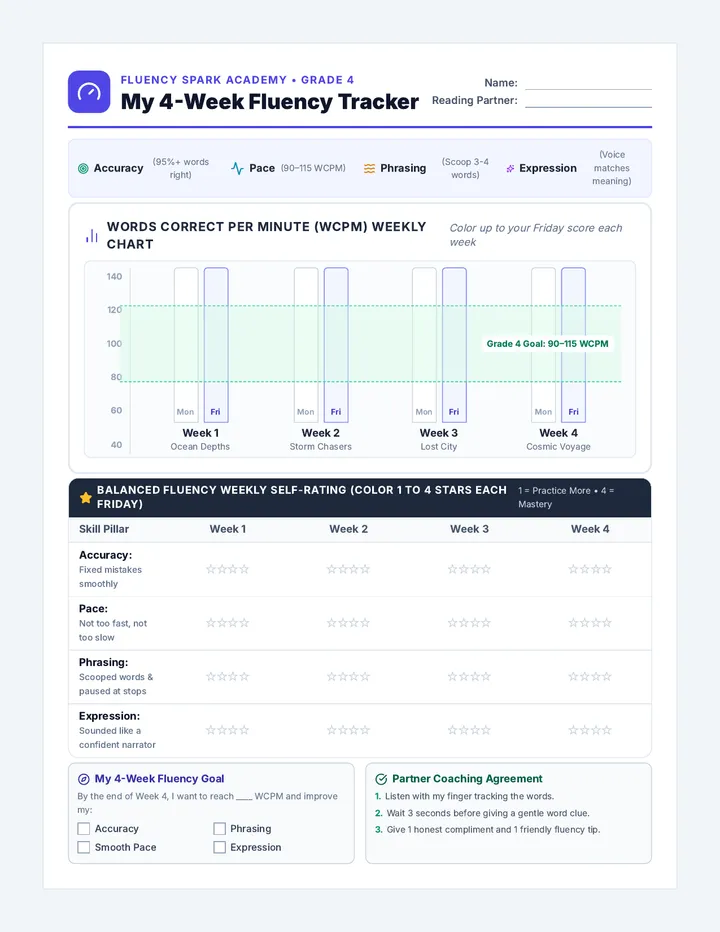
Fluency Spark Academy

A comprehensive 4-week balanced fluency curriculum designed for 4th-grade students needing targeted support in accuracy, pacing, phrasing, and expression. Structured around quick 5-to-10 minute daily partner and whole-group routines for 20 students, featuring engaging high-interest texts and student self-tracking systems.

KM

Kelly Messer

9
Central Idea Slides

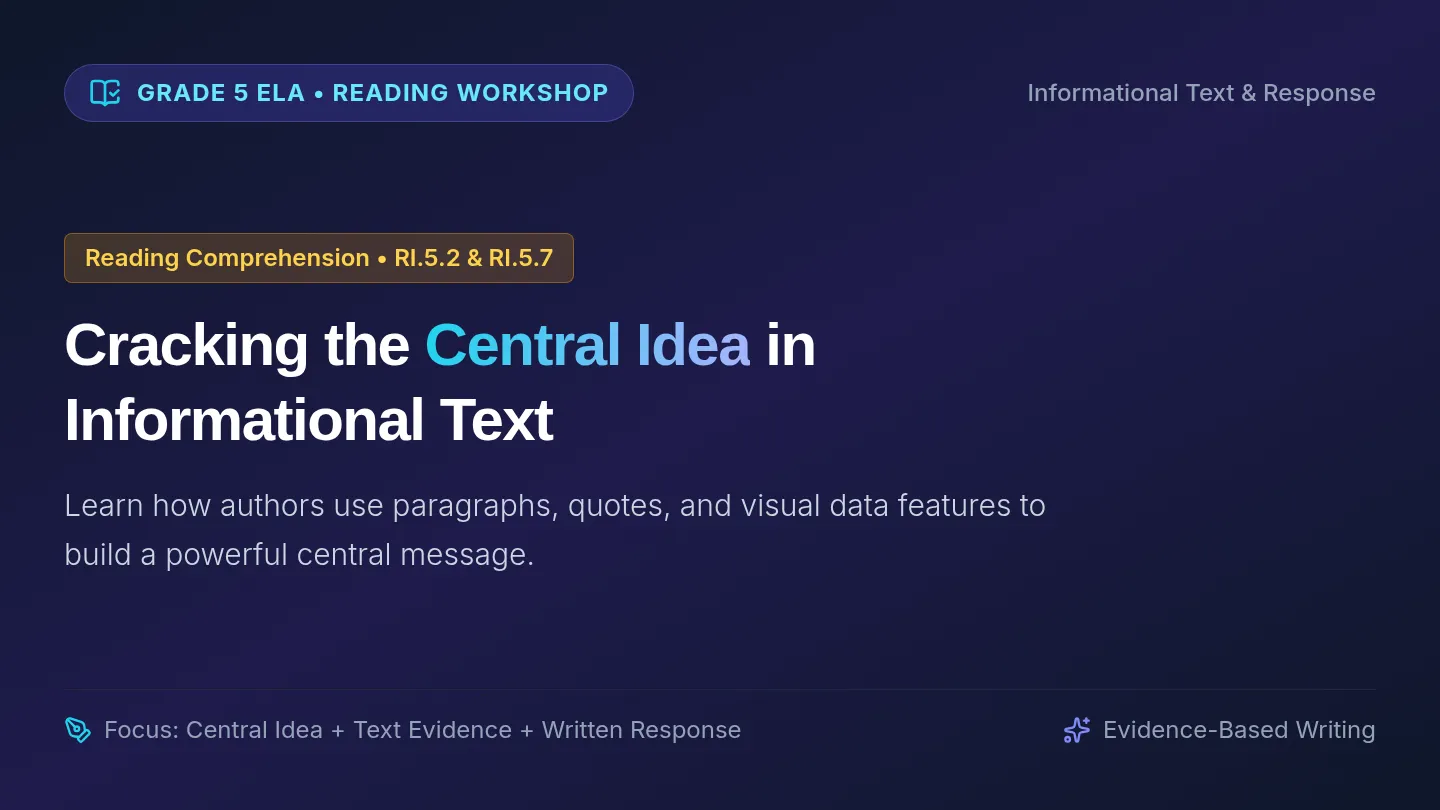
Cracking Central Ideas

A 5th-grade ELA informational reading and writing lesson where students read authentic informational passages paired with visual data graphics to determine central ideas, trace supporting details, and write structured, evidence-based text responses.

K

karima.dallas

4
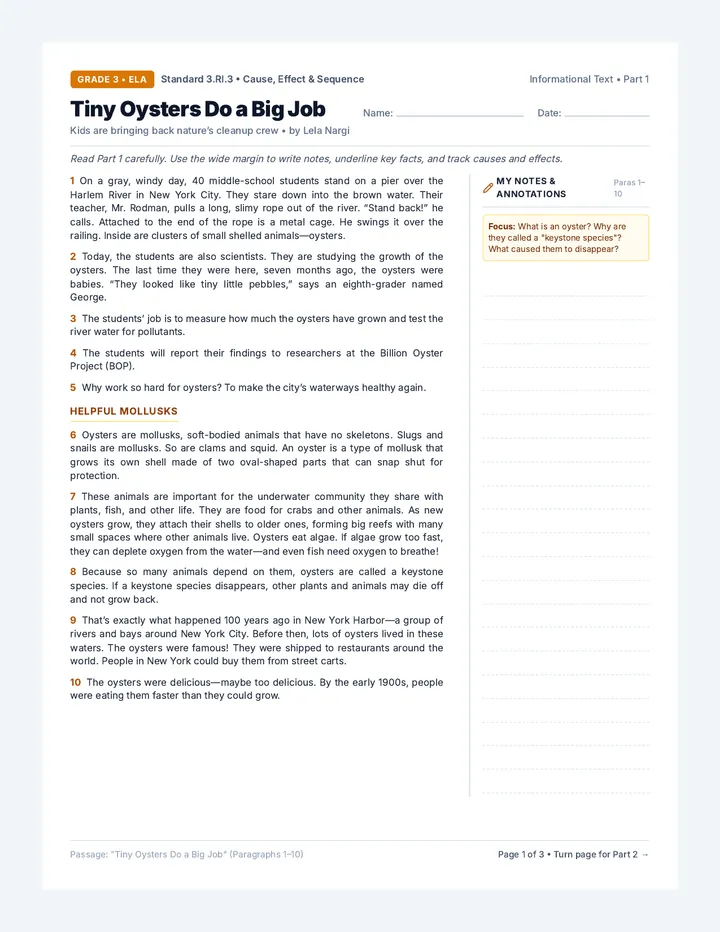
Living Wolves Reading Worksheet

Living Wolves Reading Worksheet

A comprehensive reading comprehension and annotation worksheet based on the informational text "Living with Wolves" by Jim and Jamie Dutcher. Features structured text passages with guided margin annotation space and a 5-question cause, effect, and sequence comprehension quiz aligned to Grade 3 ELA standard 3.RI.3.

DG

Danielle Garland

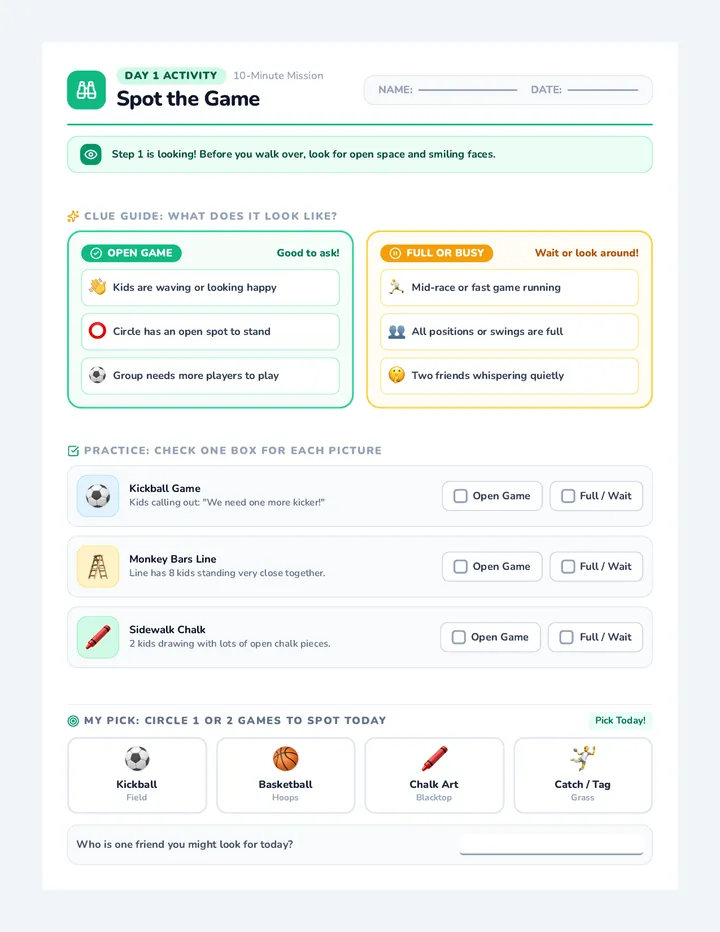
Spot The Game Activity Sheet

Playground Pals

A structured five-day social communication sequence designed for a third grader to learn how to ask peers to play or join in, featuring visual supports, limited language scripts, and portable recess visual cards.

A

acrisafulli

6
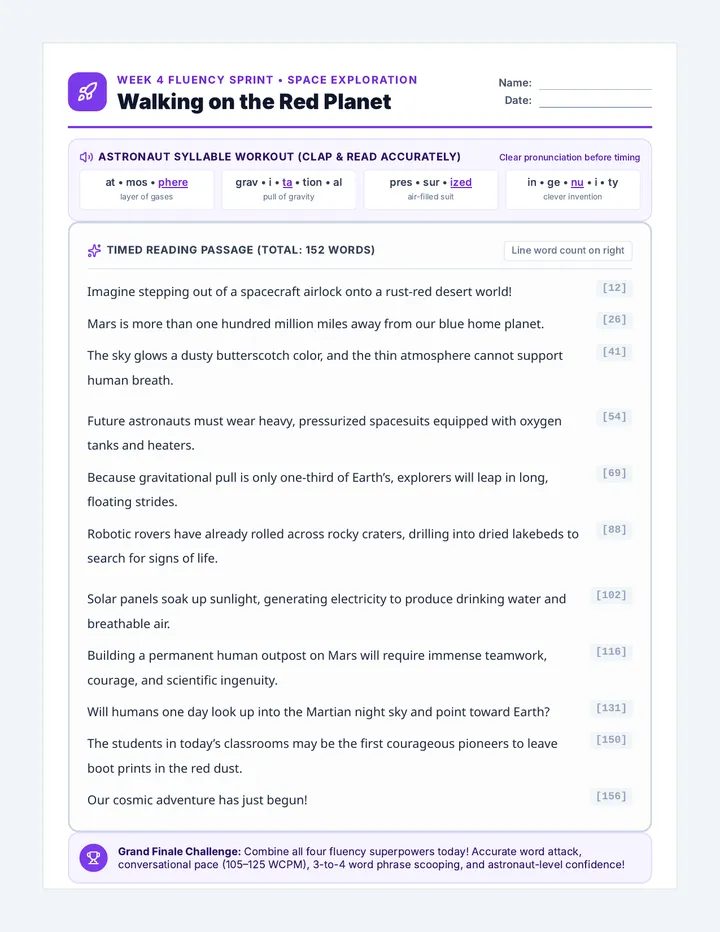
Cosmic Voyage Practice Sheet

Cosmic Voyage Sprint

Week 4 culminates in astronaut missions to Mars, testing combined mastery of accuracy, rate, phrasing, and expression with full showcase assessments and celebration.

KM

Kelly Messer

2
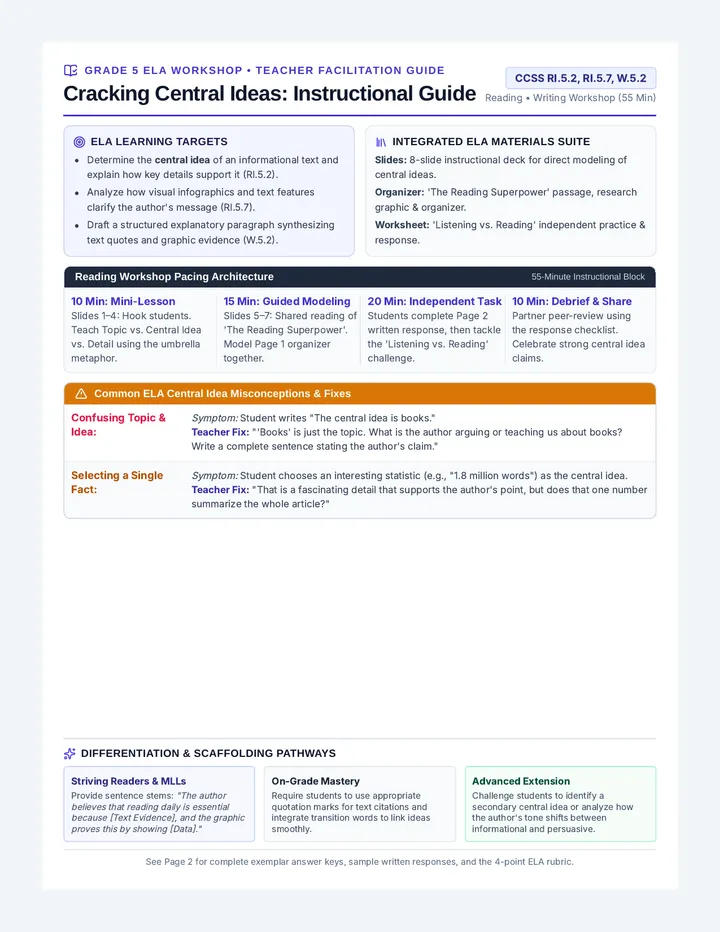
Central Idea Teacher Guide

Central Idea Teacher Guide

A two-page 5th-grade ELA teacher facilitation guide with reading workshop pacing, explicit teacher think-aloud scripts, misconception interventions, differentiation strategies, exemplar answer keys, and a 4-point CCSS-aligned ELA text response rubric.

K

karima.dallas

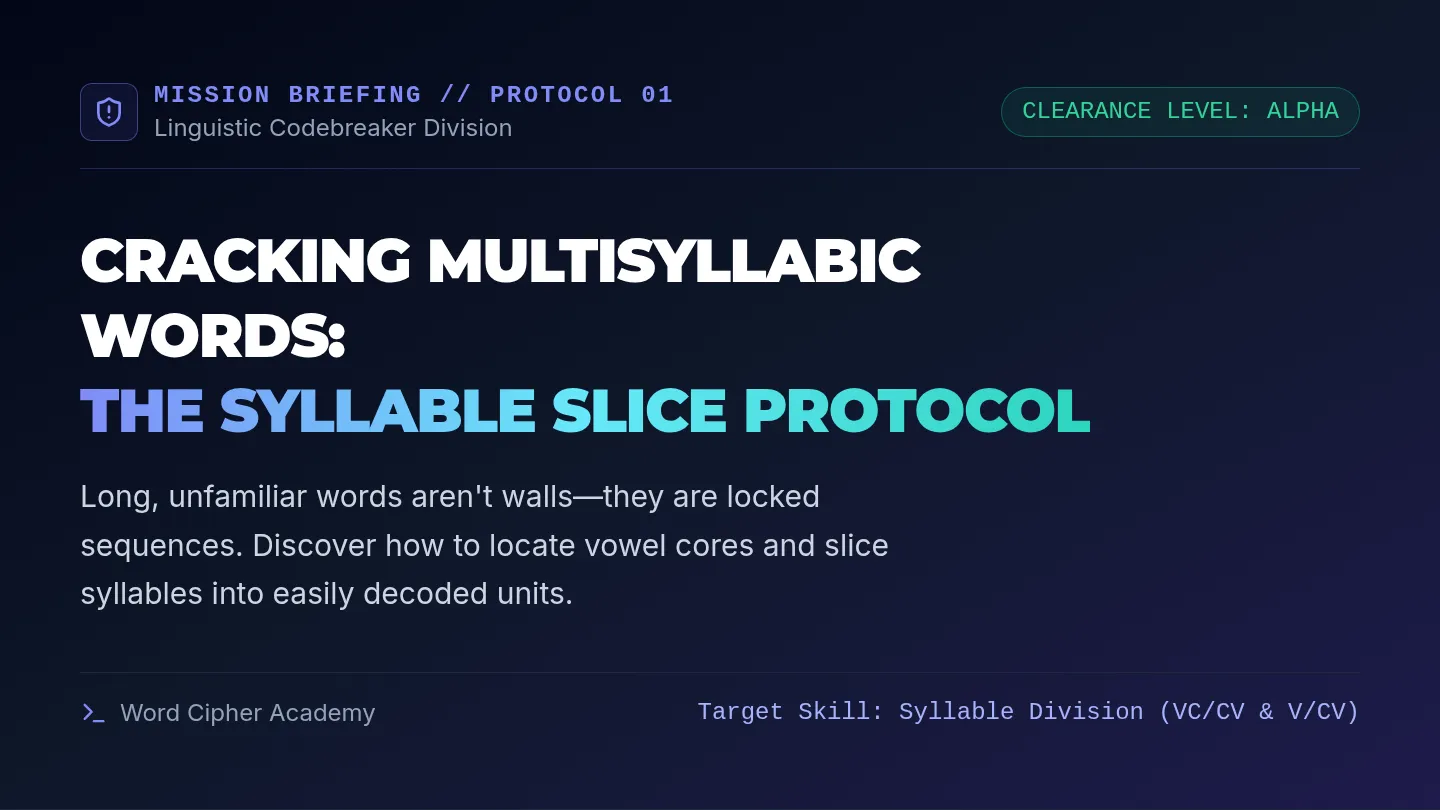
Syllable Division Slides

Word Cipher Academy

A targeted upper-elementary and middle school phonics intervention sequence designed to decode multisyllabic academic words through syllable division, advanced vowel teams, and morphemic analysis. Structured with a mature codebreaking theme to engage older striving readers without feeling juvenile.

Lenny Avatar
Lenny
9
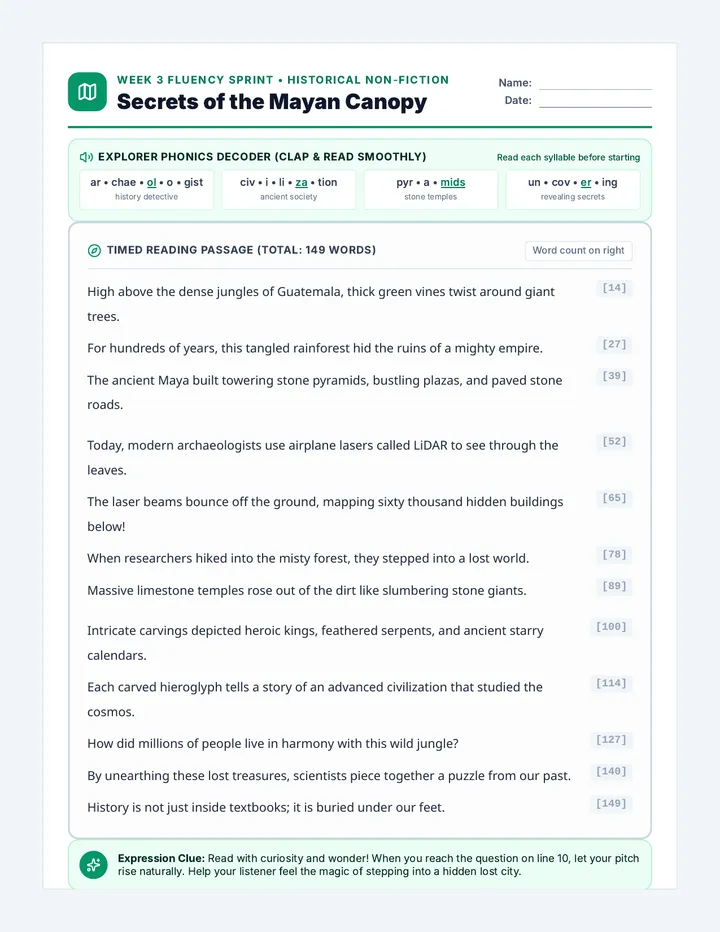
Lost City Practice Sheet

Lost City Sprint

Week 3 emphasizes expressive phrasing, chunking syntax, and bringing informative texts to life through a historical expedition deep inside ancient Mayan rainforests.

KM

Kelly Messer

2
Central Idea Practice Worksheet

Central Idea Practice Worksheet

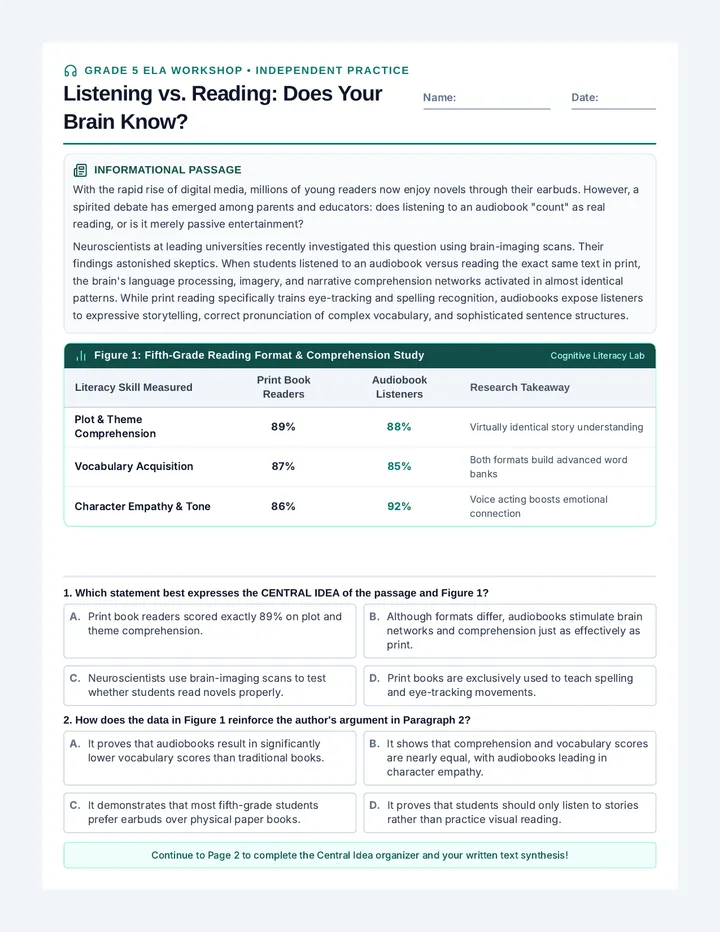
A two-page 5th-grade ELA independent practice worksheet centered on the informational article 'Listening vs. Reading'. Features an authentic paired comprehension infographic, text-dependent multiple-choice questions, a central idea graphic organizer, and an evidence-based written response.

K

karima.dallas

Signal Seekers Slides

Clue Codebreakers

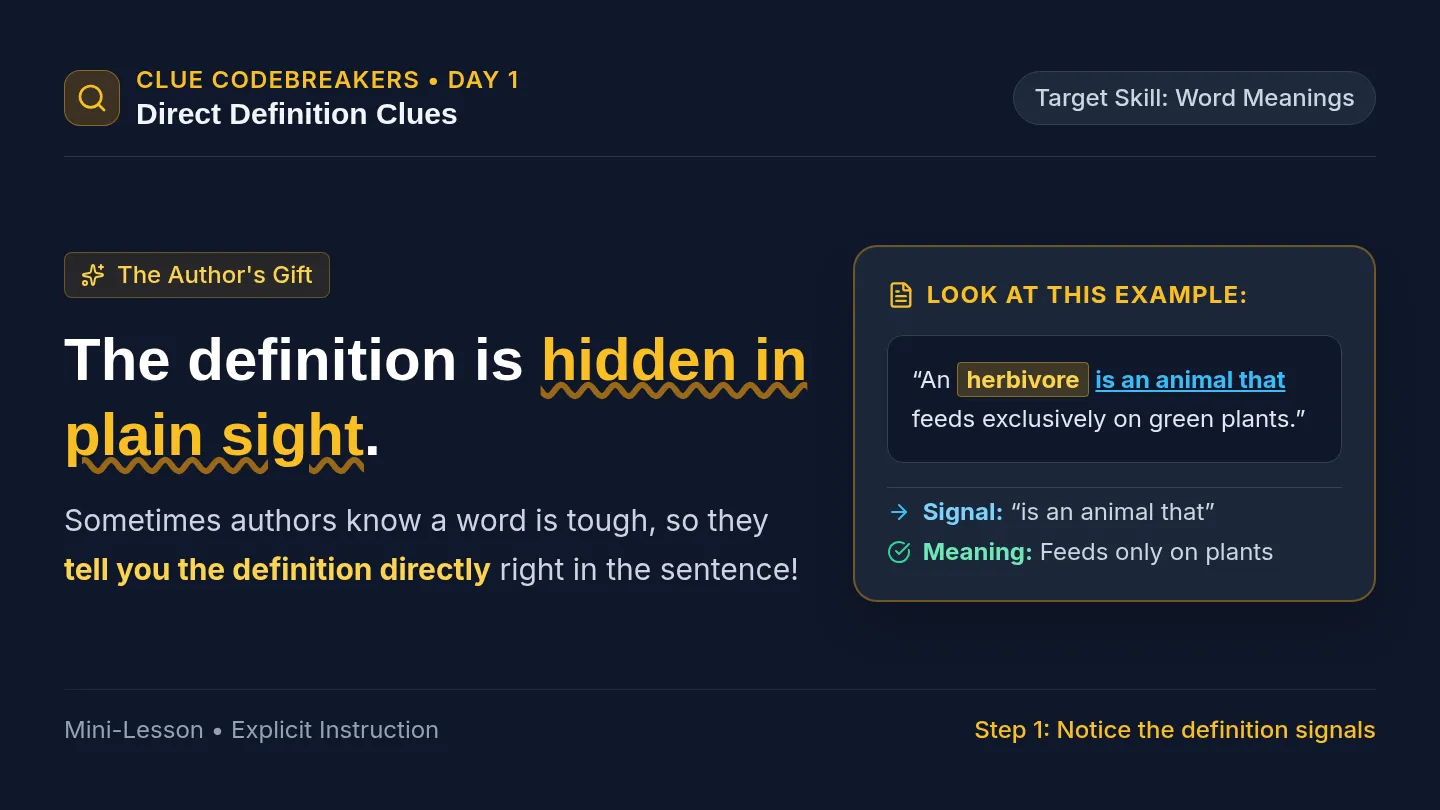
A 3-session targeted remediation sequence designed to help struggling readers master definition context clues, progressing from explicit signal words to punctuation appositives and independent reading transfer.

E

ewestbrook

6
Storm Chaser Practice Sheet

Storm Chaser Sprint

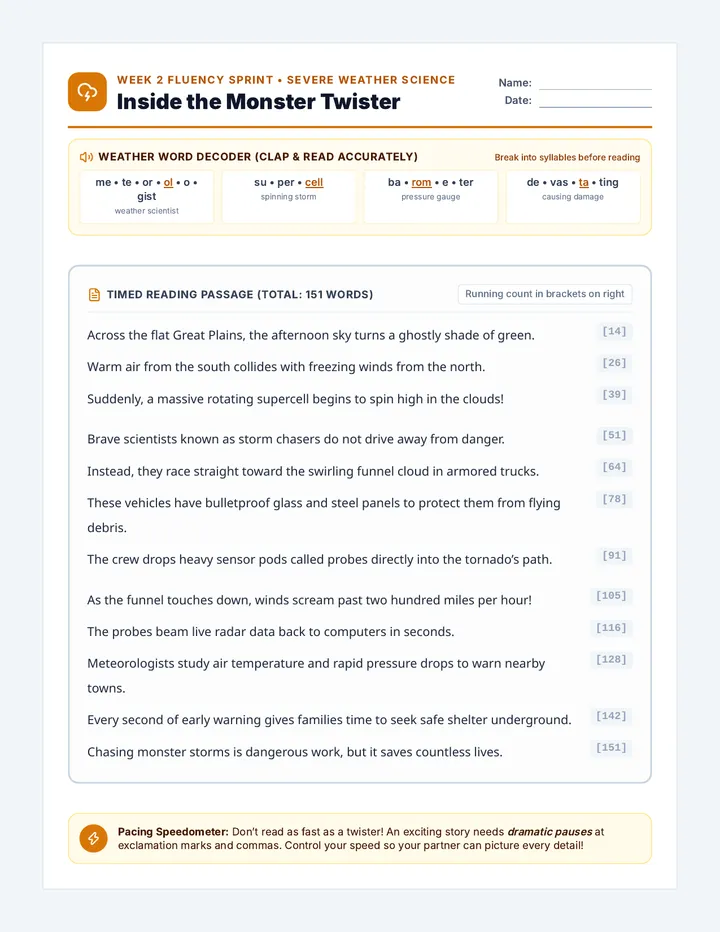
Week 2 focuses on pacing control and punctuation awareness during high-energy non-fiction reading about extreme tornadoes, using whole-class choral slides and partner timing sprints.

KM

Kelly Messer

2
Central Idea Graphic Organizer

Central Idea Graphic Organizer

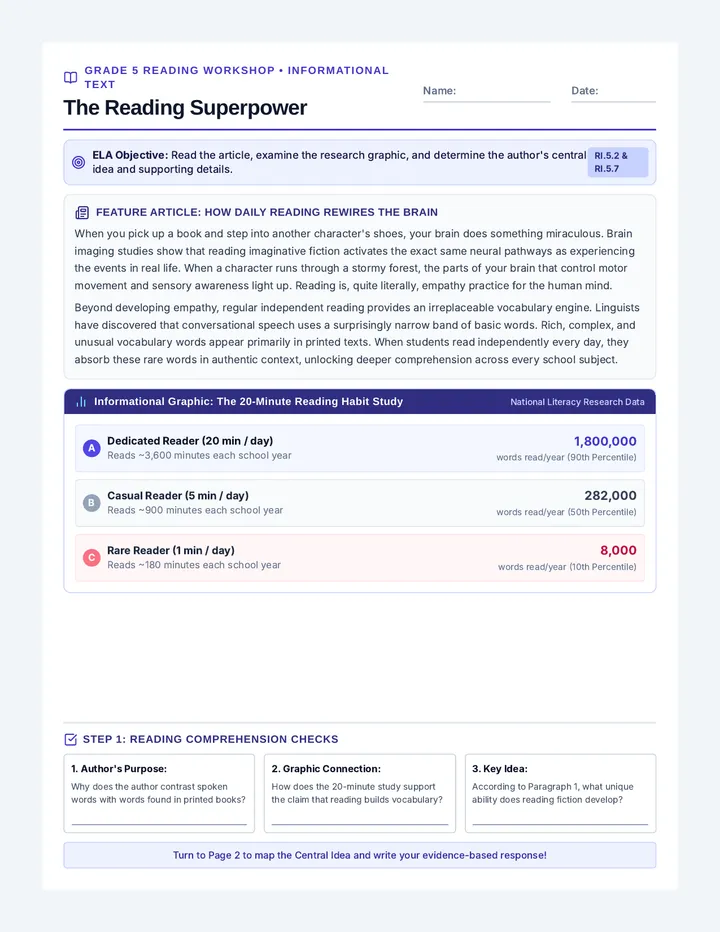
A two-page 5th-grade ELA graphic organizer and reading passage titled 'The Reading Superpower'. Features a high-interest informational article, a paired vocabulary research infographic, text-dependent comprehension questions, a central idea organizer, and an evidence-based constructed response section.

K

karima.dallas