Lenny.com
Explore
Create
ActivitiesNewCurriculumNewMathEnglish Language ArtsScience & EngineeringSocial StudiesGlobal LanguagesHealth & Physical EducationSpecial EducationCounseling & Life SkillsArts & CreativityESL
Lenny.com
Lenny.com
Explore
Create
ActivitiesNewCurriculumNewMathEnglish Language ArtsScience & EngineeringSocial StudiesGlobal LanguagesHealth & Physical EducationSpecial EducationCounseling & Life SkillsArts & CreativityESL
Lenny.com
Lenny.com

Solutions

Lenny for EducatorsLenny for SchoolsLenny for Districts

Product

ExploreSign inCreateSupportAbout

Resources

Getting startedMTSS Acceleration Program

Newsletters

School Funding Newsletter

© 2026 Lenny Learning Inc.

TermsPrivacyAccessibility
LinkedInInstagramX
Lenny
Special EducationSensory Processing & RegulationSensory Preferences IdentificationSensory Tool UseCommunicating Sensory NeedsSensory Overload RecognitionDeep Breathing PracticeMovement Break UtilizationIndependent Calming Strategy UsePersonalized Calming RoutinePersonal Sensory Diet CreationProactive Sensory BreaksEmotion Intensity RecognitionDysregulation RecoveryPositive Behavior SupportUnderstanding Social StoriesPersonal Social Story CreationEmotional Regulation FrameworksPersonal Trigger IdentificationSelecting Regulation StrategiesReinforcement System ResponseSelf-Monitoring & RewardsLearning Positive AlternativesCross-Setting Skill GeneralizationSocial CommunicationEye Contact & Personal SpaceContext-Appropriate GreetingsAppropriate Volume & ToneConversation Turn-TakingTopic Maintenance in DiscussionEffective Help-SeekingBody Language InterpretationFacial Expression RecognitionIdioms & Figurative LanguageSocial Problem IdentificationSocial Solution GenerationSocial Decision EvaluationTask ManagementMinimal Prompting Task StartSelf-Talk for StartingStarter Strategies for Difficult TasksAge-Appropriate Task PersistenceStrategic Break ManagementSmooth Task TransitionsAdapting to Plan ChangesObstacle Problem-SolvingMulti-Day Project CompletionPlanning & OrganizationPhysical Material OrganizationVisual Schedule & Timer UseSequential Task BreakingTime Estimation SkillsTask PrioritizationDigital & Physical Workspace ManagementPersonalized Organization StrategiesDetailed Project PlanningMultiple Commitment BalancingAcademic Support StrategiesMath Manipulative UseVisual Math Problem RepresentationComplex Math Problem BreakdownText Highlighting & AnnotationVisualization While ReadingPredictions & Inferences from TextText Structure Graphic OrganizersWriting Graphic OrganizersSentence Frames & TemplatesStudy Guide CreationSpaced Repetition for MemoryAssistive Writing TechnologyWorking Memory SupportSingle-Step Direction FocusMulti-Step Direction FollowingInformation Chunking PracticeVisual Support Memory AidsMnemonic Device ApplicationEfficient Note-Taking SystemsGraphic Organizer Note-TakingNote Review & OrganizationSustained Complex Task AttentionAssistive TechnologySymbol-Word CommunicationAAC Device NavigationSpeech Recognition DictationDictation Text EditingText-to-Speech for ReadingDigital Calendar UseKeyboard Shortcuts NavigationProductivity App ManagementSelf-Advocacy SkillsCommunicating Learning NeedsRequesting AccommodationsAdvocating for Appropriate SupportsIEP & Student RightsUnderstanding IEP ComponentsMeaningful IEP Meeting ParticipationIDEA & Section 504 RightsProgress MonitoringTracking IEP Goal ProgressReflecting on AchievementData-Informed Instructional AdjustmentTransition PlanningCareer & Vocational Goal SettingExploring Post-Secondary OptionsIndependent Living Skills Planning

Respect Ready Desk Visual

A printable sheet featuring two identical cut-out desk visual cards for third-grade students. Each card pairs realistic, child-centered illustrations with minimal labels to remind students of three respectful behaviors: keeping a safe body in their space bubble, using kind words with a level 1-2 quiet voice, and facing the speaker with the group while listening.
LMLindsey Mora

Respect Ready Desk Visual

A printable sheet featuring two identical cut-out desk visual cards for third-grade students. Each card pairs realistic, child-centered illustrations with minimal labels to remind students of three respectful behaviors: keeping a safe body in their space bubble, using kind words with a level 1-2 quiet voice, and facing the speaker with the group while listening.
LMLindsey Mora

You might also like

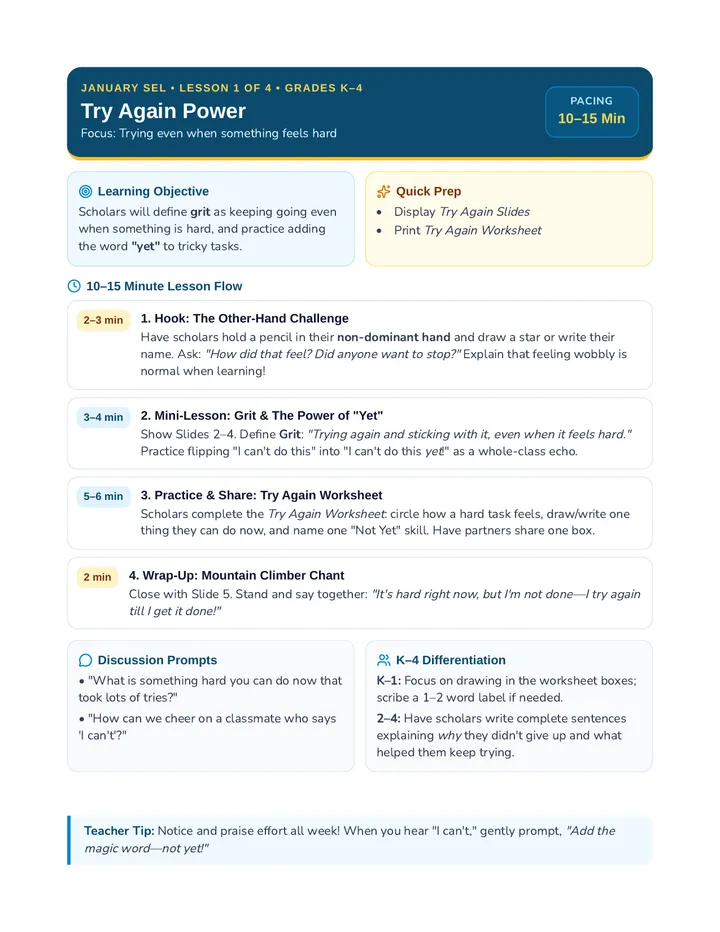
Try Again Teacher Guide

January Grit Builders

A four-week January SEL unit for grades K-4 focused on building grit, perseverance, and a growth mindset in quick 10-15 minute lessons. Scholars learn to try even when things are hard, use strategies when stuck, set and chase meaningful goals, and design their own personal grit plan.

JR

Joe Reiss

12
Story Builder Comic Strip

Classroom Comic Advocates

Third-grade students practice self-advocacy and problem-solving by illustrating a three-frame comic strip based on realistic classroom challenges. Includes a blank comic strip template and a categorized bank of academic, peer, and teacher-help scenarios.

C

coffeyk

2
Inclusion ECR Observation Form

Inclusion ECR Observation Form

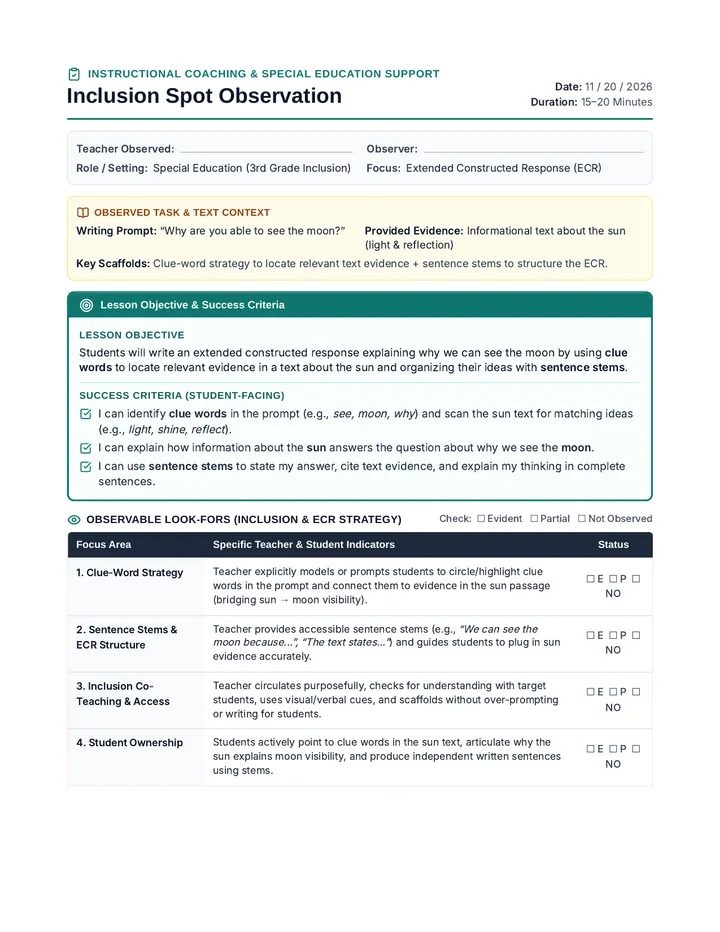
A two-page spot observation form tailored for observing a 3rd-grade special education inclusion teacher supporting students with an extended constructed response using clue words and sentence stems. Includes a pre-built lesson objective, student success criteria, observable look-fors, scripting space, and coaching feedback sections.

AO

Alexis Ortega

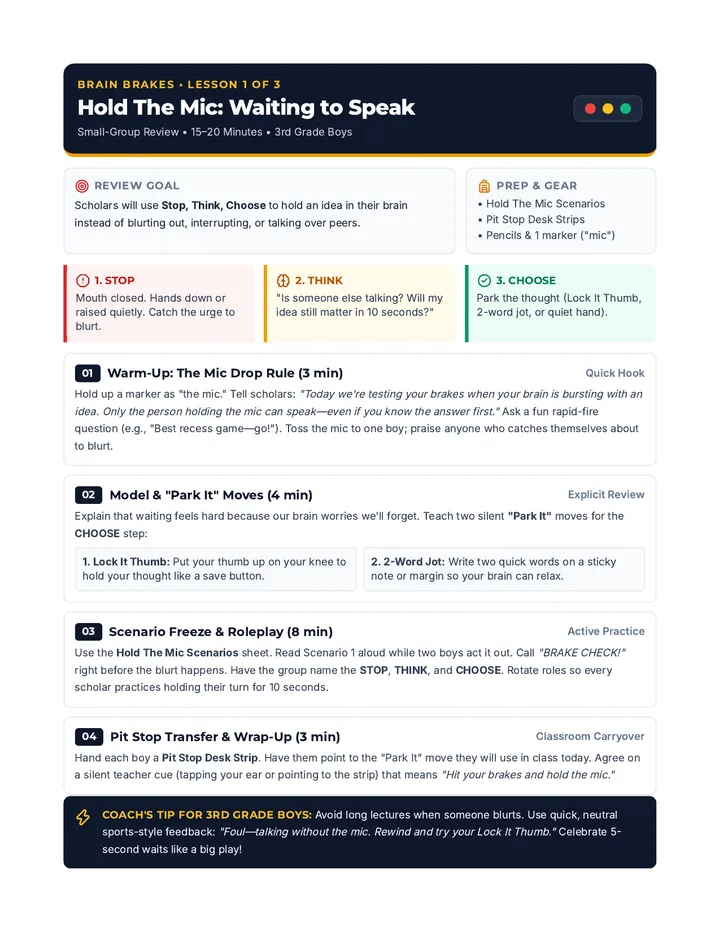
Hold The Mic Teacher Guide

Brain Brakes

A short 3-lesson small-group review sequence for 3rd grade boys revisiting the Stop, Think, Choose strategy across three daily friction points: waiting to speak, tolerating frustration, and managing boredom without impulsive noises or distractions.

T

tkeya.void

7
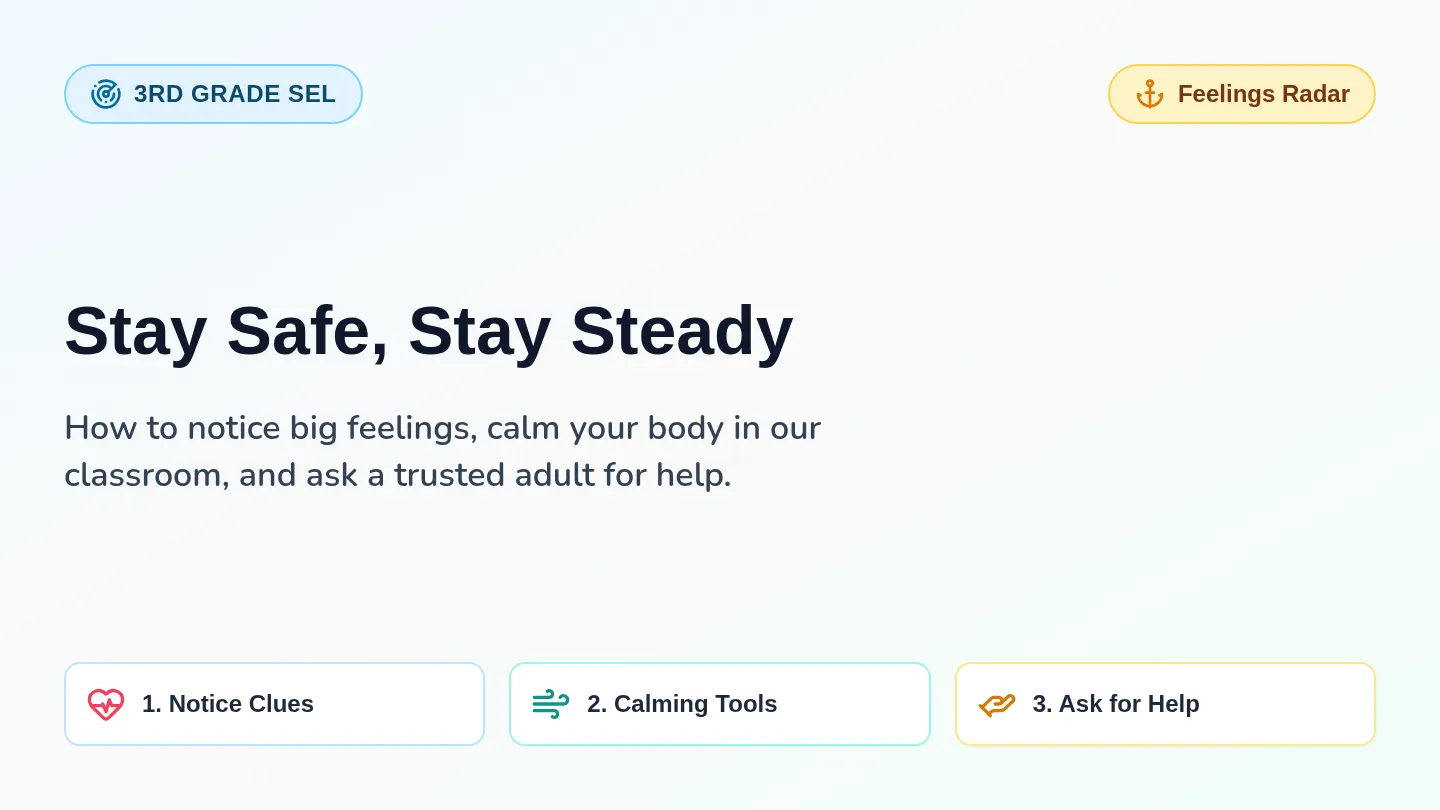
Stay Steady Lesson Slides

Stay Safe Stay Steady

A 3rd-grade social-emotional learning lesson helping students who tend to elope when upset learn to notice body clues, use in-classroom calming tools, and ask a trusted adult for help or a break.

JR

Jennifer Rodriguez

4
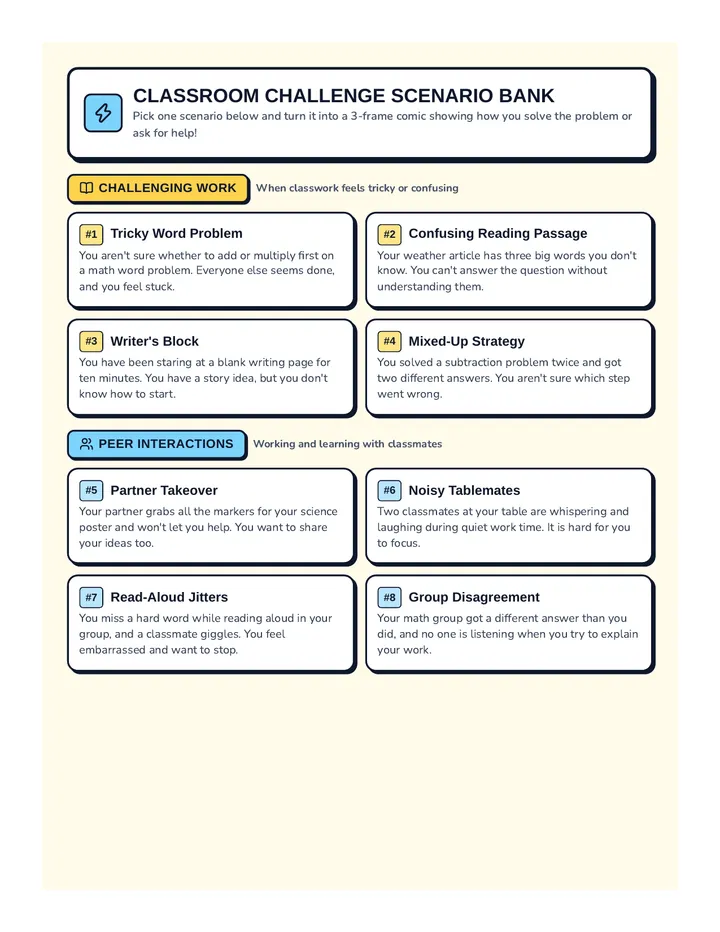
Classroom Challenge Scenario Bank

Classroom Challenge Scenario Bank

A two-page bank of twelve realistic third-grade school scenarios organized into Challenging Work, Peer Interactions, and Advocating for Help from the Teacher. Includes kid-friendly self-advocacy sentence starters and a quick planning box to prepare for the three-frame comic strip.

C

coffeyk

Gratitude Spotters Slides

Thankful Hearts Club

A three-day Social-Emotional Learning sequence for 3rd grade special education students exploring gratitude, everyday kindness, and respectful, inclusive ways to celebrate Thanksgiving and community traditions. Designed with visual supports, sentence frames, and accessible draw-or-write activities.

JB

Jana Bessent

9
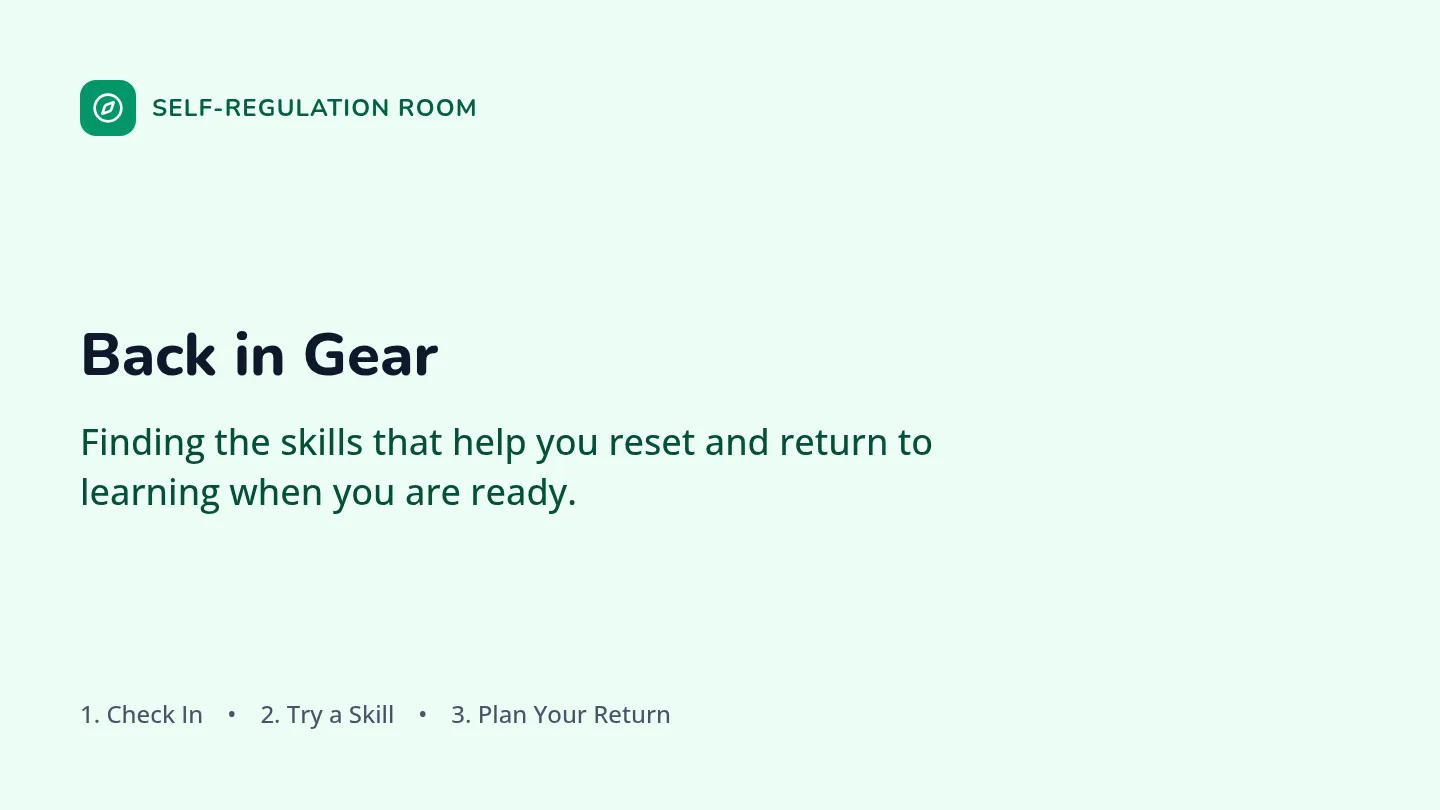
Back in Gear Slides

Back in Gear

A guided counseling lesson for the self-regulation room focused on helping students build and identify Returning to Learning skills. Students practice recognizing readiness cues, testing regulation strategies, and creating a personal plan for transitioning smoothly back into class.

EH

Emily Hoover

3
Story Builder Comic Strip

Story Builder Comic Strip

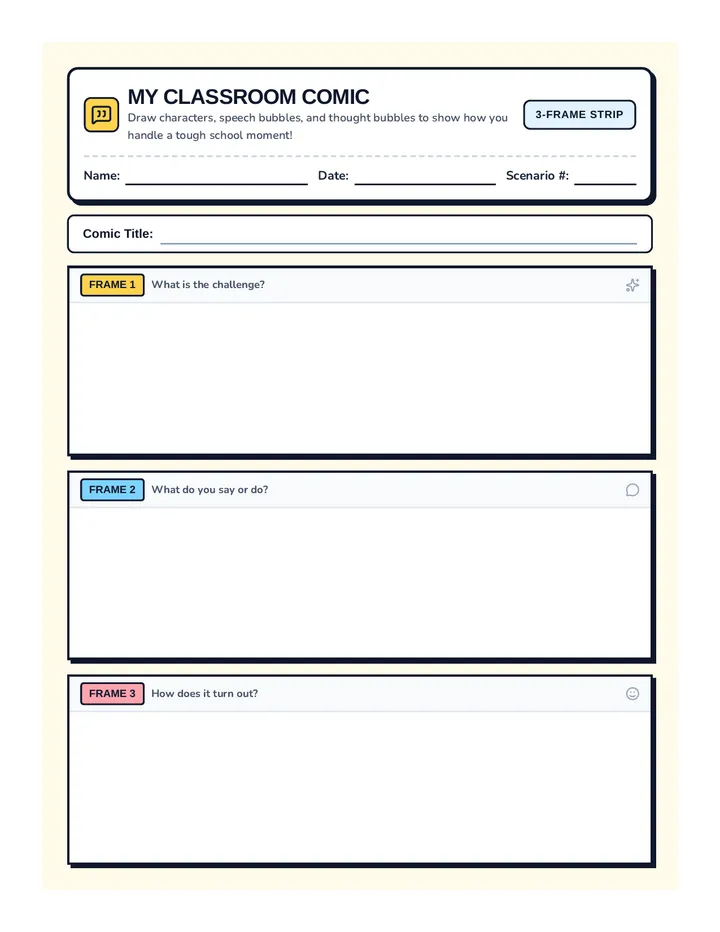
A printable one-page blank comic strip template with three large, open frames for third-grade students to illustrate a classroom scenario. Includes name and date fields, a scenario number line, and clean white drawing panels with bold comic-book borders.

C

coffeyk

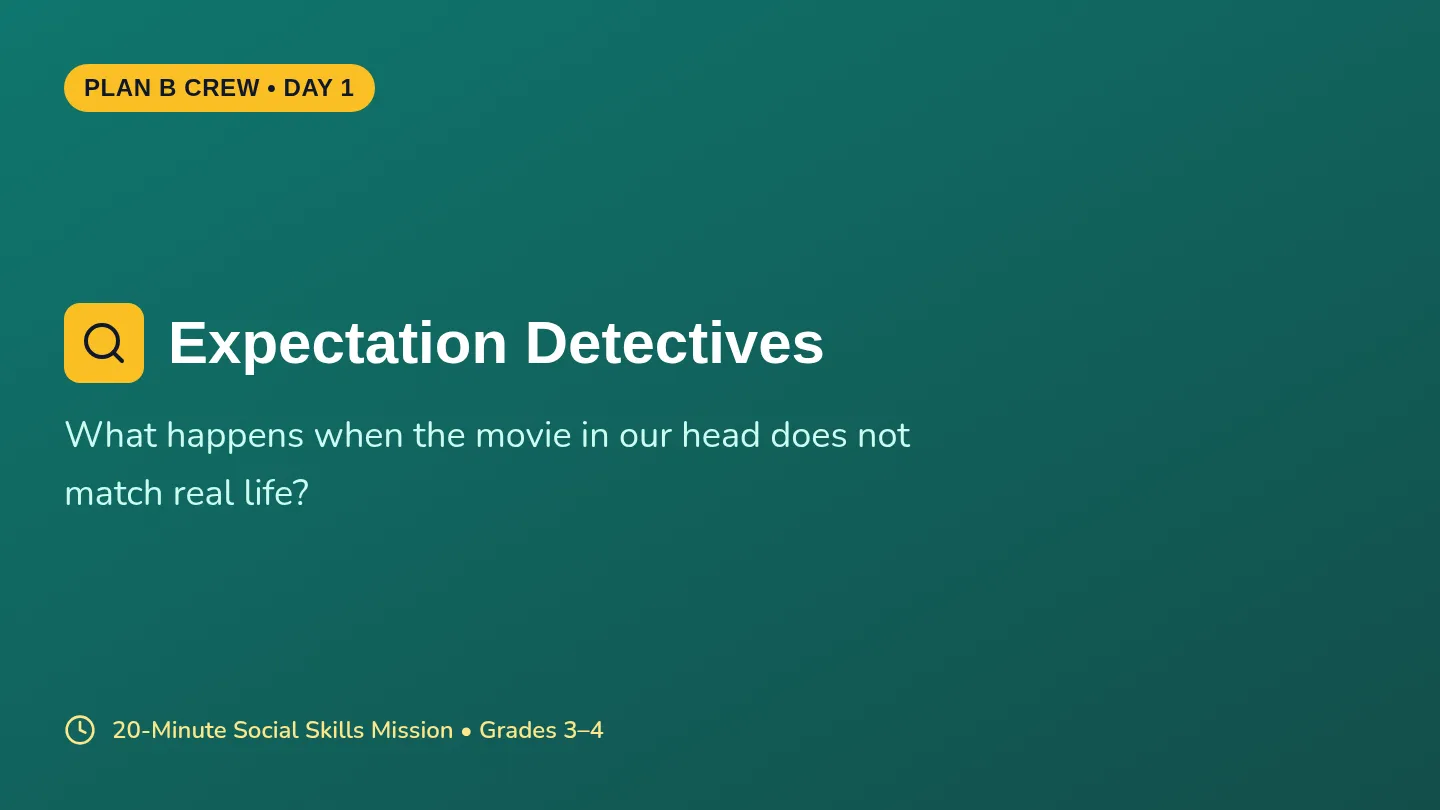
Expectation Detective Slides

Plan B Crew

A 5-day social skills unit for 3rd and 4th graders focused on managing expectations in daily life. Through 20-minute daily lessons, students learn to spot the gap between what they picture and reality, handle disappointment, practice flexible thinking, communicate expectations clearly, and build a personal Plan B toolkit.

J

jessicajohnson

15
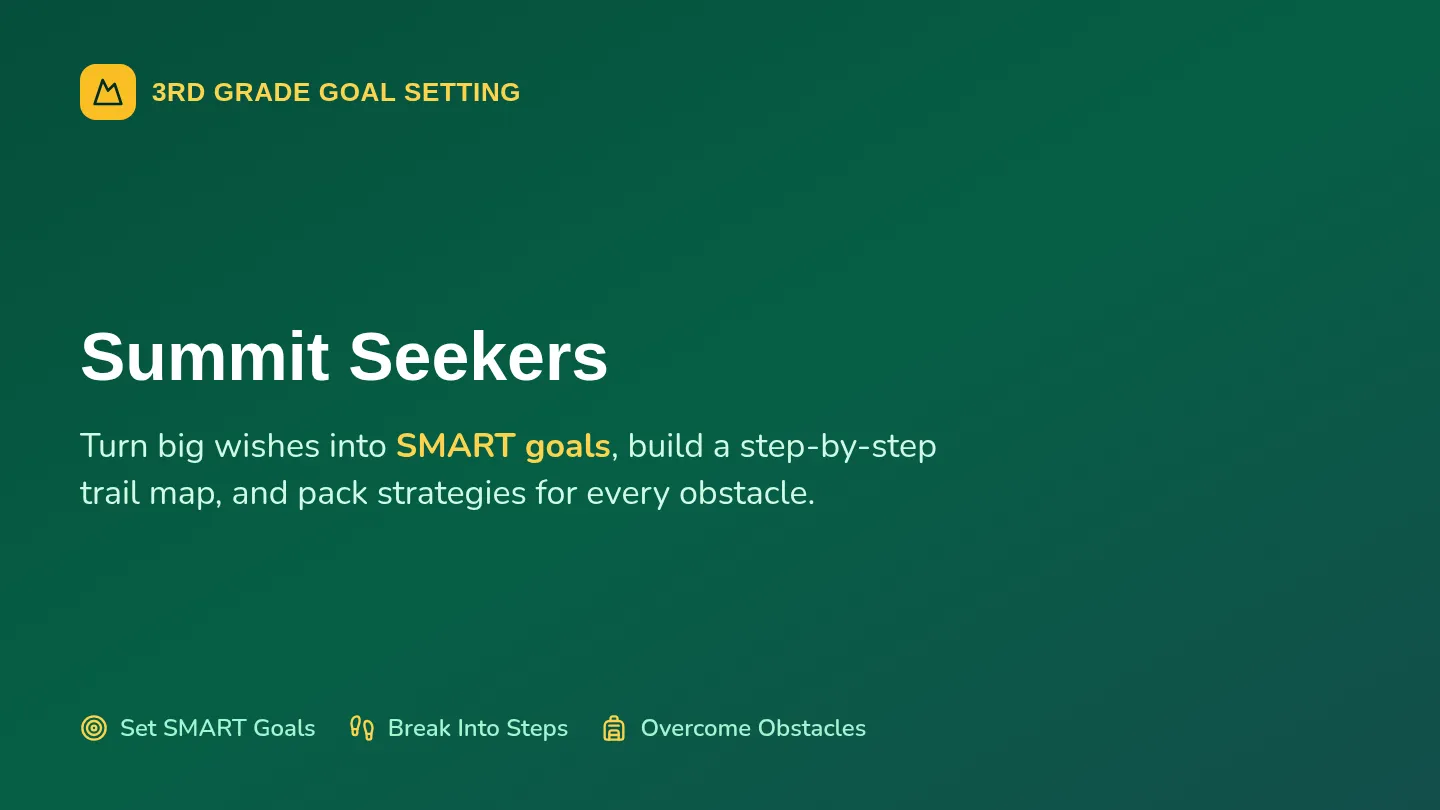
Summit Seekers Slides

Summit Seekers

A 3rd-grade social-emotional and executive-functioning lesson where students learn to turn big wishes into SMART goals, break goals into manageable steps, and plan strategies to overcome obstacles. Uses a mountain-climbing "Summit Seekers" theme across slides, a teacher guide, a student trail map worksheet, and an exit ticket.

T

tricia.lowe

4
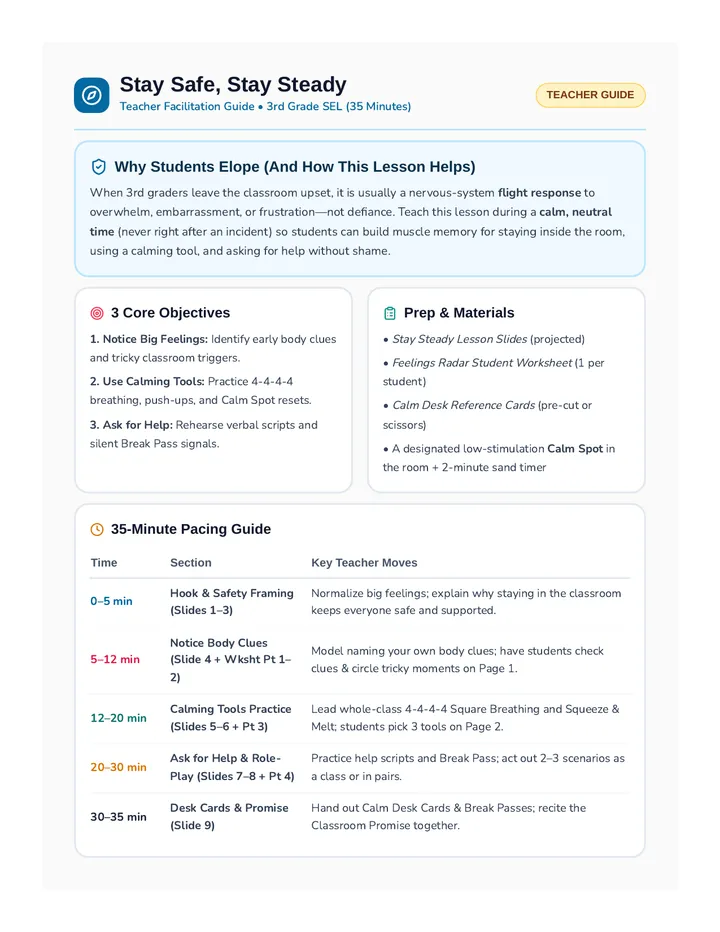
Stay Steady Teacher Guide

Stay Steady Teacher Guide

A 2-page teacher facilitation guide with a 35-minute pacing plan, trauma-informed framing on classroom elopement, step-by-step slide script, Calm Spot setup tips, and differentiation strategies.

JR

Jennifer Rodriguez