A sequence designed to support students with working memory challenges by teaching systematic task decomposition. Students move from identifying cognitive overwhelm to creating personalized workflow systems for complex assignments.
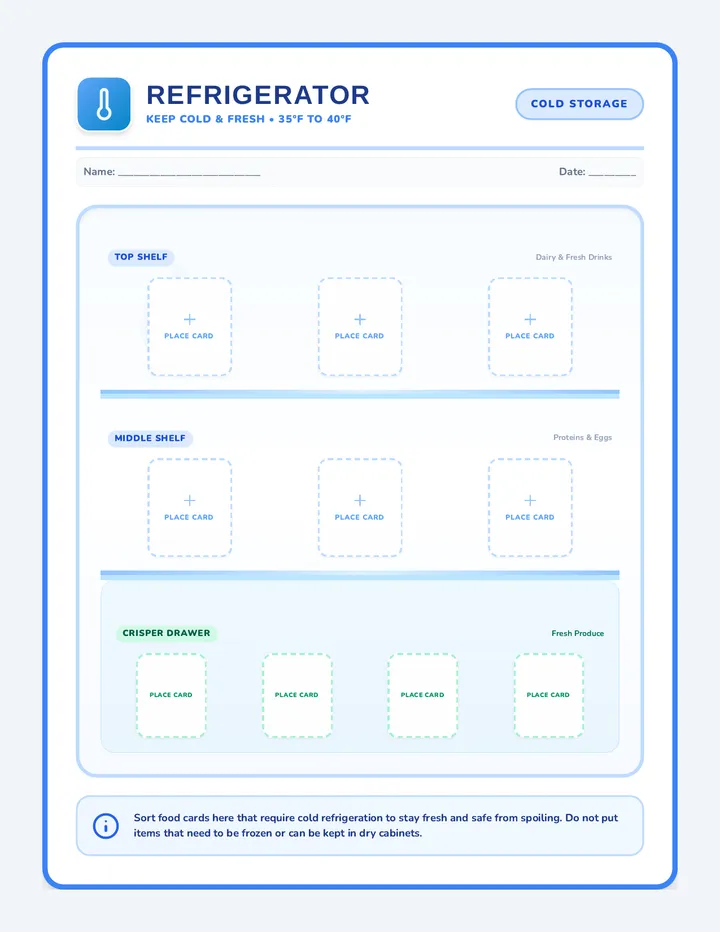
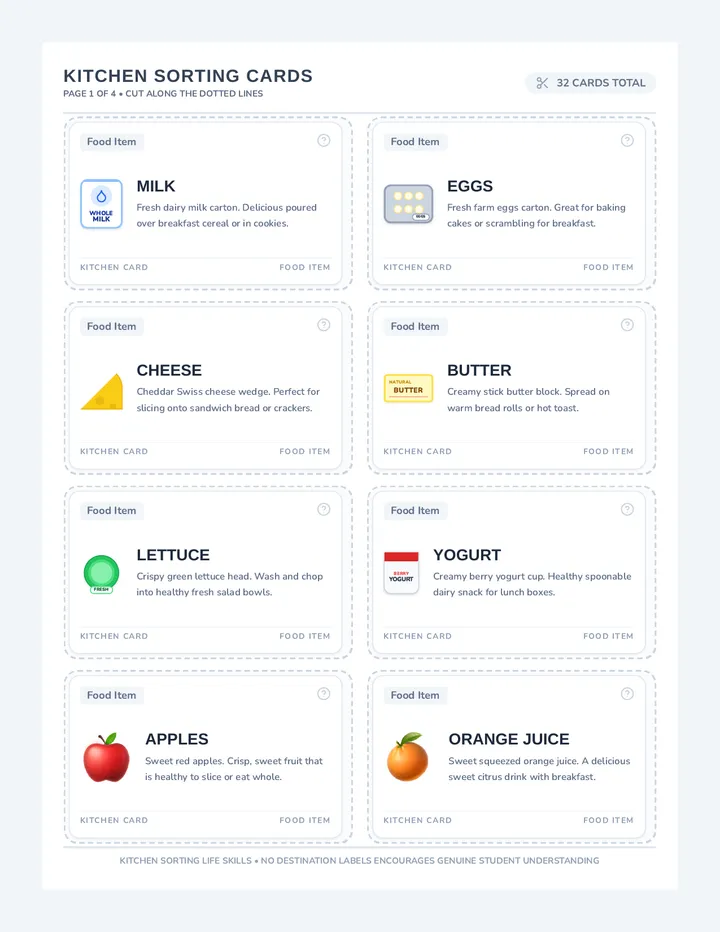
A progressive life-skills curriculum designed to teach students how to identify, categorize, and sort grocery items. Starts with kitchen storage sorting (fridge, freezer, pantry) and advances to sorting by major retail grocery store departments.
A comprehensive, highly scaffolded novel study packet for Julia Alvarez's 'Before We Were Free', designed specifically for special education students. It includes visual vocabulary aids, interactive maps, graphic organizers, simplified summaries, and a modified assessment.
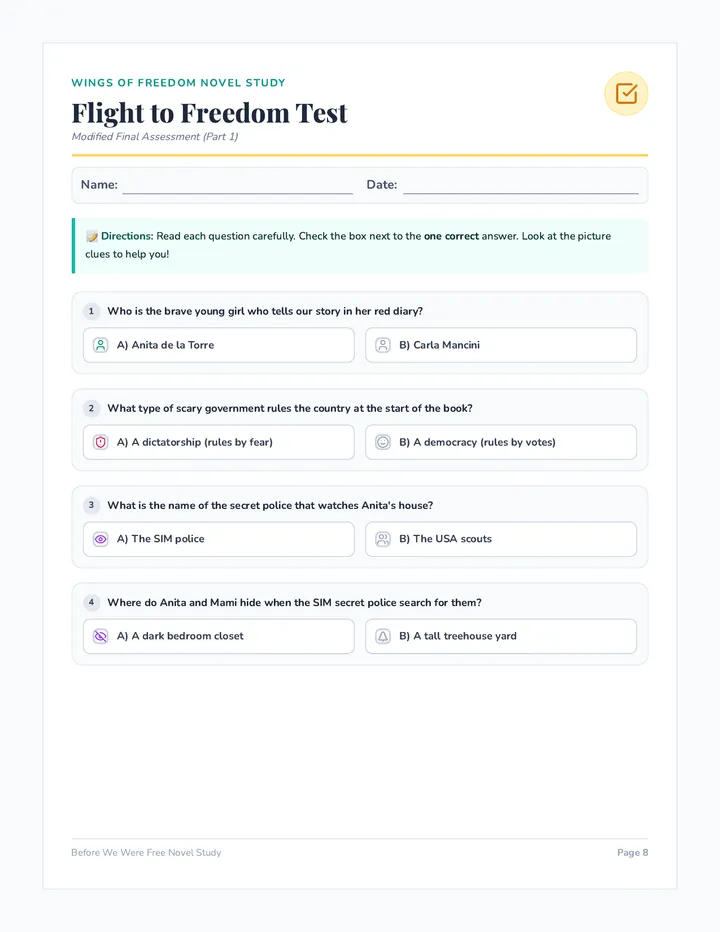
A 2-page modified final assessment featuring simplified multiple-choice questions with reduced options, character matching, and scaffolded short-answer frames.
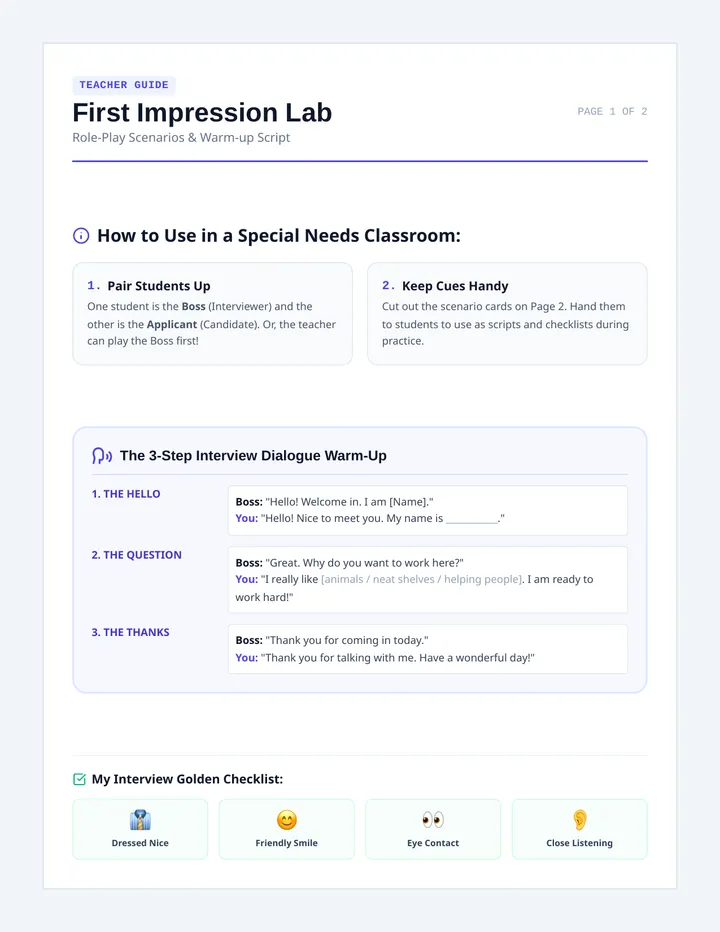
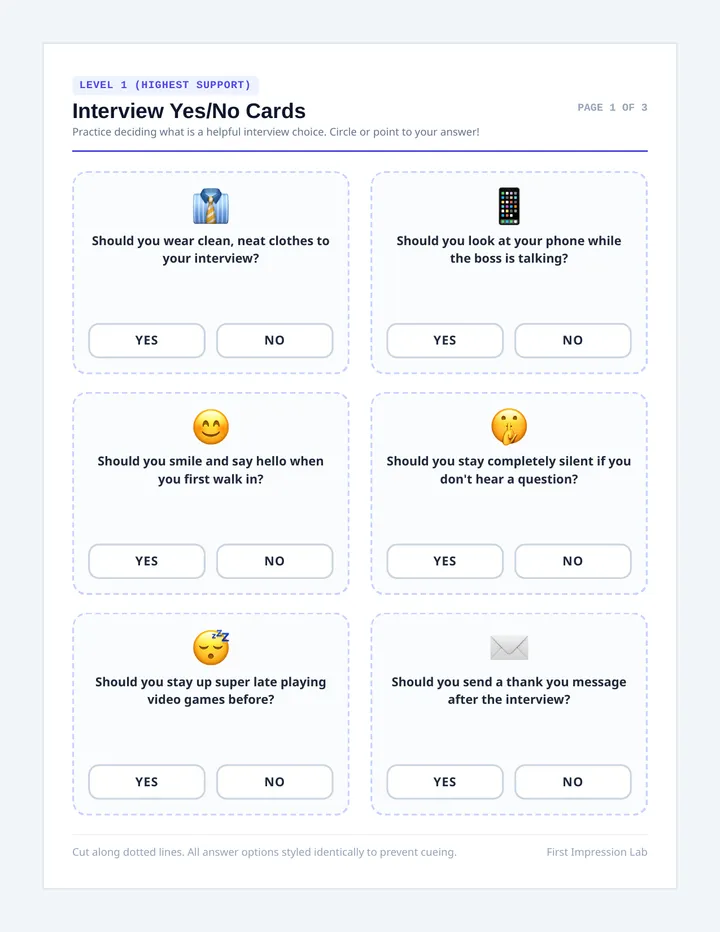
A comprehensive, highly visual curriculum sequence designed to prepare high school special needs students for employment. It covers critical social-emotional and practical work skills, starting with the job interview process and continuing with key on-the-job expectations, workplace etiquette, and self-advocacy.
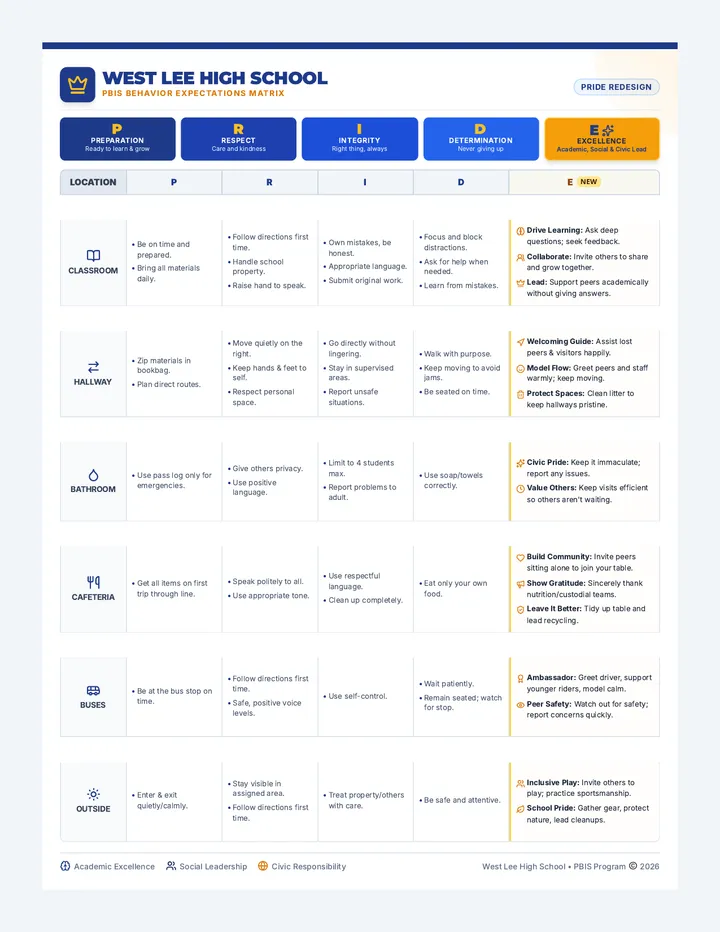
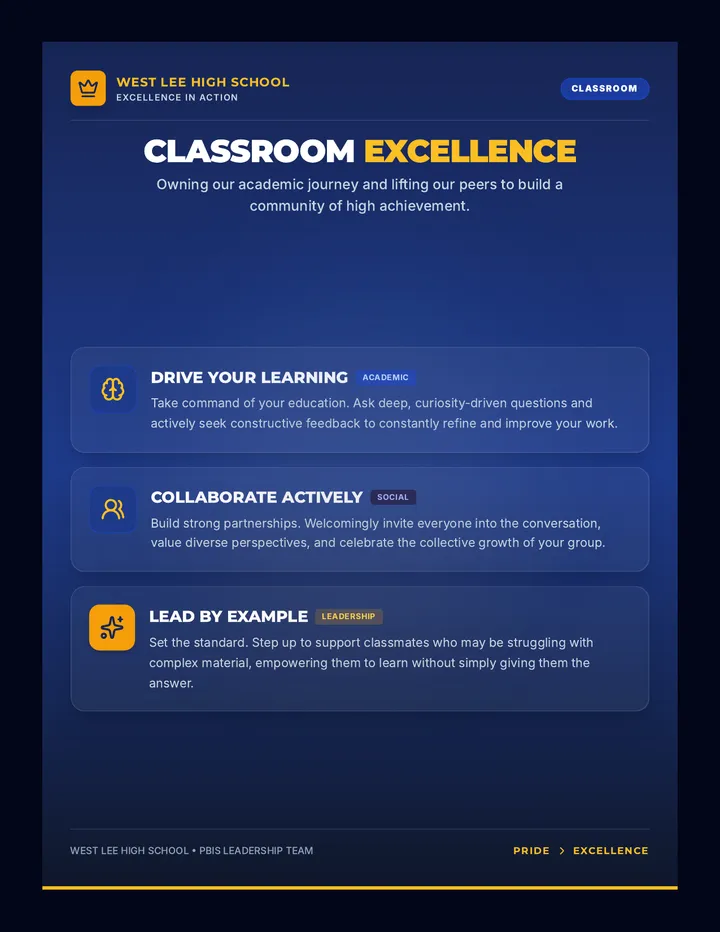
An updated PBIS matrix and student poster set for West Lee, designed to promote a balanced blend of academic, social, and civic leadership under the 'Excellence' pillar of their PRIDE acronym.
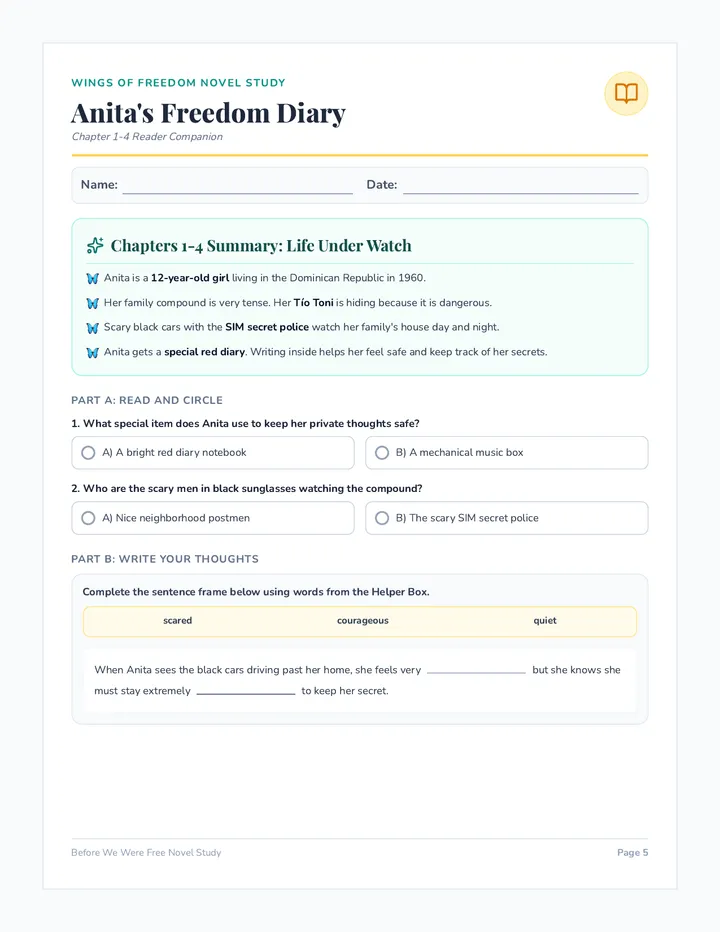
A 3-page reading companion containing highly scaffolded, low-readability chapter-by-chapter summaries and simplified comprehension questions with sentence frames.
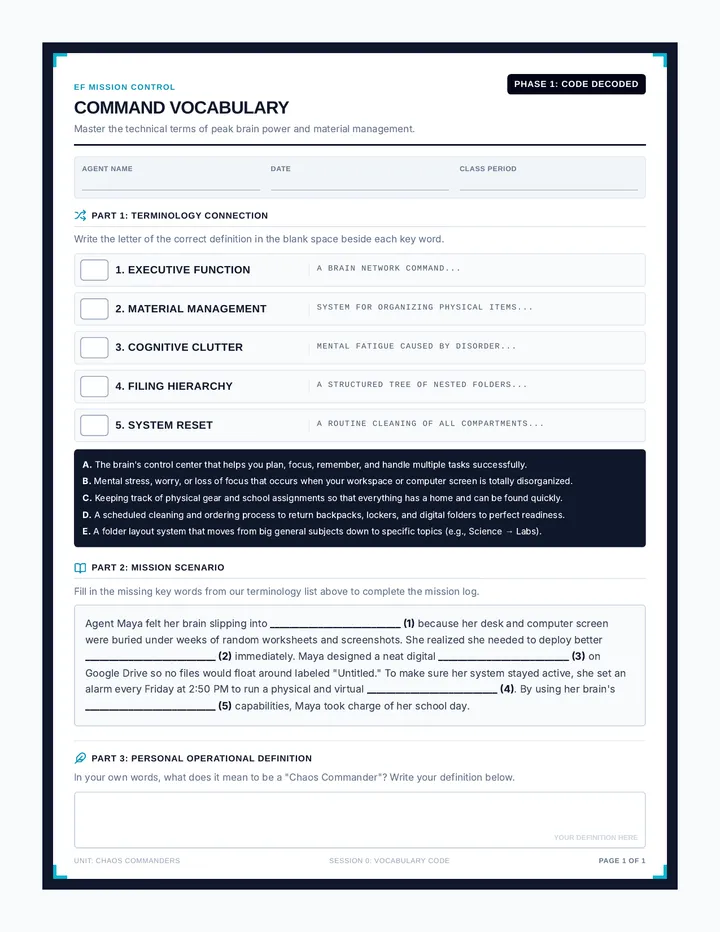
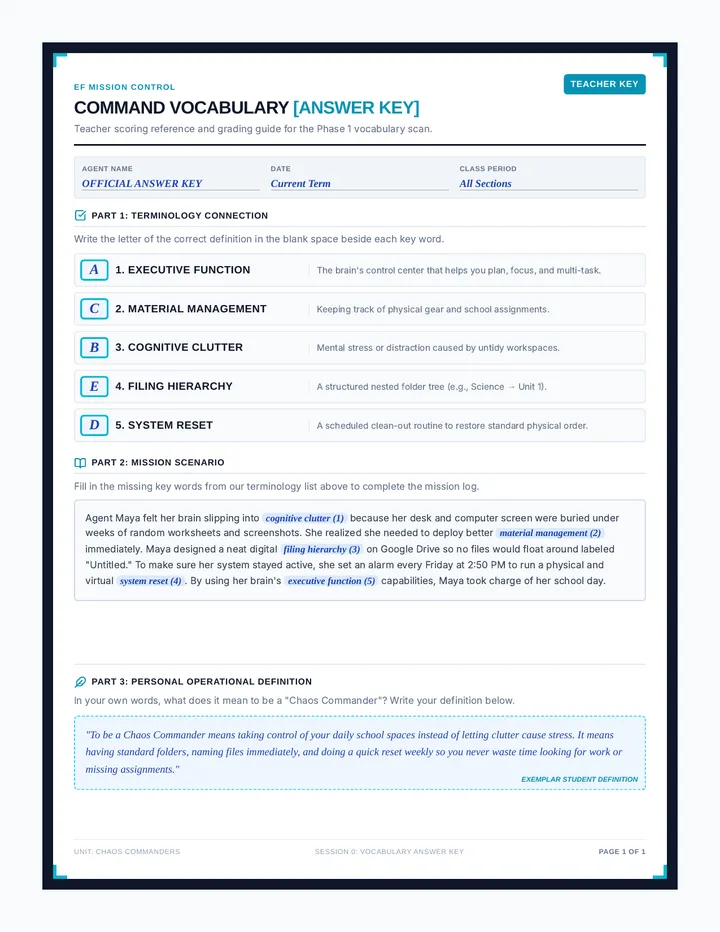
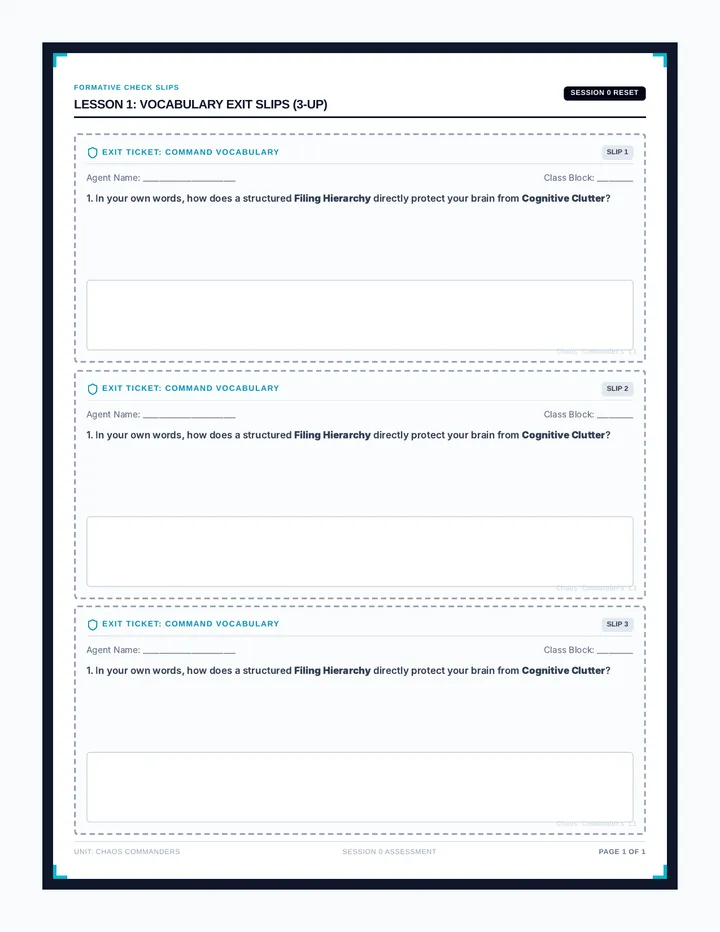
A five-part executive functioning sequence designed for middle schoolers to master foundational vocabulary, physical workspace organization, digital file hierarchies, afternoon time management, and project backward planning. Students self-assess, solve common organization dilemmas, and design concrete systems for schoolwork, lockers, and digital files.
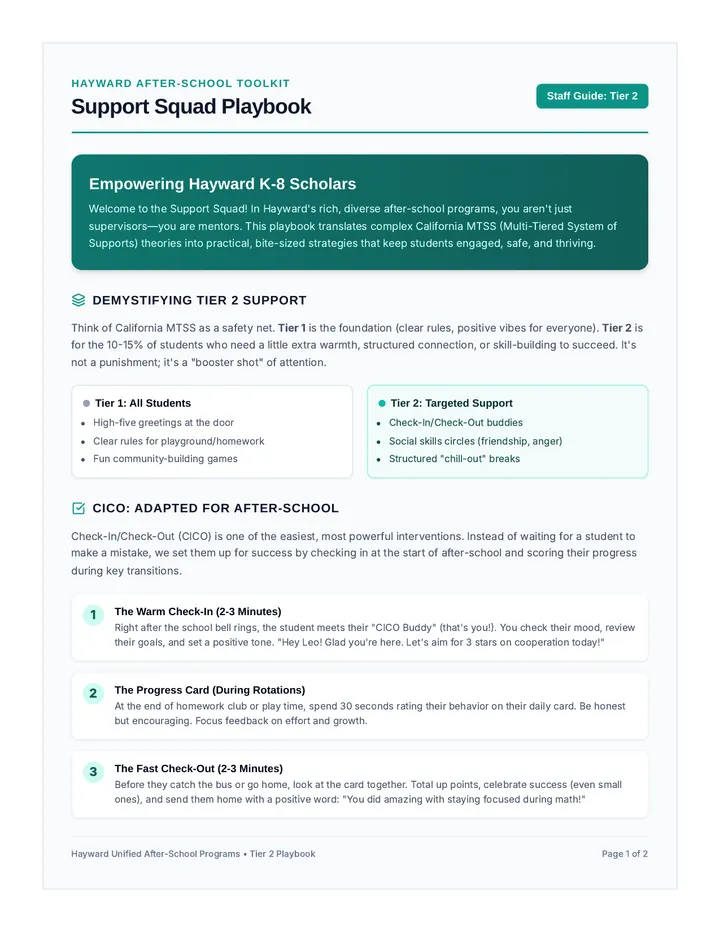
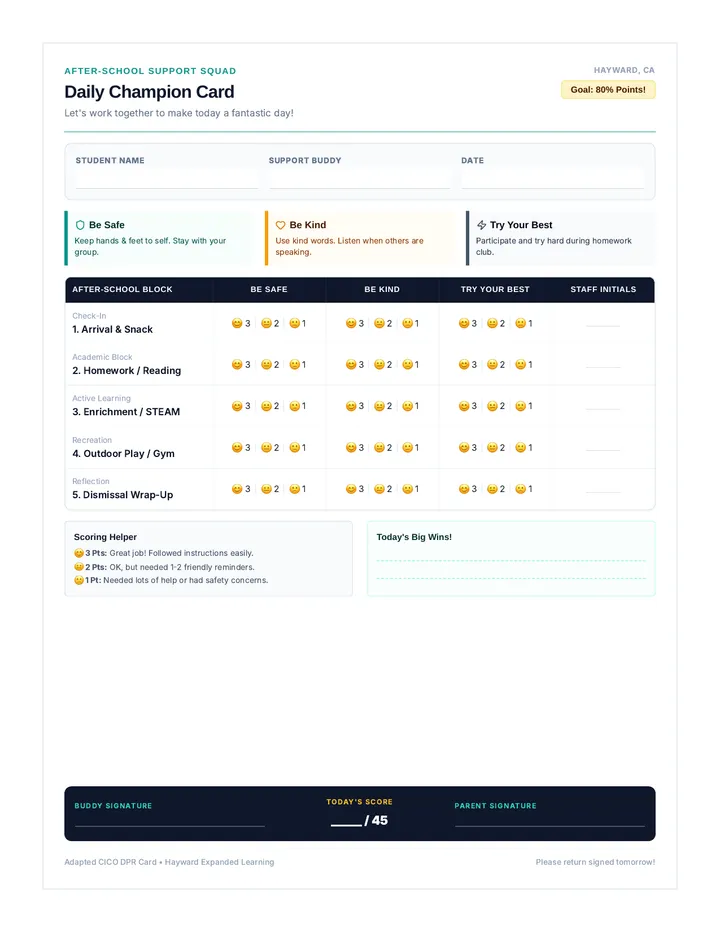
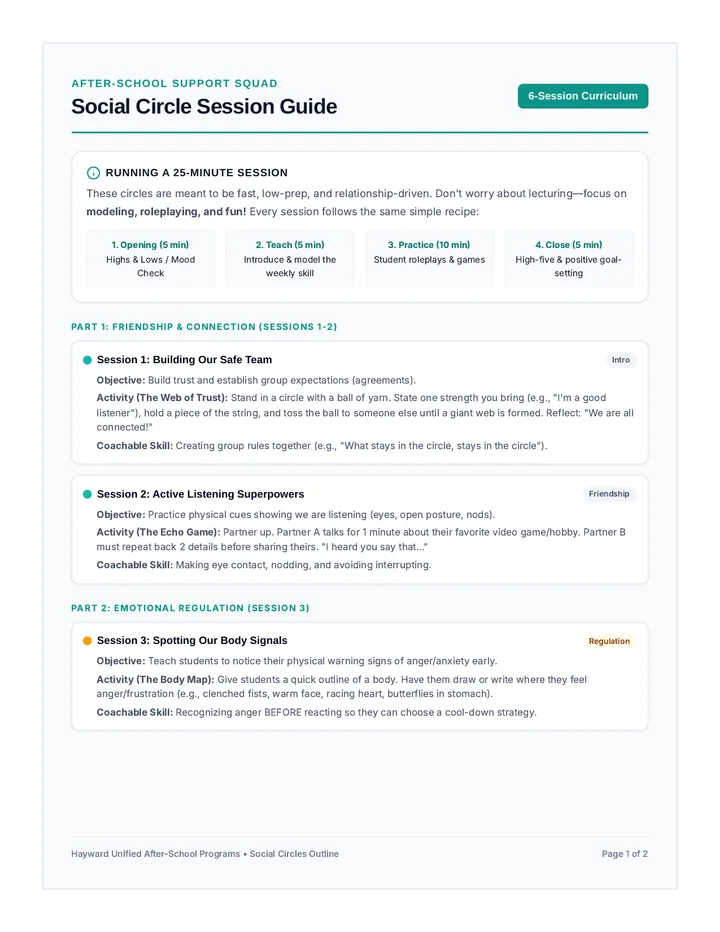
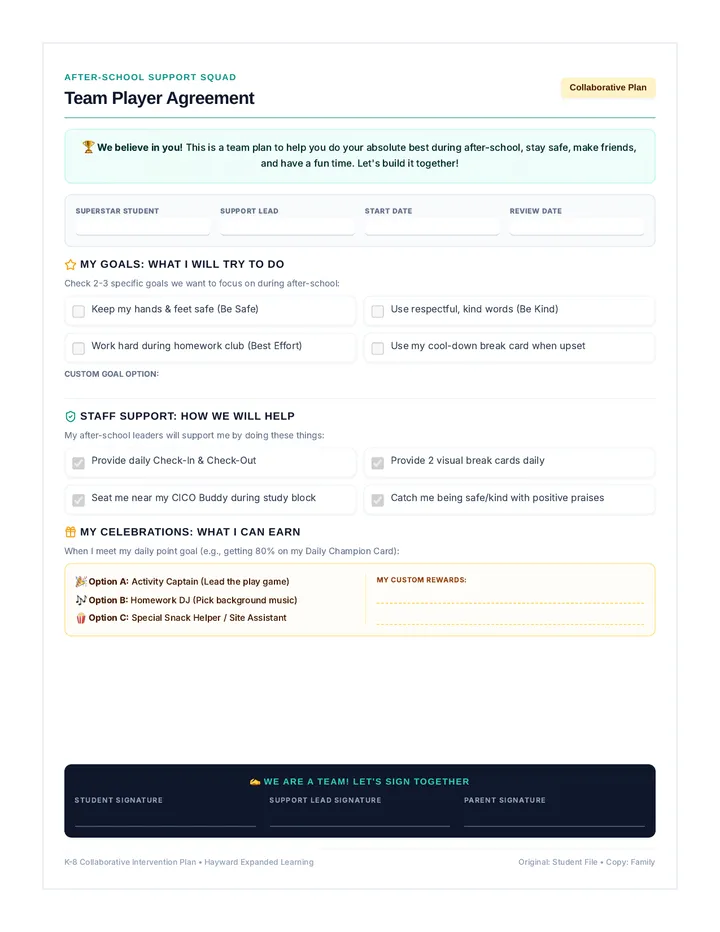
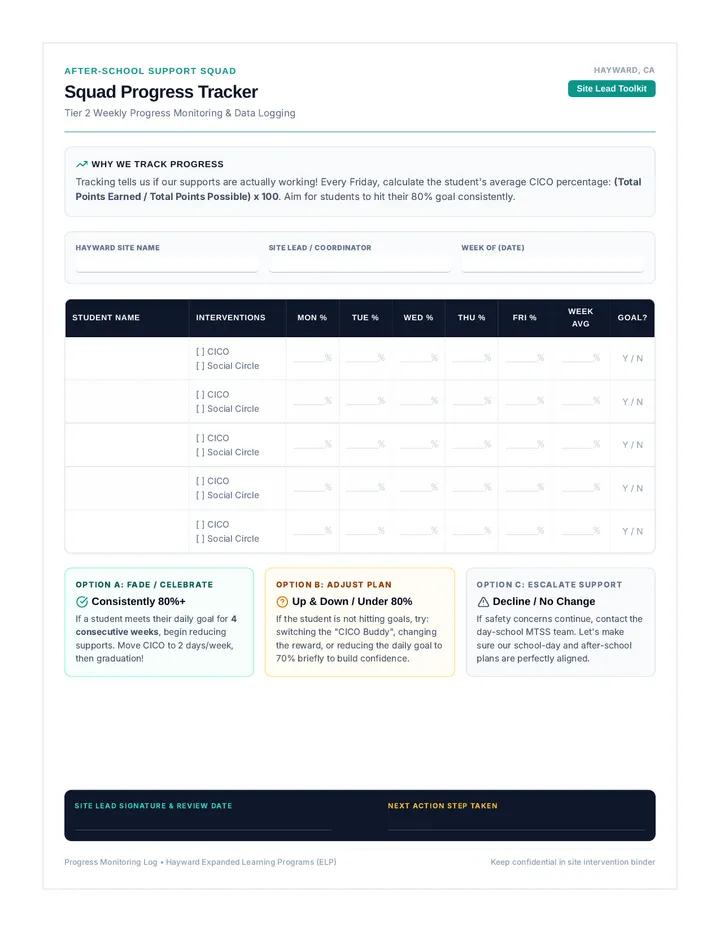
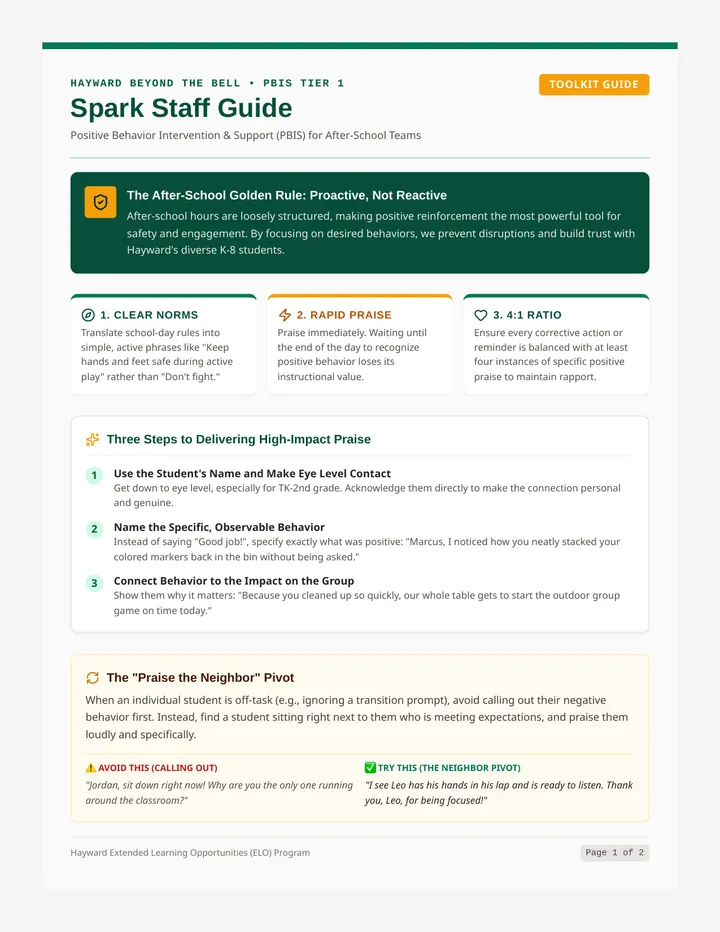
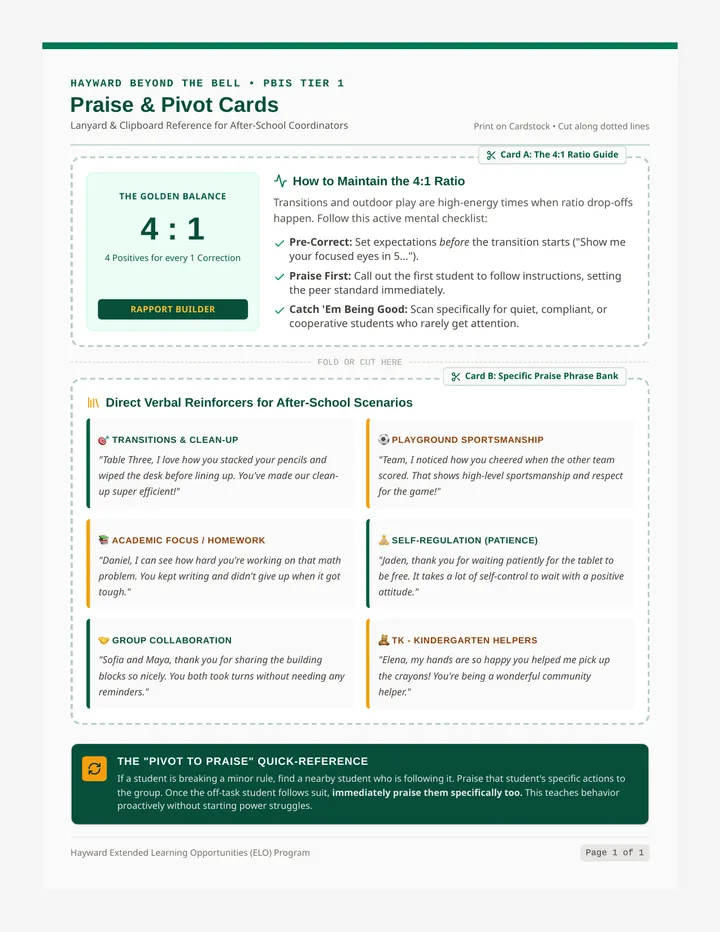
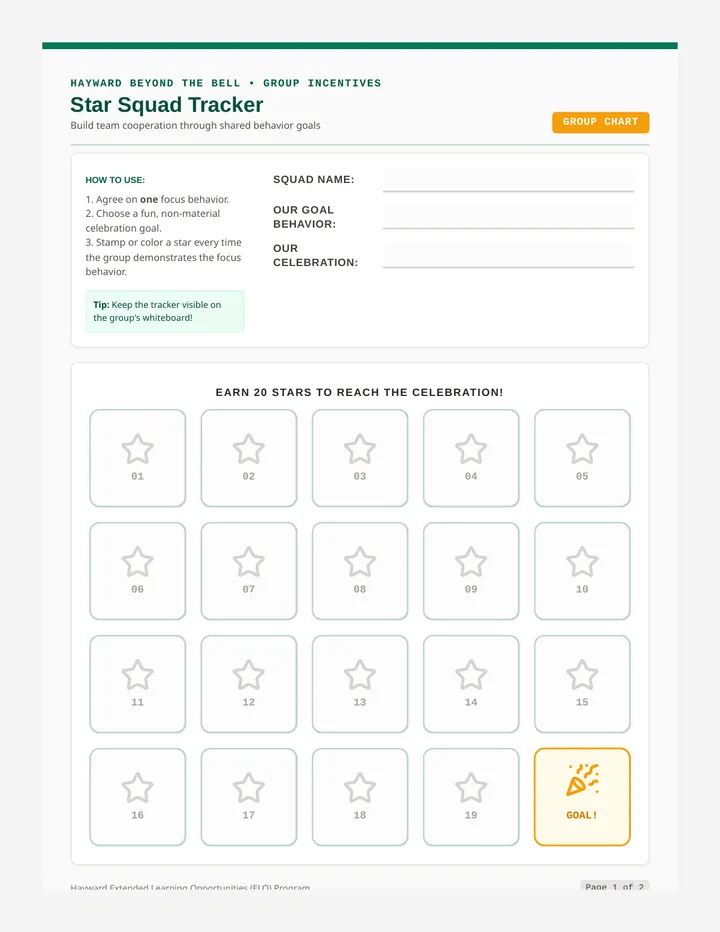
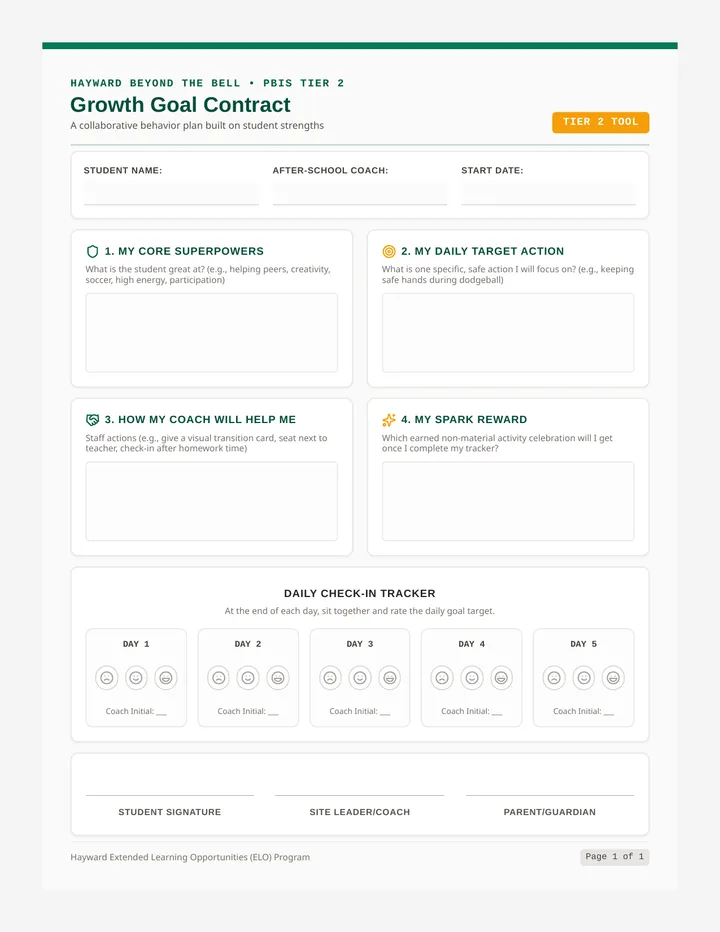
A comprehensive training and implementation toolkit designed for after-school staff, site leads, and paraprofessionals in Hayward, California. It covers Tier 2 MTSS support systems and provides actionable, ready-to-use templates for behavior interventions.
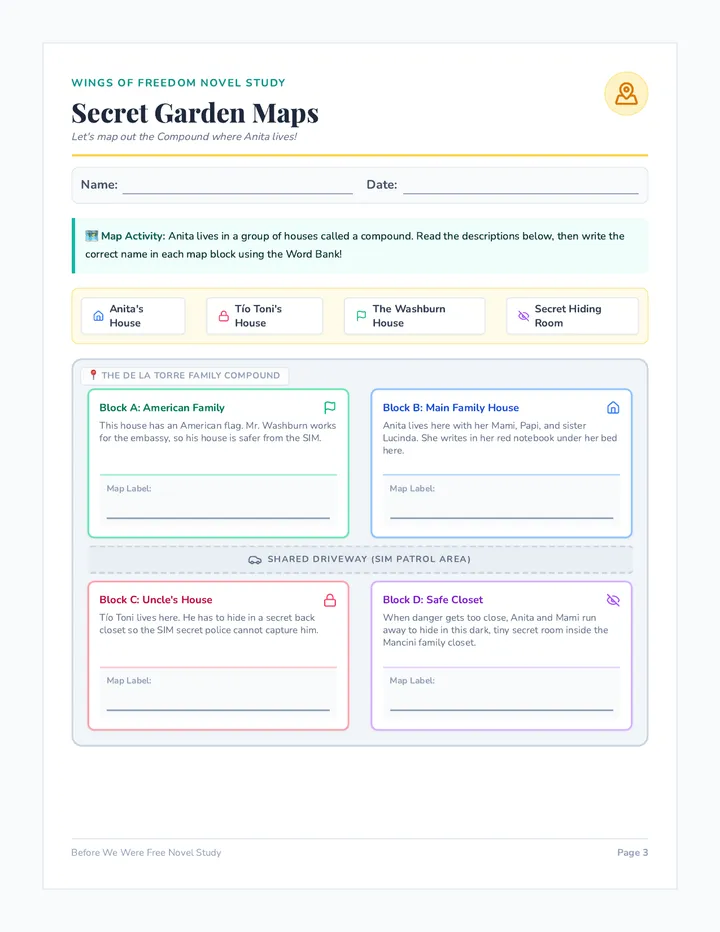
A 2-page hands-on packet featuring a simplified compound setting map activity to visualize locations and a scaffolded character trait web for Anita.
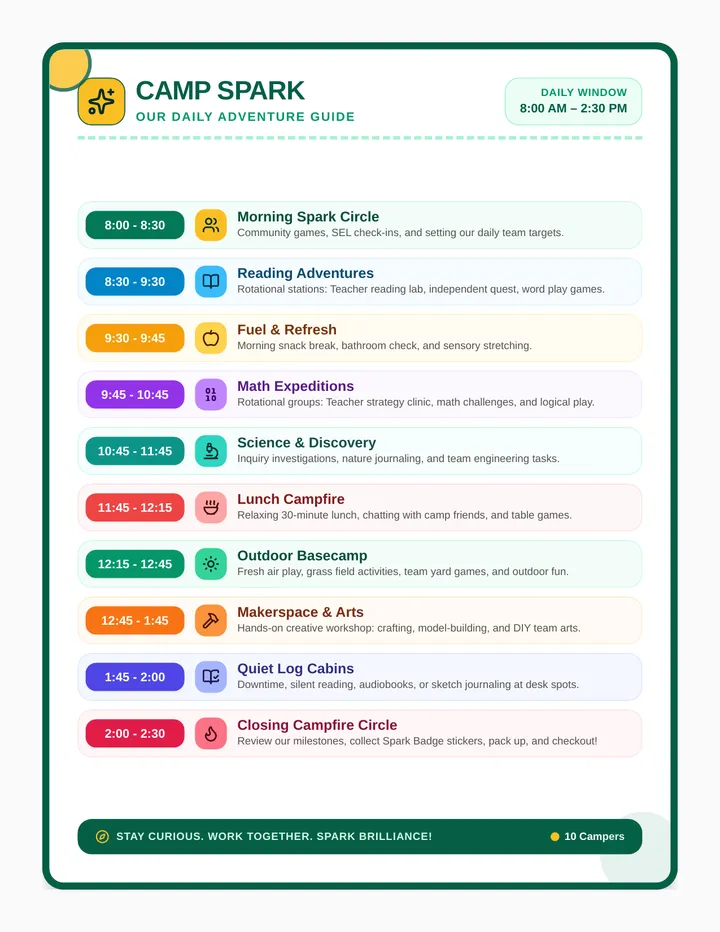
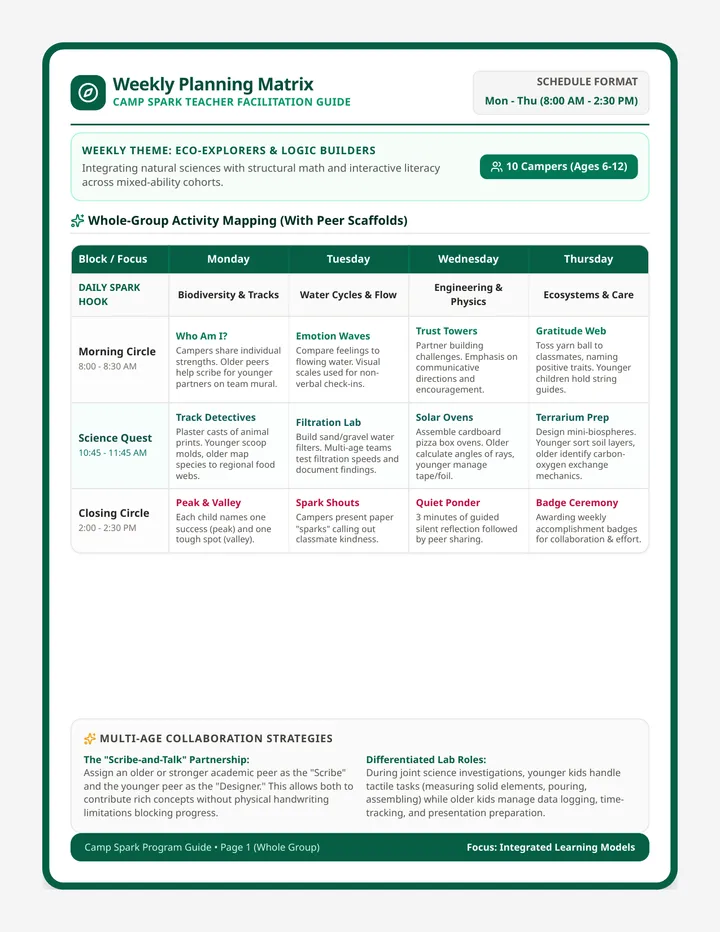
A 4-day summer school hub for a classroom of 10 mixed-age, mixed-ability students. It features a colorful visual schedule poster and a comprehensive weekly planning matrix utilizing a rotational station model.
A comprehensive positive reinforcement toolkit for after-school staff, site leads, and paraprofessionals working with K-8 students. This California PBIS-aligned resource provides evidence-based strategies, specific praise banks, group trackers, and individual contracts tailored for Hayward after-school environments.
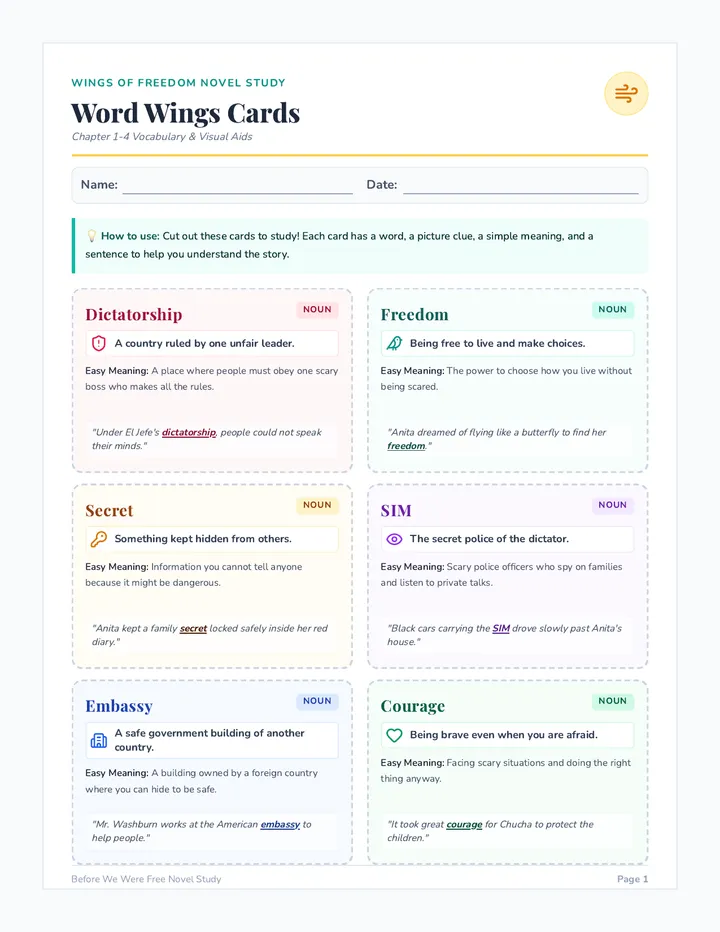
A 2-page vocabulary helper containing kid-friendly visual flashcards for key terms (like dictatorship, SIM, and freedom) and a scaffolded sentence-completion worksheet with word banks.