Robot Intonation Slides Robot vs. Human
How your voice changes the "Hidden Message" of your words.
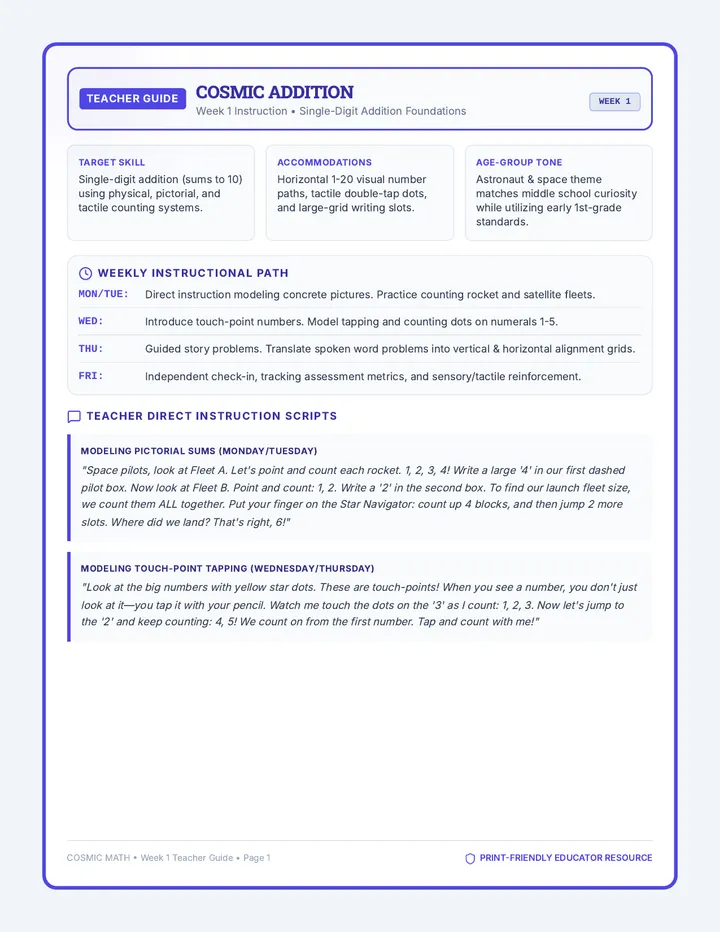
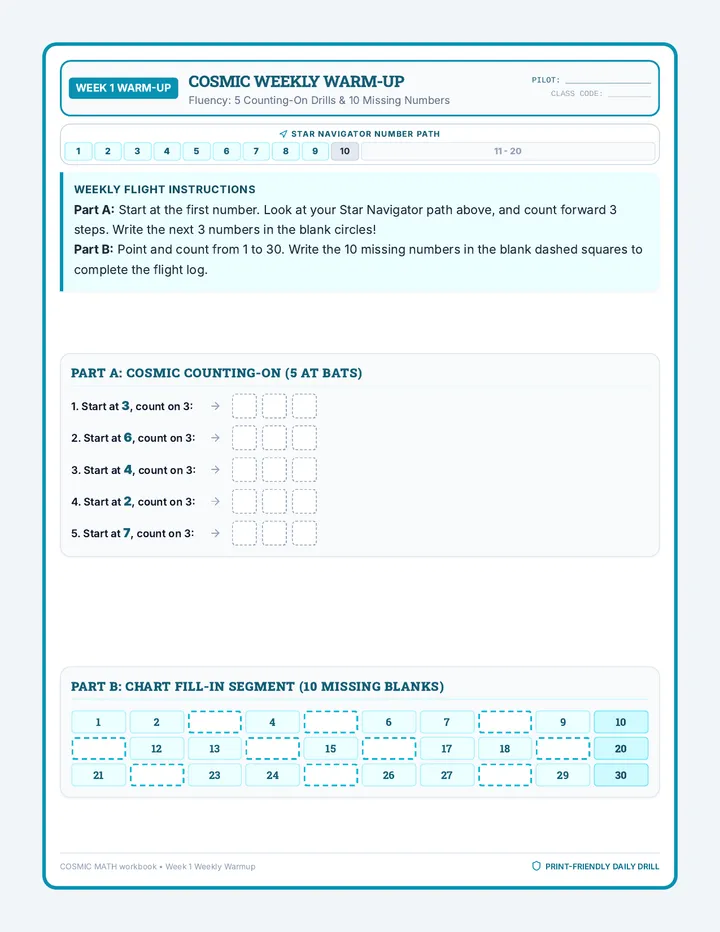
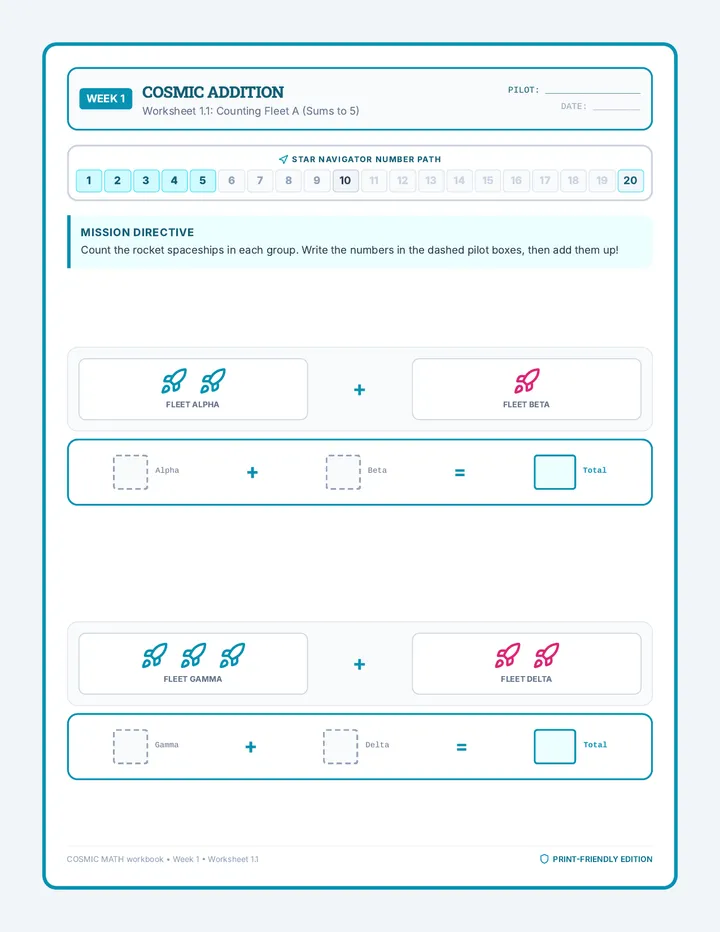
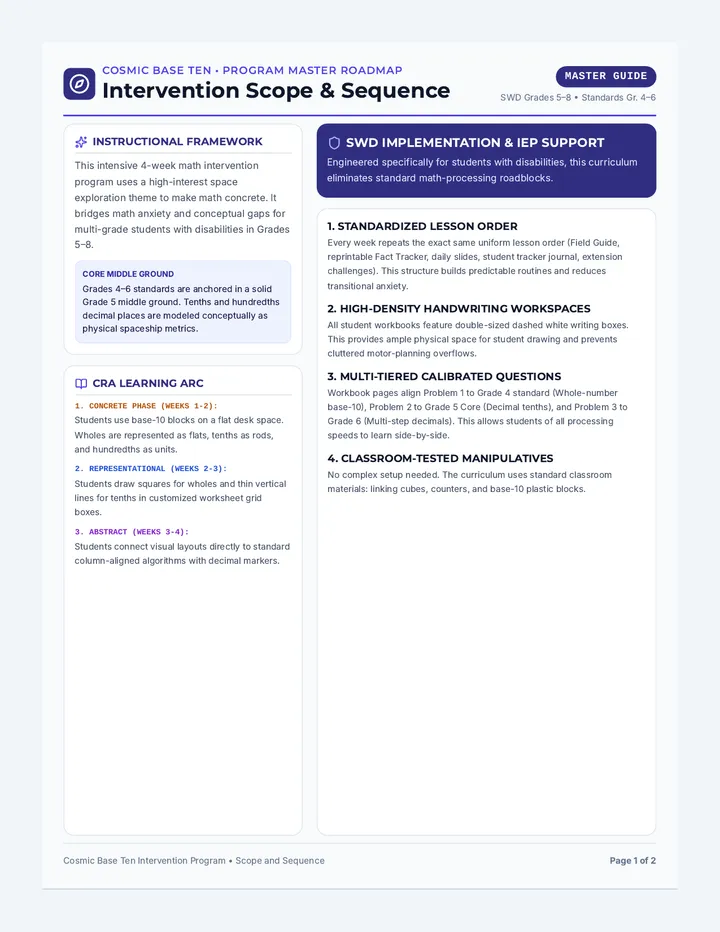
Social Signals Lesson 1
The "Really" Test
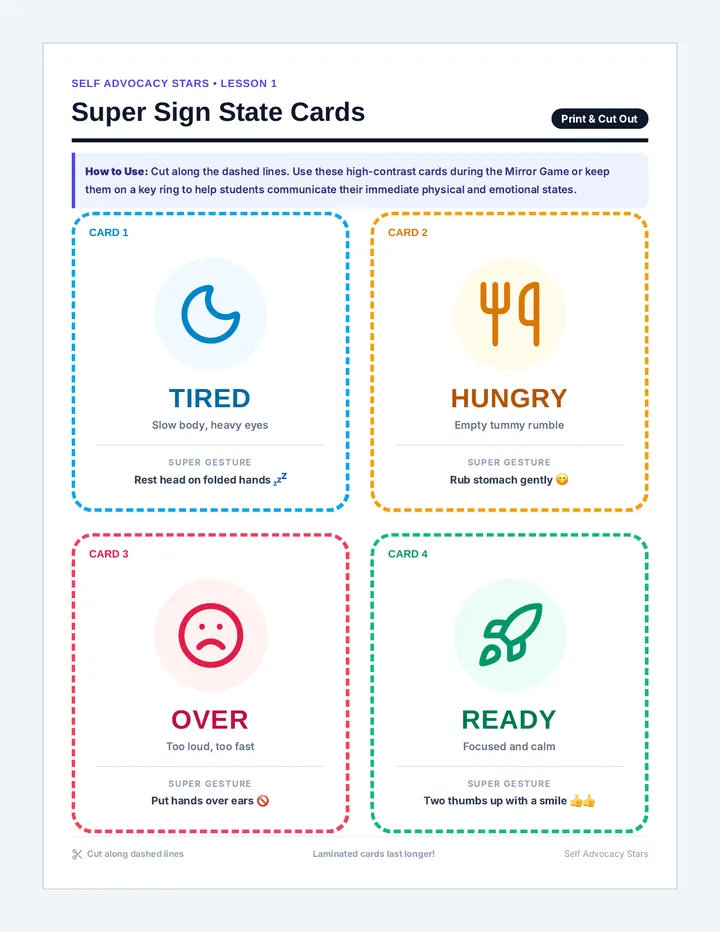
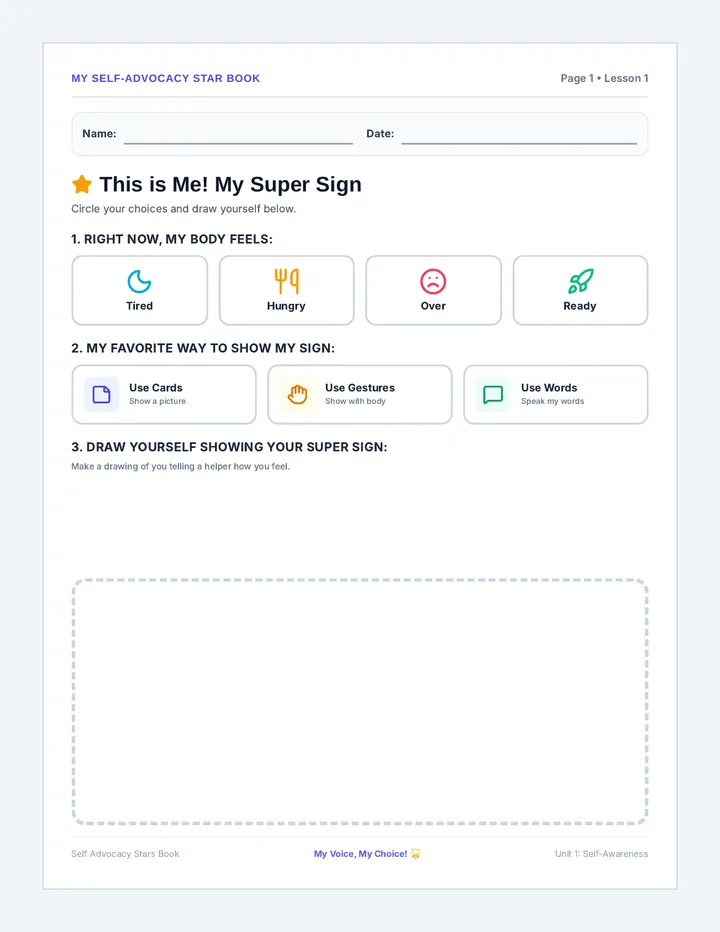
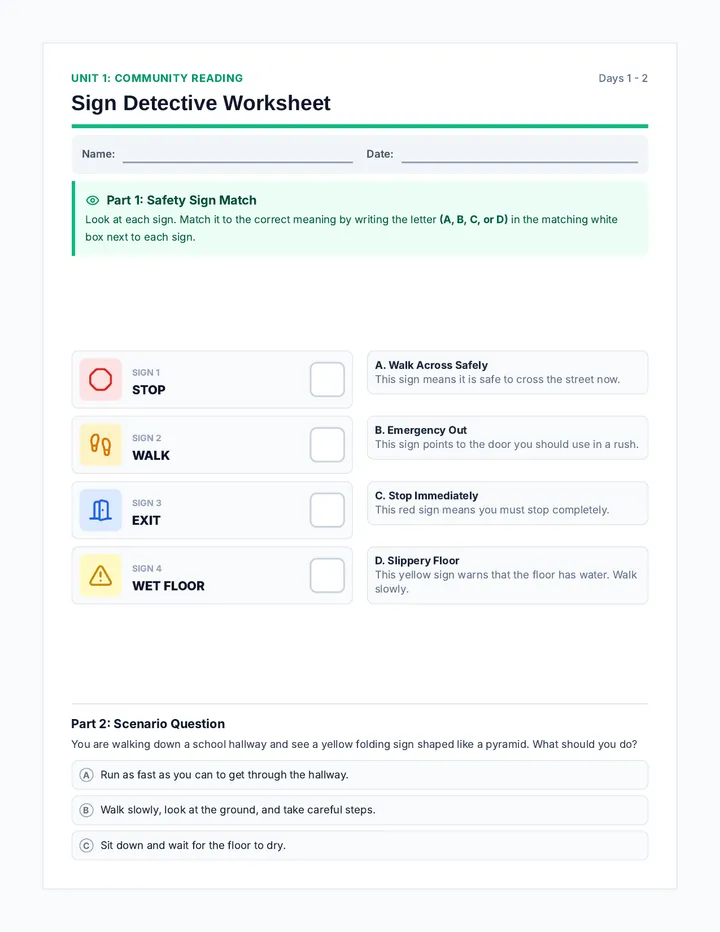
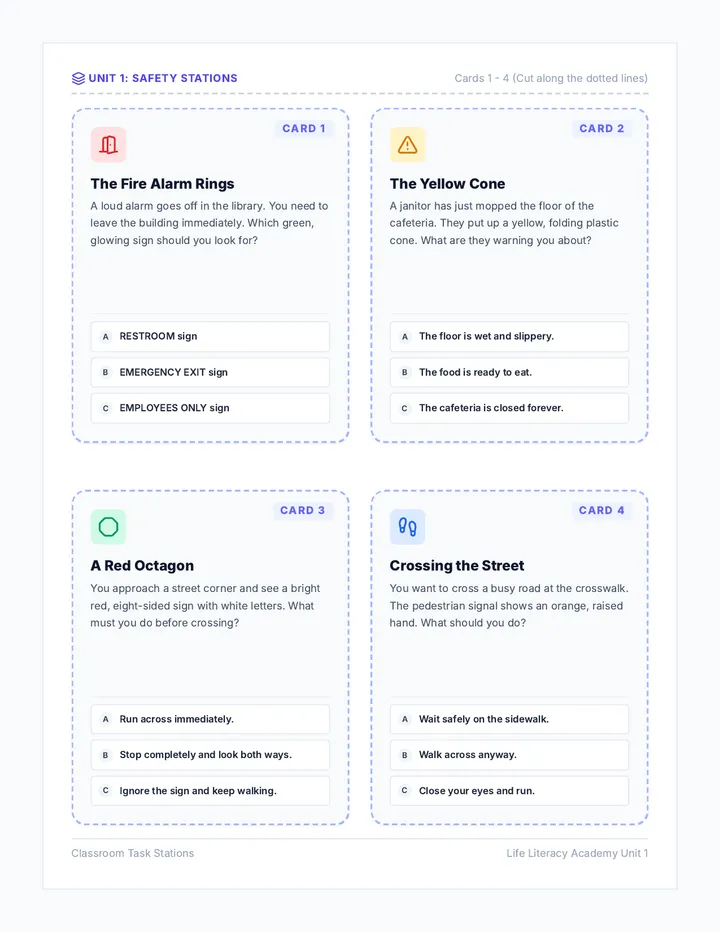
One word can mean many things depending on how you say it.
"Really?"
1
Excited & Happy
2
Doubtful / Not Sure
3
Annoyed / Angry
4
Sarcastic (The Twist)
Vocal Intonation
Pitch
How high or low your voice sounds.
Speed
How fast or slow you speak your words.
Emphasis
Which words or syllables you make "pop".
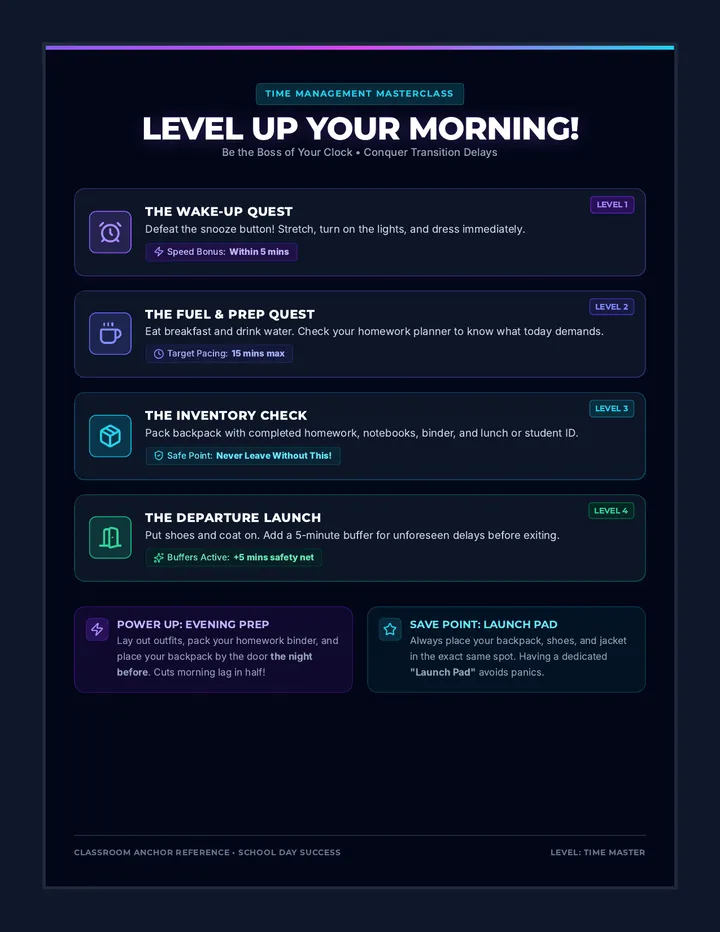
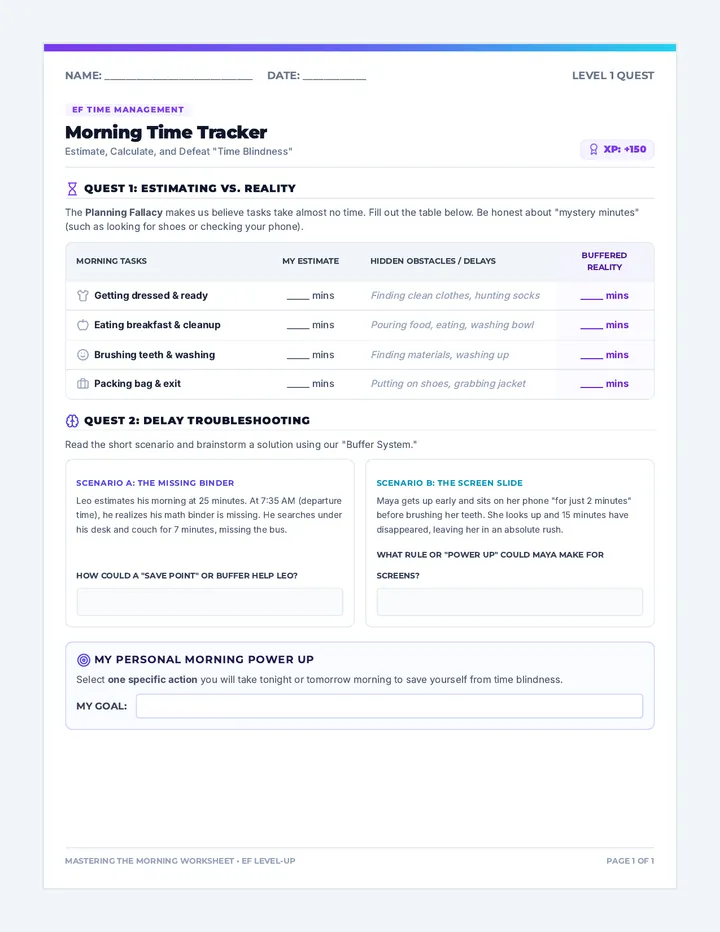
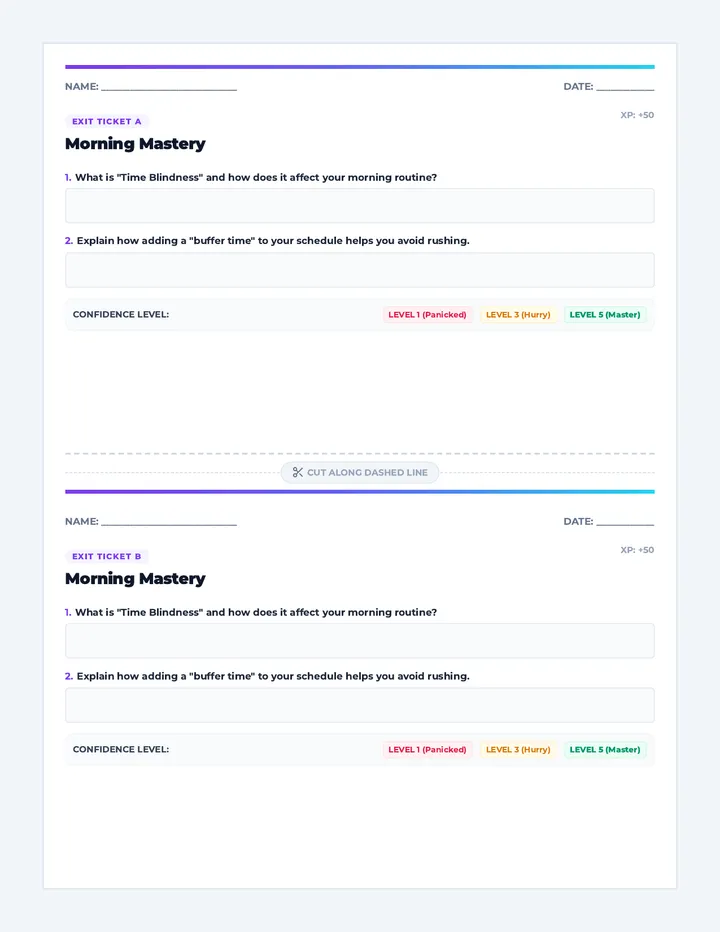
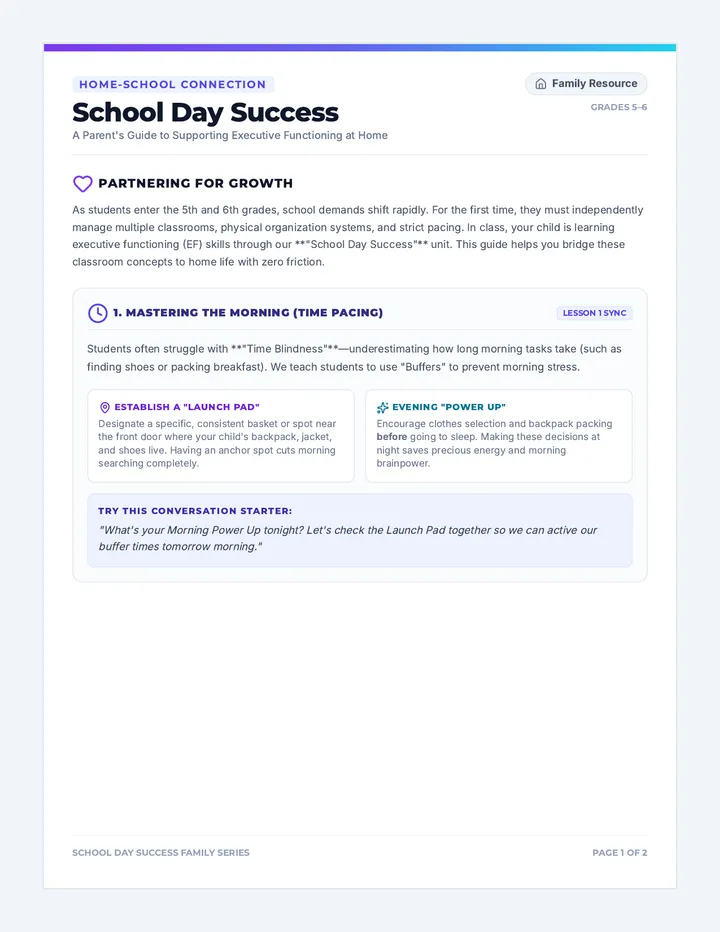
Robot Mode
STATUS: FLAT
"I. AM. VERY. HAPPY. TO. SEE. YOU."
No Intonation
"I am so happy to see you!"
Human Intonation
Your Mission
Complete the Robot Reset Worksheet . You will practice giving "flat" sentences a human soul—and then a sarcastic twist!
1
Read it Flat
2
Read it Sincere
3
Read it Sarcastic
Robot Reset Worksheet Robot Reset Challenge
Social Signals • Lesson 1: Vocal Intonation
Name
Date
Instructions
Below are sentences written for a Robot . Read them aloud three ways. After practicing with a partner, mark the box for the vocal signal you used to change the meaning from Sincere to Sarcastic.
"THAT IS A VERY COOL SHIRT."
Practice Modes
Sincere (You mean it!)
Sarcastic (The Hidden Message)
How did you change it? (Check all that apply)
Pitch up
Pitch down
Spoke slower
Spoke faster
Elongated a word (Coooooool)
"I AM SO EXCITED FOR THIS TEST."
Practice Modes
Sincere
Sarcastic
How did you change it?
Pitch up
Pitch down
Spoke slower
Spoke faster
Elongated a word
"OH WOW. WHAT A GREAT SURPRISE."
Practice Modes
Sincere
Sarcastic
How did you change it?
Pitch up
Pitch down
Spoke slower
Spoke faster
Elongated a word
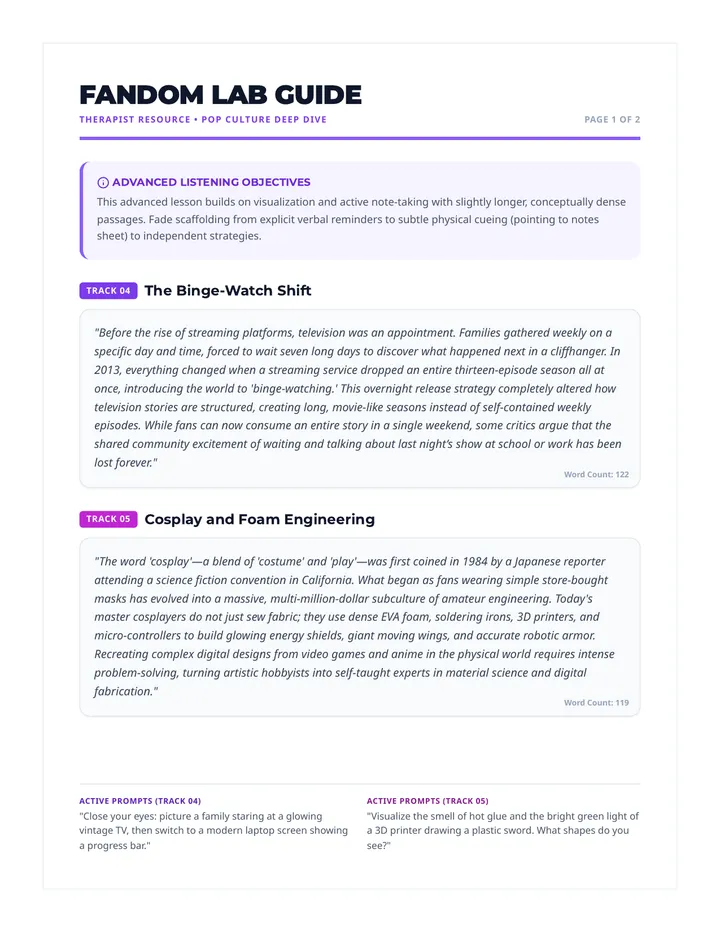
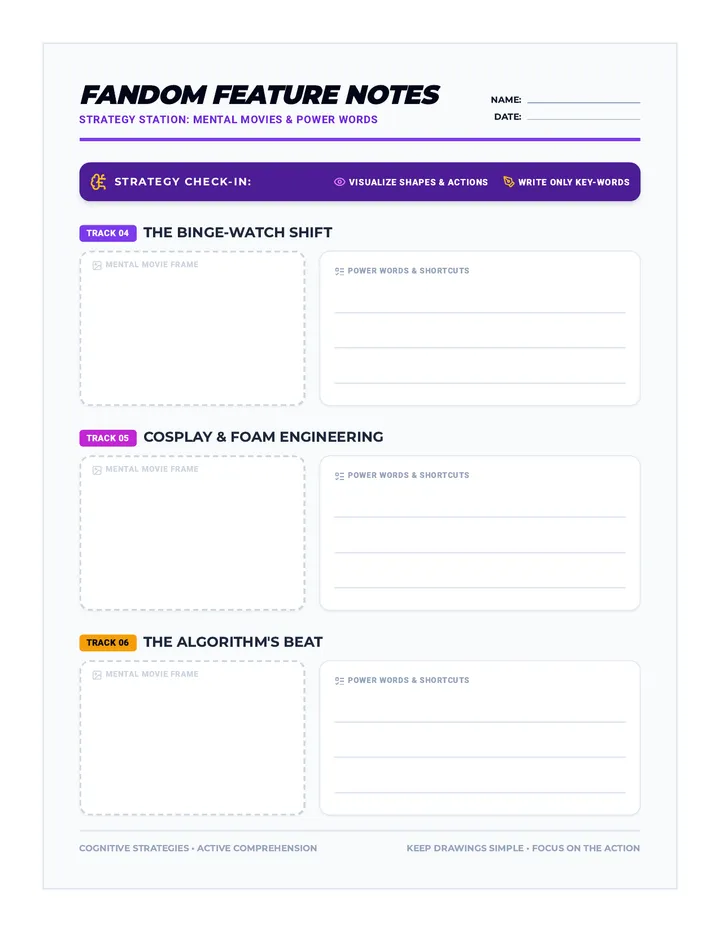
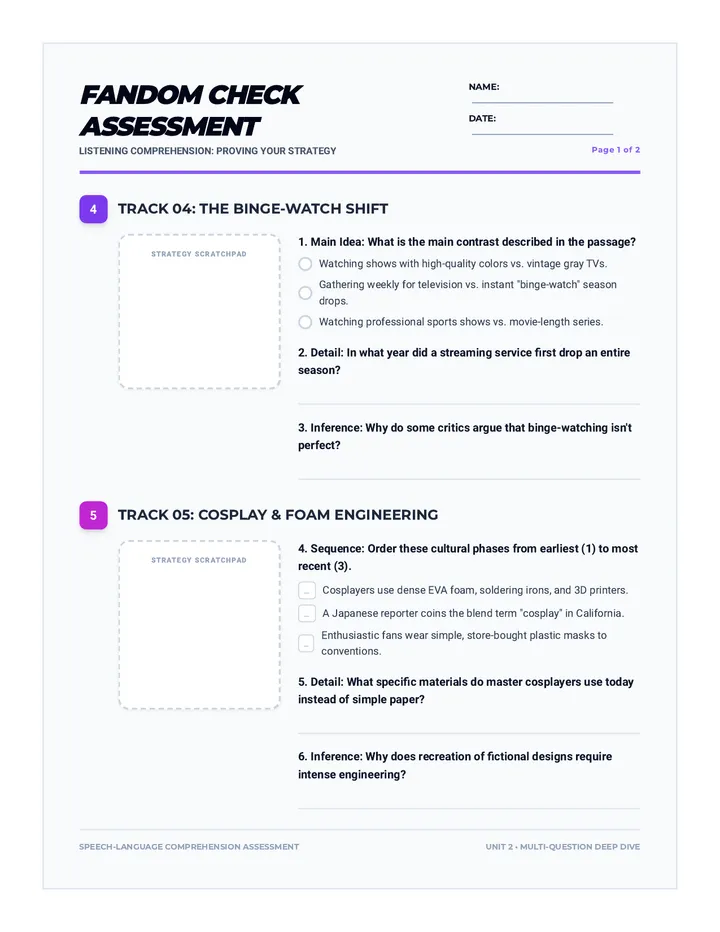
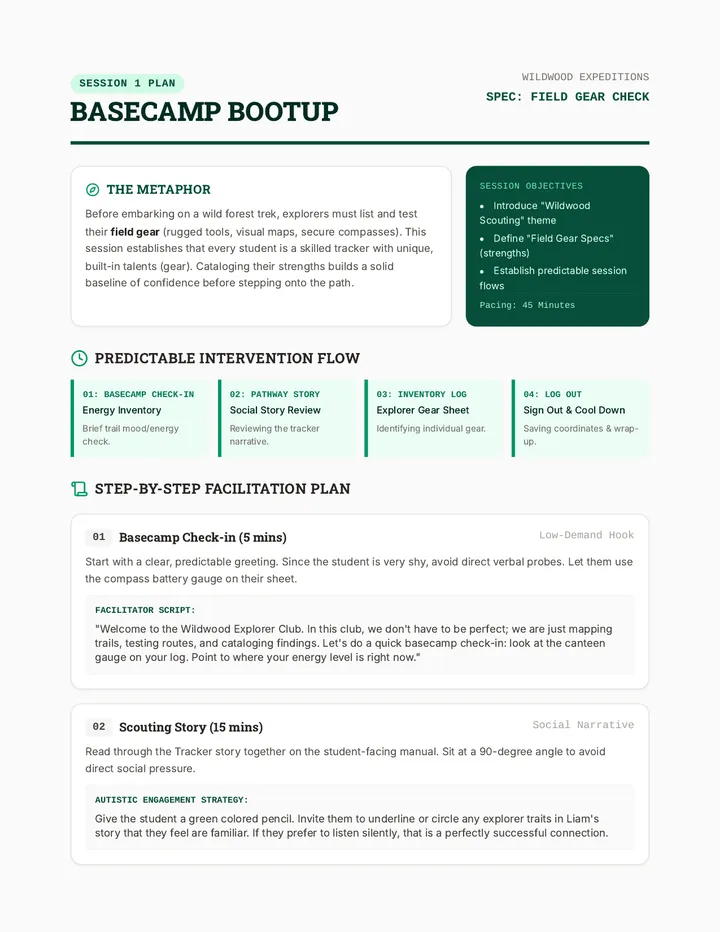
Detective Notes
When someone is being sarcastic, what usually happens to their voice? Describe the pattern you noticed.
Robot Intonation Teacher Guide Teacher Guide
Social Signals • Lesson 1: Robot vs. Human
45-60 Minutes
Learning Objectives
Students will define intonation and its role in social communication.
Students will identify three components of voice: Pitch, Speed, and Emphasis .
Students will demonstrate the ability to shift meaning by altering vocal delivery.
The Hook (5-10 mins)
Use a text-to-speech app (like Siri, Google Translate, or a dedicated "Robot Voice" site). Enter a sentence like: "I am so excited to be here at school today. It is my favorite place."
Play it for the class. Ask: "Do you believe this robot? Why or why not?" Lead them to the idea that the words say one thing, but the voice says... nothing.
Key Discussion Questions
"What happens to the 'Hidden Message' when we speak like a robot?"
Target answer: The meaning is flat or confusing; people can't tell how we feel.
"Why is 'Really?' a dangerous word in middle school?"
Target answer: Because it can be a question, a compliment, or a major insult depending on the tone.
Misconceptions
Some students with social communication challenges may struggle to hear the subtle pitch shift in sarcasm.
Strategy: Use visual aids (like a wavy line for sarcasm and a straight line for sincere) to represent the "shape" of the voice.
Vocal Cheat Sheet
Sincere Bouncy, Higher Pitch
Sarcastic Flat or Low Pitch, Slow
Robotic No movement
Facilitation Guide: Robot Reset
1
Direct Instruction (10 mins)
Use the Robot Intonation Slides to define Pitch, Speed, and Emphasis. Model the "Really" test several times. Have students echo you like a choir—first excited, then sarcastic.
2
Partner Practice (15 mins)
Hand out the Robot Reset Worksheet . Students must sit back-to-back with a partner. This forces them to focus only on the voice, removing facial cues (which we tackle in Lesson 2).
3
The "Voice Reveal" (10 mins)
Ask for volunteer pairs. One student reads a sentence from the worksheet and the class votes on whether it was "Sincere" or "Sarcastic". Discuss what specific cue gave it away (e.g., "They dragged out the word 'so' for three seconds").
Teacher Tip for Sarcasm
"Emphasize that sarcasm is often a pitch than a sincere comment. It sounds 'heavier' or 'flatter' than a happy voice."
Faces of Sarcasm Slides Faces of Sarcasm
When your face says "No" but your words say "Yes."
Social Signals Lesson 2
The Social "Glitch"
In a sincere conversation, the Face and the Voice match.
Happy Face
Happy Voice
SINCERE
In Sarcasm, they don't match. This is called Incongruence.
Angry/Bored Face
"Happy" Words
Sarcasm
The Visual Clues
Eye Rolling
Shows boredom or "Yeah, right."
😏
The Smirk
A one-sided smile that isn't real.
Deadpan
Zero expression on the face at all.
Tight Lips
Showing annoyance while saying nice things.
Trust the Face or the Words?
The Golden Rule
"When the face and words clash,
believe the FACE."
Words are easy to fake. Faces are much harder.
Sarcasm Decoder Cards Sarcasm Decoder Cards
Instructions: Cut these out. Match the Face with the Words to see if it's Sincere or Sarcastic.
😃
Expression
Big, Genuine Smile
"This cake is delicious!"
Sincere
🙄
Expression
Dramatic Eye Roll
"Wow, you're such a genius."
Sarcastic
😑
Expression
Deadpan / Bored Face
"I am so excited for this."
Sarcastic
🤯
Expression
Wide Eyes / Shocked
"I can't believe you did that!"
Sincere
😏
Expression
The Smirk
"Nice job on the haircut."
Sarcastic
🙌
Expression
Hands Up / High Energy
"This is the best day ever!"
Sincere
Create Your Own Glitch!
Draw Expression Here
Write Sentence Here
Draw Expression Here
Write Sentence Here
Sarcasm Detector Lab Slides The Sarcasm Detector Lab
Training your ears to hear the truth behind the words.
Social Signals Lesson 3
What do we listen for?
1. Stretching
"That's greaaaaat."
Holding out a word longer than usual usually signals sarcasm.
2. Heavy Punch
"Thanks a lot."
Adding extreme, heavy emphasis to one specific word.
3. The Downfall
"Wonderful." ↘️
The voice drops in pitch at the end of the sentence instead of rising.
Friend or Foe?
If you can't see their face, you have to rely 100% on their voice. Close your eyes for the next exercise.
UP = Sincere
DOWN = Sarcastic
Lab Procedure
1
Listen to the teacher's secret audio clip.
2
Mark your Sarcasm Lab Report immediately.
3
Write down WHY (The stretching? The drop? The punch?)
Sarcasm Lab Report Worksheet Sarcasm Lab Report
Social Signals Unit • Auditory Analysis Lab
Agent ID / Name
Trial #01 Audio Clip Analysis
Verdict:
SINCERE
SARCASTIC
Evidence Detected:
Word Stretching
Pitch Drop at End
Heavy Punch / Accent
Flat / Bored Tone
Analysis (Explain your choice):
Trial #02
Verdict:
SINCERE
SARCASTIC
Evidence Detected:
Word Stretching
Pitch Drop at End
Heavy Punch / Accent
Flat / Bored Tone
Analysis:
Trial #03
Verdict:
SINCERE
SARCASTIC
Evidence Detected:
Word Stretching
Pitch Drop at End
Heavy Punch / Accent
Flat / Bored Tone
Analysis:
Lab Conclusion
Based on your observations today, why is it harder to detect sarcasm when you are on the phone or texting compared to being in person?
Sarcasm or Lying Slides Sarcasm or Lying?
Both are "Not True"—but only one is a social signal.
Social Signals Lesson 4
It's all about Intent
Lying
The intent is to DECEIVE.
"You want the other person to think your lie is actually the truth."
Sarcasm
The intent is to SIGNAL.
"You want the other person to know you are NOT being serious."
Scenario Showdown
Scenario: You broke a lamp.
"I didn't do it. The dog must have knocked it over."
Truth or Deception?
Scenario: You broke a lamp.
"Yeah, I totally broke it. I'm a professional lamp-smasher now."
Sarcasm!
How do you know?
Sarcasm is usually obvious .
Lying tries to be believable .
Sarcasm usually has a joke or insult hidden inside.
🤥
😏
Truth or Twist?
In your groups, you will sort 10 social scenarios. Is the speaker trying to trick you, or are they sending a signal ?
Truth or Twist Sorter Worksheet Truth or Twist Sorter
Social Signals • Scenario Classification Activity
10
Scenarios
Scenario A
"I definitely remembered to do the homework. I just left it on my desk... at home... which is currently being painted."
Sarcasm
Lying
Scenario B
"Oh sure, I'd love to go jogging with you at 5:00 AM. That sounds like a magical experience."
Sarcasm
Lying
Scenario C
"No, I didn't eat the last cookie. I have no idea why there are chocolate crumbs on my shirt."
Sarcasm
Lying
Scenario D
"Great, the bus is late again. This is exactly how I wanted to start my Monday morning."
Sarcasm
Lying
The "Detection" Question
Think about Scenario B (The Jogging). If the person was actually lying to you, what would they have to change about their voice and their face?
Voice Changes:
Face Changes:
Script Master Worksheet Script Master Template
Social Signals • Lesson 5: Final Performance
Partner Names
The Dual-Meaning Challenge
Write a 3-line conversation between two friends. Your script must be written so it can be performed sincerely (they are happy) AND sarcastically (they are annoyed).
Character A
Dialogue
"Write words here..."
Character B
Dialogue
Character A
Dialogue
Performance A: Sincere
Face Plan:
Voice Plan (Pitch/Speed):
Performance B: Sarcastic
Face Plan:
Voice Plan (Pitch/Speed):
Social Signals Mastery Check Assessment Social Signals Mastery Check
Can you decode the hidden messages in a crowd?
Name
Date
Score: ___ / 10
1 Visual Decoding
Match the sarcastic signal to its hidden meaning.
1. Eye Roll
A. "I'm pretending to be happy but I'm not."
2. One-Sided Smirk
B. "I am bored or think this is ridiculous."
3. Deadpan (No Expression)
C. "I'm making a joke that sounds serious."
2 Scenario Analysis
"Someone trips and falls. A bystander says: Oh, you are so graceful."
What is the intent of this speaker?
To lie so the person feels better
To use sarcasm to point out the mistake
"You ask if a movie was good. They say: It was the best two hours of my life... since I had my tooth pulled."
Why is this sarcasm and NOT a lie?
The Detection Rule
Complete the rule we learned in class:
"When a person's ________ and ________ do not match their words, you should always believe their ________."