Inclusive Learning Checklist
Neurodivergent Adaptations
Practical strategies for inclusive learning environments
Provide visual examples and written instructions for all activities and movement patterns.
Allow students to participate in movement demonstrations seated or standing.
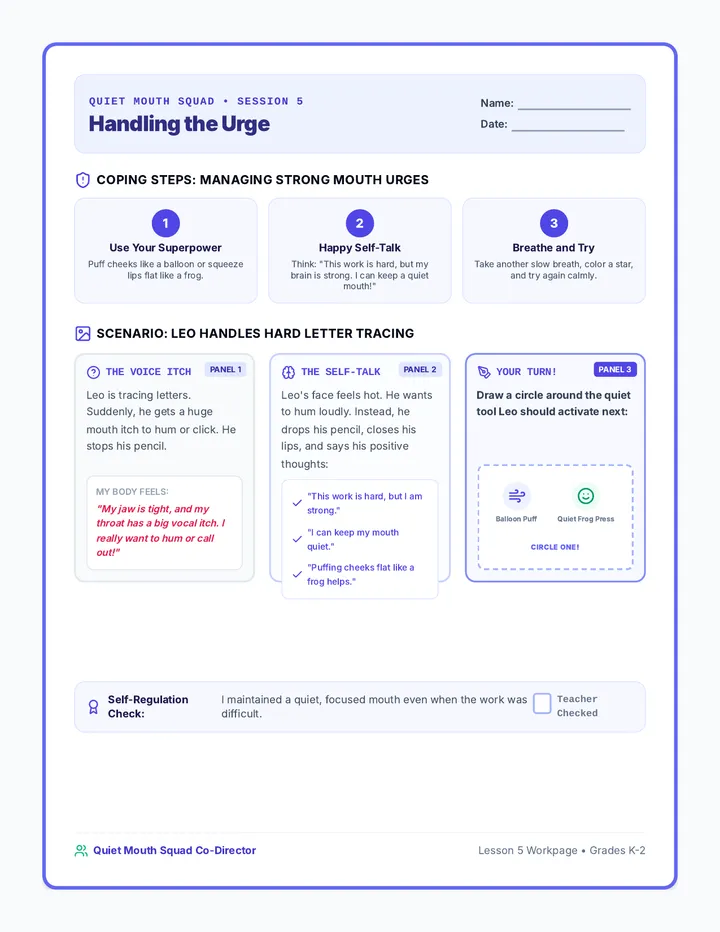
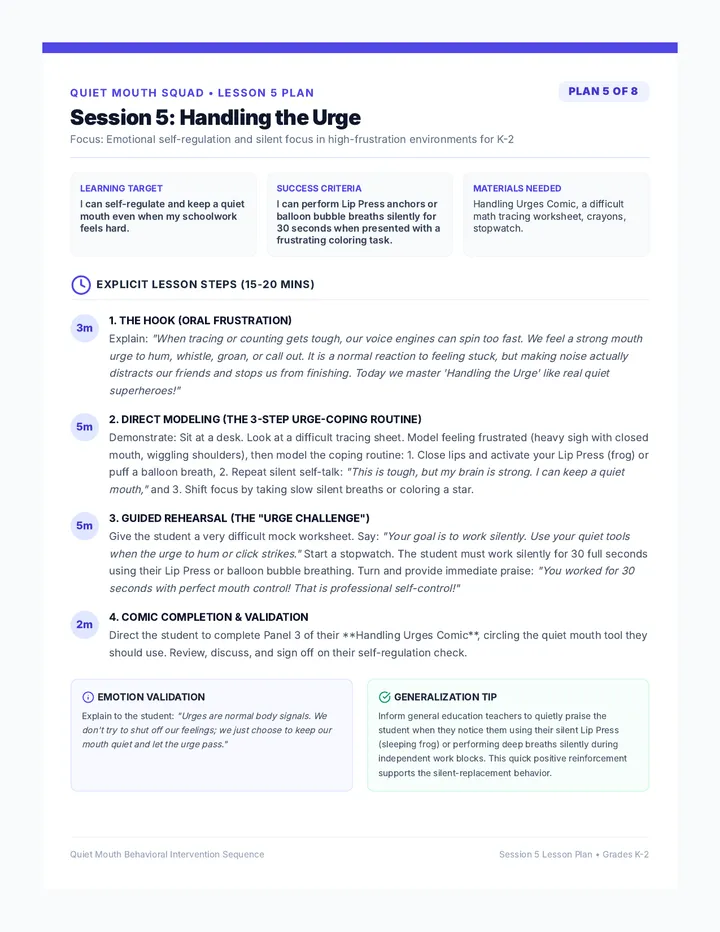
Break activities into smaller steps with one instruction at a time.
Use predictable session structure and preview transitions between modules.
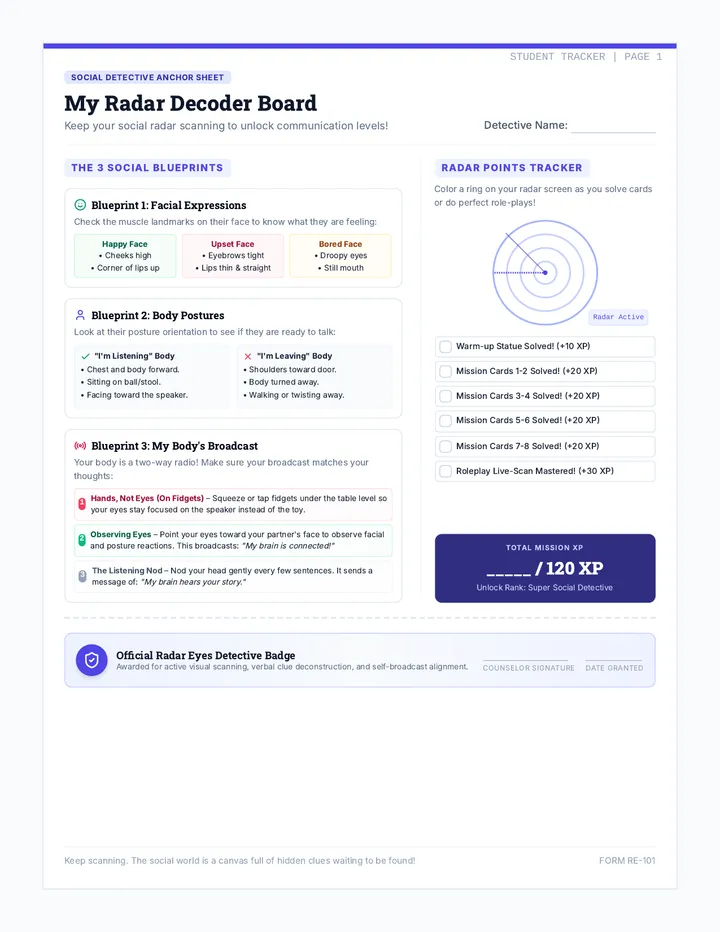
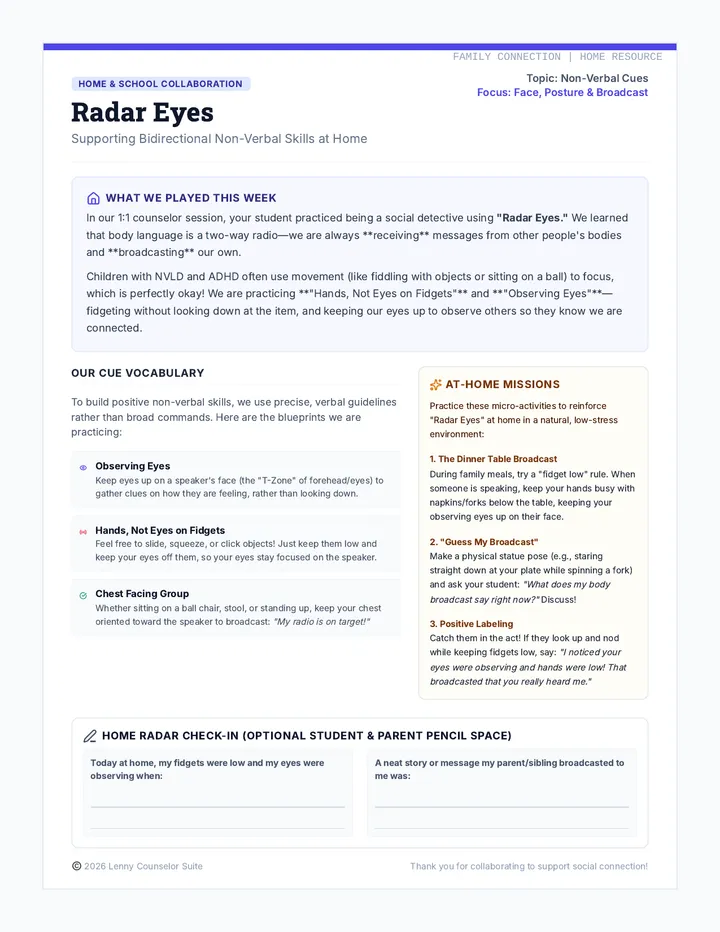
Offer fidget tools or movement breaks during discussion portions.
Allow extra processing time before calling on participants to respond.
Pair verbal explanations with visuals from the slides and workbook.
Encourage participants to choose preferred foods and movement options instead of “perfect” choices.
Use non-judgmental language focused on energy and function rather than appearance.
Provide alternatives for sensory sensitivities related to food textures, smells, or physical movement.
Allow independent, partner, or small-group completion of worksheet activities.
“Inclusive design is not a luxury, it is a prerequisite for equity and belonging.”