ELA Present Level Samples Resource
ELA PLAAFP Toolkit
Comprehension & Writing Structure
Teacher
Manual
How to Use These Samples
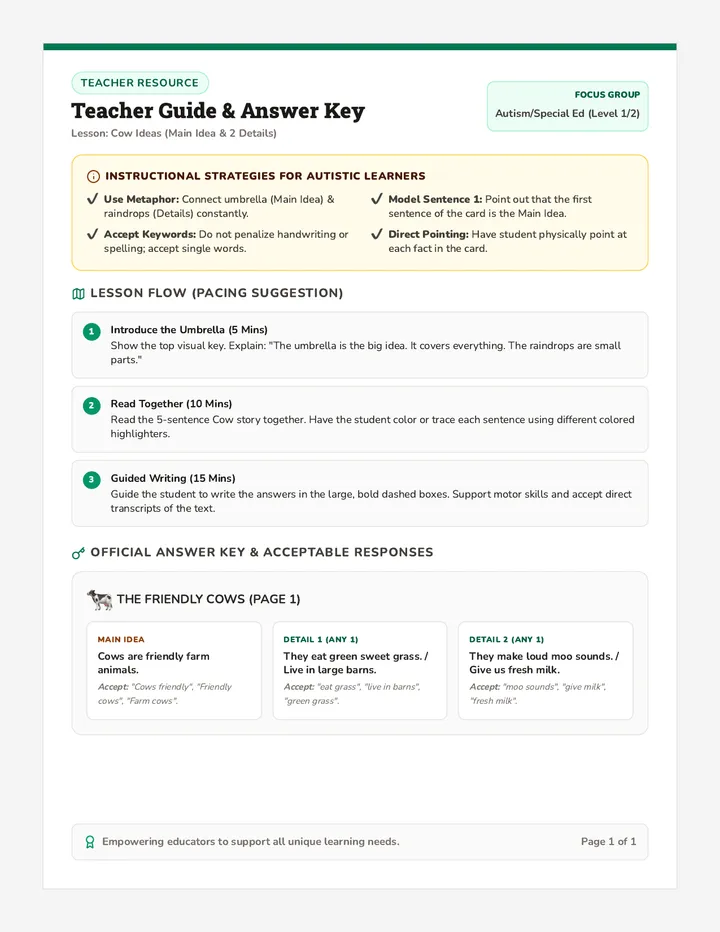
These Present Level samples are designed for students who require significant scaffolding in reading and writing. Combine elements to match the student's unique needs. Ensure you replace [Student Name] and bracketed data points with current baseline evidence.
Sample 1: Strategy-Driven Comprehension
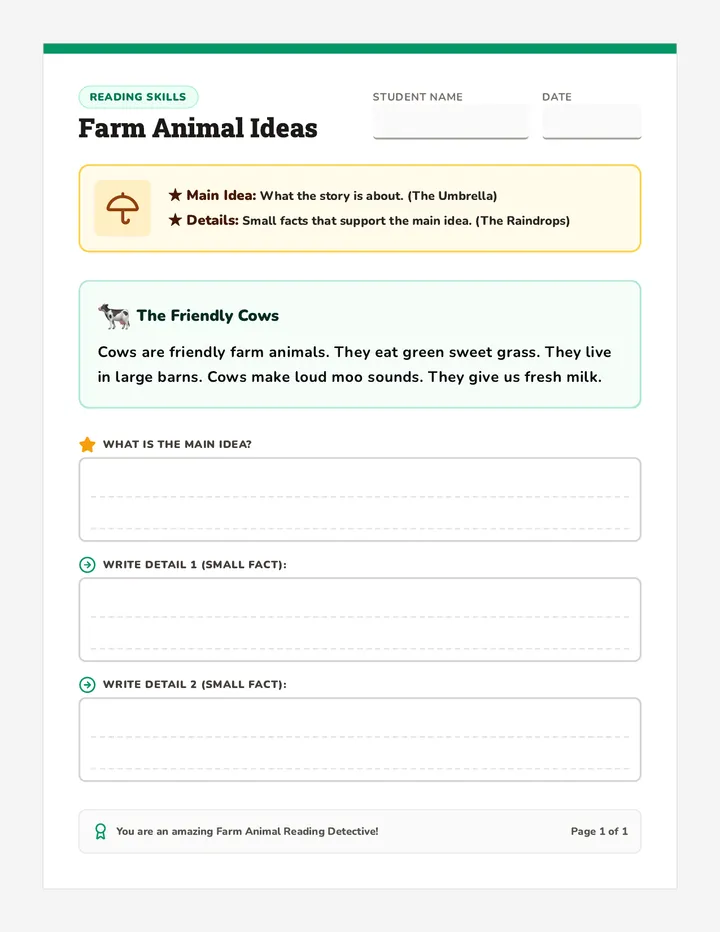
"[Student Name] demonstrates emerging proficiency in reading comprehension but currently requires intensive supports to access grade-level ELA curriculum. When reading informational and literary texts, they are most successful when the material is chunked into smaller, manageable sections (e.g., 1-2 paragraphs at a time). To monitor understanding, [Student Name] utilizes annotation strategies, such as highlighting key details and circling unknown vocabulary, though they require frequent teacher prompting. Without scaffolds and graphic organizers, they struggle to identify the central idea independently. Currently, with a pre-filled graphic organizer, [Student Name] can identify [X] out of [Y] key details in a grade-level text with [XX]% accuracy."
Sample 2: Writing & Complete Thoughts
"In the area of written expression, [Student Name] generates ideas related to a prompt but struggles with paragraph structure and maintaining complete thoughts. Independent writing often consists of fragmented sentences that lack clear transitions. However, when provided with sentence starters and structured writing frames, [Student Name] is able to organize their ideas into cohesive 3-5 sentence paragraphs. They rely on these scaffolds to initiate the writing process and ensure each sentence includes a clear subject and predicate. Currently, when using a 'Sentence-to-Paragraph' checklist, they produce work that stays on topic with [XX]% accuracy."
Compliance Tip
Always link the Present Levels directly to the student's upcoming IEP goals. If you mention graphic organizers here, ensure there is a corresponding goal or accommodation for using them in the classroom.
Sample 3: Integrated Literacy Support
"[Student Name] is making progress in their ability to bridge the gap between reading comprehension and written output. In reading, they benefit from explicit modeling of annotation techniques and 'Read-Stop-Annotate' protocols. While they can identify literal details, they require a graphic organizer to make deeper inferences. This difficulty in processing complex text translates to writing; [Student Name] often omits critical information when summarizing. By using chunked text and sentence starters that link directly to their annotations, they have increased output from single-word responses to complete sentences. Ongoing use of structured outlines is necessary to help [Student Name] maintain flow."
Instructional Scaffolds Guide
Key supports referenced in the samples above
Text Chunking
Presenting text in smaller sections to manage cognitive load and improve focus.
Sentence Starters
Providing the start of a response to help initiate writing and model syntax.
Active Annotation
Physical markings used to identify key information and track comprehension.
Graphic Organizers
Visual structures used to categorize reading evidence and plan writing.
Checklist
- Name Updated
- Baseline Data Included
- Linked to Goals
Implementation Notes