A comprehensive 60-minute lesson for K-5 special education students exploring the pumpkin life cycle through slides, stories, sorting activities, and hands-on worksheets. Students will learn the journey from a tiny seed to a big orange pumpkin.
An evidence-based training program targeting letter reversals in upper elementary students, incorporating Trace-Copy-Cover-Closed and spatial-motor anchors.
A gamified behavior tracking and support system designed to structure unstructured school times like recess, lunch, and snack. It includes a weekly AM/PM point-tracking chart and a goal-setting setup guide to promote positive peer interactions, safe play, and self-regulation.
A special education lesson designed to teach students with low cognitive abilities how to estimate and understand task durations (quick vs. long tasks) using highly visual, interactive, and structured activities.
An advanced data reflection and tracking module for educational leaders to systematically assess grade-level performance and plan organizational next steps.
A structured, high-visual lesson designed for students with autism to practice 3-step sequencing using different animal life cycles. Includes printable worksheets with matching card designs.
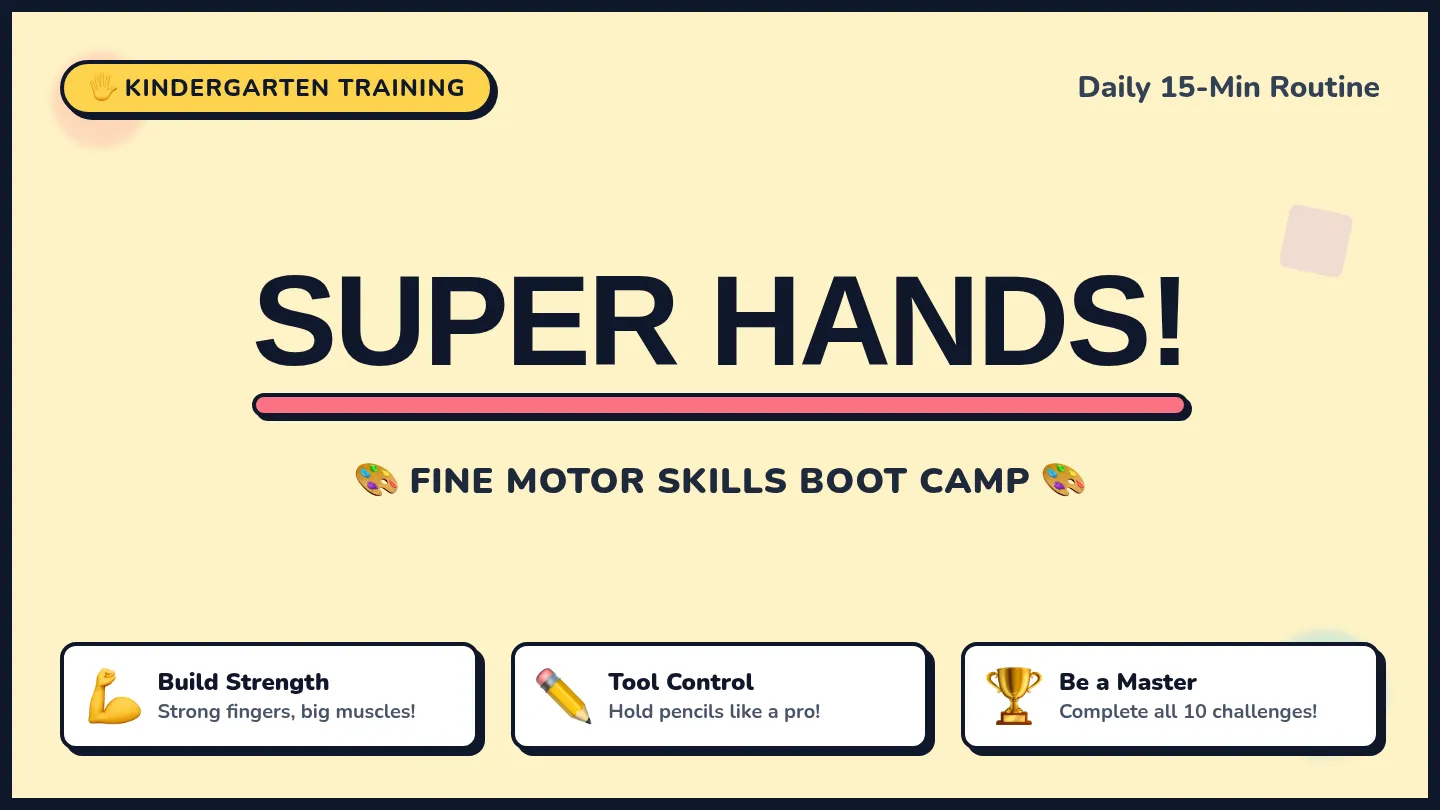
A comprehensive transition program designed for rising kindergarteners with no prior preschool experience, focusing on essential fine motor, ELA, math, and social-emotional skills. This lesson includes parent guidance and hands-on, highly-visual student workbooks themed around a fun woodland forest adventure.
A highly visual and scaffolded sight word lesson focusing on Fry Words 225-250. Includes a multi-page student practice packet with picture clues and a complete teacher answer key and assessment guide.
A highly visual, color-coded math lesson introducing mean, median, mode, and range to IEP students using adorable pet shelter statistics. Highly structured layout with minimal text density and supportive visual cues.
A grammar assessment designed for middle school students in a self-contained classroom reading at a first-grade level. The quiz covers past-tense verbs, common/proper nouns, singular/plural nouns, and identifying parts of speech (noun, verb, adjective) in simple context, complete with a teacher answer key.
A structured visual and narrative routine designed to support a kindergarten student with severe special needs in riding the bus safely. Features a dedicated monitor read-aloud script and highly focused, large-format visual cue cards.
A structured, visual-first conversational game designed for speech therapists, special education teachers, and paraprofessionals to support low-cognitive students with Autism Spectrum Disorder (ASD). The lesson uses a concrete train-track motif to scaffold three essential conversational skills: sharing matching interests, relating to topics, and extending dialogue.
A 5-day summer occupational therapy program for 4th and 5th graders themed around a 'Secret Agent Academy'. It focuses on fine motor precision, finger dexterity, pencil control, and handwriting alignment through highly engaging, covert missions.
A comprehensive mixed-CVC decoding intervention sequence targeting all five short vowel sounds. Includes student-facing tracking worksheets and a detailed teacher facilitation guide with error correction routines and a progress tracking rubric.
A modified, highly visual math lesson on Mean, Median, Mode, and Range tailored for IEP students. Features visual anchor charts with picture symbols, step-by-step color-coded graphic organizers, task cards with hands-on counting counters, and highly scaffolded worksheets.
An active, high-engagement brain training session designed for small groups of Grade 2 boys to strengthen focus, active listening, and impulse control through physical finger-tracing exercises, cooperative sequencing games, and reflections on space bubbles and friendly shield words.
A detailed literary exploration of Chapters 6-10 of Natalie Babbitt's Tuck Everlasting. Students analyze Winnie's reactions to the Tucks' messy, timeless lifestyle compared to her own orderly home, focusing on her growing internal choices and the concept of living outside the wheel of life.
A literary investigation of the prologue through chapter 5 of Natalie Babbitt's Tuck Everlasting. Students explore setting contrasts and the mysterious meeting between Winnie and Jesse, while teachers leverage structured scaffolds and checks for understanding.
A structured classroom routine lesson featuring a Spider-Man themed tracking board and matching printable reward badges designed to motivate daily task completion.
A multi-sensory letter review suite designed specifically for Kindergarten and 1st Grade SDC students, featuring hands-on, highly visual, and movement-based games to master the letters A, B, C, D, F, G, I, M, N, O, R, S, and T.
Session 8 synthesizes the 8-week journey. The student compiles their logs into a personalized confidence guide and celebrates their testing achievements.
Session 7 explores more complex decisions under pressure, teaching the student how to weigh risks and rewards using a simple visual rating tool.
Session 6 addresses social interactions. The student learns low-demand social scripts and structured visual recipes for peer connection.
Session 5 covers processing unexpected outcomes. The student learns to analyze results without self-blame, using a structured "trail debugging" framework.
Session 4 focuses on gradually expanding the comfortable operating zone by setting up and running tiny, controlled trials in a safe environment, mapping Core, Stretch, and Storm zones.
Session 3 introduces structured decision-making. The student learns to map decisions into binary "trail forks," reducing cognitive overload and paralysis.
Session 2 re-frames the fear of trying new things. The student learns to treat new activities as low-stakes "scouting runs" where mistakes are just "terrain map data."
Session 1 establishes the "Field Guide" and "Wildwood Scouting" metaphor, helping the student identify their individual strengths as "field gear specs" to build baseline confidence.
A highly scaffolded, visual lesson on mean, median, mode, and range tailored specifically for students with IEPs and learning differences. Features structured fill-in-the-blank formula templates, graphic organizers, and leveled worksheets.
An inspiring lesson exploring the life of Dr. Temple Grandin, her experiences with autism, and how she used her unique sensory perspective and engineering skills to design emotional regulation tools like the 'squeeze machine'. Students read a biography, explore real-world examples of sensory regulation, and reflect on their own sensory needs.
A collection of executive functioning resources designed to help students master school-day transitions, arrival, and dismissal routines using visual desk checklists, a modeled presentation, and a comprehensive teacher guide.
A comprehensive Wilson-aligned study of multisyllabic words and suffixes. Students practice syllable division using visual scooping and explore word meanings.
A 30-minute small group lesson for 1st graders focusing on flexible thinking and social flexibility. Teaches students how to handle when a preferred friend is unavailable and how to choose 'alternate missions' (other friends/activities) without getting stuck.
A comprehensive social skills lesson package designed to teach, practice, and track progress on conversational turn-taking, topic maintenance, and active listening for elementary and middle school students with social communication IEP goals.
A structured, highly visual sequencing lesson designed for 3rd-grade students with ASD, focusing on ordering daily routines using schedule matching cards and visual organizers.
A highly visual reader's theater lesson tailored for third-grade students reading at a first-grade level. Features a simple, repetitive three-character play with rich visual cues, character badges, and scaffolded activities to build decoding confidence and fluency.
A specialized social-emotional learning lesson focused on helping neurodivergent 2nd and 3rd graders categorize school challenges. Features a comprehensive, highly accommodated 50-question quiz and a teacher's scoring key.
A comprehensive individual intervention lesson designed for kindergarten students to build stamina and task engagement for up to 8-10 minutes using interactive Lego and building activities, minimizing prompt dependence.
A highly accessible lesson on Jackie Robinson designed for 1st-2nd grade reading levels and IEP accommodations. Includes a simplified reading passage, three levels of differentiated graphic organizers, a visual cut-and-paste sequencing timeline, and a teacher guide.
A targeted one-to-one session designed to improve a student's ability to follow complex oral directions while ignoring intentional visual distractions. This 'Secret Agent' themed lesson uses common classroom and art supplies to build focus through ten progressively difficult missions.
A visually-rich lesson on the water cycle designed for students with hearing loss. It emphasizes written instructions, picture cues, and non-oral understanding checks to ensure accessibility.
A visual-first exploration of the water cycle designed for 3rd-grade students, featuring clear step-by-step instructions and comprehension checks optimized for students with hearing loss.
Advanced boundary application for WashU students, focusing on social challenges and respecting personal space within friendships and group work.
Involves hands-on practice for Kean (lining up) and sorting activities for Ramapo/WP to categorize expected vs. unexpected behaviors in specific school settings.
Focuses on identifying and practicing correct personal space behaviors during school routines such as lunch, recess, and transitions for Kean, Ramapo, and WP students.
A comprehensive review unit for Wilson Reading Program Steps 6 through 12, focusing on syllable marking, complex suffix patterns, r-controlled vowels, and vowel digraphs.
A reading lesson about time and friendship, following a long-lived mage who learns the value of every moment spent with companions.
A reading lesson about bravery and home, focused on characters living behind great walls to protect their city from giants.
A reading lesson about friendship and discovery, following a group of friends who accidentally invent a way to send messages through time.