Stay Hired Slides CAREER SUCCESS SERIES
STAY HIRED
Mastering the skills to keep your job and grow.
Time
Talk
Boundaries
Growth
The "Big 4" of Job Retention
Show Up On Time
Being reliable is the #1 thing bosses look for.
Workplace Manners
Knowing how to act and communicate with coworkers.
Smart Boundaries
Keeping it professional and staying focused on the job.
Learning & Feedback
Listening to advice and getting better every day.
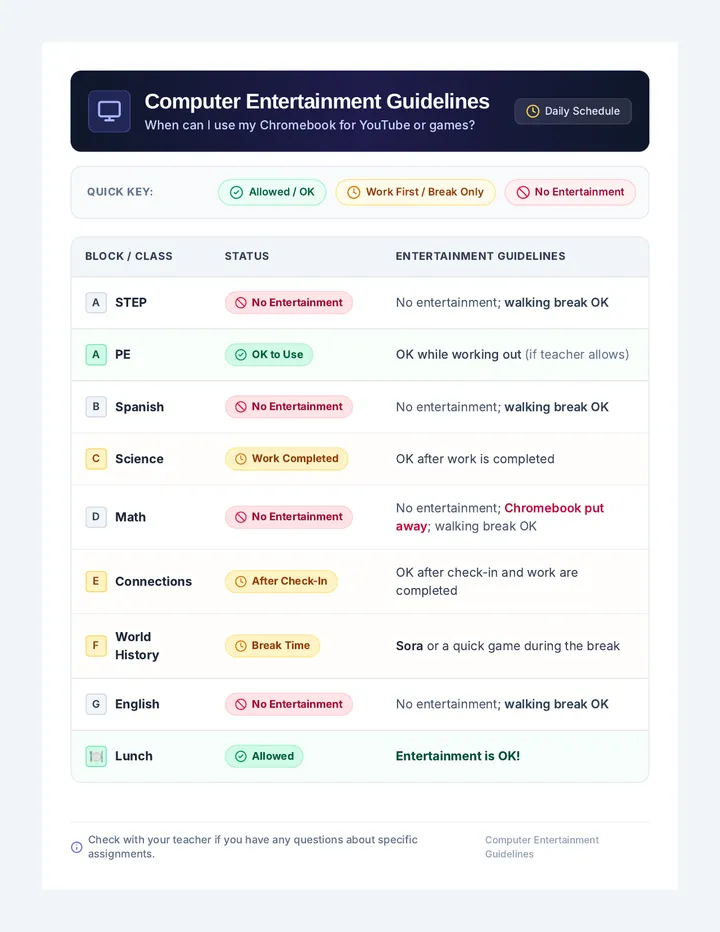
Clocking In: Being Reliable
The "10-Minute Rule"
Arrive 10 minutes before your shift starts. This gives you time to put your things away and get ready!
The "Phone Call Rule"
If you are going to be late or sick, call your boss directly as soon as possible. No texting unless they say it's okay!
Why it matters?
Bosses can trust you with more tasks.
Your coworkers don't have to do your work.
It shows you respect the job.
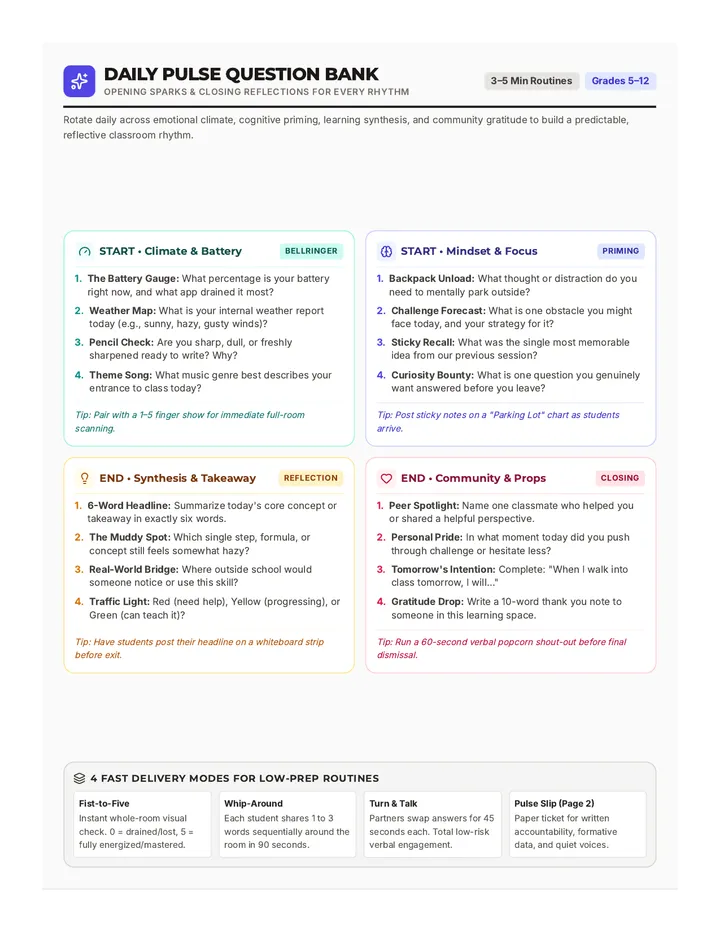
Real Talk: Workplace Words
Good "Soft Skills"
Eye Contact & Smiling
Asking for Help
Saying "Thank You"
Communication Tips
Listen First: Make sure you understand the instructions before you start working.
Tone Matters: Use your "work voice"—polite, clear, and calm.
Update Often: Let your boss know when you finish a task.
Respect the Space: Etiquette
Personal Life stays Personal
❌ No personal phone calls on the clock.
❌ Don't share too many private stories.
❌ Keep social media separate from work.
"Work time is for work tasks."
Professional Boundaries
✅ Treat everyone with equal respect.
✅ Keep physical space (arm's length).
✅ Use professional language only.
"Be friendly, but stay professional."
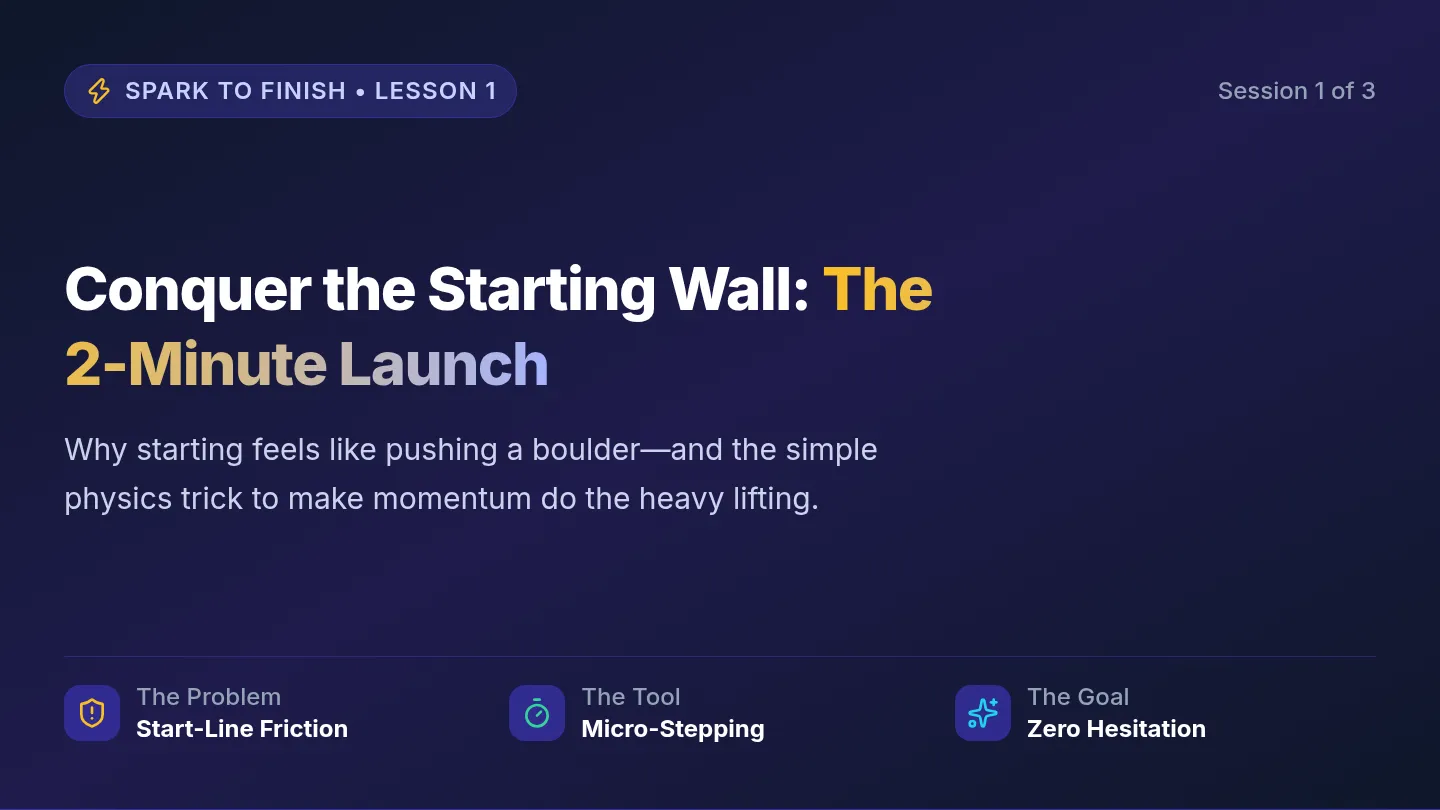
Growing Stronger: Feedback
How to handle "Correction"
1
Listen
Don't interrupt. Let them finish speaking.
2
Thank Them
Say, "Thanks for letting me know."
3
Try It
Make the change they asked for right away.
"Feedback isn't trouble—it's a roadmap to getting better!"
Practice: What would you do?
Scenario A
Your bus is running 15 minutes late. You will miss the start of your shift.
What is your first step?
A) Keep waiting and hope for the best.
B) Call your boss and explain.
C) Post a status update on social media.
Scenario B
A coworker tells you that you are folding the towels too slowly.
How do you respond?
A) Tell them it's none of their business.
B) Get upset and stop working.
C) Say "Thanks, I'll try to go faster."
YOU'VE GOT THIS!
Great jobs are kept by people who show up, listen, and keep learning. Let's practice with your Job Success Journal!
Job Success Journal Worksheet Job Success Journal
My Guide to Staying Hired & Growing
Name
Date
My Strengths
Think about the "Big 4" (Attendance, Communication, Boundaries, Feedback). What are you already good at?
My Morning Routine
Plan your morning so you can arrive 10 minutes early.
Wake up time
Leave house by
Transportation Plan
Bus / Public Transit
Walking
Car / Ride
Other: ____________
What Should I Say?
Situation: You don't understand an instruction.
Write your script here...
Situation: You finished your task and have nothing to do.
Write your script here...
Accepting Feedback
The "Hard" Way
• Arguing back
• Making excuses
• Getting upset or quiet
The "Success" Way
• Listening carefully
• Saying "Thank you"
• Trying the new way
Goal: Next time a boss gives me feedback, I will say:
Write your response sentence...
Boundaries Checklist
In a professional workplace, I should:
Keep my phone in my locker or pocket.
Keep conversations focused on work tasks.
Use polite words like "Please" and "Thank you".
Wait for my scheduled break for snacks or drinks.
"I am showing my boss that I am a reliable and professional employee."
Retention Roleplay Cards Retention Roleplay Cards
Cut these out to practice real-world workplace situations!
Attendance & Timing
Your alarm didn't go off! You wake up 15 minutes before your shift starts.
Goal:
"Practice calling your boss immediately and giving an honest arrival time."
Soft Skills
Your boss gives you three tasks at once, and you are feeling confused.
Goal:
"Practice asking for the tasks to be written down or repeated slowly."
Workplace Etiquette
A coworker starts talking to you about a movie while you are working.
Goal:
"Practice saying: 'I'd love to hear about it during our break—I have to finish this task now.'"
Growth Mindset
The manager tells you that you are making too many mistakes on the register.
Goal:
"Practice listening without making an excuse and saying: 'Thank you for telling me. How can I fix it?'"
Phone Etiquette
Your phone buzzes in your pocket with a text from a friend.
Goal:
"Practice ignoring the phone and waiting until your break to check it."
Problem Solving
You are supposed to restock the shelf, but you can't find the ladder.
Goal:
"Practice finding a supervisor and asking politely where the equipment is kept."
Instructions: Teacher takes one role, student takes the other. Swap roles for more practice!
Keeping the Gig Teacher Guide Teacher Guide
Keeping the Gig
Facilitation Guide for Job Retention Soft Skills
Lesson Goal
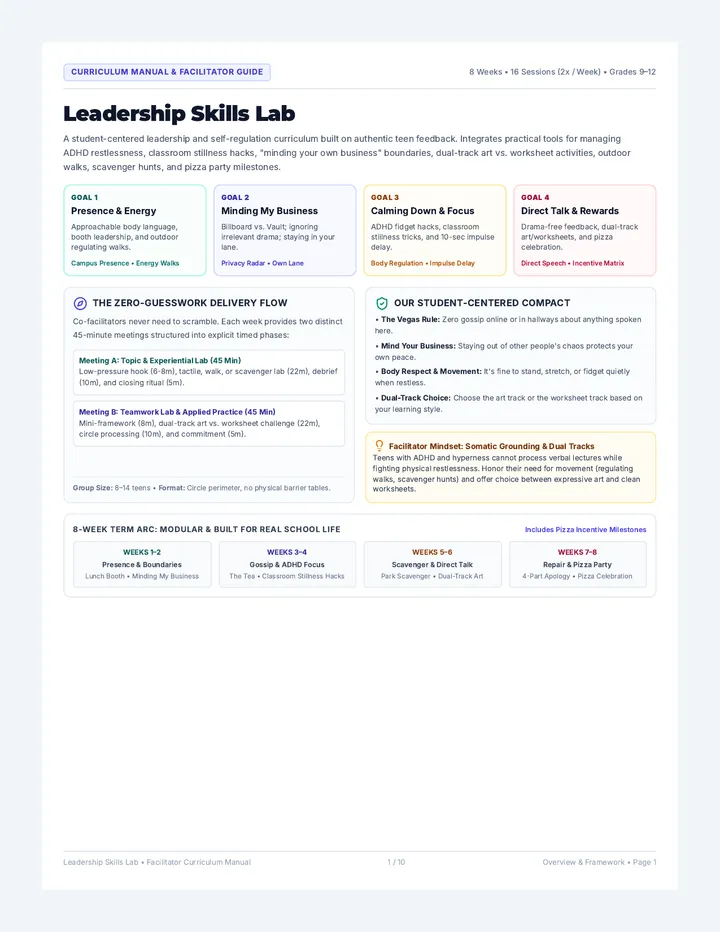
This lesson is designed for a one-on-one session with a transition-age student. The focus is to move beyond getting a job to keeping a job by mastering reliability, communication, and self-regulation.
Key Takeaways:
The 10-minute early rule for attendance.
Differentiating between personal and work-appropriate boundaries.
Responding positively to critical feedback from supervisors.
Materials List
Stay Hired Slides
Success Journal
Roleplay Cards
Instructional Flow
1
Introduction (Slides 1-2)
Define job retention. Ask: "Once you get a job, what are some reasons people might lose it?" Use this to transition into the "Big 4" retention skills.
2
Skill Deep Dive (Slides 3-6)
Walk through attendance, soft skills, boundaries, and feedback. For each slide, have the student identify one thing they are currently doing well and one thing they find difficult.
Coach Tip: Use real-world examples from the student's current or previous job placement if available.
3
Scenario Practice (Slides 7-8 + Roleplay Cards)
Use the Roleplay Cards to simulate workplace interactions. Start by modeling the Wrong way, then have the student model the Right way.
4
Reflection (Job Success Journal)
Complete the Journal together. Focus heavily on the transportation plan—this is where many students struggle with job retention.
Differentiation & Support
For Non-Verbal Students
Provide visual choice boards for the "What would you do?" scenarios. Use the roleplay cards to practice physical boundaries (personal space) without requiring spoken scripts.
For Executive Functioning Needs
Create a "Morning Checklist" to go along with the Success Journal. Encourage the student to set reminders on their phone during the session for their "Wake Up" and "Leave Home" times.
Progress Monitor
Skill Area Student Can... Attendance Explain the 10-minute early rule and transportation plan. Feedback Model a non-defensive response to a correction. Communication Politely ask for help when a task is unclear.