Pulse Check Worksheet Unit: Body Awareness & Health
Name:
Date:
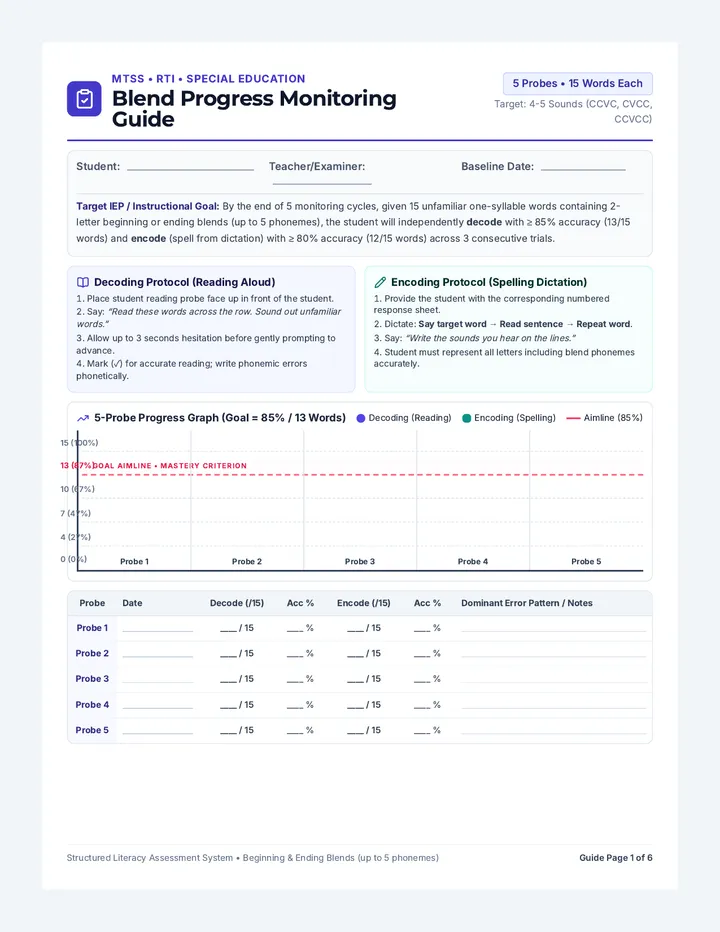
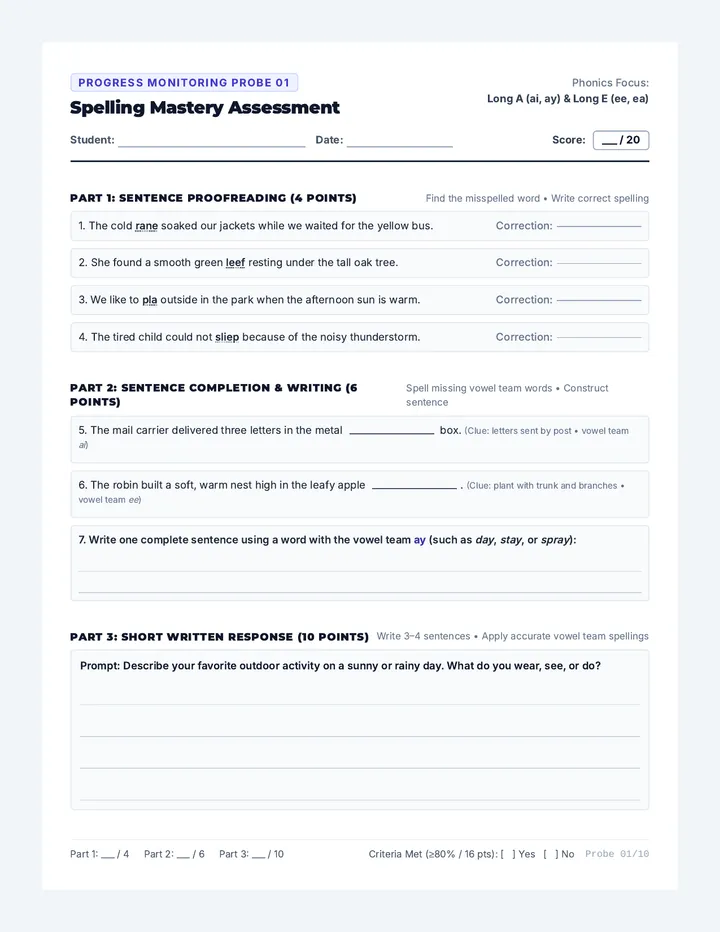
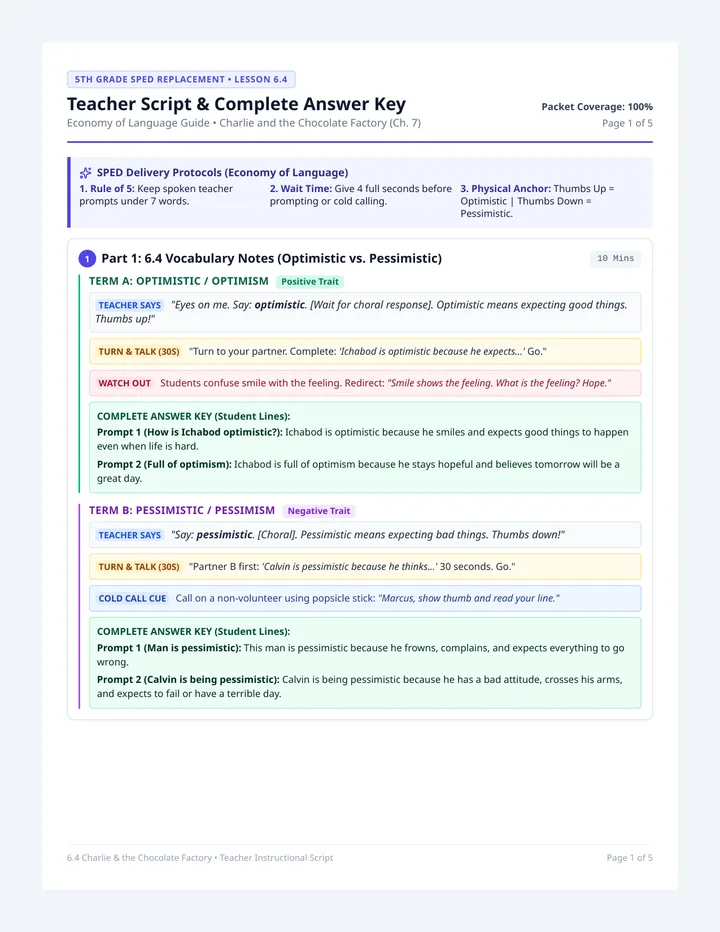
Heartbeat Detective: Pulse Check
Listen to your body, notice your heartbeat speed, and share how you feel!
Grade 2 Science & SEL
Step 1
Find Your Pulse Spot
Spot A: Wrist Pulse
Put 2 fingers under your thumb on your wrist. Press gently and wait.
Spot B: Neck Pulse
Put 2 fingers right beneath your jaw on the side of your neck.
Step 2
Test Your Heart Speed
Check the box that matches your heartbeat
Test 1: Resting Body
Sitting Calmly
Sit quietly for 30 seconds. Feel your pulse:
🐢 Slow & Calm
🚶 Steady & Medium
🐆 Fast & Quick
Heartbeat Rhythm:
Draw heartbeat beats or pulses:
Test 2: Active Body
20 Jump Jacks
Jump or dance for 30 seconds, then check:
🐢 Slow & Calm
🚶 Steady & Medium
🐆 Fast & Quick
Heartbeat Rhythm:
Draw heartbeat beats or pulses:
Step 3
What Else Does Your Body Tell You?
My Breathing:
Slow & easy
Normal
Fast & heavy
My Temperature:
Cool
Just right
Warm & sweaty
My Energy Level:
Low / sleepy
Ready & calm
Bouncy / jumpy
Step 4
Functional Communication: Tell What You Need
Practice sharing how your body feels with a teacher or buddy:
1. "Right now, my pulse feels..."
slow steady fast
2. "Inside, my body feels: "
(Word bank: calm, tired, jumpy, nervous, excited, out of breath, strong)
3. "To help my body be ready to learn, I need:"
A sip of water
3 deep breaths
A quick stretch
I am ready!
Self-Awareness & Interoception • Functional Communication Body Signal Check • Heartbeat Detectives
Body Beat Communication Cards Body Beat Communication Cards
Printable visual cue cards for expressing pulse, body energy, and feelings.
Cut along dashed lines • Punch hole for lanyard
Pulse & Heart Speed
○
Pulse
🐢
Slow Beat
My heart beats softly and slowly like a resting turtle.
Resting • Quiet
○
Pulse
🚶
Steady Beat
My pulse feels regular and smooth, like walking steps.
Balanced • Normal
○
Pulse
🐆
Fast Beat
My heart is racing quickly like a galloping cheetah!
Quick • Active
○
Pulse
💓
Thumping Strong
I can feel big strong beats booming in my chest.
Strong • Noticeable
Breathing & Sensations
○
Body
🍃
Cool & Calm
My skin feels cool and my muscles are loose and soft.
Gentle • Relaxed
○
Body
☀️
Warm / Sweaty
My cheeks feel hot and my body feels like it ran outside.
Hot • Needs Air
○
Breath
🌬️
Easy Breathing
Breathing in and out feels smooth, quiet, and peaceful.
Smooth • Quiet
○
Breath
💨
Huffing & Puffing
I am taking fast, short breaths after big movement.
Fast • Deep Breath
Energy & Readiness
○
Energy
🔋
Low Battery
My body feels heavy, tired, or needs a gentle rest.
Sleepy • Rest
○
Energy
🎯
Ready to Learn
My mind is awake, my body is steady, and I can focus.
Focused • Ready
○
Energy
⚡
Bouncy / Wiggly
Lots of motor energy! My feet and hands want to move.
Wiggly • Movement
○
Feelings
🦋
Fluttery / Nervous
Butterflies in my stomach or my chest feels tight.
Gentle Support
Page 1 of 2: Interoception Feeling Cards Heartbeat Detectives • Functional Communication Kit
Low-Verbal Self-Advocacy & Action Cards
Cut out these cards and desk strips. Hand to an adult or point when talking is hard.
No Explanations Needed
Desk Sentence Strips (Cut & Tape to Desk or Laminated Card)
Strip A: Heartbeat Level Point to where your heartbeat is right now
MY HEART:
🐢 Slow Beat
🚶 Steady Beat
⚡ Jumping Beat
🔥 Racing Alarm
Strip B: Rapid Help Request Point to get help without answering questions
PLEASE:
💧 Water Sip
❓ Don't Know
🤫 Quiet Break
🛑 Give Space
⭐ Ready
Individual Advocacy Cards (Hand Directly to Teacher)
○
No Pressure
❓
I Don't Know Why
"My body feels upset, but I do not know what caused it. Please don't ask."
Zero Pressure • Space
○
Boundary
🛑
Please Give Me Space
"Too many words make my heart race faster. Please give me 2 feet of space."
Safety • Step Back
○
Reset
🎧
2 Min Quiet Space
"I am walking to the calm corner to let my heart beat slow down."
Cool Down • Timer
○
Sensory
💧
Cold Sip of Water
"Cold water helps slow my pulse and cools my hot cheeks."
Vagus Reset • Drink
○
Support
🤝
Check Pulse With Me
"Please sit calmly nearby and help me count my heartbeats to 10."
Co-Regulation • Safety
○
Ready
⭐
Pulse Is Calm / Ready
"My heartbeat is back to slow turtle speed. I am ready to rejoin."
Steady • Safe • Ready
🛡️
De-escalation Rule: When this student hands you a card or points to Strip B, never ask what upset him. Honor the break immediately, allow the pulse to settle, and debrief only after physiological return to baseline.
Page 2 of 2: Functional Self-Advocacy Strips & Cards Heartbeat Detectives • Functional Communication Kit
Daily Pulse Check Log Daily Check-In Routine • Scheduled Interoception
Name:
Day:
Daily Pulse Check Log
Check your heartbeat 4 times today. Notice body clues before big feelings grow!
Predictable Routine
1 Morning Arrival Check (8:30 AM)
Circle your answers
My Pulse Feels:
🐢 Slow
🚶 Steady
🐆 Racing
Body Clues:
Muscles loose & calm Hands / jaw clenched tight Stomach fluttery / uneasy
What I Need Right Now:
Ready to learn Cool sip of water 2 min quiet reset (no talking)
2 Mid-Morning / Pre-Recess (10:30 AM)
Circle your answers
My Pulse Feels:
🐢 Slow
🚶 Steady
🐆 Racing
Body Clues:
Breathing smooth & quiet Head / ears feeling warm Wiggly / can't sit still
What I Need Right Now:
Ready to learn Wall push-ups / stretch Ear muff / quiet headphones
3 Post-Recess / Lunch Return (12:45 PM)
Circle your answers
My Pulse Feels:
🐢 Slow
🚶 Steady
🐆 Pounding
Body Clues:
Cooled down & steady Sweaty / breathing hard Annoyed / upset / grumpy
What I Need Right Now:
Ready to start class 3 slow belly breaths Adult check-in (don't push me)
4 Afternoon / Pack-Up Check (2:30 PM)
Circle your answers
My Pulse Feels:
🐢 Slow
🚶 Steady
🐆 Racing
Body Clues:
Low battery / tired Calm & organized Overwhelmed by noise
What I Need Right Now:
Help packing backpack Quiet desk space High five / ready to go
Emergency Quick-Point Strip (No Talking Needed!)
Point to this box or hand paper to teacher
🛑
"My body feels unsafe / I don't know why I am upset."
Please give me 2 minutes of quiet space. Do not ask me questions right now.
Safety
Proactive Self-Regulation • Interoception Tracking Heartbeat Detectives • Safe Routine System
Body Alarm Visual Chart My Body Alarm & Pulse Meter
Notice heart speed early. You do not need to explain why you are upset to get help!
Low-Verbal Self-Advocacy
🐢 Level 1 Steady Calm
Heart & Pulse
Slow & Steady Beat
Gentle rhythmic pulses. Chest feels loose and open.
Body Signals
• Hands soft & open
My Quick Advocacy
"I feel steady & ready!"
Ready to learn, play, and share.
🚶 Level 2 Slowing Down
Heart & Pulse
Quiet or Sluggish Beat
Pulse feels faint or slow. Body feels heavy to move.
Body Signals
• Head resting on desk
My Quick Advocacy
"I need water & a stretch"
Quick sip or 3 wall-pushes wakes me up.
⚡ Level 3 Warning Spike
Heart & Pulse
Fluttering / Quick Beat
Heart is speeding up suddenly. Chest feels tight or fluttery.
Body Signals
• Ears or cheeks feel hot
Zero-Verbal Action
👉 Point to Level 3 Card
"I don't know why, but I need 2 minutes of quiet space."
🛑 Level 4 Alarm Overheat
Heart & Pulse
Booming / Racing Heart
Heart pounding loudly in ears. Breathing fast & shallow.
Body Signals
• Body wants to push, kick, run
Emergency Safe Card
HAND RED CARD TO ADULT
Immediate Safe Space • No Talking • Adult Stays Calm
Classroom Safety Pact: How Adults Support Without Pressure
1. Never Ask "What Happened?"
When his heart is racing, his verbal processing brain is shut down. Asking questions creates panic. Give calm presence first.
2. Honor the Point Immediately
If he taps Yellow or hands the Red Card, immediately validate: "I see your card. You are safe. Take quiet time."
3. Co-Regulate Pulse First
Offer ice water, deep breathing, or heavy beanbag pressure. Wait until his pulse returns to Level 1 before talking.
Early Physiological Detection • Interoception & De-escalation Student Desk & Calm Station Anchor • Heartbeat Detectives
Pulse De-escalation Teacher Guide Educator & Support Team Protocol Individualized Behavior & Sensory Support
Pulse De-escalation Teacher Guide
Proactive interoception protocols for rapid escalations without obvious external triggers.
Trauma-Informed & Low-Demand
Why Pulse Checks Work When Triggers Seem Invisible
When students escalate rapidly to unsafe behavior without an apparent trigger, the trigger is frequently internal and physiological (interoceptive vulnerability: sudden tachycardia, vestibular overwhelm, sensory overload, or visceral anxiety). Because their verbal centers shut down before cognitive awareness happens, asking "What's wrong?" increases threat perception and triggers defensive fight/flight aggression.
The 4-Point Scheduled Check-In Routine
Build Muscle Memory
1. Arrival (8:30)
Baseline check. Student feels wrist pulse, marks tracker, normalizes calm state.
2. Pre-Recess (10:30)
Catches mid-morning cognitive fatigue and rising nervous system arousal.
3. Post-Lunch (12:45)
High-risk transition. Helps reset elevated cafeteria/playground heart rate.
4. Pack-Up (2:30)
Screens for end-of-day sensory depletion and prepares for departure.
Intervention Action Matrix by Pulse Zone
Level 1: Steady Turtle / Resting
Adult Action: High-five, maintain regular classroom instruction. Positive reinforcement for completing check-in.
Independent Work
Level 2: Sluggish Low Battery
Adult Action: Non-verbal prompt: quietly place water bottle or visual break pass on desk. Prompt 3 wall-pushes.
Gentle Energizer
Level 3: Spike Fluttering / Pounding
CRITICAL WINDOW: Zero verbal demands. Validate non-verbally: "I see your card. Take quiet time." Activate 2-min timer. Provide ice water.
Immediate De-escalation
Level 4: Alarm Full Fight / Flight
SAFETY PROTOCOL: Clear immediate perimeter. Do not touch or block student unless imminent bodily harm. Speak only in 2-word calm whispers: "You're safe."
Crisis Safety
WHAT TO DO (Low-Demand Support)
• Honor cards instantly: Immediate compliance builds trust that words aren't needed to feel safe.
• Cold water reset: Stimulates vagal nerve and drops pulse rate mechanically within 90 seconds.
•