Collaborative Care Facilitation Plan Zasoby dla Psychologa Szkolnego
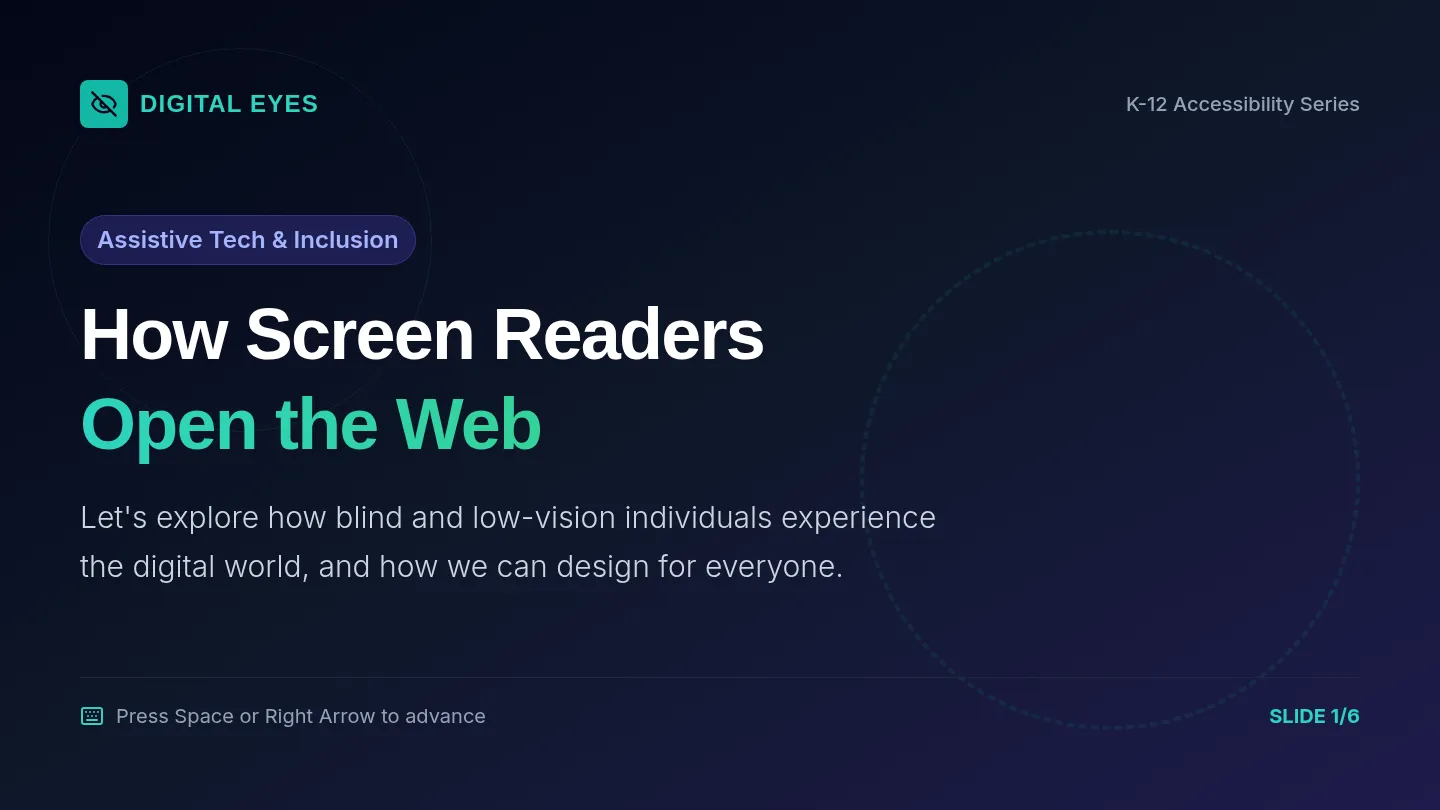
Wspólna Opieka
Plan facylitacji PD i przewodnik po warsztatach
Format: Warsztat 75-minutowy
Odbiorcy: Nauczyciele K-12
Główny Cel Zmiana postrzegania zachowania z celowego buntu na rozregulowanie fizjologiczne.
Efekt Końcowy Spersonalizowany, praktyczny klasowy plan koregulacji stworzony dla wybranego ucznia.
Struktura Przetłumacz (Przeformułuj) → Wyreguluj (Uspokój) → Współtwórz (Odbuduj zaufanie).
Harmonogram warsztatów i zadania facylitatora
Czas Segment Kluczowe treści i slajdy Działanie facylitatora 00-10 min Powitanie i Reframing Reakcja stresowa vs. niewłaściwe zachowanie. Slajdy 1-3 Wprowadź pojęcie "mózgu przetrwania". Przedstaw biologiczny charakter traumy. 10-25 min Fizjologia Walka, ucieczka, zamrożenie w klasie. Slajdy 4-6 Przeanalizuj zachowania. Zdefiniuj koregulację jako fizjologiczne bezpieczeństwo fizyczne. 25-45 min Przewodnik po reframingu Karta pracy "Przeformułowanie" i studium przypadku. Slajdy 7-9 Rozdaj Kartę pracy z tłumaczenia zachowań . Poprowadź pracę w triadach nauczycielskich. 45-65 min Plan i rubryka ocen Budowanie menu koregulacji i rubryki ocen. Slajdy 10-12 Zaprezentuj model wyboru wsparcia proaktywnego vs. reaktywnego przy użyciu Rubryki . 65-75 min Konsultacje i podsumowanie Rezerwacja konsultacji 1:1 i zakończenie. Slajdy 13-14 Zarezerwuj indywidualne sesje uzupełniające. Rozdaj karty ewaluacyjne.
Kluczowa zmiana paradygmatu: Mózg Przetrwania vs. Mózg Uczący się
Mózg Przetrwania (Kierowany przez ciało migdałowate)
• Cel fizjologiczny: Ochrona, ucieczka lub przybranie postawy obronnej.
• Objaw w klasie: Bunt, kładzenie głowy na ławce, krzyk.
• Konsekwencja: Logika, tłumaczenie lub upominanie natychmiast zawodzą.
Mózg Uczący się (Kierowany przez korę przedczołową)
• Cel fizjologiczny: Ciekawość, rozwiązywanie problemów.
• Objaw w klasie: Współpraca, skupiona uwaga, poczucie bezpieczeństwa.
• Wymagany warunek: Przewidywalne środowisko + zaufanie.
Wspólna Opieka © 2026 • Seria Rozwoju Zawodowego Strona 1 z 2
Zasoby dla Psychologa Szkolnego
System Konsultacji
Przełożenie reframingu na działania w klasie
Model Konsultacji
Działania po warsztatach
Po warsztatach: 3-etapowa konsultacja indywidualna
Po wstępnej prezentacji PD przejdź do indywidualnych sesji konsultacyjnych z uczestniczącymi nauczycielami. Wykorzystaj ten ustrukturyzowany cykl do tworzenia i dostosowywania planów koregulacji dla konkretnych uczniów.
1
Obserwacja i Reframing (15 min)
Spotkajcie się, aby przeanalizować Kartę pracy z tłumaczenia zachowań . Zidentyfikujcie 2 kluczowe czynniki wyzwalające w klasie oraz fizjologiczne znaki ostrzegawcze (np. zaciśnięte pięści, tempo mówienia, zmiany postawy) dla wybranego ucznia. Unikajcie etykiet typu „leniwy” czy „agresywny”.
2
Projektowanie strategii koregulacji (15 min)
Wspólnie z nauczycielem stwórzcie spersonalizowane „Menu koregulacji”. Wybierzcie dokładnie jedną strategię proaktywną (np. przewidywalne, rutynowe rozmowy kontrolne) i jedną strategię reaktywną (np. niewerbalne sygnały ręką umożliwiające przejście do strefy wyciszenia).
3
Wdrożenie i pętla informacji zwrotnej (10 min)
Wprowadź Rubrykę koregulacji . Pokaż nauczycielowi, jak monitorować spójność działań i reakcje ucznia. Zaplanujcie krótką, 10-minutową obserwację uzupełniającą w klasie, aby doprecyzować strategie.
Rozwiązywanie problemów i radzenie sobie z oporem dla facylitatora
"Nie mam czasu się z nimi nianiaczyć. Inne dzieci cierpią, gdy poświęcam czas na uspokajanie jednego dziecka."
Odpowiedź psychologa: "Rozumiem to, to naprawdę wyczerpujące. Jednak w tej chwili reakcja kryzysowa (przerywanie lekcji, wzywanie dyrekcji) kosztuje Cię w rzeczywistości 15-20 minut. Proaktywna koregulacja zajmuje 90 sekund i zapobiega godzinnemu kryzysowi."
"To jest po prostu nagradzanie złego zachowania. Jeśli łamią zasady, potrzebują kary, a nie przerwy."
Odpowiedź psychologa: "Regulacja to nie nagroda – to bezpieczeństwo. Nie możemy uczyć odpowiedzialności ani wyciągać konsekwencji, gdy uczeń jest w stanie walki lub ucieczki, ponieważ jego mózg dosłownie nie przetwarza wtedy logiki. Najpierw go uspokójmy, a potem przeprowadźmy lekcję zachowania."
Notatki z konsultacji w szkole
Wspólna Opieka © 2026 • Seria Rozwoju Zawodowego Strona 2 z 2
Collaborative Care Slides Trauma-Informed Consultation
Professional Development
Collaborative Care
A Trauma-Informed Framework for Reframing Behavior
Presented by School Psychological Services
Guidance for K-12 Educators
Slide 1 of 5
The Human Brain under Stress
Neurobiology 101
Survival Brain
When stress triggers the amygdala, the body shuts down logic to guarantee safety. This is a physiological state of emergency.
Classroom Action:
Requires physical safety & sensory calming. Zero logic.
Learning Brain
Controlled by the prefrontal cortex. Responsible for planning, emotional control, memory, and logical reasoning.
Classroom Action:
Fostered through secure attachments & predictable routines.
Core Concept: Safety precedes learning. Period.
Slide 2 of 5
Interpreting Dysregulation
Stress Responses
Fight
Classroom Signs:
• Verbally confrontational / argumentative
• Clenched fists, heavy breathing
• Direct defiance of instructional requests
• Slamming school materials
Flight
Classroom Signs:
• Walking or running out of the room
• Constant moving or hyperactive shifts
• Hiding under desks or in spaces
• Severe distractibility, darting eyes
Freeze
Classroom Signs:
• Laying head down, looking asleep
• Flat emotional affect, unresponsive
• Mumbling, saying "I don't know"
• Staring blankly at assignments
Remember: These are biological mechanisms of protection, not personal choices.
Slide 3 of 5
Behavior Reframing Matrix
Reframing Practice
Reframing Defiance into Dysregulation
Instead of: "What's wrong with you?"
"Willful Defiance / Refusal"
Classroom View: The student is lazy and testing rules to see what they can get away with.
Ask: "What happened to you?"
"Hyper-arousal / Survival Flight"
Trauma View: The task feels threatening; they lack the coping skills to start right now.
Instead of: "What's wrong with you?"
"Attention Seeking / Disruptive"
Classroom View: The student wants to make a joke of class and waste everyone's time.
Behavior Translation Worksheet Educator Consultation Toolkit
Behavior Translation Worksheet
Reframing Challenging Classroom Behaviors through a Trauma-Informed Lens
Teacher Name
Target Student Initials
Date of Analysis
1 Deconstructing the Behavior Context
Think of a student in your classroom who displays persistent challenging behavior. Describe the environment and physical clues.
Environmental Triggers & Context (e.g., transitions, loud noises, writing tasks, public peer interaction)
Physical/Somatic Indicators (e.g., breathing, clenched fists, verbal changes, avoidance posture)
2 Translating Observed Action into Survival Response
Reframe the observed action. Translate what feels like defiance into a biological self-preservation response.
Observed Action ("What it feels like") Translated Needs ("What it actually is") Slams device shut and says "This is garbage, I'm not doing this." (Defiance) Cognitive overwhelm triggered by reading. Amygdala in Flight mode to avoid exposure of deficit.
|
|
|
|
3 Drafting Co-Regulation Interventions
Based on the survival needs identified, select one proactive adjustment (before stress rises) and one responsive adjustment (during a crisis).
Proactive Adaptation (Environmental/Routine) (e.g., visual schedules, structured check-ins, signals)
Responsive Adaptation (Nervous System Connection) (e.g., reduced verbal cues, calm posture, safety space)
Collaborative Care Toolkit • Behavior Translation Worksheet Bring this sheet to our scheduled 1:1 Consultation.
Consultation Roleplay Script Consultation Roleplay Activity
Consultation Roleplay Script
Scenario: Reframing Defiance in Middle School
Collaborative Care Toolkit
Partner Practice Exercise
How to Use: Pair up with a colleague. One person reads the role of the School Psychologist (Consultant) , and the other plays the Classroom Teacher . Focus on the shift from a disciplinary reaction to a collaborative, nervous-system-informed exploration.
The Scenario: Marcus (Grade 7)
Marcus has developmental trauma. During independent writing, he regularly tears up worksheets, puts his hood up, or yells "This is stupid!" and walks out.
Teacher:
"Honestly, I’m at my wits' end with Marcus. When I pass out the writing assignment, he immediately starts arguing with me or rips up his paper. It completely halts the lesson. It feels like he’s just trying to show off for his friends."
Psychologist:
"I hear how stressful that is. It disrupts the momentum of your teaching, and it’s frustrating when you've prepped a great lesson. When he rips the paper or yells, what physical cues are you noticing before the rip actually happens?"
Teacher:
"Well... he doesn't just do it out of nowhere. He usually pulls his hood up, leans way back in his chair, and his breathing gets really fast. If I walk over to prompt him, that's when he snaps and tears the paper."
Psychologist:
"That's a vital observation. The fast breathing, the hood up, leaning back—those are classic indicators of physiological fight-or-flight. Before he even opens his mouth, his amygdala is signaling that he is in danger. If we translate that, it’s not defiance; it's panic."
Teacher:
"Panic? Over a paragraph on history? It’s not actually dangerous. Why would he panic about that?"
Psychologist:
"To his survival brain, developmental shame and academic failure feel like an existential threat. Tearing the paper is his way of escaping the threat (Flight) or fighting it (Fight). If we can lower his stress *before* he hits that peak, we can keep his learning brain online."
Collaborative Care Series • Consultation Roleplay Script Page 1 of 2
Consultation Roleplay Activity
Consultation Roleplay Script
Scenario: Designing the Plan & Reflection
Collaborative Care Toolkit
Partner Practice Exercise
Teacher:
"So what do I do instead of walking over to correct him? If I just ignore it, he doesn't do any work, and the other kids think he gets a free pass."
Psychologist:
Co-Regulation Rubric Educator Consultation Toolkit
Co-Regulation Rubric
Implementation Self-Assessment & Growth Guide
Educator Name
Consultant Psychologist
Observation / Cycle Date
Criterion Emerging / Reactive Developing / Proactive Mastering / Integrated Physiological Awareness Sensing triggers & student somatic warning signs.Misses early somatic warning signs. Intervenes only when student is fully escalated or disruptive. Recognizes somatic changes (e.g., hood up, shallow breathing) but struggles to adapt teaching tasks immediately. Identifies micro-triggers and adjusts demands, physical spacing, or sensory environment proactively. De-Escalation Stance Educator’s body language, proximity, and tone.Responds with dominant posture, direct front-facing stance, or high-volume verbal correction. Maintains lower voice but stands directly over student; uses verbal prompts during peak survival brain. Adopts open, side-on posture. Speaks softly, reduces verbal load, and uses pre-established non-verbal cues. Task Scaffolding Modifying academic demand to match biology.Demands full compliance with original task despite obvious distress; views modifications as "unfair." Offers academic modifications only after a behavioral disruption occurs; struggles to plan changes in advance. Pre-scaffolds assignments; explicitly links academic size to current emotional and physical bandwidth. Post-Incident Repair Rebuilding relationship and teaching skill.Sends student away or ignores them post-incident; relies strictly on external disciplinary measures. Welcomes student back without hostility but misses opportunities to discuss and teach self-regulation strategies. Leads reflective, low-shame collaborative repair once regulated. Co-designs safety adjustments for next time.
Reflection & Consultation Action Plan
Assess your current implementation phase based on the rubric. Map out exactly two growth actions you want to target during our next collaborative observation.
Target Improvement Focus Area
Actionable Next Steps & Support Needed
Collaborative Care Toolkit • Co-Regulation Implementation Rubric Use this for self-reflection and psychologist consultation check-ins.