The Great Sail Fiction Worksheet The Great Sail
Fiction Reading Passage
Name: ___________________________
Date: ____________________________
Joe sat by the window in his room. He saw the gray rain fall on the green grass outside. It was a cold day in May. He wanted to play outside in the bay by the big oak tree. Joe had a new boat that he had made of oak wood. He had worked on it for a long time in his garage. "I must wait for the storm to stop," Joe said with a heavy sigh. He looked down at his big toe. He had a small cut from a stray rock he stepped on yesterday. His mom had put some cool aloe on it. It felt much better now.
Then Joe had a bright idea. He would make a new sail for his boat! He found a piece of green silk cloth in a box. He tied it tight to the tall mast. The light in the room was bright as he worked on his knot. He felt like his boat could almost fly over the water. He thought of a great name: The Sea Star. He would be the king of the deep sea. Joe waited for the clouds to blow away and the wind to slow down.
Finally, the rain stopped. Joe ran to the stream in the grassy valley. A wild turkey stood on the road near the water. Joe let his boat go into the cool water. It floated past a wide leaf on the surface. It went fast down the stream. Joe followed it as it moved along the path. The boat stayed afloat even when it hit a small rock. Joe cried out with joy. He was so proud of his work. He learned that being patient can make the goal even sweeter. He walked home as the sun began to glow. It was the best day of the whole week.
Vowel Team Hunt
Find one word from the story for each pattern:
ai:
ay:
oa:
oe:
ow:
ee:
ea:
ey:
ie:
igh:
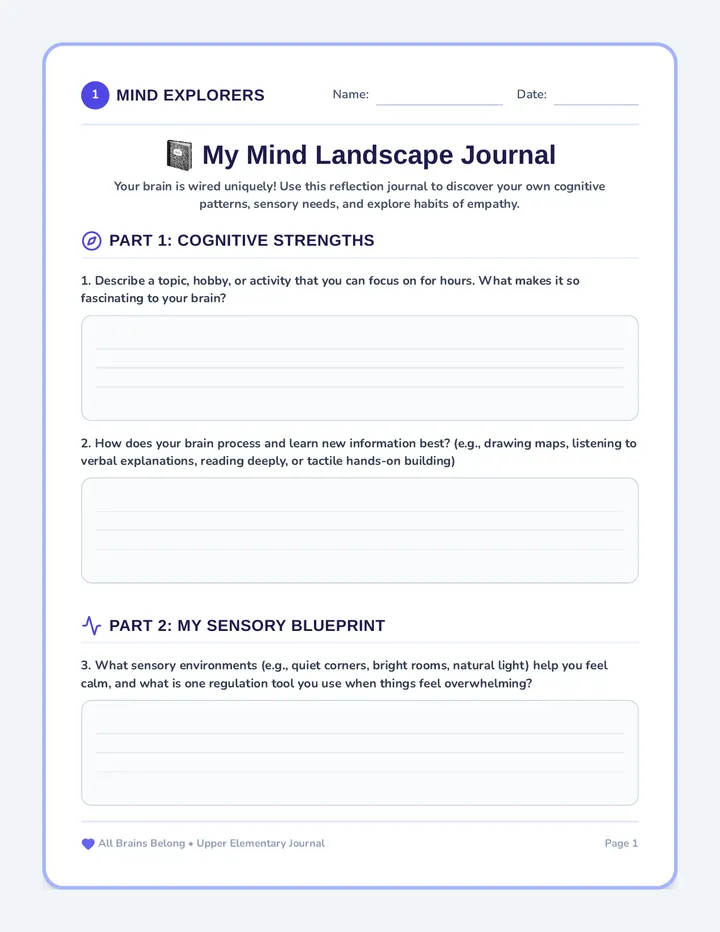
Comprehension Check
1. Put the events in order from 1 to 4.
Joe names his boat "The Sea Star" after working on the sail.
Joe watches his boat float down the stream in the valley.
Joe sits by the window and waits for the rain to stop.
Joe finds a piece of green silk to make a new sail.
2. Why did Joe have to stay inside at the beginning of the story?
3. How did Joe feel while he was building his boat? Use a detail from the story.
4. What is the theme (the big lesson) of this story?
It is important to keep your boat made of oak wood clean.
Being patient and working hard can lead to a sweet goal.
You should never play with boats when a turkey is nearby.
Busy Bees Nonfiction Worksheet The Busy Honeybee
Nonfiction Reading Passage
Name: ___________________________
Date: ____________________________
Have you ever seen a honeybee in a field of green? These insects are very busy in the spring. They work hard all day long to help their hive grow. The main goal of a bee is to find food. They fly high above the ground to find bright flowers in the field. A bee uses its thin wings to fly very fast from one plant to the next. They soak up the warm sun as they work.
When a bee finds a good flower, it will feast on nectar. This is a sweet liquid that plants make inside their petals. The bee carries the nectar back to the hive in a special pouch on its body. The hive is where the queen bee stays most of the time. She is the leader of the large group. The other bees work to keep the hive safe and clean for her. They make honey that we like to eat on hot bread or in warm tea.
Honey is thick and very sweet to the taste. It does not flow fast like water; it moves very slow when you pour it out of a jar. Some people say honey is like liquid gold from the valley. In the winter, the bees must stay warm together in a cluster. They do not like the cold snow or the ice. If a bee gets lost in the dark, it cries out with a loud buzz. It follows the light of the sun to get back home. Honeybees may even visit an aloe plant to find food. Bees are small, but they do big work for our world. Without them, many plants would not grow at all. We should be kind to every bee we see. They are a main part of nature.
Bee Scientist Log
Find three words with vowel teams that describe a bee's life:
Science Quiz
1. What is the main idea of this passage?
Honey is sweet and moves very slow when you pour it.
Honeybees work hard to collect food and make honey for their colony.
Beekeepers use aloe plants to help bees stay safe in the winter.
2. Based on the text, what is one thing honeybees do in the winter to survive?
3. How do bees find their way home if they get lost in the dark?
4. Why does the author say that bees do "big work for our world"?
5. Sequence the steps of a bee's job (1-4):
The bee brings the sweet nectar back to the hive in a pouch.
The bee flies high to find a bright flower in the field.
The bees in the hive make honey from the nectar.
The bee feasts on nectar from the flower.
Vowel Team Passages Answer Key Answer Key
Vowel Team Voyage (Fiction & Nonfiction)
The Great Sail
1. Sequencing:
1. Joe sits by the window and waits...
2. Joe finds a piece of green silk...
3. Joe names his boat "The Sea Star"...
4. Joe watches his boat float down the stream...
2. Explicit:
Joe had to stay inside because it was a rainy day and it was cold outside.
3. Inferential:
Joe felt creative or determined. The text says he had a "bright idea" and worked "tight" to build his sail.
4. Theme:
Being patient and working hard can lead to a sweet goal.
Vowel Team Samples from Text:
ai: rain, sail, wait
ay: gray, day, play, bay
oa: oak, boat, afloat, road
oe: Joe, toe, aloe
ow: blow, slow, glow
ee: green, tree, week
ea: sea, leaf
ey: valley, turkey
ie: cried
igh: sigh, bright, light, tight
The Busy Honeybee
1. Main Idea:
Honeybees work hard to collect food and make honey for their colony.
2. Supporting Detail:
Bees stay warm together in a cluster during the winter.
3. Explicit:
If they get lost, they follow the light of the sun to get back home.
4. Inferential:
They do "big work" because without them, many plants would not grow at all.
5. Sequencing:
1. The bee flies high to find a flower.
2. The bee feasts on nectar.
3. The bee brings nectar back in a pouch.
4. The bees make honey from nectar.
Vowel Team Samples from Text:
ai: main
ay: day, stays
oa: goal, soak
oe: aloe
ow: grow, slow, snow, flow
ee: bee, green, sweet
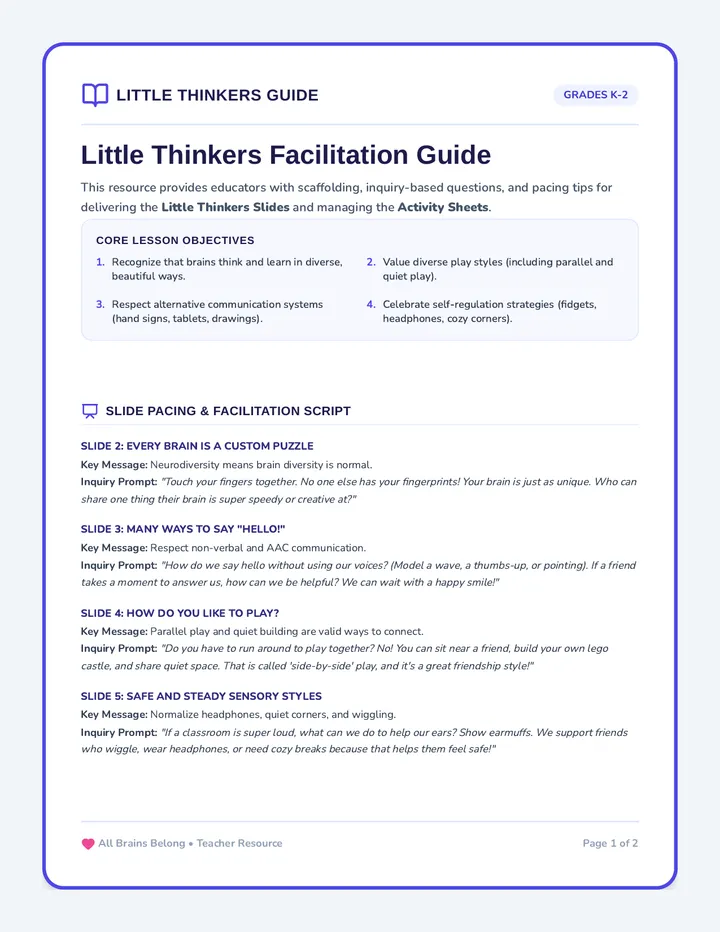
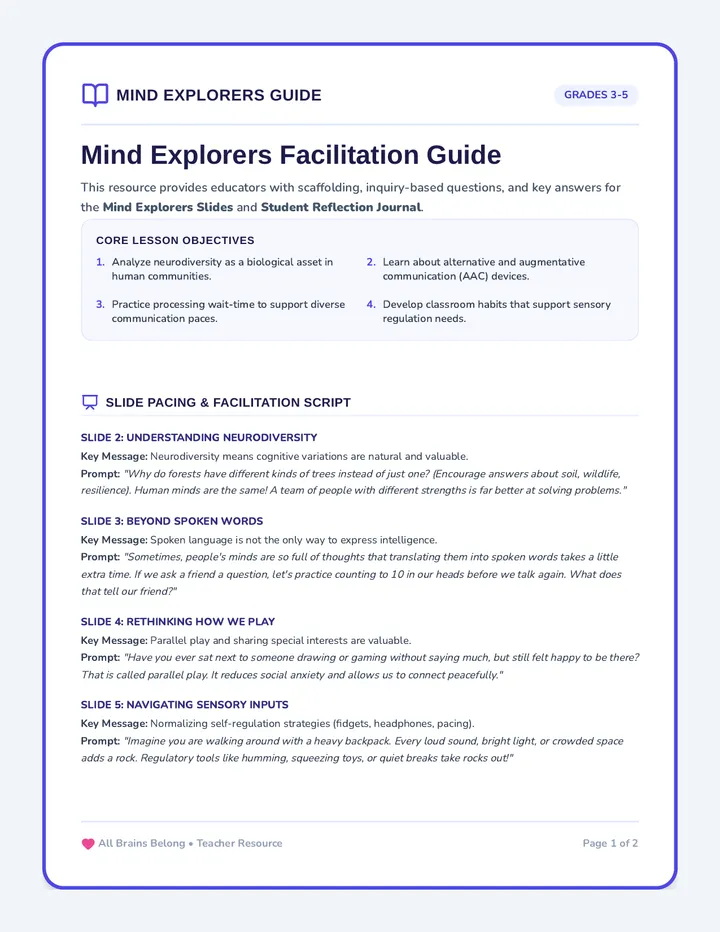
Vowel Team Facilitation Guide Vowel Team Voyage
Teacher Facilitation Guide
Grade 4 SPED
Objective
Identify and decode vowel teams (ai, ay, oa, oe, ow, ee, ea, ey, ie, igh) in context.
Focus Skills
Sequencing, Explicit/Inferential Questions, Main Idea, and Theme.
Vowel Teams
ai, ay, oa, oe, ow, ee, ea, ey, ie, igh
Phonics Warm-Up: The Sound Deck (10 min)
Before opening the worksheets, review the vowel team sounds. Use a sound deck or write these on the board:
ai / ay (Long A): Rain / Play
oa / oe / ow (Long O): Boat / Toe / Glow
ee / ea / ey (Long E): Tree / Sea / Honey
ie / igh (Long I): Cried / Bright
Teacher Tip: Remind students that "when two vowels go walking, the first one does the talking."
The Great Sail: Fiction Strategy (25 min)
Instructional Steps:
Predicting: Look at the title. Ask, "What kind of boat do you think Joe is making?"
First Read (Echo Read): Read a sentence and have students repeat it. This builds fluency for the target vowel teams.
Second Read (Hunt): Have students use a highlighter to find 5-10 words with vowel teams before they fill out the table.
Theme Discussion: Ask, "Joe wanted to go out right away. Why was it better that he waited?"
Busy Honeybees: Nonfiction Strategy (25 min)
Instructional Steps:
Vocabulary Prep: Discuss "nectar" and "hive" before reading.
Informational Mapping: As you read, pause to ask, "Is this a fact about what they eat or where they live?"
Main Idea Check: After the first paragraph, ask students to summarize what the whole paragraph was about in 3 words.
Visualizing: Discuss the "liquid gold" metaphor. Ask why the author chose that word.
Differentiation & Support
Scaffolding
Provide a "Cheat Sheet" with sounds and example words.
Pre-cut sequencing sentences for physical manipulation.
Allow dictation for inferential writing tasks.
Extension
Creative Writing: Joe's boat reaching the sea.
Vowel Team Flashcards Vowel Team Flashcards
Cut along the dashed lines. Use these cards for daily decoding drills and word-matching games.
ai
🌧️
rain
The Great Sail
ay
☀️
day
Busy Honeybees
oa
⛵
boat
The Great Sail
oe
🦶
toe
The Great Sail
ow
🌱
grow
Busy Honeybees
ee
🐝
bee
Busy Honeybees
ea
🌊
sea
The Great Sail
ey
🍯
honey
Busy Honeybees
ie
😢
cried
The Great Sail
igh
💡
bright
The Great Sail
How to Use:
Sound Drill: Show cards and ask for the vowel team sound.
Word Hunt: Match cards to words in the story passages.
Memory Game: Print two sets and play a matching game.
Sentence Building: Use cards as prompts to write a sentence.
Laminate for durability!
Past Action Suffix Slides Past Action
Power
Mastering the -ed Suffix
What is a Suffix?
A suffix is a group of letters added to the end of a word to change its meaning.
Play + ed
↓
Played
Rule 1: Just Add It!
Standard
Most words just need an -ed to show something happened in the past.
Walk
Walked
Clean
Cleaned
Look
Looked
Rule 2: Drop the 'e'
Silent 'e'
If a word already ends in e, drop it before adding -ed.
Bake
Baked
OR
Smile
Smiled
Rule 3: Double Trouble
Double Up
If a short word has a vowel between two consonants, double the last letter!
Hop
C V C
Hopped
(Double P)
Stop
C V C
Stopped
(Double P)
Rule 4: The 'y' Switch
Special Change
If a word ends in a consonant + y, change the y to i then add -ed.
Cry Cried
Try Tried
Quick Challenge!
1. Walk + ed =
2. Smile + ed =
3. Tap + ed =
4. Fry + ed =
Answer Reveal
Walked
Smiled
Tapped
Fried
Suffix Shift Worksheet Suffix Shift
Adding -ed to Base Words
Name: ___________________________
Date: ____________________________
Rule 1
Just add -ed
Rule 2
Drop the e
Rule 3
Double Letter
Rule 4
y to i
Standard
walk
look
Drop E
bake
smile
Double Up
hop
tap
y to i
cry
try
Part 5: Suffix Sentences
1. Yesterday, the baby for a bottle. (cry)
2. Mom some yummy cookies. (bake)
3. I my best to win the race. (try)
4. We at the bright sun. (look)
Suffix Shift Answer Key Answer Key
Suffix Shift Worksheet
Part 1: Standard
walk → walked
look → looked
Part 2: Drop E
bake → baked
smile → smiled
Part 3: Double Consonant
hop → hopped
tap → tapped
Part 4: Y to I
Part 5: Sentences
1. Yesterday, the baby cried for a bottle.
2. Mom baked some yummy cookies.
3. I tried my best to win the race.
4. We looked at the bright sun.
Teacher Review Notes:
Part 3 check: Double 'p' (hopped, tapped).
Part 4 check: 'y' changes to 'i' (cried, tried).
Past Action Facilitation Guide Past Action Power
Suffix -ed Facilitation Guide
Grade 4 SPED
Lesson Focus
Morphology: Adding suffix -ed to base words to form the past tense.
Prerequisite
Vowel teams (specifically 'ie') and base word identification.
Key Rule
Consonant + y → i before adding -ed (cry → cried)
1. Direct Instruction (Slides)
Use the Past Action Suffix Slides to introduce the four rules:
Rule 1 (Just Add): For most words like walk.
Rule 2 (Drop the e): For words like bake.
Rule 3 (Double Consonant): For C-V-C words like hop.
Rule 4 (y to i): Specifically for words ending in consonant + y, like cry.
Teaching Script: "Yesterday is the past. To show an action is in the past, we usually add -ed. But sometimes, the word changes its spelling first!"
2. Guided Practice: Suffix Shift
Distribute the Suffix Shift Worksheet . Complete Part 1 and Part 2 together as a class.
Teacher Tip: When doing Rule 4 (y to i), have students physically circle the 'y' and cross it out before writing the 'i'. This tactile action reinforces the change.
3. Independent Work & Review
Students complete Part 3 and Part 4 independently. Part 4 requires reading comprehension to understand which form of the word fits the sentence.
Check for Mastery:
Can the student identify if a word ends in 'y'?
Do they remember to drop the 'e' in 'bake'?
Can they read the completed past-tense word in a sentence?
Support & Extension
Scaffolding
Color Coding: Have students highlight vowels in one color and consonants in another for Rule 3.
Word Bank: Provide the already-changed words in a box and have students match them to base words.
Extension
Journaling: Write 3 sentences about what you did yesterday using words from the worksheet.
Irregular Hunt: Introduce 'ran' or 'went' and explain that some words are "rebels" and don't use suffixes.
The Past Quest Passage Worksheet The Past Quest
Reading Suffixes in Action
Name: ___________________________
Date: ____________________________
Last week, Sam decided to go on a quest. He wanted to find a hidden treasure in his backyard. First, Sam walked to the big oak tree. He looked high and low for a clue. He cried out when he saw a small green box in the dirt. Sam tried to open the box, but it was locked tight. He sighed because he did not have a key to open it.
Then, Sam remembered something. He hurried back to the house. He searched his room until he spotted a small silver key on his desk. He carried it back to the tree. Sam hopped with joy as he arrived at the green box. He pushed the key into the hole and turned it. The box opened with a loud click!
Inside, Sam discovered a shiny gold coin. He smiled a very big smile. He picked up the coin and showed it to his mom. She hugged him and praised his hard work. Sam stayed outside until the sun glowed in the sky. He baked a pretend cake to celebrate his find. He liked being a treasure hunter. Sam planned to go on a new quest the very next day. It was a day he loved and would never forget. He was so happy that he started a map for his next trip.
Suffix Hunt
Find and write one word from the story for each rule:
Just add -ed:
Double consonant:
Drop the e:
Change y to i:
Comprehension Check
1. Put the events in order from 1 to 4.
Sam finds a shiny gold coin inside the box.
Sam sees a green box but cannot open it yet.
Sam decides to find a treasure in his backyard.
Sam goes back to the house to search for a key.
2. Where did Sam find the hidden green box?
3. Why did Sam "hop with joy" when he got back to the tree?
4. What is the best summary of this story?
Sam likes to walk near the big oak tree in his yard every day.
Past Action Suffix Flashcards Suffix Flashcards
Mastering the -ed ending! Master the spelling shifts.
Rule 1: Standard
Walk
+ ed
Walked
"I walked to the park."
Rule 2: Drop E
Bake
+ ed
Baked
"She baked a cake."
Rule 3: Double
Hop
+ ed (pp)
Hopped
"The frog hopped away."
Rule 4: Y to I
Cry
+ ied
Cried
"The baby cried out."
Rule 1: Standard
Play
+ ed
Played
"We played a game."
Rule 2: Drop E
Like
+ ed
Liked
"I liked the story."
Rule 3: Double
Stop
+ ed (pp)
Stopped
"The bus stopped."
Rule 4: Y to I
Try
+ ied
Tried
"I tried my best."
Flashcard Fun
Rule Sort
Name a word and have students slap the correct rule card.
Yesterday
Finish: "Yesterday, I ________." with the word on the card.
Snap!
Flip cards. Shout "SNAP!" if rules match.
Write Your Own
Write Your Own
Action in Action Slides Action in
Action
What's happening NOW?
Why use -ing?
We add the suffix -ing to a word to show that an action is happening right now.
Example
Jump + ing
↓
Jumping
Rule 1: The Easy Way
Just Add -ing
Most words don't change! Just tack on the -ing at the end.
Read
Reading
Wait
Waiting
Eat
Eating
Rule 2: The Vanishing 'e'
Drop it!
If a word ends in a silent e, you must kick it out before adding -ing.
Bake
Baking
Dance
Dancing
Rule 3: Double Consonant
Double Up
If a word has 1 short vowel and 1 ending consonant...
Double the last letter!
Run
Running
(Double N)
Hop
Hopping
(Double P)
Stop! Check the 'y'
Remember -ed changed 'y' to 'i'?
NOT WITH -ING!
If the word ends in 'y', just add the -ing!
Play + ing = Playing
Cry + ing = Crying
Action Challenge!
1. Walk + ing =
2. Bake + ing =
3. Sit + ing =
4. Fly + ing =
Checking In!
Walking
Baking
Sitting
Double T!
Flying
Keep the Y!
Suffix Spinning Worksheet Suffix Spinning
Adding -ing to Action Words
Name: ___________________________
Date: ____________________________
Rule 1
Just add -ing
Rule 2
Drop the e
Rule 3
Double Up
Rule 4
Keep the Y
Standard
wait
read
Drop E
bake
smile
Double Up
run
sit
Keep the Y
cry
fly
Part 5: Sentences
1. Look at that dog! He is in the grass. (run)
2. I am my dad in the garden today. (help)
3. Mom is a big cake for the party. (bake)
4. The birds are high in the sky. (fly)
Suffix Spinning Answer Key Answer Key
Suffix Spinning Worksheet
Part 1: Standard
wait → waiting
read → reading
play → playing
Part 2: Drop E
bake → baking
smile → smiling
dance → dancing
Part 3: Double Consonant
run → running
sit → sitting
Part 4: Check the 'Y'
cry → crying
fly → flying
Part 5: Sentences
1. ...He is running in the grass.
2. ...I am helping my mom...
3. ...Dad is baking a big cake...
4. ...birds are flying high...
5. ...We are waiting for the bus.
Teacher Observation:
Watch for "cry → crying". Students may try to change y to i like they did in the last lesson. Remind them that -ing loves the letter Y!
Ensure the double 'n' in running and double 't' in sitting.
Action in Action Facilitation Guide Action in Action
Suffix -ing Facilitation Guide
Grade 4 SPED
Lesson Focus
Morphology: Adding suffix -ing to show actions happening now.
Key Contrast
Unlike -ed, the suffix -ing does NOT require changing 'y' to 'i'.
Prerequisite
Base word recognition and vowel teams (ai, ay, ee, ea).
1. Direct Instruction (Slides)
Use the Action in Action Slides . Pay special attention to Slide 6 (The 'y' Check).
Teaching Script: "In our last lesson, we looked at things that happened yesterday. Today, we are looking at things happening RIGHT NOW! We use -ing to show things are in action."
Teacher Tip: Act out words like 'jumping' or 'waving' to provide a physical anchor for the meaning of the suffix.
2. Guided Practice: Suffix Spinning
Distribute the Suffix Spinning Worksheet . Focus on the "Drop the E" rule together.
Rule 1: Point out that the vowel teams (ai, ay, ea) don't change.
Rule 2: Use the "kick out the e" metaphor.
Rule 3: Help students find the short vowel in 'run' and 'sit'.
3. Contextual Reading: The Active Park
Read the passage aloud first. Have students listen for -ing words and clap when they hear one.
Comprehension Discussion:
"What is the main idea? Is it about a rainy day or a busy day?"
"Why does the author use words like 'running' and 'playing' instead of just 'run' or 'play'?"
Support & Extension
Scaffolding
Visual Cues: Provide a card that says "No Y Switch!" for students to keep on their desk.
Oral Practice: Practice saying the base word and then the -ing form before writing.
Extension
Live Action: Have students take photos of each other doing actions and write captions using -ing.
Suffix Sort: Give a mix of -ed and -ing words and have them sort by "Past" vs "Now".
The Active Park Passage Worksheet The Active Park
Reading Suffixes in Action
Name: ___________________________
Date: ____________________________
The gray rain was finally stopping . The sun was peeking out from the clouds in the sky. Joe and Sam were waiting by the window. They were wanting to go to the park near the valley. Sam grabbed his new green ball. Joe grabbed his boat made of oak wood. They were hurrying down the road as fast as they could.
At the park, many kids were playing . A group of girls was running on the green grass. A small boy was sitting under a big tree. He was reading a story about a dragon. Sam and Joe started kicking the ball back and forth. They were smiling because it was a beautiful day. Sam was trying to kick the ball high. Joe was watching the clouds blow away in the wind.
Soon, they saw a woman baking pretend pies in the sand with her daughter. They were laughing and having a great time. A wild turkey was walking near the stream. Joe put his boat in the water. It was floating past a wide leaf on the surface. The sun was glowing as it began to set. Sam and Joe were feeling very happy. They liked the active park. They were planning to come back tomorrow to play again.
Suffix Search
Find and write one word from the story for each rule:
Just add -ing:
Drop the e:
Double consonant:
Ends in 'y':
Comprehension Check
1. Put the events in order from 1 to 4.
The boys go to the park and kick the ball together.
The boys wait by the window for the rain to stop.
Joe puts his boat in the stream to watch it float.
The boys plan to come back to the park tomorrow.
2. What was the boy under the tree doing?
3. Why were Sam and Joe smiling at the park?
4. What is the main idea of this story?
Two friends enjoy a busy day of playing at the park.
A wild turkey walks near a stream in the valley.
It is important to wait for the rain to stop before playing.
Action in Action Flashcards Action Flashcards
Mastering the -ing ending! Keep the actions moving.
Rule 1: Standard
Wait
+ ing
Waiting
"I am waiting for you."
Rule 2: Drop E
Bake
+ ing
Baking
"Mom is baking a pie."
Rule 3: Double
Run
+ ing
Running
"The dog is running fast."
Rule 4: Keep the Y
Cry
+ ing
Crying
"The baby is crying."
ING Games
Rule Slap
Teacher says a word (like "hop") and student slaps the card with the correct rule (Double consonant).
Action Pictionary
Pick an -ing card. Draw the action. Friends guess the word using the suffix -ing (e.g. "You are baking!").
Create Your Own
Create Your Own