A specialized sequence designed for 9th-grade students needing working memory support. It focuses on using visualization and spatial mapping to follow multi-step instructions in academic settings.
A progressive life-skills curriculum designed to teach students how to identify, categorize, and sort grocery items. Starts with kitchen storage sorting (fridge, freezer, pantry) and advances to sorting by major retail grocery store departments.
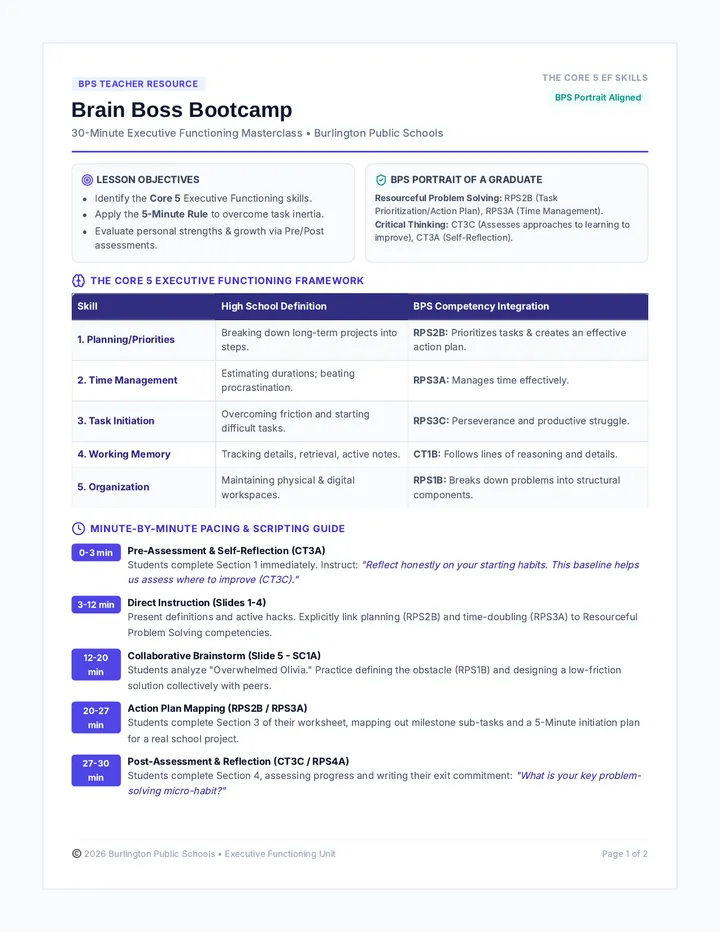
A high-impact 30-minute lesson designed for high schoolers to master the Core 5 Executive Functioning skills (Planning, Time Management, Task Initiation, Working Memory, and Organization) aligned with CASEL and ASCA standards. Includes a complete lesson plan, interactive slide deck, pre/post assessments, and hands-on worksheets.
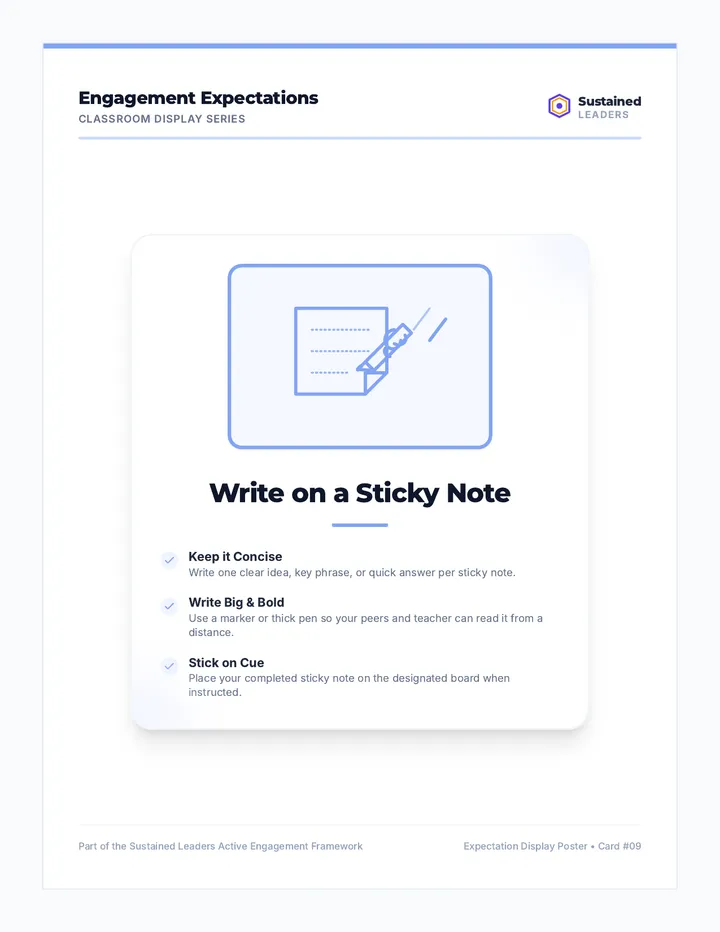
An updated, polished classroom expectation display card featuring a refined, custom 'Write on a Sticky Note' line-art icon with hand-drawn SVG precision. The layout includes corporate branding elements of Sustained Leaders, custom logo, and soft blue accents.
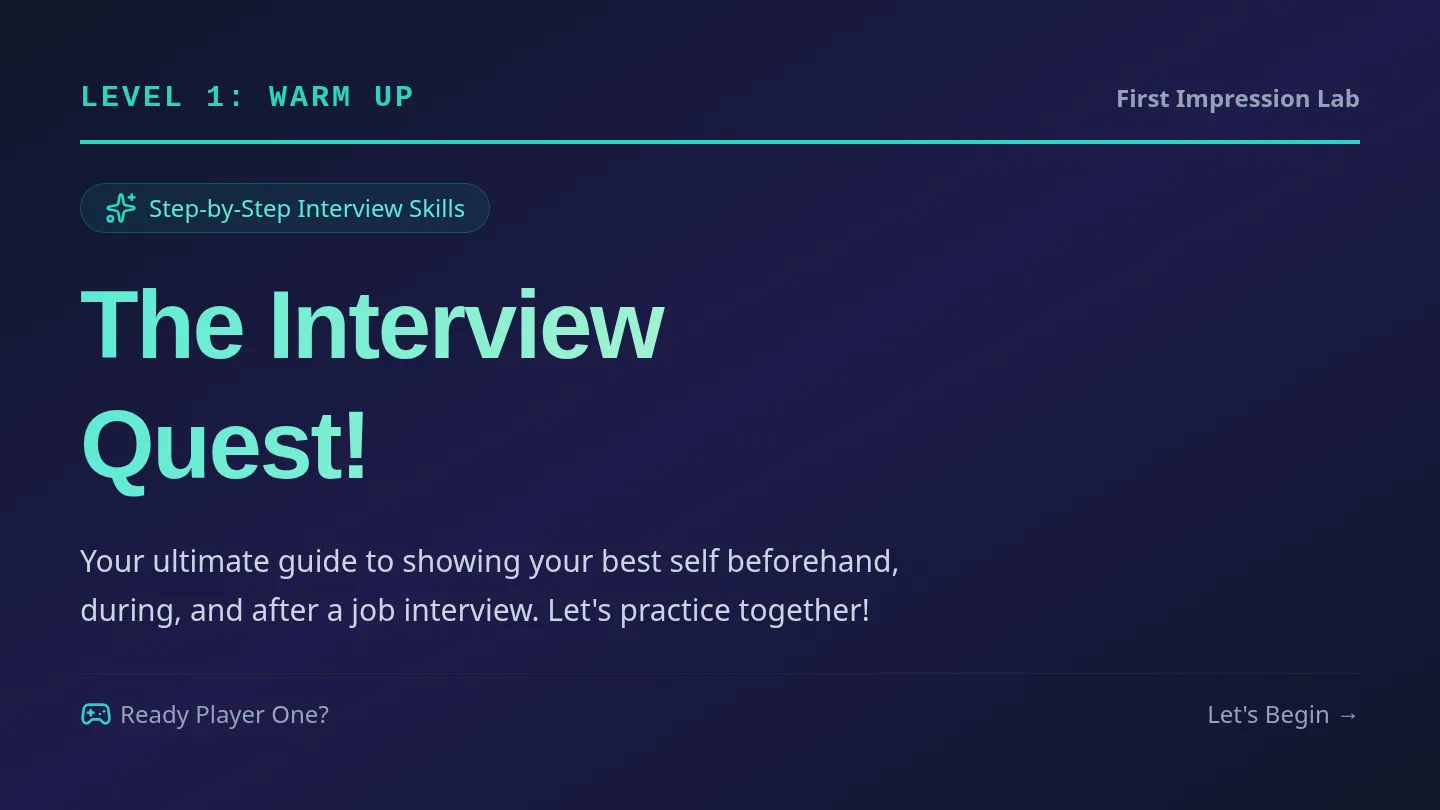
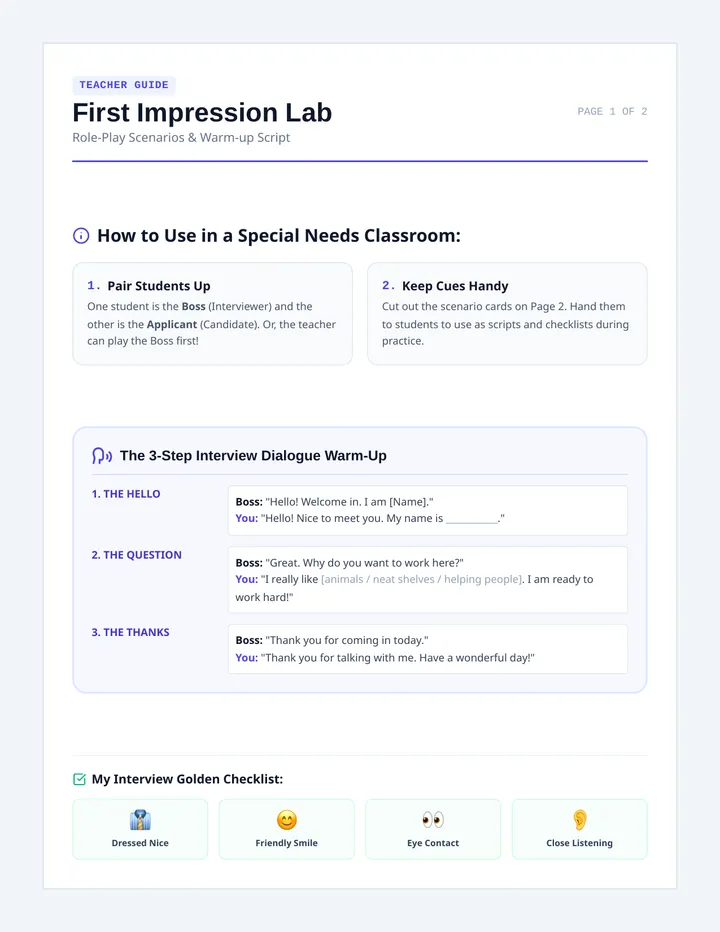
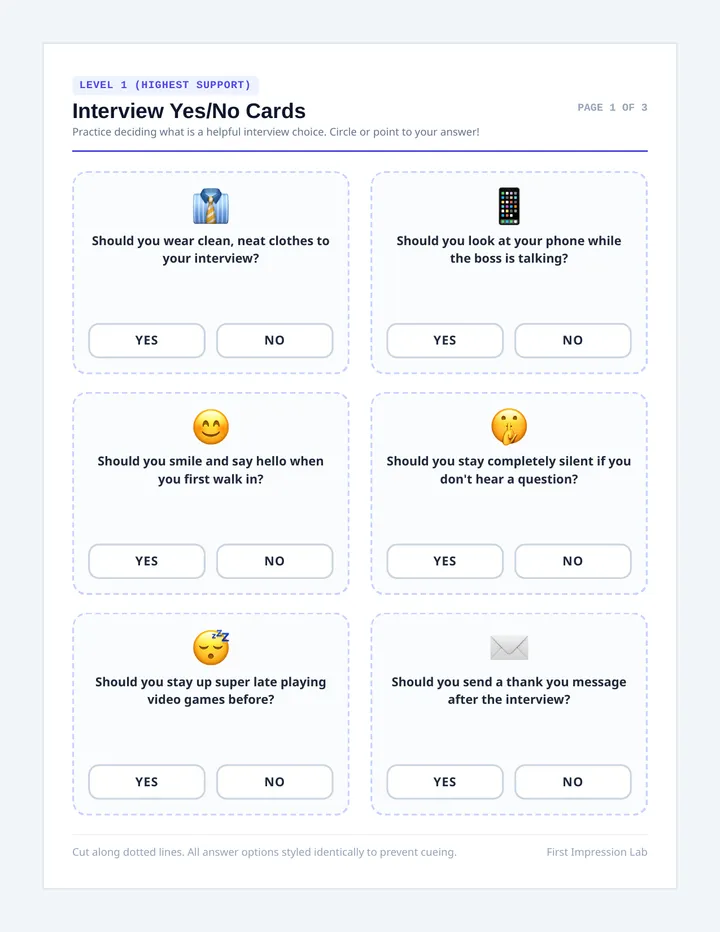
A comprehensive, highly visual curriculum sequence designed to prepare high school special needs students for employment. It covers critical social-emotional and practical work skills, starting with the job interview process and continuing with key on-the-job expectations, workplace etiquette, and self-advocacy.
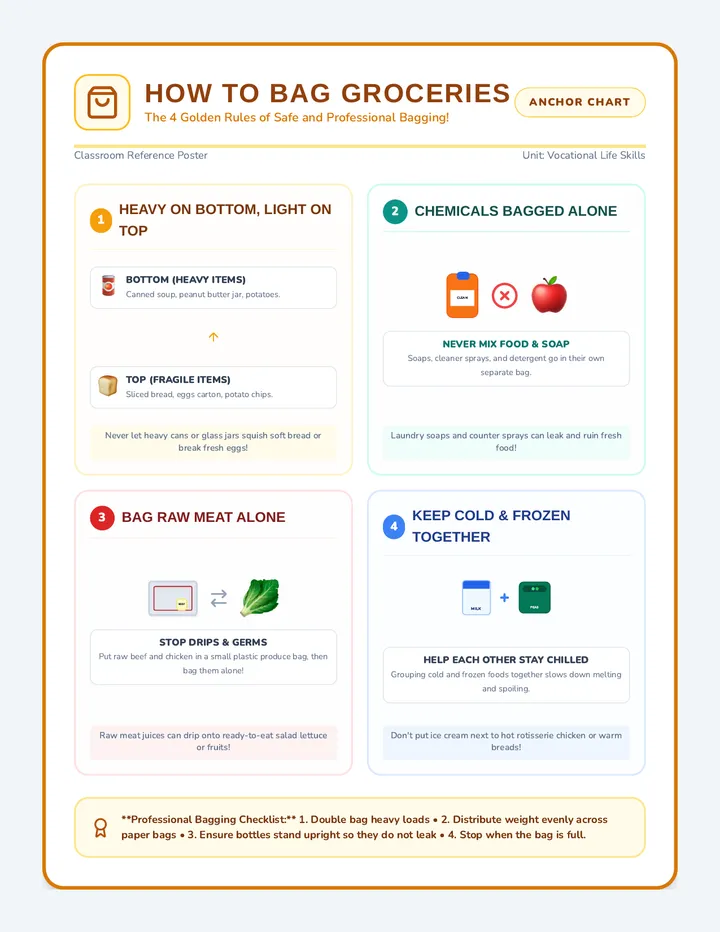
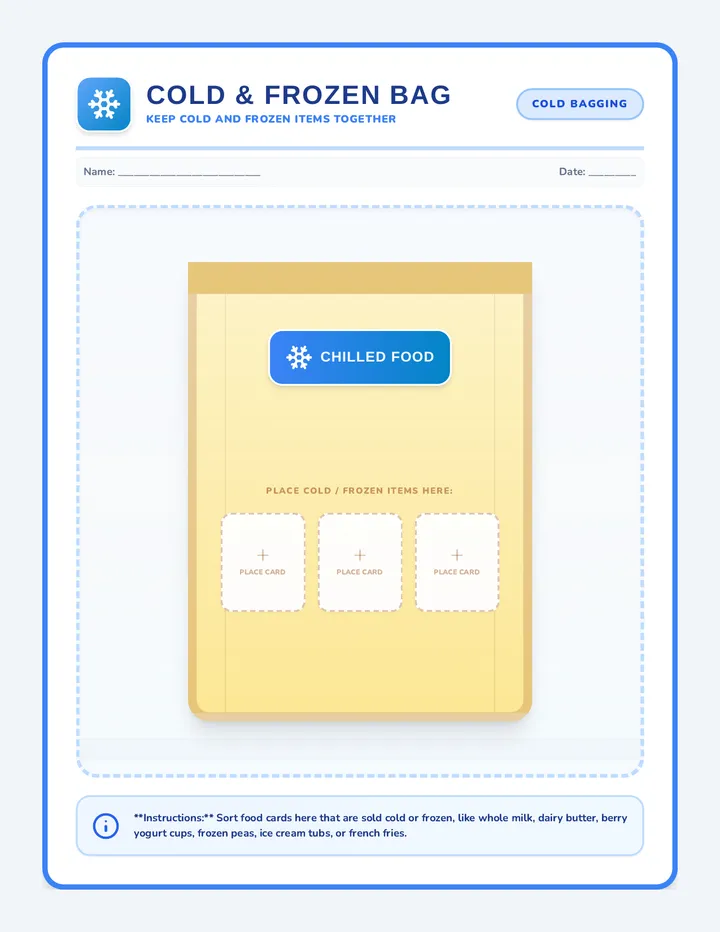
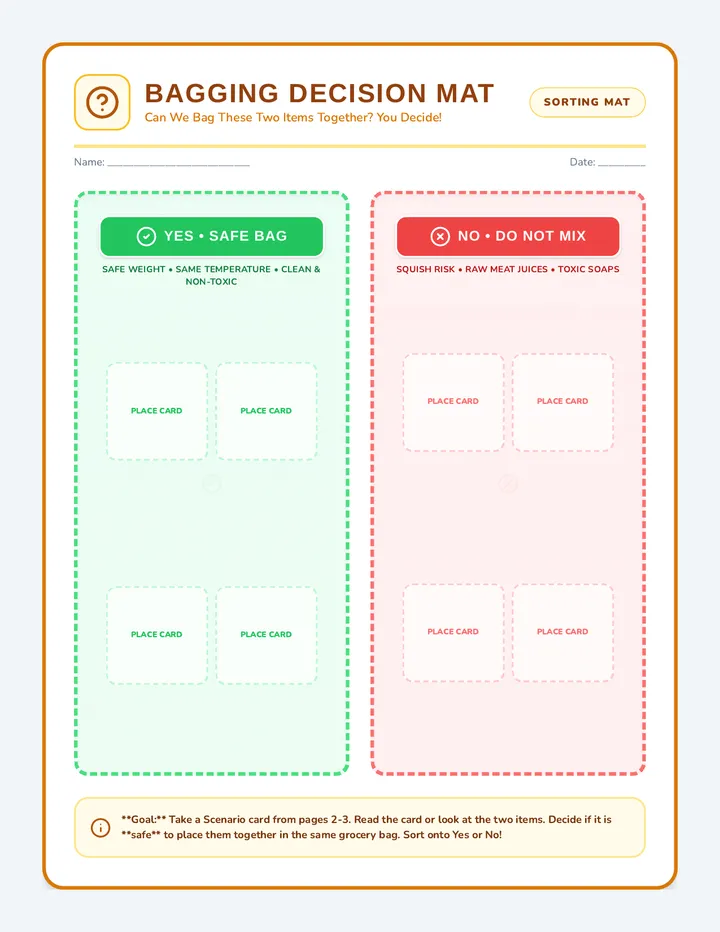
A vocational life skills bagging activity where students learn how to group items into paper grocery bags based on food safety, weight, and temperature rules. Features bagging mats, scenario task cards, and a visual anchor chart.
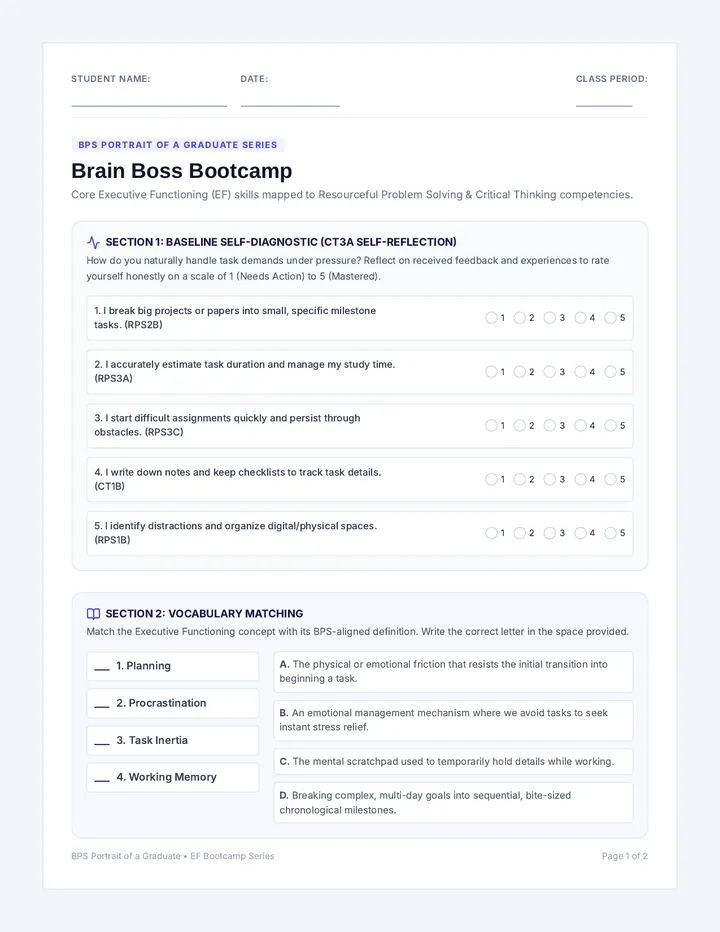
A 2-page student worksheet containing the Pre-Assessment, Core 5 Vocabulary Match, the hands-on Brain Boss Action Plan for project mapping, and the Post-Assessment with a reflective exit ticket.
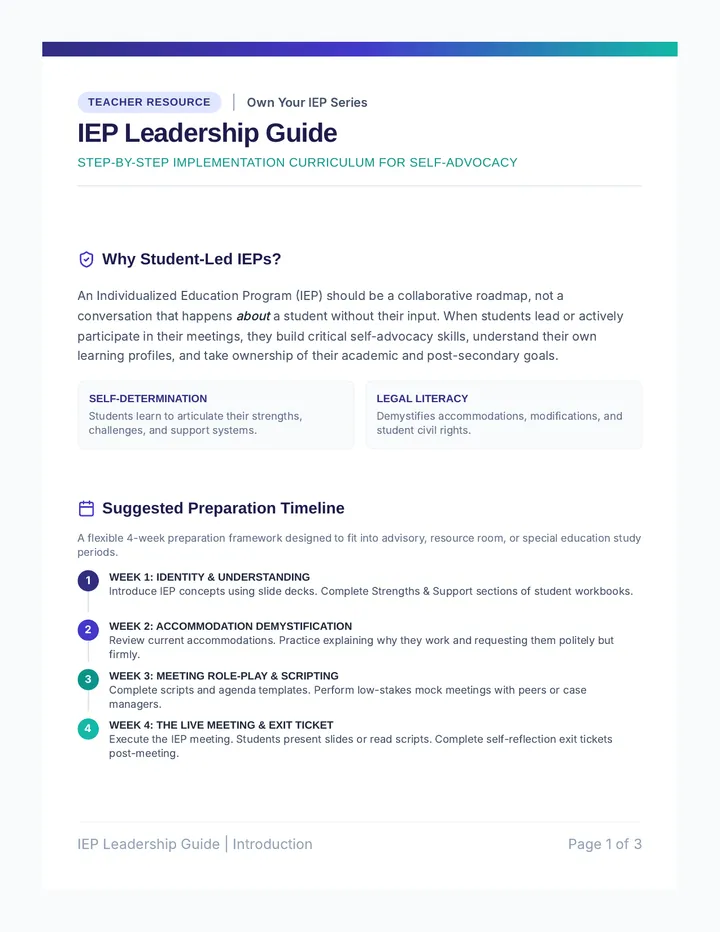
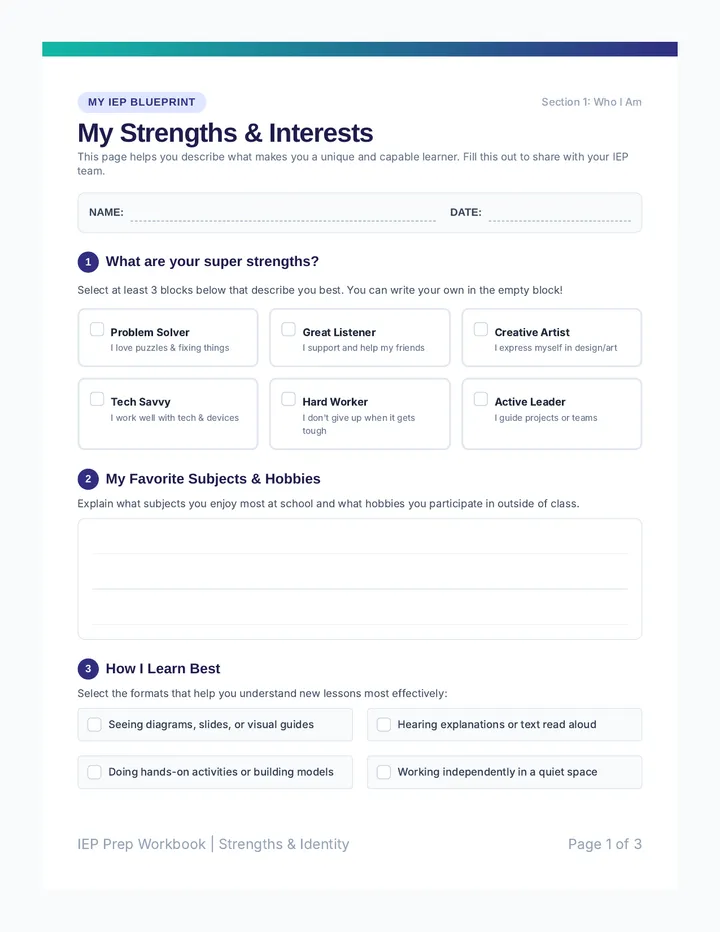
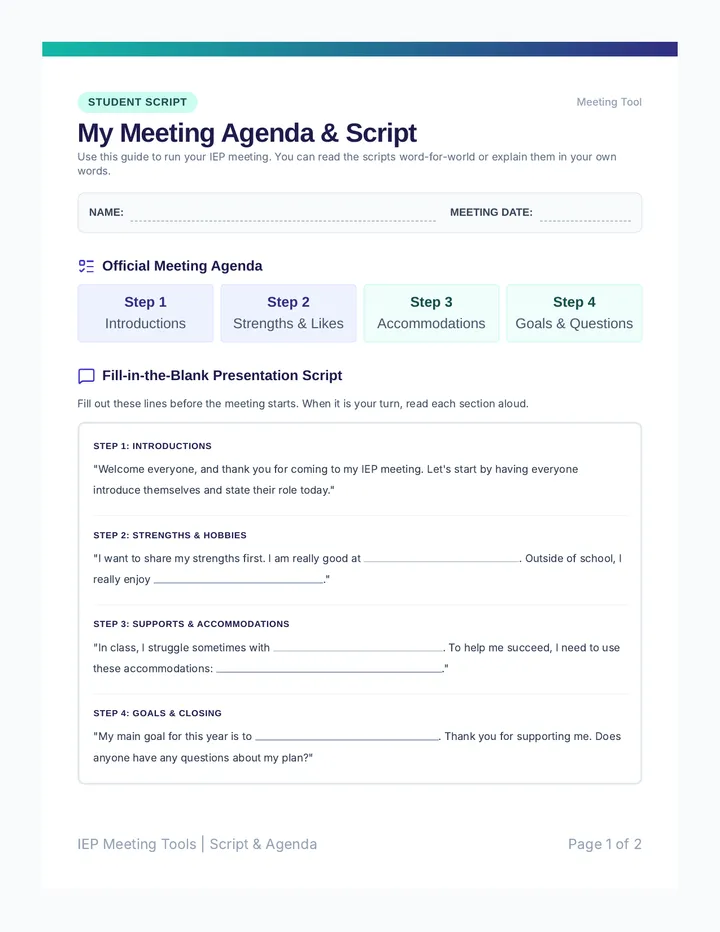
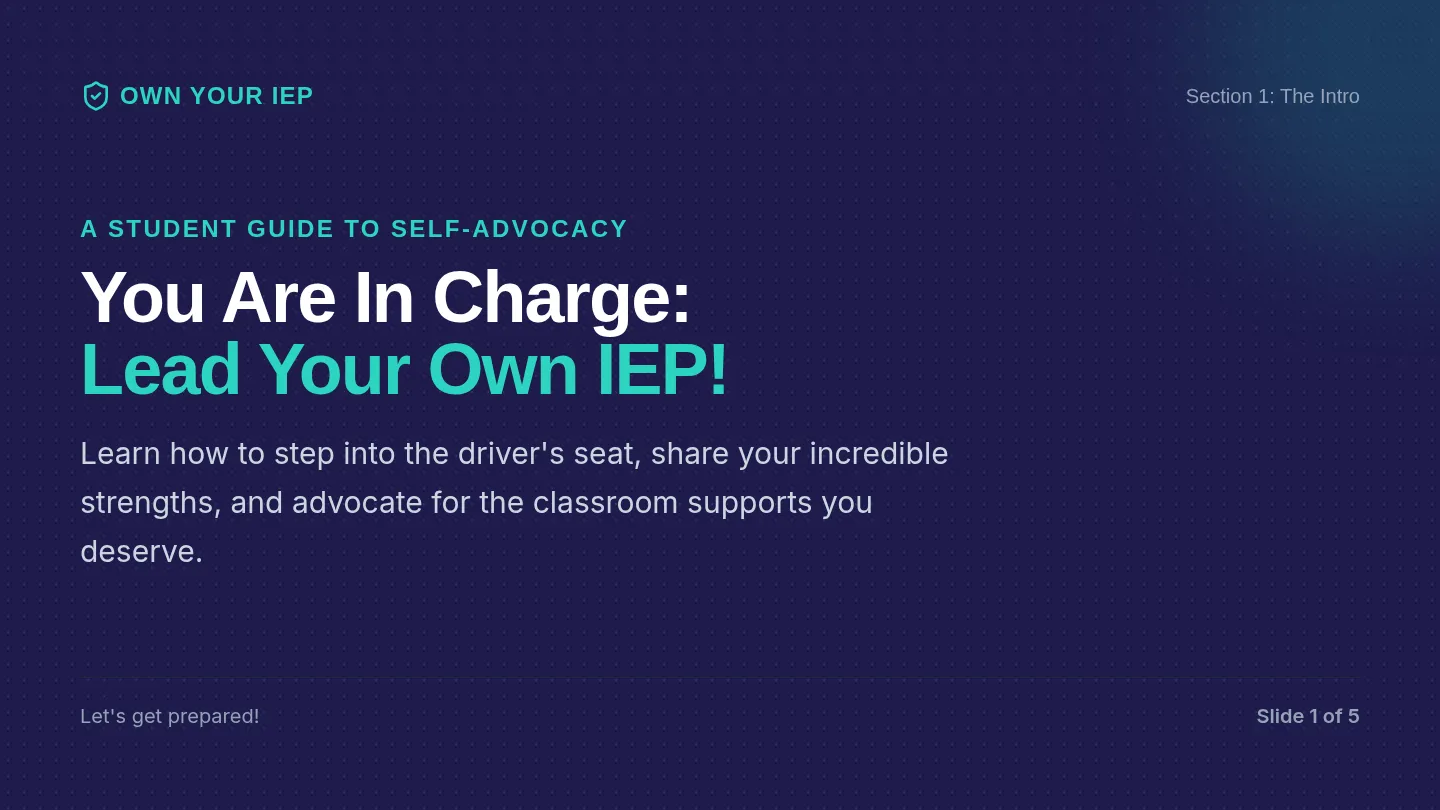
A comprehensive program designed to empower middle and high school students to lead their own IEP meetings. Includes a detailed teacher guide, student preparation workbook, meeting scripts, agenda templates, and interactive presentation slides to scaffold self-advocacy and goal-setting.
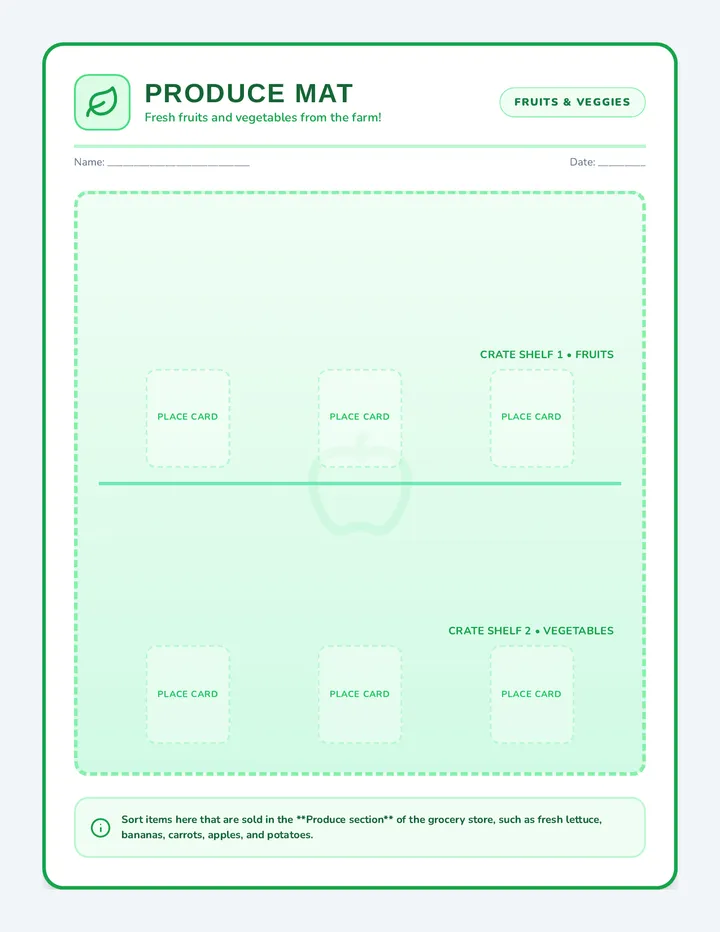
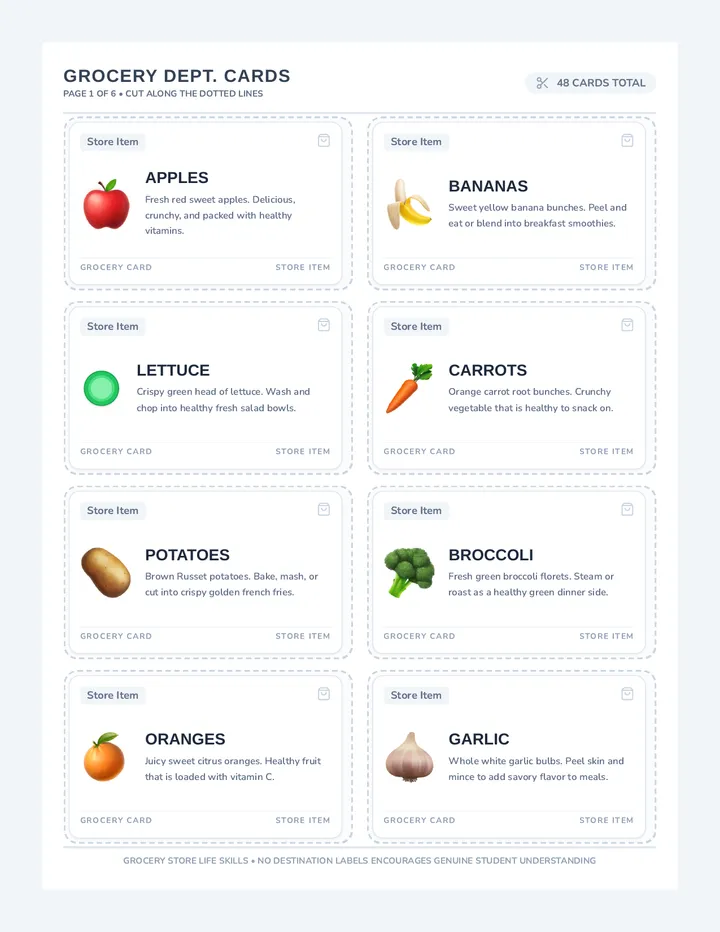
An advanced vocational life skills activity where students learn to sort 48 unique grocery store items into six major retail departments: Produce, Bakery, Dairy, Meat & Deli, Frozen Foods, and Household & Hygiene.
A 6-slide highly-engaging presentation introducing the Core 5 Executive Functioning skills, brain hacks like the 5-Minute Rule, a real-life student scenario, and instructions for action planning.
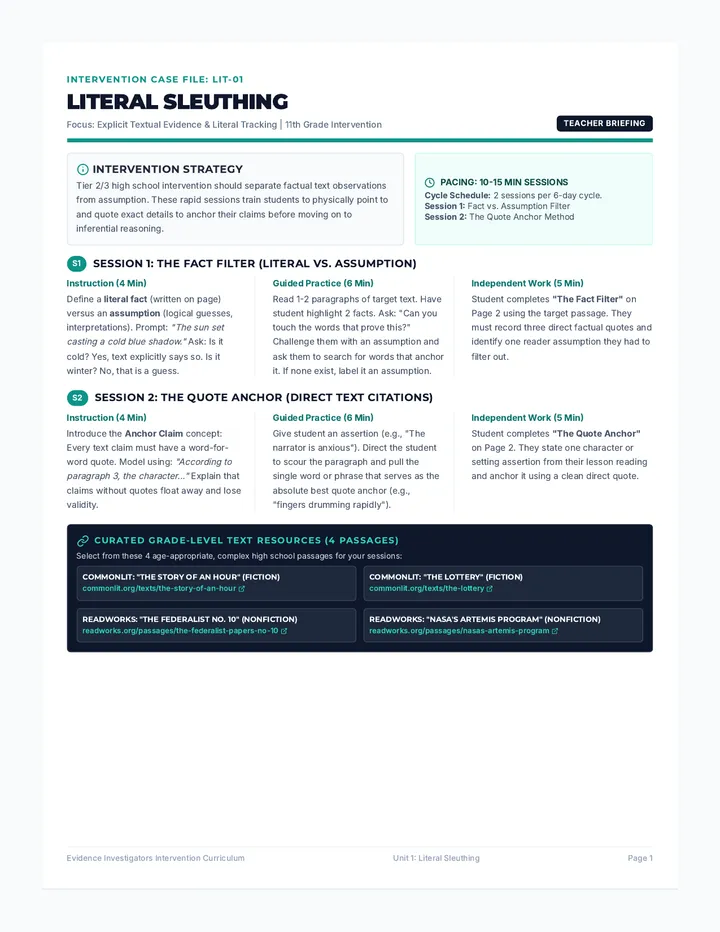
A targeted 6-session reading comprehension intervention program for high school students. Designed for 1-on-1 special education services over three 6-day cycles, this program focuses on literal tracking, inferential reasoning, and synthesis using a mature, engaging investigative notebook theme.
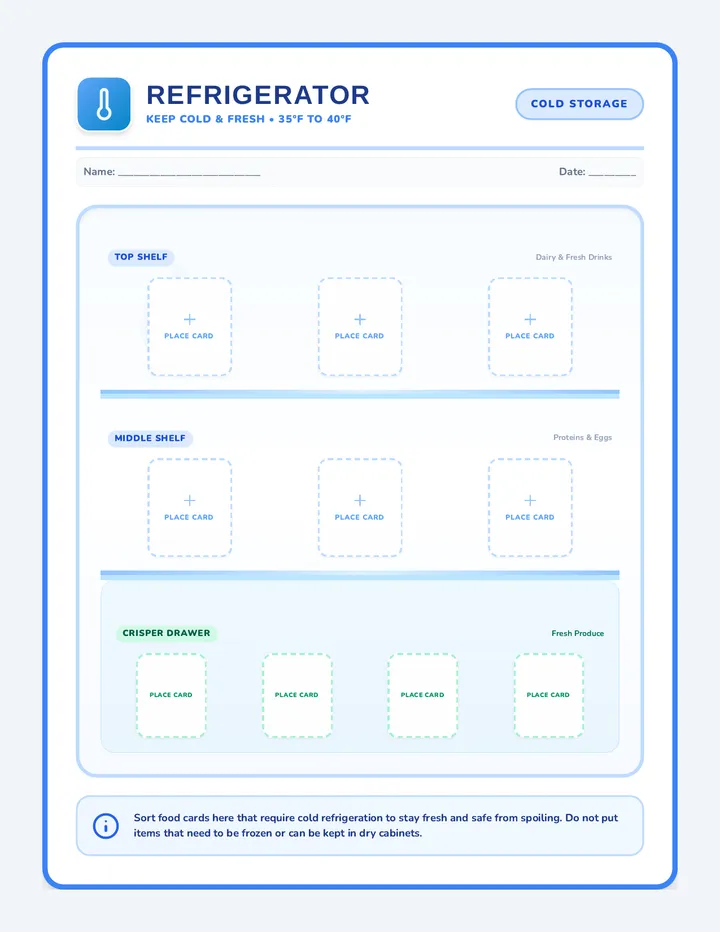
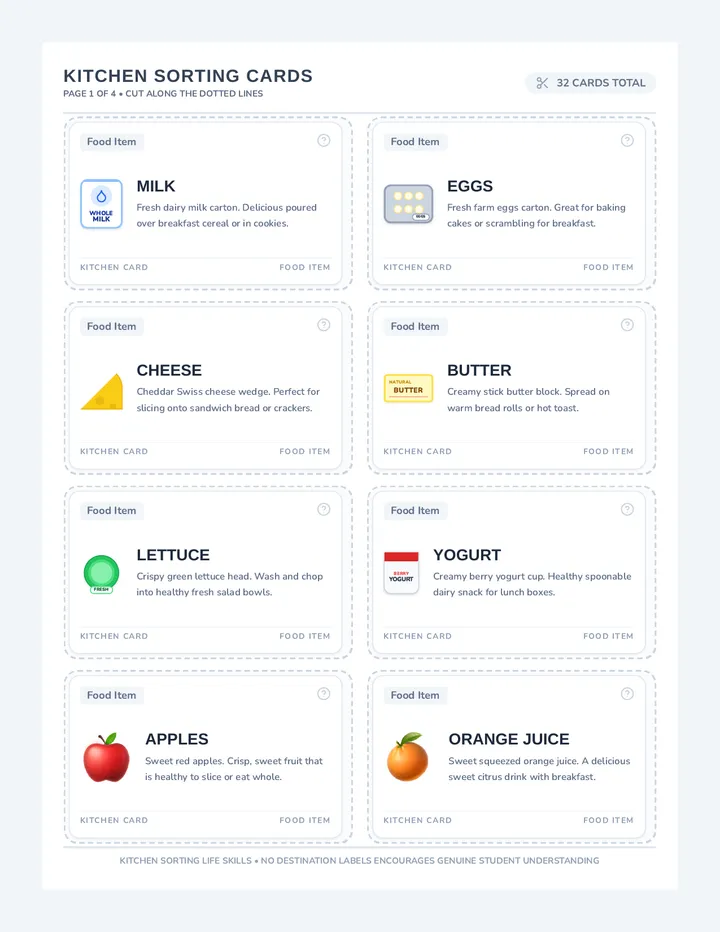
A functional life skills sorting activity where students categorize food items into the refrigerator, freezer, or pantry. Features high-contrast sorting mats and 30 realistic labeled food cards for hands-on learning.
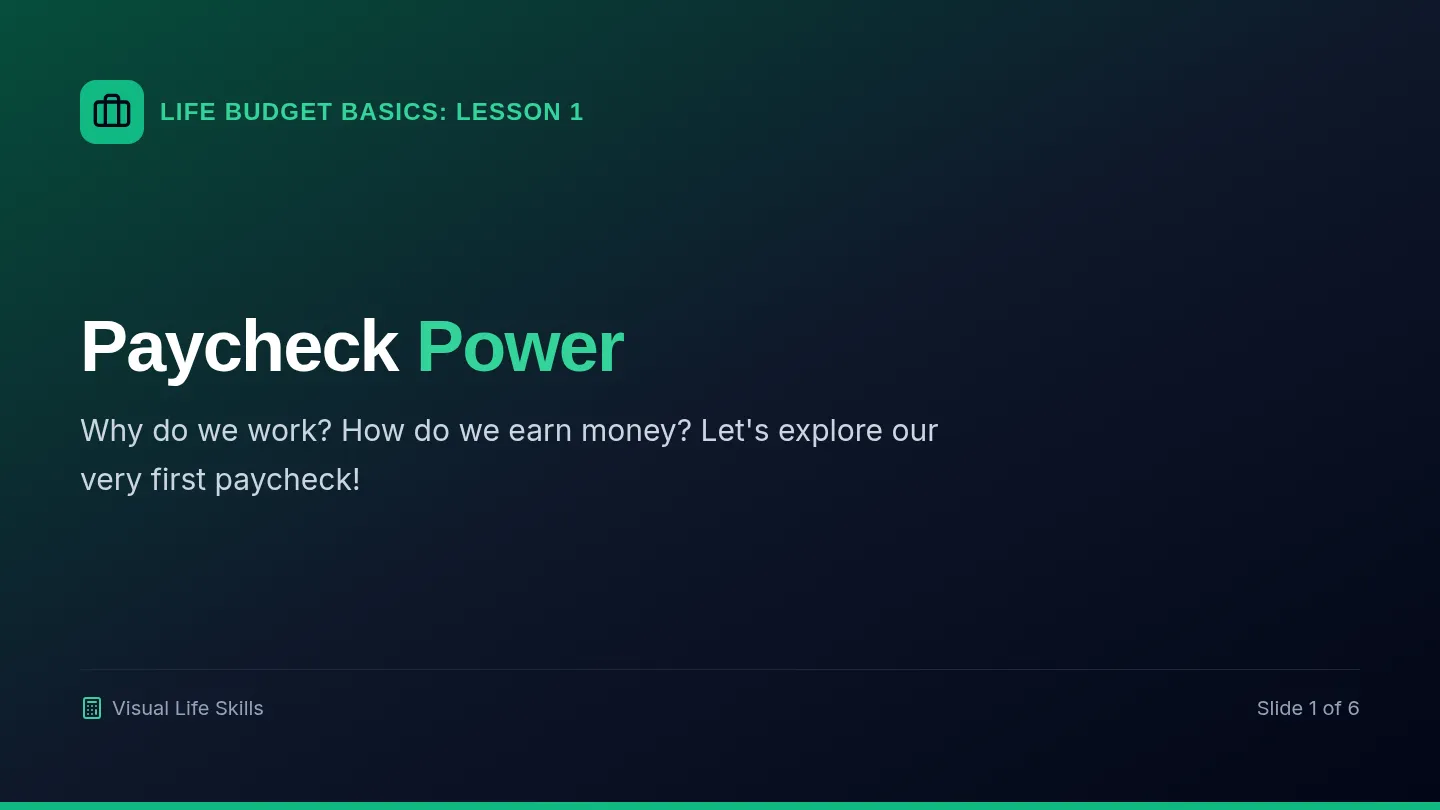
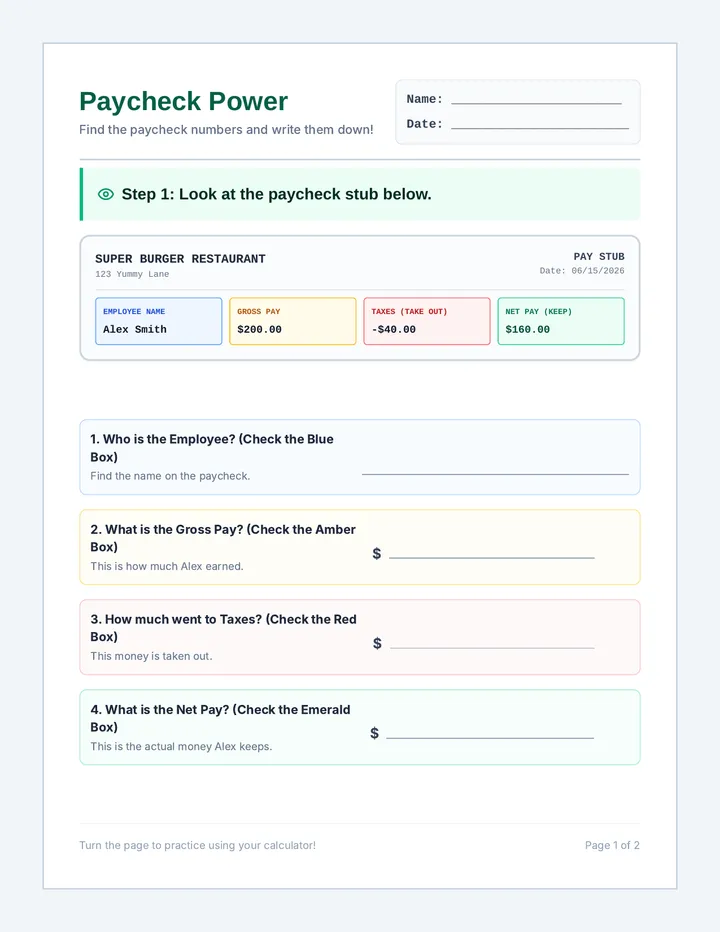
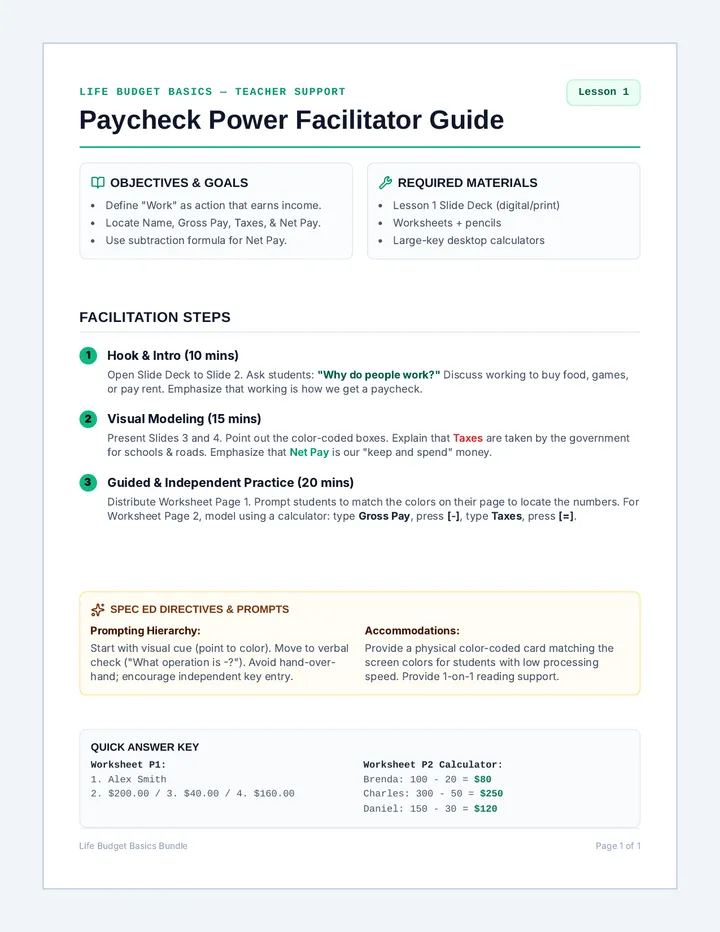
A highly visual, step-by-step budgeting unit designed for high school students with severe special needs. It focuses on earning income, distinguishing wants from needs to save money, and using a calculator to pay bills.