Lenny.com
Explore
Create
ActivitiesNewCurriculumNewMathEnglish Language ArtsScience & EngineeringSocial StudiesGlobal LanguagesHealth & Physical EducationSpecial EducationCounseling & Life SkillsArts & CreativityESL
Lenny.com
Lenny.com
Explore
Create
ActivitiesNewCurriculumNewMathEnglish Language ArtsScience & EngineeringSocial StudiesGlobal LanguagesHealth & Physical EducationSpecial EducationCounseling & Life SkillsArts & CreativityESL
Lenny.com
Lenny.com

Solutions

Lenny for EducatorsLenny for SchoolsLenny for Districts

Product

ExploreSign inCreateSupportAbout

Resources

Getting startedMTSS Acceleration Program

Newsletters

School Funding Newsletter

© 2026 Lenny Learning Inc.

TermsPrivacyAccessibility
LinkedInInstagramX
Lenny
Special EducationSensory Processing & RegulationSensory Preferences IdentificationSensory Tool UseCommunicating Sensory NeedsSensory Overload RecognitionDeep Breathing PracticeMovement Break UtilizationIndependent Calming Strategy UsePersonalized Calming RoutinePersonal Sensory Diet CreationProactive Sensory BreaksEmotion Intensity RecognitionDysregulation RecoveryPositive Behavior SupportUnderstanding Social StoriesPersonal Social Story CreationEmotional Regulation FrameworksPersonal Trigger IdentificationSelecting Regulation StrategiesReinforcement System ResponseSelf-Monitoring & RewardsLearning Positive AlternativesCross-Setting Skill GeneralizationSocial CommunicationEye Contact & Personal SpaceContext-Appropriate GreetingsAppropriate Volume & ToneConversation Turn-TakingTopic Maintenance in DiscussionEffective Help-SeekingBody Language InterpretationFacial Expression RecognitionIdioms & Figurative LanguageSocial Problem IdentificationSocial Solution GenerationSocial Decision EvaluationTask ManagementMinimal Prompting Task StartSelf-Talk for StartingStarter Strategies for Difficult TasksAge-Appropriate Task PersistenceStrategic Break ManagementSmooth Task TransitionsAdapting to Plan ChangesObstacle Problem-SolvingMulti-Day Project CompletionPlanning & OrganizationPhysical Material OrganizationVisual Schedule & Timer UseSequential Task BreakingTime Estimation SkillsTask PrioritizationDigital & Physical Workspace ManagementPersonalized Organization StrategiesDetailed Project PlanningMultiple Commitment BalancingAcademic Support StrategiesMath Manipulative UseVisual Math Problem RepresentationComplex Math Problem BreakdownText Highlighting & AnnotationVisualization While ReadingPredictions & Inferences from TextText Structure Graphic OrganizersWriting Graphic OrganizersSentence Frames & TemplatesStudy Guide CreationSpaced Repetition for MemoryAssistive Writing TechnologyWorking Memory SupportSingle-Step Direction FocusMulti-Step Direction FollowingInformation Chunking PracticeVisual Support Memory AidsMnemonic Device ApplicationEfficient Note-Taking SystemsGraphic Organizer Note-TakingNote Review & OrganizationSustained Complex Task AttentionAssistive TechnologySymbol-Word CommunicationAAC Device NavigationSpeech Recognition DictationDictation Text EditingText-to-Speech for ReadingDigital Calendar UseKeyboard Shortcuts NavigationProductivity App ManagementSelf-Advocacy SkillsCommunicating Learning NeedsRequesting AccommodationsAdvocating for Appropriate SupportsIEP & Student RightsUnderstanding IEP ComponentsMeaningful IEP Meeting ParticipationIDEA & Section 504 RightsProgress MonitoringTracking IEP Goal ProgressReflecting on AchievementData-Informed Instructional AdjustmentTransition PlanningCareer & Vocational Goal SettingExploring Post-Secondary OptionsIndependent Living Skills Planning

Supporting Every Student Guide

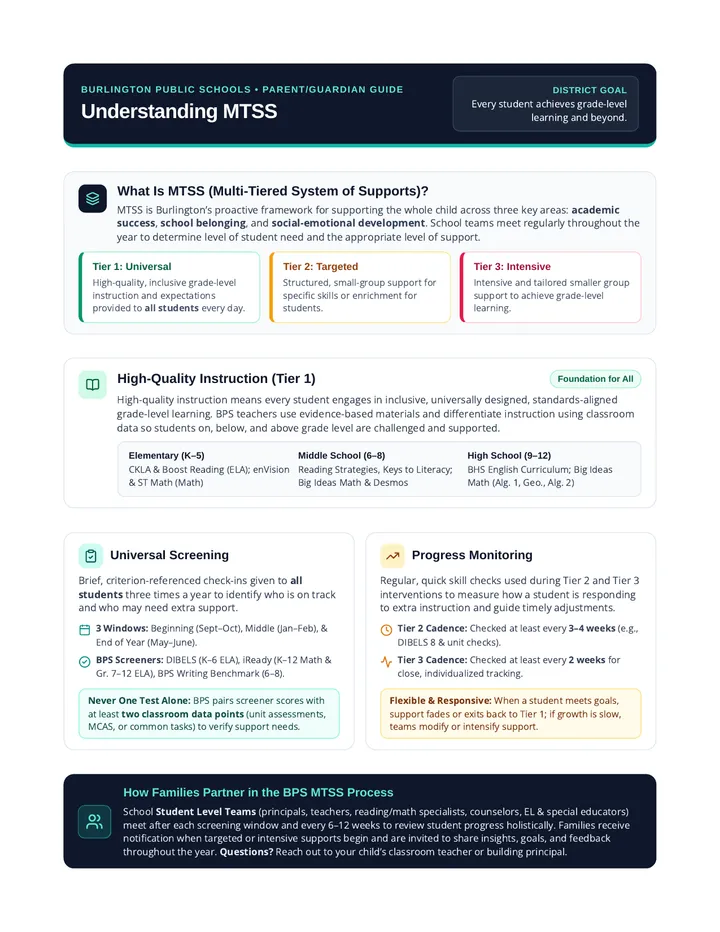
A parent- and guardian-facing 1-page guide to Burlington Public Schools' Multi-Tiered System of Supports (MTSS), aligned with the official Caregiver Guide terminology and definitions. It centers the MTSS pyramid visual with Academic & Behavioral supports on the left and Belonging, SEL & Attendance supports on the right.

CCChristine Conceison

Supporting Every Student Guide

A parent- and guardian-facing 1-page guide to Burlington Public Schools' Multi-Tiered System of Supports (MTSS), aligned with the official Caregiver Guide terminology and definitions. It centers the MTSS pyramid visual with Academic & Behavioral supports on the left and Belonging, SEL & Attendance supports on the right.
CCChristine Conceison

You might also like

School Door Slides

Door and Window Heroes

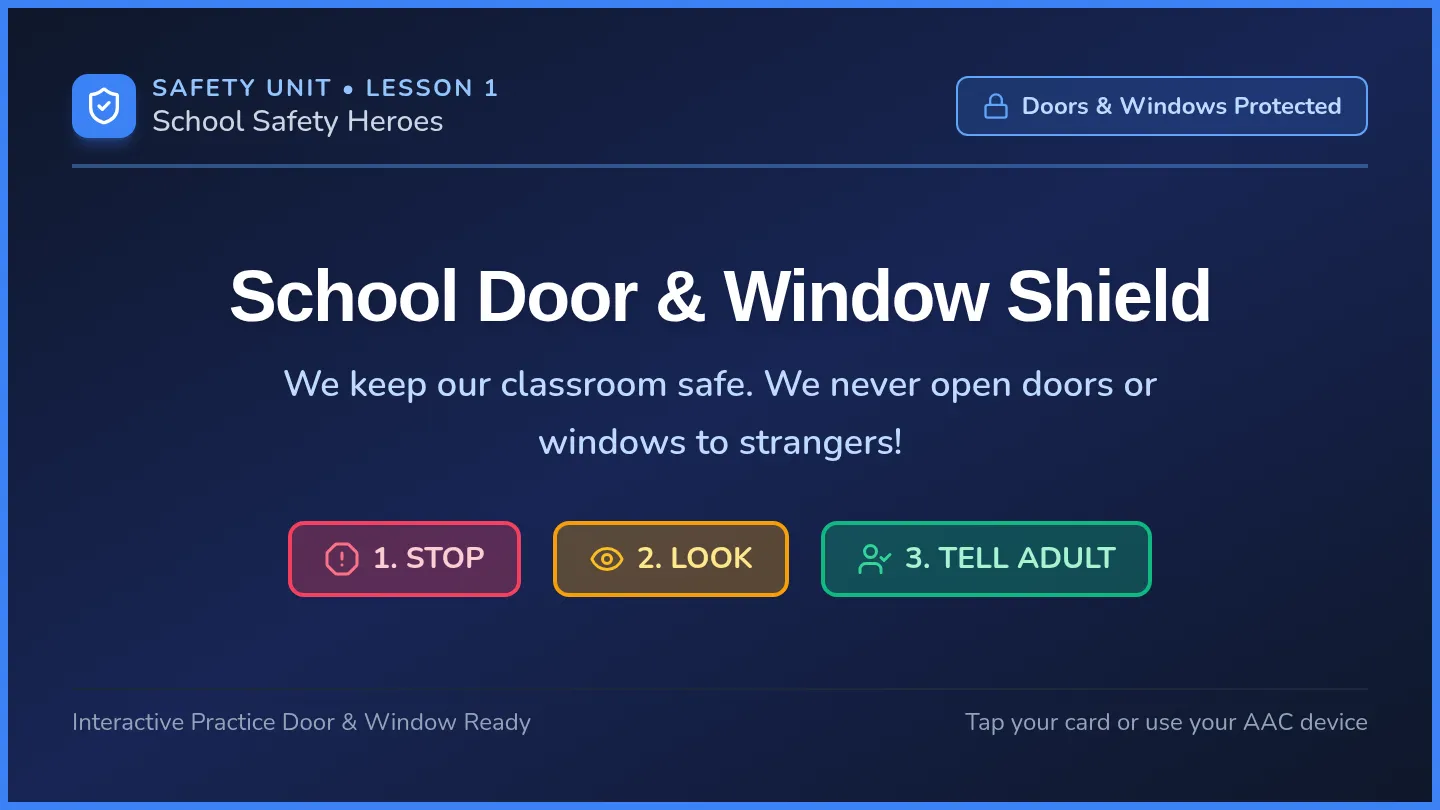
A comprehensive two-part practical safety sequence designed for 6th grade autistic students and non-verbal communicators. Students learn vital door lock mechanics, window latch protocols, screen hazards, stranger avoidance, and non-verbal adult-alert routines for school and home using tactile practice doors and windows.

CW

Christine Webber

6
Three Graduation Pathways Infographic

High School Support Guide

A family-friendly reference set explaining California high school graduation pathways for students with disabilities and the distinct roles of school counselors and special education case managers.

KE

Kate Espiritu-Gonzalez

2
Burlington MTSS Fact Sheet (Parent/Guardian Guide)

Burlington MTSS Fact Sheet (Parent/Guardian Guide)

A one-page parent and guardian fact sheet explaining Burlington Public Schools' Multi-Tiered System of Supports (MTSS), including definitions and district-specific details for Universal High-Quality Instruction, Universal Screening, and Progress Monitoring.

CC

Christine Conceison

Body Changes Slides

Body Boundaries

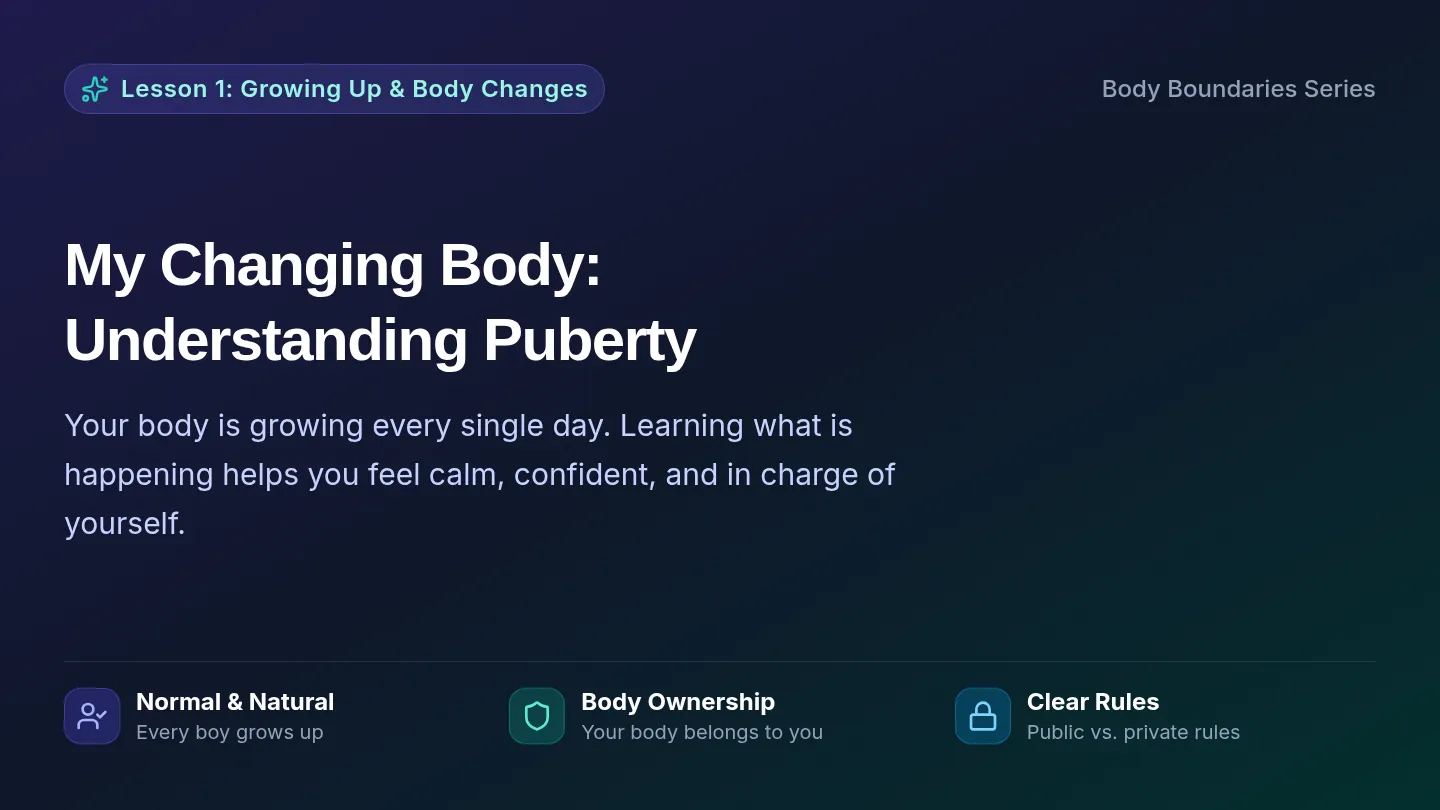
A supportive, neurodiversity-affirming 3-lesson sequence designed for 11-year-old autistic boys experiencing puberty, body changes, and the need for clear boundaries between public and private spaces. It combines explicit social narratives, concrete spatial rules, and discreet replacement strategies to foster dignity, body autonomy, and self-regulation.

R

respinola

9
Steady Ground Teacher Guide

Steady Ground

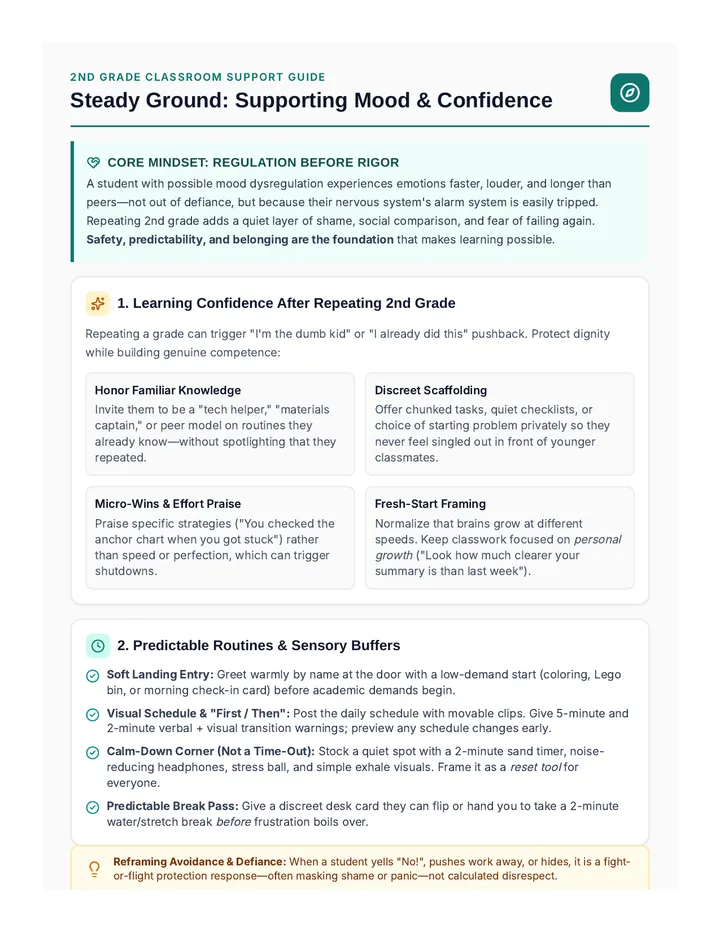
A practical, compassionate resource set for a 2nd-grade teacher supporting a student repeating 2nd grade with possible mood dysregulation. Includes a comprehensive teacher guide and a single-page desk reference checklist covering regulation, belonging, pattern tracking, and home-school teamwork.

L

lhammann

6
Daily Goal Tracker Form

Daily Goal Tracker Form

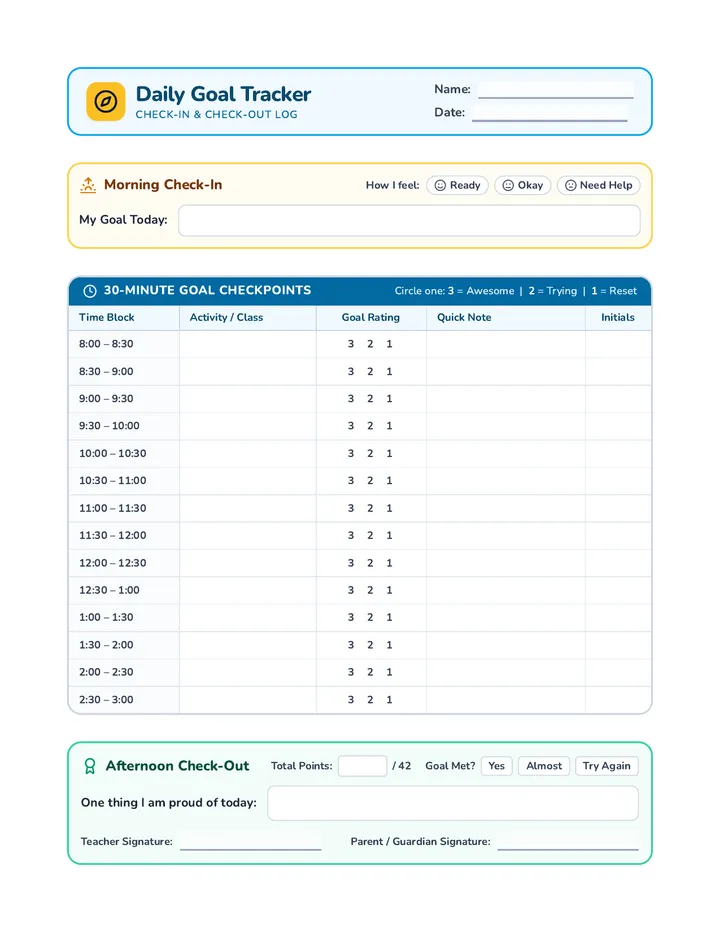
A printable one-page daily goal check-in and check-out form designed for elementary students, featuring 30-minute time increments from 8:00 AM to 3:00 PM. Includes a morning check-in, a structured 30-minute goal tracking table with rating options and teacher initials, and an afternoon reflection and home-school sign-off section.

DW

Doug Wentworth

Tiny Talkers Practice Sheet

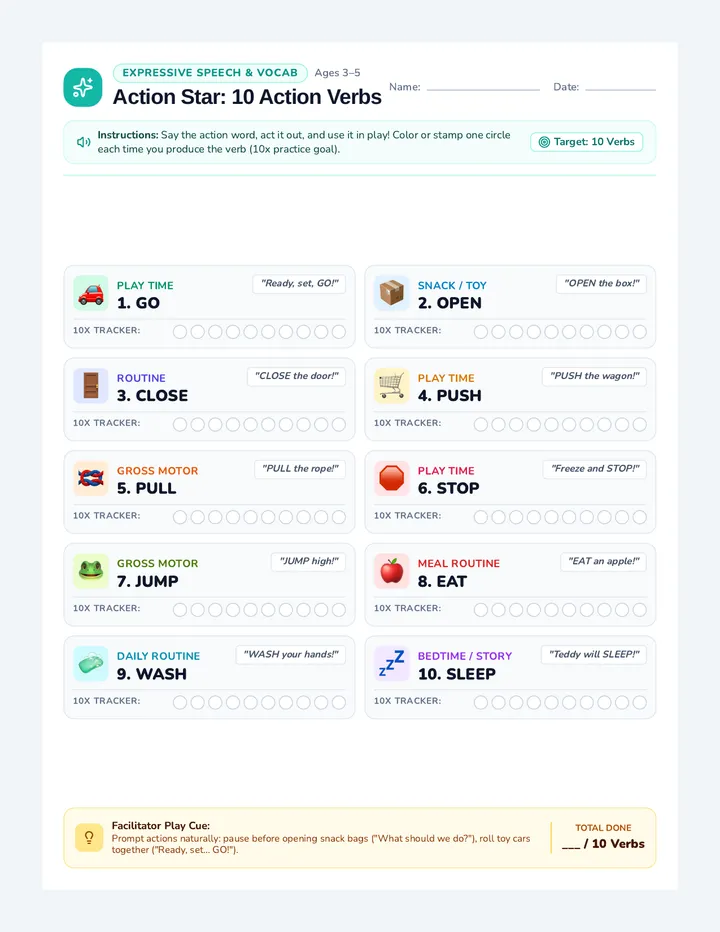
Speech Therapy Toolkit

Comprehensive speech-language pathology resources spanning early childhood language development and upper-elementary articulation mastery.

MB

Morgan Brown

3
Rainbow Rug Champion Behavior Chart

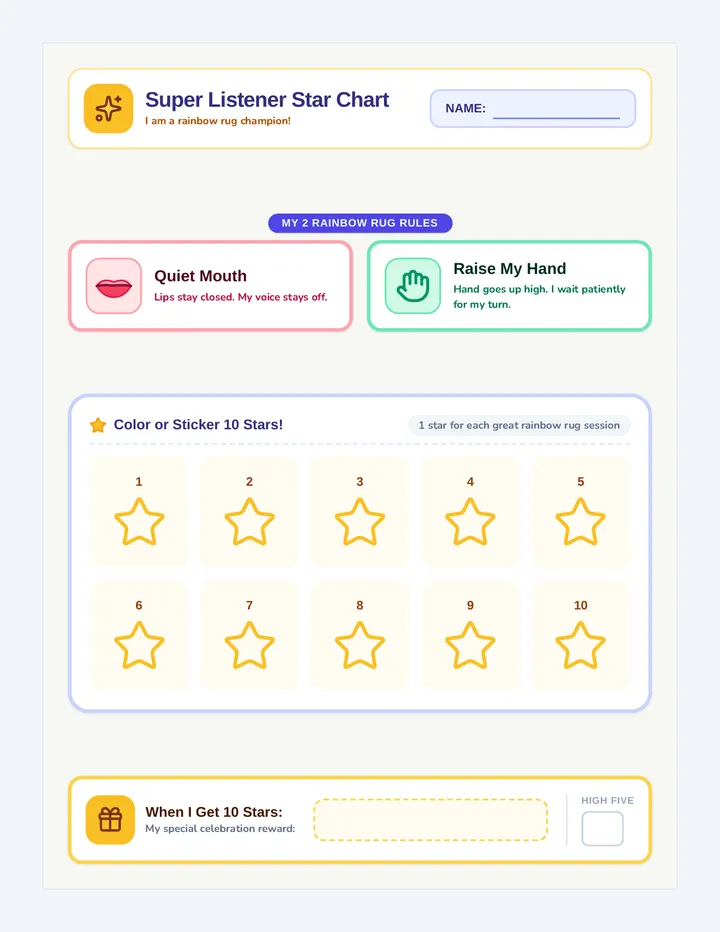
Kindergarten Star Charts

Printable visual star behavior charts designed for kindergarteners working on whole-group listening and classroom expectations.

TL

Tara Lamont

2
Counselor vs Case Manager Infographic

Counselor vs Case Manager Infographic

A one-page, family-friendly printable infographic comparing the roles of high school counselors and special education case managers. It highlights how both roles meet with students academically and advocate for them, outlines each role's distinct responsibilities (including case managers checking in with caseload students during FLEX on academics and IEP goals/services), and explains how the 8th-to-9th grade IEP transition meeting sets up 9th-grade placement.

KE

Kate Espiritu-Gonzalez

Sky Clues Slides

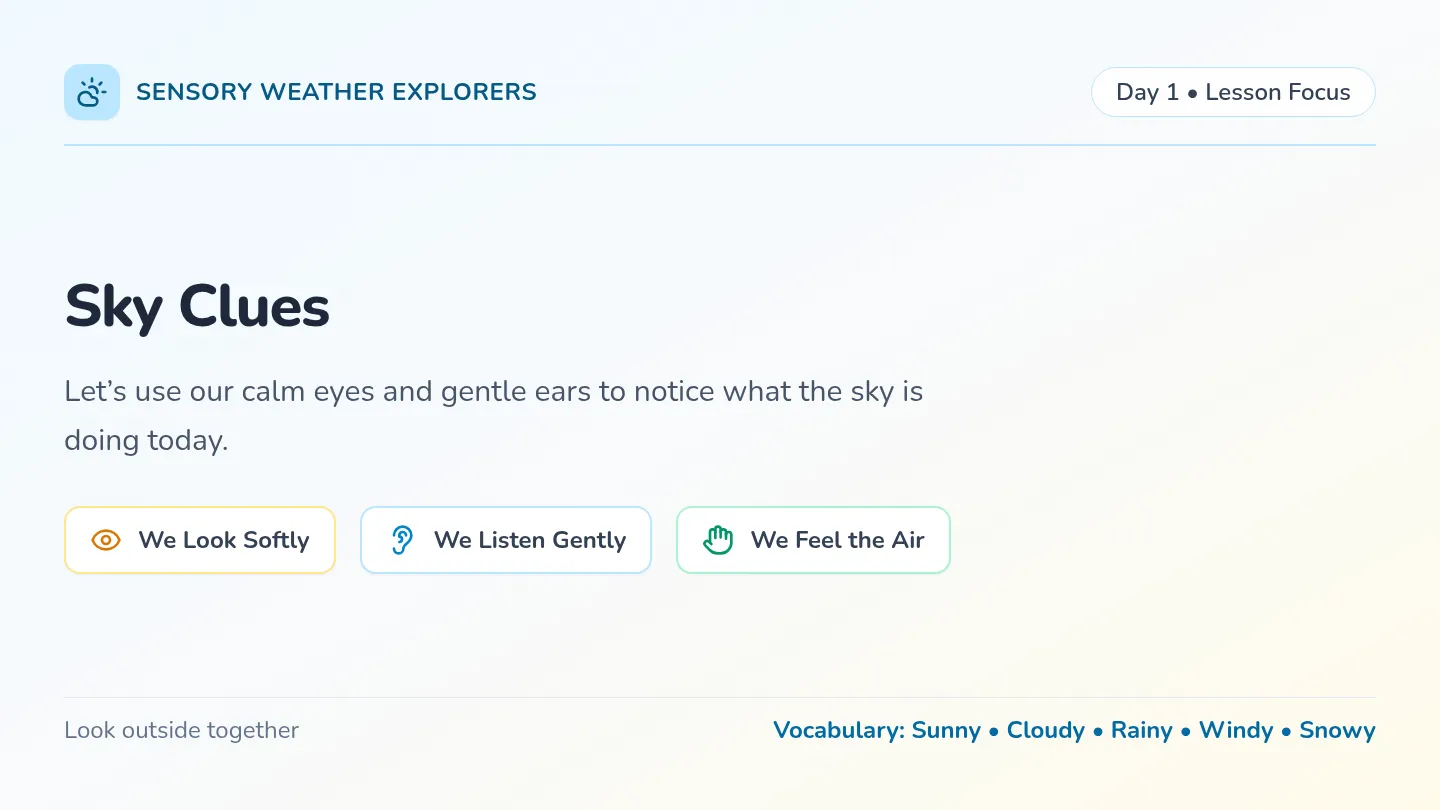
Sensory Weather Explorers

A calm, sensory-friendly 3-day weather sequence for early learners. Students build confidence with core weather vocabulary, explore sensory-informed clothing and comfort choices, and practice safe daily weather routines using clear visual supports.

KU

Krista Uzelli

9
Pause Patrol Slides

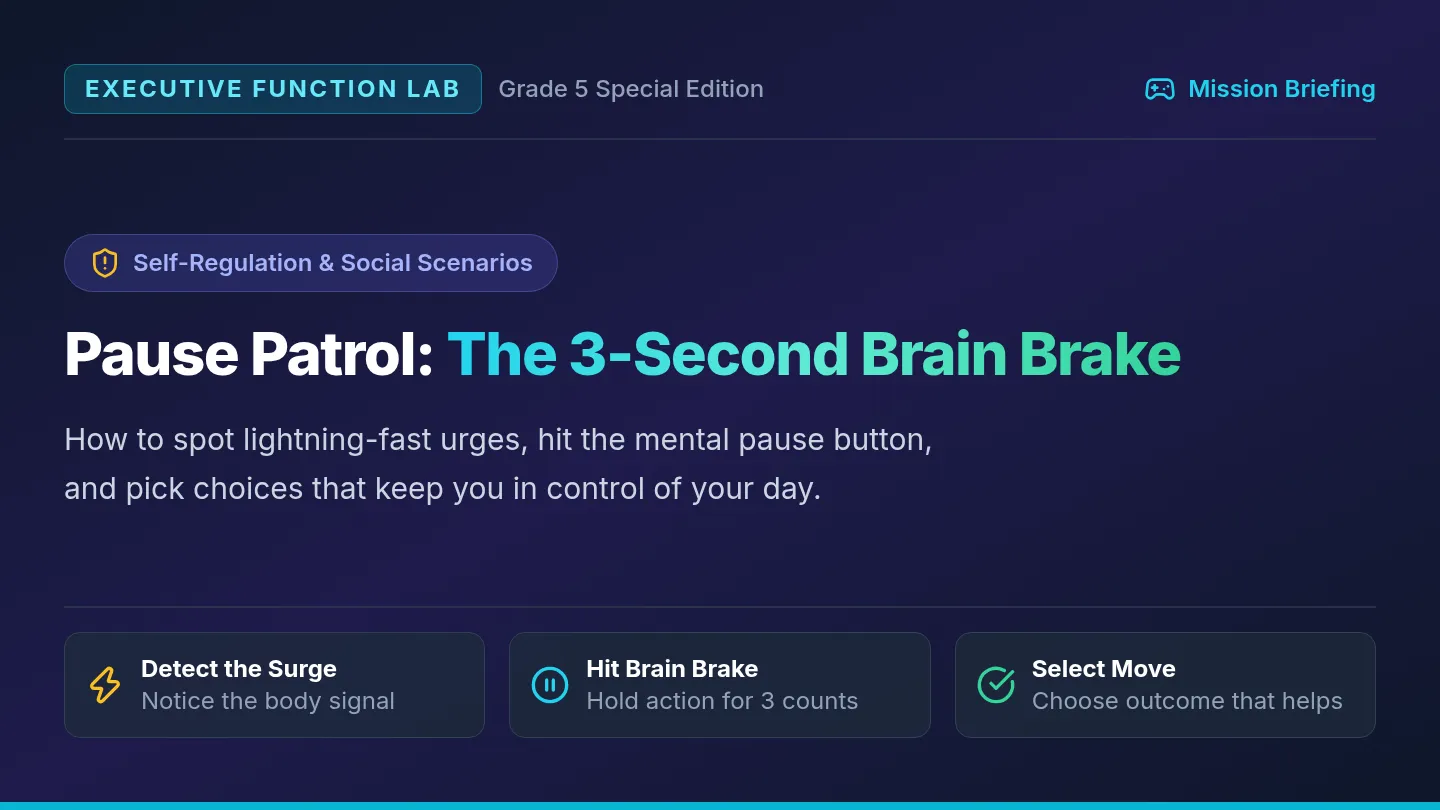
Pause Patrol

A structured, neurodiversity-affirming impulse control mini-lesson bundle designed for 5th graders with autism, featuring direct visual instruction, a choice-driven scenario challenge game, and a concrete take-home practice tracker.

TS

Tara S

3
Three Graduation Pathways Infographic

Three Graduation Pathways Infographic

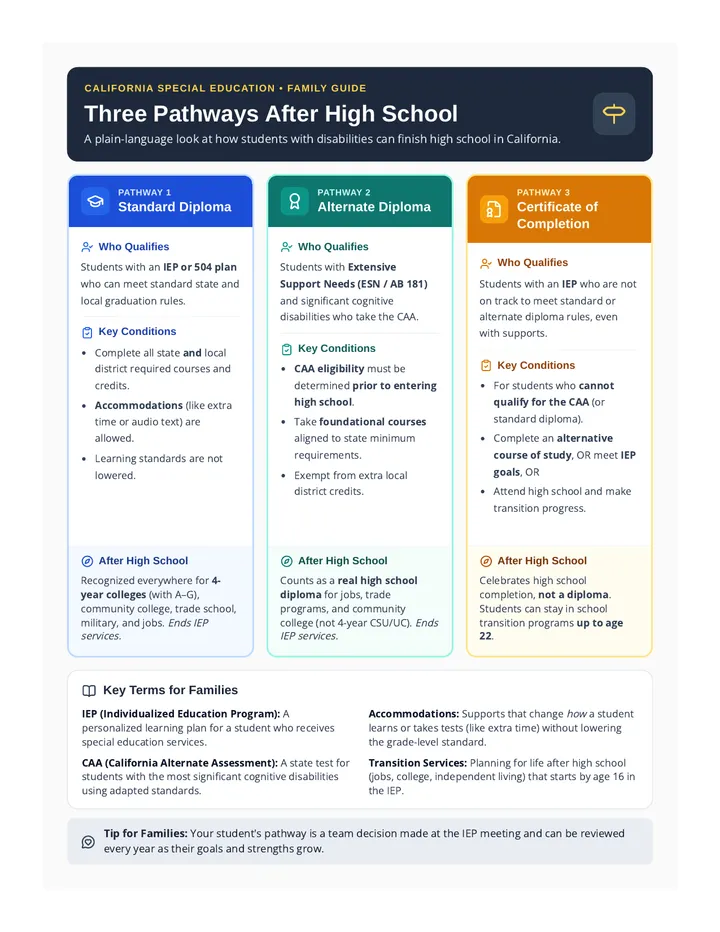
A one-page, family-friendly printable infographic comparing California's three high school completion pathways for students with disabilities: Standard High School Diploma, Alternate High School Diploma, and Certificate of Completion. It highlights eligibility criteria (including pre-high-school CAA determination and ESN/AB 181 foundational courses for the Alternate Diploma, and non-CAA eligibility for the Certificate), post-high-school outcomes, and plain-language definitions of key special education terms.

KE

Kate Espiritu-Gonzalez