Support Squad Facilitator Guide
Unit: Self-Advocacy & Transition
40 MIN
The Game Plan
Understanding and utilizing a support network is crucial for successful self-advocacy and navigating life transitions. This lesson empowers students to recognize available resources and develop skills to access them effectively.
Audience & Approach
- 9th Grade Group
- Interactive Discussion
- Mapping Activity
Preparation
- Set up projector for Support Squad Slides
- Print Support Map Activity (1 per student)
- Review Discussion Guide
Learning Objective
"Students will be able to identify key members of their personal support network and understand how to effectively ask for help to practice self-advocacy."
Play-by-Play Instructions
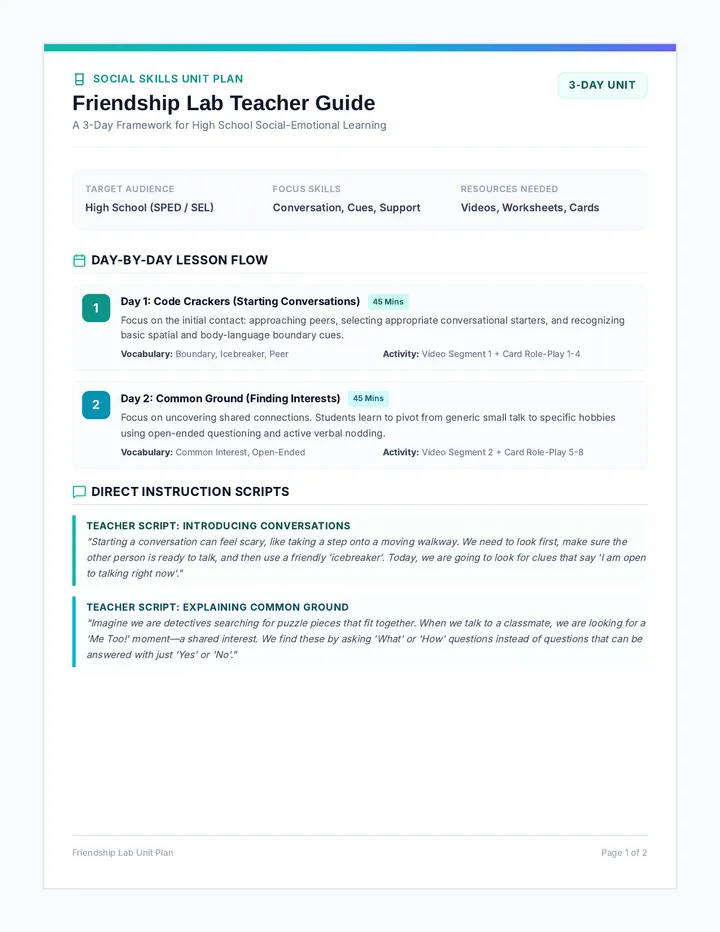
1. Introduction: Who's On Your Team?
5 MIN
- Greet students and introduce the topic: building a support network.
- Use Slide 1 of Support Squad Slides.
- Ask: "Who are the people in your life who help you?" Allow for quick brainstorms.
2. Understanding Support Networks
10 MIN
- Define a 'support network' using Slide 2.
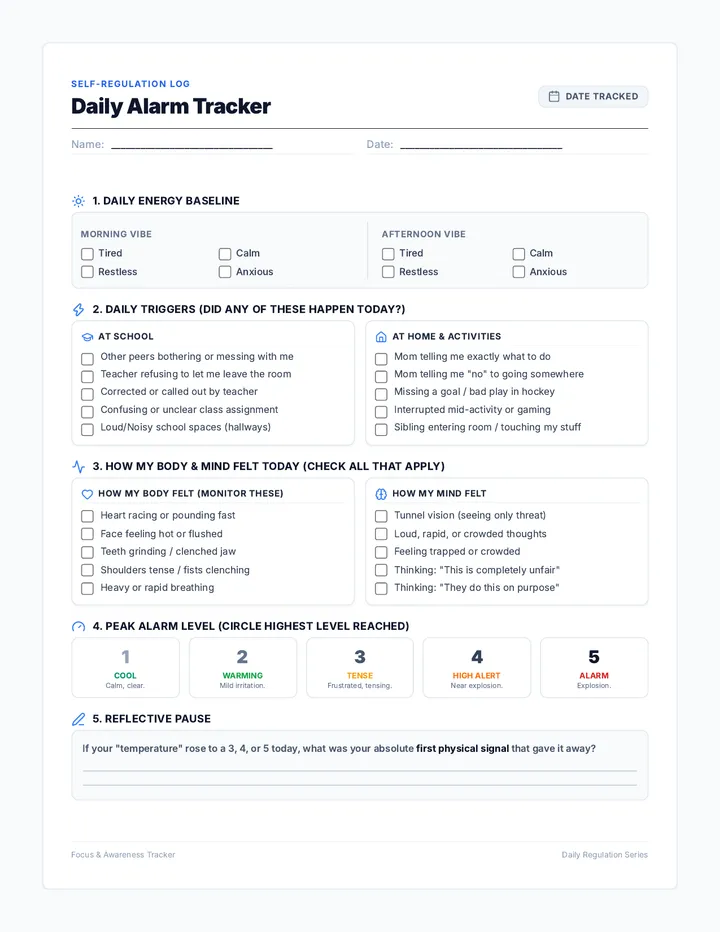
- Discuss different types of support: emotional, academic, practical.
- Use Slide 3 to show examples of support people (family, teachers, friends, community).
- Facilitate the Asking for Help Effectively Discussion.
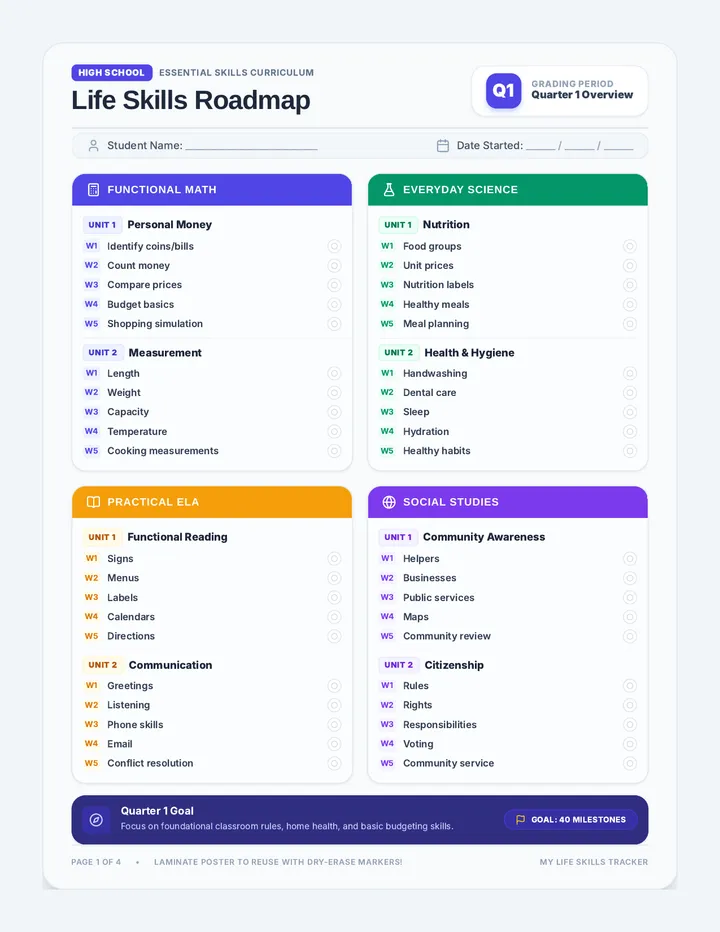
3. Mapping Your Support Squad
15 MIN
- Introduce the Support Map Activity (Slide 4).
- Explain the instructions for the activity.
- Have students individually complete their 'My Support Map,' identifying people and how they can help.
- Circulate to provide support and answer questions.
4. Sharing and Reflection
8 MIN
- Invite students to share one or two people from their map (optional, ensuring privacy).
- Discussion: "How does knowing your support network make you feel?" and "When might you use this map?"
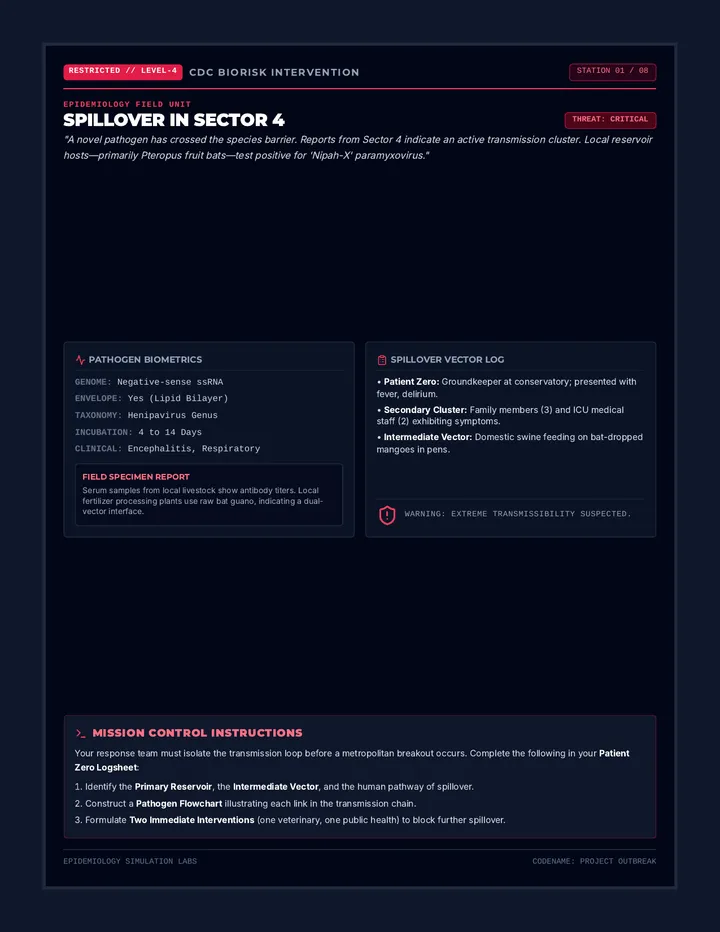
- Use Slide 5 for concluding thoughts on self-advocacy and using their team.
5. Wrap-Up
2 MIN
- Summarize the importance of self-advocacy and utilizing support networks.
- Thank students for their participation.
Support Squad Slides
Who's On Your
Team?
Let's talk about the people who help us! Who comes to mind when you think of someone who supports you?
TEACHER NOTE: Welcome students and introduce the topic. Ask for quick brainstorms.
What's a Support Network?
It's all the people who care about you and can help you reach your goals!
Emotional: Listening & cheering you on
Academic: Homework & studying help
Practical: Rides, advice, & daily tasks
Everyone has different kinds of support!
TEACHER NOTE: Define support networks and highlight that everyone's network looks different.
Meet Your Team Members
Family
Parents, guardians, siblings, aunts, uncles, cousins
School
Teachers, counselors, case managers, coaches
Community
Friends, mentors, youth leaders, doctors, neighbors
Think broadly beyond just your immediate circle!
TEACHER NOTE: Provide examples and encourage students to think about all the people in their world.
Your Personal
Support Map
Now, it's your turn to map out YOUR support squad!
Think
Think about all the people who are there for you in your life.
Identify
What specific kind of support do they offer you?
Activity: Distribute the "My Support Map" activity sheets now!
You've Got This!
Knowing your team helps you:
- Ask for help when you need it
- Feel more confident
- Navigate challenges
- Advocate for your goals!
TEACHER NOTE: Conclude by reiterating the power of self-advocacy.
Asking for Help Guide
Part of the Support Squad Lesson
Sometimes, even when we know who can help, it can be tricky to actually ask for that help. Use this guide to facilitate a discussion on effective communication strategies.
Key Discussion Questions
1
Why do you think people sometimes find it hard to ask for help?
Expected themes: Fear of looking weak, not wanting to bother people, embarrassment, not knowing what to say.
2
What are some clear ways you can communicate what you need from someone in your support network?
Expected themes: Being specific about the task, being polite/using "please," picking a good time to ask, saying "thank you."
3
Imagine you need help with a school project. Who on your map might you ask, and what would you say to them?
Teacher Note: Encourage role-play or specific "scripts." e.g., "Hey Mr. Smith, I'm struggling with this math part. Could you explain it differently?"
4
What's the difference between asking for help and expecting someone to do something for you?
Key concept: Collaboration vs. Dependence. Respecting boundaries and effort.
Facilitation Tips
-
Normalize the struggle: Share a personal (non-sensitive) story about a time you needed help. Show that it's a sign of strength.
-
The "Specific Script": Help students develop "Go-To" phrases. Instead of "I don't get it," try "I'm stuck on Step 2. Can you show me?"
-
Right Person, Right Task: Remind students that choosing the right person for the right need is a skill in itself.
Support Map Activity
MY TEAM
My Support Map
Student Name
Date
Scouting Report Instructions:
Think about the people in your life who care about you. For each section, write down their name and how they help you (listening, school help, advice, or practical help like rides).
1. Family Team Members
Name:
How they help:
Name:
How they help:
2. School Team Members
Name:
How they help:
Name:
How they help:
3. Friends & Community
Name:
How they help:
Name:
How they help:
My Go-To Helper
If I had one big problem and could only ask one person from my map for help right now, who would it be and why?