A targeted discussion-based lesson exploring the mechanics of honesty and the ripple effects of lying on key relationships. Designed specifically for students with ADHD/ODD, focusing on objective impact rather than moral judgment.
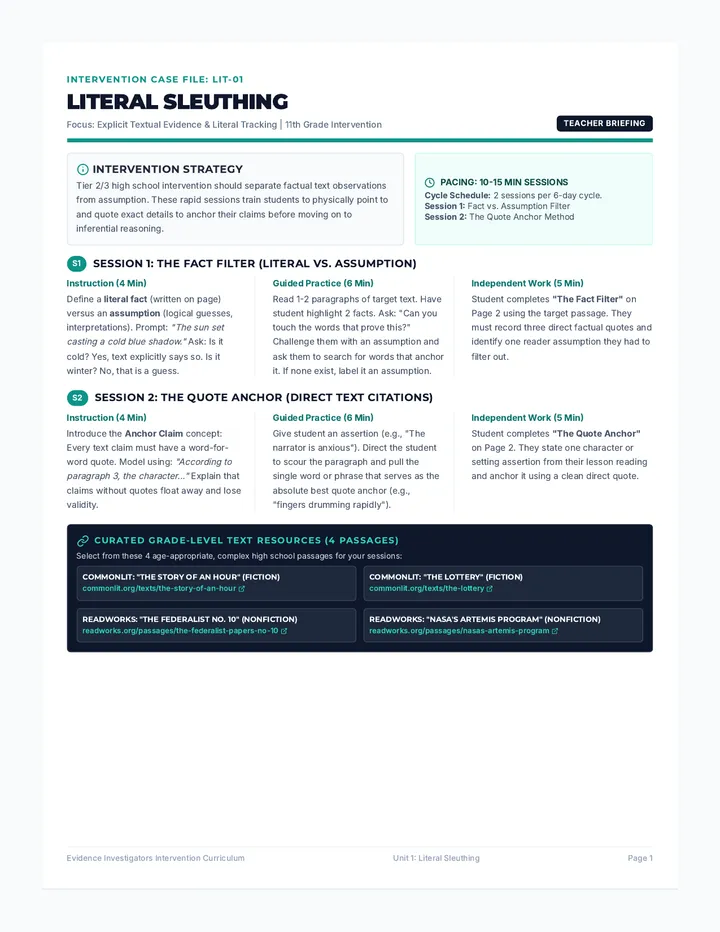
A targeted 6-session reading comprehension intervention program for high school students. Designed for 1-on-1 special education services over three 6-day cycles, this program focuses on literal tracking, inferential reasoning, and synthesis using a mature, engaging investigative notebook theme.
An end-of-year reflection and summer planning lesson designed for students needing visual and symbol supports, focusing on social-recreational goals like hobbies, outings, and friendship.
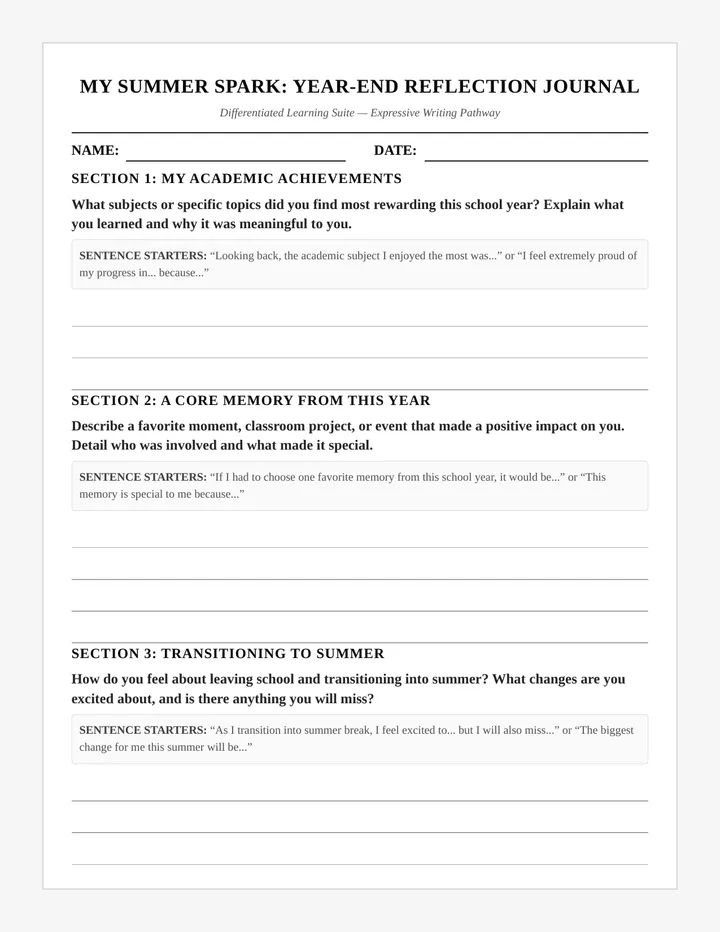
A Times New Roman 12pt formatted 3-page worksheet for advanced writers, designed without drawing frames for easy digital copying, featuring clear bold/all-caps headings, continuous writing lines, and supportive sentence starters for each section.
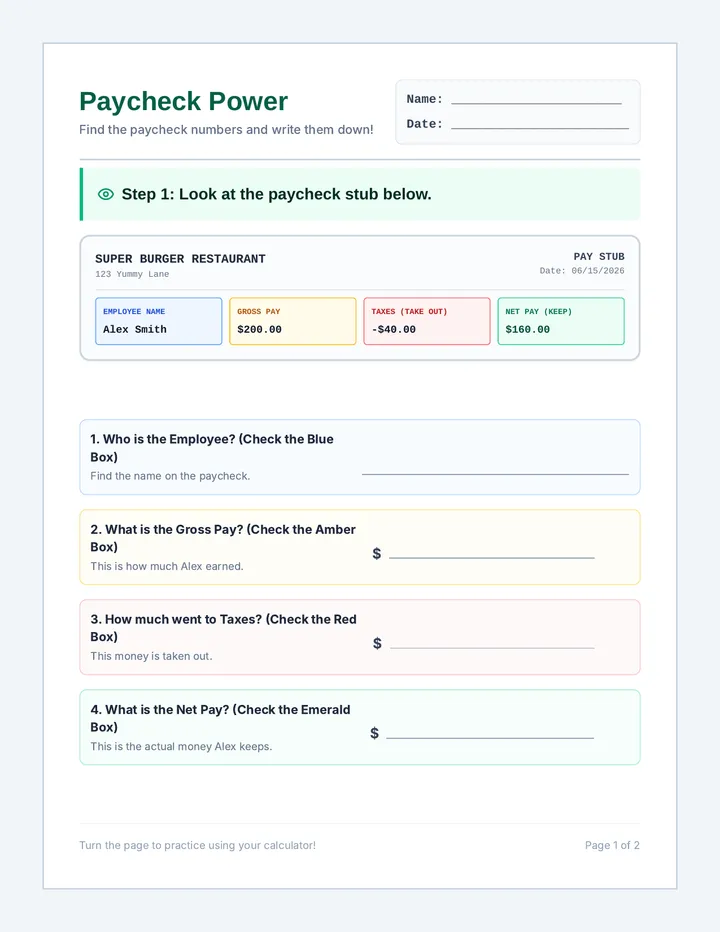
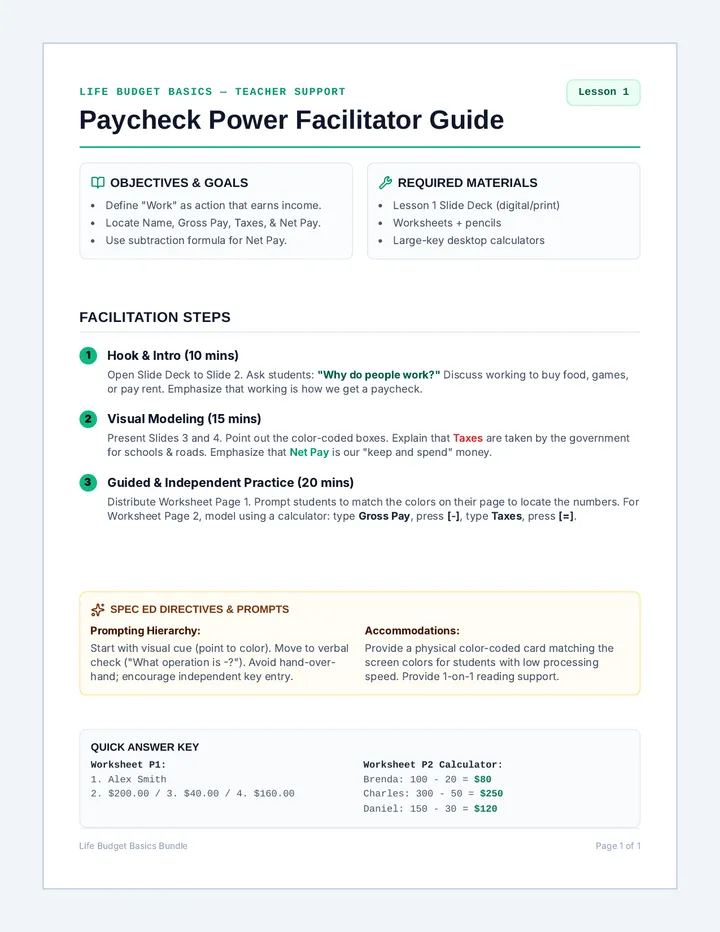
A highly visual, step-by-step budgeting unit designed for high school students with severe special needs. It focuses on earning income, distinguishing wants from needs to save money, and using a calculator to pay bills.
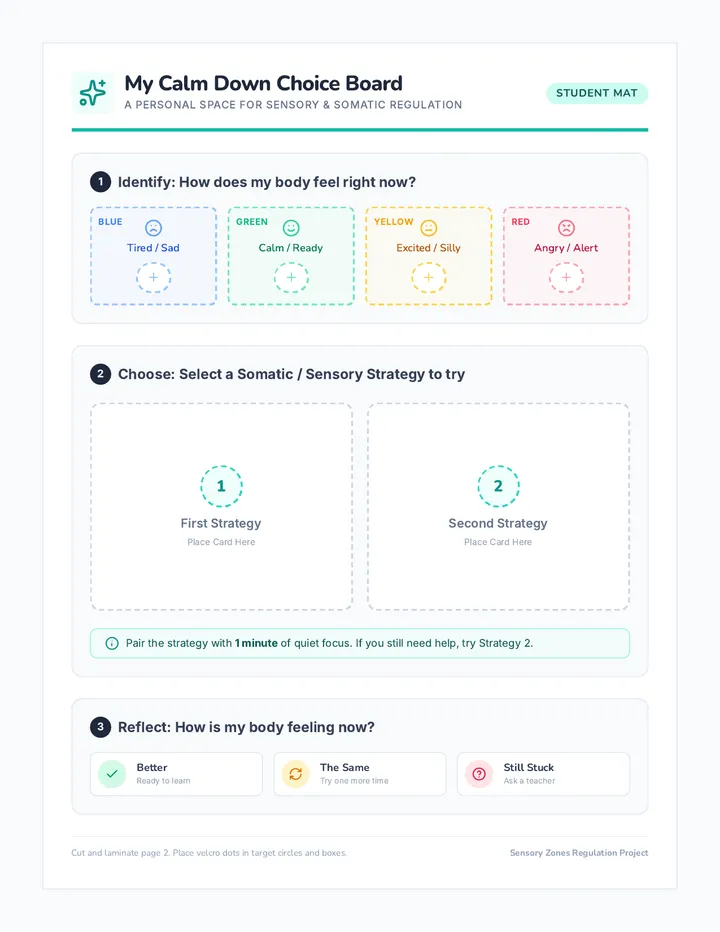
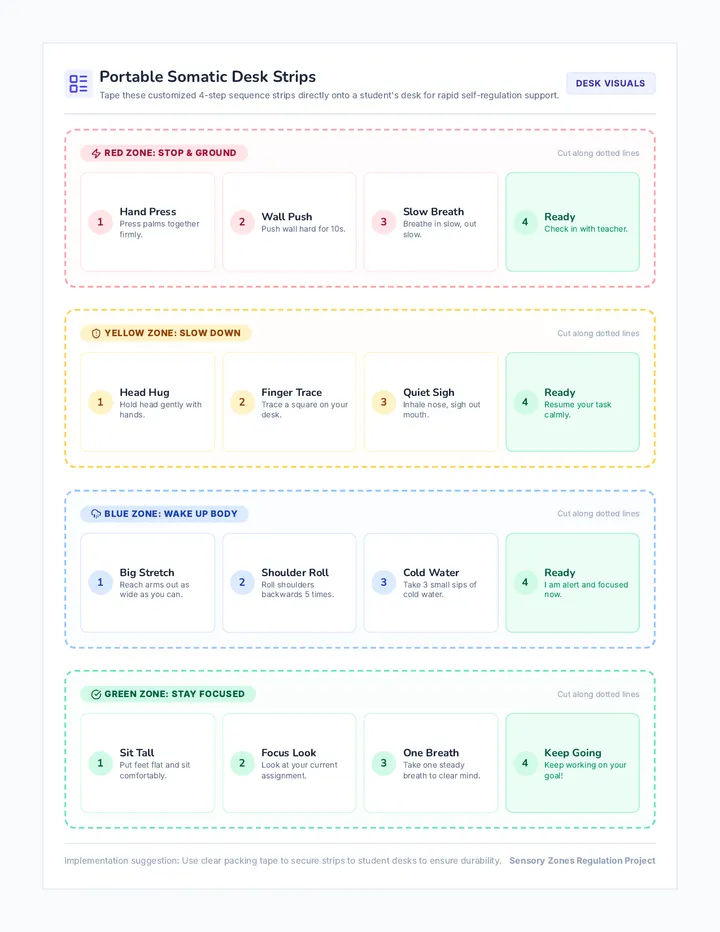
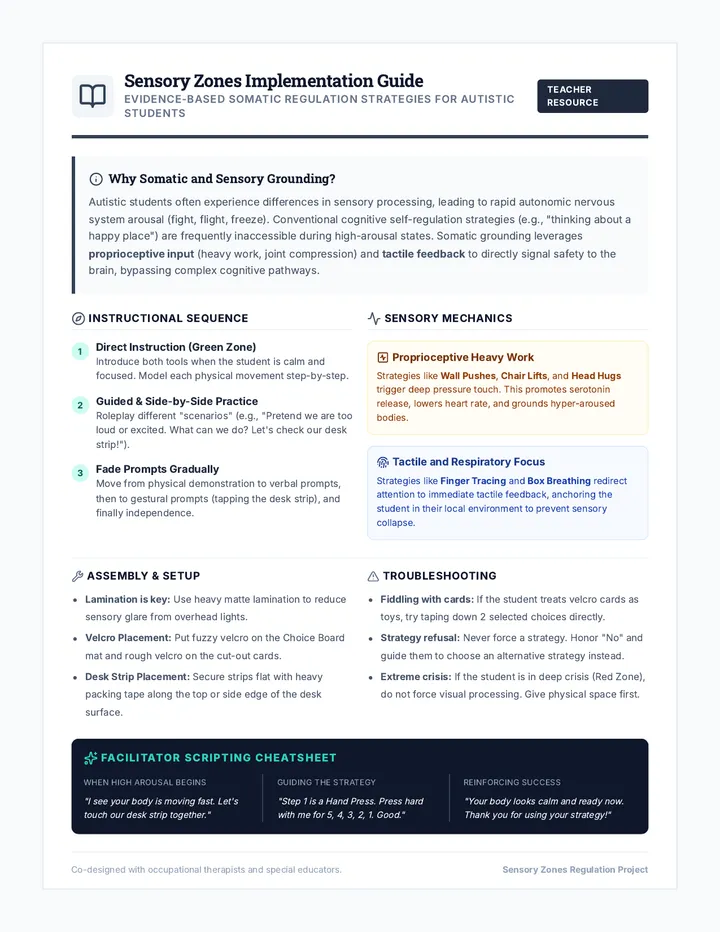
An autism-friendly collection of sensory and somatic self-regulation materials that combine the Zones of Regulation with physical grounding techniques. Includes interactive strategy choice boards, portable desk-sized visual strips, and a comprehensive teacher implementation guide.
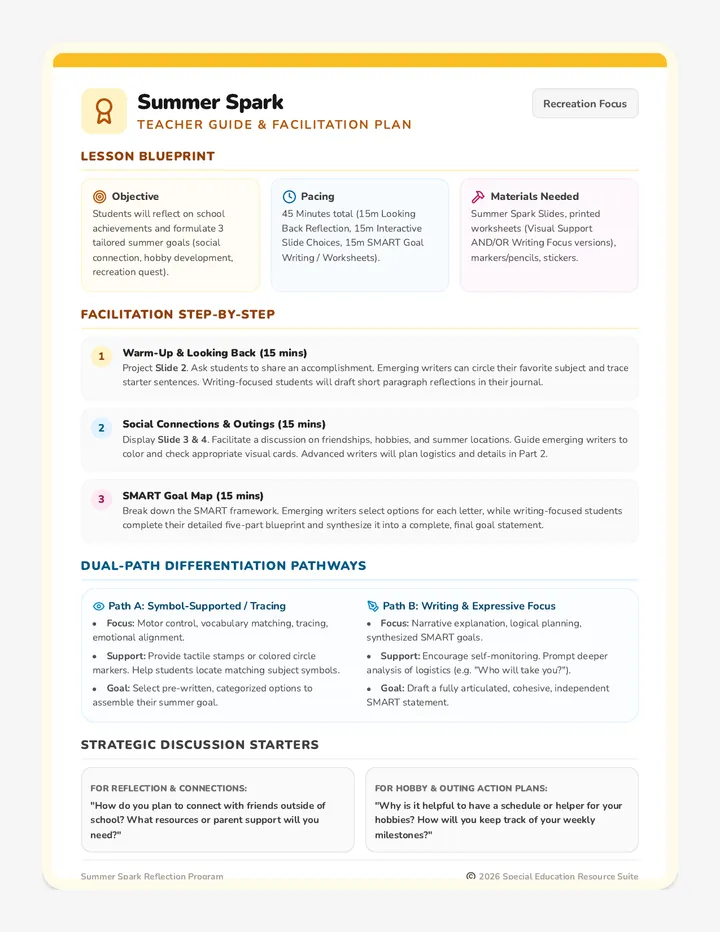
A comprehensive teacher guide and facilitation lesson plan with pacing, questioning strategies, and accommodations/differentiation pathways for both emerging and advanced writers.
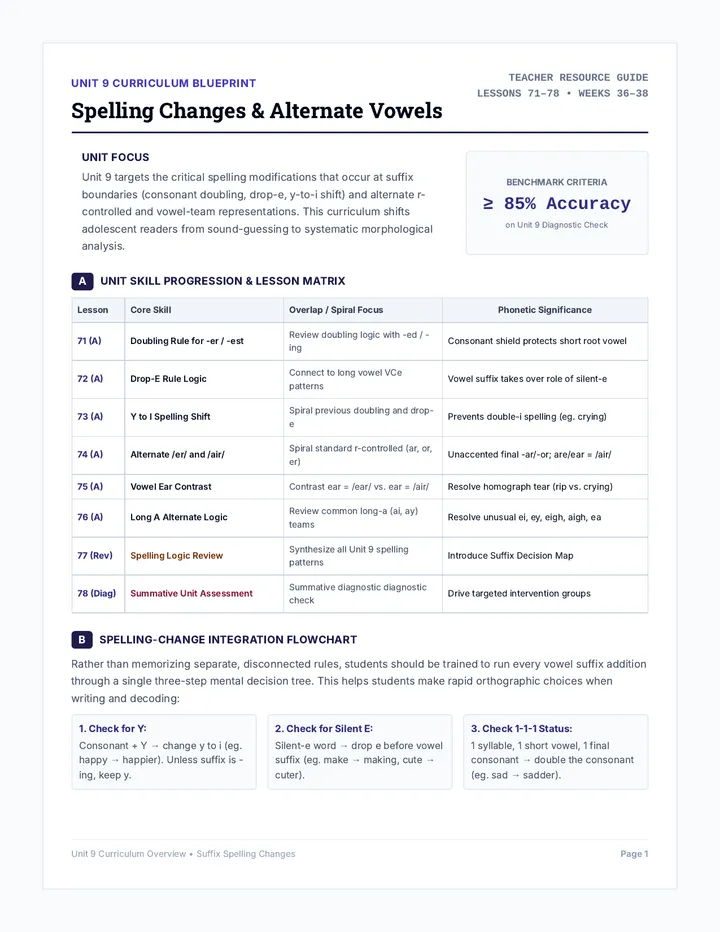
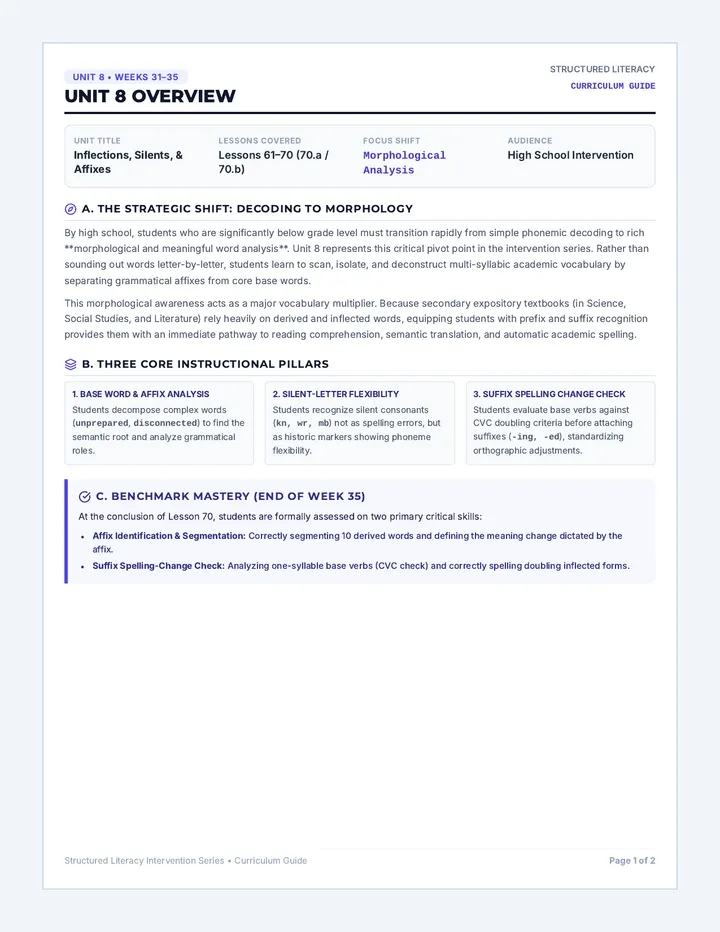
A reading intervention unit targeting the critical spelling changes that occur at suffix boundaries, designed for older struggling readers. The sequence covers final consonant doubling and silent-e dropping logic.
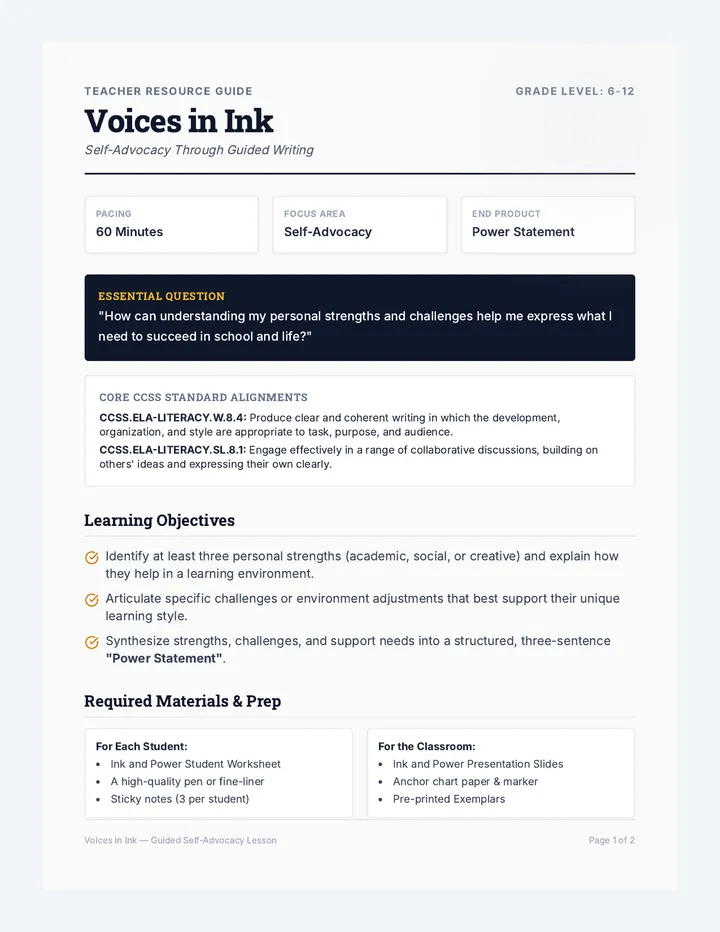
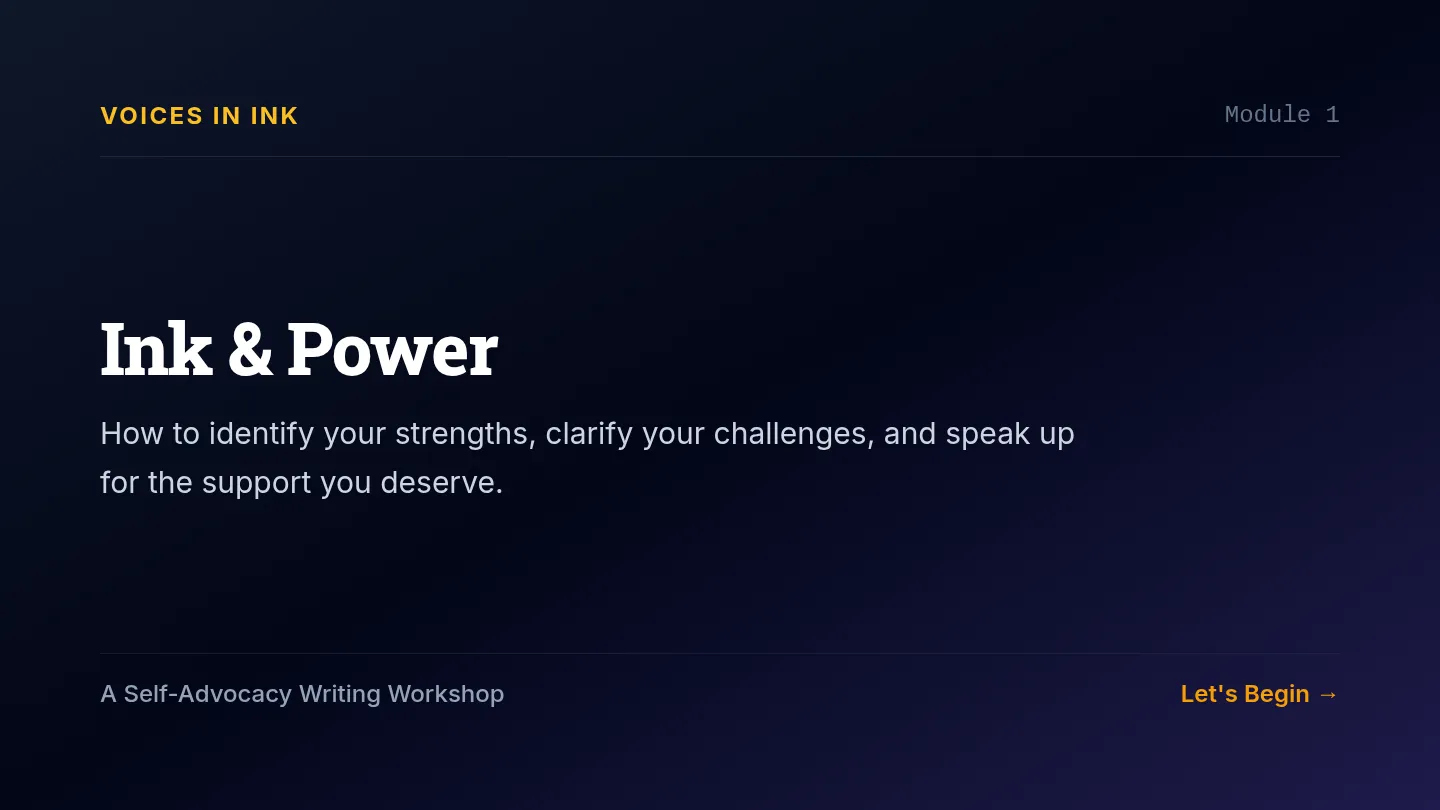
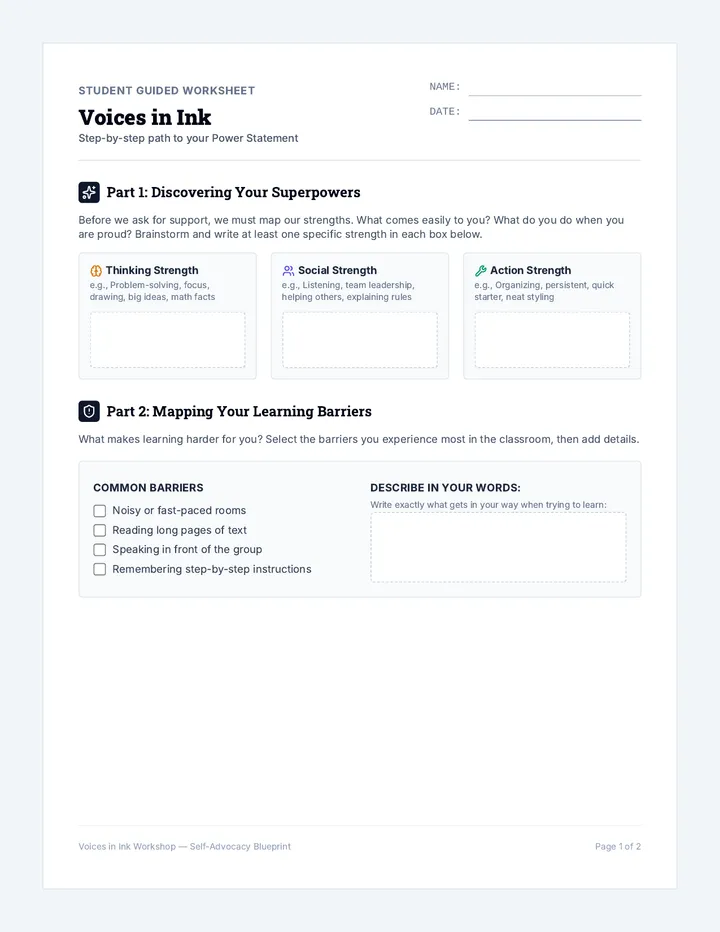
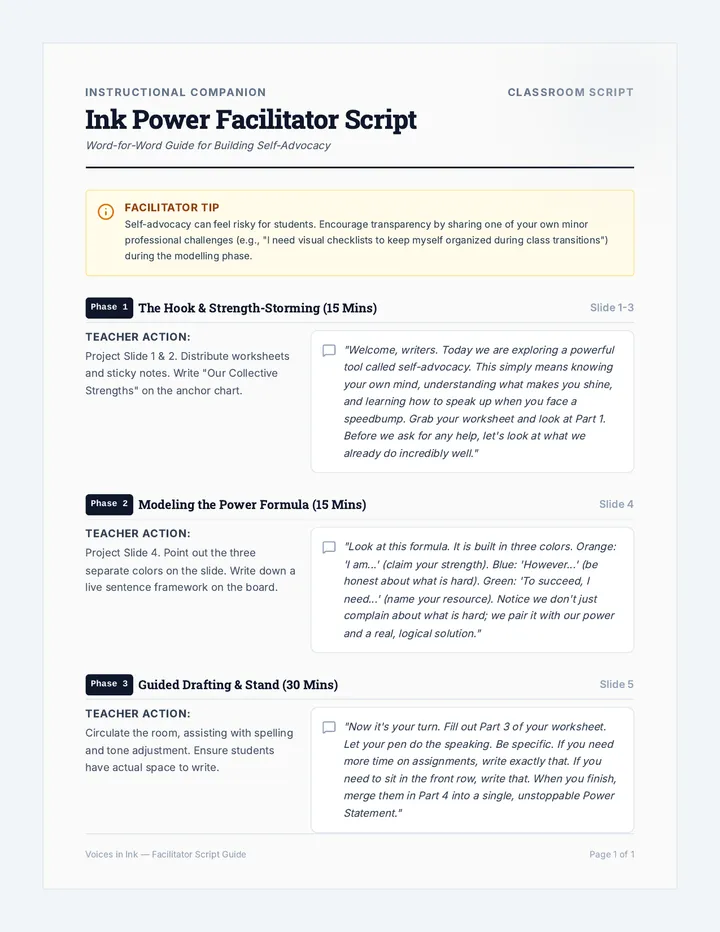
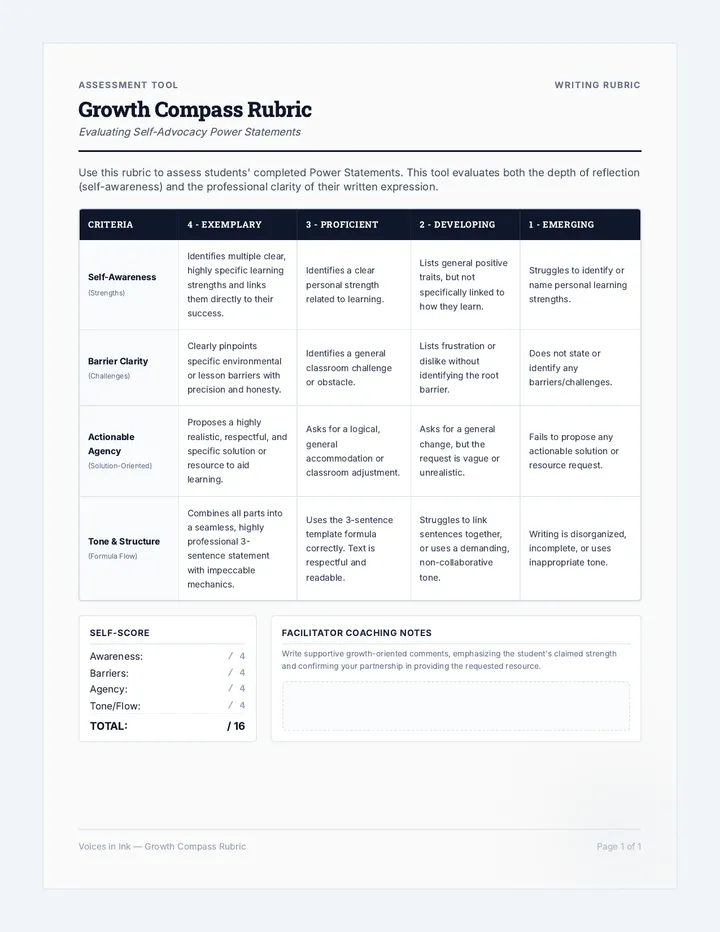
A comprehensive, scaffolded writing lesson designed to guide students in identifying their personal strengths, recognizing their unique learning needs, and crafting an effective self-advocacy statement. This lesson is tailored for diverse reading and writing levels with structured worksheets, presenter slides, scripts, and rubrics.
An engaging and highly visual 5-slide presentation designed to guide emerging and advanced writers through summer reflection, social goals, outings, and SMART goal planning.
A structured high school reading intervention sequence focusing on silent consonants, orthographic markers, pluralization rules, and academic spelling structures.
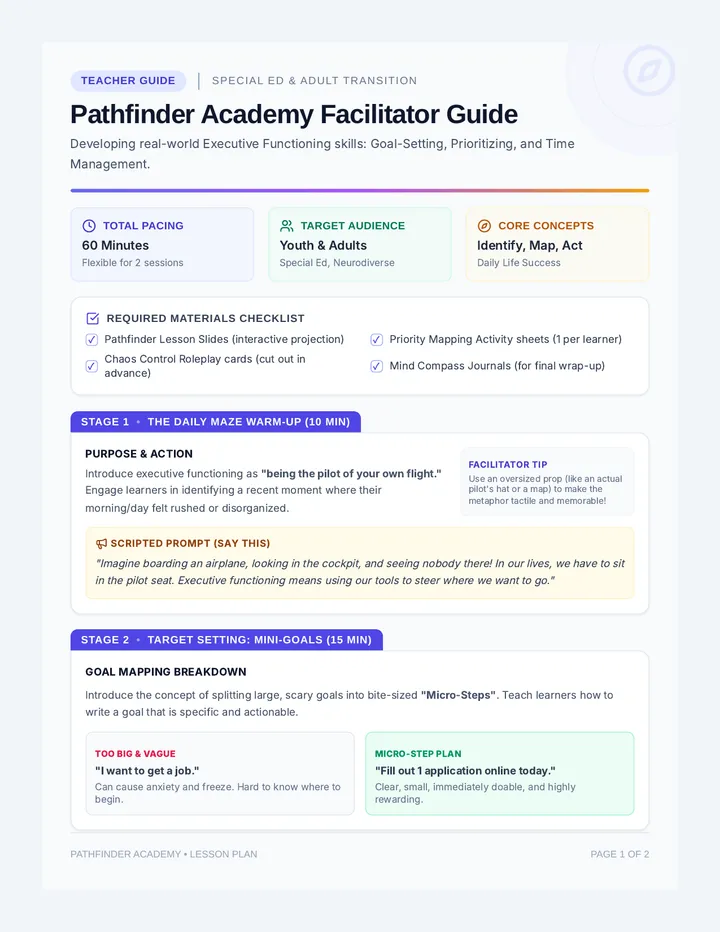
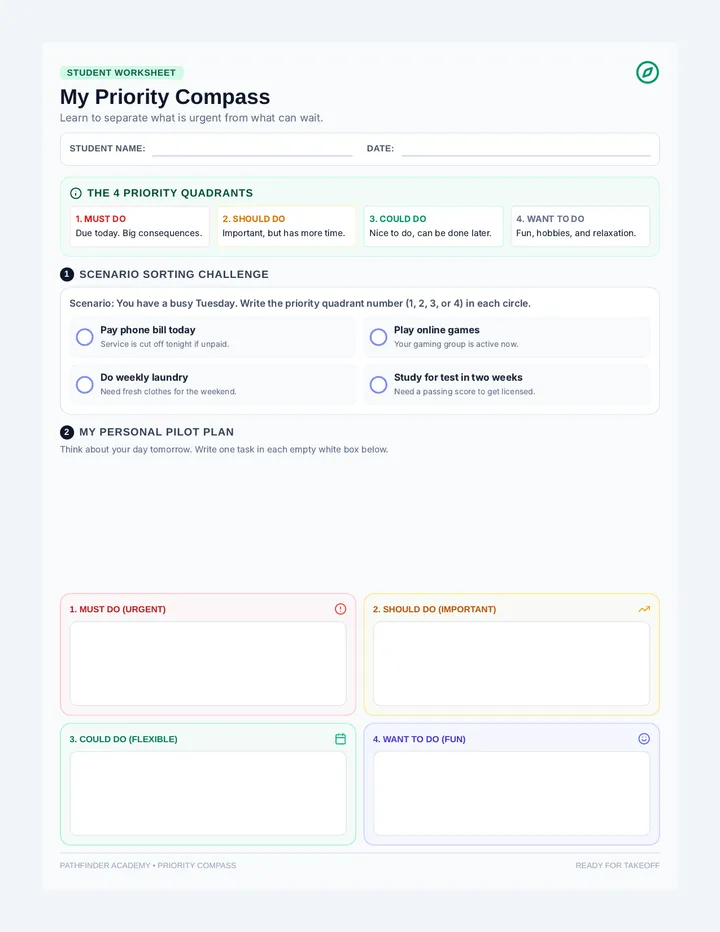
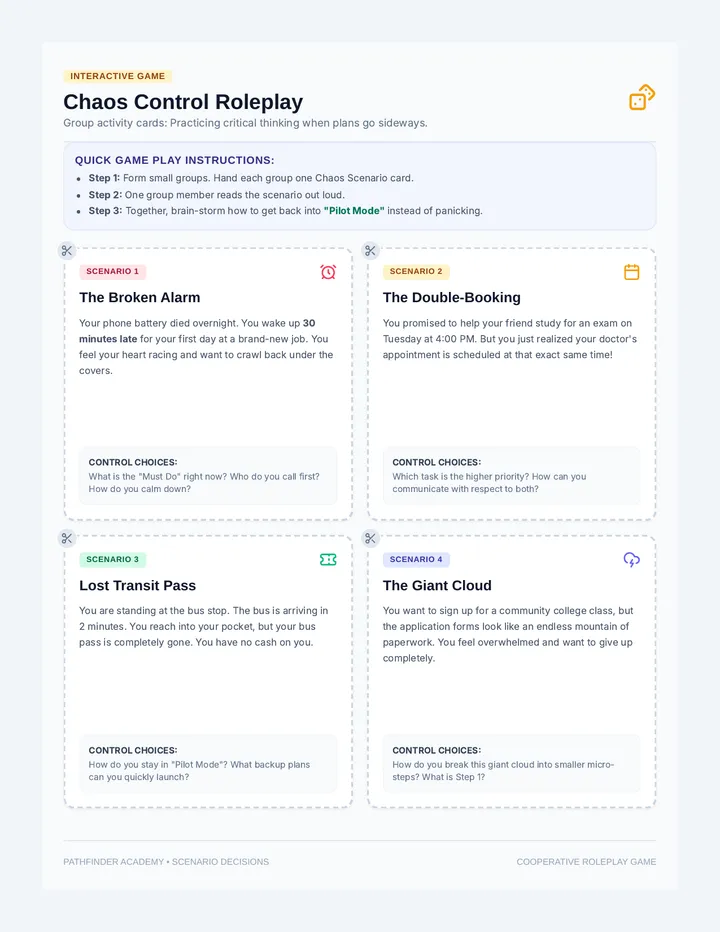
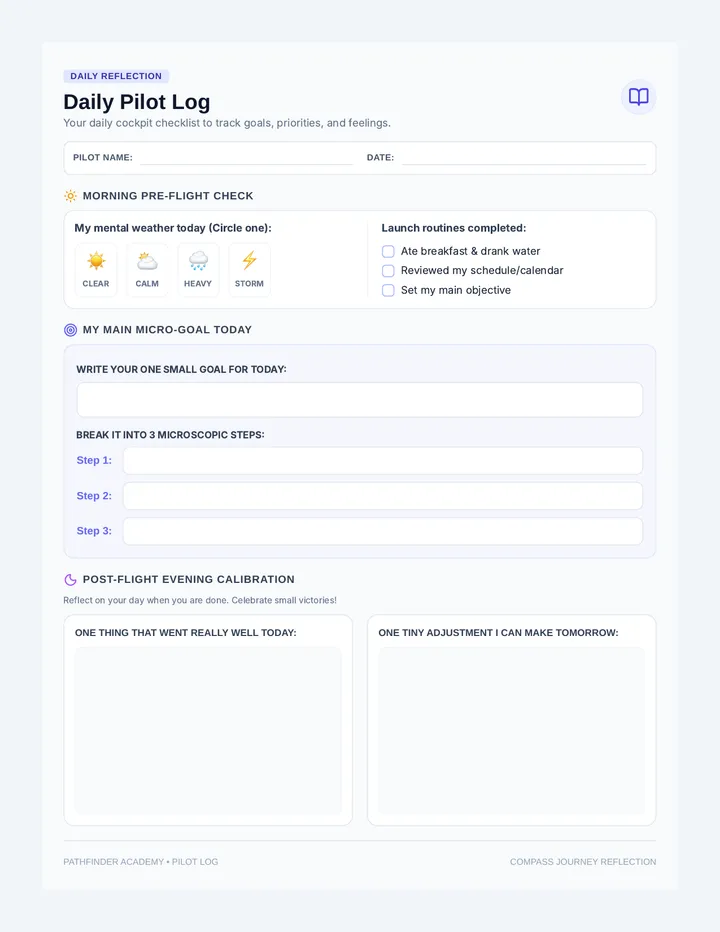
A comprehensive lesson designed for diverse adult and youth learners in special education to develop critical executive functioning skills. Through structured role-play, visual mapping, and hands-on scenarios, learners master goal-setting, prioritization, and time management for daily life.
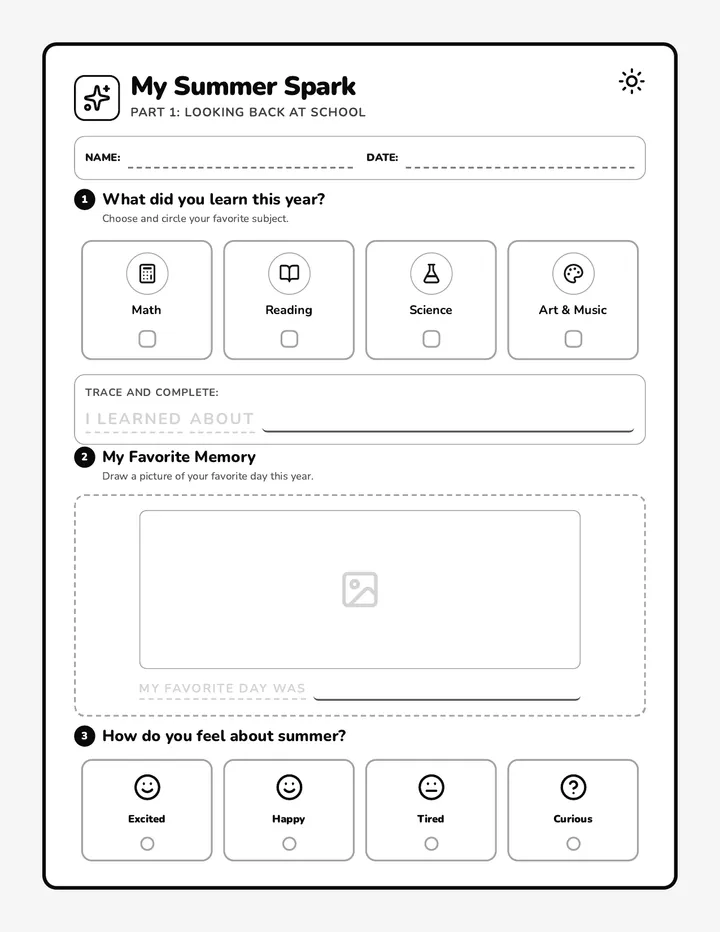
A printer-friendly black and white version of the summer reflection worksheet, optimized for monochrome laser printing with visual symbols, trace-and-write prompts, clear outlines, and a simplified 3-page SMART goal planner.