A lesson designed to help 6th-grade students participating in MCAS-Alt master common idioms through visual matching, context clues, and data tracking for independence and accuracy.
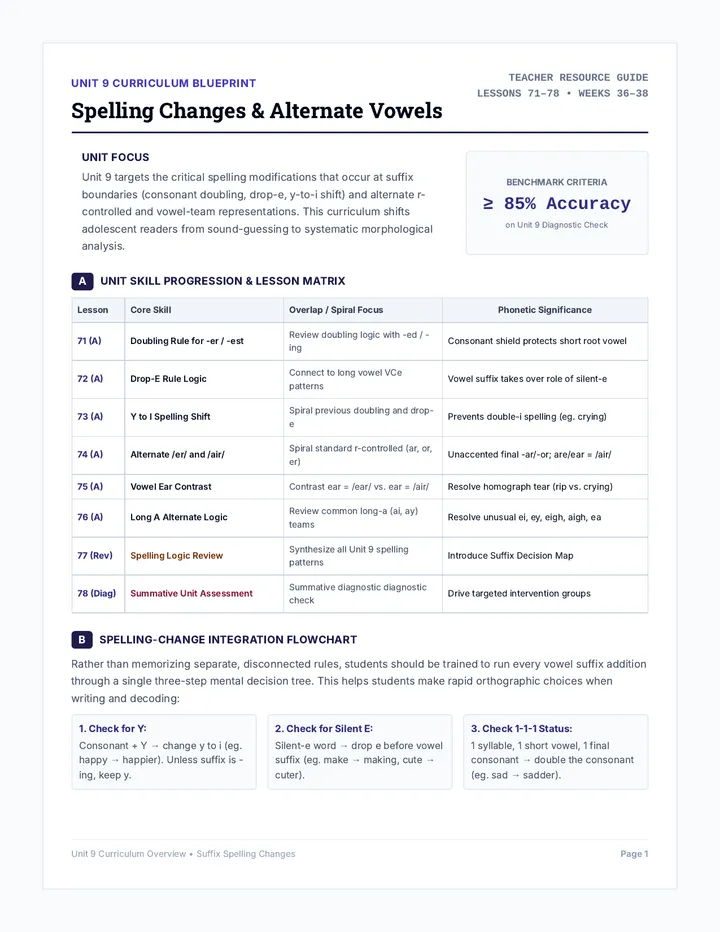
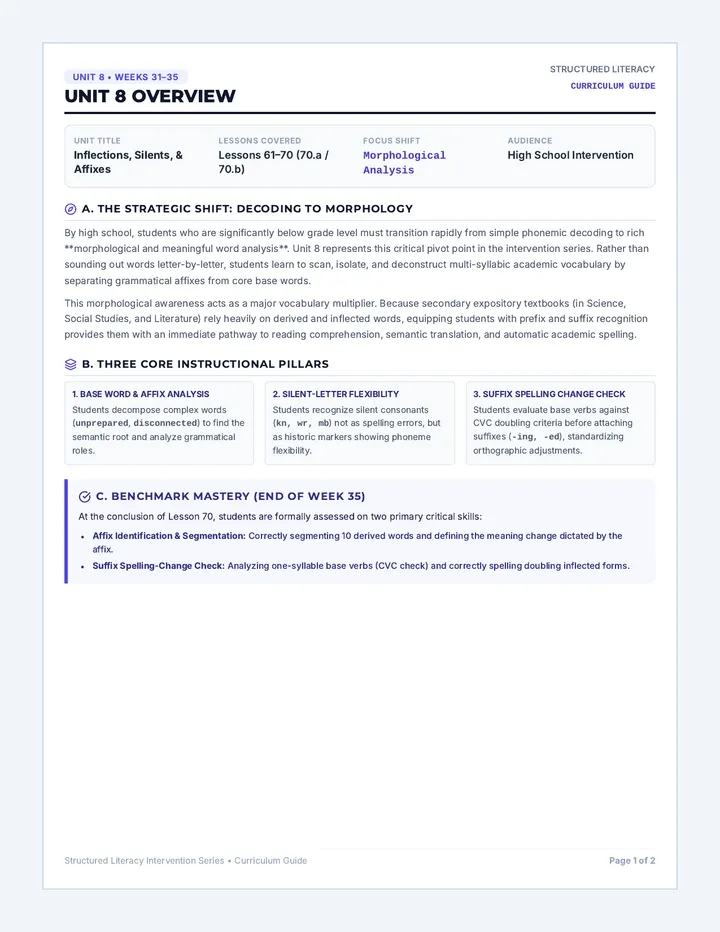
A reading intervention unit targeting the critical spelling changes that occur at suffix boundaries, designed for older struggling readers. The sequence covers final consonant doubling and silent-e dropping logic.
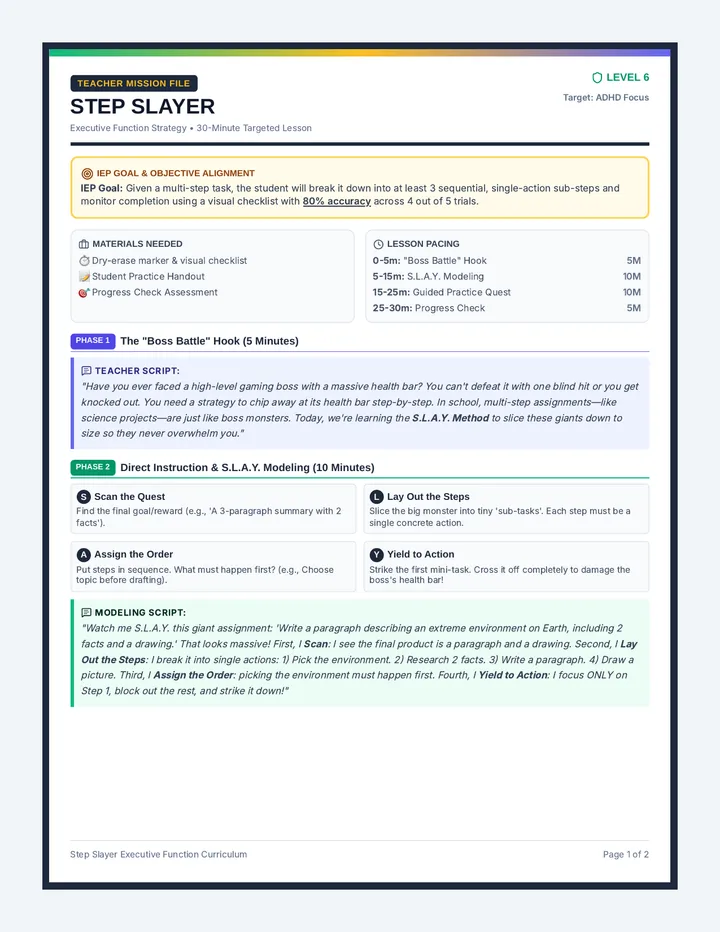
A 30-minute executive-function lesson designed for a 6th-grade student with ADHD. The lesson teaches the 'S.L.A.Y.' method to break down overwhelming, multi-step assignments into clear, actionable steps using a retro gaming/quest theme.
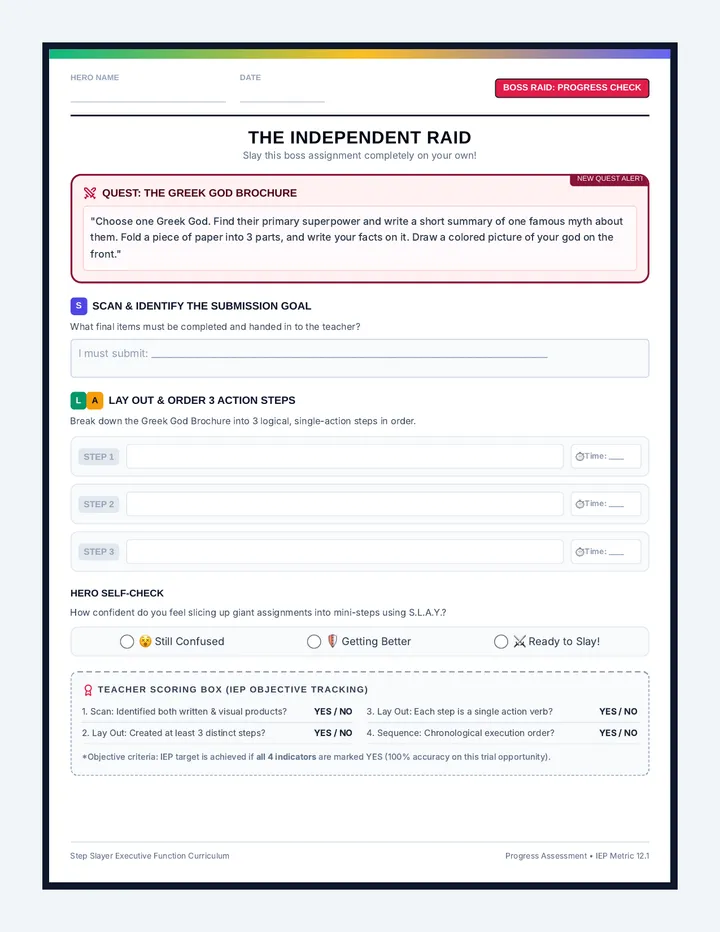
An IEP-aligned progress check and quick assessment sheet. Features a new multi-step social studies assignment (Greek God Brochure) for the student to break down independently, plus a discrete scoring guide at the bottom for teacher IEP tracking.
A structured high school reading intervention sequence focusing on silent consonants, orthographic markers, pluralization rules, and academic spelling structures.
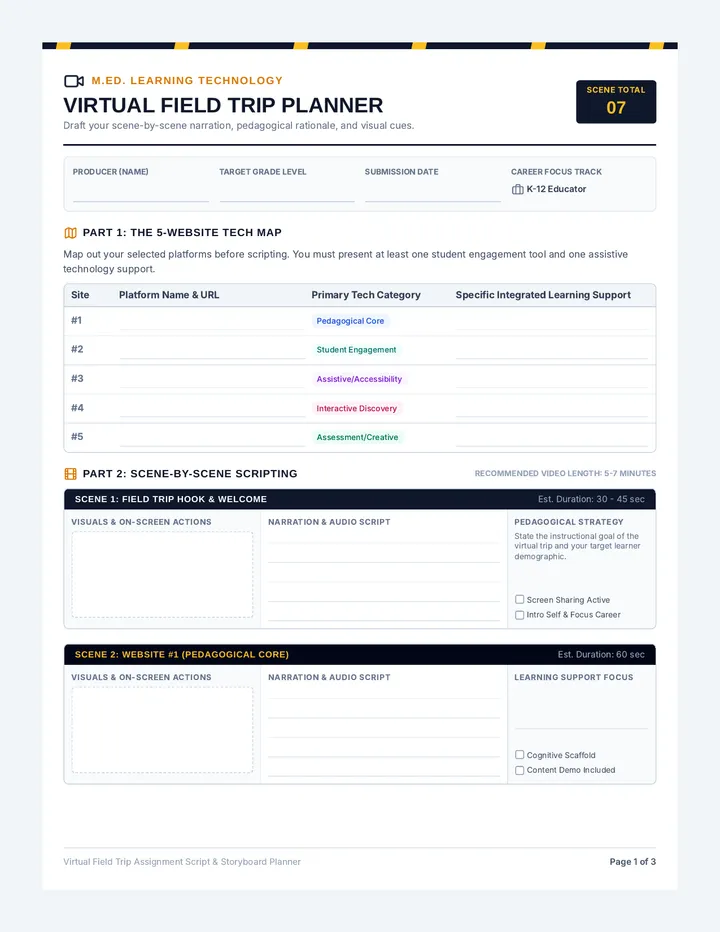
A master-level course module focusing on educational technology integration. Students design and record an online field trip showcasing five pedagogically sound websites, their integrated learning supports, and future career applications.
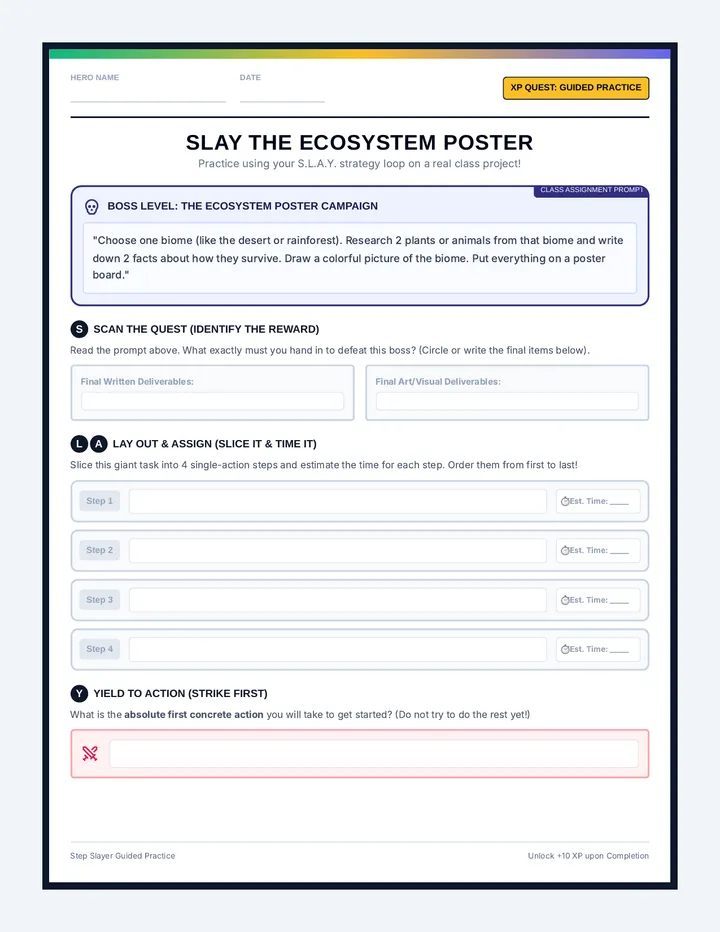
A student practice worksheet with a retro quest design. Gives students a multi-step 6th-grade science project and guides them to use the S.L.A.Y. method to break it down, estimate time, and plan their first action.
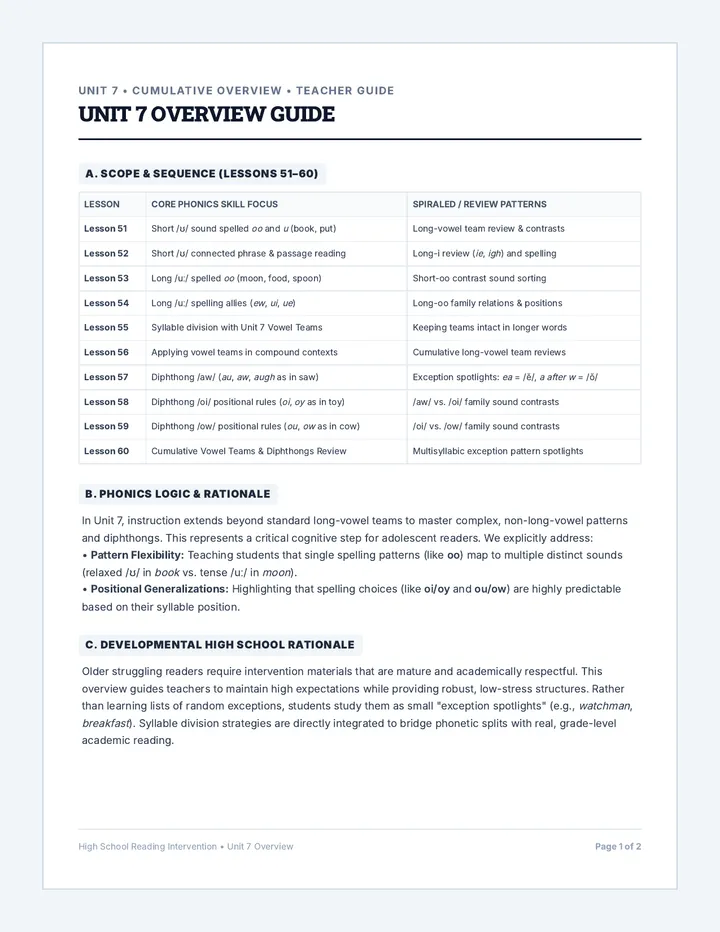
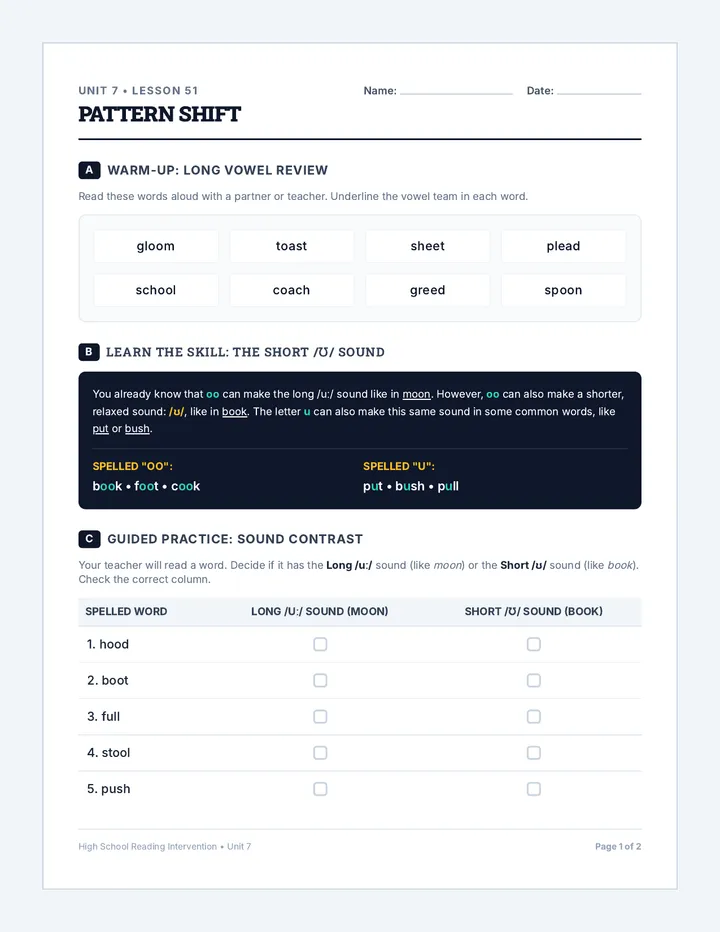
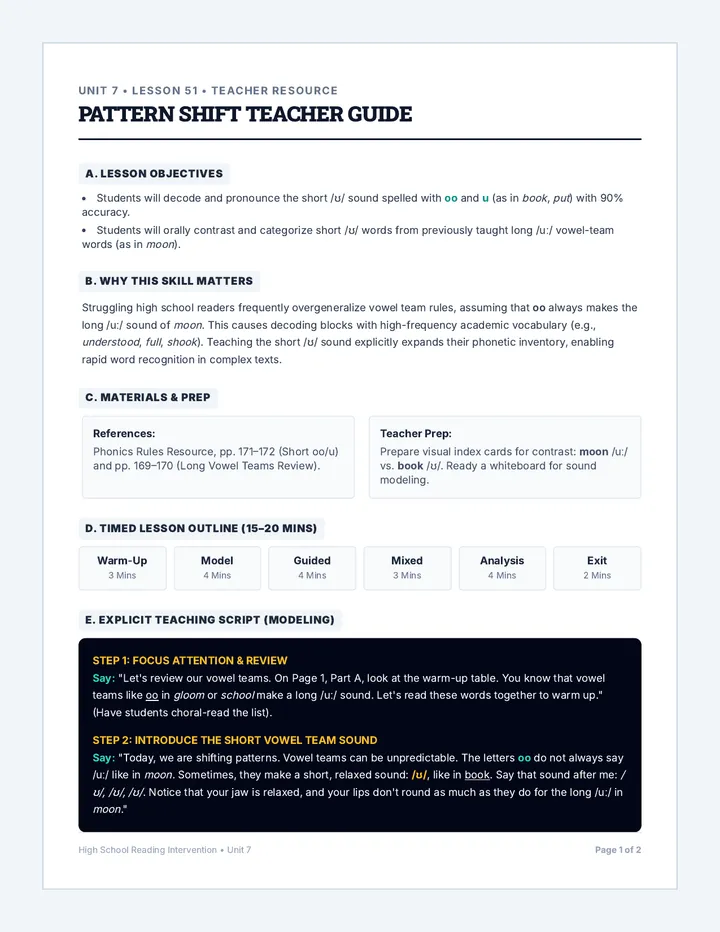
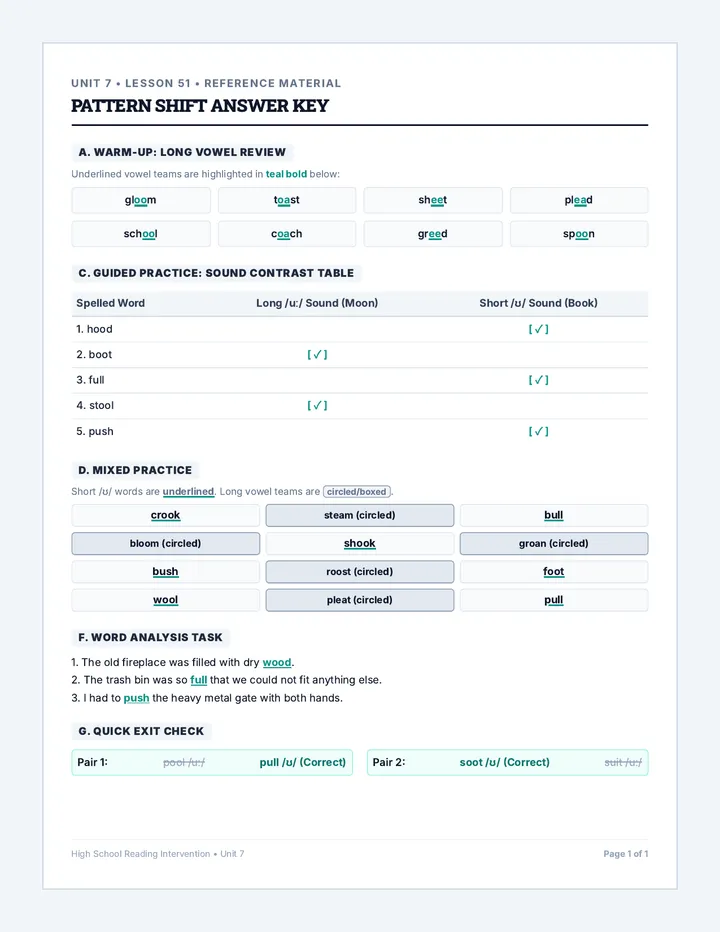
A phonics intervention unit for high school readers focusing on short oo patterns, sound contrasts, and spelling application.
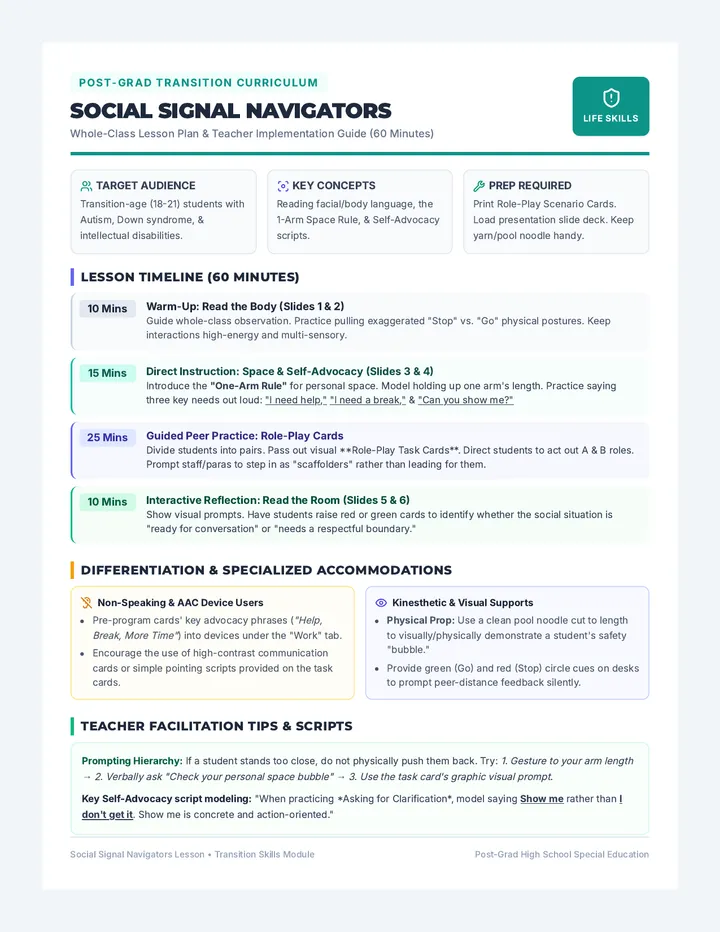
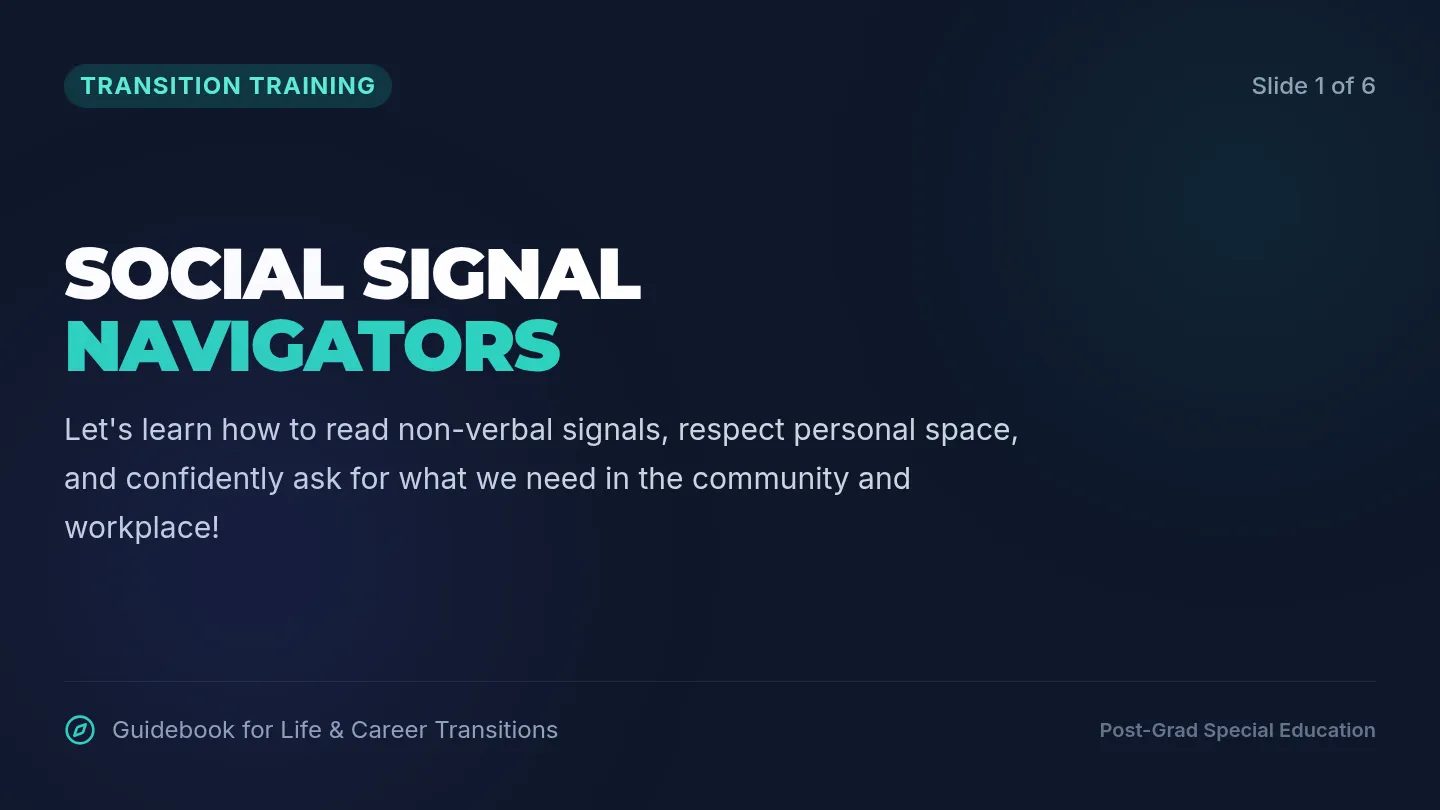
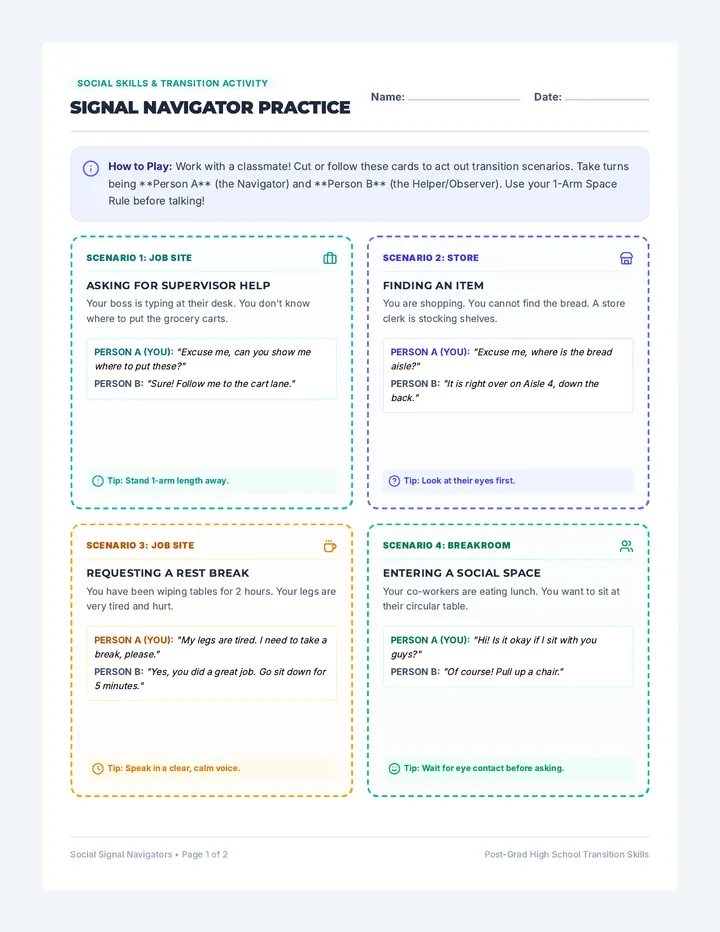
A transition-focused lesson designed for post-graduate high school students with developmental disabilities, teaching key non-verbal communication skills, personal space guidelines, and practical self-advocacy in community and workplace settings.
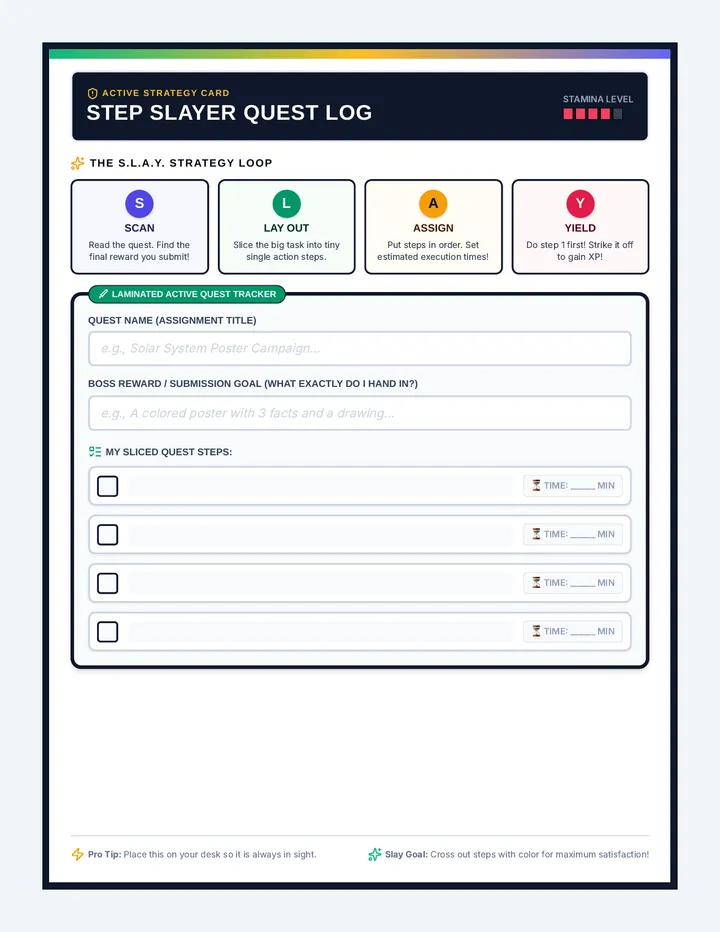
A visually engaging, gaming-themed reusable checklist and reference card for the student. Features the S.L.A.Y. strategy steps at the top and a structured, dry-erase ready 'Quest Log' template at the bottom with spacious blanks for writing.
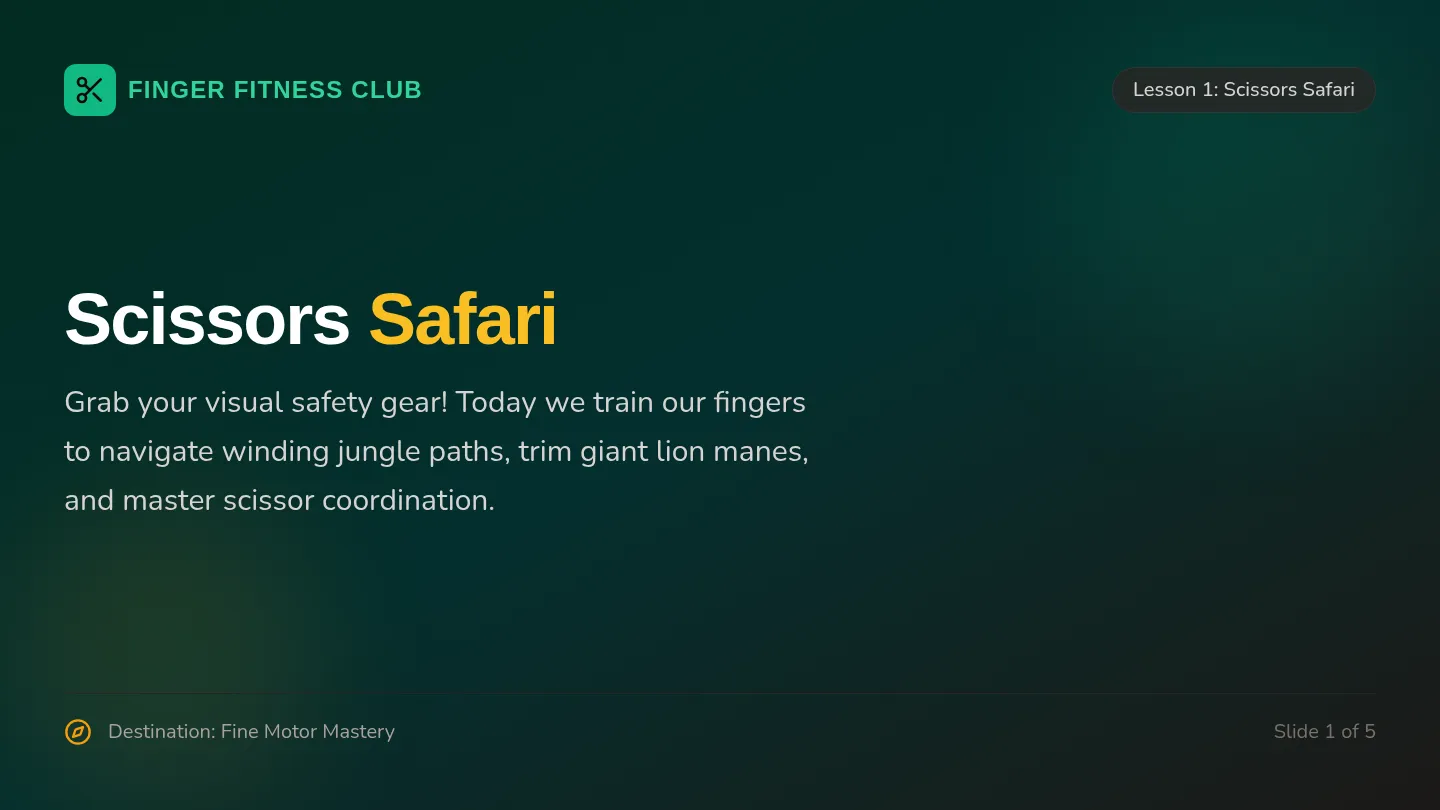
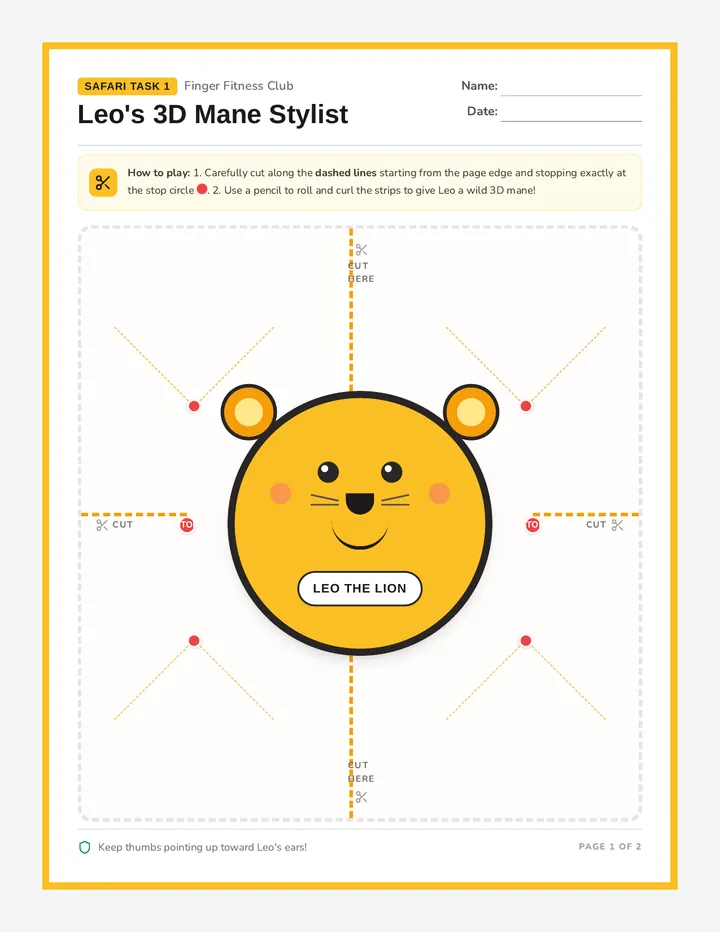
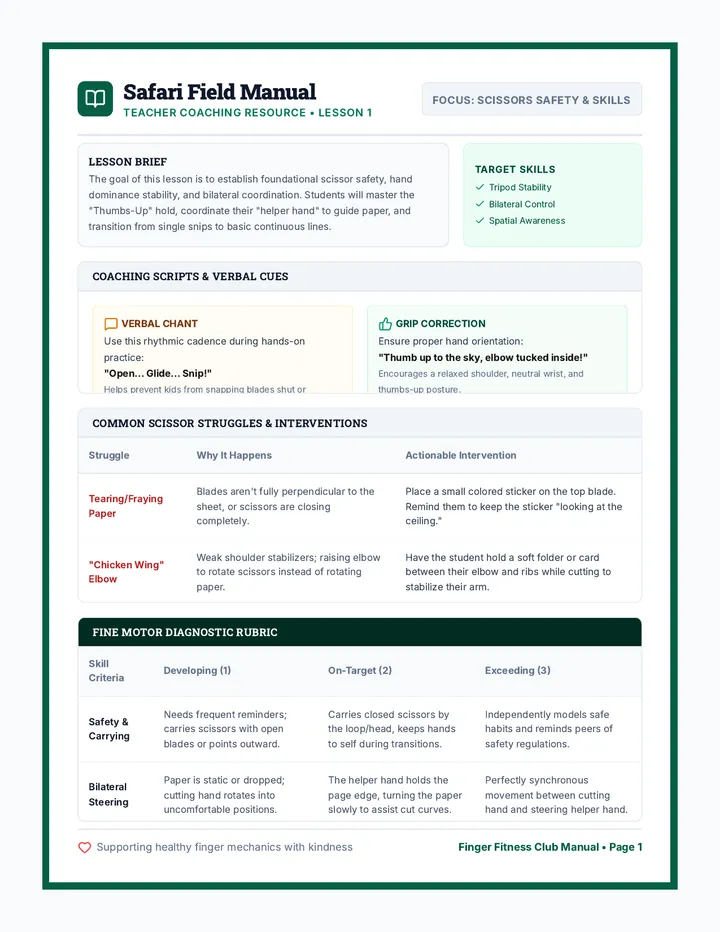
A playful and highly engaging fine motor development unit targeting scissor mastery, tripod pencil grip, and sensory-driven finger strengthening through hands-on adventures. This week-long progression includes immersive student guides, gamified practice mats, and detailed teacher coaching resources.
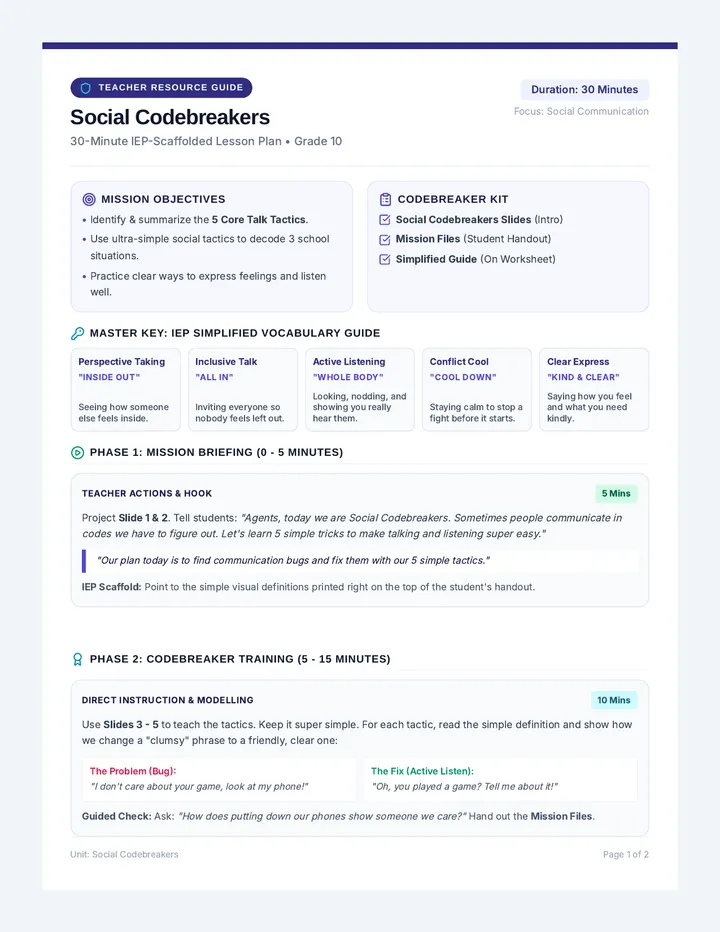
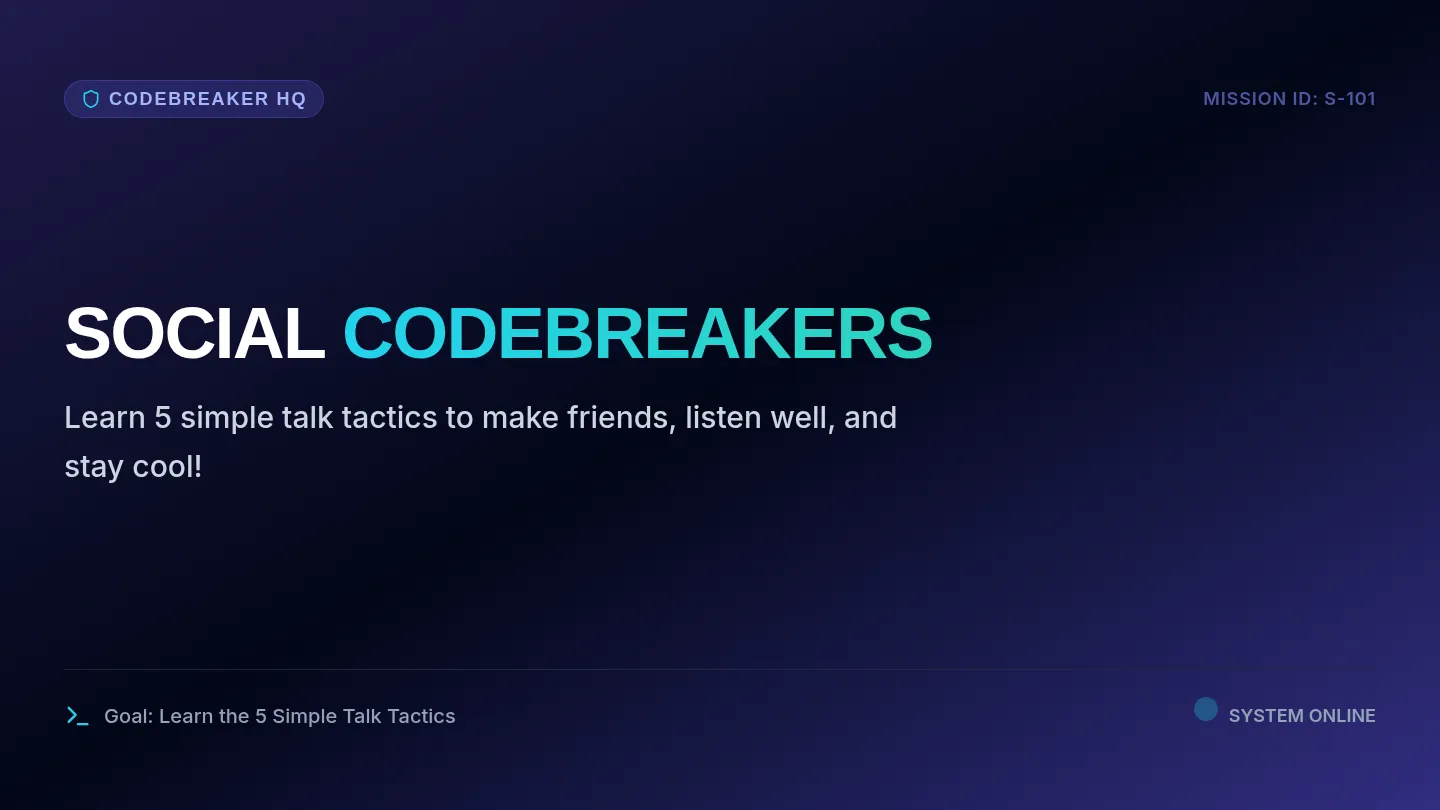
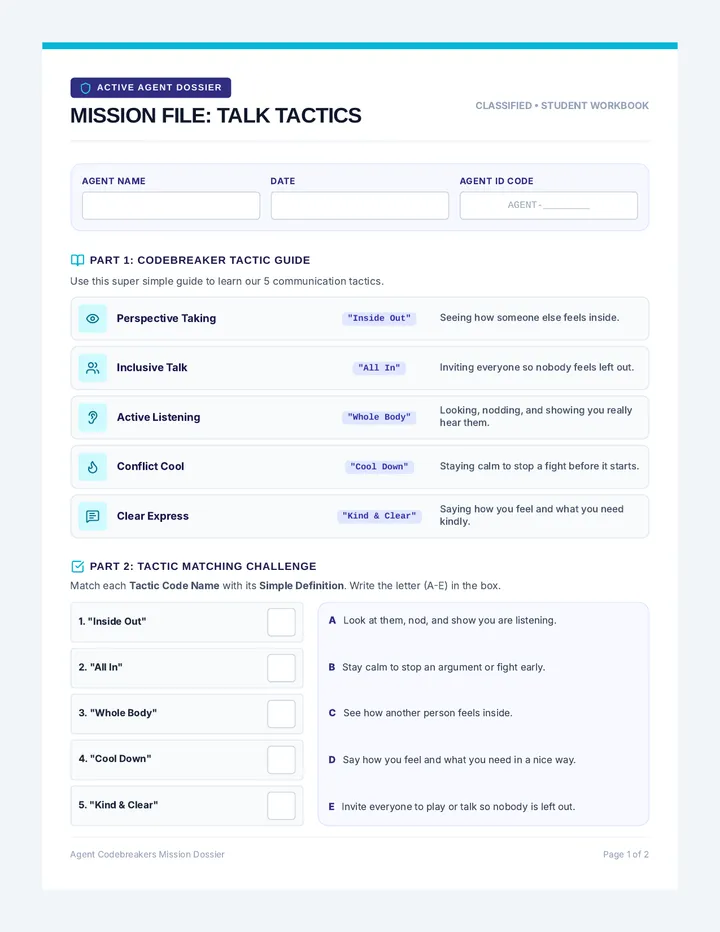
A high-interest, scaffolded 30-minute lesson designed for 10th-grade IEP students to master perspective-taking, active listening, inclusive communication, conflict prevention, and effective communication. Students act as 'Social Codebreakers' to decode social scenarios and summarize key communication concepts using highly structured simplified vocabulary guides.
A comprehensive, two-page teacher guide and instructional script for the 30-minute 'Step Slayer' executive function lesson. Includes clear pacing, direct modeling script, and ADHD-specific facilitation strategies aligned with IEP goal tracking.