A middle school lesson designed for students with moderate disabilities to develop self-advocacy skills through video analysis, scenario-based practice, and reflective discussion.
An integrated, high-interest unit plan for a 1:1 student with physical accommodations, spanning five countries (Japan, Egypt, Kenya, Brazil, and France). Each country features a complete CVI-friendly integrated unit integrating reading, writing, 5th-grade math, science, music, food, and animals, tailored to a 3rd-grade decoding and 6th-grade comprehension profile.
An introductory lesson exploring Japan's geographical location, island features, national flag, and a virtual bullet-train route, adapted for students with CVI Phase III.
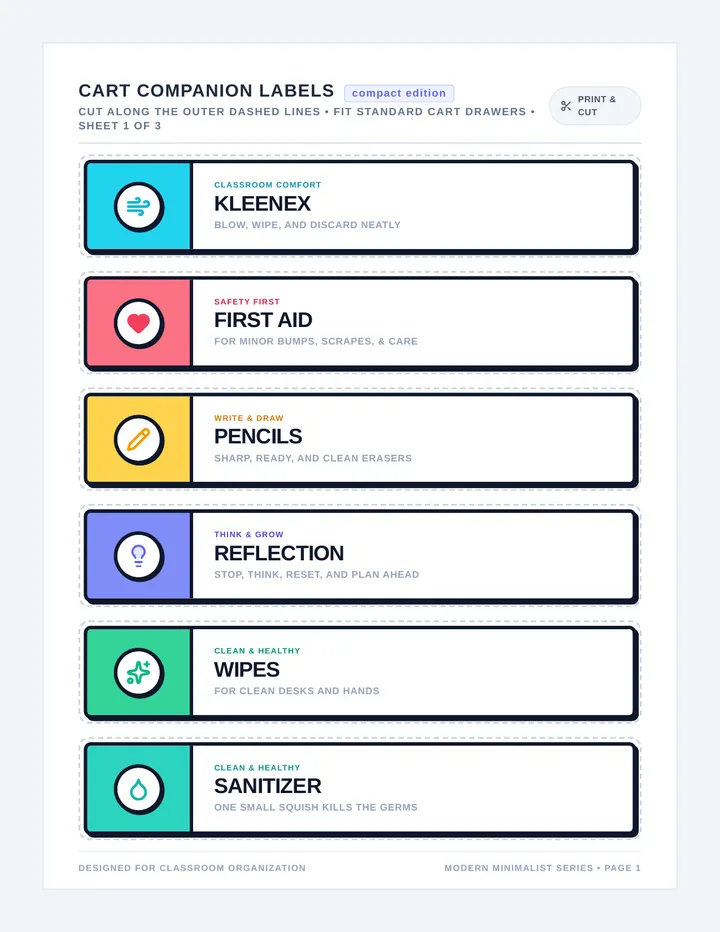
Compact version of the color-coded drawer labels fitting 6 labels per sheet across 3 pages, including 16 standard supply labels (Kleenex, First Aid, Pencils, Reflection, Wipes, Sanitizer, Extra Paper, Coloring, Glue, Scissors, Highlighters, Sticky Notes, Timers, Fidgets, Headphones, Clipboards) and 2 customizable write-in blank labels.
A foundational sequence introducing students to the ChromeVox screen reader on Chromebooks. Students learn activation, voice personalization, linear text navigation, and structural element navigation to independently explore web content.
A complete CVI-friendly integrated unit on Egypt following our travel routine: Northeast Africa geography study, camel/crocodile biology, Pyramid volume math, simple machines science (ramps and levers), and pita/hummus cooking.
A visually rich, light-background slide presentation designed for students in Phase III CVI with high visual complexity. Features a dedicated island pronunciation guide with clear phonetic spellings and syllables, elegant visual targets, and clean sans-serif typography.
An MCAS-Alt aligned Civics unit for 8th-grade students with diverse learning needs. This unit covers founding documents, the three branches of government, rights and responsibilities, and elections, providing highly structured portfolio evidence sheets and accessible instruction.
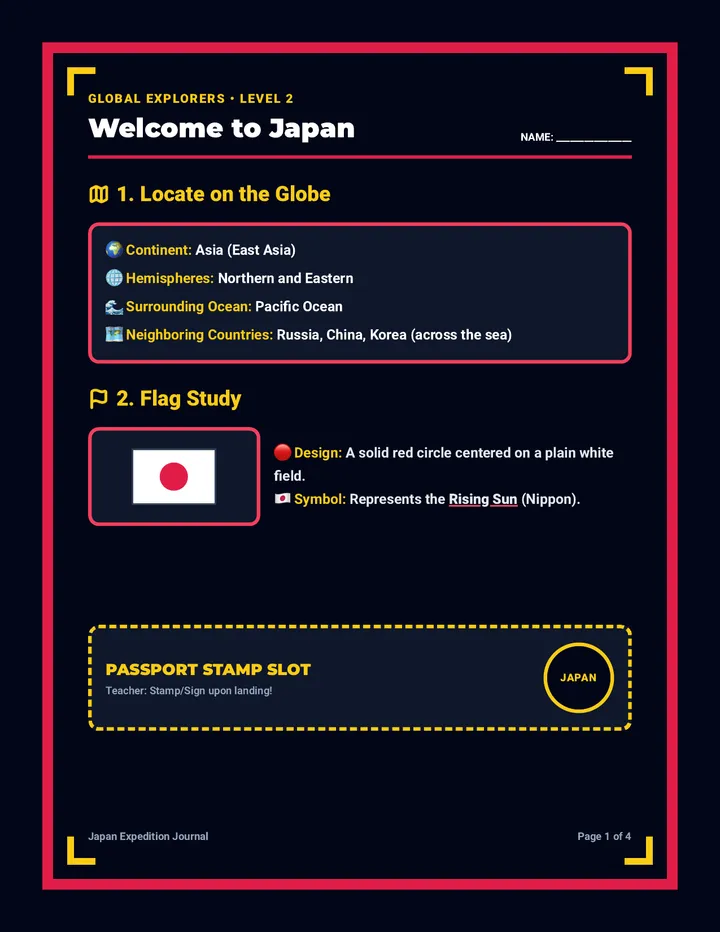
A complete CVI-friendly integrated unit on Japan following our travel routine: Honshu geography study, snow monkey/red-crowned crane biology, Bullet Train math, Maglev magnet science, and fruit sushi cooking.
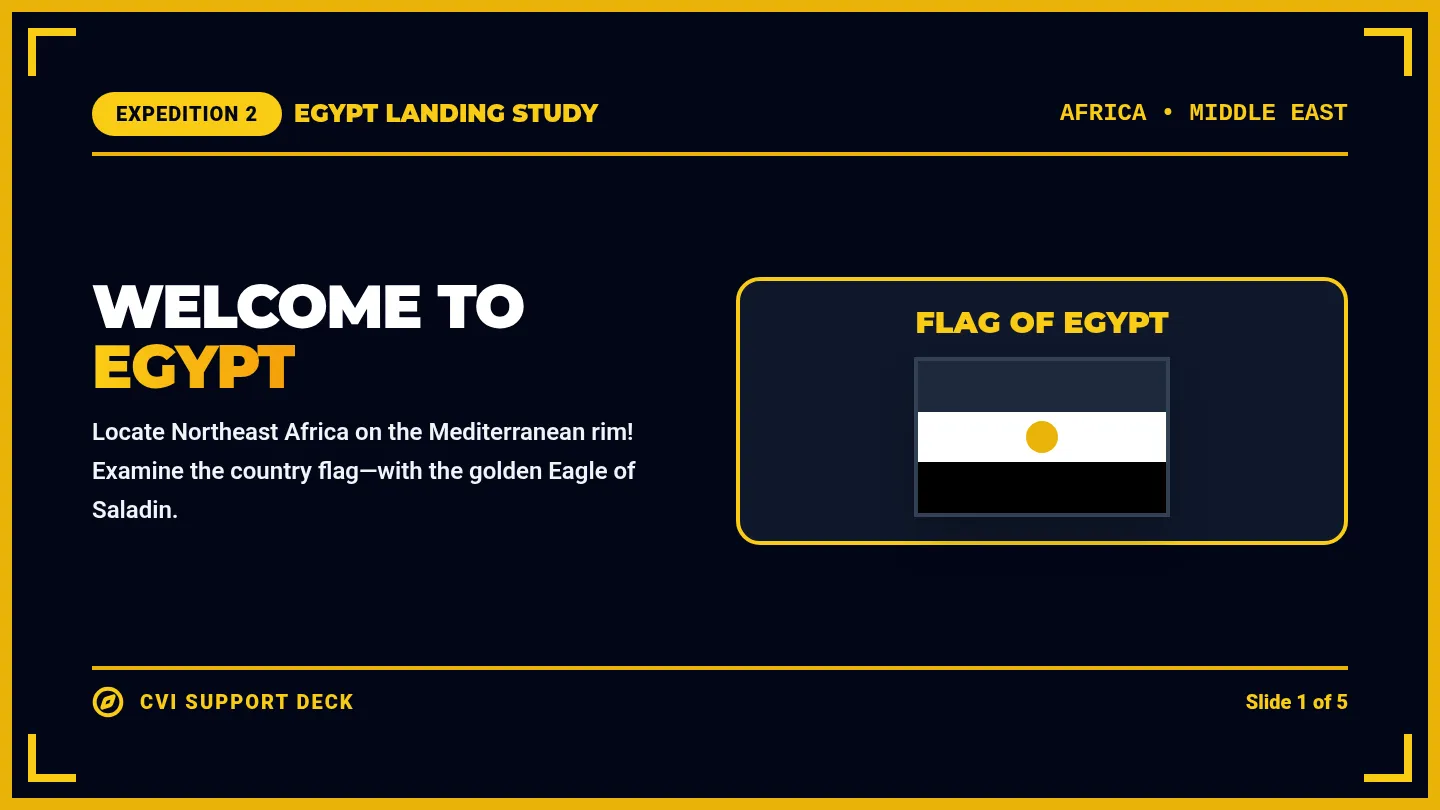
A 5-slide interactive presentation deck for Egypt following our exact travel study routine. Designed with large print (minimum 24px), CVI-friendly high contrast, simple machines engineering, and active speech-to-text writing structures.
A highly visual 4-day science unit exploring ocean habitats and depth zones. Tailored for differentiated instruction for 3rd grade and nonverbal 7th grade students using Boardmaker-style symbols, color-coded matching, and visual check comprehension.
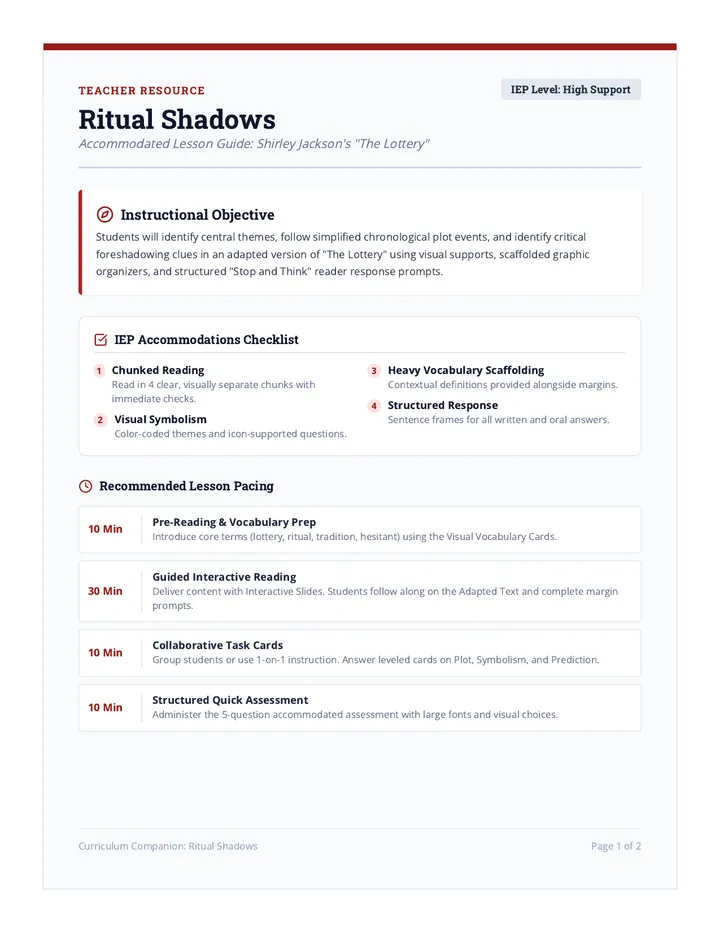
A highly supportive, adapted literature study of Shirley Jackson's 'The Lottery.' This lesson contains a simplified, guided text with margin prompts, interactive slide deck, heavy vocabulary scaffolding cards, leveled task cards, a structured assessment, and a comprehensive teacher guide.
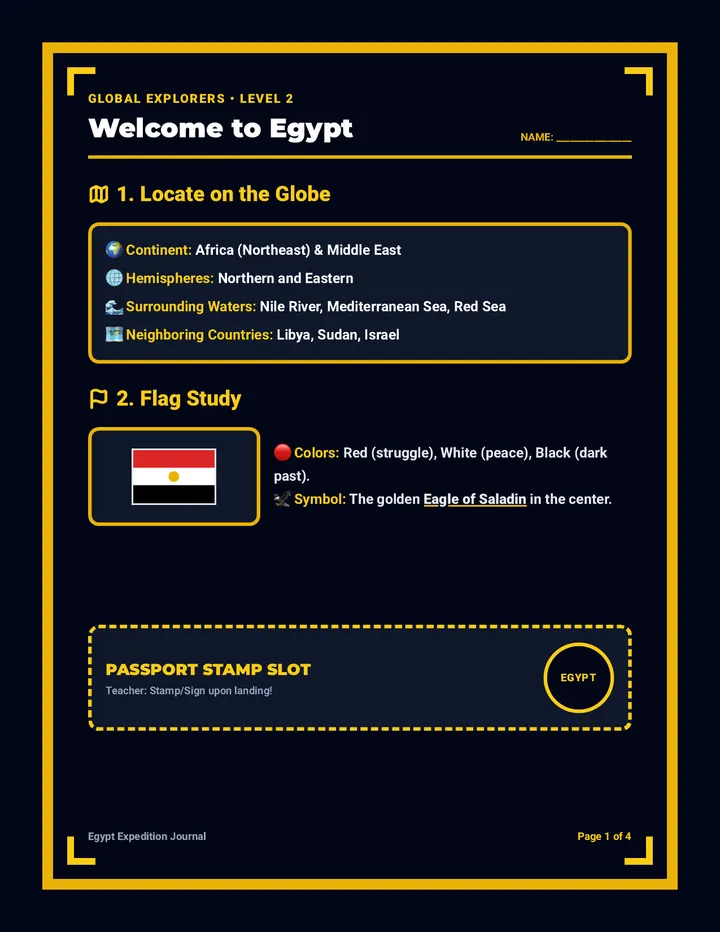
An all-in-one, 4-page CVI-friendly student journal for the Egypt expedition. Following the exact daily routine, it integrates geography locating tasks, flag study, a high-interest read-aloud passage about Pyramid engineering, speech-to-text writing prompts, morphology word study (construct), real-life volume math, and pita/hummus cooking steps.