A hands-on chemistry lab designed for students with intellectual disabilities to observe the oxidizing power of bleach through fabric discoloration. The lesson emphasizes lab safety and the chemical strength of household cleaners.
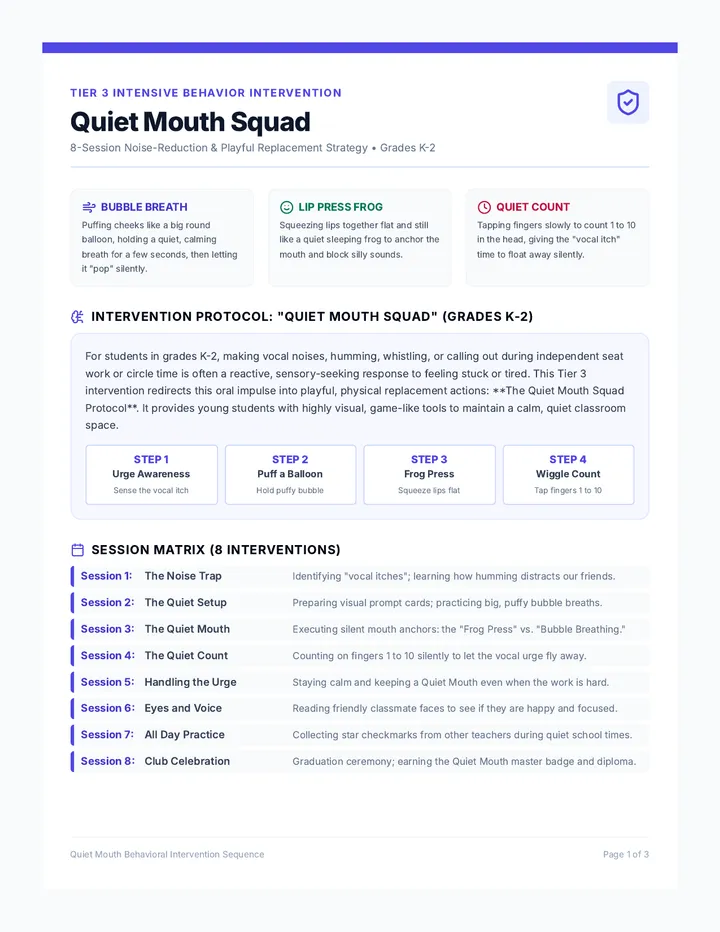
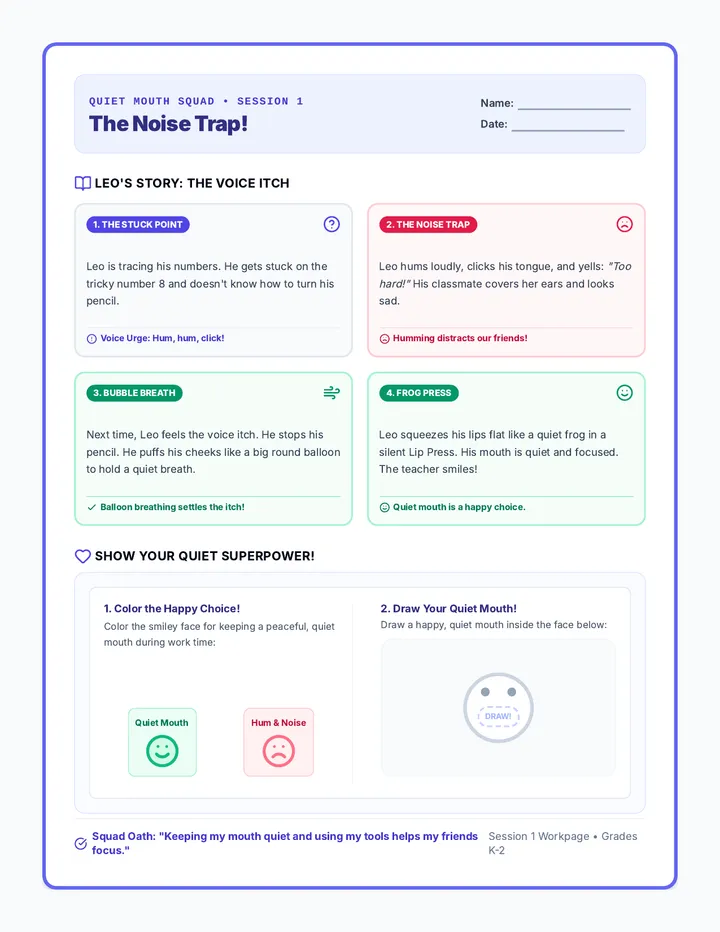
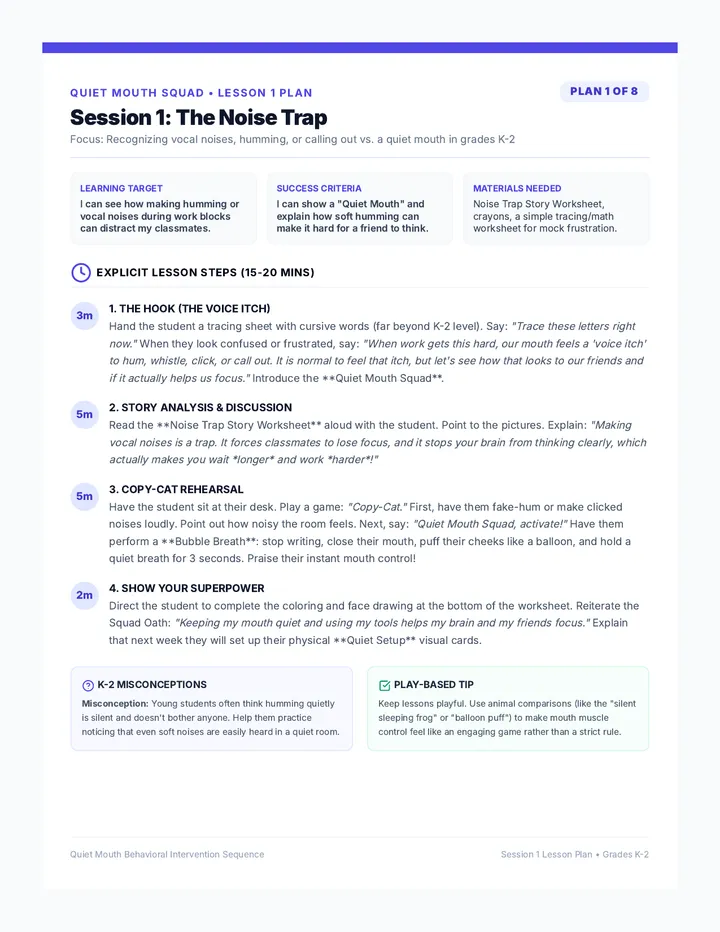
An 8-session intensive behavioral intervention sequence for students in grades K-2 targeting vocal noises, humming, or calling out during independent work. It teaches playful replacement behaviors: holding a quiet, puffy 'Bubble Breath' (like a balloon) or a firm 'Lip Press' (making a flat, silent mouth) to settle urges and maintain classroom focus.
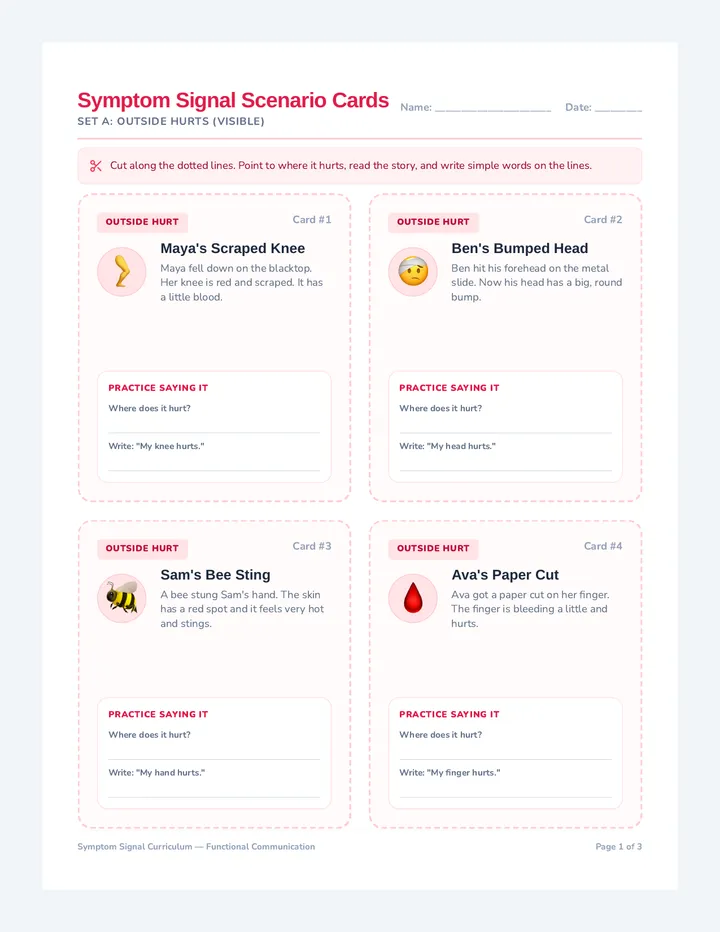
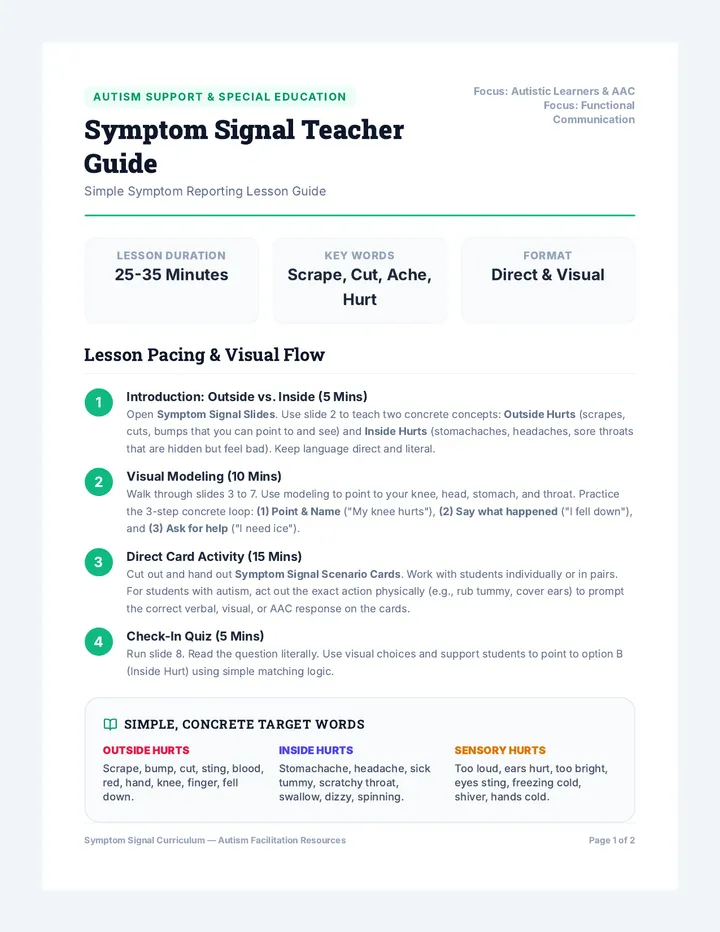
A functional communication lesson designed to help students expressively label visible and non-visible pain, injuries, and discomfort. Students practice reporting playground injuries, internal illnesses, and sensory sensitivities.
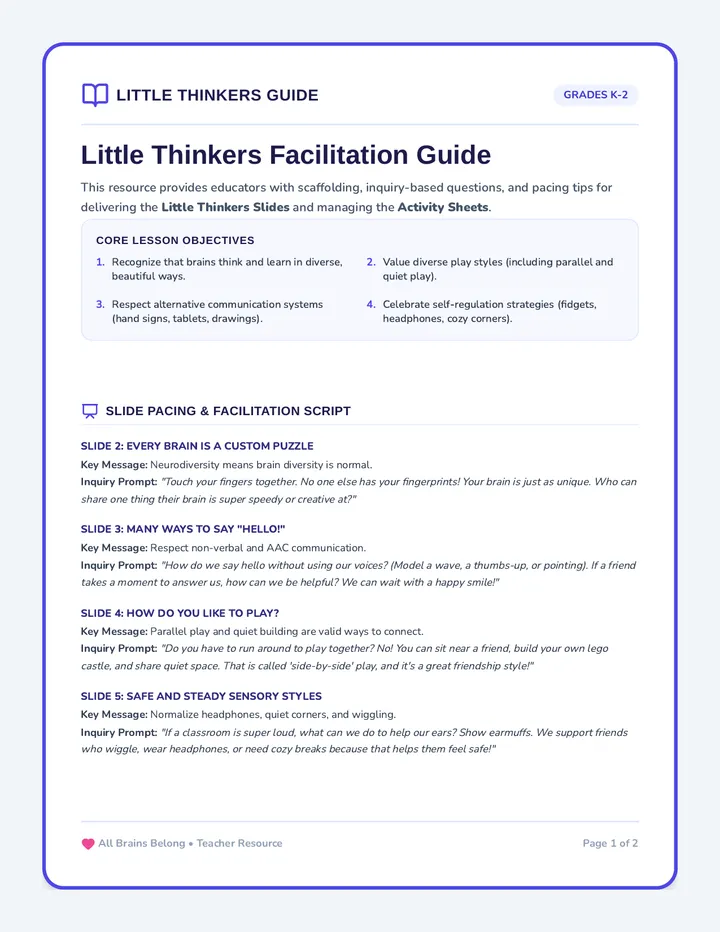
A 2-page teacher facilitation and implementation guide. Includes lesson pacing, target vocabulary, a tiered differentiation framework for verbal/non-verbal/AAC students, and concrete questioning scripts.
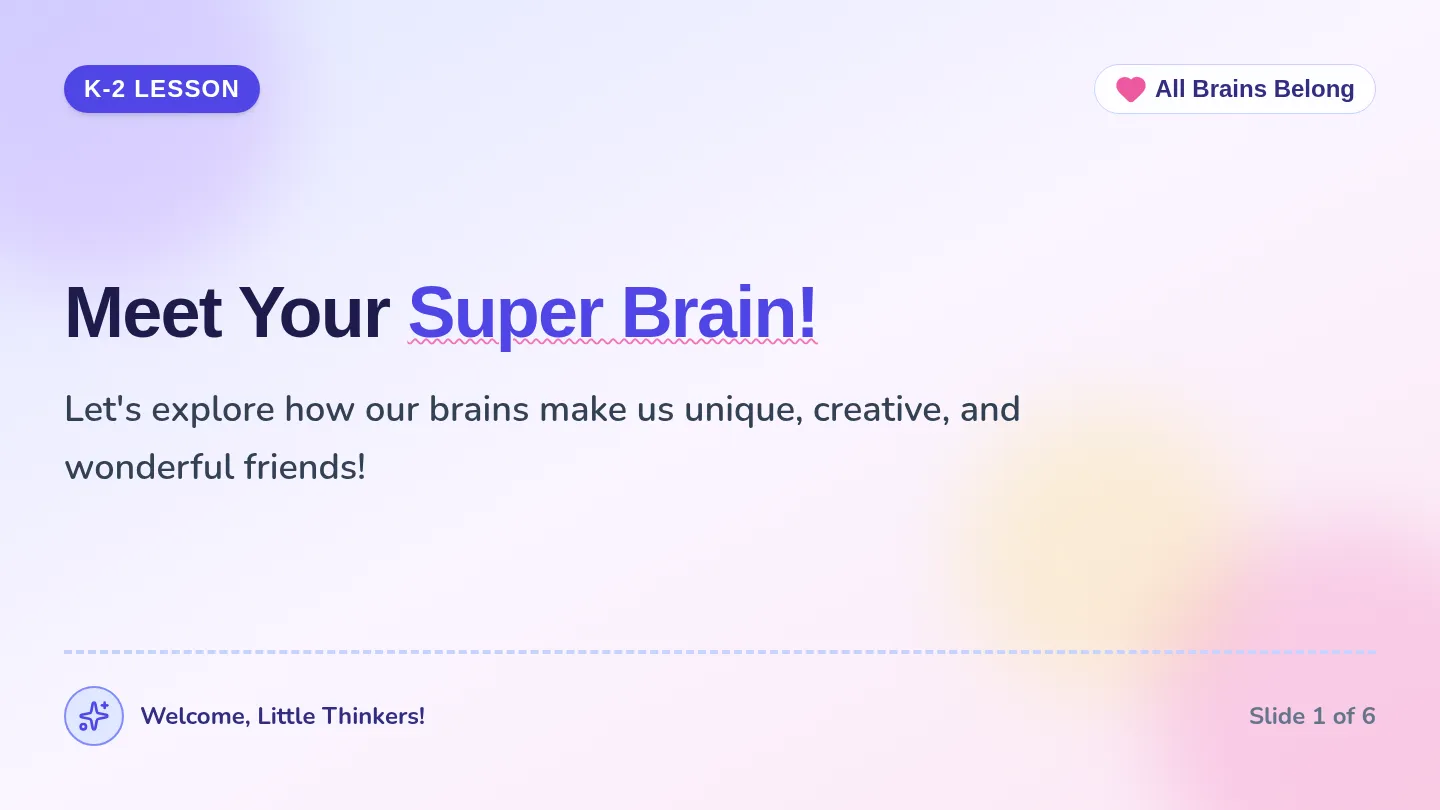
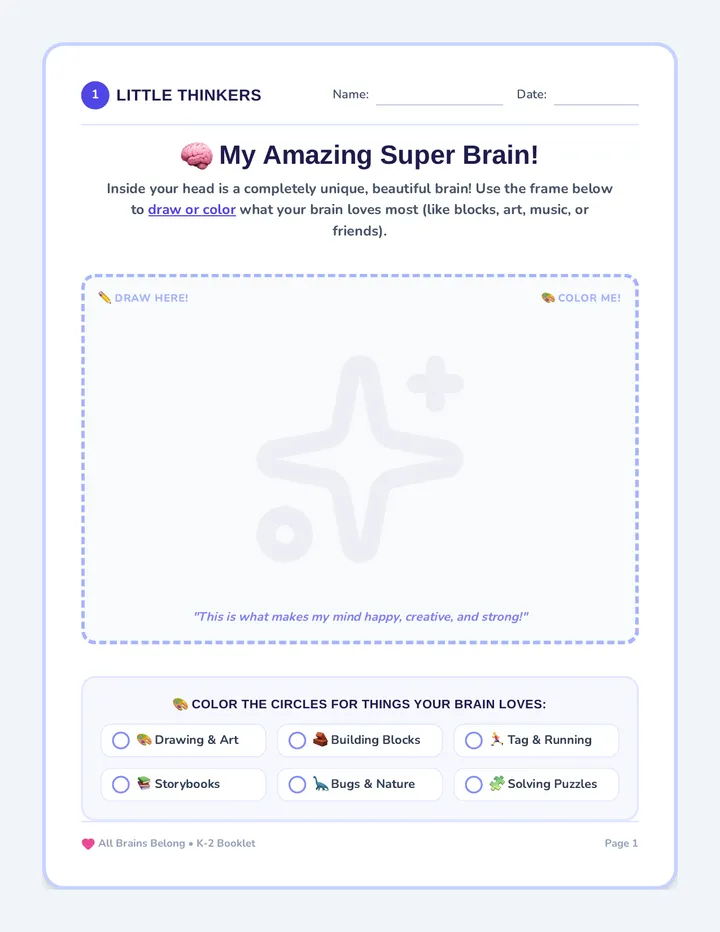
A comprehensive educational unit celebrating neurodiversity, acceptance, and inclusive communication across elementary grades. It equips educators with slide presentations and reflection tools tailored for K-2 and 3-5 students to cultivate empathetic classrooms.
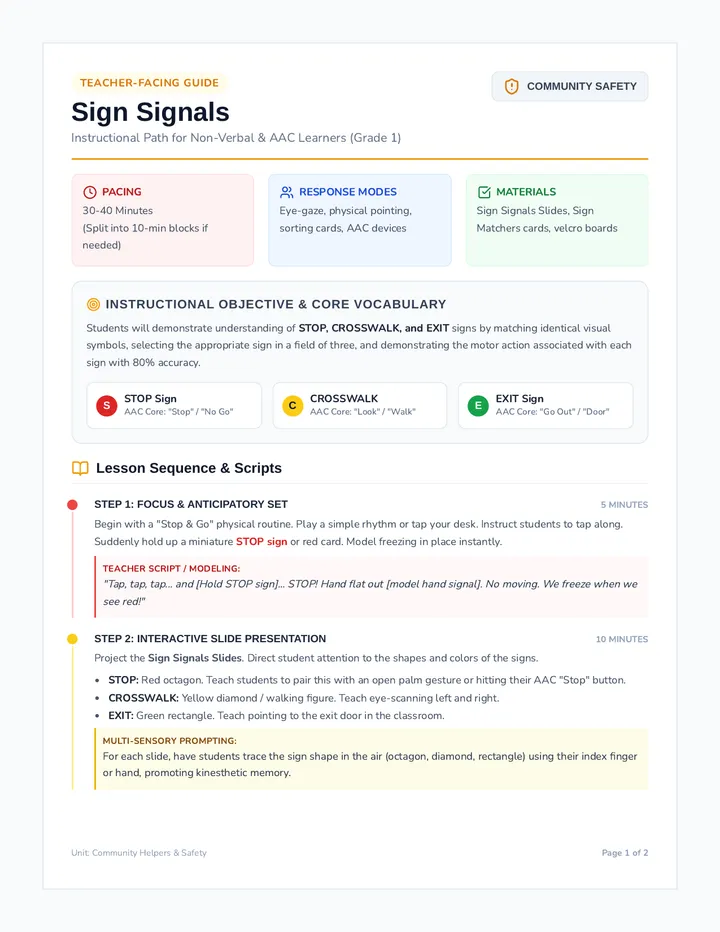
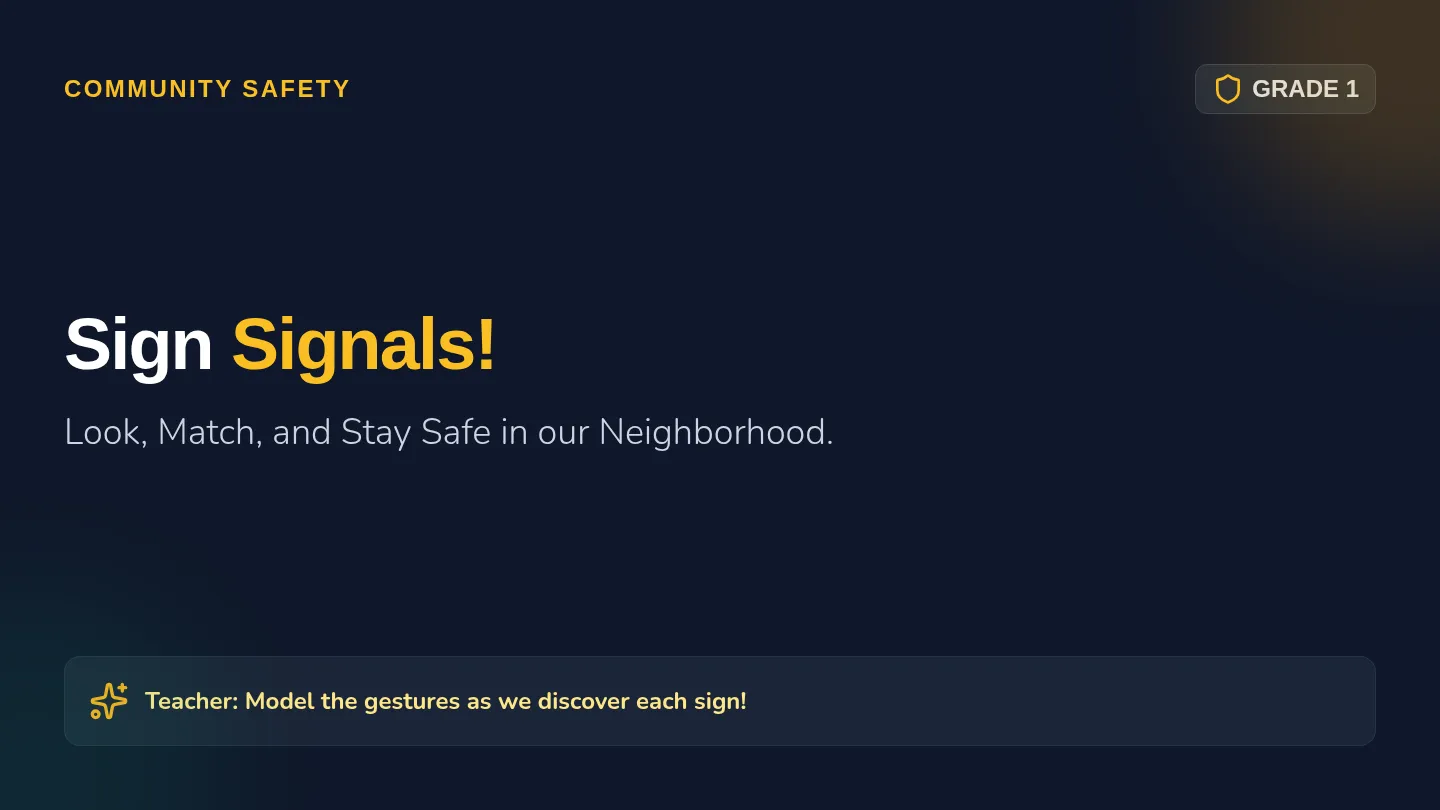
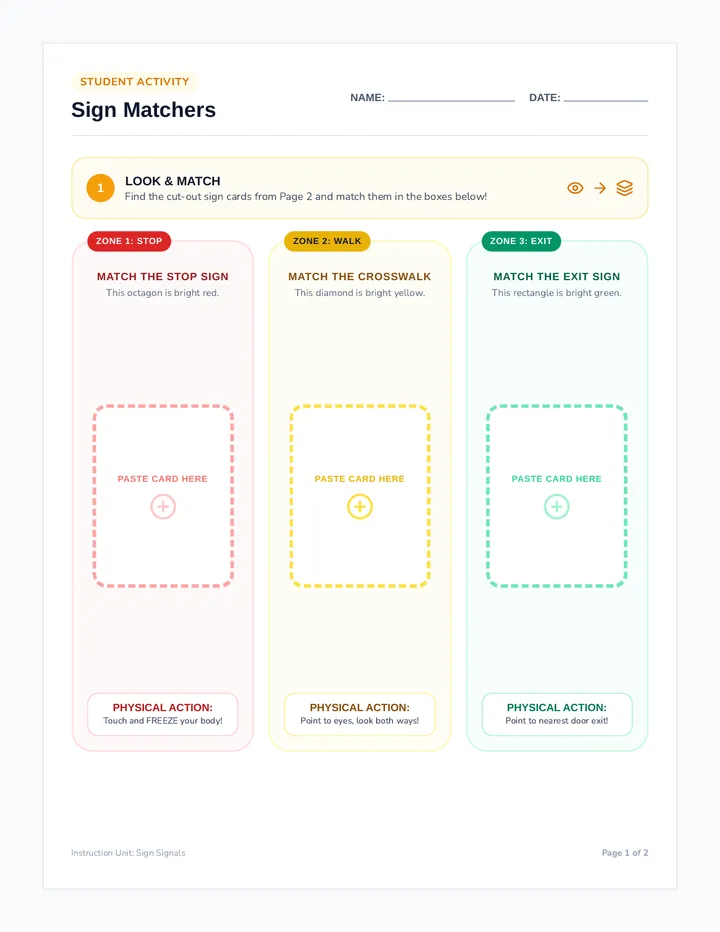
A comprehensive lesson bundle introducing three foundational community safety signs (STOP, CROSSWALK, and EXIT) to non-verbal first-grade students using visual matching, AAC-friendly cues, and interactive physical modeling.
A 3-page printable card deck containing 12 distinct visual scenario cards. Each card features a kid-friendly situation, high-contrast illustration, and clear writing lines for students to label the pain type and practice expressive sentence starters. Set C features sensory discomforts (Sound, Light, Cold, and Hot).
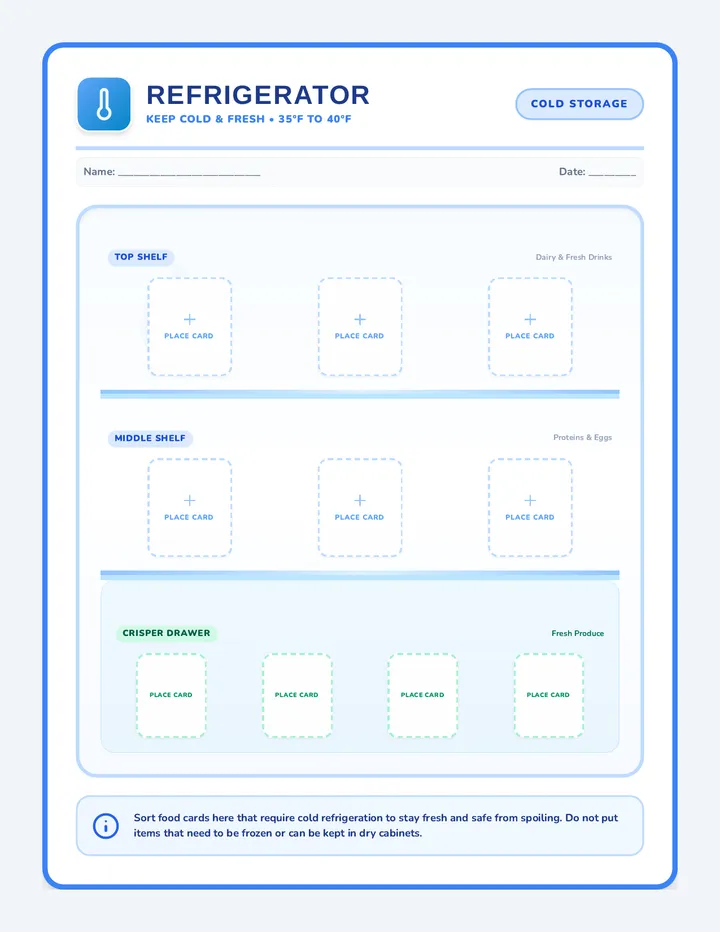
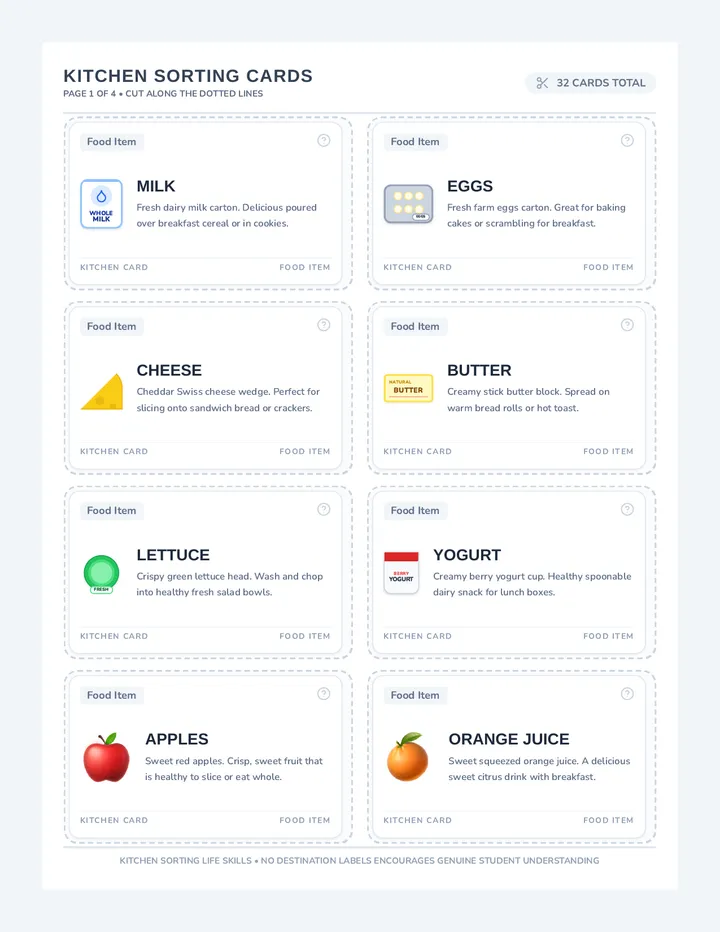
A progressive life-skills curriculum designed to teach students how to identify, categorize, and sort grocery items. Starts with kitchen storage sorting (fridge, freezer, pantry) and advances to sorting by major retail grocery store departments.
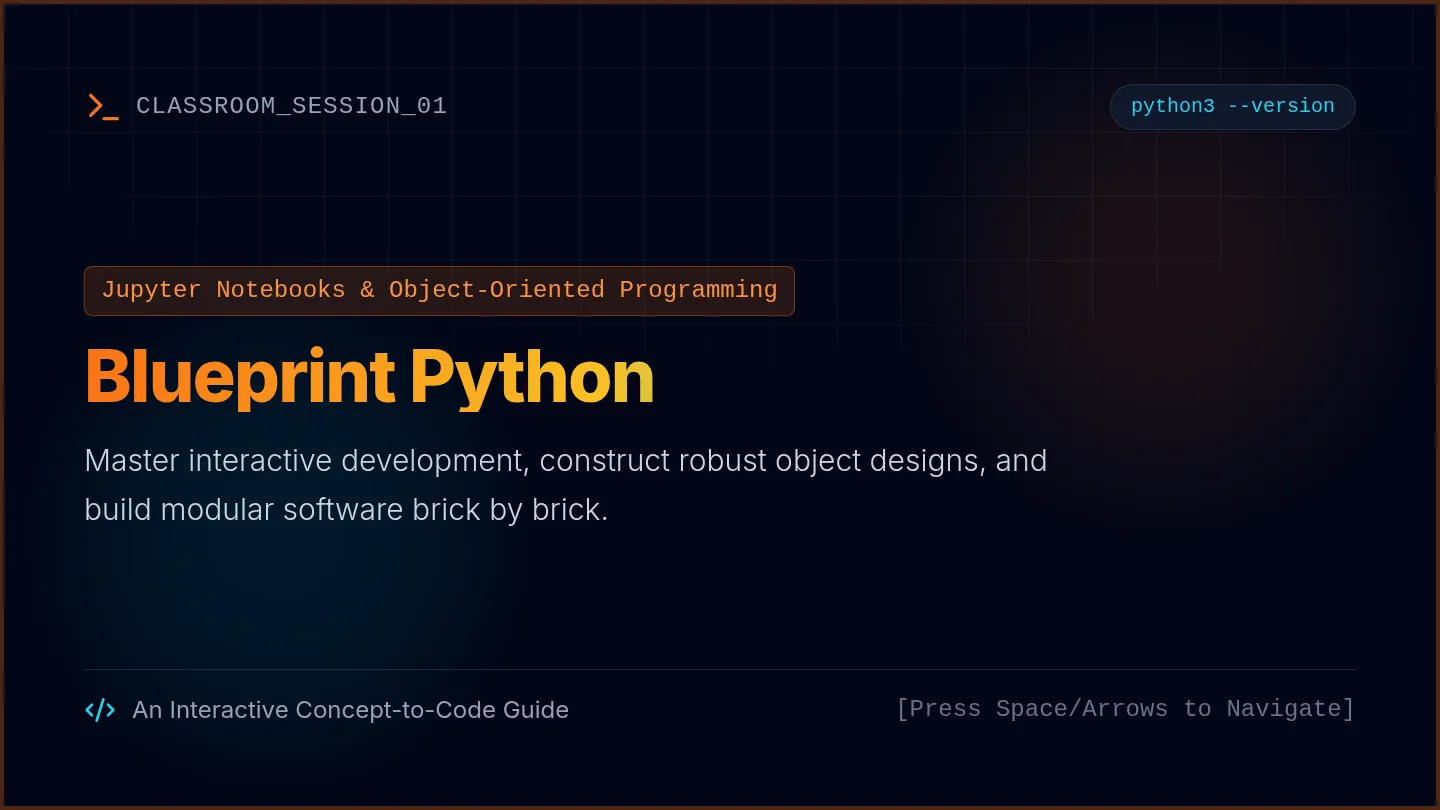
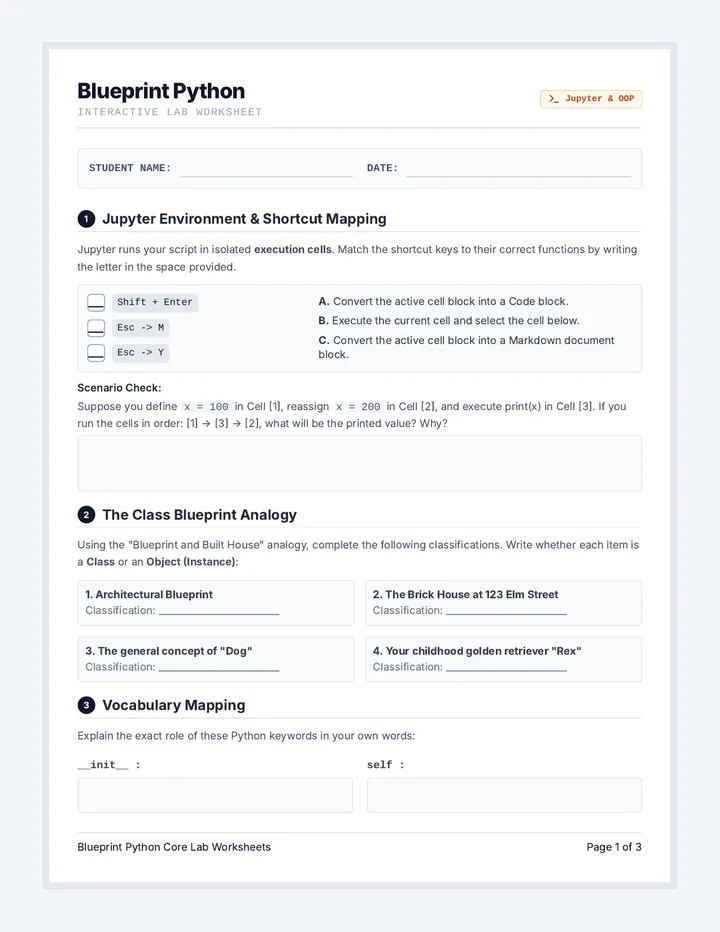
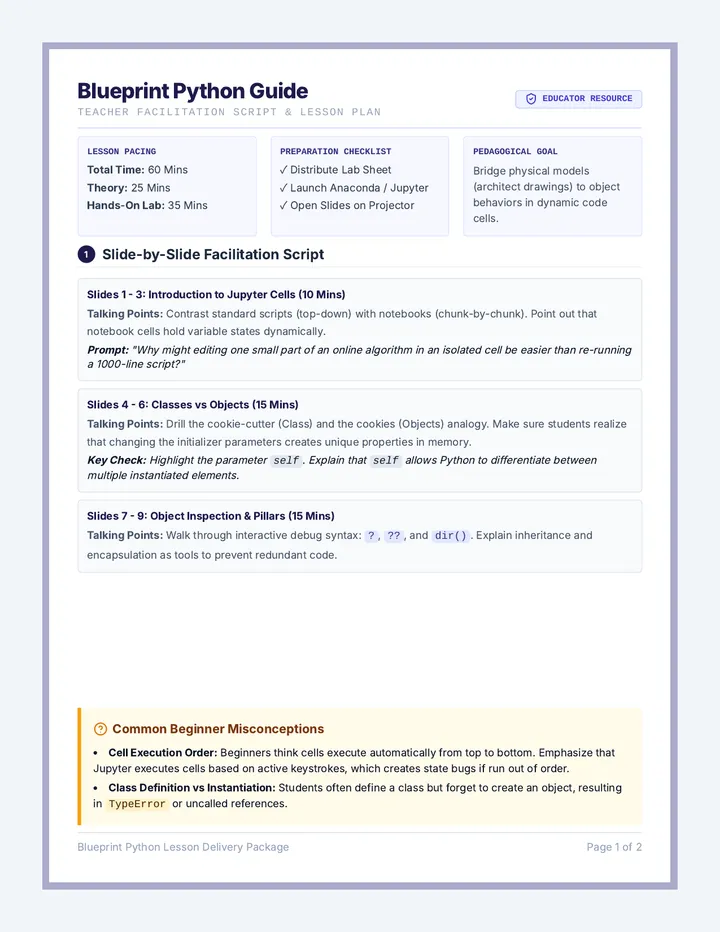
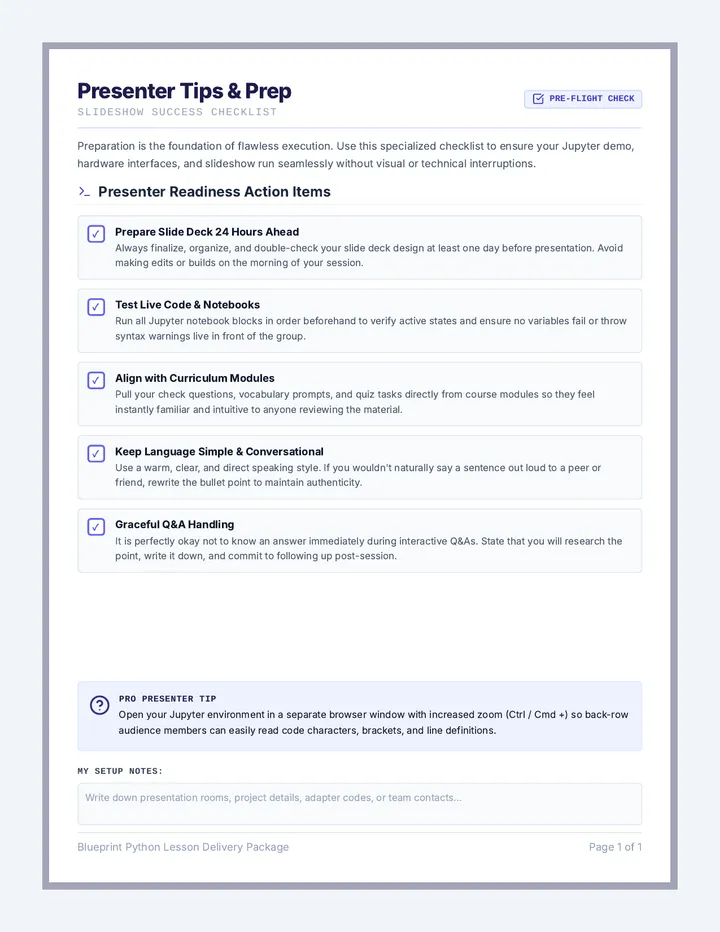
A beginner-to-intermediate lesson introducing Jupyter Notebooks and Object-Oriented Programming (OOP) in Python. Students learn to navigate the Jupyter interface and design structured classes and objects block-by-block.
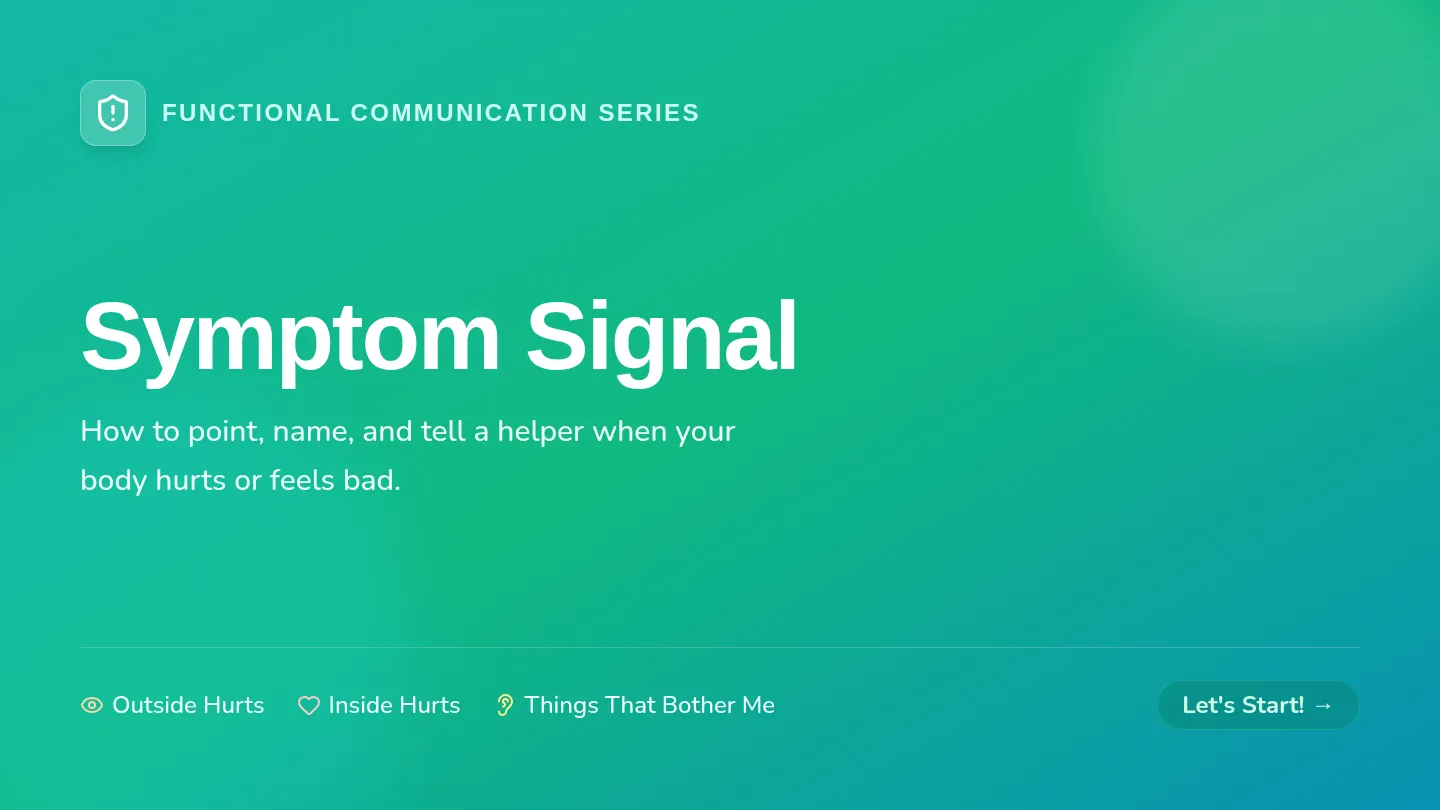
A structured 15-slide presentation for the 'Symptom Signal' lesson. It is organized into three distinct categories: Outside Hurts (visible skin injuries), Inside Hurts (non-visible illnesses), and 'Things That Bother Me' (sensory discomforts including sound, light, hot, and cold examples) with guided kid-friendly practice scenarios.
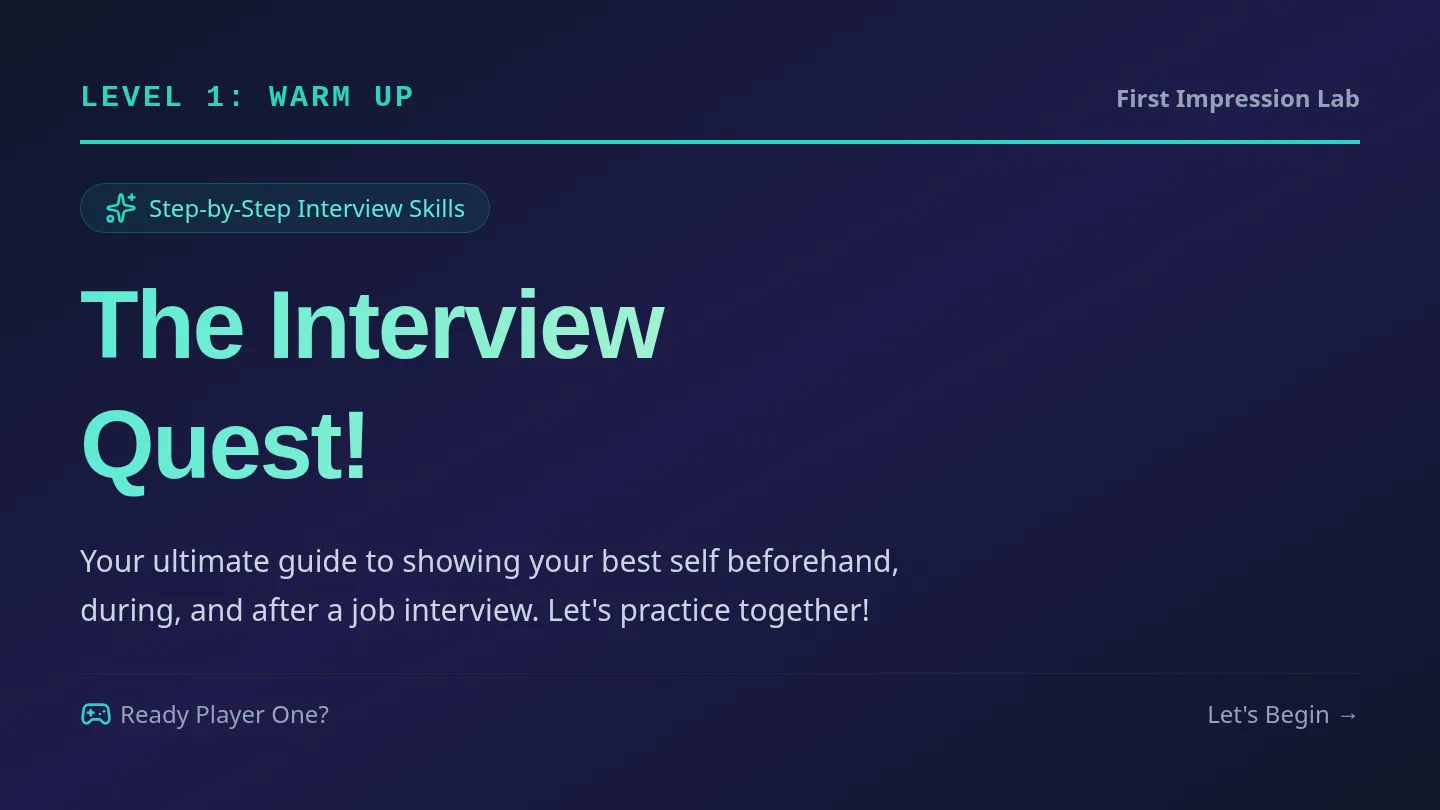
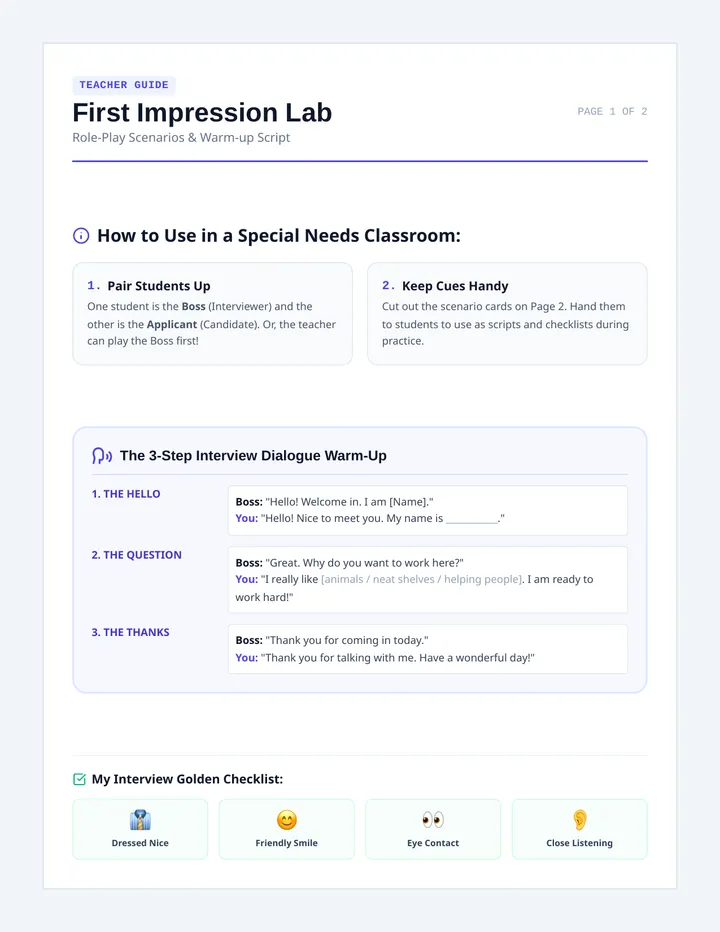
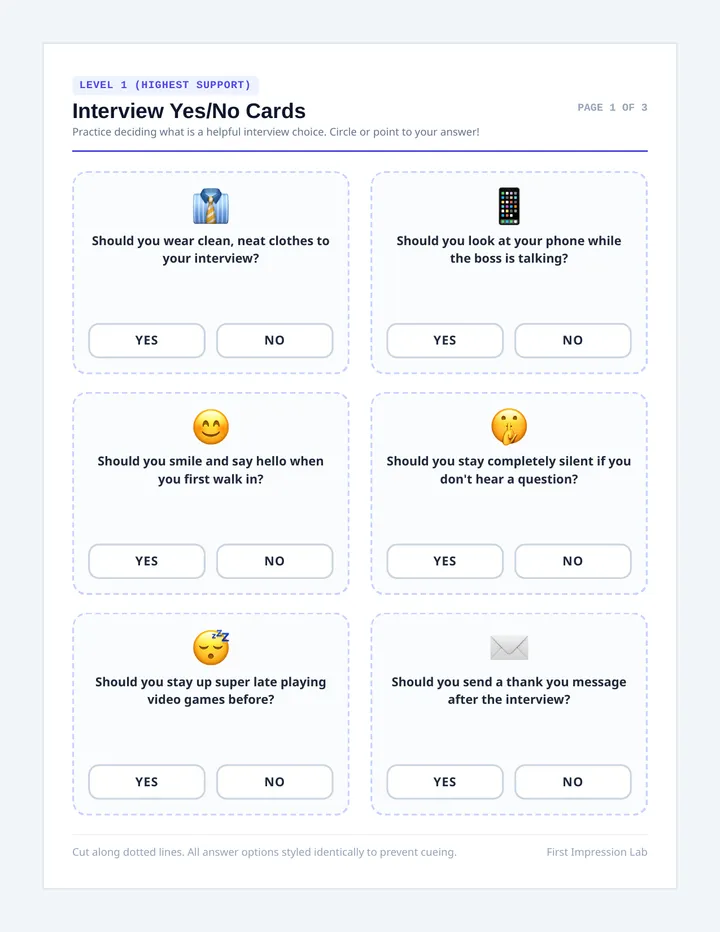
A comprehensive, highly visual curriculum sequence designed to prepare high school special needs students for employment. It covers critical social-emotional and practical work skills, starting with the job interview process and continuing with key on-the-job expectations, workplace etiquette, and self-advocacy.
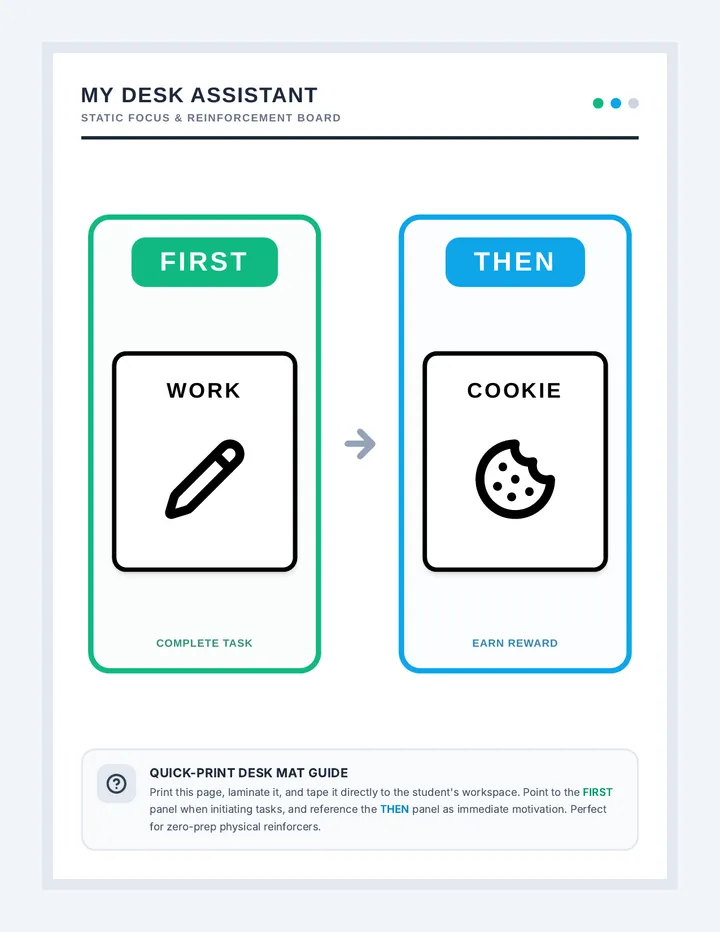
A collection of clean, high-contrast visual supports and desk mats to assist neurodiverse students with transitions, task focus, and reinforcement.
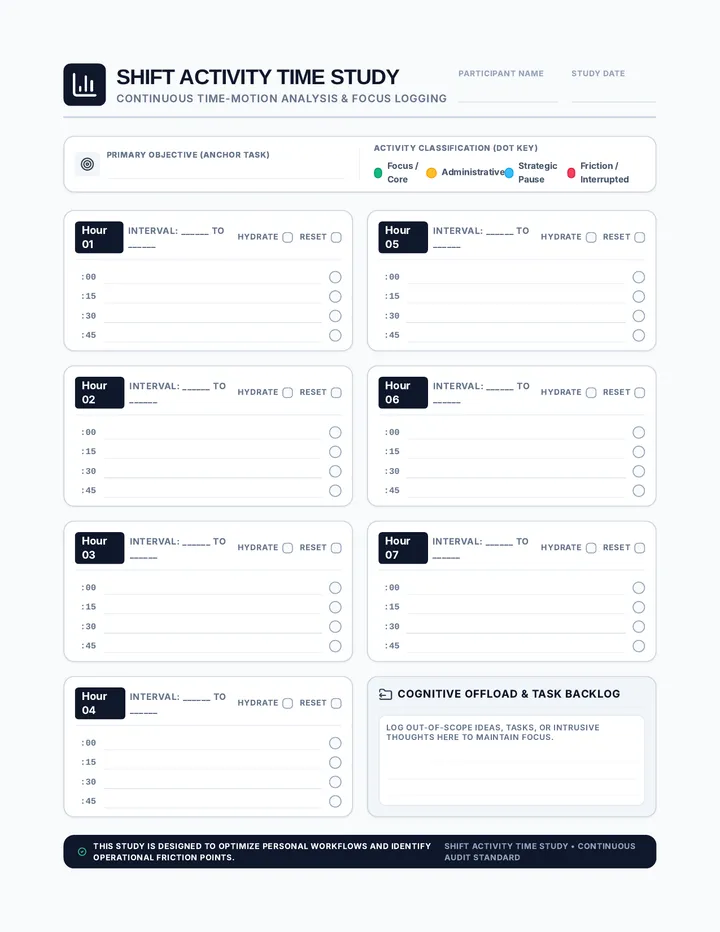
A highly professional, structured 7-hour shift time study log designed to track work activity every 15-30 minutes with an analytical corporate aesthetic while preserving low-friction tracking and cognitive offload features.