A game-based sequence designed for 2nd-grade students to build executive functioning skills and task initiation. Students move from gross motor games to personalized 'start rituals' to reduce prompt dependency and foster independence.
A 12-session journey for children aged 6-8 that integrates English literacy skills (comprehension, writing, grammar) with essential emotional and thinking skills using the 'Mind Mechanics' framework. Students learn to decode information, construct ideas precisely, and regulate their thoughts and responses for better school performance and well-being.
A collection of practical resources and evidence-based strategies for teachers to manage challenging behaviors, refocus students, and maintain a positive classroom environment.
A collection of parent-facing resources for supporting sensory processing and proprioception at home for students across all age ranges, from elementary to high school.
A comprehensive set of visual and physical resources to implement a non-food, non-toy reward system in a second-grade classroom.
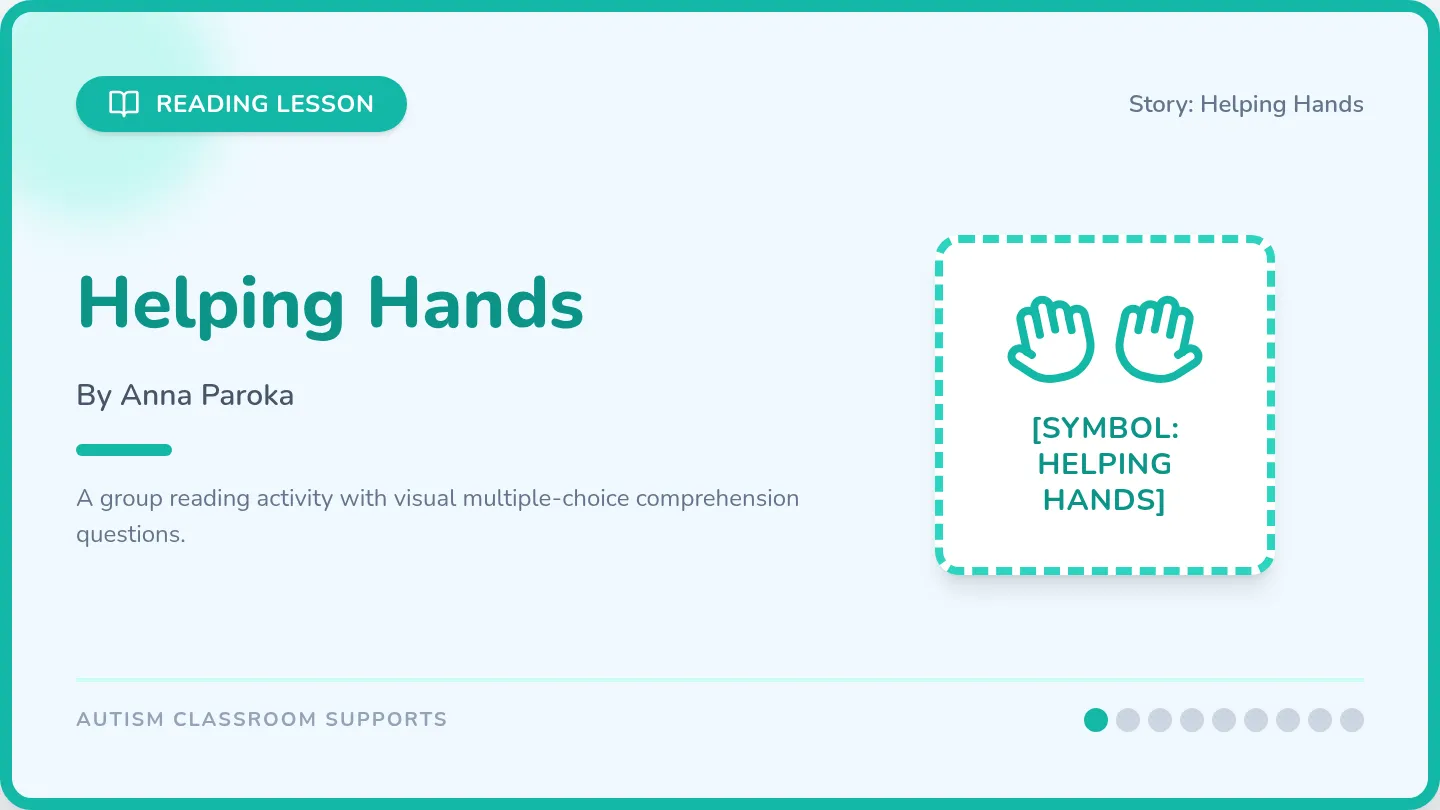
A set of visual supports and interactive activities designed to help students with ASD understand the consequences of elopement and learn safe replacement behaviors.
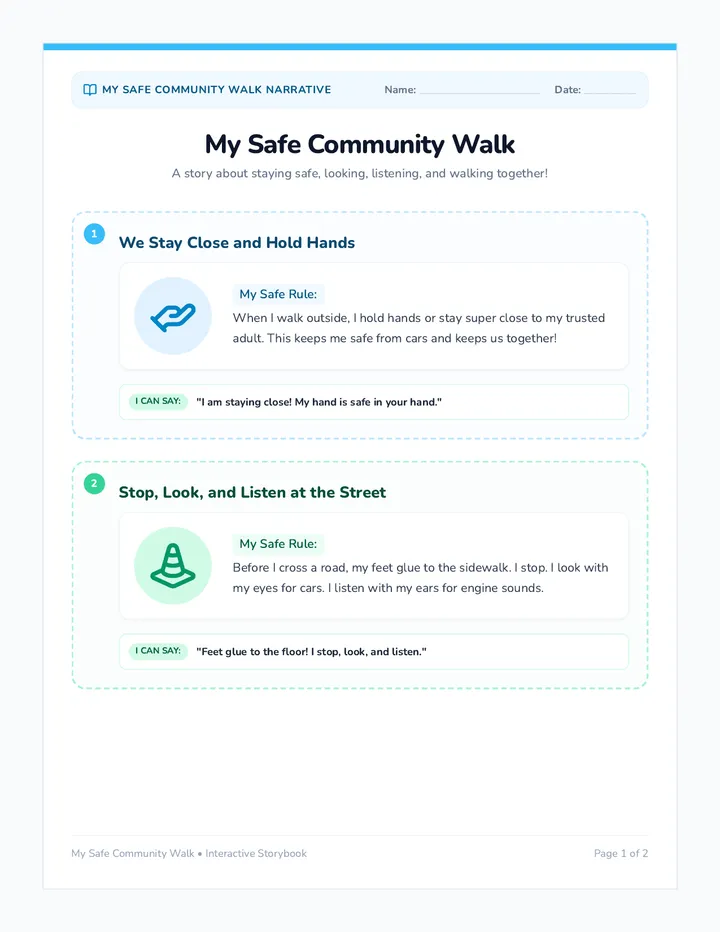
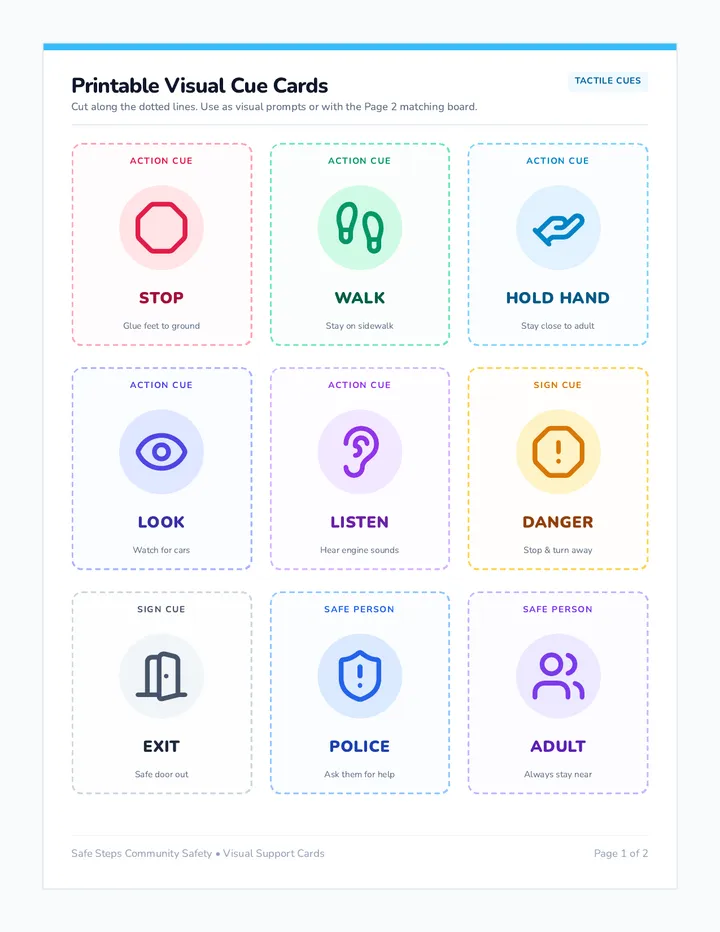
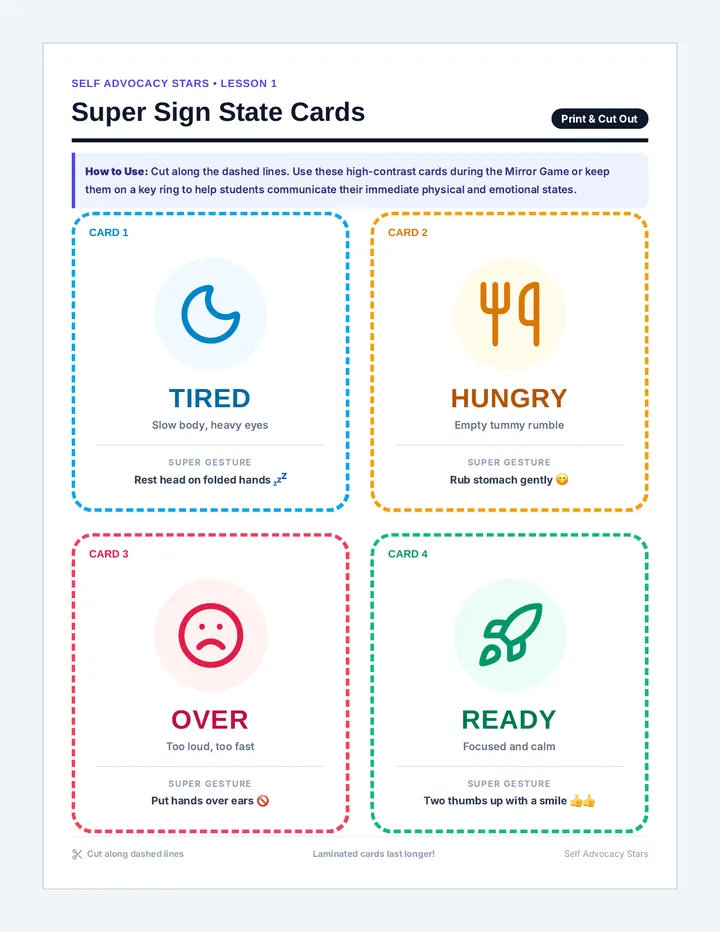
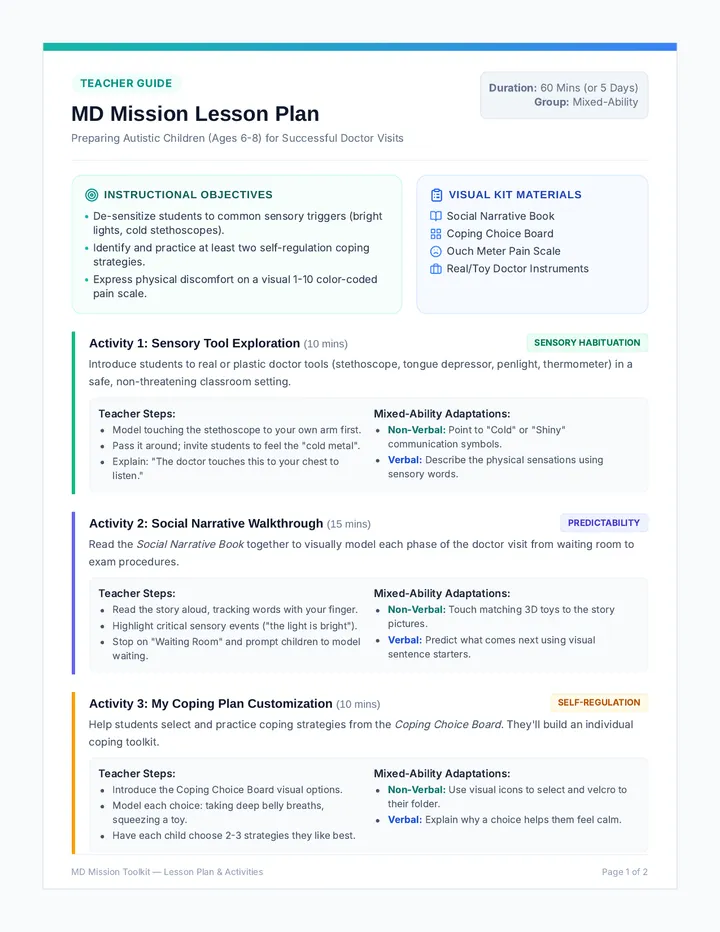
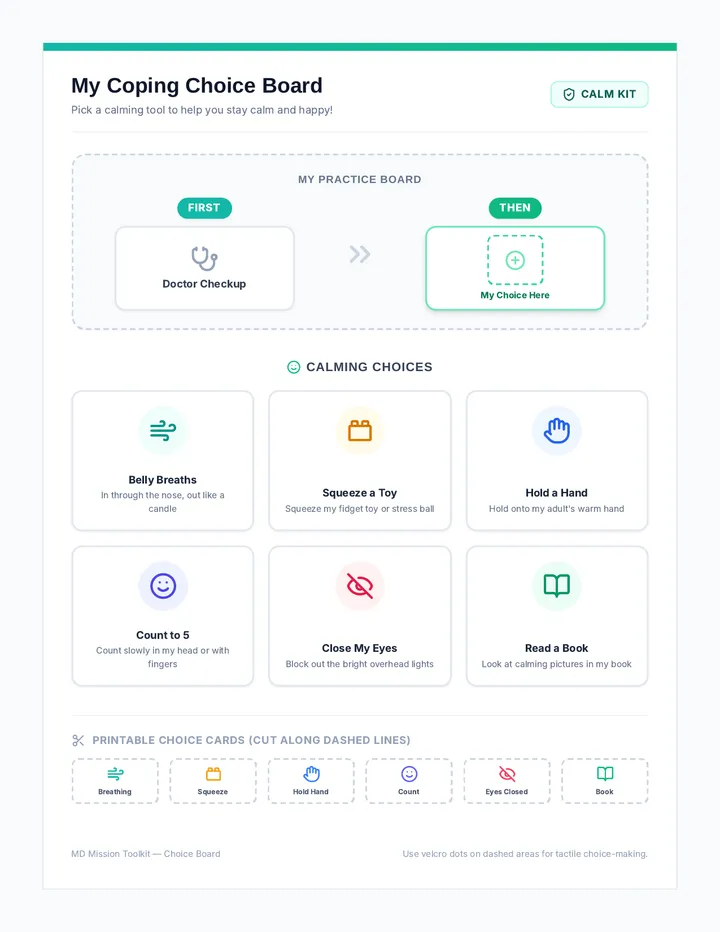
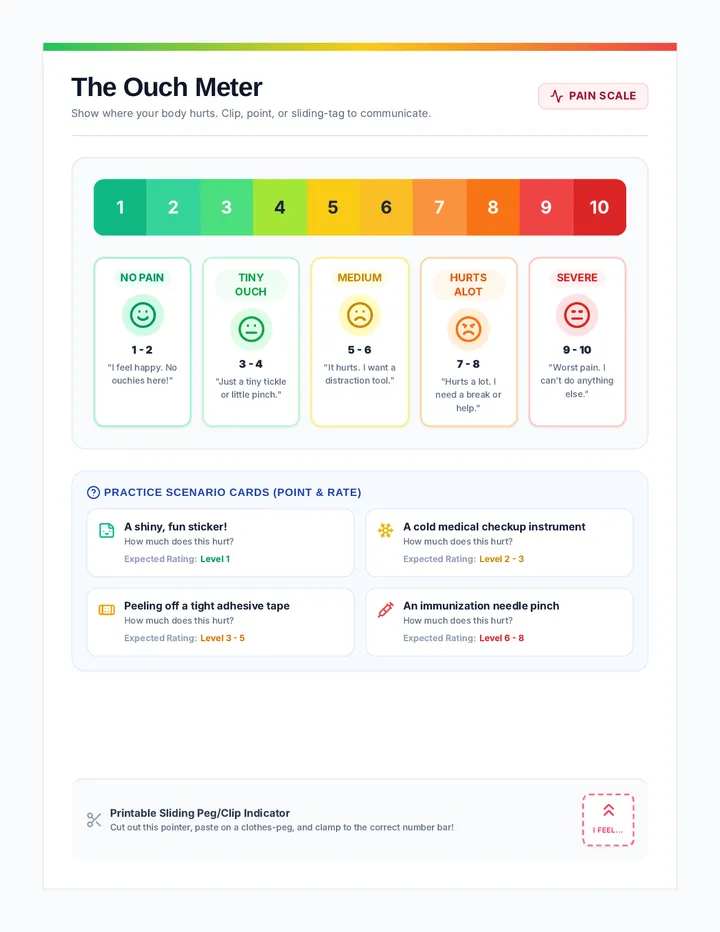
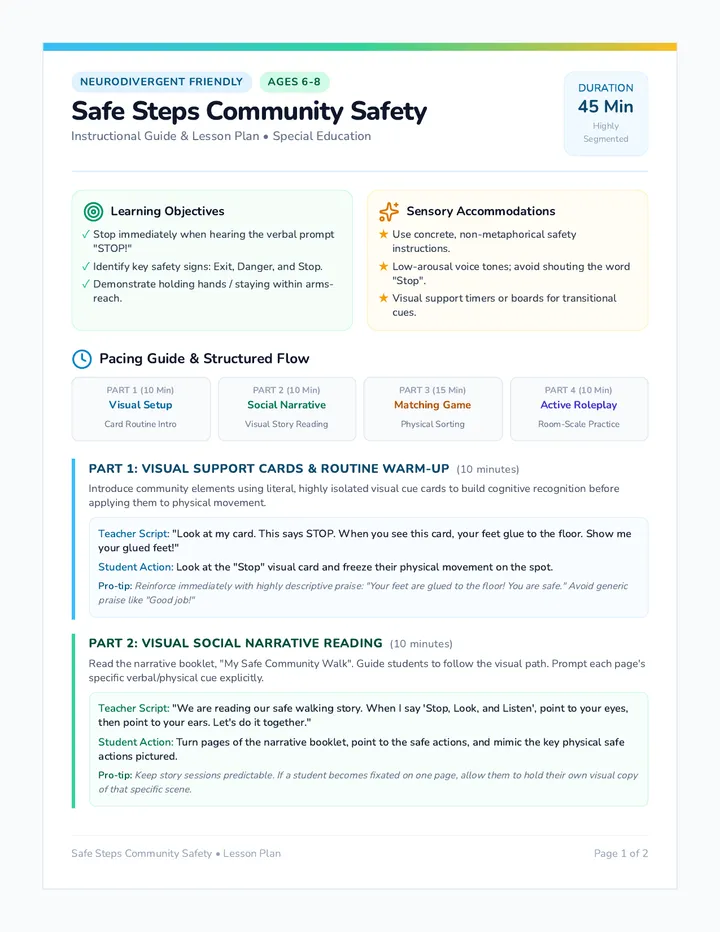
A collection of resources designed to help students with autism navigate difficult transitions and maintain safe body behaviors through visual supports and social narratives.
A collection of simplified Greek myths designed for early readers and students with IEPs, focusing on foundational reading skills and basic comprehension through symbol-supported text.
A developmental fluency program designed to guide a student from 30 WCPM to 85 WCPM. This sequence features four thematic levels focused on nature, emotional regulation, and self-confidence, aligned with late 1st and early 2nd-grade expectations.
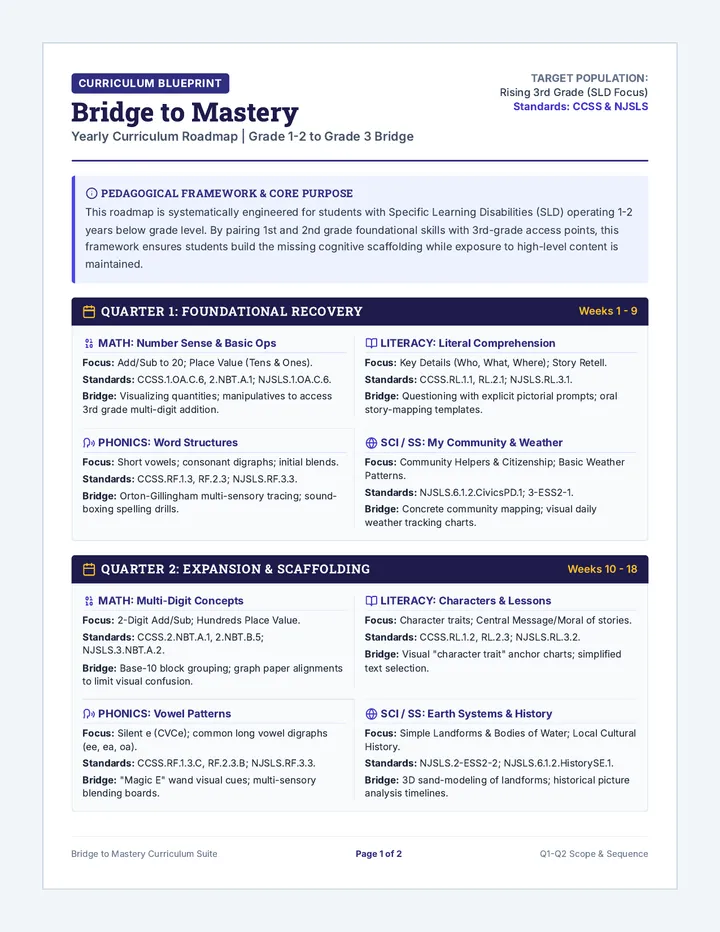
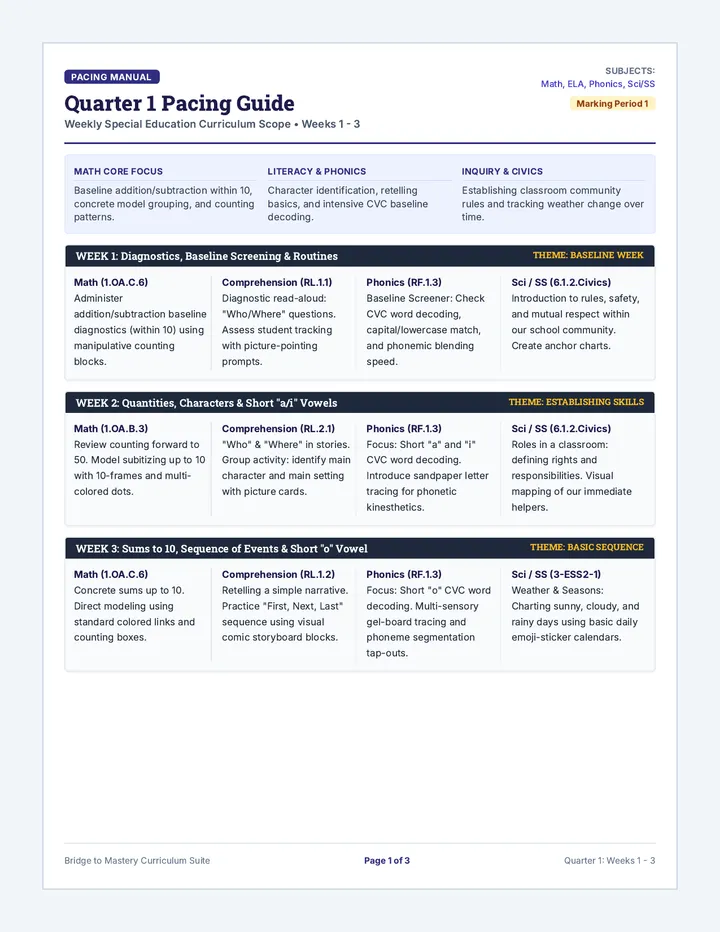
A 9-week ELA Phonics and Reading curriculum designed for 2nd-grade special education students. It uses a nature-themed 'Word Woods' metaphor to guide students through CVC words, blends, and long vowels with multi-sensory support.
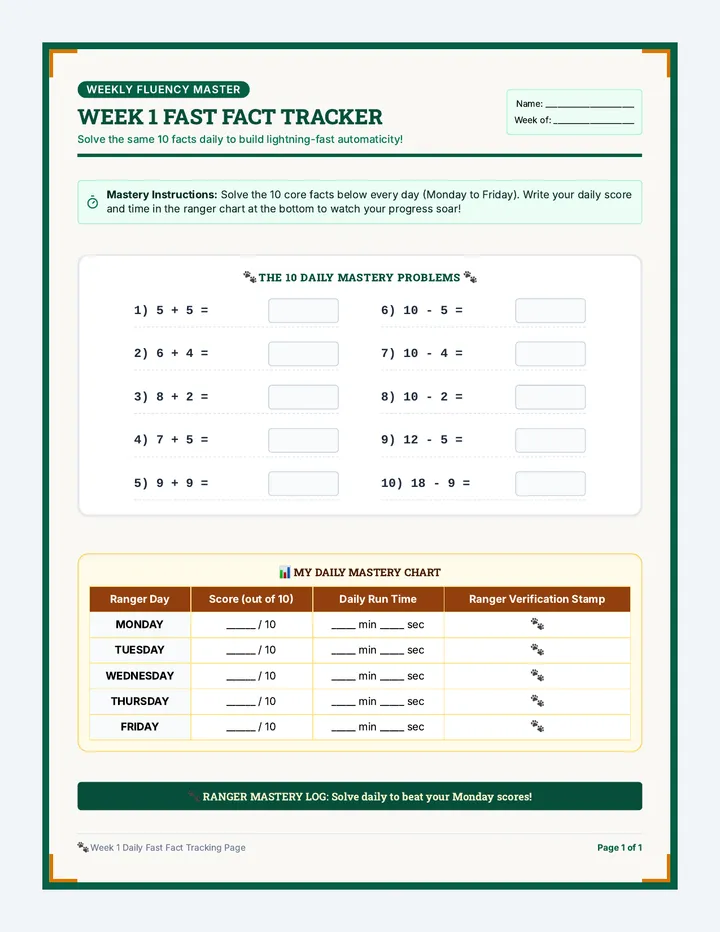
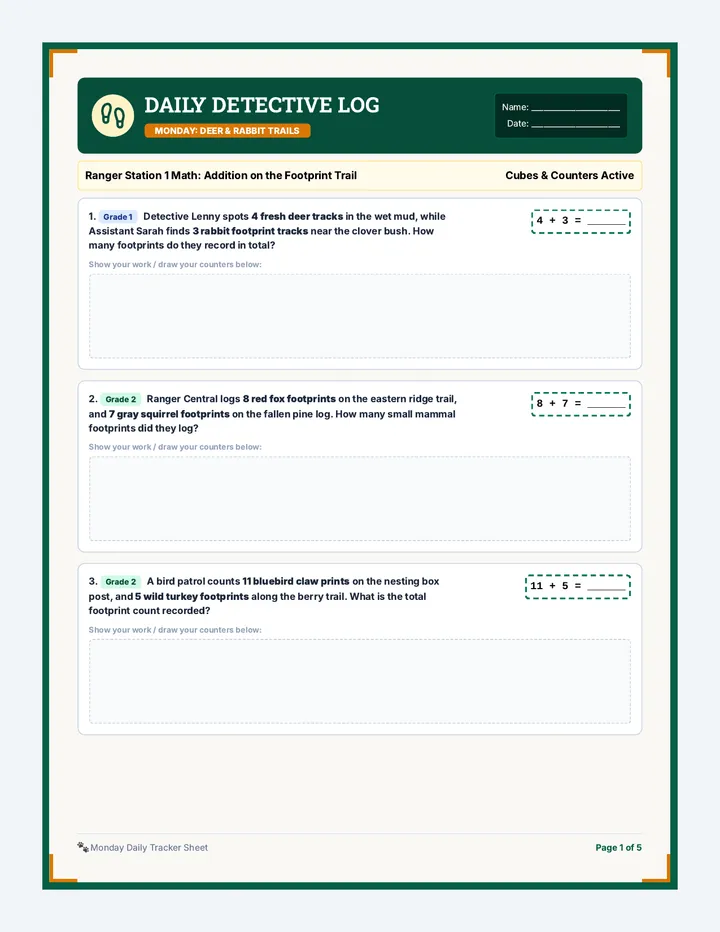
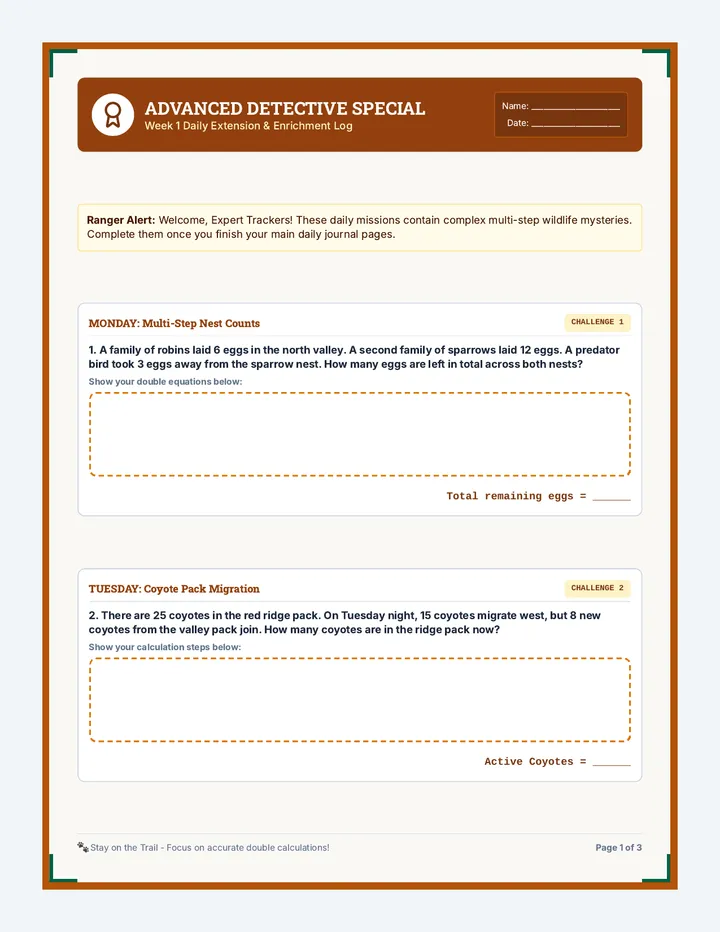
A foundational skills unit covering literacy progress tracking and early numeracy strategies for decomposition and missing addends.
A sequence focused on transitioning a student from prompted to independent use of a self-regulation routine (breathing, timing, and sensory tools) across various real-world environments.
A comprehensive unit designed to teach the core word 'big' to students using LAMP and AAC devices through interactive jungle-themed activities, focusing on motor planning and visual recognition.
A comprehensive multi-grade level toolkit for reading intervention teachers to track and monitor student reading fluency benchmarks throughout the school year.
A set of multisensory resources designed for non-verbal students with intellectual disabilities to learn high-frequency life skills words using AAC, letter tiles, and visual supports.
A behavioral management framework for primary schools to improve cafeteria culture using a tiered reward system and visual progress indicators.
A comprehensive library of Pediatric Occupational Therapy resources designed for clinicians to share with families and use in sessions. It covers sensory processing, motor development, executive functioning, and daily living skills.