Friendship Builders Lesson Plan Friendship Builders
7-Session Tier 3 Social Skills Intervention
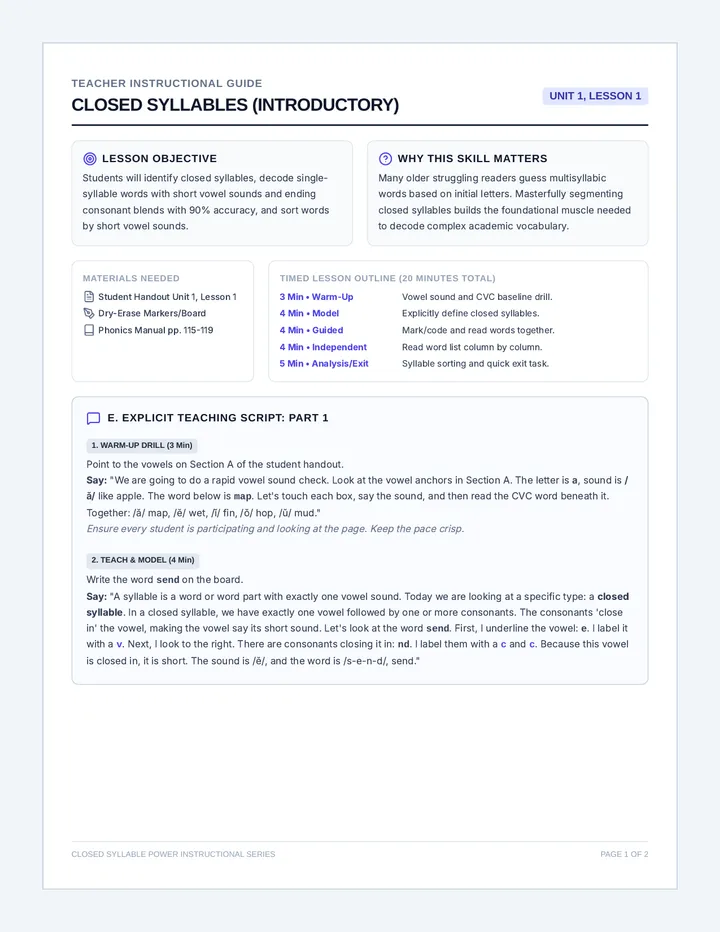
Grade Level 5th Grade
Rationale
Developing social skills and understanding friendship dynamics can boost confidence and enhance interactions in diverse social settings, specifically tailored for students with autism who may benefit from explicit social instruction.
Objective
Guide a 5th grade student with autism to develop practical friendship skills through interactive and reflective activities over 7 structured sessions.
Logistics
Time: 7 sessions x 30 minutes each
Audience: 5th Grade Student (Tier 3)
Approach: Interactive discussion, role-play, reflection
Preparation Checklist
Session Roadmap
SESSION 1: FRIENDSHIP FOUNDATIONS 30 MIN
Focus: Introduction to concepts and why friends matter.
Discuss: "What do you think makes someone a good friend?"
Review qualities: Kindness, trust, and respect.
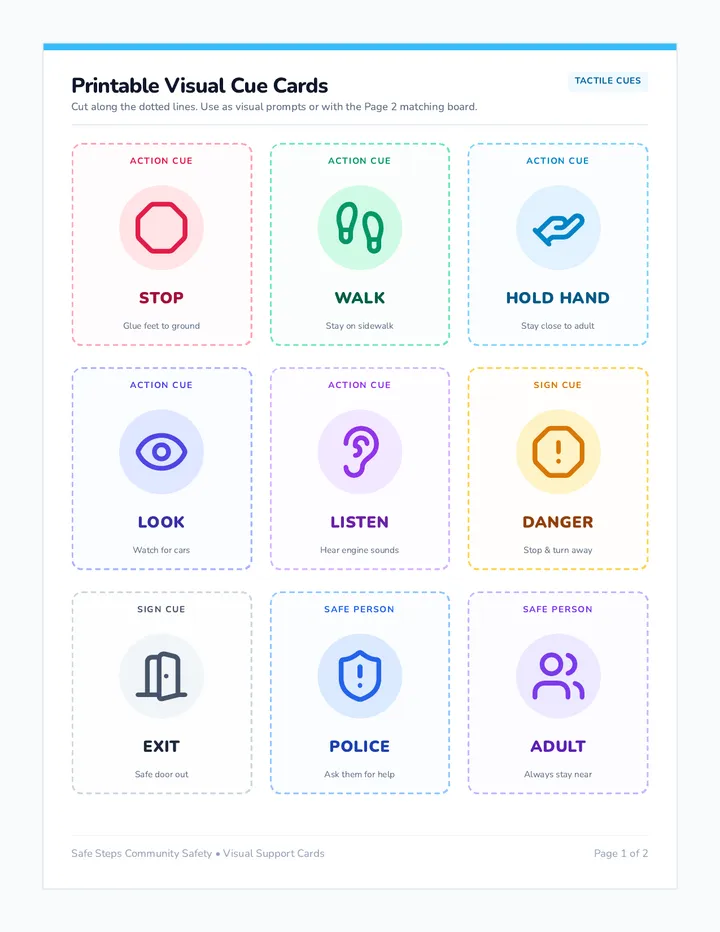
Use visual aids (flashcards) to depict examples of friendship.
SESSION 2: COMMUNICATION TOOLS 30 MIN
Focus: Verbal and non-verbal communication skills.
Practice greetings (eye contact, "Hello", body position).
Active listening: Facing the speaker, nodding, wait-time.
Role-play simple 2-turn conversations.
SESSION 3: SOCIAL DETECTIVES 30 MIN
Focus: Identifying basic social cues.
Facial expressions: Focus on eyes and mouth.
Tone of voice: Matching emotion to sound.
Body language: Open vs. closed posture.
SESSION 4: HEART HELPERS 30 MIN
Focus: Empathy and perspective-taking.
"If I were in their shoes": Imagine feelings in different scenarios.
Use the Empathy Guide for structured activities.
Reflect: "How does my friend feel when I share?"
SESSION 5: ACTION BUILDERS 30 MIN
Focus: Practice reading and responding.
Intense role-play: Responding appropriately to a "sad" or "excited" friend.
Feedback loop: Teacher provides immediate positive reinforcement and cues.
SESSION 6: REPAIR CREW 30 MIN
Focus: Collaborative problem-solving.
Present conflict: "Friend wants to play tag, but I want to swing."
Steps: Identify the problem, brainstorm solutions, pick one, try it.
SESSION 7: BUILDING BASH 30 MIN
Focus: Celebration and final reflection.
Review the "Building Manual" (key skills).
Sharing: Student shares their proudest moment from the sessions.
Celebration activity: Favorite social game or preferred reward.
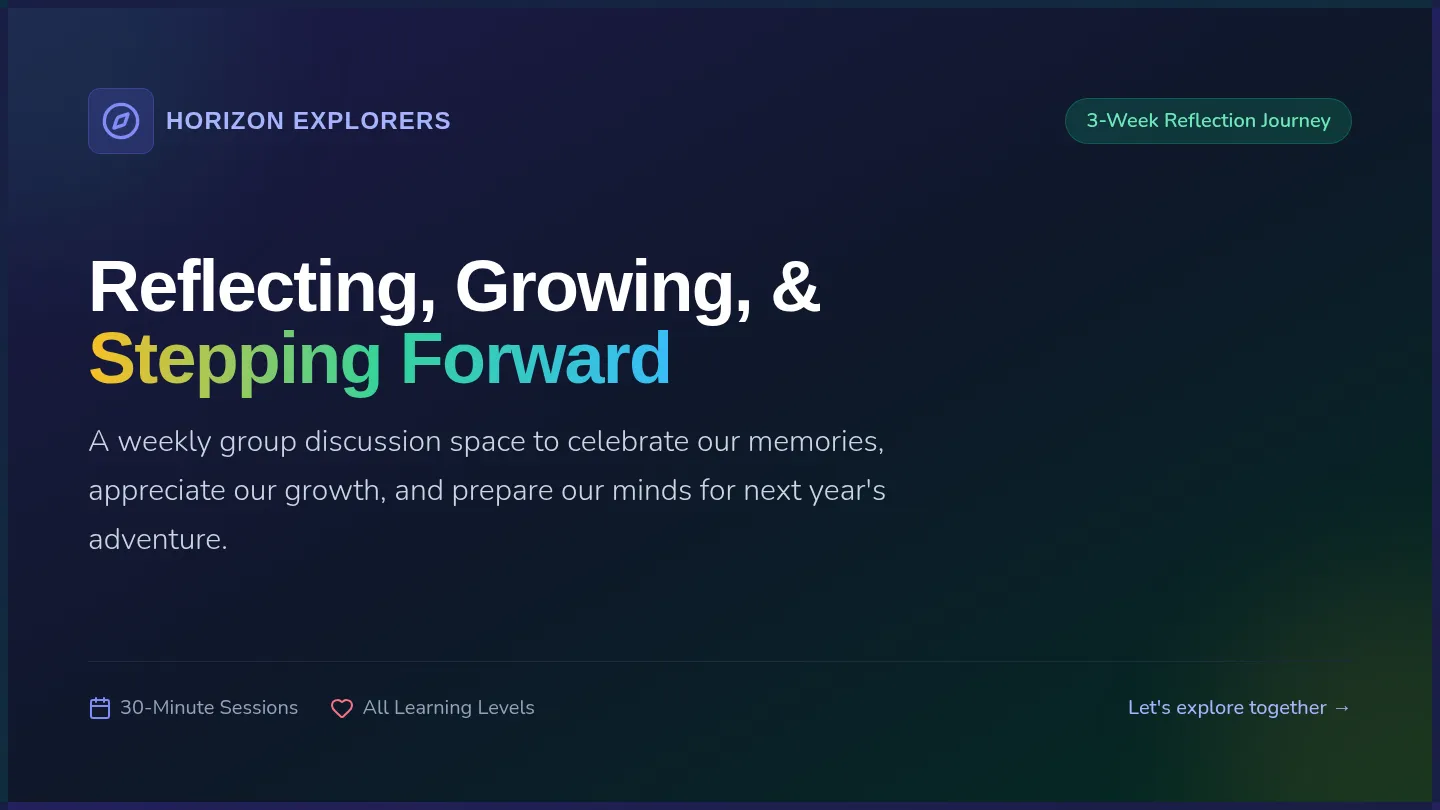
Friendship Builders Slides Friendship Builders
Today we start our journey to learn about making friends and understanding what friendship means.
Session 1: Introduction
• What is a friend?
• Why are friendships important?
• Qualities of a good friend: Kindness, trust, respect.
Session 2: Communication Tools
• Verbal and non-verbal cues
• Greetings and active listening
• Practice through role-play
Session 3: Social Detectives
We look for clues to see how people feel:
Facial Expressions
Tone of Voice
Body Language
Session 4: Empathy
What is Empathy?
Understanding and sharing the feelings of others.
"How would I feel in their shoes?"
"What can I do to help?"
Session 5: Action Builders
• Practice identifying emotions
• Role-play exercises
• Response practice
Session 6: Repair Crew
Solving Problems Together:
1. Stop and Calm Down
2. Explain the Problem
3. Find a Win-Win Solution
Session 7: Celebration!
You've built a strong foundation! Let's celebrate our progress and review all we've learned.
Friendship Master Builder
Friendship Builder Student Workbook Friendship Builders
Student Manual
Name of Builder:
Start Date:
"Building a friendship is like building a house. It needs a strong foundation, the right tools, and lots of practice!"
1 Friendship Foundations
Session 1
The Good Friend Checklist
Circle the qualities that make a good friend:
Kindness
Sharing
Being Mean
Trust
Ignoring Others
Listening
My Reflection
What is one way YOU are a good friend?
2 Communication Tools
Session 2
The Greeting Tool
What can you say to say hello?
The Question Tool
What can you ask a friend?
Active Listening Steps
Stop what you are doing.
Turn your body toward the friend.
Wait for them to finish talking.
3 Social Detectives
Session 3
Feeling Match-Up
Draw a line from the clue to the feeling:
Wide Eyes & Big Smile
Downward Eyes & Frown
Red Face & Loud Voice
Hands Over Ears
Overwhelmed
Angry
Happy
Sad
Detective Note
Always look at a friend's Eyes , Mouth , and Hands to see how they feel!
4 Heart Helpers
Session 4
Perspective Goggles
A friend drops their lunch tray. Everyone is laughing, but your friend looks like they want to cry.
How does your friend feel?
What is a kind thing you can say?
6 Repair Crew
Session 6
The 3-Step Fix
1
The Problem:
What happened?
2
Two Ideas:
What can we do?
3
The Best Choice:
Which one did we pick?
7 Building Bash
Session 7
Master Builder
Friendship Certificate
This certifies that ________________________ has completed the 7-session Friendship Builders program and has the tools to be a great friend!
Builder Signature
Guide Signature
Role-Play Scenarios for Social Cues Role-Play Scenario Cards
Interactive practice for reading social cues and responding to friends.
Scene 1
The New Game
A friend is showing you a brand new card game they just got. They are smiling big and talking very fast.
Social Cues:
Big Smile Fast Talking
Question: How do they feel? What should you say?
Scene 2
The Lost Drawing
Your friend just realized they lost their favorite drawing. Their shoulders are slumped, and they are looking at the floor.
Social Cues:
Slumped Shoulders Looking Down
Question: How do they feel? What should you say?
Scene 3
The Noisy Cafeteria
A friend is sitting at the lunch table. They have their hands over their ears and their eyes are squeezed shut.
Social Cues:
Hands Over Ears Eyes Squeezed
Question: How do they feel? How can you help?
Scene 4
Sharing the Swing
A student is standing near the swing set where you are playing. They are looking at you, then at the swing, then back at you.
Social Cues:
Looking at Item Waiting Nearby
Question: What do they want? What can you do?
Teacher Instructions
Cut out the cards above.
Pick a card and act out the "Social Cues" without saying the feelings.
Ask the student to "detect" the feeling using the visual clues.
Practice the response together: "What is a kind thing to say or do?"
Empathy Building Activities Guide Empathy Building Guide
Instructional strategies for teaching perspective-taking and emotional recognition.
Core Concept
"Empathy is like wearing someone else's glasses. It helps you see the world exactly how they see it, so you can understand why they feel a certain way."
1
The Feeling Mirror
Setup:
Sit across from the student with a small mirror. You will make a face representing an emotion.
Step A: Mimicry
The student mimics your facial expression in the mirror.
Step B: Connection
Ask: "When your face looks like this, how is your body feeling inside?"
2
Perspective Goggles
Setup:
Present a scenario where two people might feel differently about the same thing.
Scenario: The Surprise Birthday Party
Person A loves surprises. Person B finds loud noises and big groups scary.
Person A Goggles:
"I'm so excited! Everyone is here!"
Person B Goggles:
"It's too loud. I want to leave."
Goal: Understand that the same event can cause different feelings for different people.
3
The Kindness Response
Prompt Cards:
"I'm sad because I fell." Response: "Are you okay? Can I help you up?"
"I'm happy I won my game!" Response: "High five! That's awesome!"