An annotated, step-by-step guide explaining Python logic (if/else) and indentation through visual diagrams and color-coded code examples, specifically designed for students with word comprehension challenges.
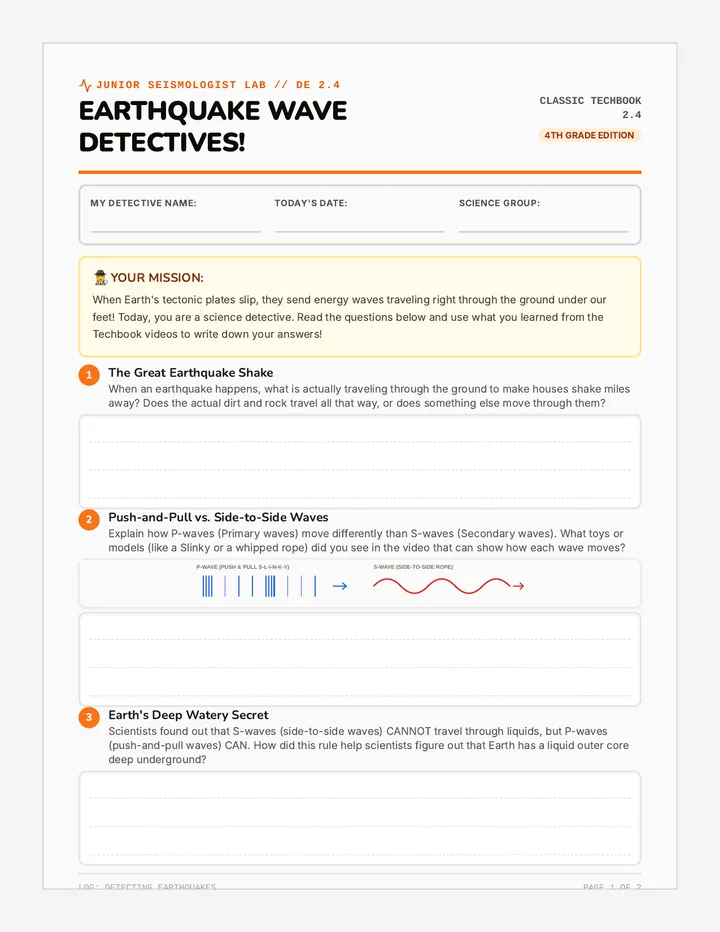
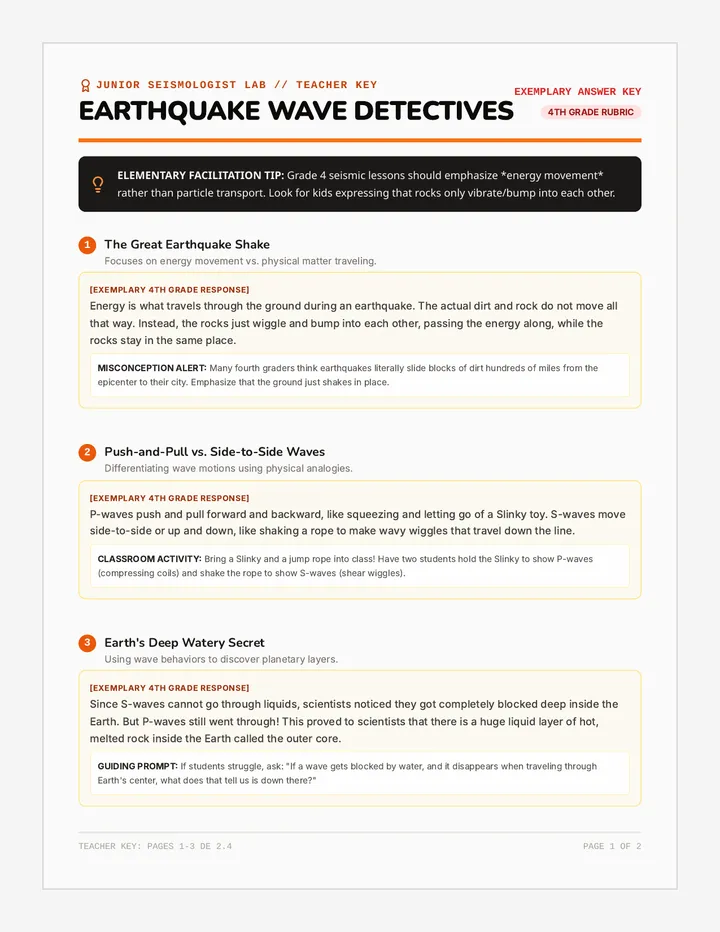
An earth and space science curriculum unit covering dynamic earth processes, earthquake wave mechanics, atmospheric pressure systems, and weather prediction techniques.
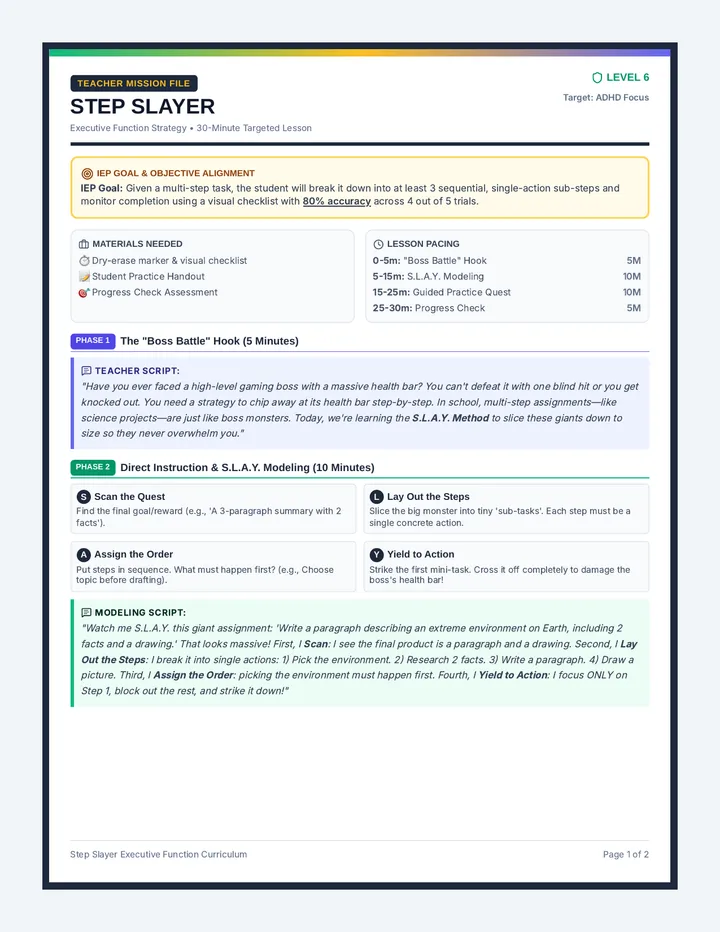
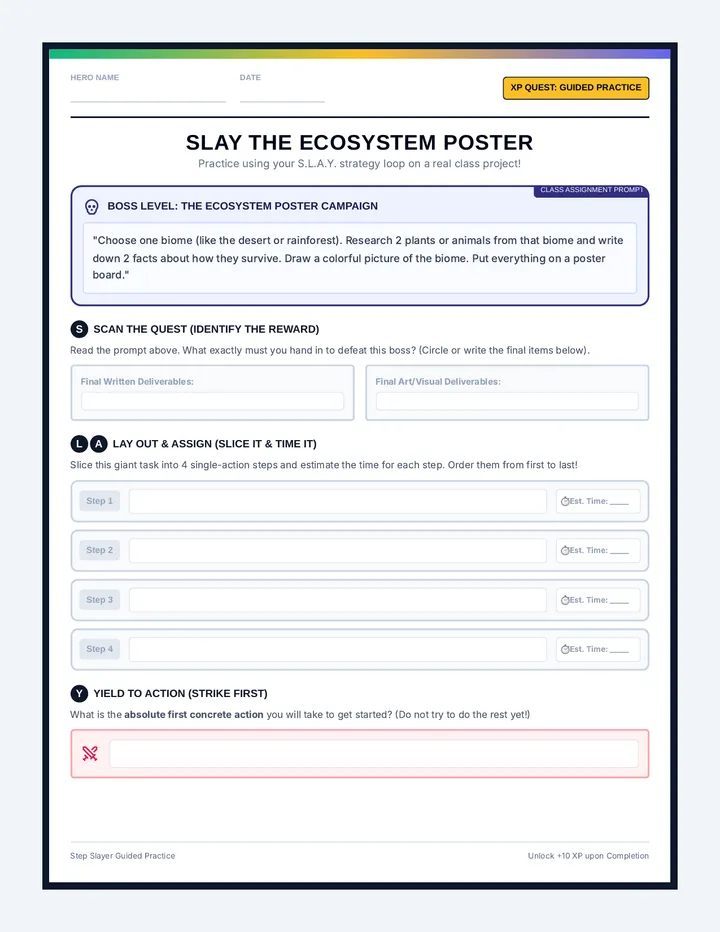
A 30-minute executive-function lesson designed for a 6th-grade student with ADHD. The lesson teaches the 'S.L.A.Y.' method to break down overwhelming, multi-step assignments into clear, actionable steps using a retro gaming/quest theme.
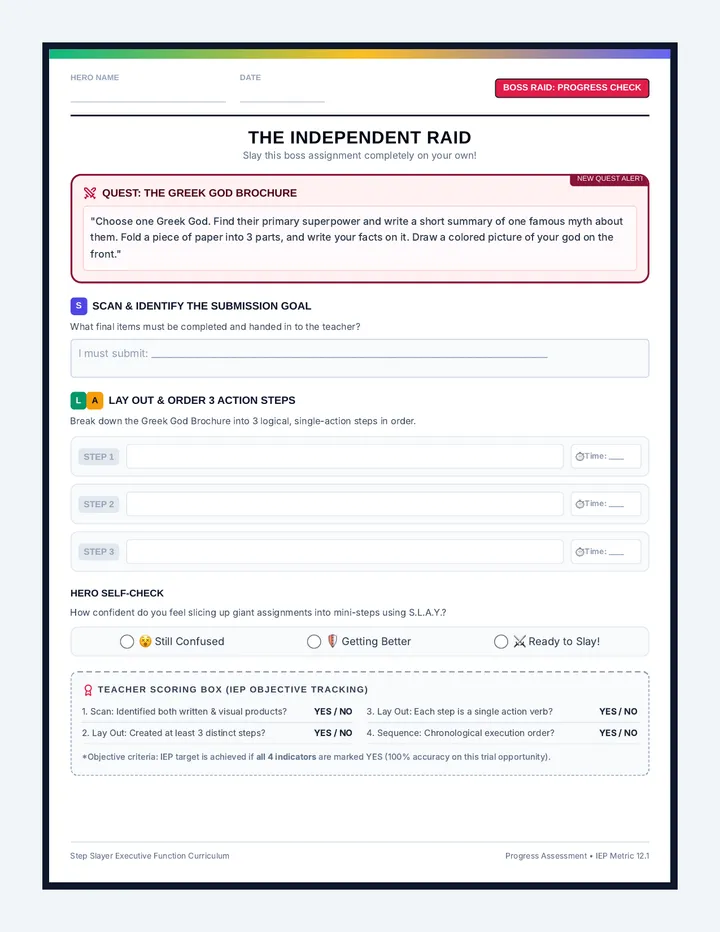
An IEP-aligned progress check and quick assessment sheet. Features a new multi-step social studies assignment (Greek God Brochure) for the student to break down independently, plus a discrete scoring guide at the bottom for teacher IEP tracking.
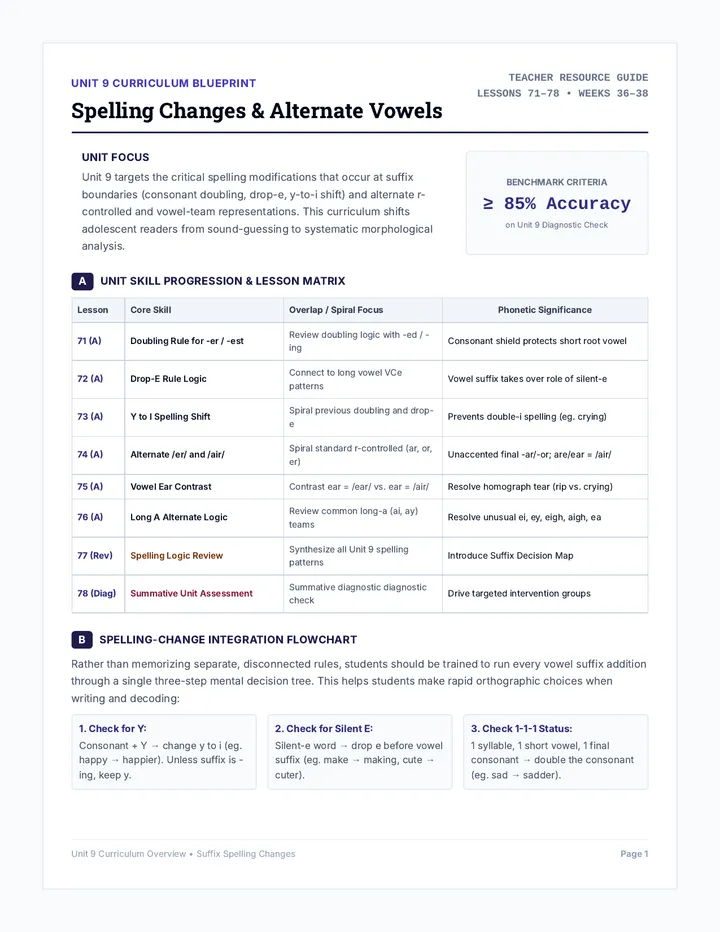
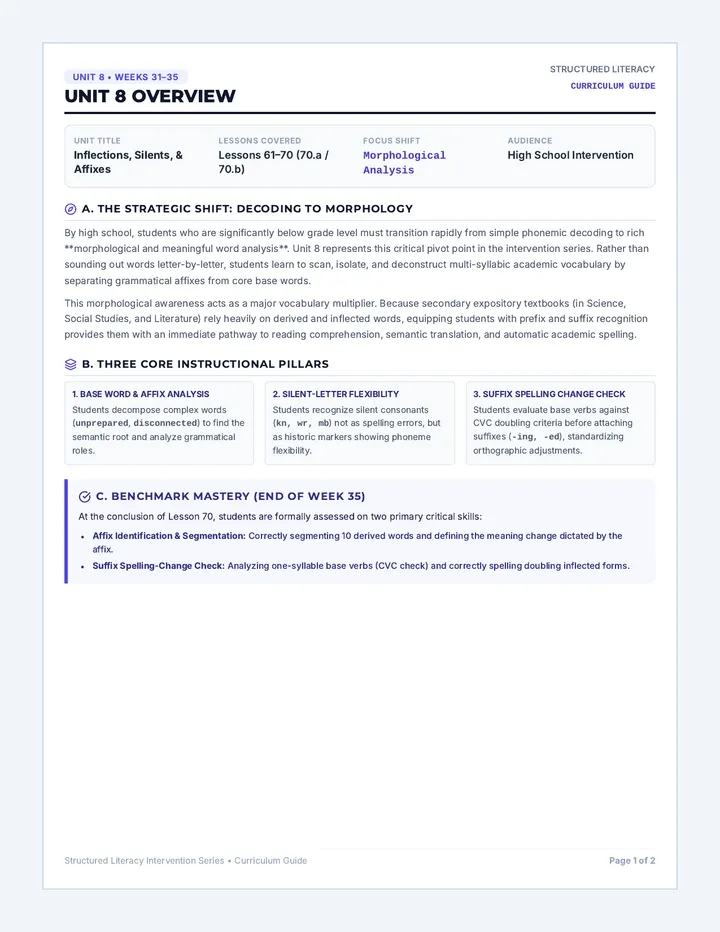
A reading intervention unit targeting the critical spelling changes that occur at suffix boundaries, designed for older struggling readers. The sequence covers final consonant doubling and silent-e dropping logic.
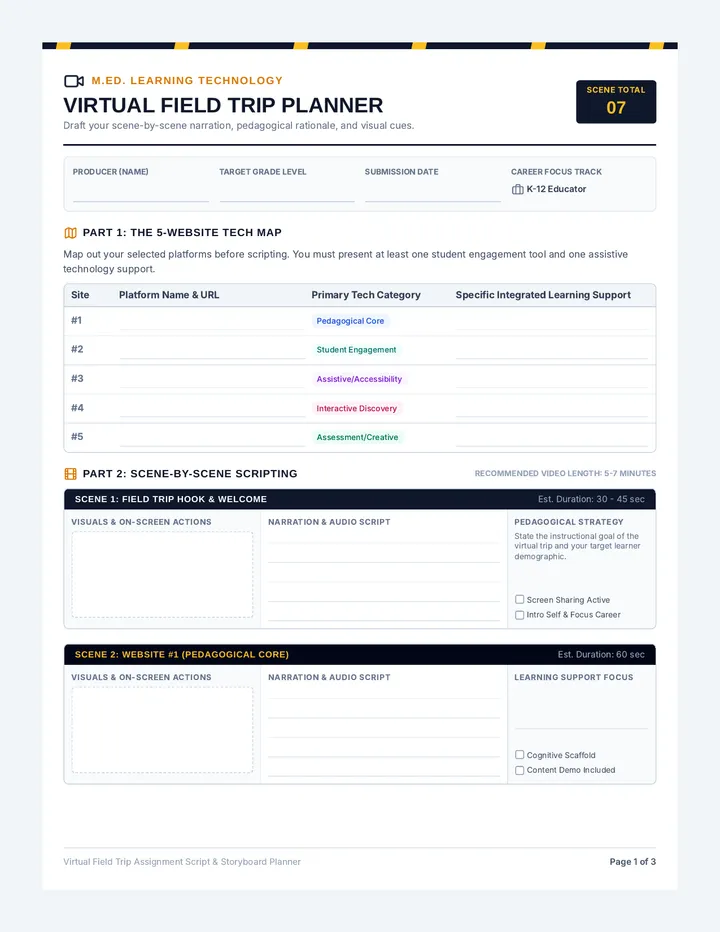
A master-level course module focusing on educational technology integration. Students design and record an online field trip showcasing five pedagogically sound websites, their integrated learning supports, and future career applications.
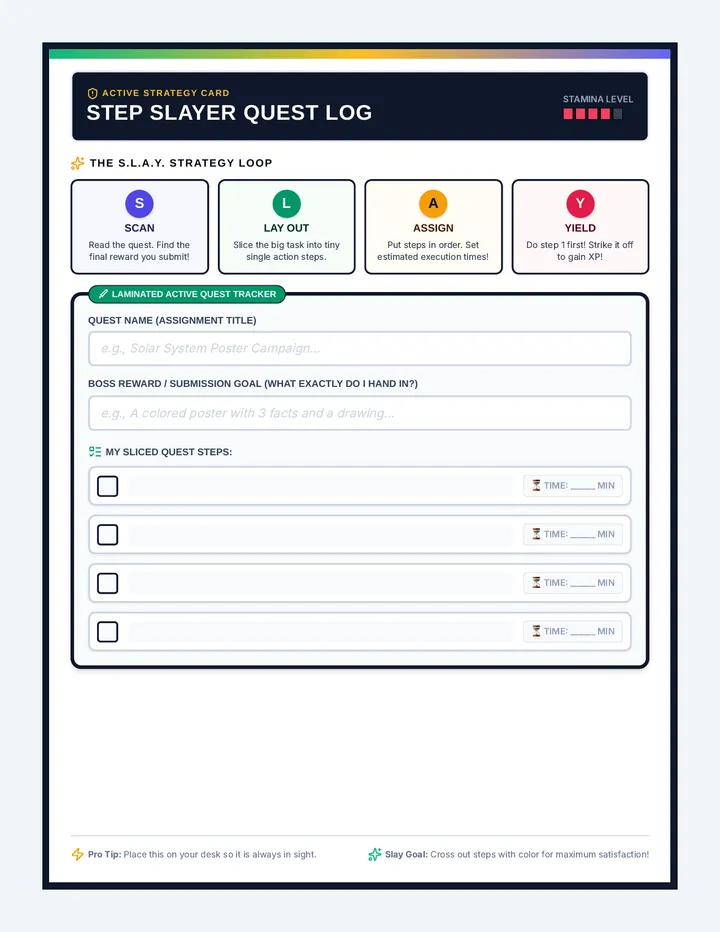
A student practice worksheet with a retro quest design. Gives students a multi-step 6th-grade science project and guides them to use the S.L.A.Y. method to break it down, estimate time, and plan their first action.
A structured high school reading intervention sequence focusing on silent consonants, orthographic markers, pluralization rules, and academic spelling structures.
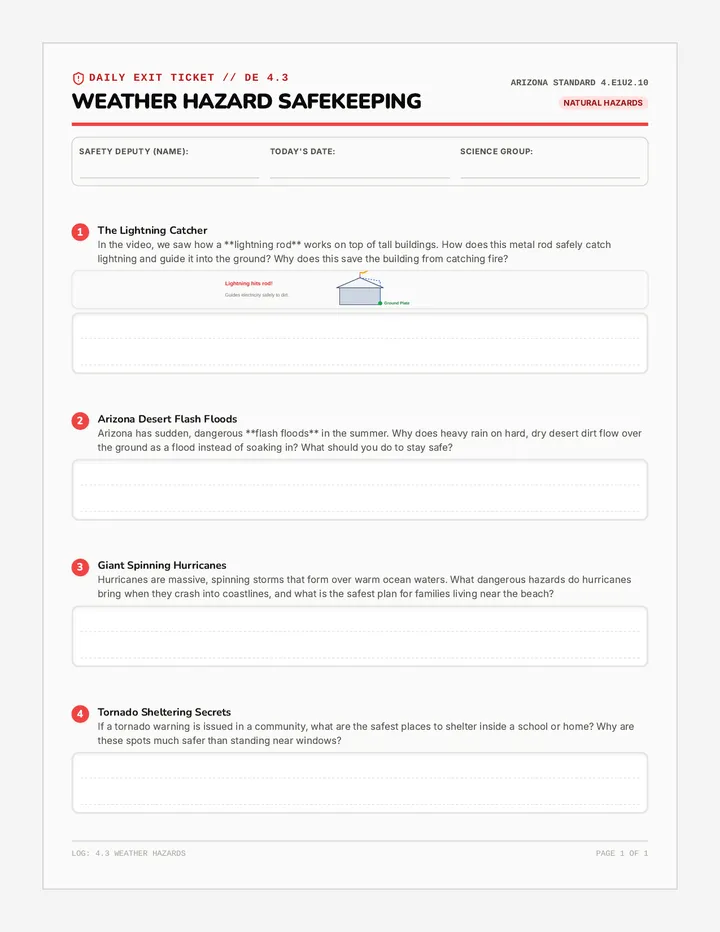
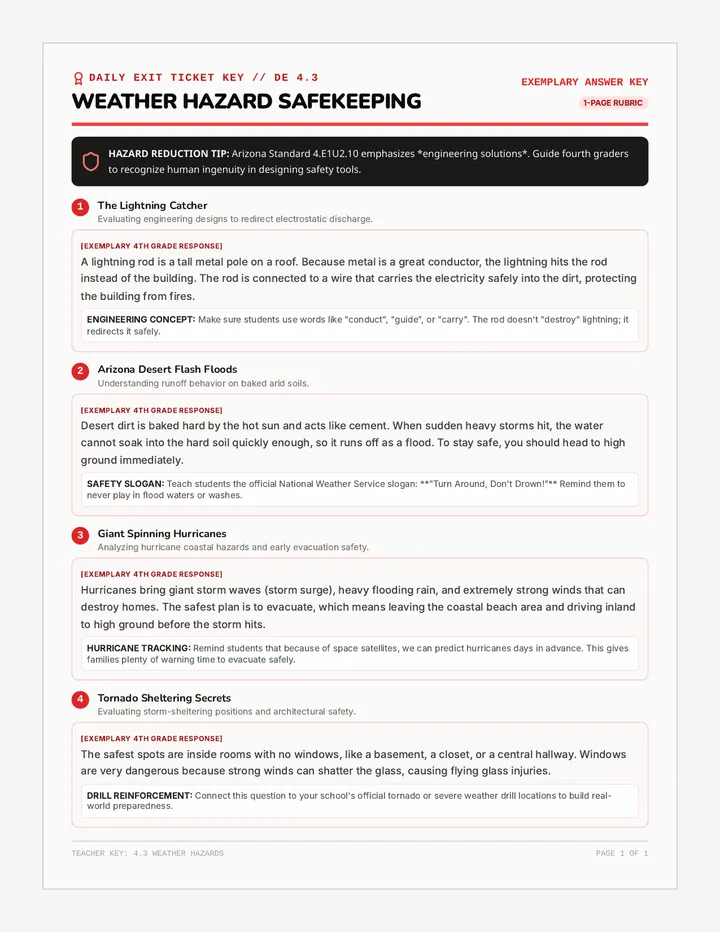
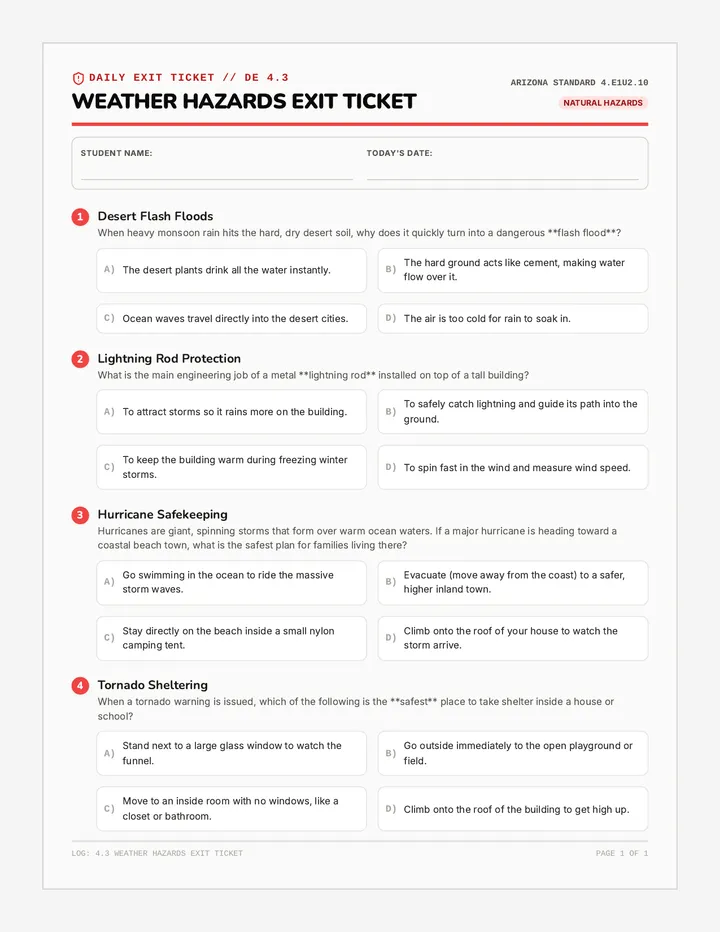
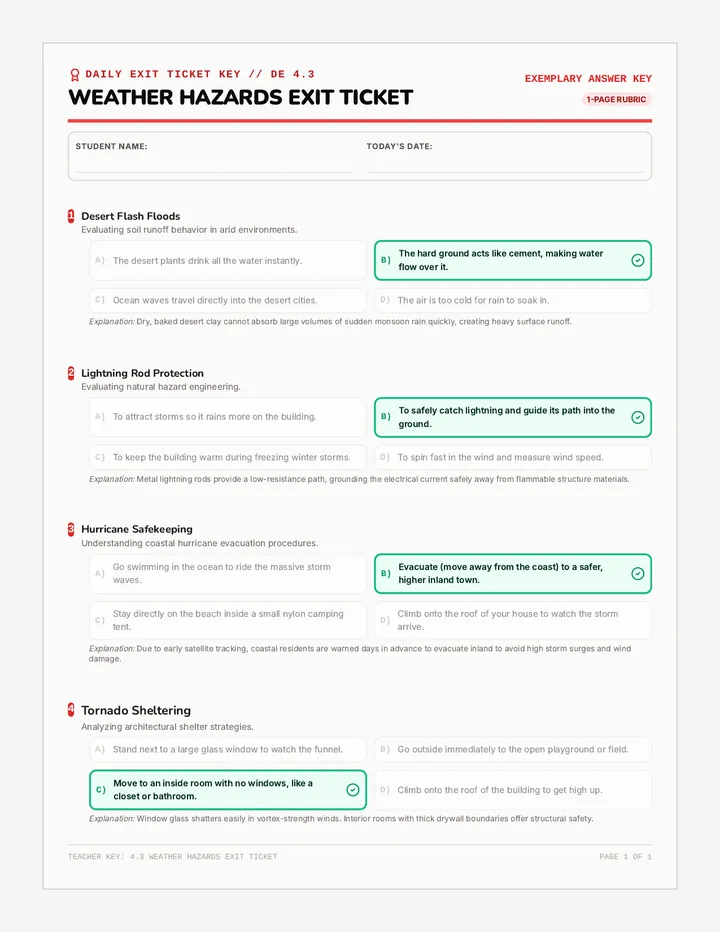
Students identify different types of severe weather hazards (like lightning, tornadoes, flash floods, and dust storms) and explore engineering solutions designed to keep communities safe.
A visually engaging, gaming-themed reusable checklist and reference card for the student. Features the S.L.A.Y. strategy steps at the top and a structured, dry-erase ready 'Quest Log' template at the bottom with spacious blanks for writing.
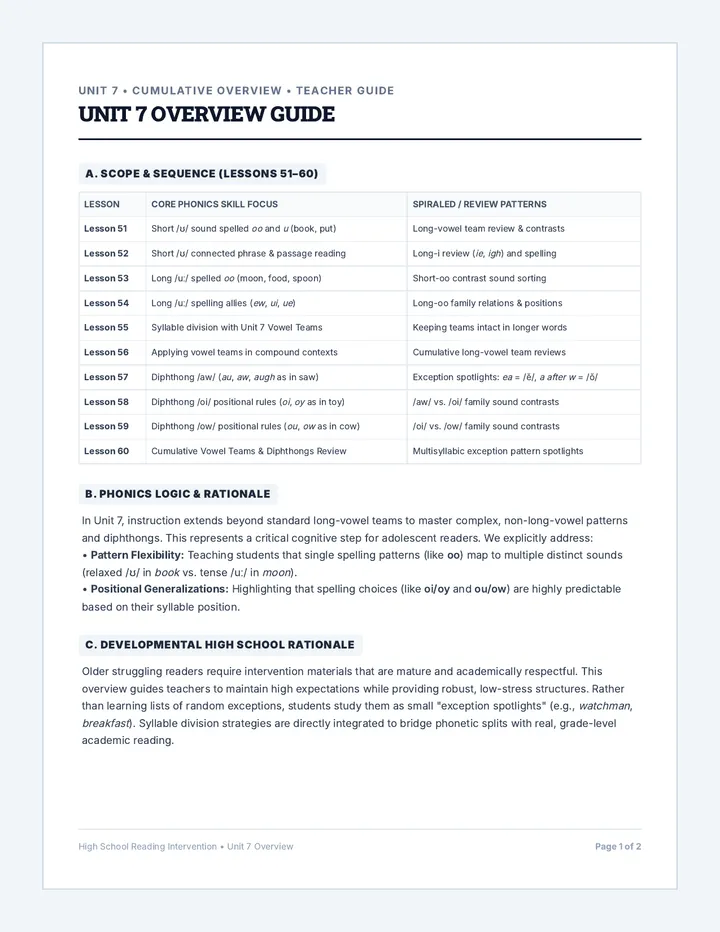
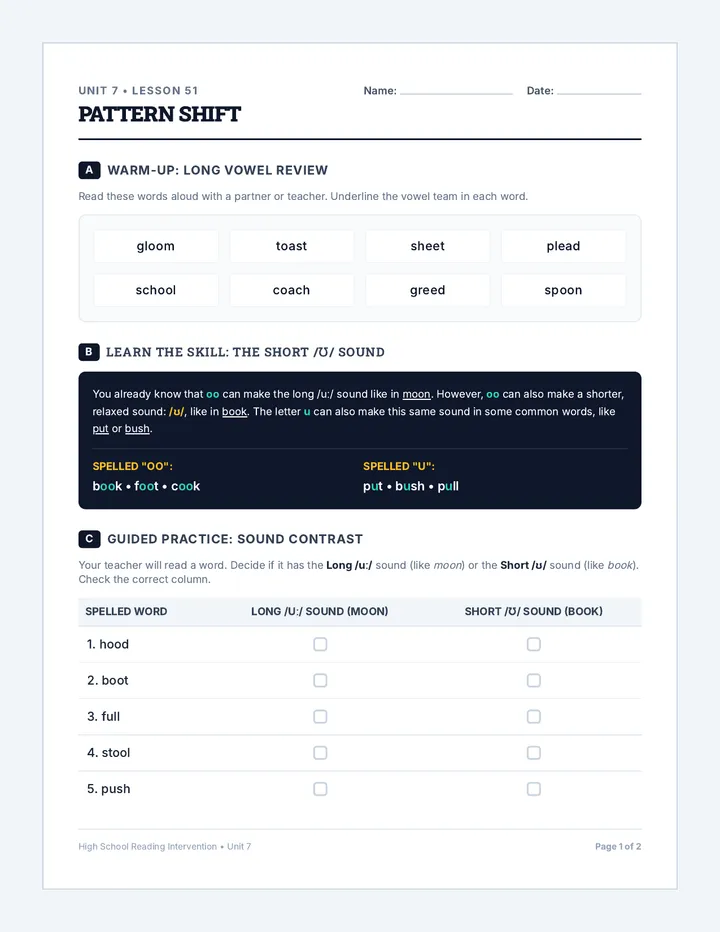
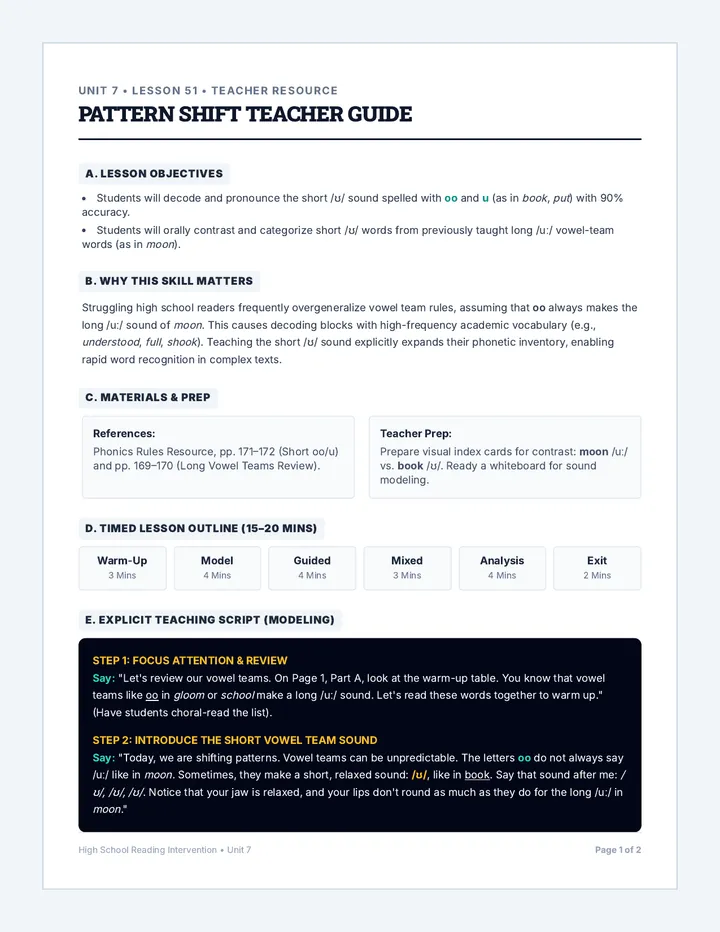
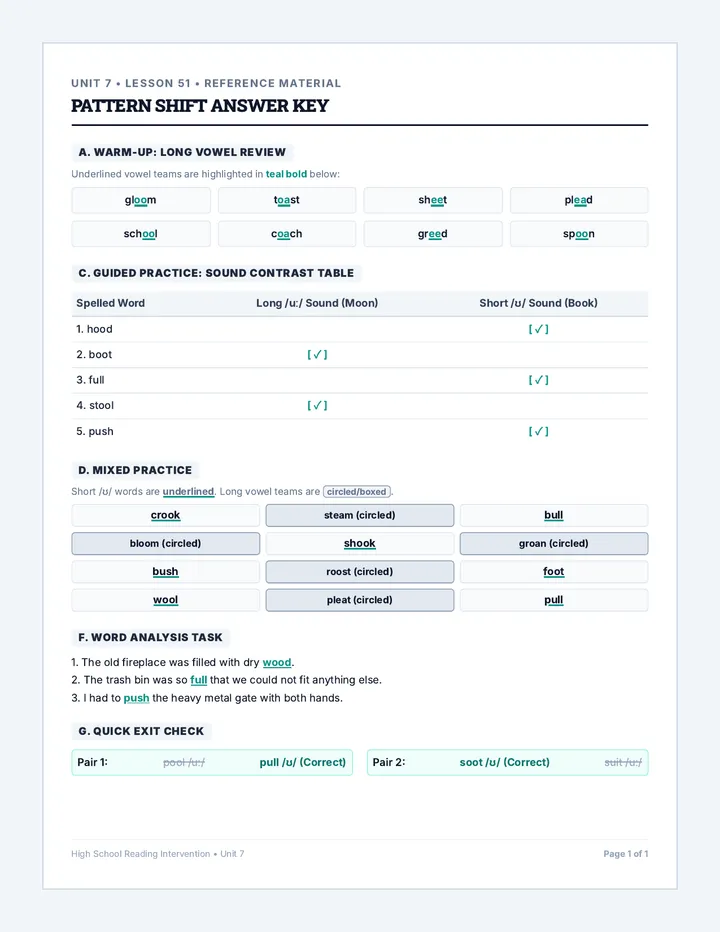
A phonics intervention unit for high school readers focusing on short oo patterns, sound contrasts, and spelling application.
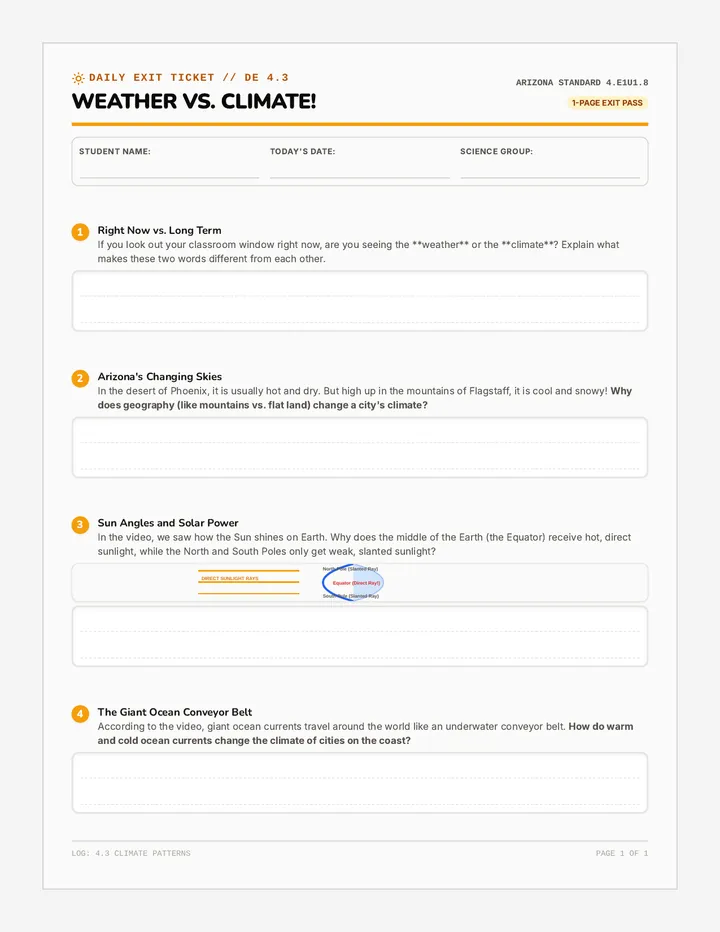
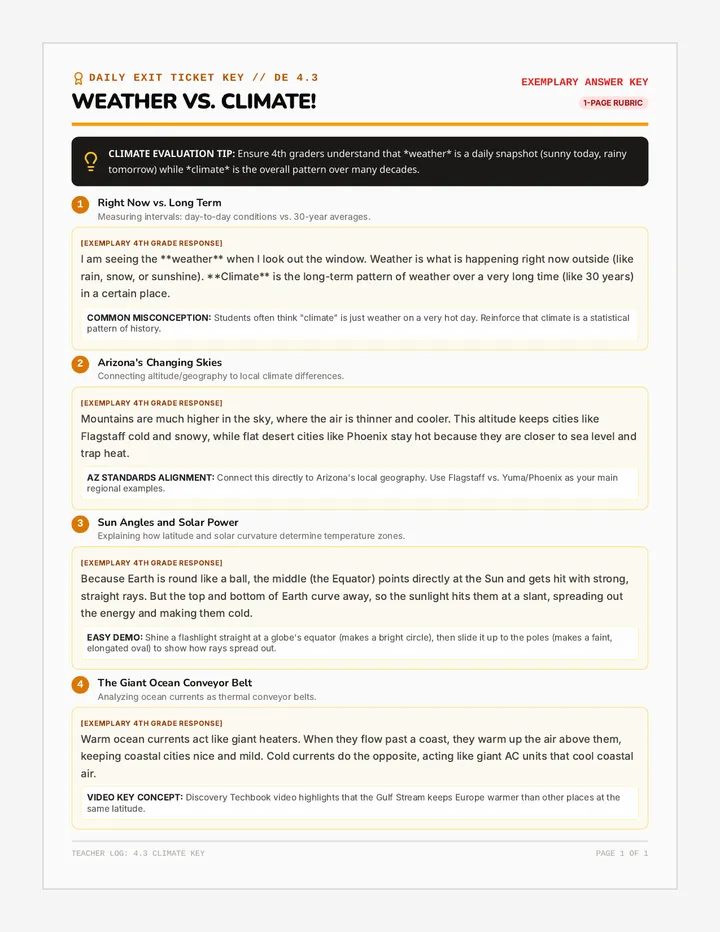
Students explore the key differences between weather and climate patterns, analyzing temperature, precipitation, and regional zones over time using global climate models.
A comprehensive, two-page teacher guide and instructional script for the 30-minute 'Step Slayer' executive function lesson. Includes clear pacing, direct modeling script, and ADHD-specific facilitation strategies aligned with IEP goal tracking.