Global Swap Article
4th Grade Social Studies Early American History • Global Connections
Name:
Date:
Historic Journeys
The Great Global Swap: The Columbian Exchange
Year 1492
Imagine this: Italian food with no tomato sauce, chocolate treats that do not exist, and wild horses never running across North America! Before 1492, none of those things were possible.
Two Hemispheres Meet for the First Time
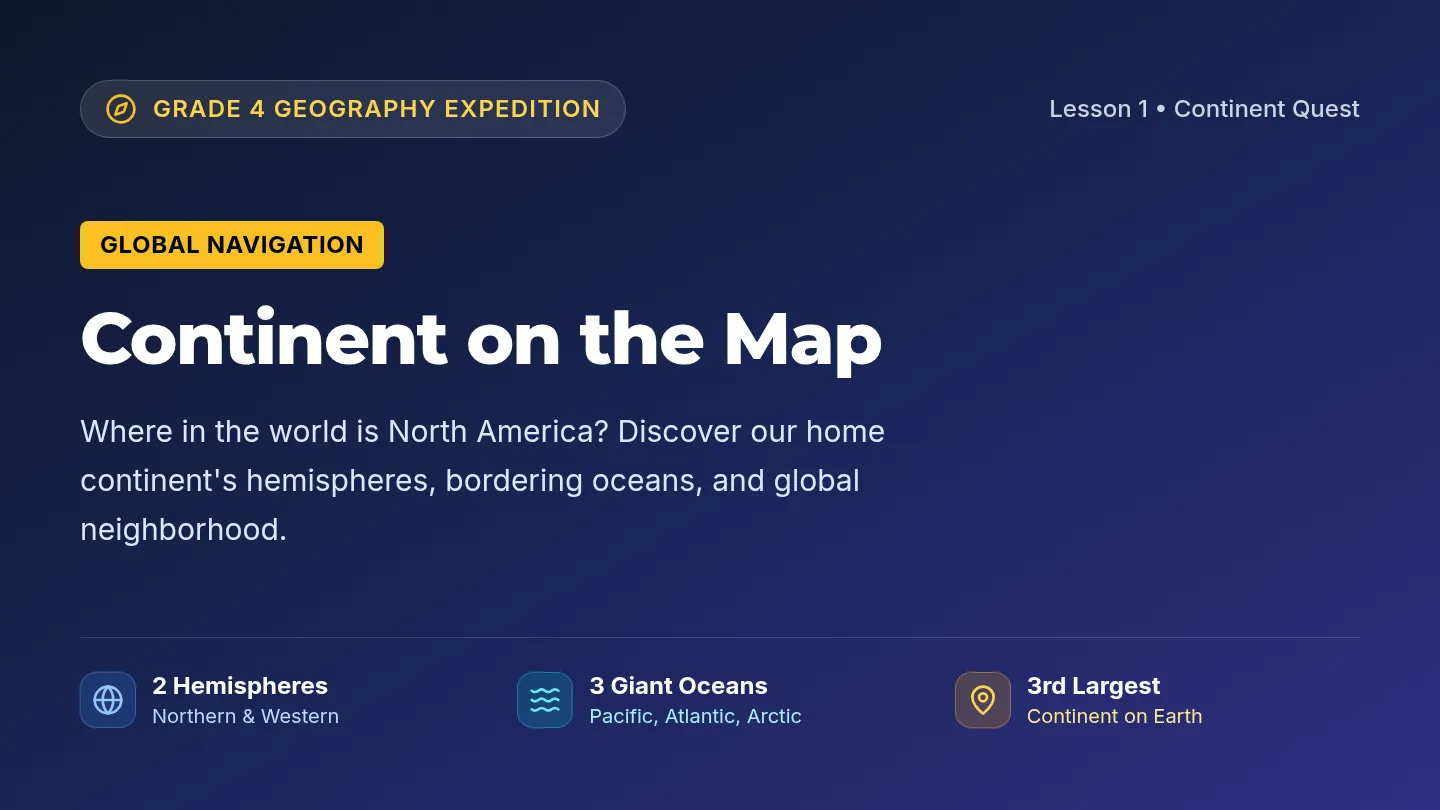
For thousands of years, the world was divided into two completely separate halves. The Americas were known as the Western Hemisphere (or the "New World" to European explorers). Europe, Africa, and Asia were known as the Eastern Hemisphere (the "Old World"). The huge Atlantic Ocean kept these two worlds apart, so plants, animals, and people had never crossed from one side to the other.
In 1492, an Italian sailor named Christopher Columbus sailed across the Atlantic Ocean. When his ships landed, he created a bridge between both sides of the globe. Historians call the movement of goods, plants, animals, and people that followed the Columbian Exchange.
What Crossed the Atlantic Ocean?
From the Americas to Afro-Eurasia
- Crops: Corn (maize), potatoes, tomatoes, pumpkins, sweet potatoes, and avocados.
- Treats: Cacao beans (chocolate), vanilla, and pineapples.
- Wildlife: Wild turkeys and guinea pigs.
From Afro-Eurasia to the Americas
- Animals: Horses, cattle (cows), pigs, sheep, goats, and honeybees.
- Grains & Foods: Wheat, rice, barley, sugar cane, bananas, and coffee.
- Invisible cargo: Germs and infectious illnesses.
Big Changes Around the Planet
Crops from the Americas changed diets everywhere. Potatoes and corn grew well in cold European soil, preventing famines. In North America, horses changed the lives of Native American nations on the Great Plains, helping hunters travel faster and hunt buffalo more easily.
The Devastating Impact
The exchange also brought tragedy. European ships brought microscopic germs causing illnesses like smallpox and measles. Native Americans had never been exposed to these sicknesses and had no natural immunity. Tragically, millions died from disease.
Word Vault: Vocabulary for Young Historians
Hemisphere: One half of the Earth, divided by the equator or prime meridian.
Columbian Exchange: The vast transfer of plants, animals, and germs between world hemispheres.
Immunity: The body's natural defense against getting sick from certain germs.
Article Review Text Comprehension & Analysis
Score: / 20
Show What You Know: The Columbian Exchange
Answer the questions below using evidence and facts directly from the article.
Part 1: Text Detectives (Circle the best answer)
1. What kept the two hemispheres separate before 1492?
A A giant mountain range
B The wide Atlantic Ocean
C Laws forbidding people to build boats
D Ice sheets covering both continents
2. Which food traveled from the Americas to Europe?
A Wheat
B Sugar cane
C Potatoes
D Coffee beans
3. How did the horse change life on the Great Plains?
A It allowed faster travel and buffalo hunting
B It replaced corn as the primary food source
C It caused people to stop building homes
D It helped farmers grow sugarcane in winter
4. Why were European illnesses so deadly to Native Americans?
A Native doctors refused to treat patients
B They had never encountered them and had no immunity
C The germs only spread in hot desert climates
D The illnesses only affected farm crops
Part 2: Trade Route Check Write AM for Americas or EA for Europe/Asia/Africa
1. Horses
2. Chocolate (Cacao)
3. Wheat & Bread
4. Tomatoes
Part 3: Think Like a Historian (Write in complete sentences)
5. Explain why historians say the Columbian Exchange was both a positive development and a tragedy. Give at least one positive example and one negative example from the text.
6. Look at your favorite meal today (like pizza, tacos, or hamburgers). Choose two ingredients in that meal and describe where their original origins came from according to the article.
Self-Check: Did you start every written answer with a capital letter and end with a period?
Yes!