Lenny.com
Explore
Create
ActivitiesNewMathEnglish Language ArtsScience & EngineeringSocial StudiesGlobal LanguagesHealth & Physical EducationSpecial EducationCounseling & Life SkillsArts & CreativityESL
Lenny.com
Lenny.com
Explore
Create
ActivitiesNewMathEnglish Language ArtsScience & EngineeringSocial StudiesGlobal LanguagesHealth & Physical EducationSpecial EducationCounseling & Life SkillsArts & CreativityESL
Lenny.com
Lenny.com

Solutions

Lenny for EducatorsLenny for SchoolsLenny for Districts

Product

ExploreSign inCreateSupportAbout

Resources

Getting startedMTSS Acceleration Program

© 2026 Lenny Learning Inc.

TermsPrivacyAccessibility
LinkedInInstagramX
Lenny

Cities

Urbanization patterns, city planning, and the impact of human settlement on the physical environment. Examines infrastructure, resource management, and social dynamics in metropolitan areas.

Social StudiesSocial Studies PracticesLocation WordsMapsOrder EventsChronology and CausationEvaluating SourcesHistorical ThinkingGeography, Humans, & the EnvironmentAmerican Symbols and LandmarksCitiesStatesState CapitalsRegions of the United StatesGeographic SkillsPhysical GeographyHuman GeographyRegional GeographyGeography of AfricaGeography of AsiaGeography of EuropeGeography of OceaniaGeography of the AmericasSociety and Environment of EuropeSociety and Environment of AsiaSociety and Environment of The AmericasSociety and Environment of the Middle EastSociety and Environment of AfricaHistoryPrehistoryComparing Ancient River CivilizationsAncient MesopotamiaAncient Egypt and KushAncient South AsiaEarly ChinaGreeceRome and the Byzantine EmpireAncient World HistoryNative Peoples of North AmericaNative Peoples of Mesoamerica and South AmericaAfrican EmpiresMedieval AsiaMedieval EuropeThe Silk RoadMedieval HistoryIslamic EmpiresWorld ReligionsRenaissance PeriodAge of ExplorationThe Thirteen ColoniesThe American RevolutionUS History Early RepublicFounding of the United StatesUS History AntebellumUS Civil WarReconstruction PeriodThe Gilded AgeUS ImperialismWorld ImperialismWorld War IUS History 1920sGreat DepressionWorld War IIThe Cold WarUS History 1950-60sUS History 1960s-70sWorld History 20th CenturyContemporary US HistoryContemporary World HistoryHolidaysCivics and GovernmentCitizenshipGovernment FoundationsThe ConstitutionUS ConstitutionExecutive BranchLegislative BranchJudicial BranchState and LocalPolitical ParticipationPublic PolicyPolitical SystemsPower and AuthoritySocial MovementsDefining DevianceTheories of DevianceCrime and Criminal JusticeEconomicsBasic Economic PrinciplesSupply and DemandWhat is MoneyEconomic FundamentalsMicroeconomicsMacroeconomicsBanking and FinanceEconomic SystemsGlobal EconomicsCorporations and PowerThe Changing WorkplaceUnemployment and LaborClass and InequalitySocial MobilityGlobal InequalityPsychologyHistory of PsychologyPsychology as a ScienceBrain and Nervous SystemNeuroscience and BehaviorGenetics and BehaviorSleep and ConsciousnessSensory ProcessesPerceptual OrganizationClassical ConditioningOperant ConditioningObservational LearningCognitive LearningMemory ProcessesThinking and Problem SolvingLanguage and CognitionTheories of MotivationStress and CopingPrenatal and Infant DevelopmentChildhood DevelopmentAdolescent DevelopmentAdulthood and AgingSelf and IdentitySocial CognitionSocial InfluenceAttraction and RelationshipsGroup BehaviorPrejudice and DiscriminationAnxiety and Mood DisordersClinical PsychologyForensic PsychologyPhilosophy & EthicsIntroduction to PhilosophyMajor Philosophers & IdeasMind and Body ProblemFree Will vs DeterminismEthics & MoralityReligion & PhilosophyPolitical Philosophy

Videos

From Earth to Cake: How We Use Natural Resources

From Earth to Cake: How We Use Natural Resources

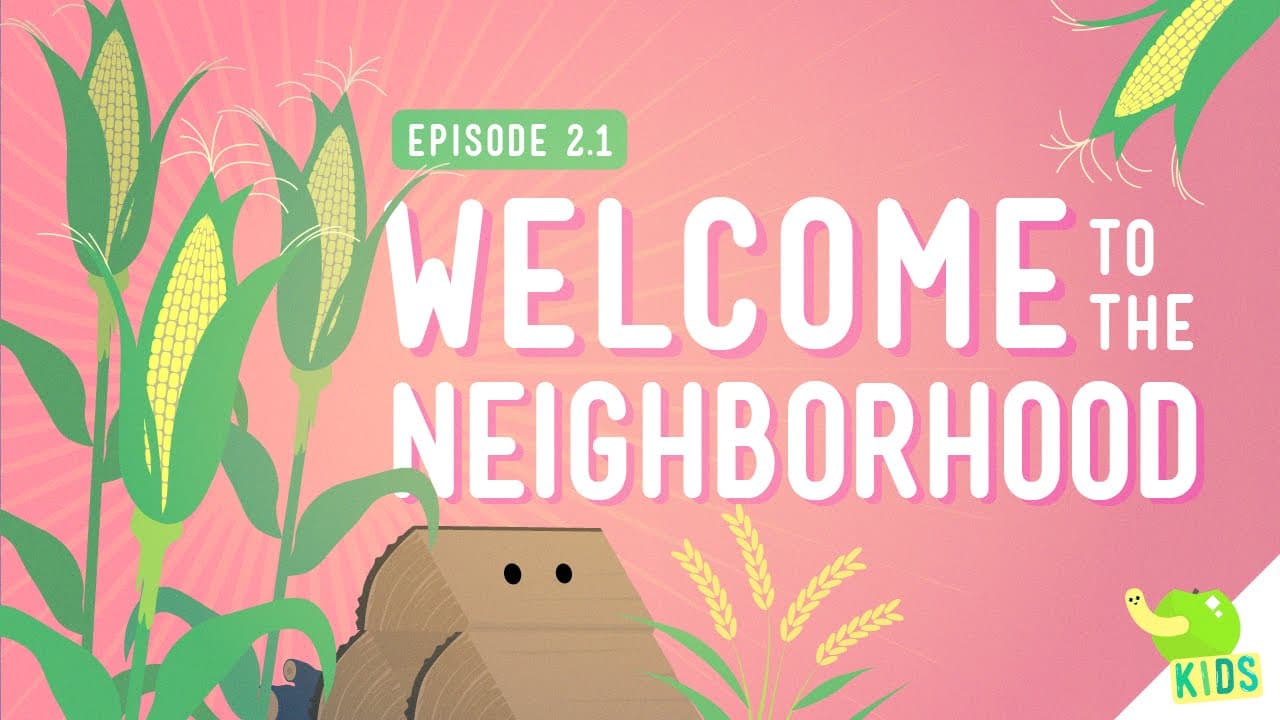
This educational video from Crash Course Kids explores the fundamental relationship between human communities and natural resources. It begins by establishing that humans, like all animals, have basic survival needs—food, water, and shelter—which are met by resources provided by the Earth. The host explains how the availability of these resources dictates where communities form, illustrating why major cities are rarely found in deserts or on mountain peaks, but rather in locations rich with water and agricultural potential. The video introduces the concept of "transformation," explaining that raw materials from the Earth usually require processing to become useful products. Using the engaging example of baking a cake, the host breaks down the supply chain of everyday items. She traces ingredients like water, flour, and eggs back to their natural sources (reservoirs and farms) and explains how energy—derived from oil, gas, sun, wind, or water—is required to mix and bake these ingredients. This step-by-step investigation helps students visualize the invisible web connecting finished goods to raw natural resources. For educators, this video serves as an excellent bridge between geography, environmental science, and economics. It provides concrete definitions for key vocabulary like "resource," "community," "agriculture," and "cultivate." Teachers can use the "cake investigation" model to have students trace the origins of other common items, fostering a deeper appreciation for the environment and an understanding of supply chains, energy consumption, and human dependence on the natural world.

Crash Course KidsCrash Course Kids

3mins 15s

Comparing Natural and Human-Made Environments

Comparing Natural and Human-Made Environments

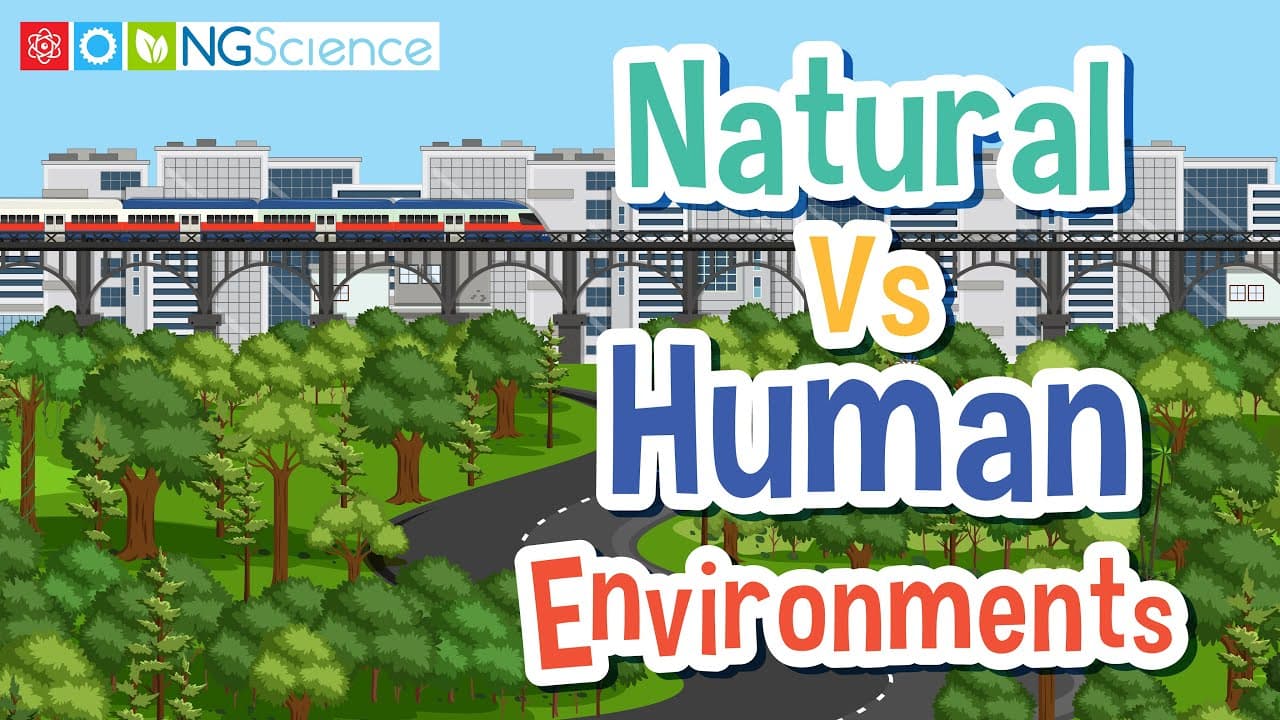
This educational video provides a clear and visually rich comparison between natural environments and human-made environments. It begins by defining the concept of "environment" as the surroundings in which we live, including air, water, land, and ecosystems. The video then takes viewers on a journey through pristine natural landscapes like rainforests, deserts, and mountains, explaining how these areas function without human interference. It contrasts these with human environments such as cities, farms, and industrial zones, illustrating how human ingenuity alters landscapes to suit societal needs.

Next Generation ScienceNext Generation Science

7mins 34s

How Disease Shaped Human History

How Disease Shaped Human History

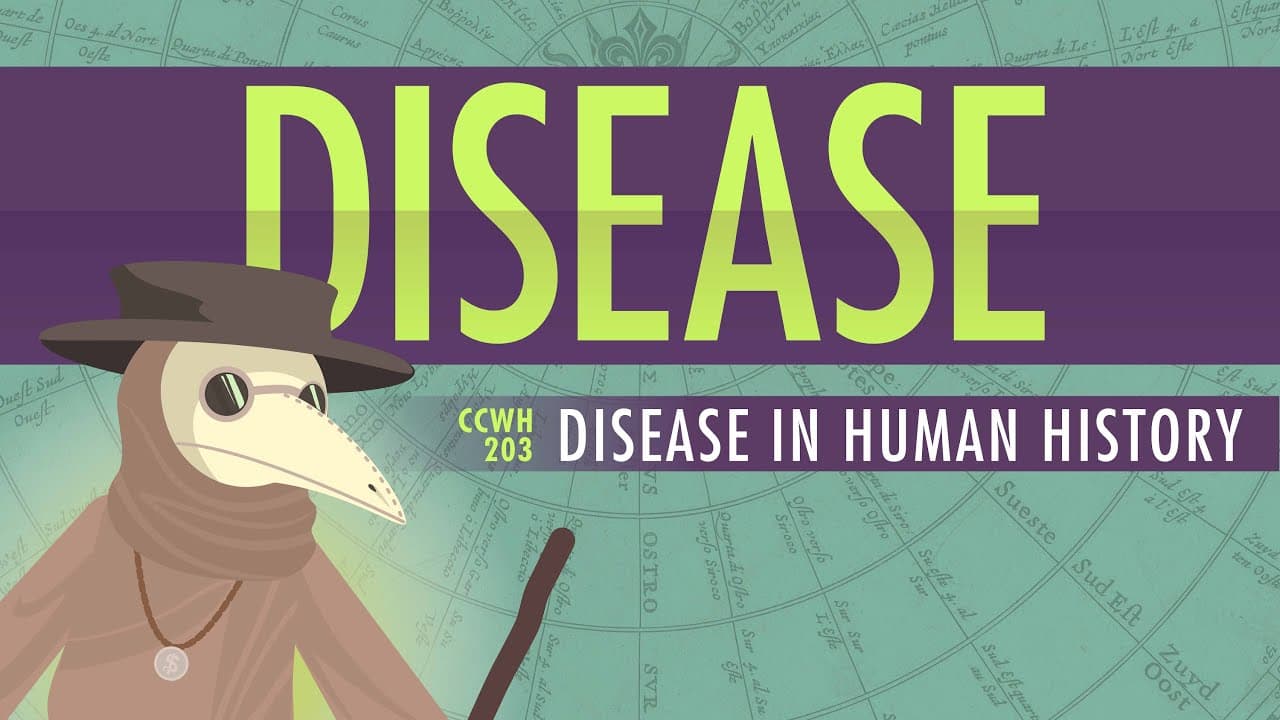
This episode of Crash Course World History explores the profound impact of disease on human history, challenging the traditional view that history is driven solely by human decisions and actions. Host John Green argues that microorganisms have often been more influential than emperors or generals, shaping the rise and fall of civilizations from ancient river valleys to the modern era. The video covers how the development of agriculture and cities created breeding grounds for epidemics and how trade networks facilitated their spread across continents. Key historical events analyzed include the Plague of Athens, the decline of the Roman Empire, and most notably, the Black Death in medieval Europe. The video details the biological origins of the bubonic plague, its transmission via the Silk Road, and its massive demographic, economic, and religious consequences. It also addresses the "Great Dying" in the Americas following the Columbian Exchange, highlighting the devastating effect of Old World diseases on indigenous populations. For educators, this video serves as an excellent tool for teaching historical causality, human-environment interaction, and the interconnectedness of world regions. It connects biological concepts with historical events, making it suitable for interdisciplinary lessons. The "Thought Bubble" segment provides a clear case study on how demographic shifts (mass death) can lead to economic restructuring (higher wages) and cultural changes, offering tangible examples for students to analyze.

CrashCourseCrashCourse

11mins 37s

The Advanced Engineering of Ancient India's Harappan Civilization

The Advanced Engineering of Ancient India's Harappan Civilization

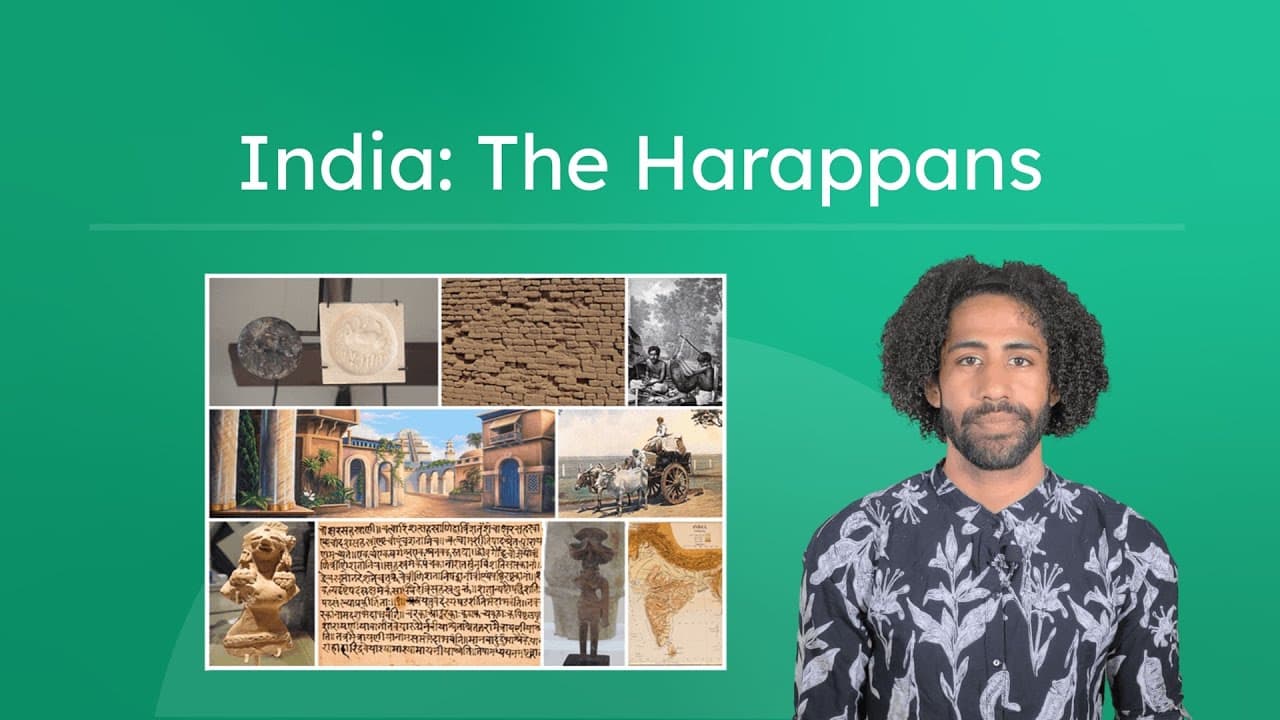
This engaging educational video introduces students to the Harappan civilization of the Indus Valley, one of the world's earliest urban societies. Beginning with a relatable hook about modern plumbing versus ancient outhouses, the narrator reveals that the Harappans developed sophisticated drainage systems thousands of years ago. The video covers the civilization's geography, emphasizing how the Indus River, Himalayas, and Thar Desert protected and isolated the region while providing fertile land for agriculture.

Miacademy & MiaPrep Learning ChannelMiacademy & MiaPrep Learning Channel

9mins 59s

Using Maps to Understand Life in the Western US

Using Maps to Understand Life in the Western US

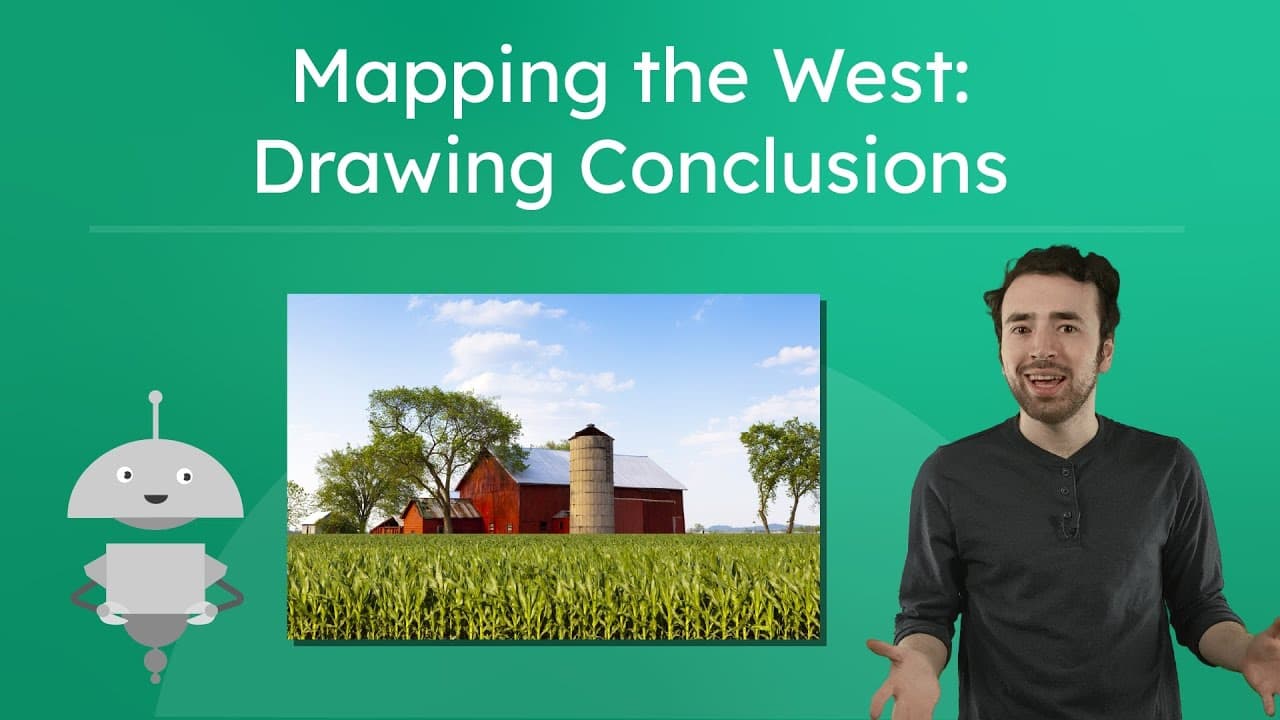
This educational video takes students on a virtual road trip to the Western United States to master advanced map-reading skills. Hosted by a narrator named Justin, the lesson moves beyond simply identifying locations to teaching critical thinking skills: drawing conclusions and making inferences. The video explicitly distinguishes between these two concepts, defining drawing conclusions as forming ideas based on presented information, and making inferences as combining that information with prior knowledge to guess details not directly shown.

Miacademy & MiaPrep Learning ChannelMiacademy & MiaPrep Learning Channel

8mins 30s

World Trip: A Journey Through Asia's Geography

World Trip: A Journey Through Asia's Geography

This educational video takes students on a comprehensive geographic tour of the continent of Asia, hosted by a presenter named Kylie. It begins by situating Asia among the seven continents, highlighting its status as the world's largest and most populous continent. The video breaks down the massive continent into five distinct regions: Southeast Asia, East Asia, South Asia, Southwest Asia (the Middle East), and Central Asia. For each region, the narrator describes the climate, key physical features, and lists major countries, providing interesting cultural or geographic facts for many of them. The video covers essential geographic concepts such as hemispheres, oceans, equators, and climate zones (from tropical monsoons to arid deserts). It introduces students to specific vocabulary like "transcontinental countries" (nations spanning two continents like Russia and Turkey) and "landlocked" countries. Additionally, it touches on political geography, briefly mentioning complex situations like the status of Taiwan and Palestine in a neutral, factual manner suitable for intermediate learners. For educators, this resource serves as an excellent introduction or review of Asian geography. It is packed with map visuals that highlight countries and regions, making it ideal for map-labeling activities. The video's structure allows teachers to pause after each region to discuss specific countries, climates, or cultures in depth. It connects geography to real-world topics like population density, trade goods (tea, spices), and biodiversity, offering numerous jumping-off points for research projects and classroom discussions.
Miacademy & MiaPrep Learning ChannelMiacademy & MiaPrep Learning Channel

9mins 12s

Materials

River Cradle Slides

River Cradle Slides

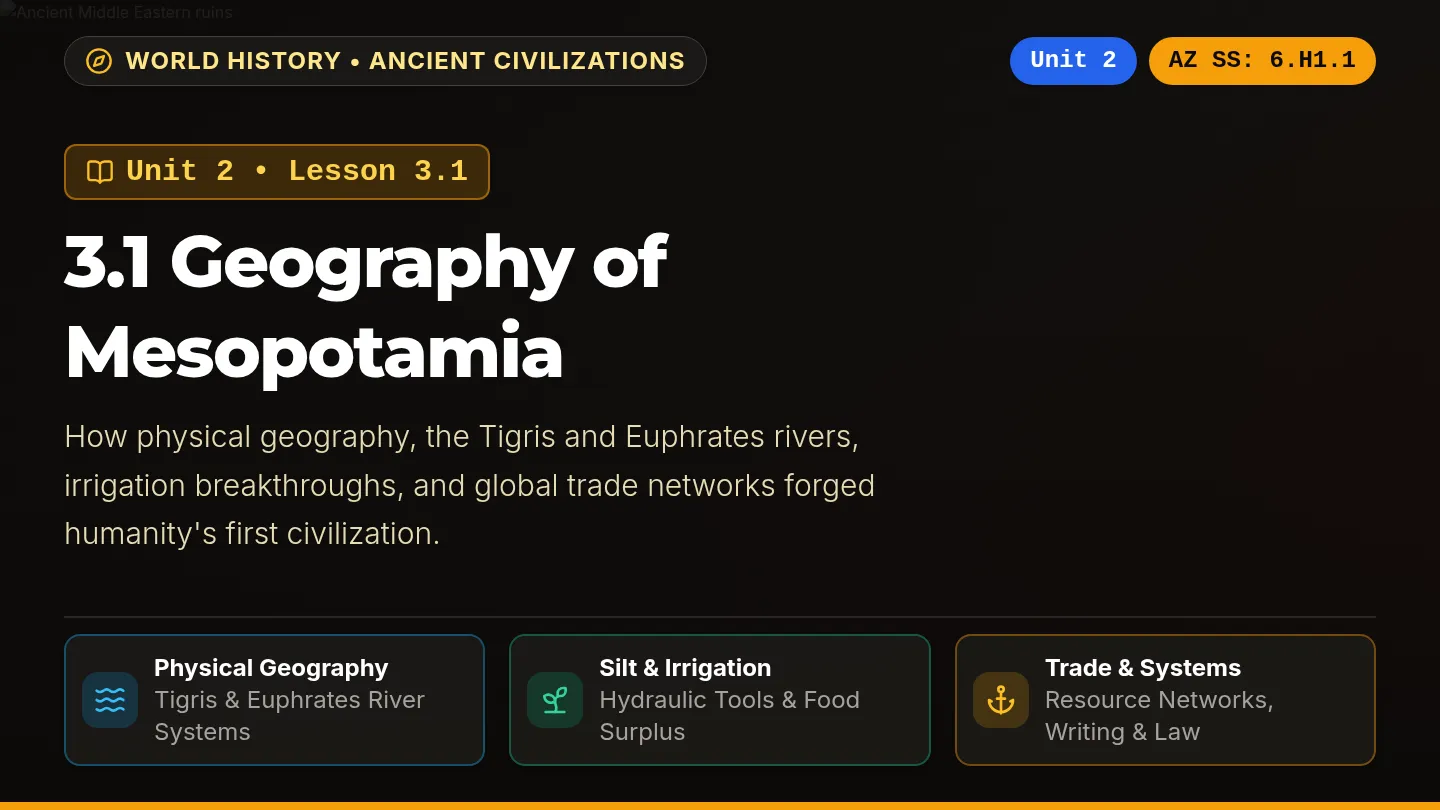
A dark-themed, visually vibrant classroom slide deck labeled Unit 2: Lesson 3.1 Geography of Mesopotamia, aligned with Arizona History and Social Science standards on every slide, featuring rich photography, high-contrast color-coded cards, and interactive review prompts.

SZ

Sandra Zoerhoff

City State Architect Rubric

City State Architect Rubric

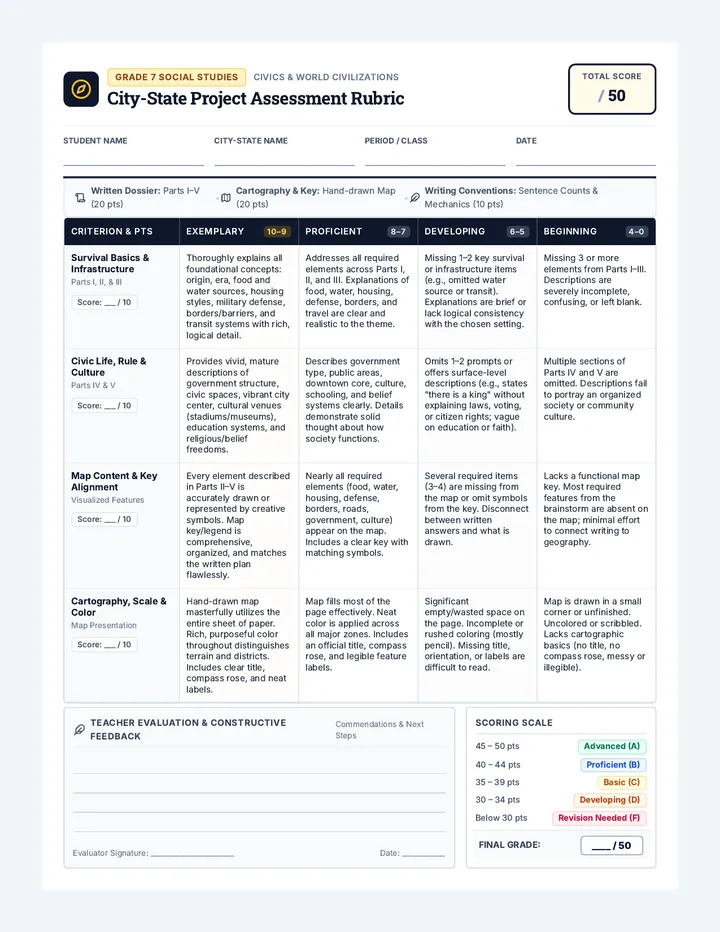
A comprehensive 50-point rubric for a 7th grade social studies city-state creation project. Assesses written descriptions across survival, infrastructure, government, and culture, alongside map design, symbol keys, and sentence count compliance.

MM

Matthew McGonagle

Carolina Regions Draft Sheet

Carolina Regions Draft Sheet

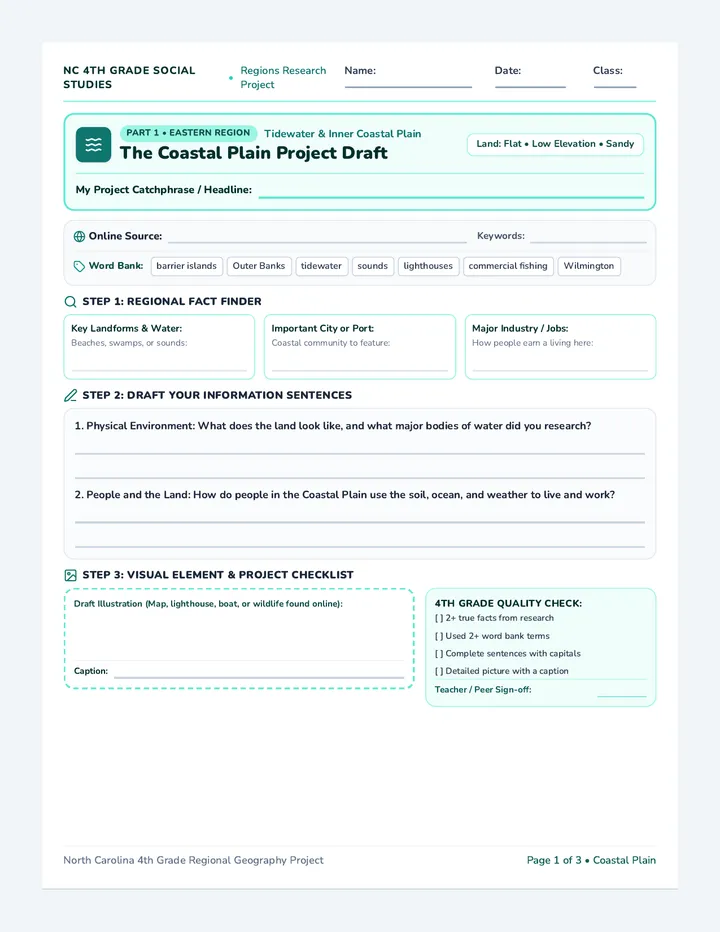
A three-page printable project draft sheet for 4th grade students researching North Carolina's regions. Includes both an online research source tracker and regional academic word banks, structured fast-fact cards, guided drafting lines, an illustration workspace with captions, and a 4th grade quality check.

TG

Tolisha Goldston

Mesopotamia Adventure Packet

Mesopotamia Adventure Packet

A 6-page printable-ready student adventure packet about ancient Mesopotamia with enlarged readable Nunito fonts, a 5-paragraph reading passage, 4 text-dependent questions, scaffolded missions, and a culminating Settler Council simulation.

D

destiny.lanier

Repères Américains Worksheet

Repères Américains Worksheet

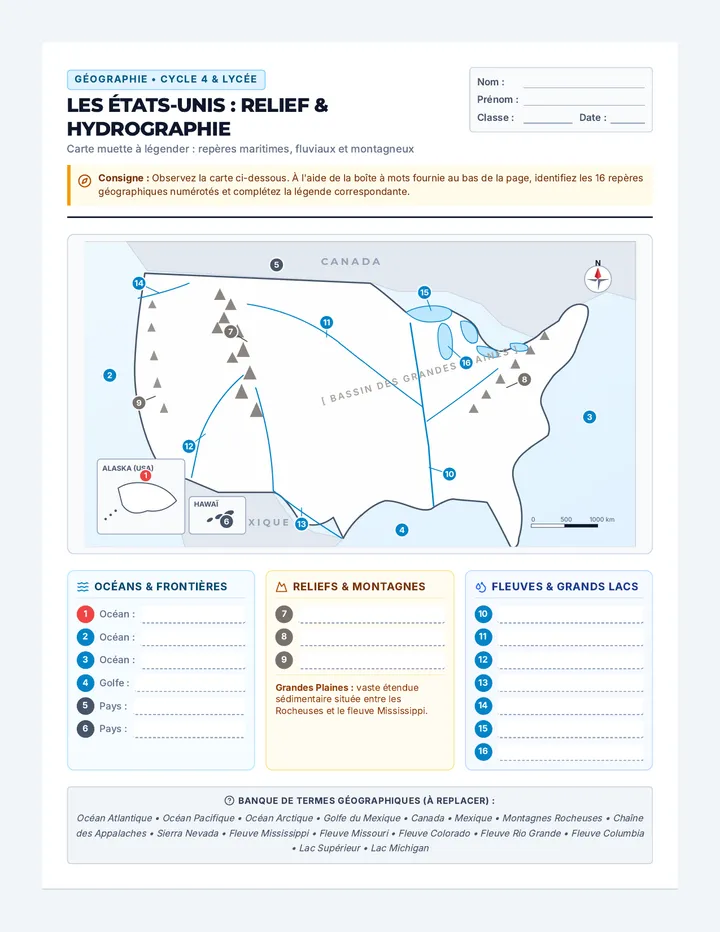
Fiche de géographie recto-verso à imprimer consacrée aux États-Unis. Comprend une carte physique détaillée à légender (relief, fleuves, océans, Grands Lacs) et une carte politique pour identifier les États majeurs et métropoles avec tableaux de synthèse.

CS

Carlos Santos

Market Research Plan Handout

Market Research Plan Handout

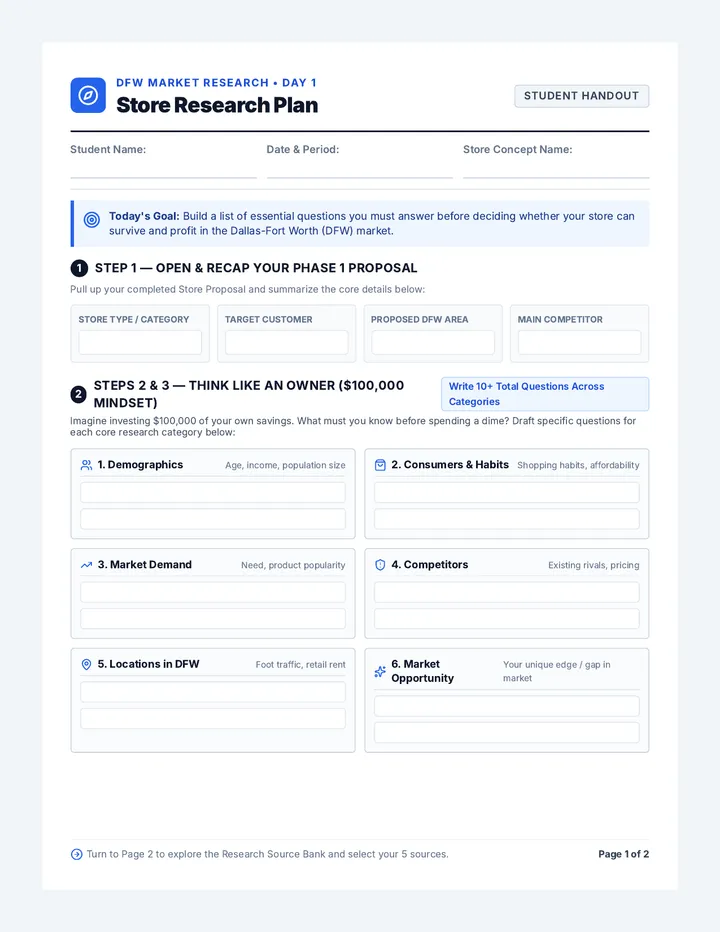
A clear two-page guided notes handout for students to map out their DFW store research questions, comprehensive credible source bank, and Phase 2 project milestones.

SB

Shanna Brady

Sequences

Invention Boom Slides

Modern Era Odyssey

A 13-day journey through modern American history, from the Industrial Revolution to the present day, focusing on key historical figures and major conflicts as outlined in the 5th Grade TEKS. Each lesson is designed for a quick 30-minute block, integrating multimedia and primary source analysis.

CH

Courtney Holdren

49
Word Power Lesson Plan

Fourth Grade Core Units

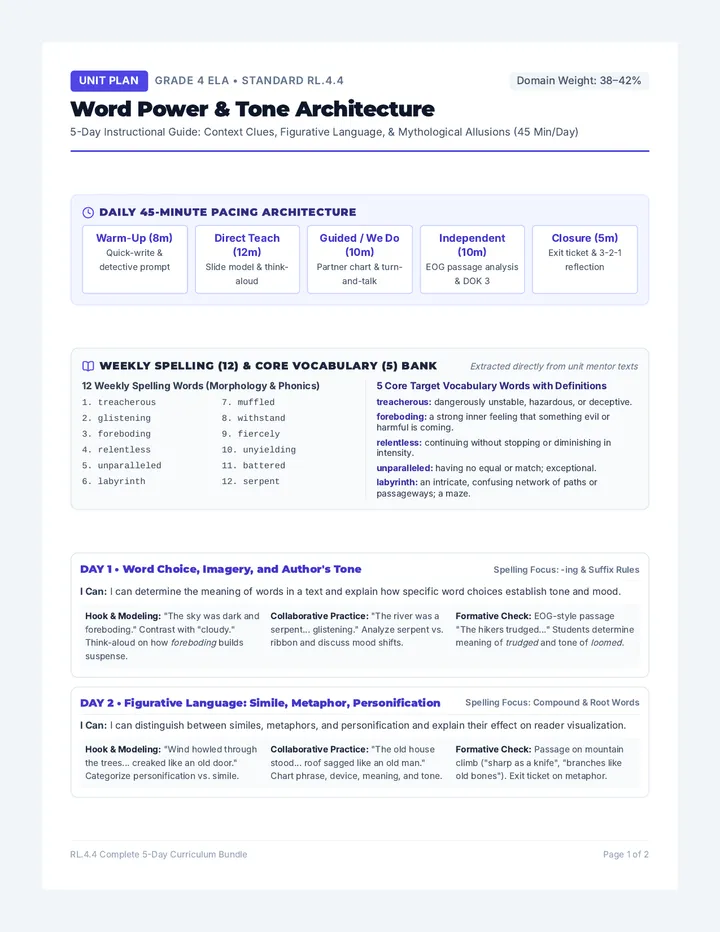
Fourth-grade standards-aligned instructional sequence featuring integrated English Language Arts literary analysis and North Carolina regional geography and historical development.

DG

Debra Golden

11
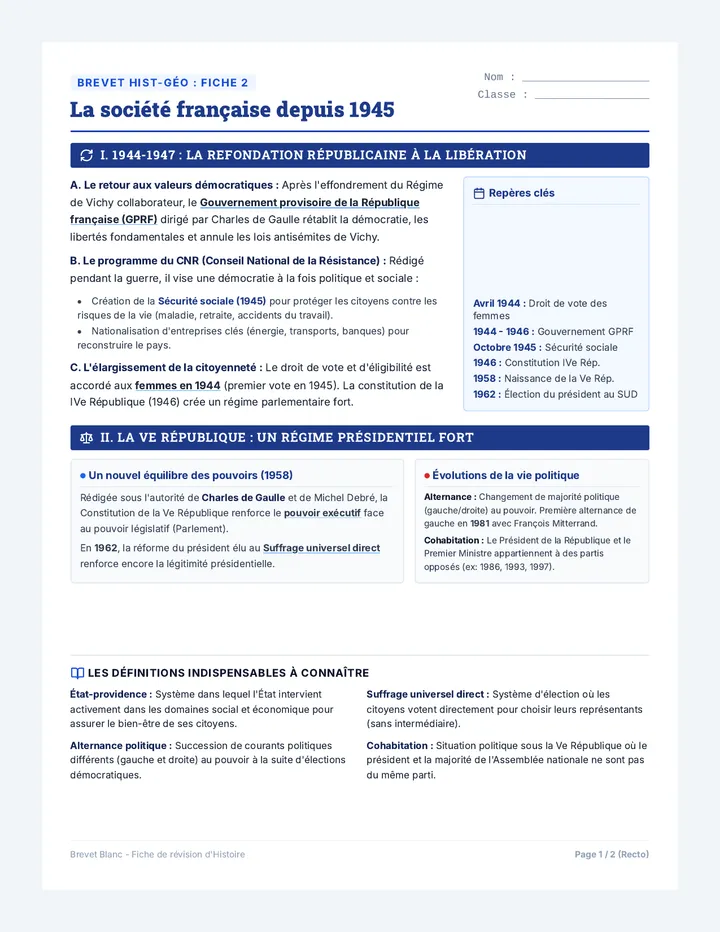
Societe Francaise Depuis 1945 Fiche

Brevet Fiches : Hist-Géo, EMC & Physique-Chimie

Une collection complète de fiches de révision classiques (recto-verso A4) très ciblées pour préparer les élèves de Troisième aux épreuves d'Histoire, de Géographie, d'EMC et de Physique-Chimie du DNB. Chaque fiche traite d'une leçon précise des programmes officiels.

MW

Myriam Wb

16
Reconstruction Reckoning Worksheet

Modern America

A comprehensive journey through United States history from the aftermath of the Civil War to the contemporary era, exploring the social, political, and economic shifts that shaped the modern nation.

DP

Darren Polamalu

18
Rocky Ridges Slides

Northeast Navigator

A 5-lesson sequence exploring the geography, climate, resources, culture, and states of the Northeast region of the United States. Students will engage with reading passages, comprehension activities, and a states-and-capitals matching game.

NP

Natalie Pelletier

15
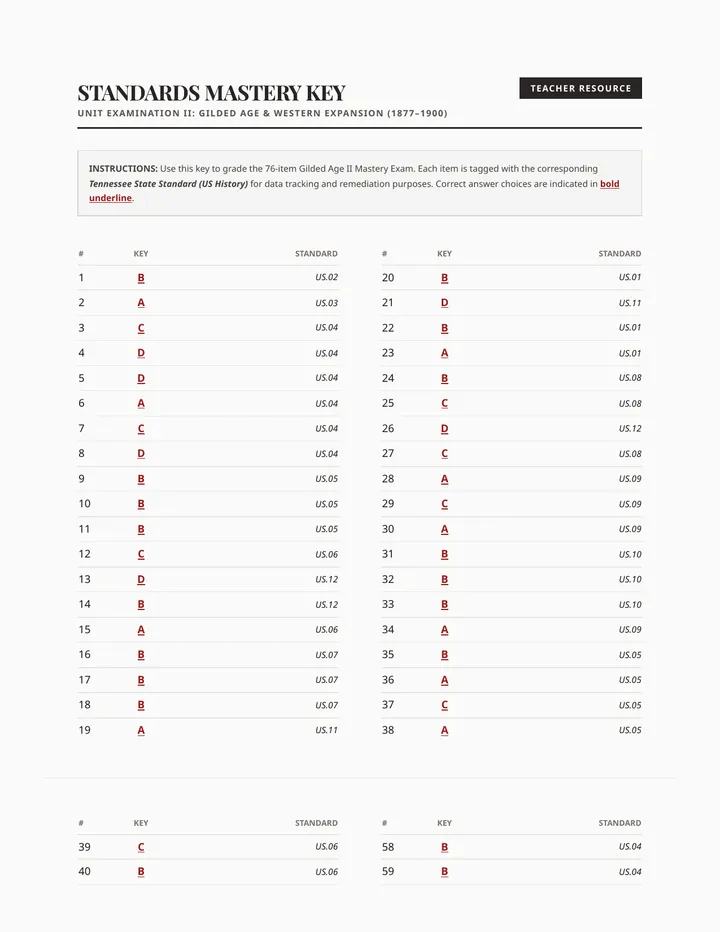
Gilded Age II Standards Key

Modern America Mastery

A comprehensive curriculum sequence covering late 19th and early 20th-century American history, focusing on economic transformation, Western expansion, global imperialism, and the impact of the Great War.

A

Andrew

29