Lenny.com
Explore
Create
ActivitiesNewMathEnglish Language ArtsScience & EngineeringSocial StudiesGlobal LanguagesHealth & Physical EducationSpecial EducationCounseling & Life SkillsArts & CreativityESL
Lenny.com
Lenny.com
Explore
Create
ActivitiesNewMathEnglish Language ArtsScience & EngineeringSocial StudiesGlobal LanguagesHealth & Physical EducationSpecial EducationCounseling & Life SkillsArts & CreativityESL
Lenny.com
Lenny.com

Solutions

Lenny for EducatorsLenny for SchoolsLenny for Districts

Product

ExploreSign inCreateSupportAbout

Resources

Getting startedMTSS Acceleration Program

© 2026 Lenny Learning Inc.

TermsPrivacyAccessibility
LinkedInInstagramX
Lenny

What is Money

Historical evolution of exchange from barter systems to modern digital currency. Examines the fundamental functions of money as a medium of exchange, unit of account, and store of value.

Social StudiesSocial Studies PracticesLocation WordsMapsOrder EventsChronology and CausationEvaluating SourcesHistorical ThinkingGeography, Humans, & the EnvironmentAmerican Symbols and LandmarksCitiesStatesState CapitalsRegions of the United StatesGeographic SkillsPhysical GeographyHuman GeographyRegional GeographyGeography of AfricaGeography of AsiaGeography of EuropeGeography of OceaniaGeography of the AmericasSociety and Environment of EuropeSociety and Environment of AsiaSociety and Environment of The AmericasSociety and Environment of the Middle EastSociety and Environment of AfricaHistoryPrehistoryComparing Ancient River CivilizationsAncient MesopotamiaAncient Egypt and KushAncient South AsiaEarly ChinaGreeceRome and the Byzantine EmpireAncient World HistoryNative Peoples of North AmericaNative Peoples of Mesoamerica and South AmericaAfrican EmpiresMedieval AsiaMedieval EuropeThe Silk RoadMedieval HistoryIslamic EmpiresWorld ReligionsRenaissance PeriodAge of ExplorationThe Thirteen ColoniesThe American RevolutionUS History Early RepublicFounding of the United StatesUS History AntebellumUS Civil WarReconstruction PeriodThe Gilded AgeUS ImperialismWorld ImperialismWorld War IUS History 1920sGreat DepressionWorld War IIThe Cold WarUS History 1950-60sUS History 1960s-70sWorld History 20th CenturyContemporary US HistoryContemporary World HistoryHolidaysCivics and GovernmentCitizenshipGovernment FoundationsThe ConstitutionUS ConstitutionExecutive BranchLegislative BranchJudicial BranchState and LocalPolitical ParticipationPublic PolicyPolitical SystemsPower and AuthoritySocial MovementsDefining DevianceTheories of DevianceCrime and Criminal JusticeEconomicsBasic Economic PrinciplesSupply and DemandWhat is MoneyEconomic FundamentalsMicroeconomicsMacroeconomicsBanking and FinanceEconomic SystemsGlobal EconomicsCorporations and PowerThe Changing WorkplaceUnemployment and LaborClass and InequalitySocial MobilityGlobal InequalityPsychologyHistory of PsychologyPsychology as a ScienceBrain and Nervous SystemNeuroscience and BehaviorGenetics and BehaviorSleep and ConsciousnessSensory ProcessesPerceptual OrganizationClassical ConditioningOperant ConditioningObservational LearningCognitive LearningMemory ProcessesThinking and Problem SolvingLanguage and CognitionTheories of MotivationStress and CopingPrenatal and Infant DevelopmentChildhood DevelopmentAdolescent DevelopmentAdulthood and AgingSelf and IdentitySocial CognitionSocial InfluenceAttraction and RelationshipsGroup BehaviorPrejudice and DiscriminationAnxiety and Mood DisordersClinical PsychologyForensic PsychologyPhilosophy & EthicsIntroduction to PhilosophyMajor Philosophers & IdeasMind and Body ProblemFree Will vs DeterminismEthics & MoralityReligion & PhilosophyPolitical Philosophy

Videos

The History of Money: Debt, Barter, and War

The History of Money: Debt, Barter, and War

Hosted by John Green, this episode of Crash Course World History challenges the traditional economic narrative that money evolved naturally from barter systems to solve logistical problems. Instead, it presents anthropologist David Graeber's theory that complex credit and debt systems existed long before coinage, and that physical money (coins) emerged primarily as a tool for states to fund wars and professional armies.

CrashCourseCrashCourse

14mins 4s

How the Federal Reserve Steers the Economy

How the Federal Reserve Steers the Economy

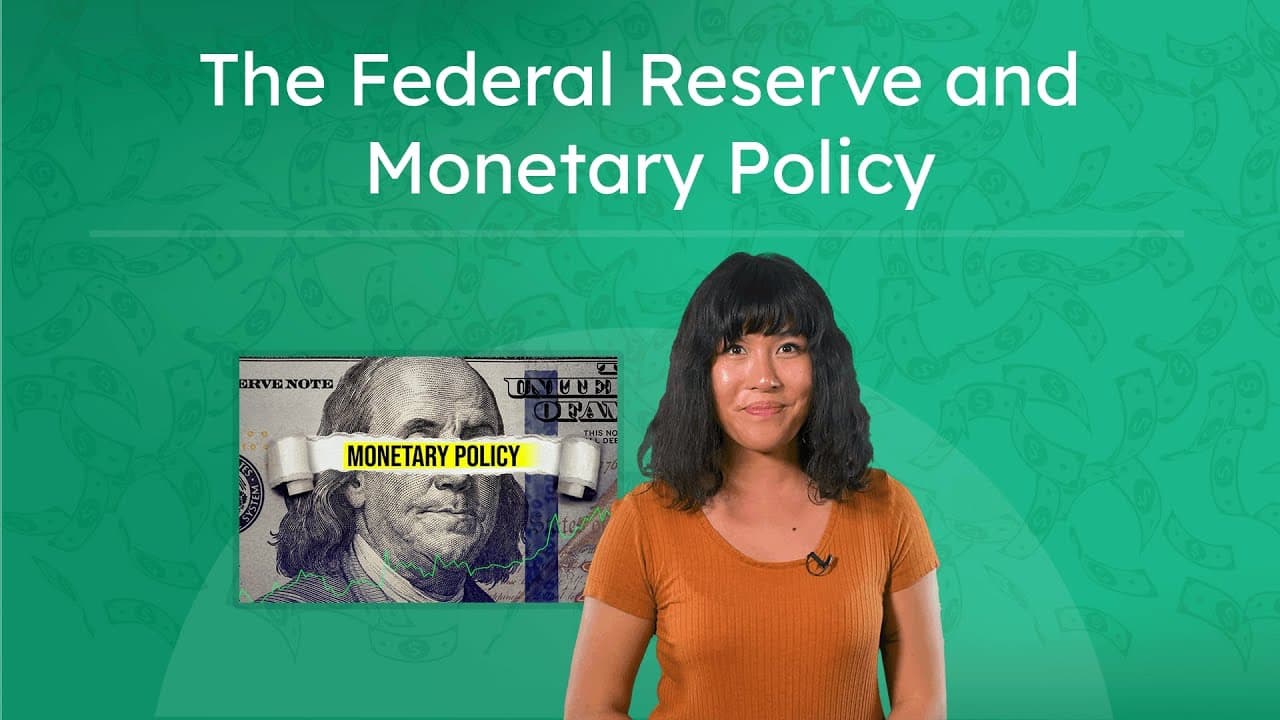
This informative video uses an extended analogy of a car to explain the complex functions of the Federal Reserve and its role in the United States economy. It demystifies how the "Fed" acts as the central bank, regulating the money supply and clearing financial transactions to keep the economic "engine" running smoothly. The narration breaks down how the Federal Reserve monitors economic health through key indicators like inflation, GDP, and unemployment data. The core of the video focuses on Monetary Policy, detailing the three specific tools the Federal Reserve uses to steer the economy: reserve requirements, the discount rate, and open market operations. Through clear visual flowcharts, the video demonstrates the cause-and-effect relationship between these tools and the broader economy, explaining how the Fed decides whether to "hit the gas" (stimulate growth) or "pump the brakes" (slow down inflation). Ideally suited for high school economics and civics curricula, this video transforms abstract financial concepts into concrete, relatable examples. Teachers can use it to scaffold lessons on government intervention, financial literacy, and macroeconomics. It provides a solid foundation for understanding how central banking decisions impact everyday life, from interest rates on car loans to the price of goods at the store.

Miacademy & MiaPrep Learning ChannelMiacademy & MiaPrep Learning Channel

12mins 29s

Understanding Economics: Resources, Production, and Money

Understanding Economics: Resources, Production, and Money

This engaging educational video introduces students to the fundamental concepts of economics, breaking down a complex subject into digestible components. Hosted by a lively presenter named Kylie, the video moves beyond the complicated dictionary definition of economics to focus on three core pillars: resources, production, and money. It uses relatable examples, including digital marketplaces and everyday items like ice cream and cars, to explain how goods and services are created, distributed, and consumed. Key themes explored include the three types of resources (natural, human, and capital), the distinction between tangible goods and intangible services, and the concept of productivity. The video also covers the history of trade by explaining the barter system versus modern currency, including digital forms of money. Special attention is given to the role of the consumer and the importance of efficiency in business production. For educators, this video serves as an excellent foundational tool for social studies and financial literacy units. It clarifies abstract economic terms through visual aids and concrete examples, making it easy for students to grasp how the economy functions around them. The content naturally leads into classroom activities involving resource identification, mock marketplaces, or discussions about how students earn and spend money in their own lives.
Miacademy & MiaPrep Learning ChannelMiacademy & MiaPrep Learning Channel

6mins 18s

Exploring the Power and Culture of the Persian Empire

Exploring the Power and Culture of the Persian Empire

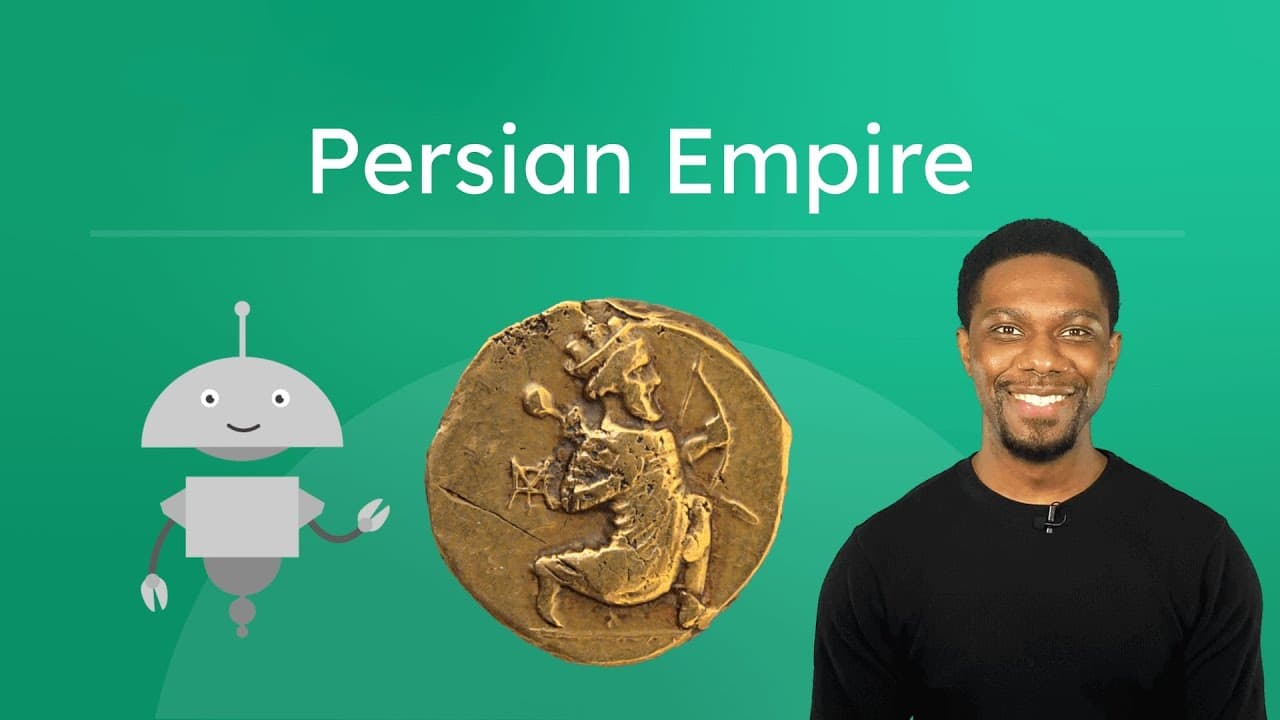
This educational video provides a comprehensive overview of the Ancient Persian Empire, designed for middle school history students. Narrated by an engaging host, the lesson breaks down the empire's vast geography spanning three continents, its efficient government structure utilizing satraps, and its innovative economic systems including the Royal Road and the gold Daric coin. The video uses maps, historical imagery, and on-screen text to make these complex historical structures accessible.

Miacademy & MiaPrep Learning ChannelMiacademy & MiaPrep Learning Channel

9mins 3s

The Rise and Legacy of Egypt's New Kingdom

The Rise and Legacy of Egypt's New Kingdom

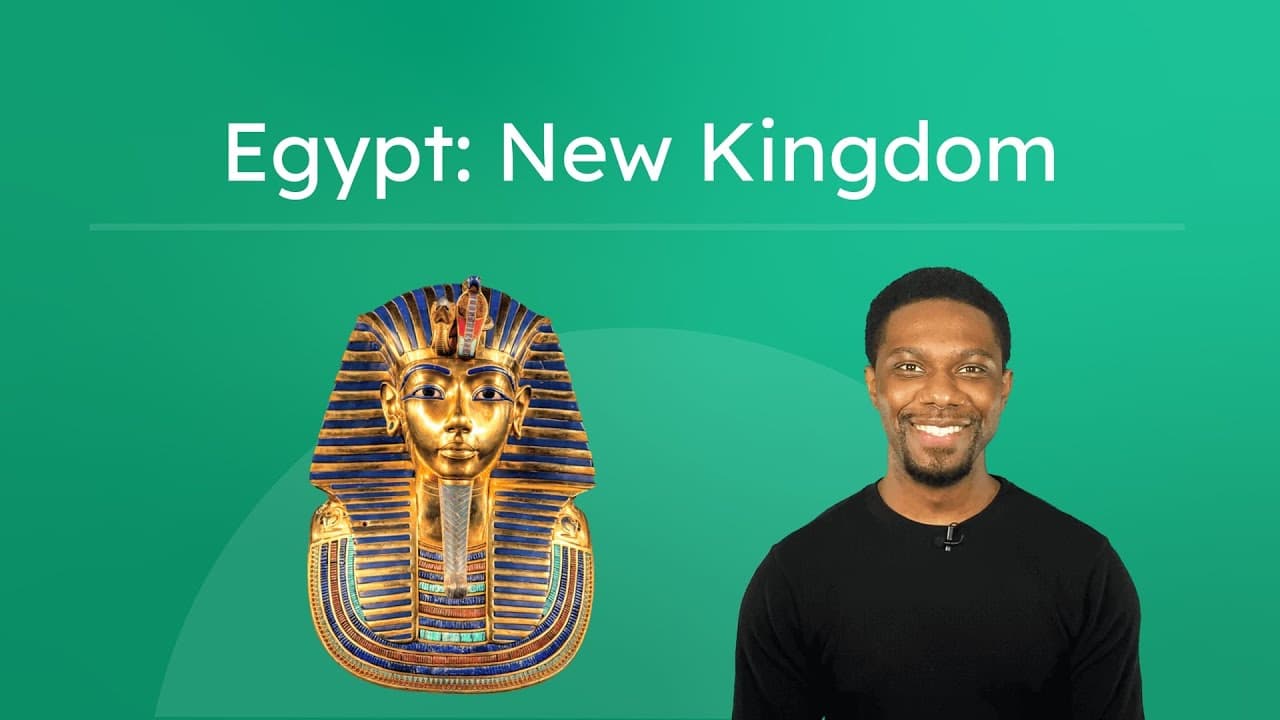
Join an exciting virtual field trip to the Valley of the Kings to explore the New Kingdom of Ancient Egypt, a period known as the civilization's "Golden Age." This video guides students through the rise of the empire following the expulsion of the Hyksos, detailing the military innovations and political strategies that allowed Egypt to expand its territory from Nubia to Western Asia. It introduces key historical figures including Ahmose, the religious reformer Akhenaten, the famous "boy king" Tutankhamun, and the powerful female pharaoh Hatshepsut. The content delves into the significant advancements of the era across political, economic, and cultural domains. Students will learn about the centralization of power by pharaohs, the development of a complex bureaucracy for food storage, and the introduction of standardized measurements and banking systems that facilitated international trade. The video also highlights the shift in religious practices, the artistic evolution towards more realistic depictions, and the monumental architecture designed to project power and longevity. This resource is an excellent tool for middle school social studies and world history classrooms. It uses engaging visuals of tombs, artifacts, and maps to make ancient history tangible. Teachers can use this video to discuss themes of imperialism, religious conflict, economic standardization, and the lasting legacy of ancient civilizations on the modern world, making it a versatile asset for units on the Ancient Near East.

Miacademy & MiaPrep Learning ChannelMiacademy & MiaPrep Learning Channel

8mins 23s

The Inventions and Innovations of Ancient Sumer

The Inventions and Innovations of Ancient Sumer

This engaging educational video explores the ancient civilization of Sumer, located in Mesopotamia, and its profound impact on human history. The video breaks down Sumerian society into five key categories of advancement: political, religious, cultural, economic, and technological. It explains how Sumer developed city-states, complex religious systems involving ziggurats and polytheism, the first writing system (cuneiform), and foundational economic practices like banking and trade networks. The content highlights specific inventions that revolutionized the world, such as the wheel, the plow, the sailboat, and a base-60 mathematical system still used for measuring time today. It also delves into the social structure of Sumer, examining the hierarchy from kings and priests down to farmers and enslaved people, as well as gender roles within the society. Designed for middle school history curriculums, this video provides a comprehensive overview of how Sumerian innovations laid the groundwork for future civilizations. It encourages students to recognize the enduring legacy of these ancient advancements in their modern lives, making connections between ancient history and contemporary systems of government, economy, and technology.

Miacademy & MiaPrep Learning ChannelMiacademy & MiaPrep Learning Channel

13mins 7s

Sequences

Gilded Age II Standards Key

Modern America Mastery

A comprehensive curriculum sequence covering late 19th and early 20th-century American history, focusing on economic transformation, Western expansion, global imperialism, and the impact of the Great War.

A

Andrew

29
Curriculum Blueprint Document v2

History Horizon Sequence

A comprehensive high school curriculum plan for American History, covering 13 units from the American Revolution to the modern era, aligned with North Carolina Social Studies standards.

AK

Amity Kea

21
Depression and New Deal Mastery Test Document v2

Depression and New Deal Era

A comprehensive unit covering the economic boom of the 1920s, the Great Depression, and the New Deal. Includes lessons on the Prosperity Paradox, the Stock Market Collapse, the Dust Bowl, and government responses.

A

Andrew

18
Ancient Foundations Worksheet

Europe Explorer Remediation

A comprehensive week-long remediation packet covering Europe's history, culture, economics, and the European Union through reading passages and high-level analysis.

KB

Kenneth Brown

8
Mapping the Sand Slides

Desert Discoveries

A differentiated social studies unit covering the geography, cultures, and empires of the Middle East and North Africa, adapted for 3rd-grade readability based on the DESE Investigating History Grade 6 curriculum.

JS

Janette Sullivan

43
Market Logic Slides

Market Masters

A three-day immersive sequence where 3rd-grade students learn the fundamentals of supply and demand. Students progress from learning basic logic with lemonade to investigating "Price Crimes" as Market Detectives, using economic clues to solve mystery price shifts.

KH

Kimberly Houston

9