Lenny.com
Explore
Create
ActivitiesNewMathEnglish Language ArtsScience & EngineeringSocial StudiesGlobal LanguagesHealth & Physical EducationSpecial EducationCounseling & Life SkillsArts & CreativityESL
Lenny.com
Lenny.com
Explore
Create
ActivitiesNewMathEnglish Language ArtsScience & EngineeringSocial StudiesGlobal LanguagesHealth & Physical EducationSpecial EducationCounseling & Life SkillsArts & CreativityESL
Lenny.com
Lenny.com

Solutions

Lenny for EducatorsLenny for SchoolsLenny for Districts

Product

ExploreSign inCreateSupportAbout

Resources

Getting startedMTSS Acceleration Program

Newsletters

School Funding Newsletter

© 2026 Lenny Learning Inc.

TermsPrivacyAccessibility
LinkedInInstagramX
Lenny

Religion & Philosophy

Fundamental tenets of major world religions and classic ethical frameworks. Analyzes the intersection of spiritual beliefs, moral reasoning, and societal norms across cultures.

Social StudiesSocial Studies PracticesLocation WordsMapsOrder EventsChronology and CausationEvaluating SourcesHistorical ThinkingGeography, Humans, & the EnvironmentAmerican Symbols and LandmarksCitiesStatesState CapitalsRegions of the United StatesGeographic SkillsPhysical GeographyHuman GeographyRegional GeographyGeography of AfricaGeography of AsiaGeography of EuropeGeography of OceaniaGeography of the AmericasSociety and Environment of EuropeSociety and Environment of AsiaSociety and Environment of The AmericasSociety and Environment of the Middle EastSociety and Environment of AfricaHistoryPrehistoryComparing Ancient River CivilizationsAncient MesopotamiaAncient Egypt and KushAncient South AsiaEarly ChinaGreeceRome and the Byzantine EmpireAncient World HistoryNative Peoples of North AmericaNative Peoples of Mesoamerica and South AmericaAfrican EmpiresMedieval AsiaMedieval EuropeThe Silk RoadMedieval HistoryIslamic EmpiresWorld ReligionsRenaissance PeriodAge of ExplorationThe Thirteen ColoniesThe American RevolutionUS History Early RepublicFounding of the United StatesUS History AntebellumUS Civil WarReconstruction PeriodThe Gilded AgeUS ImperialismWorld ImperialismWorld War IUS History 1920sGreat DepressionWorld War IIThe Cold WarUS History 1950-60sUS History 1960s-70sWorld History 20th CenturyContemporary US HistoryContemporary World HistoryHolidaysCivics and GovernmentCitizenshipGovernment FoundationsThe ConstitutionUS ConstitutionExecutive BranchLegislative BranchJudicial BranchState and LocalPolitical ParticipationPublic PolicyPolitical SystemsPower and AuthoritySocial MovementsDefining DevianceTheories of DevianceCrime and Criminal JusticeEconomicsBasic Economic PrinciplesSupply and DemandWhat is MoneyEconomic FundamentalsMicroeconomicsMacroeconomicsBanking and FinanceEconomic SystemsGlobal EconomicsCorporations and PowerThe Changing WorkplaceUnemployment and LaborClass and InequalitySocial MobilityGlobal InequalityPsychologyHistory of PsychologyPsychology as a ScienceBrain and Nervous SystemNeuroscience and BehaviorGenetics and BehaviorSleep and ConsciousnessSensory ProcessesPerceptual OrganizationClassical ConditioningOperant ConditioningObservational LearningCognitive LearningMemory ProcessesThinking and Problem SolvingLanguage and CognitionTheories of MotivationStress and CopingPrenatal and Infant DevelopmentChildhood DevelopmentAdolescent DevelopmentAdulthood and AgingSelf and IdentitySocial CognitionSocial InfluenceAttraction and RelationshipsGroup BehaviorPrejudice and DiscriminationAnxiety and Mood DisordersClinical PsychologyForensic PsychologyPhilosophy & EthicsIntroduction to PhilosophyMajor Philosophers & IdeasMind and Body ProblemFree Will vs DeterminismEthics & MoralityReligion & PhilosophyPolitical Philosophy

Videos

The Dutch Golden Age: Trade, Tolerance, and the Rise of Merchant Power

The Dutch Golden Age: Trade, Tolerance, and the Rise of Merchant Power

This educational video explores the remarkable rise of the Dutch Republic during the 17th century, often called the Dutch Golden Age. It examines how a small confederation of provinces transformed into a global economic superpower through innovative financial systems, aggressive trade policies, and a unique political structure. The video contrasts the Dutch model of merchant-led constitutionalism with the absolutist monarchies prevalent elsewhere in Europe, highlighting how the distribution of power influenced national success. The content covers a wide range of topics including the Eighty Years' War for independence from Spain, the establishment of the Dutch East India Company (VOC), and the cultural flourishing of the era as seen through the works of masters like Vermeer. It delves into the economic theory of mercantilism, the technological innovations in civil engineering and city planning (like Amsterdam's canals), and the eventual geopolitical rivalry with England that led to the Anglo-Dutch Wars. For educators, this video serves as an excellent case study for AP European History or World History curriculums. It provides concrete examples of how geography, economics, and religious tolerance can drive state building. The video connects abstract economic theories like mercantilism to real-world events and uses visual art as a historical document to reveal the everyday lives and values of the 17th-century middle class.

CrashCourseCrashCourse

13mins 44s

Why the Roman Empire Survived Until the 15th Century

Why the Roman Empire Survived Until the 15th Century

In this installment of Crash Course World History, John Green challenges the traditional narrative that the Roman Empire fell in 476 CE. Instead, he argues that the empire merely shifted its center of gravity eastward to Constantinople, where it survived and thrived as the Byzantine Empire for another thousand years. The video explores the strategic advantages of the East, the continuity of Roman law and culture, and the evolution of Christianity into the Eastern Orthodox tradition. Key themes include the fluidity of historical periodization, the intersection of religion and politics (specifically the concept of Caesaropapism), and the preservation of legal systems. The video highlights the reign of Emperor Justinian and Empress Theodora, detailing their contributions to Roman law through the Digest and Institutes, their massive building projects like the Hagia Sophia, and their handling of political unrest like the Nika Riots. For educators, this video serves as an excellent tool for AP World History or general high school history classes to discuss how historians define "empires" and "falls." It provides a clear contrast between the chaotic fragmentation of Western Europe and the centralized, wealthy stability of the Byzantine East. It also offers opportunities to discuss gender roles in history through the figure of Theodora and the long-term impact of Roman civil law on modern European legal systems.

CrashCourseCrashCourse

12mins 44s

The Global History of Non-Violent Resistance

The Global History of Non-Violent Resistance

This installment of Crash Course World History reframes the narrative of the 20th century, moving beyond the traditional focus on World Wars and genocide to explore the parallel rise of global non-violent resistance movements. John Green argues that while the century was undeniably violent, it also birthed a sophisticated, interconnected web of peace movements that spanned continents. The video traces the intellectual lineage of non-violence, connecting Leo Tolstoy's Christian anarchism to Mahatma Gandhi's Satyagraha, and demonstrating how these ideas flowed back to the West to influence the American Civil Rights Movement and anti-war activists. The video provides a comparative historical analysis of various non-violent struggles, including the Indian independence movement, anti-colonial efforts in Vietnam and Egypt, the Rosenstrasse protest in Nazi Germany, and the Prague Spring in Czechoslovakia. It highlights key concepts like 'ahimsa' (non-injury) and 'satyagraha' (truth-force) and examines the strategic logic behind civil disobedience. Significant attention is given to the cross-pollination of ideas, showing how activists like Bayard Rustin and Martin Luther King Jr. adapted Gandhian tactics for the American context. For educators, this resource serves as an excellent tool for teaching the global interconnectedness of historical events and political philosophies. It challenges students to analyze the efficacy of non-violence as a political tool against varying degrees of oppression. The video is particularly useful for units on the 20th century, human rights, decolonization, and civics, offering concrete case studies that allow for rich comparative analysis and discussion about the nature of power and resistance.

CrashCourseCrashCourse

12mins 49s

Knighthood, Chivalry, and the Medieval Code of Honor

Knighthood, Chivalry, and the Medieval Code of Honor

This engaging educational video explores the world of medieval knighthood by drawing parallels between knights and modern superheroes. The narrator guides students through the rigorous training process required to become a knight—from serving as a young page to training as a squire—and explains the Code of Chivalry that governed their behavior. The video emphasizes that being a knight was not just about combat skills, but also about character virtues like bravery, respect, and kindness. The content delves into the specific historical context of the Middle Ages, introducing three key historical figures who embodied different aspects of the era: Thomas Aquinas (representing intellect, faith, and reason), Richard the Lionheart (representing bravery and military leadership), and William Marshal (representing loyalty and tournament skill). It also touches upon the significance of the Magna Carta in limiting royal power and establishing rights. For educators, this video serves as an excellent introduction to the social structures of the Middle Ages. It connects historical concepts to social-emotional learning by asking students to reflect on how the values of chivalry—such as standing up for others and keeping promises—apply to their lives today. The "superhero" analogy makes the distant history of the Middle Ages relatable and accessible for upper elementary and middle school students.

Miacademy & MiaPrep Learning ChannelMiacademy & MiaPrep Learning Channel

10mins 57s

How Religion Shaped the American Colonies

How Religion Shaped the American Colonies

This educational video provides an engaging overview of the complex relationship between religion and government in Colonial America. It explores how diverse religious views influenced the formation of colonial governments, laws, and social norms. The narrative contrasts restrictive colonies, such as the Puritan-controlled New England colonies and Anglican-dominated Southern colonies, with more tolerant examples like William Penn's Quaker-founded Pennsylvania. It breaks down difficult concepts like theocracy and the separation of church and state using historical examples and clear definitions. The video covers several key historical themes, including the motivations for European migration, the persecution of religious minorities, and the early roots of religious freedom in the United States. It specifically examines three case studies: the Puritans/Pilgrims (restrictive), the Anglicans (hierarchical and restrictive), and the Quakers (tolerant and egalitarian). Additionally, the video addresses the experiences of minority groups often left out of the main narrative, including Jewish communities, Native Americans, and enslaved Africans, highlighting their resilience in preserving their beliefs. For educators, this resource is an excellent tool for middle and high school Social Studies classrooms. It serves as a foundational lesson for understanding the First Amendment and the historical context of the separation of church and state. The video is structured with built-in guiding questions and review segments, making it perfect for interactive viewing. It encourages students to analyze cause-and-effect relationships between belief systems and political structures, fostering critical thinking about how history shapes modern society.

Miacademy & MiaPrep Learning ChannelMiacademy & MiaPrep Learning Channel

11mins 50s

How Reason Challenged Tradition in the Enlightenment

How Reason Challenged Tradition in the Enlightenment

This video provides a fast-paced and comprehensive overview of the Enlightenment, a pivotal period in European history where reason and rational investigation began to challenge traditional authority and superstition. Hosted by John Green, the video explores how the scientific revolution's emphasis on observation shifted to social and political spheres, influencing everything from religion and government to fashion and daily life. It highlights the tension between the high-minded ideals of philosophers and the gritty realities of 18th-century Europe, including the persistence of slavery and religious intolerance. The content covers a wide array of key themes, including the shift from supernatural to natural explanations for events like earthquakes, the rise of the public sphere through salons and coffeehouses, and the emergence of new economic theories like free trade. It introduces major figures such as Voltaire, Rousseau, Montesquieu, Diderot, Adam Smith, and Immanuel Kant, explaining their contributions to concepts like individual liberty, the social contract, and the separation of church and state. The video also critically examines the contradictions of the era, noting how Enlightenment reason was sometimes used to justify new forms of inequality. For educators, this resource is an excellent tool for High School European History or World History curriculums. It helps students connect abstract philosophical ideas to tangible historical changes, such as the French Revolution and the abolition of slavery. The video's discussion of satire and the "General Will" offers rich opportunities for analyzing primary sources and debating the balance between individual rights and collective security.
CrashCourseCrashCourse

16mins 23s

Materials

Way of Harmony Worksheet

Way of Harmony Worksheet

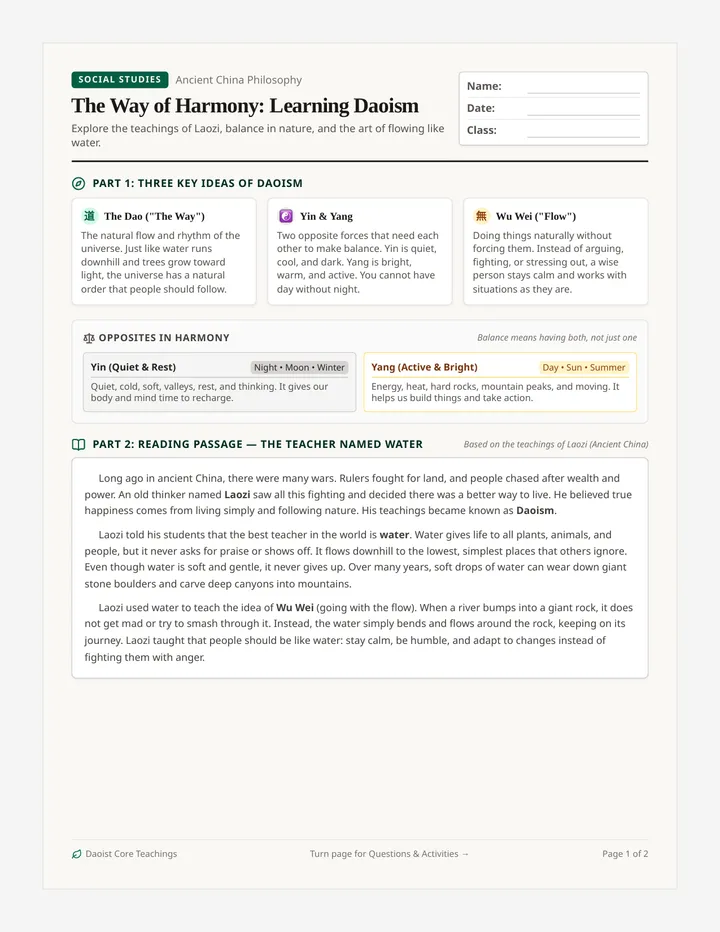
An accessible two-page printable student worksheet on Daoism featuring simplified reading passages, foundational concepts (the Dao, Yin and Yang, and Wu Wei), clear text-dependent questions, and balance-matching activities.

M

meagan_asp

Olympian Pantheon Slides

Olympian Pantheon Slides

A 6th-grade appropriate 12-slide presentation introducing major Greek Olympians with high-interest facts, symbols, foundational myths, and middle-school discussion questions.

MS

Megan St.Germain

Renaissance Genius Worksheet

Renaissance Genius Worksheet

A comprehensive two-page Renaissance review worksheet covering key historical figures, influential patrons, humanist philosophy, artistic innovations, and cultural achievements with matching, vocabulary application, and analytical short answers.

MM

Michele Magee

Works of Mercy Student Packet

Works of Mercy Student Packet

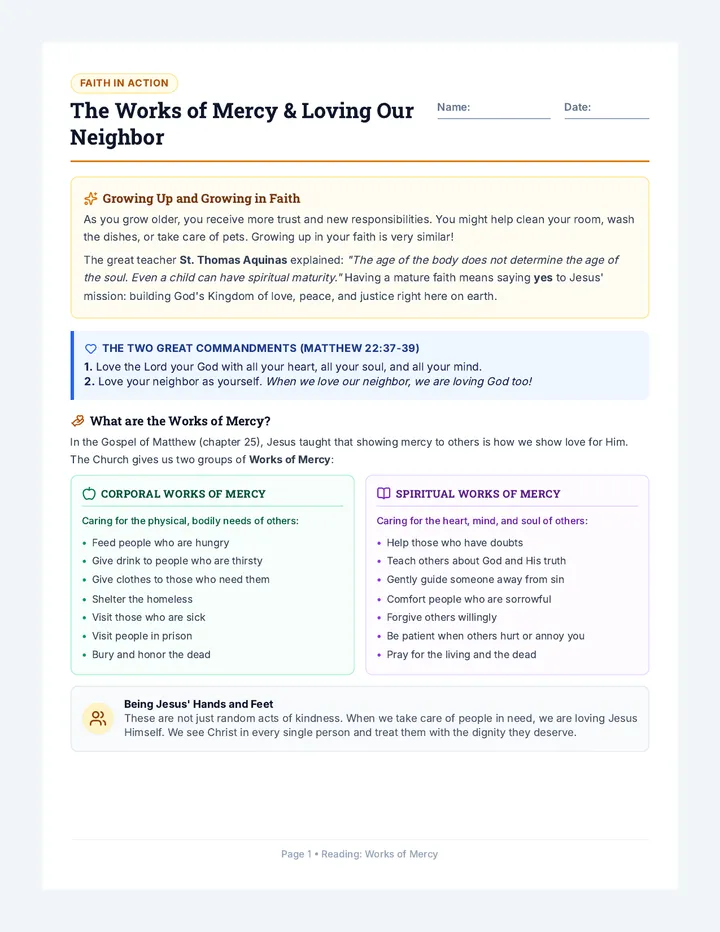
A simplified four-page student packet covering the Works of Mercy, Catholic Social Teaching, human dignity, the common good, and solidarity, complete with student-friendly reading sections and aligned questions.

H

hlittlejohn

Pathways of Buddhism Student Packet

Pathways of Buddhism Student Packet

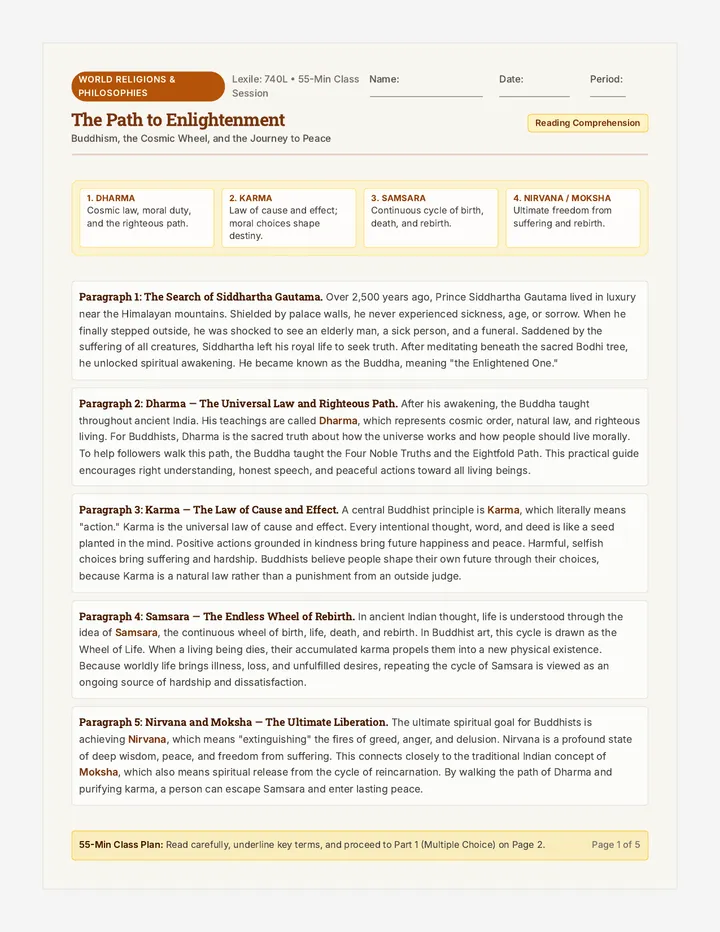
A comprehensive 5-page Buddhism reading comprehension packet designed for a 55-minute middle school social studies lesson. Features a 5-paragraph Lexile 700-800 reading passage, 10 multiple choice questions, 10 true/false items, 5 fill-in-the-blank prompts, a vocabulary word search, a verified crossword puzzle, and 2 open response questions exploring Dharma, Karma, Samsara, and Nirvana.

WM

Wilberto Mejias

Hindu Traditions Reading Packet

Hindu Traditions Reading Packet

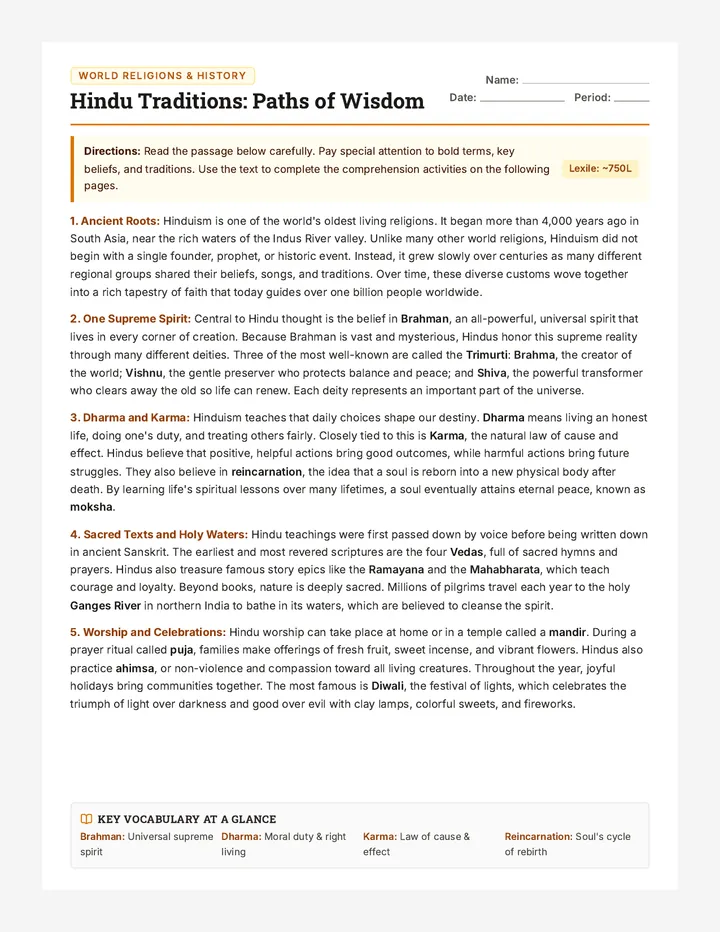
A comprehensive 4-page reading comprehension packet on Hinduism featuring an accessible 700-800 Lexile passage, 10 multiple choice questions, 10 true/false items, 5 fill-in-the-blanks, a crossword puzzle, a word search, and 2 open response questions.

WM

Wilberto Mejias

Sequences

Articles Section Review Key

Democracy Blueprint

A comprehensive 90-day independent study program for high school government, covering everything from philosophical foundations to modern policy and civic participation.

LF

Lindsey Foulks

35
Roots of Republicanism Reader

Foundations of Freedom Remediation Packet

A 7-day comprehensive remediation sequence focused on the philosophical, historical, and individual foundations of American government. Designed for students needing mastery of TEKS 1 and 12B, the unit features structured readers, skill-building worksheets, and a cumulative assessment.

CE

Chelsea Elliott

16
Curriculum Blueprint Document v2

History Horizon Sequence

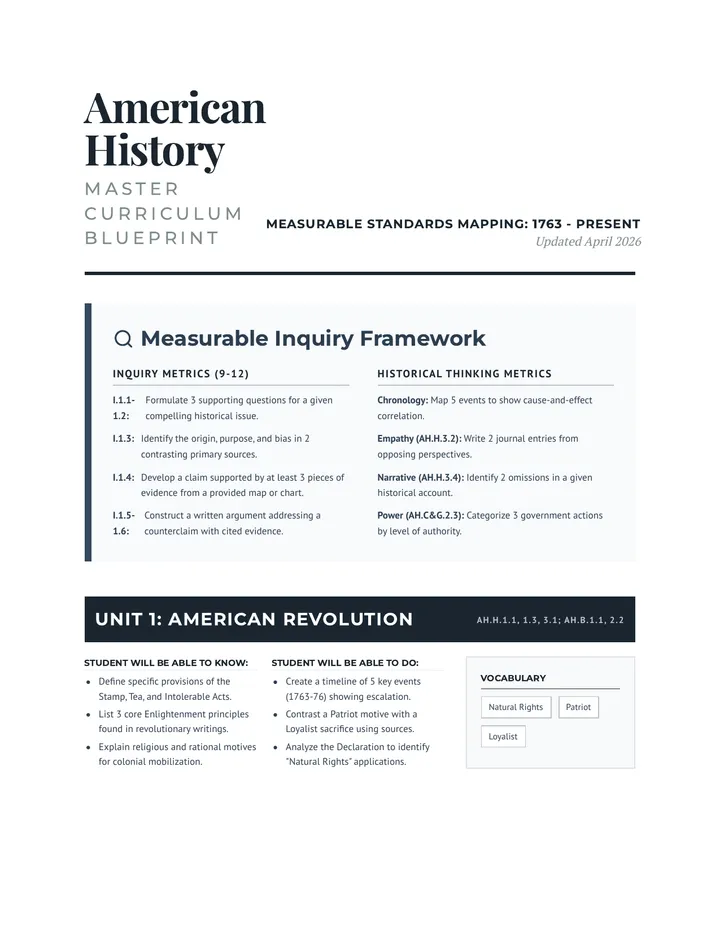
A comprehensive high school curriculum plan for American History, covering 13 units from the American Revolution to the modern era, aligned with North Carolina Social Studies standards.

AK

Amity Kea

21
Day 1 American Republic Reader

Global Governance Remediation

A comprehensive 7-day remediation unit covering various forms of government, comparing the U.S. constitutional republic to historical and contemporary systems, and analyzing executive structures.

CE

Chelsea Elliott

16
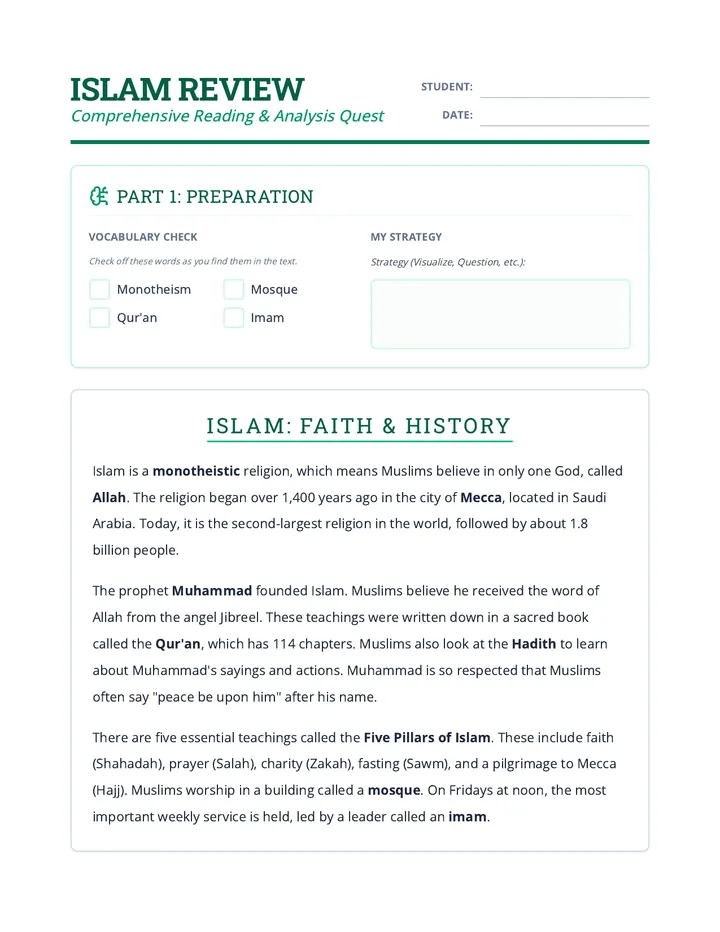
Islam Review Worksheet

Faith Foundations Review

A comparative and deep-dive review sequence exploring foundational teachings, sacred texts, and cultural practices of major world religions.

A

amanda_raboin

6
Ancient Foundations Worksheet

Europe Explorer Remediation

A comprehensive week-long remediation packet covering Europe's history, culture, economics, and the European Union through reading passages and high-level analysis.

KB

Kenneth Brown

8

Lessons

Crown and Covenant Teacher Guide

Crown and Covenant

A pre-reading lesson on the Divine Right of Kings and European Absolutism, preparing 10th-grade students with crucial background knowledge through a close reading of King James I and Louis XIV.

T

timothy.nixon

8
Meaning Makers Slides

The Design of Meaning

A deep dive into the search for meaning through the lenses of Plato and C.S. Lewis, exploring how beauty, nature, and universal design challenge existentialist perspectives. Students will analyze primary source excerpts to understand the relationship between objective reality and human longing.

AM

Acacia McCombs

4
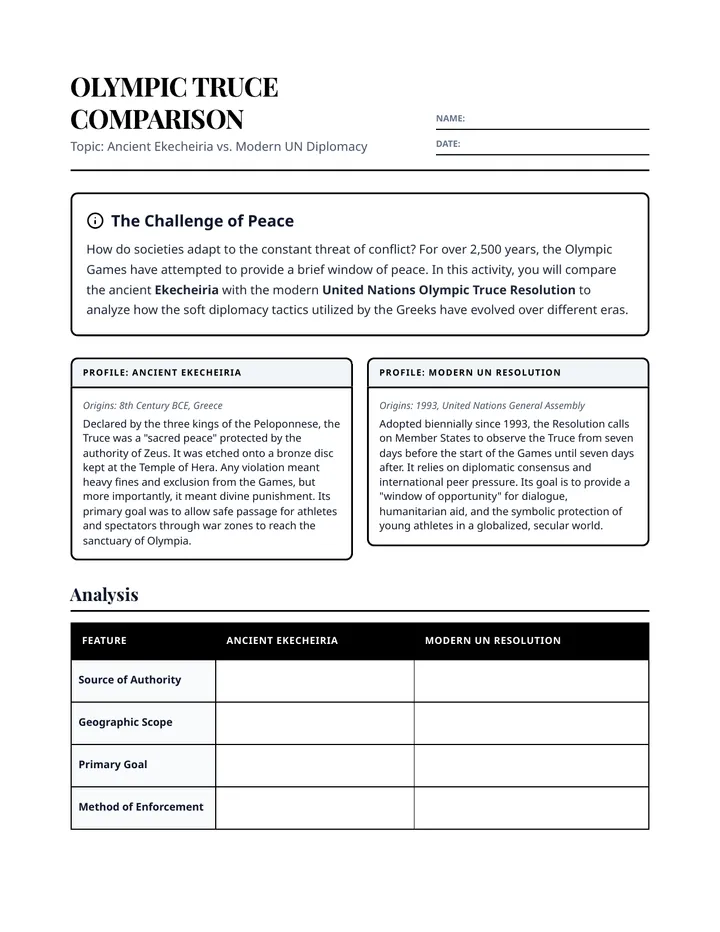
Olympic Truce Comparison Final Worksheet Final Final Expanded

Olympic Truce Diplomacy

A high school social studies lesson exploring the origins, evolution, and effectiveness of the Olympic Truce from ancient Greece to the modern United Nations era. Students analyze how this institution addresses societal and political challenges through international cooperation.

KK

Kathleen Kelsh

6
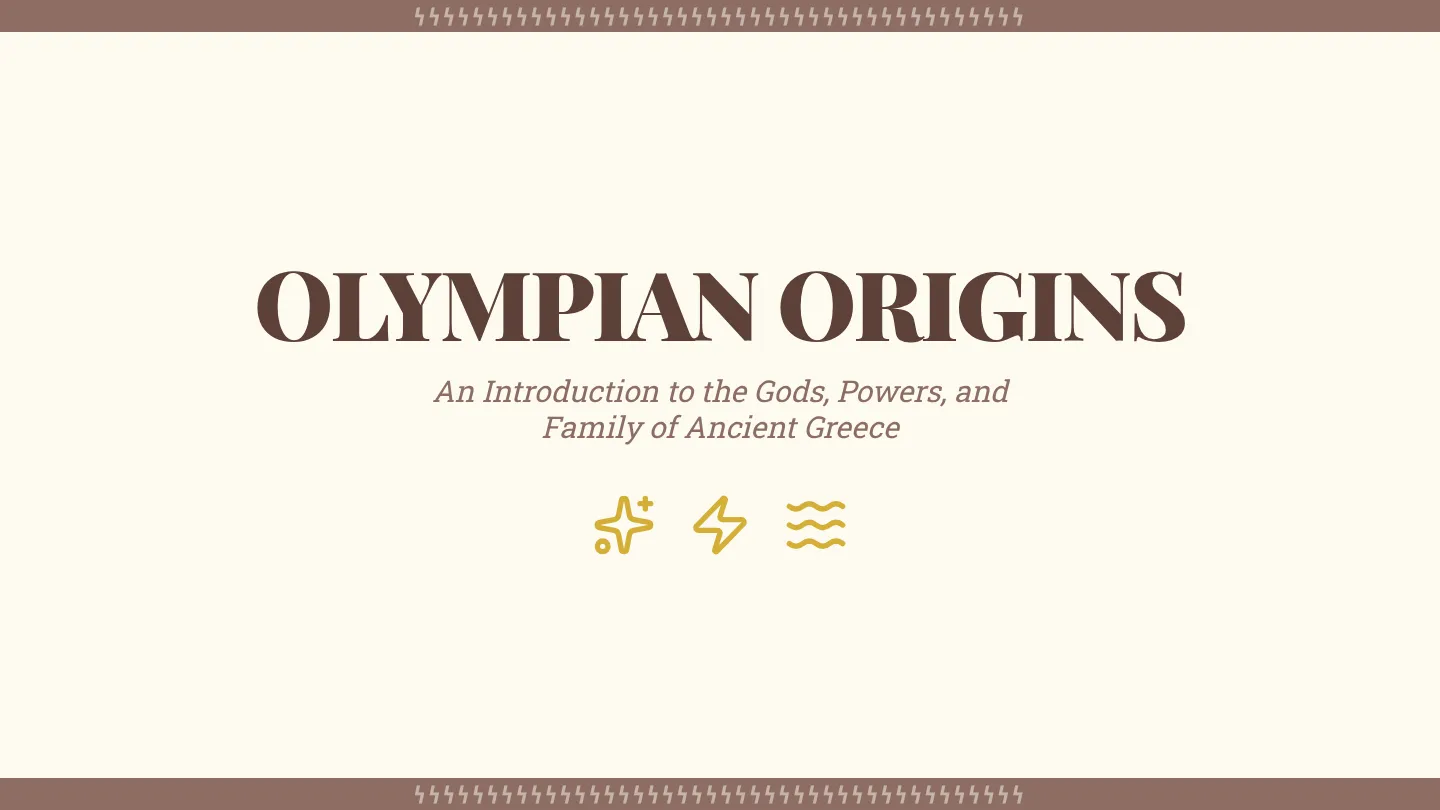
Olympian Origins Slides

Olympian Origins

An introductory lesson to Ancient Greek Mythology, focusing on the Olympian gods, their unique powers, and the complex family tree that connects them.

D

destiny.lanier

5
Divine Crossroads Slides

Divine Crossroads

This lesson explores the historical and philosophical interaction between Buddhism and Christianity in Japan. Students will examine core beliefs, the history of Jesuit missions and the 'Hidden Christians,' and how these faiths have uniquely blended into modern Japanese cultural practices.

LR

Linda Rector

5
Kingdom Values Slides

Heart of the Teacher

A lesson exploring the core values and beliefs of Jesus, focusing on compassion, forgiveness, humility, and service through parables and miracles.

EG

Emily Gianni

4