Lenny.com
Explore
Create
ActivitiesNewMathEnglish Language ArtsScience & EngineeringSocial StudiesGlobal LanguagesHealth & Physical EducationSpecial EducationCounseling & Life SkillsArts & CreativityESL
Lenny.com
Lenny.com
Explore
Create
ActivitiesNewMathEnglish Language ArtsScience & EngineeringSocial StudiesGlobal LanguagesHealth & Physical EducationSpecial EducationCounseling & Life SkillsArts & CreativityESL
Lenny.com
Social StudiesSocial Studies PracticesLocation WordsMapsOrder EventsChronology and CausationEvaluating SourcesHistorical ThinkingGeography, Humans, & the EnvironmentAmerican Symbols and LandmarksCitiesStatesState CapitalsRegions of the United StatesGeographic SkillsPhysical GeographyHuman GeographyRegional GeographyGeography of AfricaGeography of AsiaGeography of EuropeGeography of OceaniaGeography of the AmericasSociety and Environment of EuropeSociety and Environment of AsiaSociety and Environment of The AmericasSociety and Environment of the Middle EastSociety and Environment of AfricaHistoryPrehistoryComparing Ancient River CivilizationsAncient MesopotamiaAncient Egypt and KushAncient South AsiaEarly ChinaGreeceRome and the Byzantine EmpireAncient World HistoryNative Peoples of North AmericaNative Peoples of Mesoamerica and South AmericaAfrican EmpiresMedieval AsiaMedieval EuropeThe Silk RoadMedieval HistoryIslamic EmpiresWorld ReligionsRenaissance PeriodAge of ExplorationThe Thirteen ColoniesThe American RevolutionUS History Early RepublicFounding of the United StatesUS History AntebellumUS Civil WarReconstruction PeriodThe Gilded AgeUS ImperialismWorld ImperialismWorld War IUS History 1920sGreat DepressionWorld War IIThe Cold WarUS History 1950-60sUS History 1960s-70sWorld History 20th CenturyContemporary US HistoryContemporary World HistoryHolidaysCivics and GovernmentCitizenshipGovernment FoundationsThe ConstitutionUS ConstitutionExecutive BranchLegislative BranchJudicial BranchState and LocalPolitical ParticipationPublic PolicyPolitical SystemsPower and AuthoritySocial MovementsDefining DevianceTheories of DevianceCrime and Criminal JusticeEconomicsBasic Economic PrinciplesSupply and DemandWhat is MoneyEconomic FundamentalsMicroeconomicsMacroeconomicsBanking and FinanceEconomic SystemsGlobal EconomicsCorporations and PowerThe Changing WorkplaceUnemployment and LaborClass and InequalitySocial MobilityGlobal InequalityPsychologyHistory of PsychologyPsychology as a ScienceBrain and Nervous SystemNeuroscience and BehaviorGenetics and BehaviorSleep and ConsciousnessSensory ProcessesPerceptual OrganizationClassical ConditioningOperant ConditioningObservational LearningCognitive LearningMemory ProcessesThinking and Problem SolvingLanguage and CognitionTheories of MotivationStress and CopingPrenatal and Infant DevelopmentChildhood DevelopmentAdolescent DevelopmentAdulthood and AgingSelf and IdentitySocial CognitionSocial InfluenceAttraction and RelationshipsGroup BehaviorPrejudice and DiscriminationAnxiety and Mood DisordersClinical PsychologyForensic PsychologyPhilosophy & EthicsIntroduction to PhilosophyMajor Philosophers & IdeasMind and Body ProblemFree Will vs DeterminismEthics & MoralityReligion & PhilosophyPolitical Philosophy
Lenny.com

Solutions

Lenny for EducatorsLenny for SchoolsLenny for Districts

Product

ExploreSign inCreateSupportAbout

Resources

Getting startedMTSS Acceleration Program

© 2026 Lenny Learning Inc.

TermsPrivacyAccessibility
LinkedInInstagramX
Lenny

Social Cognition

Mental processes involved in perceiving, interpreting, and responding to social stimuli. Examines attribution theory, cognitive biases, and how schemas influence social judgment.

Materials

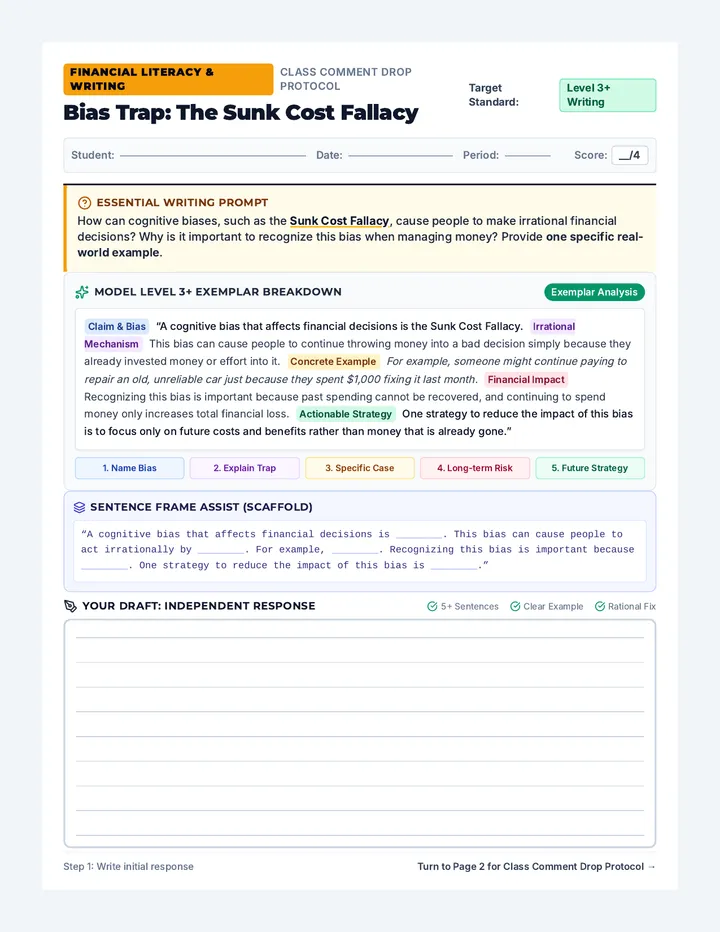
Bias Trap Worksheet

Bias Trap Worksheet

A two-page behavioral economics and writing worksheet exploring the Sunk Cost Fallacy and financial cognitive biases. Features a deconstructed Level 3+ model response, sentence frame scaffolds, independent writing lines, and a structured Class Comment Drop peer review protocol with Accountable Talk stems.

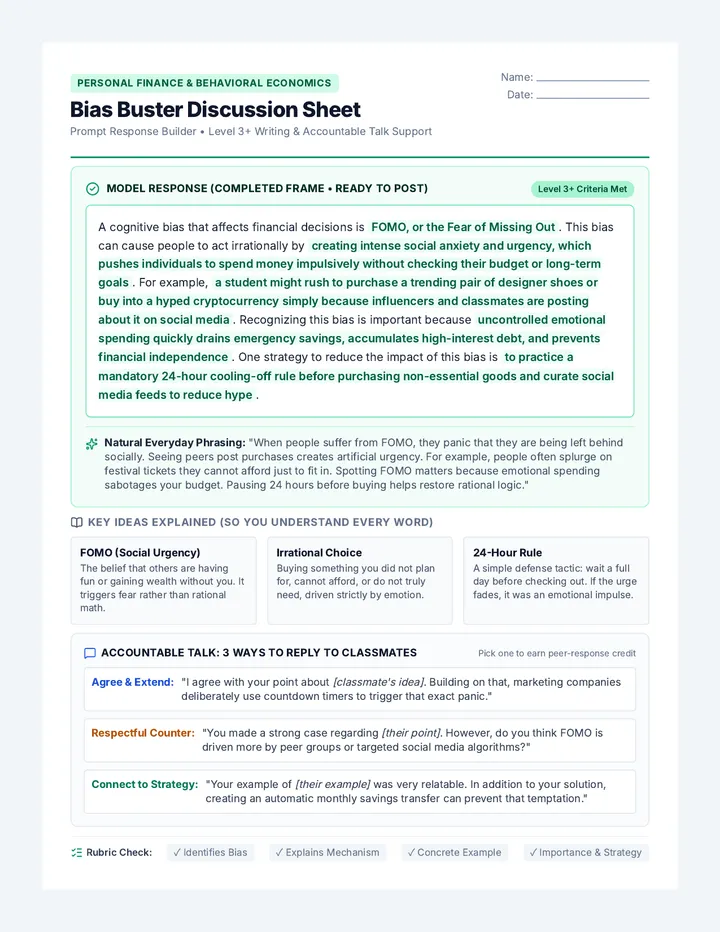
Bias Buster Discussion Sheet

Bias Buster Discussion Sheet

A structured discussion prep and sentence-frame response guide for students addressing how cognitive biases like FOMO drive irrational financial decisions, complete with Level 3+ exemplar models, vocabulary support, and Accountable Talk reply stems.

Videos

The History and Ethics of the Tuskegee Syphilis Study

The History and Ethics of the Tuskegee Syphilis Study

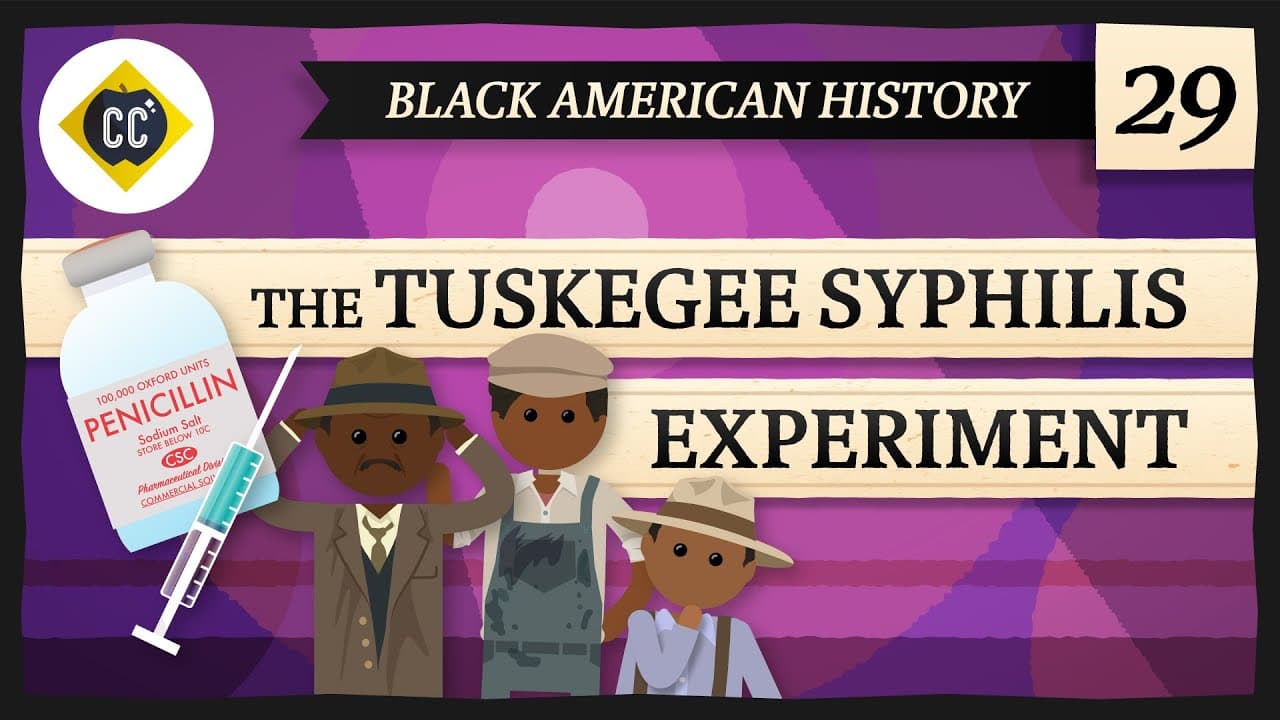
This educational video from Crash Course Black American History, hosted by Clint Smith, provides a comprehensive examination of the Tuskegee Syphilis Study (1932-1972). It details how the United States Public Health Service recruited 600 Black men in Macon County, Alabama, under the guise of receiving free health care, only to withhold life-saving treatment for syphilis to observe the disease's progression. The video explores the historical context of scientific racism that fueled the study, the specific unethical methodologies employed, and the devastating impact on the men, their families, and the broader Black community's trust in the medical system. The narrative delves into the complex layers of the study, including the role of the Great Depression and poverty in coercing participation, the lack of informed consent, and the involvement of Black medical professionals like Nurse Eunice Rivers. It highlights the eventual exposure of the study by whistleblower Peter Buxtun in 1972, the subsequent class-action lawsuit led by Fred Gray, and the resulting changes in medical ethics laws, including the National Research Act of 1974 and the establishment of Institutional Review Boards. For educators, this video is a powerful tool for teaching about bioethics, civil rights history, and systemic racism in healthcare. It connects historical events to contemporary issues, such as medical mistrust and health disparities, encouraging students to think critically about the responsibilities of scientific institutions. The video serves as a case study for understanding the importance of informed consent and the long-term sociological effects of unethical government actions.
CrashCourseCrashCourse

13mins 48s

How Propaganda and Prejudice Led to the Holocaust

How Propaganda and Prejudice Led to the Holocaust

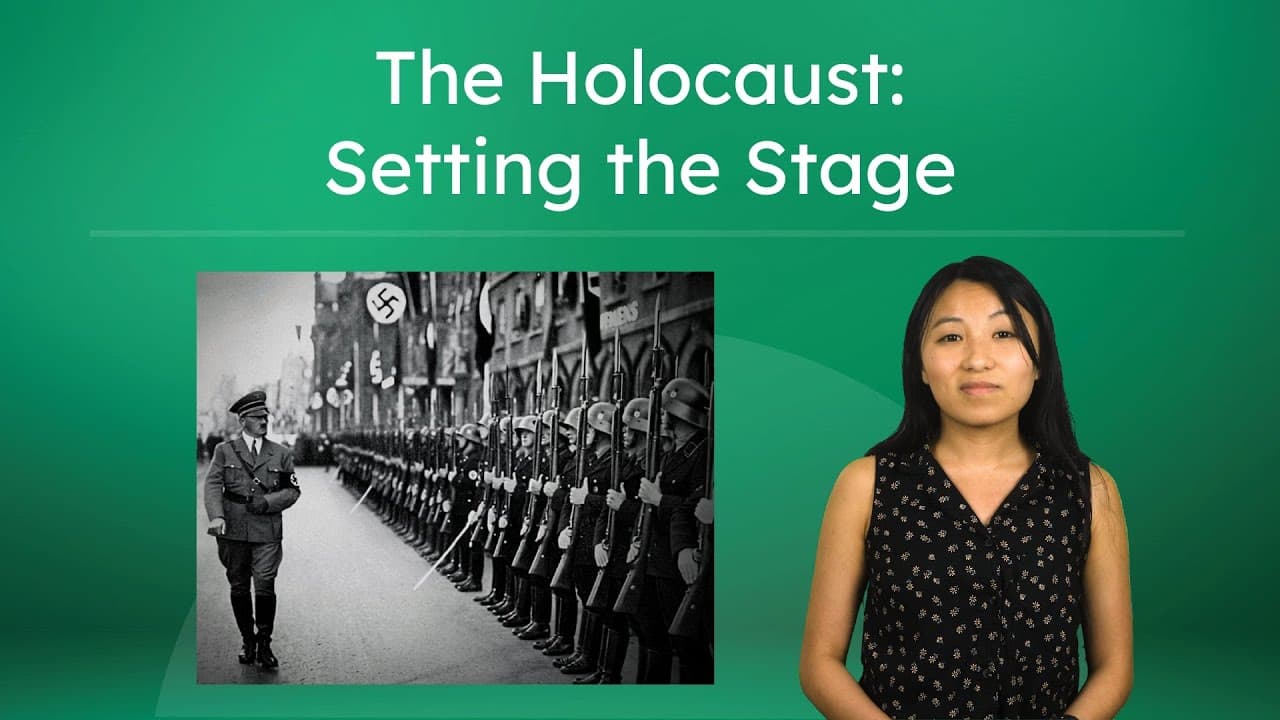
This educational video provides a crucial historical overview of the conditions in Europe and Germany that precipitated the Holocaust. Opening with archival footage from the Nuremberg Trials, it defines the Holocaust as the systematic state-sponsored murder of six million Jews and millions of others by the Nazi regime. The video juxtaposes the vibrant, diverse, and integrated lives of Jewish Europeans before the war with the rising tide of antisemitism that Adolf Hitler and the Nazi Party weaponized to gain power. The content explores key historical themes including the history of antisemitism in Europe (referencing the Dreyfus Affair and pogroms), the economic and political instability of post-WWI Germany, and the systematic use of propaganda. It details how the Nazis used newspapers, posters, and films to dehumanize Jewish people, blaming them for Germany's loss in World War I and economic hardships. The video specifically analyzes the psychological mechanisms of scapegoating and how constant exposure to hateful messaging normalized prejudice among ordinary citizens. For educators, this resource serves as an essential foundation for a unit on World War II or the Holocaust. It moves beyond simple dates and battles to explain the *why* and *how* of genocide, focusing on the gradual erosion of democratic norms and the power of propaganda. It provides excellent opportunities to discuss media literacy, the dangers of stereotyping, and the fragility of civil rights, making it highly relevant for history, civics, and social emotional learning curriculums.

Miacademy & MiaPrep Learning ChannelMiacademy & MiaPrep Learning Channel

11mins 50s

How Railroads Reshaped Time, Space, and Society

How Railroads Reshaped Time, Space, and Society

In this episode of Crash Course World History, John Green explores the Industrial Revolution through the specific lens of the railroad. Rather than focusing solely on the mechanics of steam engines, the video delves into the profound sociological and psychological shifts caused by rail travel, drawing heavily from Wolfgang Schivelbusch's book 'The Railway Journey'. It examines how railroads fundamentally altered human perceptions of time, space, and nature, introducing concepts like standard time zones and the 'annihilation of time and space.' The video investigates the cultural anxiety that accompanied this technological leap. It discusses how high-speed travel changed the way people looked at landscapes—turning detailed nature into a blur—and how it influenced social behaviors, such as reading on public transport to avoid conversation. The narrative also covers the medical history of 'railway spine,' a precursor to the diagnosis of traumatic neurosis, illustrating how new technologies often bring new fears and psychological categories. Ideally suited for high school history and sociology students, this video serves as a powerful tool for connecting past technological revolutions to current ones. By comparing the disruption of the railroad to the disruption of the internet and smartphones, John Green helps students understand that the anxiety surrounding rapid technological change is a recurring historical theme. It challenges the notion that all change equals progress, encouraging critical thinking about innovation.

CrashCourseCrashCourse

12mins 31s

How Authoritarian Regimes Rise and Rule

How Authoritarian Regimes Rise and Rule

This video provides a comprehensive overview of authoritarianism, defining it as a political system characterized by highly centralized power and the suppression of individual liberties. The narrator, Jen, begins by inviting viewers to imagine life under such a regime—where surveillance is constant, free speech is curtailed, and dissent is punished. The video distinguishes between traditional views of dictatorship and modern evolutions, such as China's "authoritarian capitalism," which challenges the assumption that economic freedom requires democratic governance. The content delves into the psychological and sociological mechanisms that allow these regimes to rise, often explaining that they emerge slowly during times of crisis when fearful populations are willing to trade civil liberties for safety. It details the specific tools authoritarian leaders use to maintain control, including the dismantling of checks and balances, the manufacturing of constant emergencies, and the use of propaganda to manipulate emotional responses rather than rational ones. Ideal for high school civics and government classes, this video serves as a powerful prompt for discussing the fragility of democracy. It explains complex concepts like "scapegoating," the "enemy image," and the "aggregate citizen," helping students understand how leaders can exploit social divisions to consolidate power. The video concludes by emphasizing that a healthy society must balance collective goals with individual freedoms, offering a clear contrast to the oppressive systems described.

Miacademy & MiaPrep Learning ChannelMiacademy & MiaPrep Learning Channel

10mins 23s

Globalization: Is It Good or Bad?

Globalization: Is It Good or Bad?

In the finale of Crash Course World History, John Green tackles the complex and multifaceted topic of globalization, examining whether it is ultimately a positive or negative force for humanity. Rather than offering a simple binary answer, the video explores how the shift toward a global economy has fundamentally altered human psychology, shifting the focus in the West from production to consumption and fostering a rise in individualism. It analyzes the transition from agricultural and manufacturing economies to service sectors and how this disconnects people from the physical realities of the goods they consume. The video delves into several critical themes arising from this global interconnectedness, including the strain on the environment due to resource extraction and population growth, the cultural shifts regarding family and sexuality, and the uneven distribution of wealth. It also highlights the global trend toward democracy and the reduction of major pandemics, while acknowledging that globalization has not ended warfare or ethnic violence. Specific case studies, such as the rapid urbanization of China and the end of apartheid in South Africa, are used to illustrate these massive historical tides. For educators, this video serves as an excellent capstone for a World History or Economics unit. It challenges students to think critically about their own place in history and the impact of their daily choices. By framing history not just as the deeds of 'great men' but as the collective result of billions of individual actions, it empowers students to see themselves as historical agents. The video's open-ended conclusion regarding climate change and the future invites rich classroom debate about sustainability, civic responsibility, and the direction of our global society.

CrashCourseCrashCourse

13mins 55s

Why Europe Hunted Witches: History and Context

Why Europe Hunted Witches: History and Context

This episode of Crash Course European History explores the complex and tragic history of witchcraft and witch hunting in Europe between the 15th and 18th centuries. Hosted by John Green, the video investigates why rational people in the early modern period believed in "unseen powers," how religious and political turmoil fueled paranoia, and the specific historical context that led to the execution of tens of thousands of people. It moves beyond stereotypes to examine the societal fears, print culture, and power dynamics that drove these persecutions. Key themes include the intersection of religion and magic, the role of the printing press (specifically the "Malleus Maleficarum") in standardizing and spreading fear, and the systemic misogyny that made women—particularly older women and those in healing professions—vulnerable targets. The video analyzes how the Reformation, the Counter-Reformation, and the lack of scientific explanation for natural disasters created a climate of anxiety where "witches" became scapegoats for societal misfortunes. For educators, this video offers a powerful opportunity to discuss "historical empathy"—understanding how people in the past made sense of their world without modern scientific knowledge. It provides a nuanced look at gender history, moving the narrative from simple folklore to a serious study of social control. The content is an excellent resource for AP European History or World History units, supporting critical thinking about how scapegoating functions in society and how belief systems shape historical events.

CrashCourseCrashCourse

15mins 33s

Sequences

Empathy and Perspective Teacher Guide

Perspective Taking and Cultural Awareness

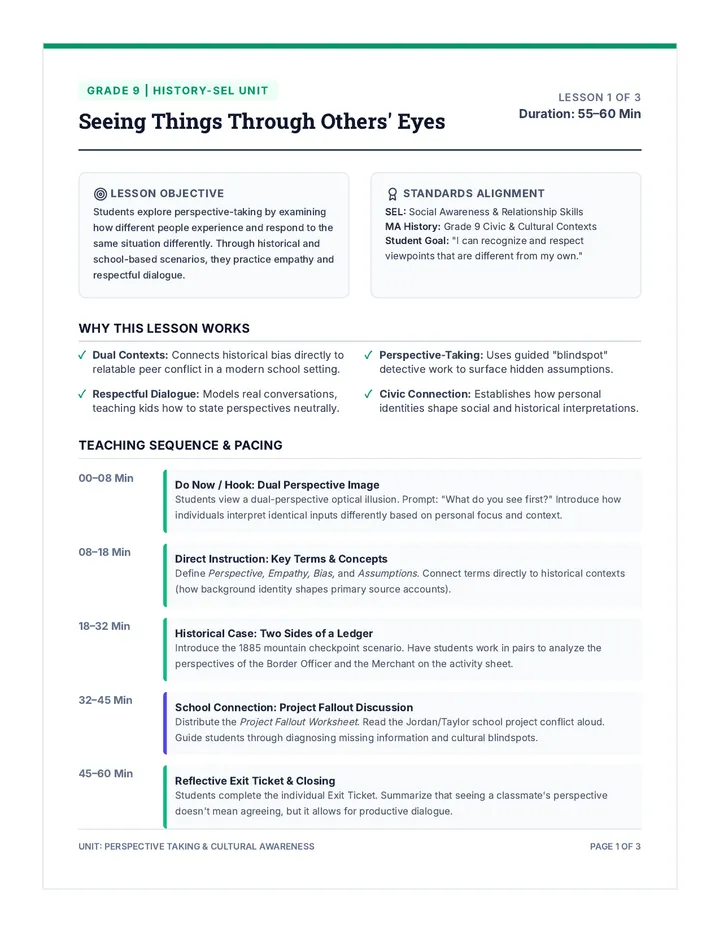
A comprehensive high school social-emotional learning unit integrated into history curricula. Students progress from basic empathy in grade 9, to active listening and respectful dialogue in grade 10, and complex global and cultural analysis in grade 11, aligning with the Vision of the Graduate.

J

jtoomey

27
Blueprint Curriculum Syllabus

Social Brain Blueprint

A comprehensive 5-part curriculum exploring social neuroscience through a macro social work lens, focusing on systemic change, practitioner wellbeing, and collective action.

DE

Dr. Erick Clinton Lear

16
Curriculum Blueprint Document v2

History Horizon Sequence

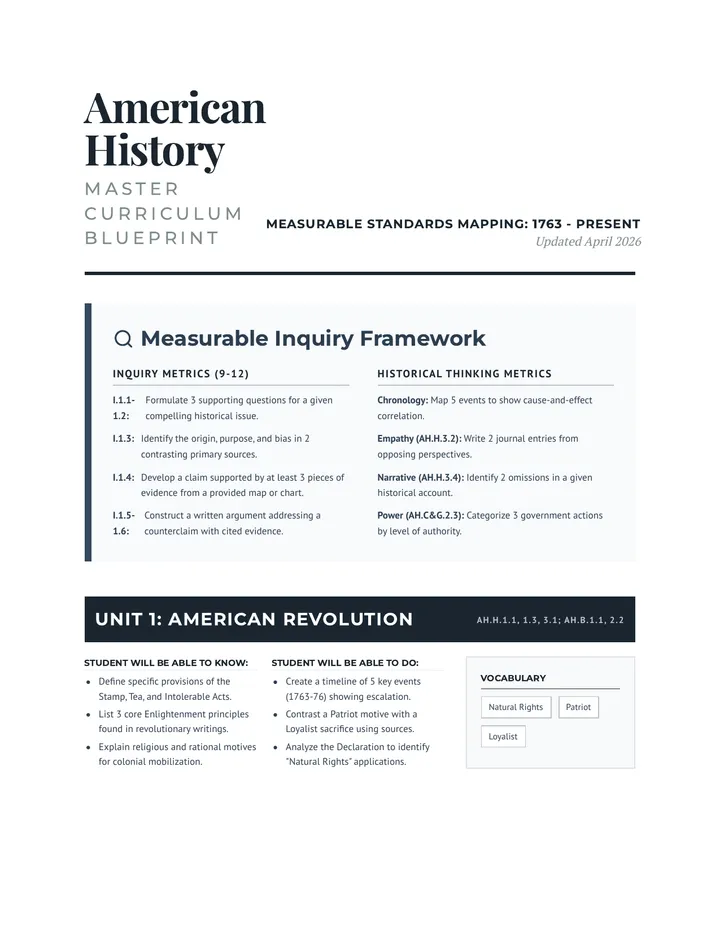
A comprehensive high school curriculum plan for American History, covering 13 units from the American Revolution to the modern era, aligned with North Carolina Social Studies standards.

AK

Amity Kea

21
Archetype Playbook Slides Extension

Game Changers

A 4-week unit exploring the construction of heroism and villainy in sports through media analysis, persuasive writing, and investigative interview techniques. Students will analyze how public perception is shaped and ultimately create their own investigative podcast script.

W

william.whitlow

46
Titans Intro Slides

Titan Leadership

A comprehensive study of leadership, civil rights, and social ethics through the lens of the film Remember the Titans.

MK

Marlyce Kemp

7
Resisting Hype Slides

Decoding the Feed

A comprehensive 4-part sequence on media literacy, digital algorithms, bias, journalism, and health-related media messaging. Designed using multiple distinct teaching styles—including Direct Instruction, Collaborative Stations, and Project-Based Inquiry—to help middle and high school students decode modern media and its impact on behavior.

DN

Donna Nelson

8

Lessons

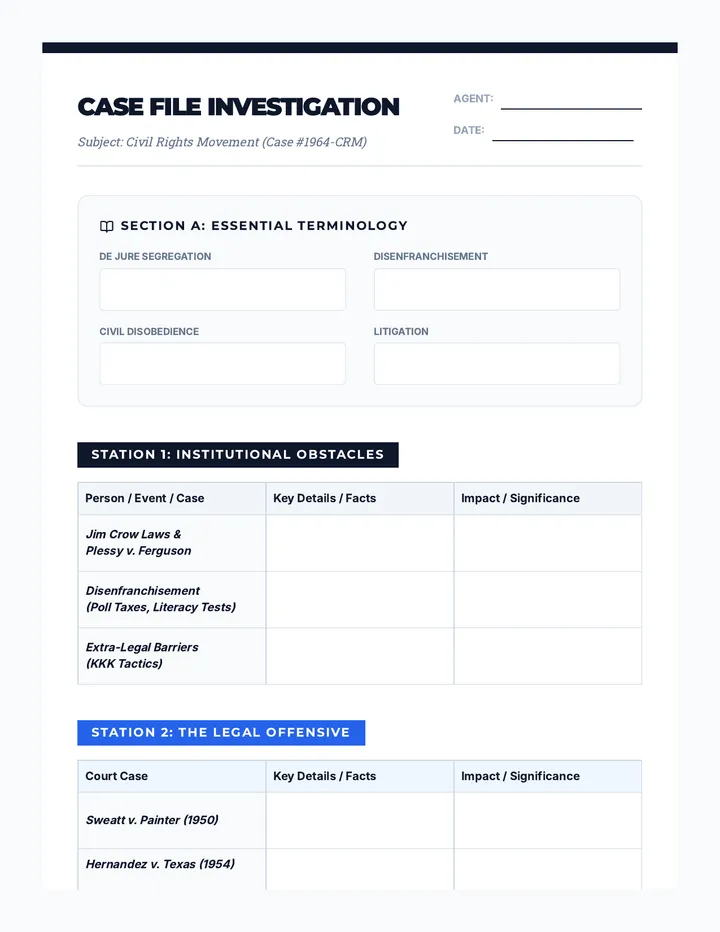
Justice Gallery Investigation Worksheet

Justice Gallery Case Files

A comprehensive lesson on the Civil Rights Movement featuring gallery stations and a guided investigation worksheet. Students analyze institutional obstacles, legal strategies, non-violent and militant tactics, and the expansion of the movement to other marginalized groups.

CE

Chelsea Elliott

25
TikTok Influence Slides

Viral Influence

An exploration of TikTok's psychological and marketing influence, focusing on algorithmic power, social proof, and peer-driven trends through modeled annotation practices.

AR

Ashley Robbins

7
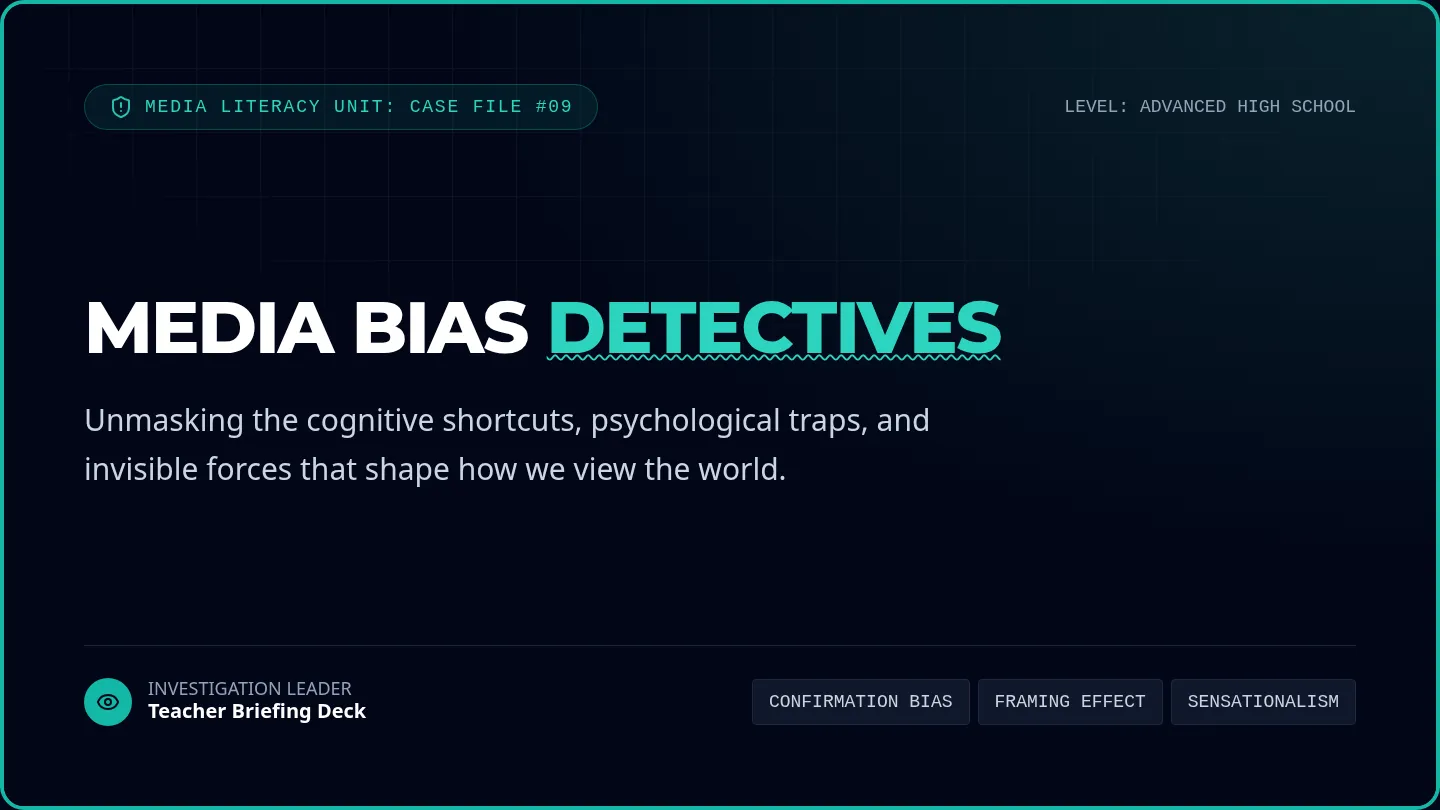
Media Bias Slides

Media Bias Detectives

A comprehensive media literacy lesson that teaches students how to identify cognitive biases—specifically Confirmation Bias, Framing, and Sensationalism—in modern news and social media. Includes an interactive slide deck, a critical analysis worksheet pack with real-world simulated media scenarios, and a complete teacher guide with answer keys.

LS

LeVar St Germain

3
Guilty Feelings Handout

The Psychology of Guilt

A deep dive into social psychology research exploring how guilt functions as a targeted social mechanism rather than a broad emotional state. Students will analyze academic text, define complex vocabulary, and evaluate the specific behavioral consequences of guilt.

AP

Alexis Paolini

8
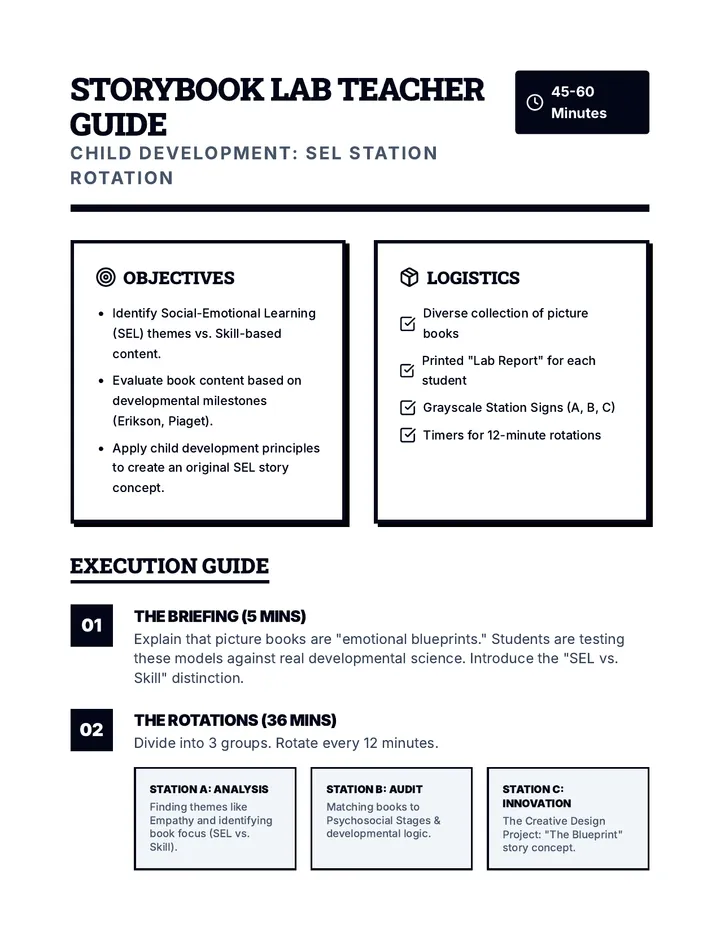
Storybook Lab Teacher Guide

Storybook Lab

A high-energy station rotation activity where high school students analyze child development through the lens of social-emotional learning (SEL) in picture books, culminating in a creative book design project.

JR

Jessica Ross

4
Threshold Journeys Student Worksheet

Threshold Journeys

A Year 11 Society and Culture lesson exploring rites of passage, comparing traditional Yolngu initiation ceremonies with contemporary Western adolescent transitions using the film Yolngu Boy.

TP

Tyrone Pearce

4