Lenny.com
Explore
Create
ActivitiesNewMathEnglish Language ArtsScience & EngineeringSocial StudiesGlobal LanguagesHealth & Physical EducationSpecial EducationCounseling & Life SkillsArts & CreativityESL
Lenny.com
Lenny.com
Explore
Create
ActivitiesNewMathEnglish Language ArtsScience & EngineeringSocial StudiesGlobal LanguagesHealth & Physical EducationSpecial EducationCounseling & Life SkillsArts & CreativityESL
Lenny.com
Lenny.com

Solutions

Lenny for EducatorsLenny for SchoolsLenny for Districts

Product

ExploreSign inCreateSupportAbout

Resources

Getting startedMTSS Acceleration Program

© 2026 Lenny Learning Inc.

TermsPrivacyAccessibility
LinkedInInstagramX
Lenny

Theories of Motivation

Analyzes biological, social, and cognitive forces driving human behavior. Examines Maslow’s hierarchy, drive-reduction theory, and the distinction between intrinsic and extrinsic rewards.

Social StudiesSocial Studies PracticesLocation WordsMapsOrder EventsChronology and CausationEvaluating SourcesHistorical ThinkingGeography, Humans, & the EnvironmentAmerican Symbols and LandmarksCitiesStatesState CapitalsRegions of the United StatesGeographic SkillsPhysical GeographyHuman GeographyRegional GeographyGeography of AfricaGeography of AsiaGeography of EuropeGeography of OceaniaGeography of the AmericasSociety and Environment of EuropeSociety and Environment of AsiaSociety and Environment of The AmericasSociety and Environment of the Middle EastSociety and Environment of AfricaHistoryPrehistoryComparing Ancient River CivilizationsAncient MesopotamiaAncient Egypt and KushAncient South AsiaEarly ChinaGreeceRome and the Byzantine EmpireAncient World HistoryNative Peoples of North AmericaNative Peoples of Mesoamerica and South AmericaAfrican EmpiresMedieval AsiaMedieval EuropeThe Silk RoadMedieval HistoryIslamic EmpiresWorld ReligionsRenaissance PeriodAge of ExplorationThe Thirteen ColoniesThe American RevolutionUS History Early RepublicFounding of the United StatesUS History AntebellumUS Civil WarReconstruction PeriodThe Gilded AgeUS ImperialismWorld ImperialismWorld War IUS History 1920sGreat DepressionWorld War IIThe Cold WarUS History 1950-60sUS History 1960s-70sWorld History 20th CenturyContemporary US HistoryContemporary World HistoryHolidaysCivics and GovernmentCitizenshipGovernment FoundationsThe ConstitutionUS ConstitutionExecutive BranchLegislative BranchJudicial BranchState and LocalPolitical ParticipationPublic PolicyPolitical SystemsPower and AuthoritySocial MovementsDefining DevianceTheories of DevianceCrime and Criminal JusticeEconomicsBasic Economic PrinciplesSupply and DemandWhat is MoneyEconomic FundamentalsMicroeconomicsMacroeconomicsBanking and FinanceEconomic SystemsGlobal EconomicsCorporations and PowerThe Changing WorkplaceUnemployment and LaborClass and InequalitySocial MobilityGlobal InequalityPsychologyHistory of PsychologyPsychology as a ScienceBrain and Nervous SystemNeuroscience and BehaviorGenetics and BehaviorSleep and ConsciousnessSensory ProcessesPerceptual OrganizationClassical ConditioningOperant ConditioningObservational LearningCognitive LearningMemory ProcessesThinking and Problem SolvingLanguage and CognitionTheories of MotivationStress and CopingPrenatal and Infant DevelopmentChildhood DevelopmentAdolescent DevelopmentAdulthood and AgingSelf and IdentitySocial CognitionSocial InfluenceAttraction and RelationshipsGroup BehaviorPrejudice and DiscriminationAnxiety and Mood DisordersClinical PsychologyForensic PsychologyPhilosophy & EthicsIntroduction to PhilosophyMajor Philosophers & IdeasMind and Body ProblemFree Will vs DeterminismEthics & MoralityReligion & PhilosophyPolitical Philosophy

Videos

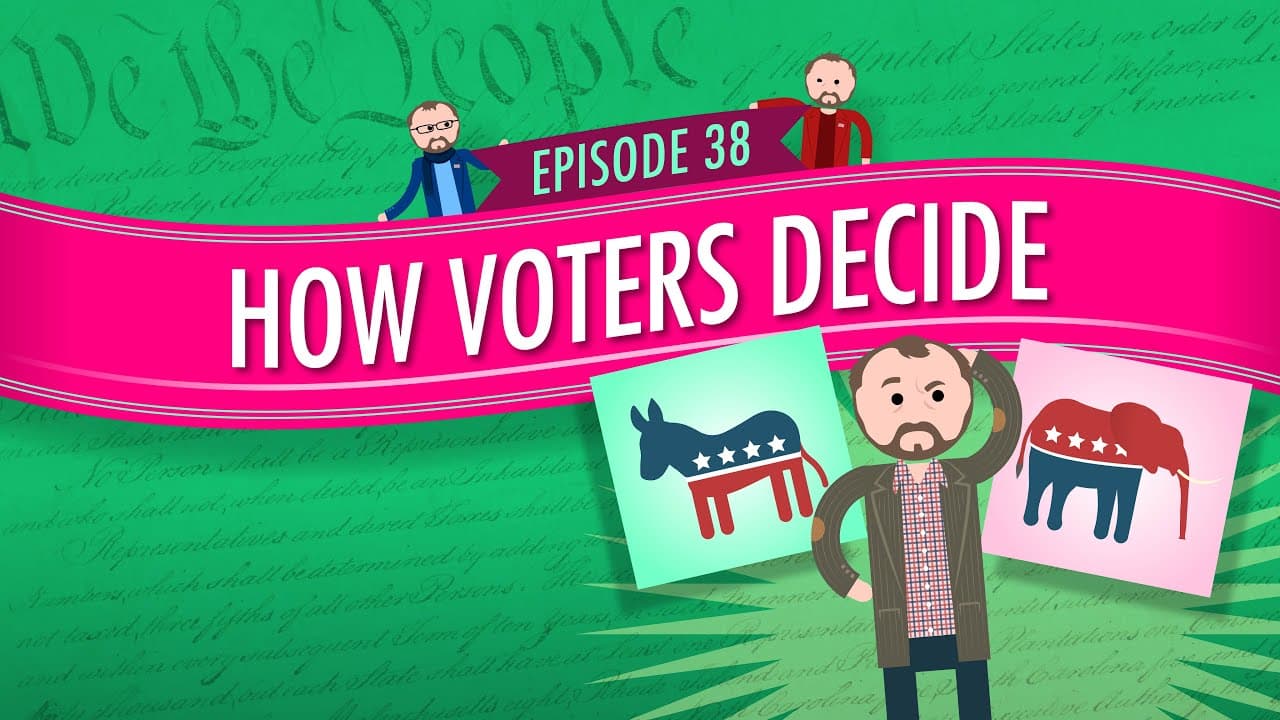
How Voters Decide: The Three Factors Influencing American Elections

How Voters Decide: The Three Factors Influencing American Elections

In this episode of Crash Course Government and Politics, host Craig Benzine explores the complex psychology and political science behind how American voters make decisions at the ballot box. While we might like to think every vote is a carefully weighed policy decision, the video reveals that voting behavior is largely driven by three distinct factors: party loyalty, candidate characteristics, and specific political issues. Craig explains that for most voters, the single strongest predictor of their vote is simply the political party they identify with, often influenced by their family upbringing.

CrashCourseCrashCourse

7mins 36s

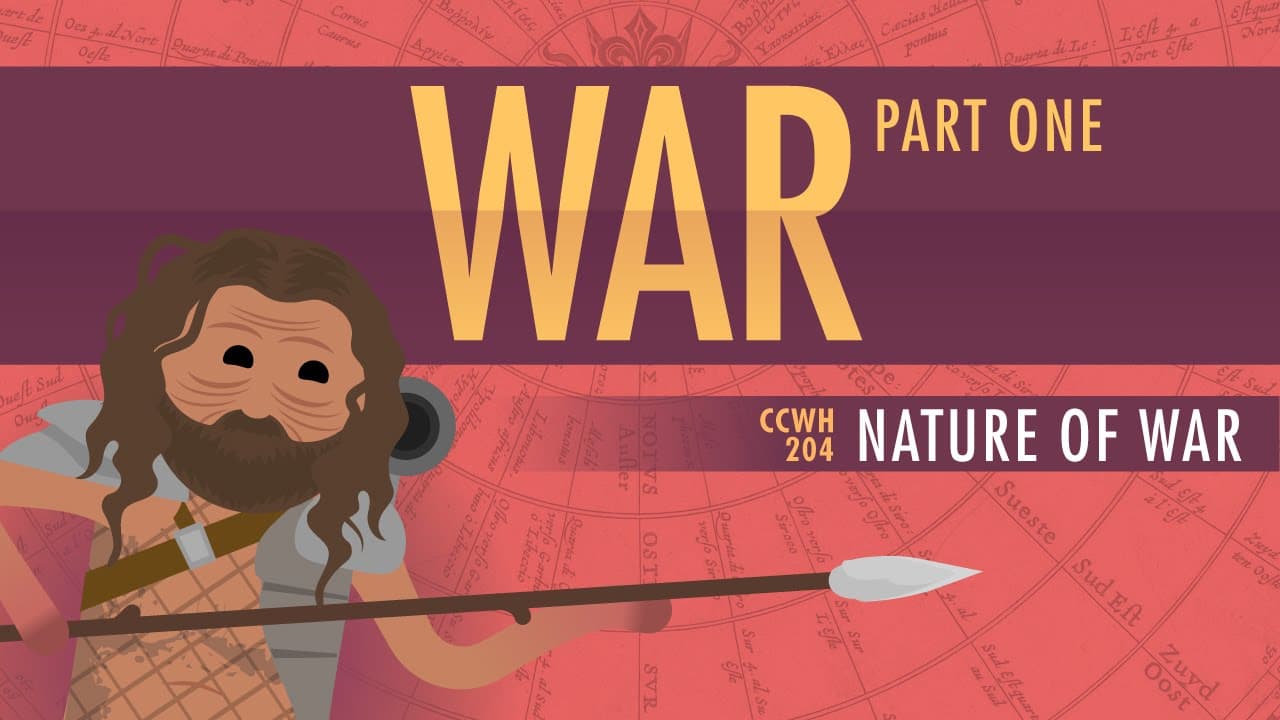
Why Humans Fight: The Evolutionary and Historical Roots of War

Why Humans Fight: The Evolutionary and Historical Roots of War

This video investigates the complex historical and philosophical question of why humans engage in war. Host John Green navigates the debate between two primary schools of thought: Thomas Hobbes's view of early human life as "nasty, brutish, and short," and Jean-Jacques Rousseau's concept of the peaceful "noble savage." The video examines anthropological evidence, archaeological findings, and evolutionary theories to determine if violence is an innate part of human nature or a cultural development. The content explores several key themes, including the distinction between biological imperatives (genes seeking to reproduce) and cultural behaviors. It delves into the role of resource scarcity—specifically food and mates—in driving early human conflict, which typically manifested as raiding rather than organized warfare. The video also touches on the psychology of soldiers, using powerful quotes from Vietnam veteran Karl Marlantes to discuss the "savage joy" and transcendence some find in combat, while balancing this with the concept of free will and the evolution of human institutions. For educators, this resource is a powerful tool to bridge history, biology, and philosophy. It challenges students to think critically about "inevitability" in history and encourages them to analyze how modern institutions have evolved to mitigate biological aggressive tendencies. It provides a nuanced look at the difference between interpersonal violence and state-sponsored war, making it an excellent launchpad for discussions on ethics, psychology, and the future of global conflict.
CrashCourseCrashCourse

10mins 37s

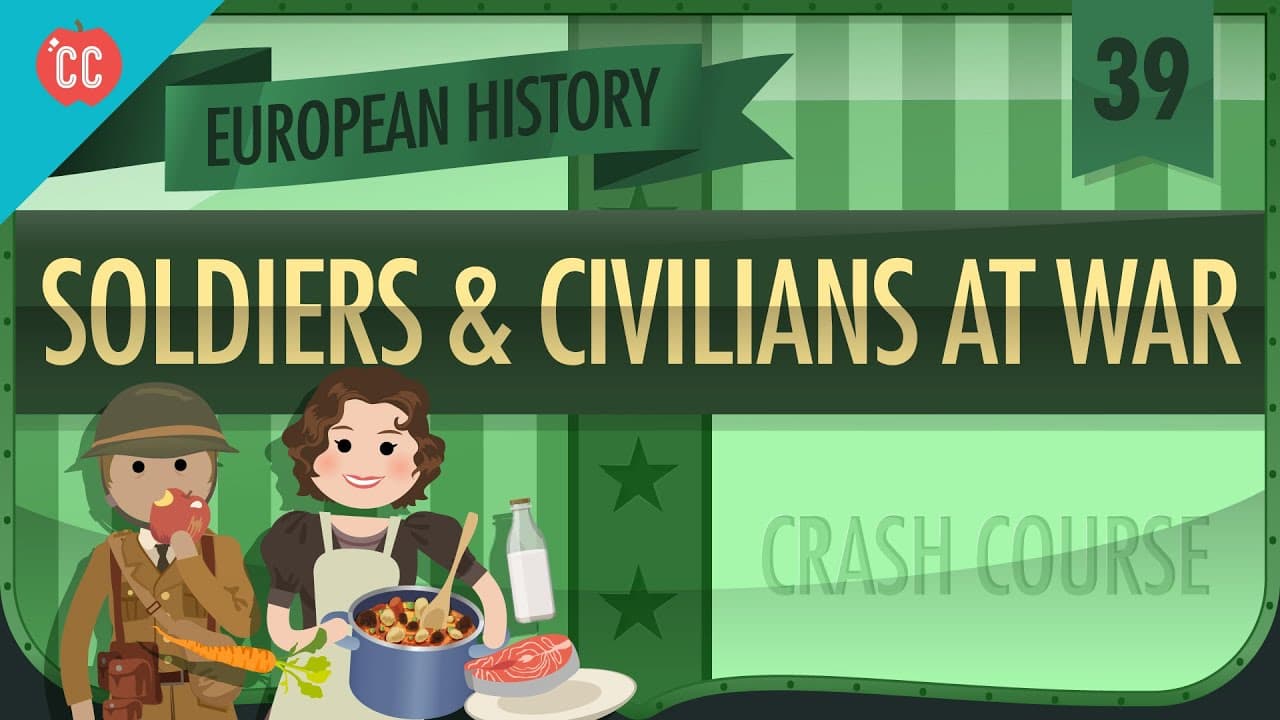
Soldiers and Civilians: The Human Experience of World War II

Soldiers and Civilians: The Human Experience of World War II

This video explores the human experience of World War II, shifting focus from generals and strategy to the daily realities of soldiers and civilians. It defines the concept of "Total War," illustrating how entire populations were mobilized and affected through rationing, conscription, and the blurring of lines between the home front and the battlefield. The host, John Green, examines the motivations that drove soldiers from different nations to fight, ranging from nationalist enthusiasm and loyalty to camaraderie and sheer survival instincts.

CrashCourseCrashCourse

14mins 25s

Materials

Leadership Theories Analytical Report

Leadership Theories Analytical Report

A six-page executive analytical report evaluating the Classical Five leadership paradigms: Trait, Behavioral, Situational, Transformational, and Transactional. The text is crafted with original, natural scholarly prose, dynamic sentence burstiness, nuanced case examples, APA 7th edition in-text citations, and structured four-sentence minimum paragraphs to ensure academic integrity and authenticity.

U

Sequences

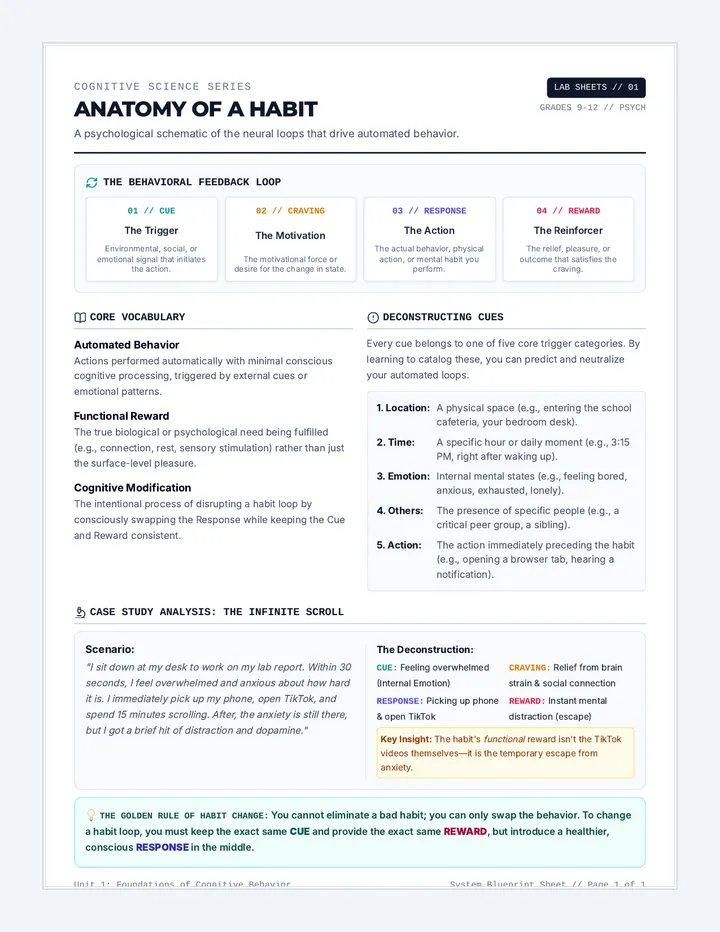
Anatomy of a Habit Guide & Vocabulary Sheet

Habit Architects

A three-part cognitive psychology series designed for Grades 9-12. Students learn the science of automation, explore how to isolate triggers and cravings, redesign unhelpful routines, and restructure their environments to make habit modification effortless.

DC

Diane Celona

19
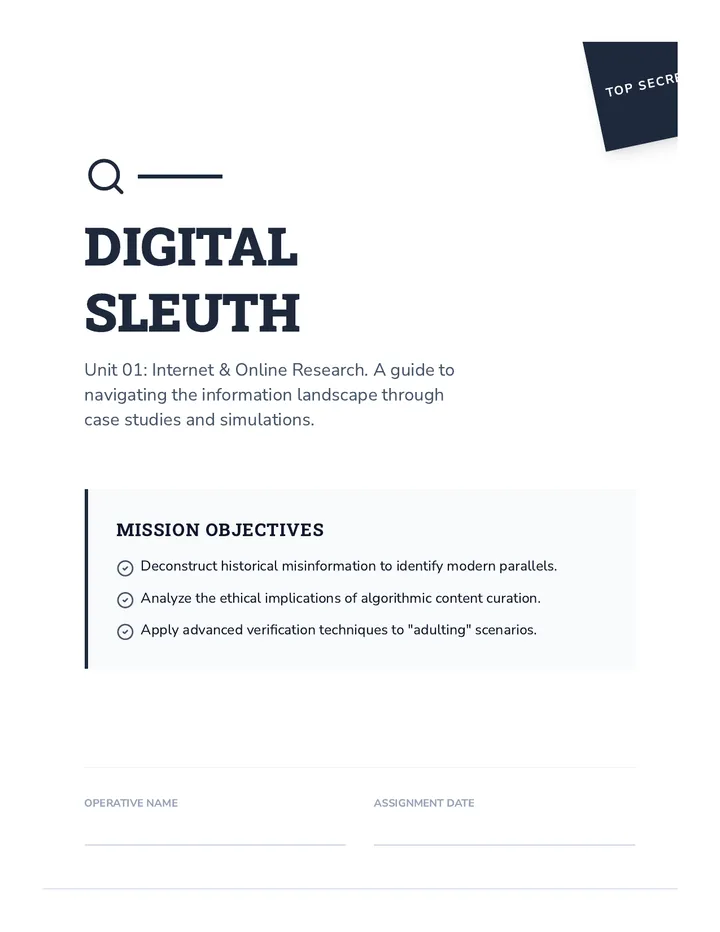
Digital Sleuth Workbook

The Citizen Dossier

A comprehensive curriculum covering financial literacy, economic principles, and civic systems through historical case studies, ethical dilemmas, and real-world simulations.

CM

carley Martin

10
Brain Blueprint Study Guide

Mind Mechanics Review

A comprehensive multi-day review sequence for psychology units on emotion, motivation, memory, and forgetting, featuring structured study aids, interactive challenges, and practice assessments.

MM

Michele Magee

6
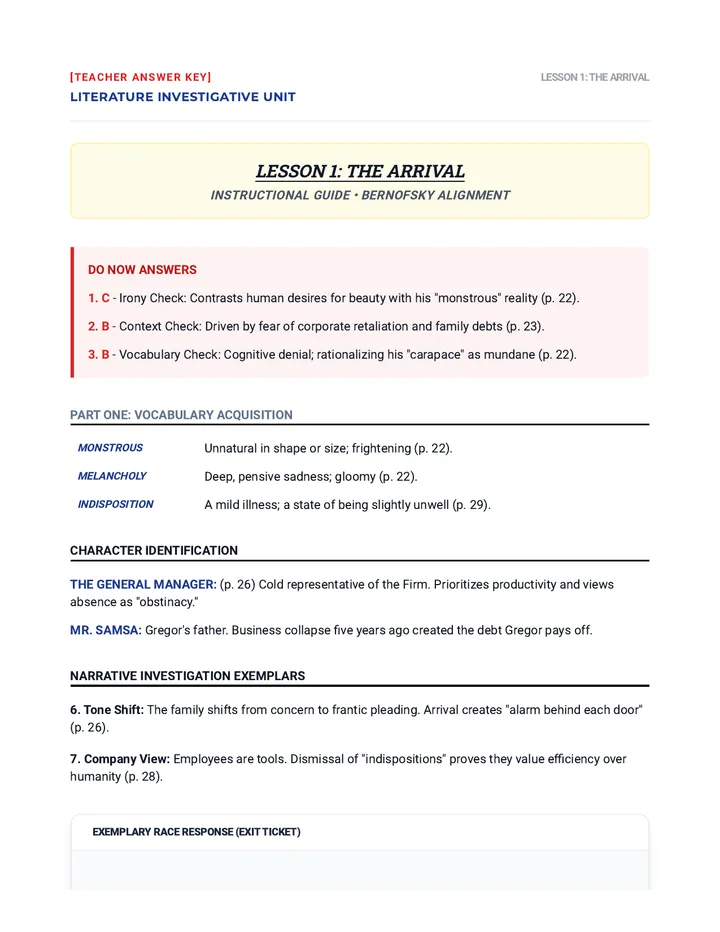
Chief Clerk Answer Key

Kafka Metamorphosis Unit

An intensive investigative unit on Franz Kafka's *The Metamorphosis* following the North Star/Uncommon Schools instructional model. The unit focuses on the thematic intersection of labor, identity, and dehumanization. Students analyze Gregor's alienation from his family and society through a structured rigorous framework including vocabulary acquisition, character identification, and thematic synthesis.

C

Ceeasia.walker

71
Ticker Tape Worksheet

Dust and Dreams

A comprehensive 5-day unit exploring the Great Depression's impact on the United States and Minnesota, focusing on economic collapse, rural hardship, urban survival, and New Deal recovery through primary source analysis.

SP

Sam Poppen

4
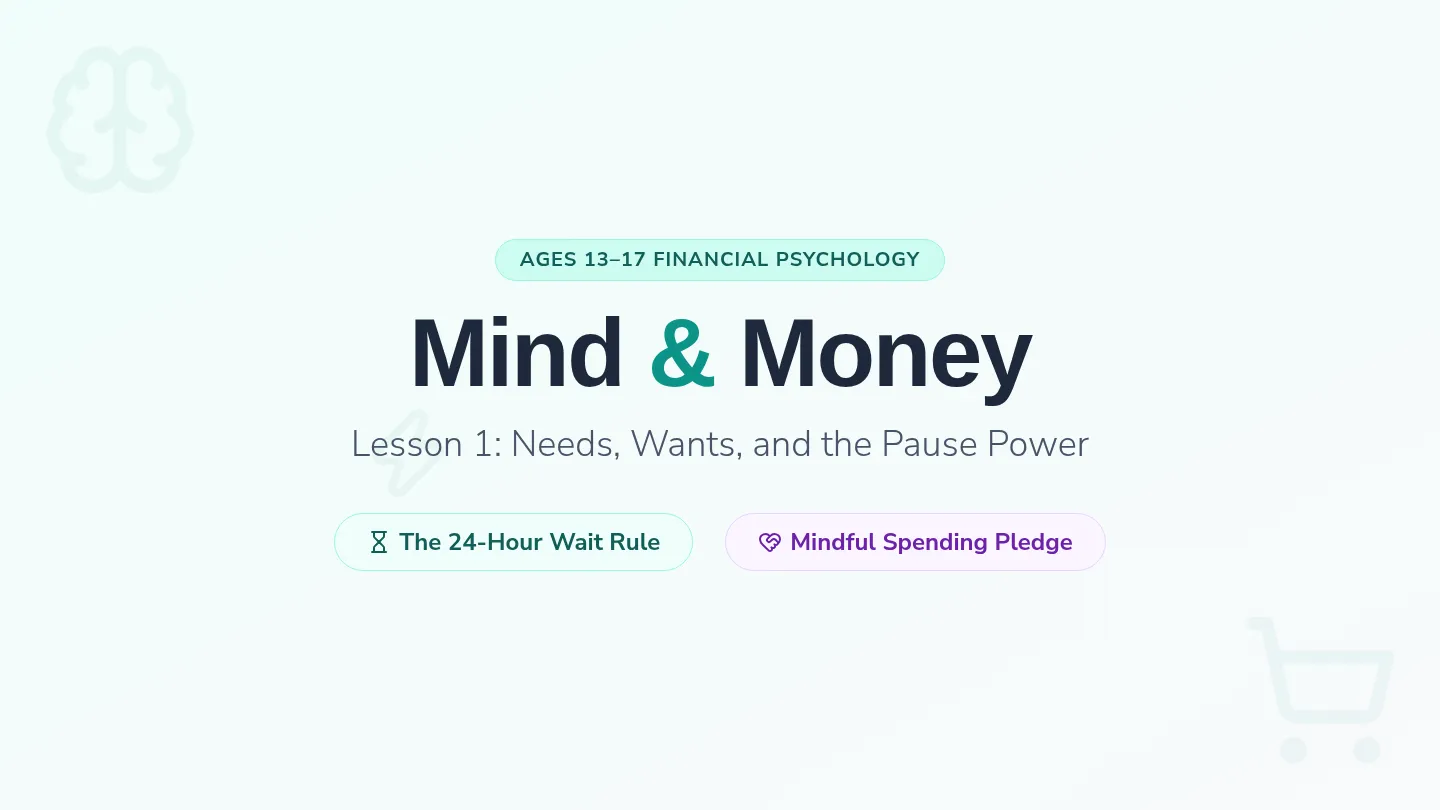
Mind and Money Lesson 1 Slides

Mind and Money

A behavioral economics sequence for 8th graders that explores the psychological triggers of spending. Students analyze Maslow's hierarchy, emotional triggers, the Diderot effect, and marketing tactics to design personal friction strategies for better impulse control.

CR

Cassia Ruby Luke A/P Rudolf Luke Anthoni

15

Lessons

Guilty Feelings Handout

The Psychology of Guilt

A deep dive into social psychology research exploring how guilt functions as a targeted social mechanism rather than a broad emotional state. Students will analyze academic text, define complex vocabulary, and evaluate the specific behavioral consequences of guilt.

AP

Alexis Paolini

8
Senses in Service Slides

Senses in Service

This lesson explores the Gurmat perspective on the five senses, moving from sensory bondage to spiritual mastery through the teachings found in the 'Slave to the Senses' discourse.

SJ

Satvinder Juss

5
Voices of Conflict Master Key

Voices of Global Conflict

A comprehensive collection of primary source analysis activities covering the major events and themes of World War II, from the rise of dictators to the dawn of the atomic age.

BB

Bridgette Burdick

4
Threshold Journeys Student Worksheet

Threshold Journeys

A Year 11 Society and Culture lesson exploring rites of passage, comparing traditional Yolngu initiation ceremonies with contemporary Western adolescent transitions using the film Yolngu Boy.

TP

Tyrone Pearce

4
Motive Markers Slides

Motive Milestones

A bright and playful exploration of motivation theories through the lens of early childhood development. Students will analyze the 'big feelings' and 'big questions' behind behavior, using primary colors and simple scenarios to master complex psychological concepts.

AL

Alissa Lopes

3
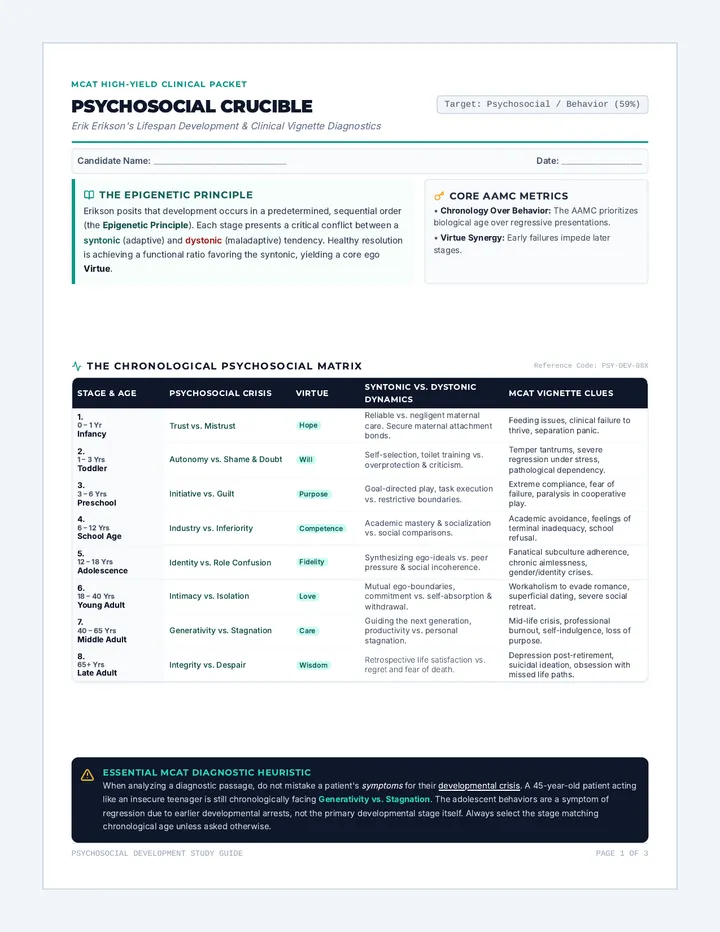
Psychosocial Crucible Study Guide

Psychosocial Crucible

A comprehensive MCAT-focused lesson covering Erik Erikson's 8 stages of psychosocial development, with a deep dive into clinical vignette analysis and board-style exam applications.

M

mo

1