Lenny.com
Explore
Create
ActivitiesNewMathEnglish Language ArtsScience & EngineeringSocial StudiesGlobal LanguagesHealth & Physical EducationSpecial EducationCounseling & Life SkillsArts & CreativityESL
Lenny.com
Lenny.com
Explore
Create
ActivitiesNewMathEnglish Language ArtsScience & EngineeringSocial StudiesGlobal LanguagesHealth & Physical EducationSpecial EducationCounseling & Life SkillsArts & CreativityESL
Lenny.com
Lenny.com

Solutions

Lenny for EducatorsLenny for SchoolsLenny for Districts

Product

ExploreSign inCreateSupportAbout

Resources

Getting startedMTSS Acceleration Program

© 2026 Lenny Learning Inc.

TermsPrivacyAccessibility
LinkedInInstagramX
Lenny

Stress and Coping

Physiological stress responses, chronic stressors, and the mechanics of the fight-or-flight system. Equips learners with evidence-based coping mechanisms including cognitive restructuring and emotional regulation.

Social StudiesSocial Studies PracticesLocation WordsMapsOrder EventsChronology and CausationEvaluating SourcesHistorical ThinkingGeography, Humans, & the EnvironmentAmerican Symbols and LandmarksCitiesStatesState CapitalsRegions of the United StatesGeographic SkillsPhysical GeographyHuman GeographyRegional GeographyGeography of AfricaGeography of AsiaGeography of EuropeGeography of OceaniaGeography of the AmericasSociety and Environment of EuropeSociety and Environment of AsiaSociety and Environment of The AmericasSociety and Environment of the Middle EastSociety and Environment of AfricaHistoryPrehistoryComparing Ancient River CivilizationsAncient MesopotamiaAncient Egypt and KushAncient South AsiaEarly ChinaGreeceRome and the Byzantine EmpireAncient World HistoryNative Peoples of North AmericaNative Peoples of Mesoamerica and South AmericaAfrican EmpiresMedieval AsiaMedieval EuropeThe Silk RoadMedieval HistoryIslamic EmpiresWorld ReligionsRenaissance PeriodAge of ExplorationThe Thirteen ColoniesThe American RevolutionUS History Early RepublicFounding of the United StatesUS History AntebellumUS Civil WarReconstruction PeriodThe Gilded AgeUS ImperialismWorld ImperialismWorld War IUS History 1920sGreat DepressionWorld War IIThe Cold WarUS History 1950-60sUS History 1960s-70sWorld History 20th CenturyContemporary US HistoryContemporary World HistoryHolidaysCivics and GovernmentCitizenshipGovernment FoundationsThe ConstitutionUS ConstitutionExecutive BranchLegislative BranchJudicial BranchState and LocalPolitical ParticipationPublic PolicyPolitical SystemsPower and AuthoritySocial MovementsDefining DevianceTheories of DevianceCrime and Criminal JusticeEconomicsBasic Economic PrinciplesSupply and DemandWhat is MoneyEconomic FundamentalsMicroeconomicsMacroeconomicsBanking and FinanceEconomic SystemsGlobal EconomicsCorporations and PowerThe Changing WorkplaceUnemployment and LaborClass and InequalitySocial MobilityGlobal InequalityPsychologyHistory of PsychologyPsychology as a ScienceBrain and Nervous SystemNeuroscience and BehaviorGenetics and BehaviorSleep and ConsciousnessSensory ProcessesPerceptual OrganizationClassical ConditioningOperant ConditioningObservational LearningCognitive LearningMemory ProcessesThinking and Problem SolvingLanguage and CognitionTheories of MotivationStress and CopingPrenatal and Infant DevelopmentChildhood DevelopmentAdolescent DevelopmentAdulthood and AgingSelf and IdentitySocial CognitionSocial InfluenceAttraction and RelationshipsGroup BehaviorPrejudice and DiscriminationAnxiety and Mood DisordersClinical PsychologyForensic PsychologyPhilosophy & EthicsIntroduction to PhilosophyMajor Philosophers & IdeasMind and Body ProblemFree Will vs DeterminismEthics & MoralityReligion & PhilosophyPolitical Philosophy

Videos

Culture and Innovation in the Interwar Years

Culture and Innovation in the Interwar Years

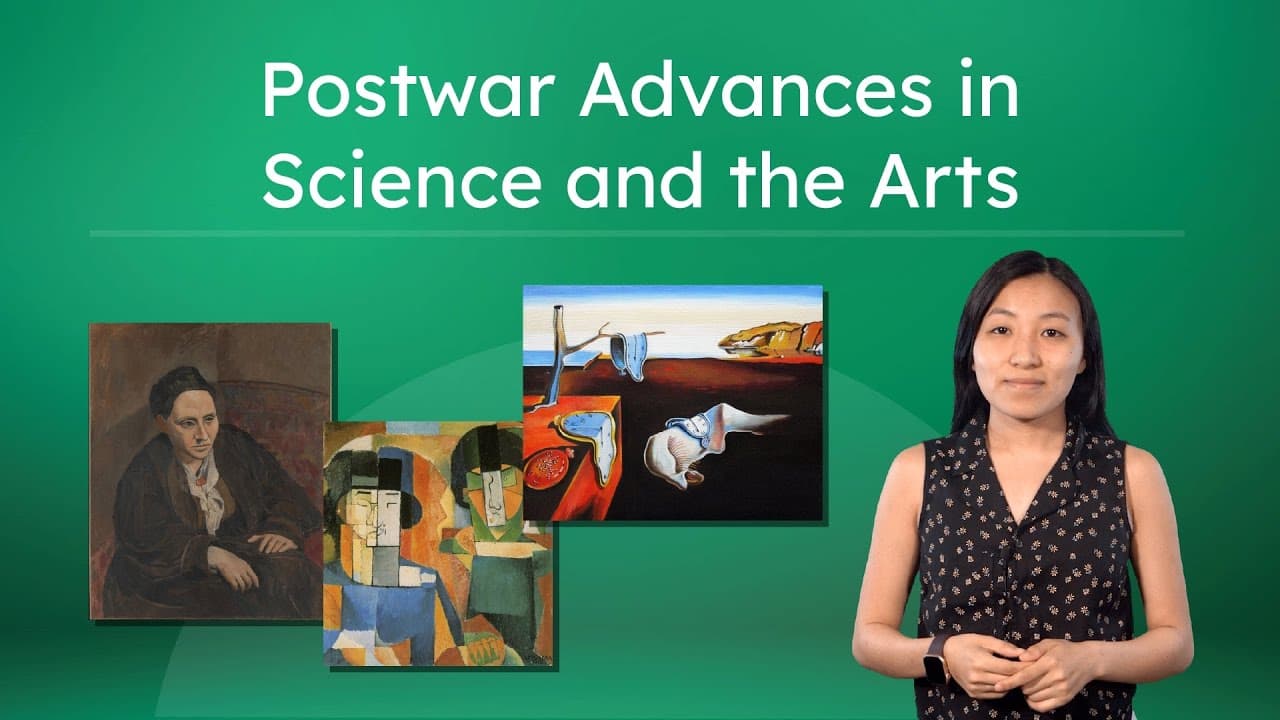
This educational video provides a comprehensive overview of the Interwar Period (roughly 1918–1939), exploring the profound shifts in art, science, and society that occurred between World War I and World War II. It begins by examining the psychological impact of the "Great War," including shell shock and the disillusionment of the "Lost Generation." The narrative then guides viewers through major artistic movements of the era, such as Cubism, Surrealism, and Art Deco, while highlighting how art was used globally—from the Harlem Renaissance to Mexican Muralism—to express identity, nationalism, and anticolonialism.

Miacademy & MiaPrep Learning ChannelMiacademy & MiaPrep Learning Channel

11mins 3s

Exploring Native Worldviews Through Humor and Reciprocity

Exploring Native Worldviews Through Humor and Reciprocity

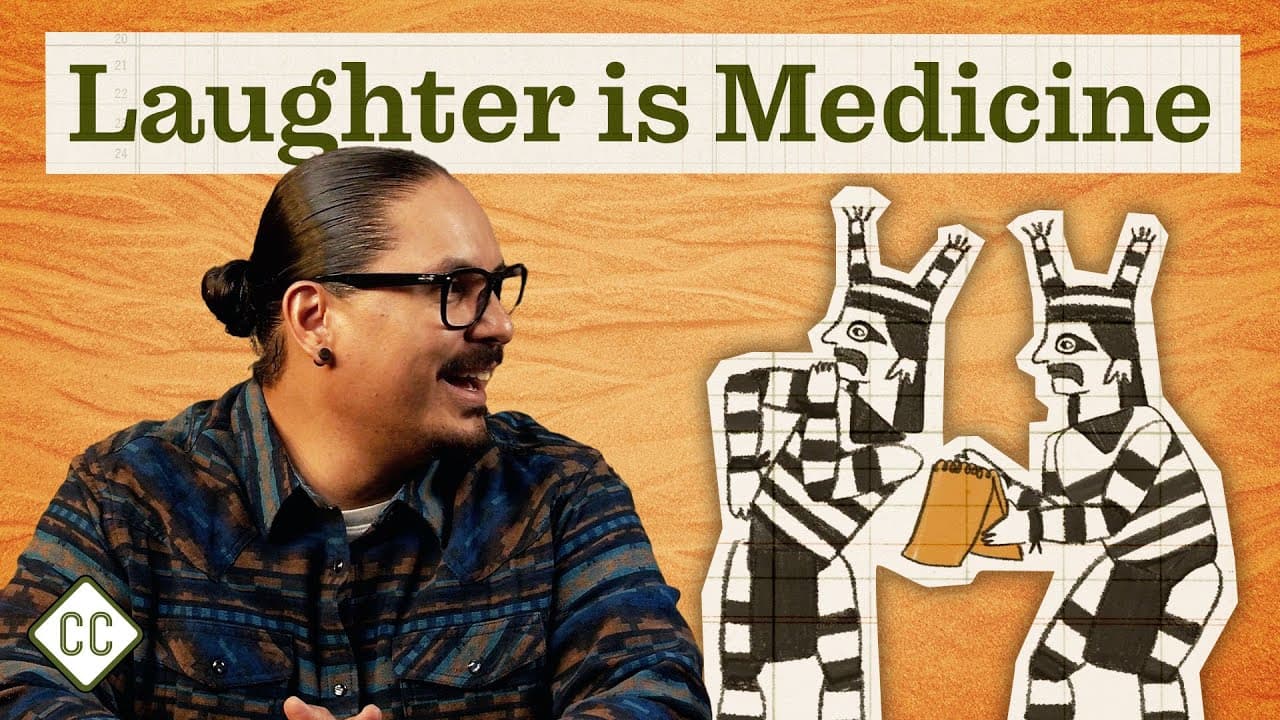
This episode of Crash Course Native American History, hosted by Che Jim, explores the foundational elements of Indigenous worldviews, challenging the pervasive stereotype of the "stoic Indian." The video argues that humor, play, and laughter are not just entertainment but are "Good Medicine"—sacred tools for healing, resilience, and community building. It examines how Native American cultures have historically used humor to cope with trauma, subvert colonial power structures, and maintain social harmony, citing examples from the sacred clowns of the Pueblo people to modern indigenous comedy troupes like the 1491s.
CrashCourseCrashCourse

11mins 11s

Sequences

Blueprint Curriculum Syllabus

Social Brain Blueprint

A comprehensive 5-part curriculum exploring social neuroscience through a macro social work lens, focusing on systemic change, practitioner wellbeing, and collective action.

DE

Dr. Erick Clinton Lear

16
G5 Ubuntu Joy Slides

Centennial Soul Sequence

A 6-lesson sequence divided by grade level (5th, 6th, and 7th), celebrating 100 years of Black history through school values. Each grade explores two distinct lessons focusing on community joy, personal excellence, and mental health advocacy.

JS

Joleen Shillingford

15
Sighet Stories Slides

Night Prelude

A two-block introductory unit for Elie Wiesel's 'Night' designed for students with ADHD and SLD, focusing on character introduction, historical context, and the psychological impact of the Holocaust through movement and tactile activities.

EC

Erin Cloutier

7
Split Line Worksheet

Cold War Chronicles

A series of four 50-minute independent assignments for 10th-grade World History, focusing on key Cold War conflicts, alliances, and the nuclear threat. Designed for sub days, these assignments use an 'intelligence archive' theme to engage students in map work, reading, and primary source analysis.

JM

Jennifer McKinney

35
Mind and Money Combined Slides

Mind and Money

A behavioral economics sequence for 8th graders that explores the psychological triggers of spending. Students analyze needs versus wants using Maslow's hierarchy and examine how emotional triggers like stress or boredom drive impulsive financial decisions.

CR

Cassia Ruby Luke A/P Rudolf Luke Anthoni

5
Ticker Tape Worksheet

Dust and Dreams

A comprehensive 5-day unit exploring the Great Depression's impact on the United States and Minnesota, focusing on economic collapse, rural hardship, urban survival, and New Deal recovery through primary source analysis.

SP

Sam Poppen

4

Lessons

Blackbeard Legends Worksheet A

Pirates of Carolina

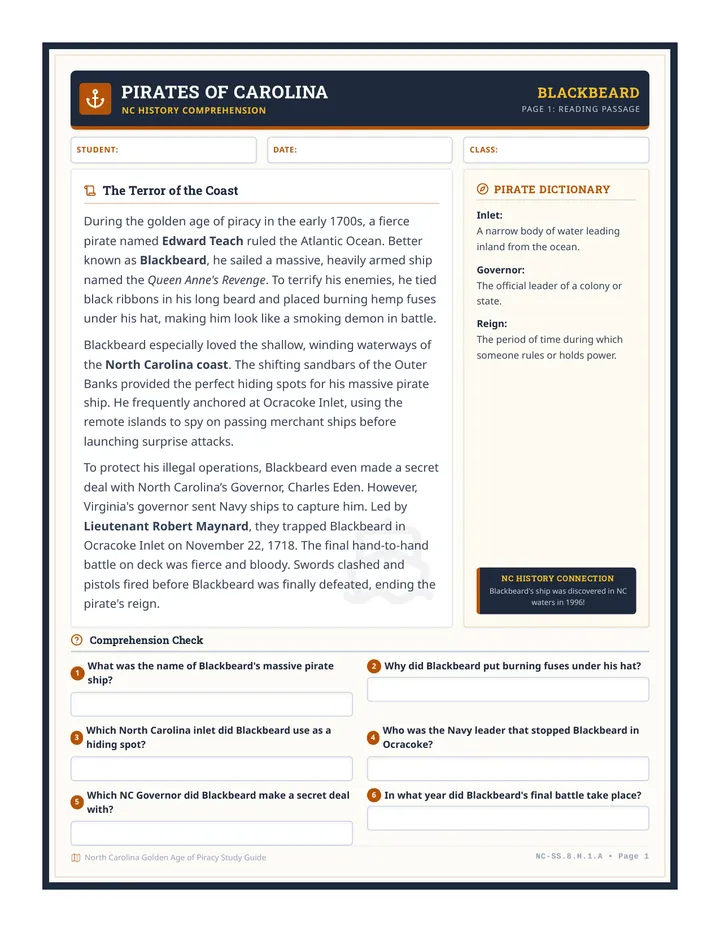
This lesson features differentiated reading comprehension worksheets about Blackbeard the Pirate along the North Carolina coast. Tailored for middle school special education students, it provides 2nd-grade and 5th-grade level texts in visually identical layouts to preserve student dignity.

KS

Kathleen Suther

11
Psych U2 LE2 Slides

Psych U2 LE2

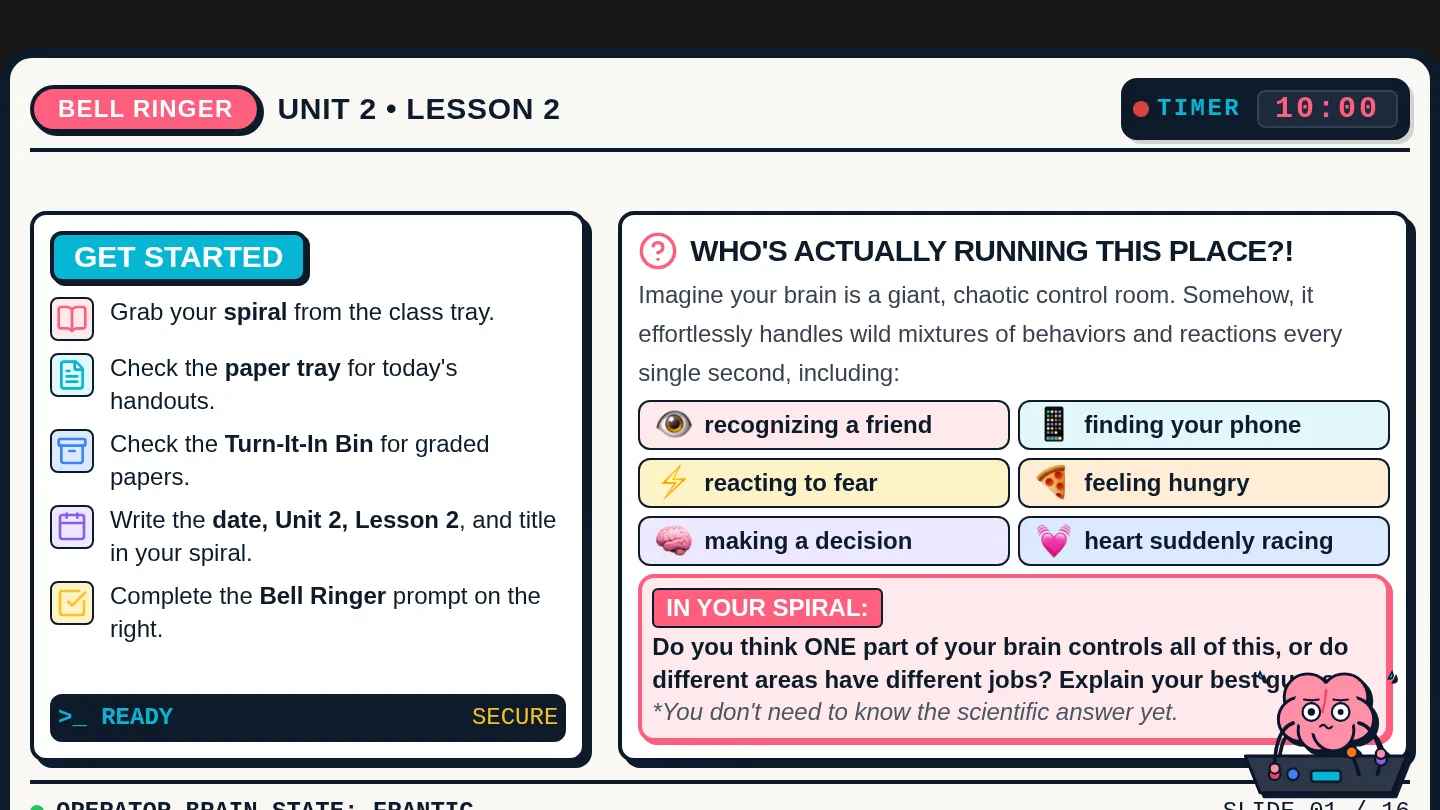
An introductory lesson that frames the brain, body chemistry, and behavior as an active control room operated by a busy supervisor. Covers how different areas divide the workload, how messages are sent, and what happens during malfunctions.

AC

Amanda Cummings

1
Voices of Conflict Master Key

Voices of Global Conflict

A comprehensive collection of primary source analysis activities covering the major events and themes of World War II, from the rise of dictators to the dawn of the atomic age.

BB

Bridgette Burdick

4
Survival Ledger Worksheet

Survival Shadows

A guided review of chapters 9-13 of Prisoner B-3087, focusing on Yanek's transition to Plaszów Concentration Camp, the theme of survival, and the loss of identity.

EM

Erin Mawhinney

4
Shadow Lore Slides

Whispered Truths

An introductory lesson on urban legends, covering their definition, key characteristics, and famous examples, followed by student analysis and discussion.

S

swingo

3
Witness Evidence Chart

Witnessing Night

This lesson explores Elie Wiesel's Night, focusing on evidence-based analysis of key themes including transformation, faith, and the psychological impact of the Holocaust.

K

kyle.hill

13