Lenny.com
Explore
Create
ActivitiesNewMathEnglish Language ArtsScience & EngineeringSocial StudiesGlobal LanguagesHealth & Physical EducationSpecial EducationCounseling & Life SkillsArts & CreativityESL
Lenny.com
Lenny.com
Explore
Create
ActivitiesNewMathEnglish Language ArtsScience & EngineeringSocial StudiesGlobal LanguagesHealth & Physical EducationSpecial EducationCounseling & Life SkillsArts & CreativityESL
Lenny.com
Social StudiesSocial Studies PracticesLocation WordsMapsOrder EventsChronology and CausationEvaluating SourcesHistorical ThinkingGeography, Humans, & the EnvironmentAmerican Symbols and LandmarksCitiesStatesState CapitalsRegions of the United StatesGeographic SkillsPhysical GeographyHuman GeographyRegional GeographyGeography of AfricaGeography of AsiaGeography of EuropeGeography of OceaniaGeography of the AmericasSociety and Environment of EuropeSociety and Environment of AsiaSociety and Environment of The AmericasSociety and Environment of the Middle EastSociety and Environment of AfricaHistoryPrehistoryComparing Ancient River CivilizationsAncient MesopotamiaAncient Egypt and KushAncient South AsiaEarly ChinaGreeceRome and the Byzantine EmpireAncient World HistoryNative Peoples of North AmericaNative Peoples of Mesoamerica and South AmericaAfrican EmpiresMedieval AsiaMedieval EuropeThe Silk RoadMedieval HistoryIslamic EmpiresWorld ReligionsRenaissance PeriodAge of ExplorationThe Thirteen ColoniesThe American RevolutionUS History Early RepublicFounding of the United StatesUS History AntebellumUS Civil WarReconstruction PeriodThe Gilded AgeUS ImperialismWorld ImperialismWorld War IUS History 1920sGreat DepressionWorld War IIThe Cold WarUS History 1950-60sUS History 1960s-70sWorld History 20th CenturyContemporary US HistoryContemporary World HistoryHolidaysCivics and GovernmentCitizenshipGovernment FoundationsThe ConstitutionUS ConstitutionExecutive BranchLegislative BranchJudicial BranchState and LocalPolitical ParticipationPublic PolicyPolitical SystemsPower and AuthoritySocial MovementsDefining DevianceTheories of DevianceCrime and Criminal JusticeEconomicsBasic Economic PrinciplesSupply and DemandWhat is MoneyEconomic FundamentalsMicroeconomicsMacroeconomicsBanking and FinanceEconomic SystemsGlobal EconomicsCorporations and PowerThe Changing WorkplaceUnemployment and LaborClass and InequalitySocial MobilityGlobal InequalityPsychologyHistory of PsychologyPsychology as a ScienceBrain and Nervous SystemNeuroscience and BehaviorGenetics and BehaviorSleep and ConsciousnessSensory ProcessesPerceptual OrganizationClassical ConditioningOperant ConditioningObservational LearningCognitive LearningMemory ProcessesThinking and Problem SolvingLanguage and CognitionTheories of MotivationStress and CopingPrenatal and Infant DevelopmentChildhood DevelopmentAdolescent DevelopmentAdulthood and AgingSelf and IdentitySocial CognitionSocial InfluenceAttraction and RelationshipsGroup BehaviorPrejudice and DiscriminationAnxiety and Mood DisordersClinical PsychologyForensic PsychologyPhilosophy & EthicsIntroduction to PhilosophyMajor Philosophers & IdeasMind and Body ProblemFree Will vs DeterminismEthics & MoralityReligion & PhilosophyPolitical Philosophy
Lenny.com

Solutions

Lenny for EducatorsLenny for SchoolsLenny for Districts

Product

ExploreSign inCreateSupportAbout

Resources

Getting startedMTSS Acceleration Program

© 2026 Lenny Learning Inc.

TermsPrivacyAccessibility
LinkedInInstagramX
Lenny

American Symbols and Landmarks

National symbols like the flag and bald eagle alongside historical landmarks such as the Statue of Liberty. Examines their origins and significance to American identity.

Videos

Exploring the US States and Capitals by Region

Exploring the US States and Capitals by Region

This educational video provides a comprehensive overview of the United States geography, breaking down the country into four major regions: the Northeast, Midwest, South, and West. Hosted by Kylie from Miacademy, the lesson guides viewers through all 50 states, identifying each state's location on the map and its capital city. Beyond simple memorization, the video introduces key geographical concepts such as how regions are defined by shared culture, climate, and history. Throughout the tour, the video highlights significant landmarks and interesting facts to help students retain information. Viewers learn about Mount Washington in the Northeast, the agricultural significance of the Midwest, the cultural musical roots of the South, and the diverse landscapes of the West, from Alaska's mountains to Hawaii's islands. It specifically addresses common points of confusion, such as the difference between Washington state and Washington D.C., and clarifies that New York City is not the capital of New York. This resource is highly valuable for elementary social studies classrooms as a foundational tool for U.S. geography units. Teachers can use it to introduce the concept of regionalism, practice map skills, or as a review tool for state capitals. The clear visual maps and distinct categorization make a large topic manageable, allowing for segmented viewing where classes can focus on one region at a time for deeper study.

Miacademy & MiaPrep Learning ChannelMiacademy & MiaPrep Learning Channel

8mins 2s

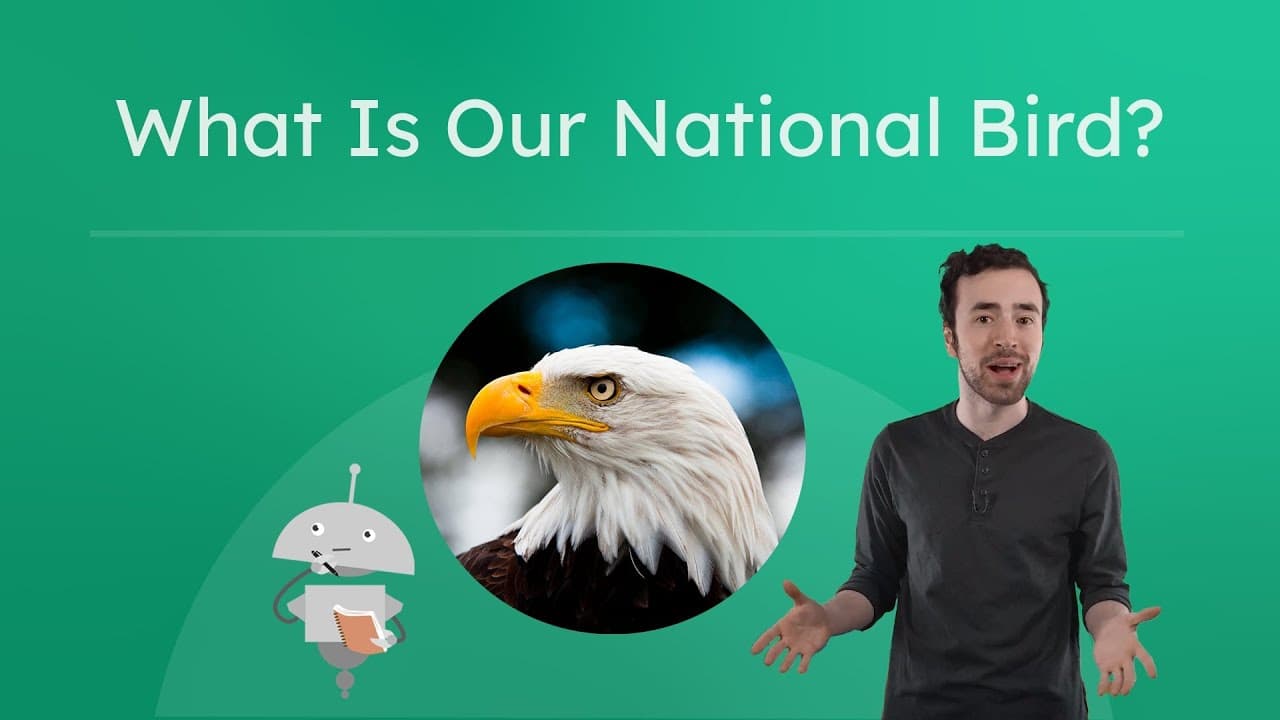
The Bald Eagle: America's Symbol of Strength and Freedom

The Bald Eagle: America's Symbol of Strength and Freedom

This educational video introduces young learners to the Bald Eagle as a primary national symbol of the United States. Hosted in a friendly "Clubhouse" setting, the video bridges the gap between science and social studies by explaining how the eagle's physical characteristics—such as its immense strength, keen eyesight, and impressive wingspan—make it a fitting representation of American values like freedom and power. It also defines what a "symbol" is, referencing previous lessons to build continuity. The content covers a wide range of topics including the geographical habitat of the Bald Eagle (exclusive to North America), the etymology of its name, and its significance in Native American cultures. A major portion of the video is dedicated to decoding the Great Seal of the United States, breaking down the specific meanings behind the olive branch, arrows, and the eagle's gaze. The video concludes with a segment featuring community helpers explaining what the eagle symbolizes to them personally. For educators, this video serves as an excellent anchor for units on American symbols, civics, and introductory geography. It provides concrete examples for abstract concepts like "symbolism" and "representation." The interdisciplinary nature allows teachers to connect social studies standards with science facts, while the "Mia on the Move" segment encourages social-emotional learning by linking national symbols to personal character traits like bravery and determination.

Miacademy & MiaPrep Learning ChannelMiacademy & MiaPrep Learning Channel

8mins 7s

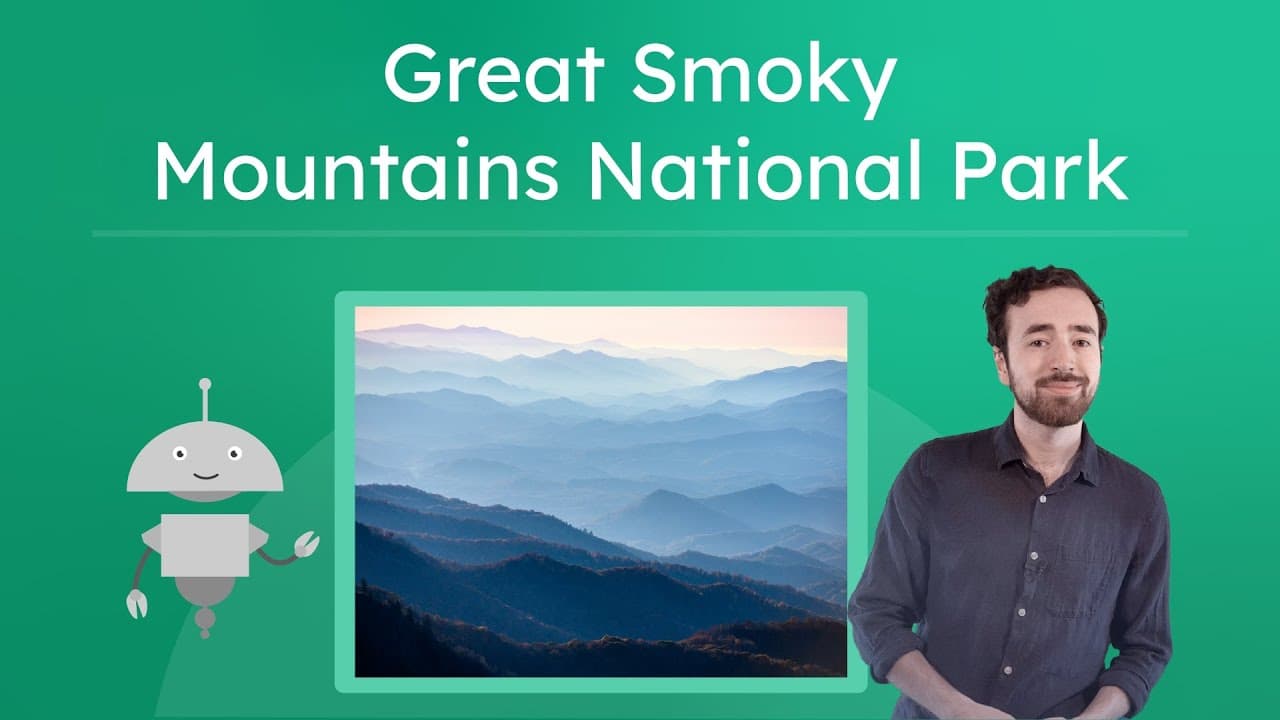
Exploring the History and Nature of the Great Smoky Mountains

Exploring the History and Nature of the Great Smoky Mountains

This engaging educational video explores the history, geography, and biodiversity of the Great Smoky Mountains National Park. Hosted by Justin, the video takes students on a virtual tour of America's most visited national park, explaining its location along the Tennessee-North Carolina border and its geological connection to the Appalachian Mountains. It covers the park's establishment in 1940, detailing the unique grassroots fundraising efforts involving school children that helped make the park a reality. The content highlights the park's incredible biodiversity, including its reputation as the "Salamander Capital of the World," its population of black bears, and the rare phenomenon of synchronous fireflies. It also delves into the human history of the region, featuring preserved log cabins, churches, and the fascinating story of the Walker Sisters, who refused to leave their family farm when the park was created and lived out their days within its borders. For educators, this video serves as a versatile tool for teaching social studies, geography, and environmental science. It illustrates key concepts such as conservation, eminent domain (through the Walker Sisters' story), ecosystems, and civic engagement. The video helps students understand the value of national parks as public resources protected for future generations and connects natural history with cultural heritage.

Miacademy & MiaPrep Learning ChannelMiacademy & MiaPrep Learning Channel

14mins 7s

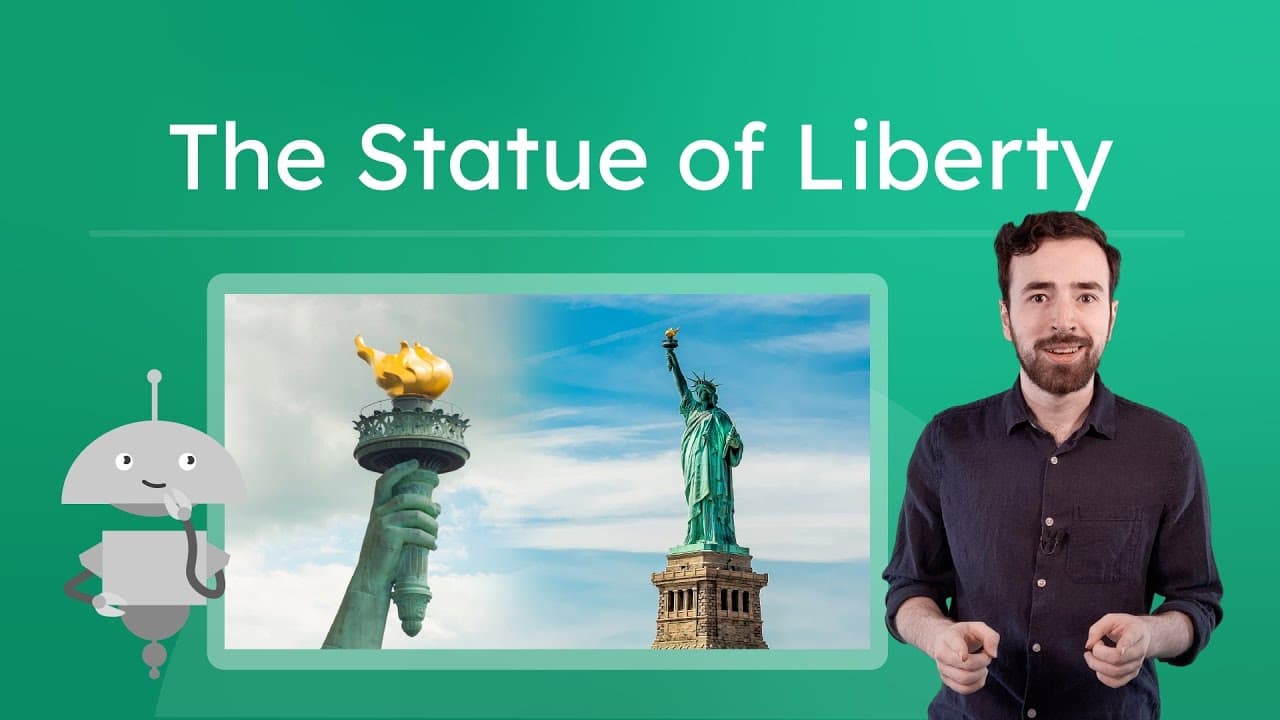
The History and Secrets of the Statue of Liberty

The History and Secrets of the Statue of Liberty

This engaging educational video explores the fascinating history, engineering, and symbolism behind the Statue of Liberty. It begins with a humorous skit introducing Emma Lazarus's famous poem, "The New Colossus," before diving into the statue's origins as a gift from France. The video details the collaborative effort between French artist Frédéric-Auguste Bartholdi and engineer Gustave Eiffel, explaining how the massive structure was designed, built, and transported across the ocean. The narrative covers the financial challenges faced during the project and how ordinary citizens, including schoolchildren, helped fund the pedestal. It breaks down the specific symbolism of the statue's features—such as the seven rays of the crown representing the seven continents and seas—and explains the scientific process of oxidation that turned the copper statue green. The video also highlights key historical events, including the statue's dedication in 1886 and repairs following World War I. Ideally suited for elementary and middle school social studies classes, this video provides a comprehensive look at one of America's most enduring symbols. Teachers can use it to support lessons on U.S. history, immigration, national landmarks, and even basic chemistry concepts. The inclusion of interactive quiz questions and fun facts about the statue's size makes it an excellent tool for sparking student engagement and discussion.

Miacademy & MiaPrep Learning ChannelMiacademy & MiaPrep Learning Channel

16mins 34s

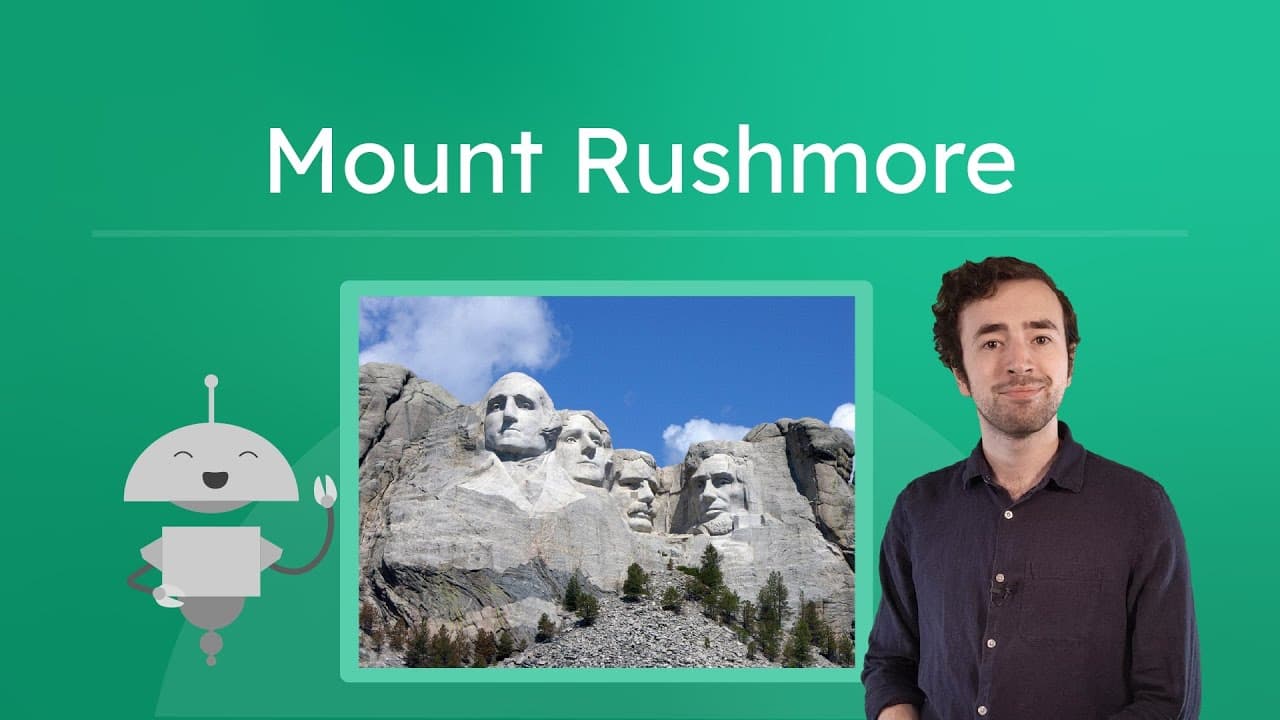
Exploring the History and Secrets of Mount Rushmore

Exploring the History and Secrets of Mount Rushmore

This engaging educational video explores the fascinating history, construction, and significance of Mount Rushmore National Memorial. The narrator takes viewers on a journey to the Black Hills of South Dakota to explain not only who is carved into the mountain but also the incredible engineering feats required to create it. From the original concept intended to attract tourists to the specific reasons why George Washington, Thomas Jefferson, Abraham Lincoln, and Theodore Roosevelt were chosen, the video provides a comprehensive look at this iconic American landmark. The content covers several key themes, including U.S. history and geography, the engineering challenges of carving a mountain, and the cultural complexity of the site. It addresses the naming of the mountain after a New York lawyer, the use of dynamite and the "honeycomb technique" for carving, and the existence of a secret "Hall of Records" behind Lincoln's head. Crucially, the video also presents the perspective of the Lakota Sioux, explaining the sacred nature of the Black Hills and introducing the nearby Crazy Horse Memorial as a counter-monument commissioned by Chief Standing Bear. For educators, this video is a versatile tool for social studies and history classrooms. It moves beyond simple facts to discuss symbolism, historical perspectives, and engineering. Teachers can use it to spark discussions about how we choose to honor history, the technical difficulties of large-scale art, and the importance of understanding multiple cultural viewpoints regarding historical sites. It serves as an excellent launchpad for lessons on the U.S. Presidents, westward expansion, or the preservation of natural and historical spaces.
Miacademy & MiaPrep Learning ChannelMiacademy & MiaPrep Learning Channel

17mins 53s

Materials

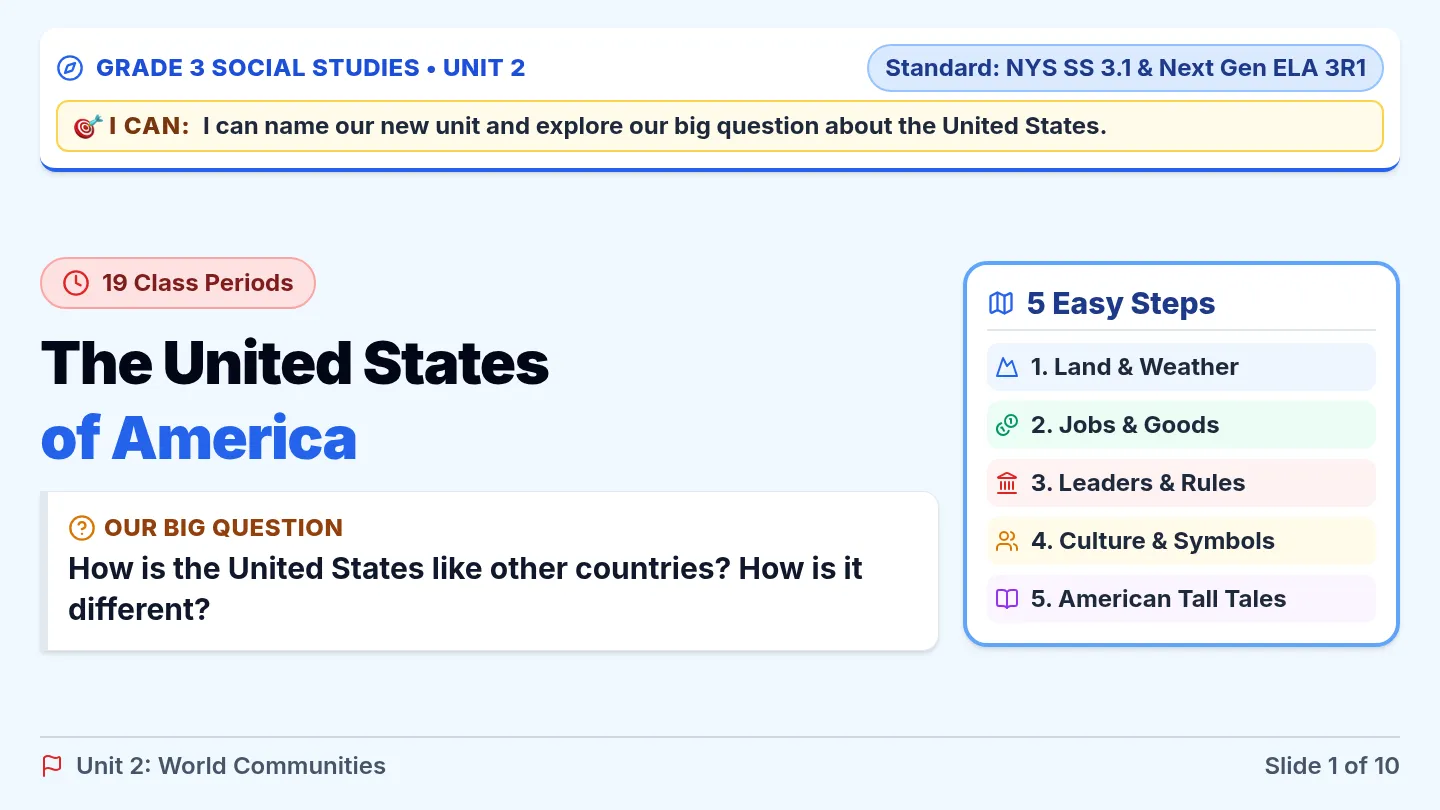
United States Unit Slides

United States Unit Slides

A bright, high-contrast 10-slide Social Studies presentation for Unit 2 designed specifically for students with disabilities (SWD). Features simplified chunked language, prominent "I can" objectives, clear grade standards, vivid icons, and high-legibility visual organizers.

ML

Mrs Lindor

Sequences

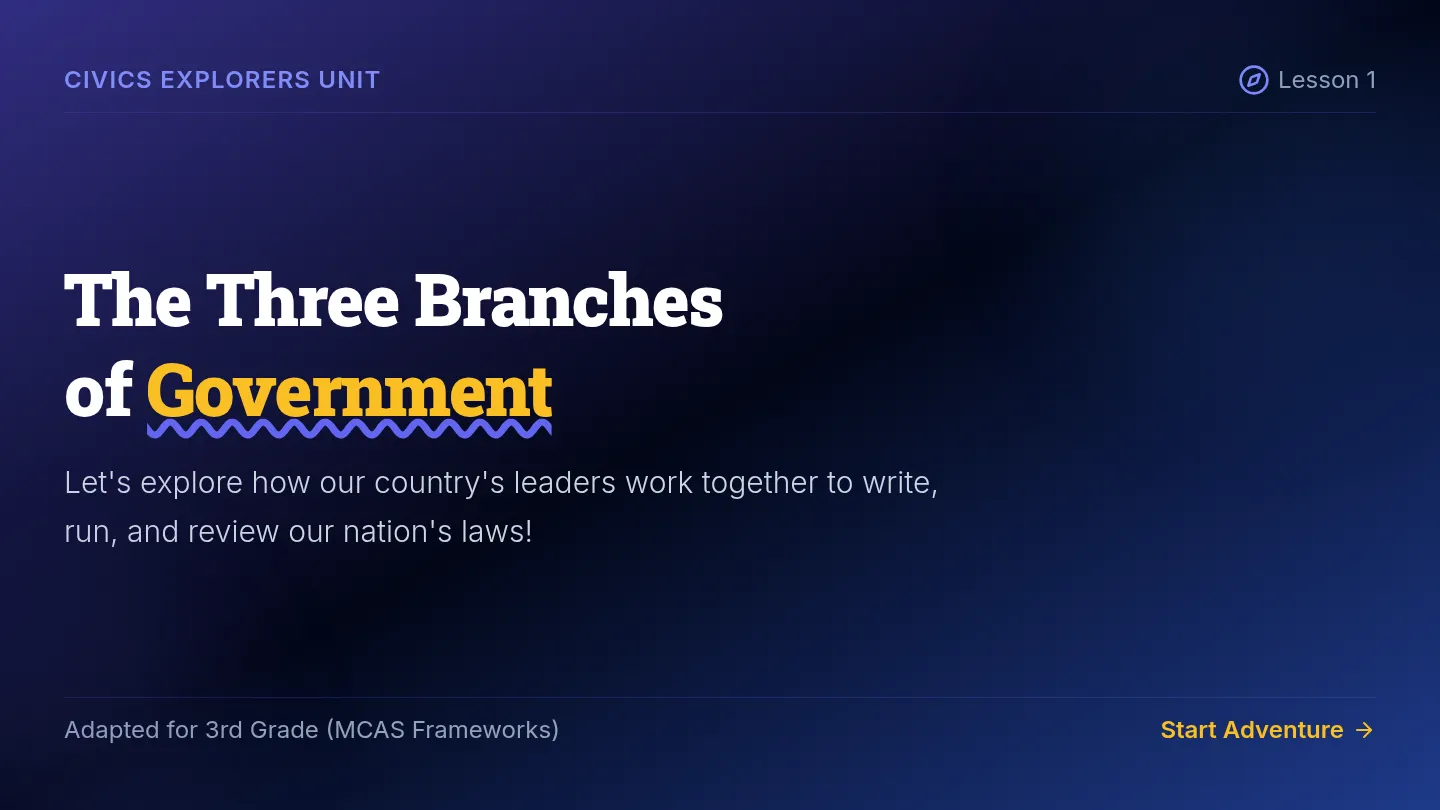
Three Branches Slides

Civics and Geography Explorers

An adapted social studies unit combining middle school MCAS Geography and Civics frameworks with supportive, highly visual 3rd-grade level learning materials. Includes simplified reading passages, interactive slides, scaffolded worksheets, and modified assessments.

C

caluongo

12
Granite and Greenery Slides

Northeast Navigator

A 5-day unit exploring the Northeastern United States, covering its unique geography and climate, the rich history of the Wampanoag, Abenaki, and Iroquois nations, and the vibrant modern culture of its eleven states.

KM

Kristin McCoy

10
North America Reader Worksheet

Continent Quest

A comprehensive series of reading and comprehension activities covering each of the seven continents, designed for second-grade students to build global awareness.

JK

Juli Kibbe

15
Community Compass Curriculum Map

Community Compass

A comprehensive 30-week social studies curriculum focusing on citizenship, geography, economics, history, and civic action through multi-sensory hands-on projects, visual communication supports, and tiered learning scaffolds.

JE

jenn edwards

21
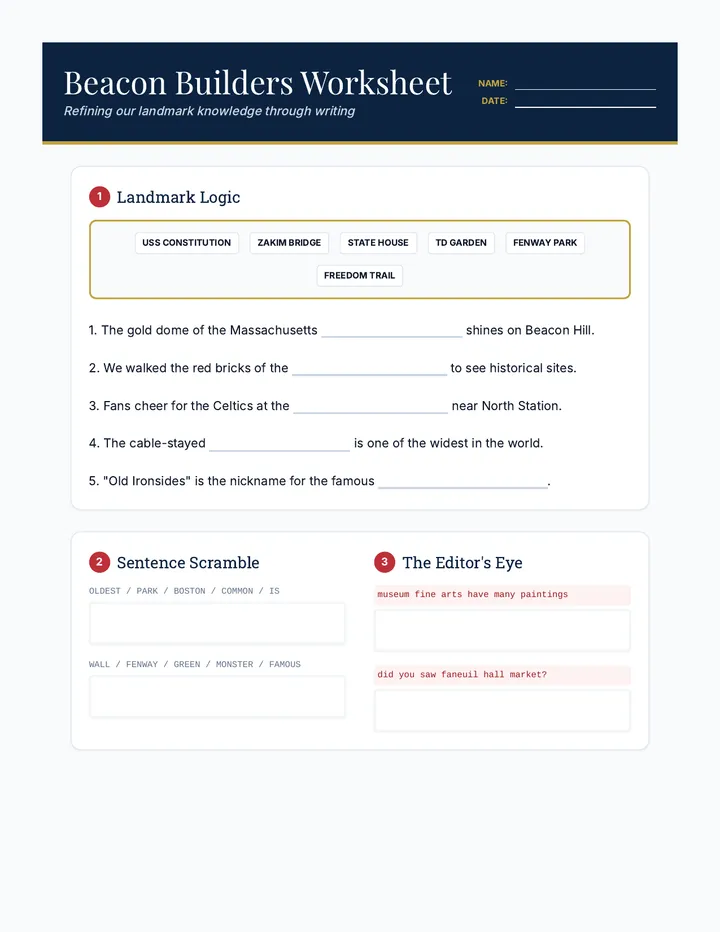
Beacon Builders Worksheet

Boston Beacons

An exploration of Boston's historical and modern landmarks, helping students connect with the city's rich heritage and contemporary culture.

A

amy_oshea

7
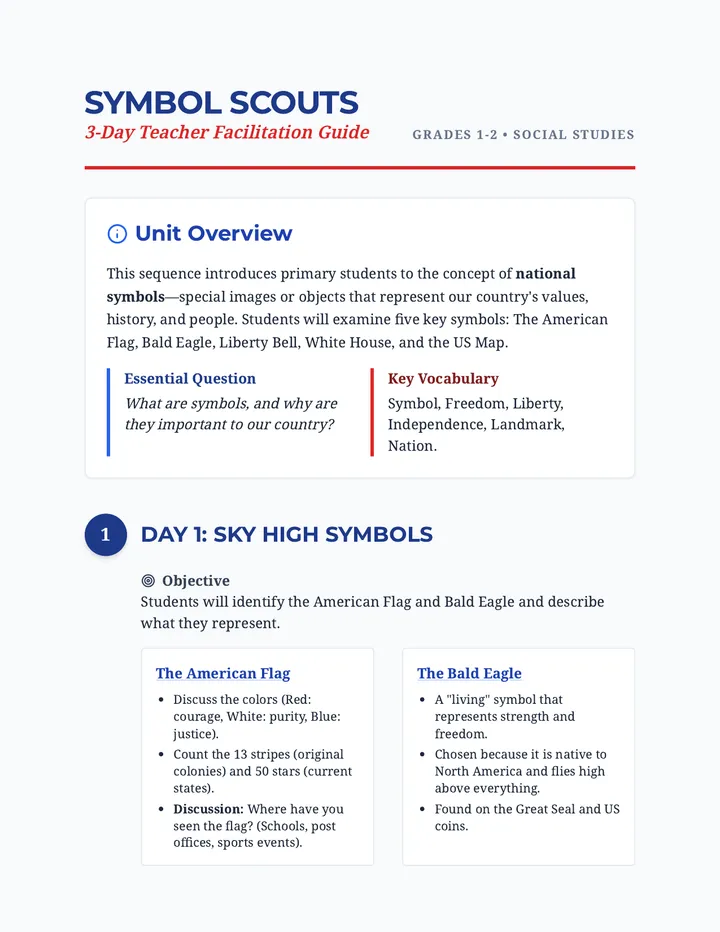
Symbol Scouts Teacher Guide

Symbol Scouts

A 3-day exploration of iconic US symbols designed for 1st and 2nd grade students, featuring the American Flag, Bald Eagle, Liberty Bell, White House, and the US Map.

HC

Heather Cortez

7

Lessons

Animal Tools Worksheet

Fact Finder Challenge

A comprehensive reading comprehension lesson focusing on RI.1, RI.2, RI.3, and RI.4 standards through the lenses of Animal Adaptations and the Three Branches of Government.

DG

Debra Golden

12
Showdown Student Sheets

Grade School Showdown

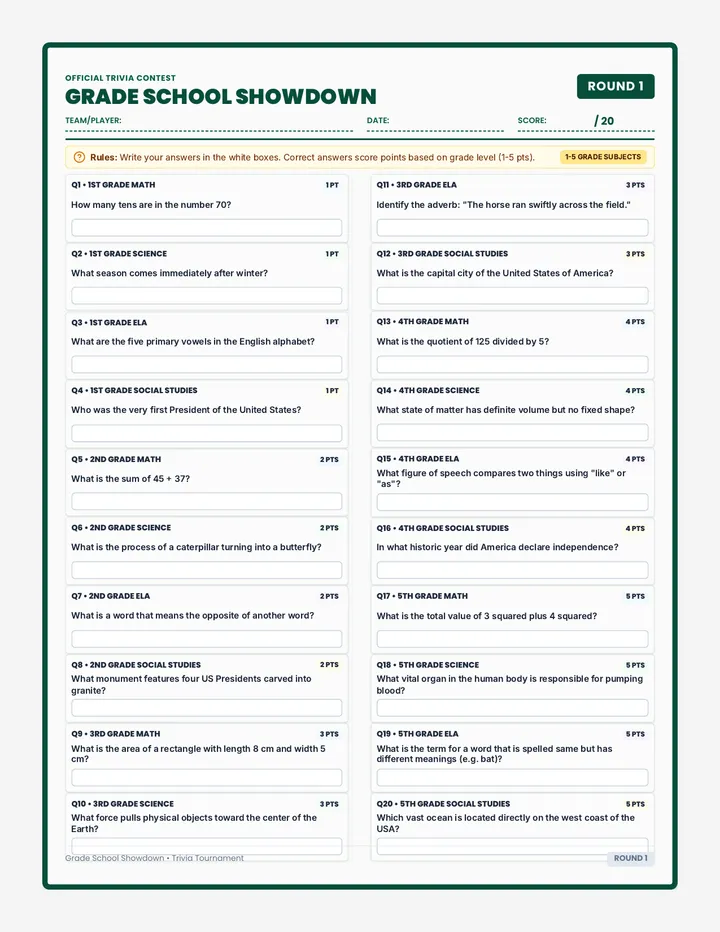
An engaging academic trivia game based on "Are You Smarter Than a 5th Grader?". Includes five comprehensive rounds of questions across five grade levels, complete with an interactive presentation, a print-ready student booklet, and a teacher's answer guide.

MR

Melissa Ramirez

3
Stars and Spirit Reading Passage

Pride and Symbols

A lesson exploring the symbols, landmarks, and holidays that represent American pride and the diverse people who make up the nation.

KB

Krista Bodkin

4
Bedford Tales Worksheet

Bedford History Exploration

A lesson about the history and landmarks of Bedford, Massachusetts, featuring a simplified story with visual supports and a comprehension assessment.

J

john_glynn

2
Stone Giants Slides

Stone Giants

A lesson exploring the history, creation, and significance of Mount Rushmore, focusing on the four presidents depicted and the sculptor Gutzon Borglum.

DG

Diana Gordon

3
Honest Abe Teacher Guide

Honest Abes Journey

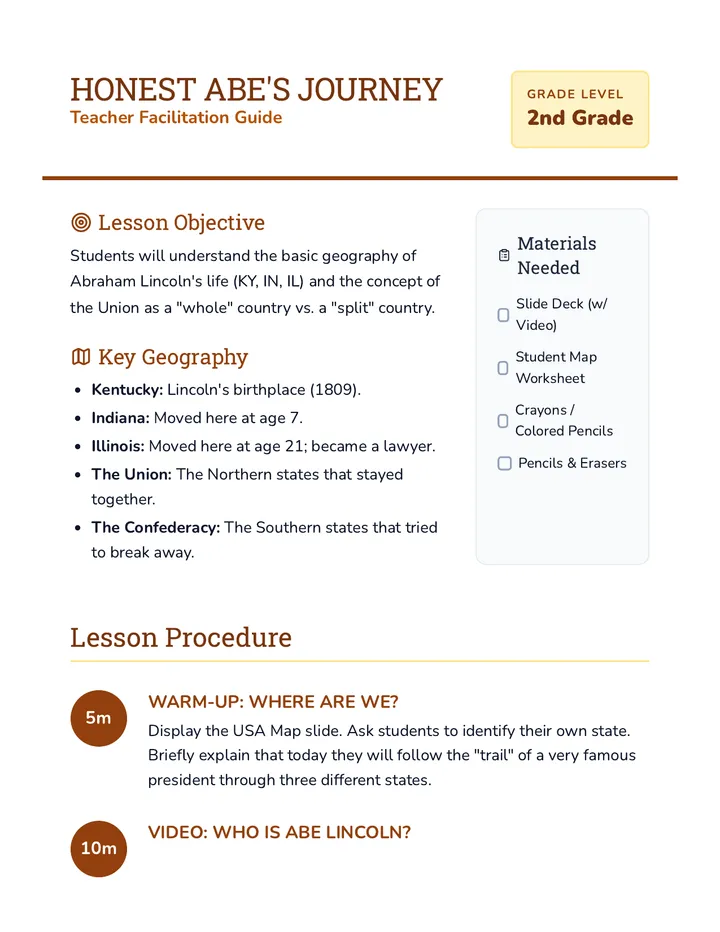
A 2nd-grade social studies lesson exploring the life of Abraham Lincoln, focusing on his geographic journey from Kentucky to Illinois and his leadership during the Civil War to keep the Union together.

4