Parametric modeling, 3D sketching, and technical drawing techniques for product development. Incorporates AI-driven generative design and simulation to optimize structural integrity and manufacturing workflows.
A printable student questionnaire for reflecting on a 3-D design teamwork project, featuring a 1-5 star rating scale for personal effort and open-ended sections with writing lines for collaboration feedback and future team project ideas.
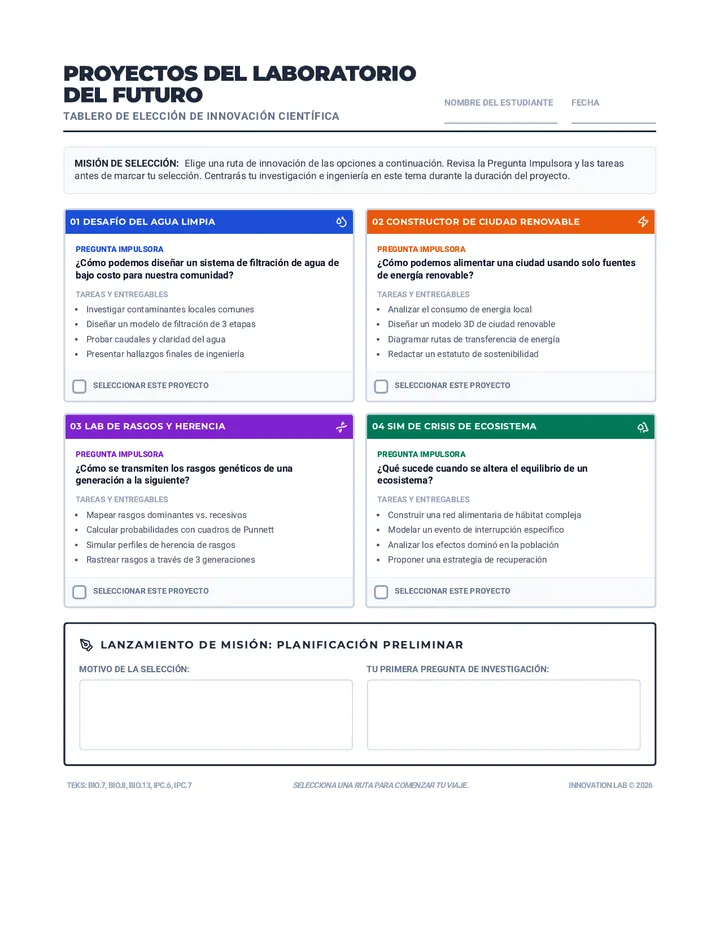
A highly compact, single-page student project choice board featuring four science PBL tracks. Optimized for print with a clear 2x2 grid, mission briefs, and a side-by-side planning area for efficient space usage.
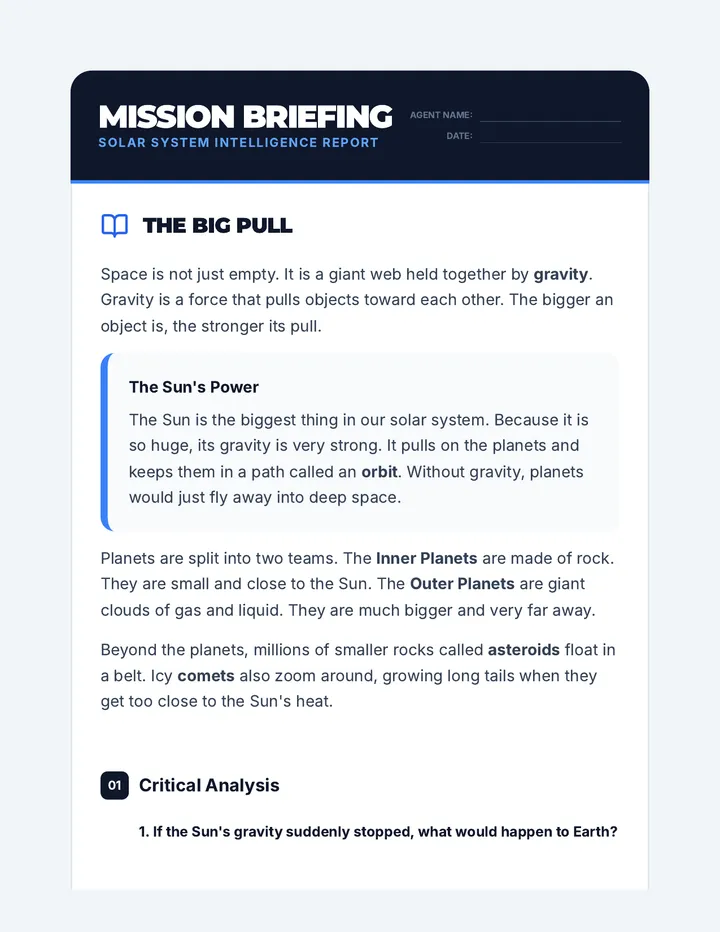
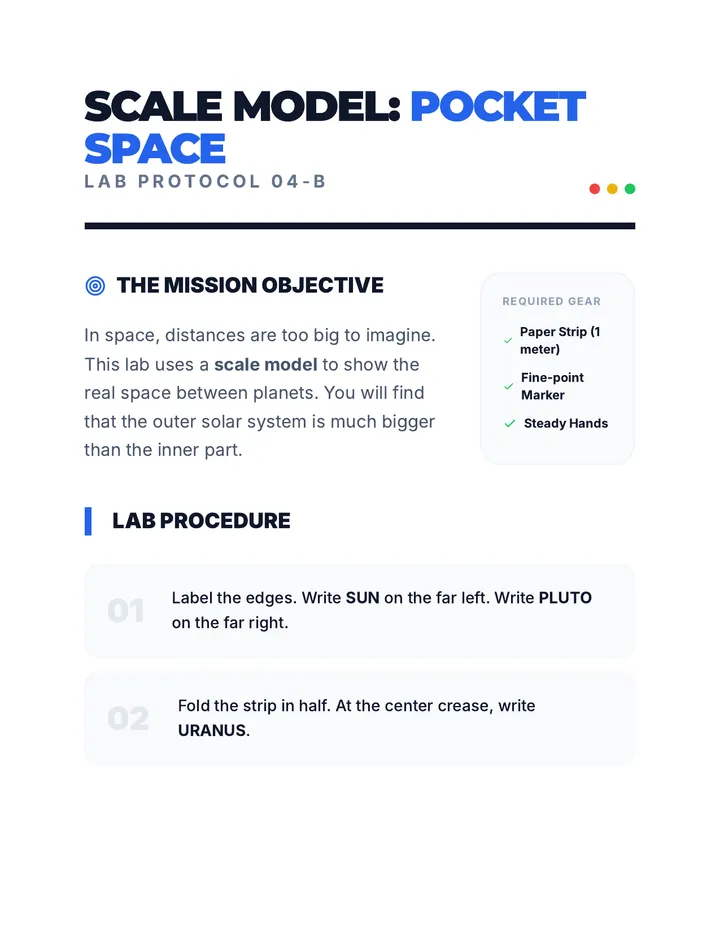
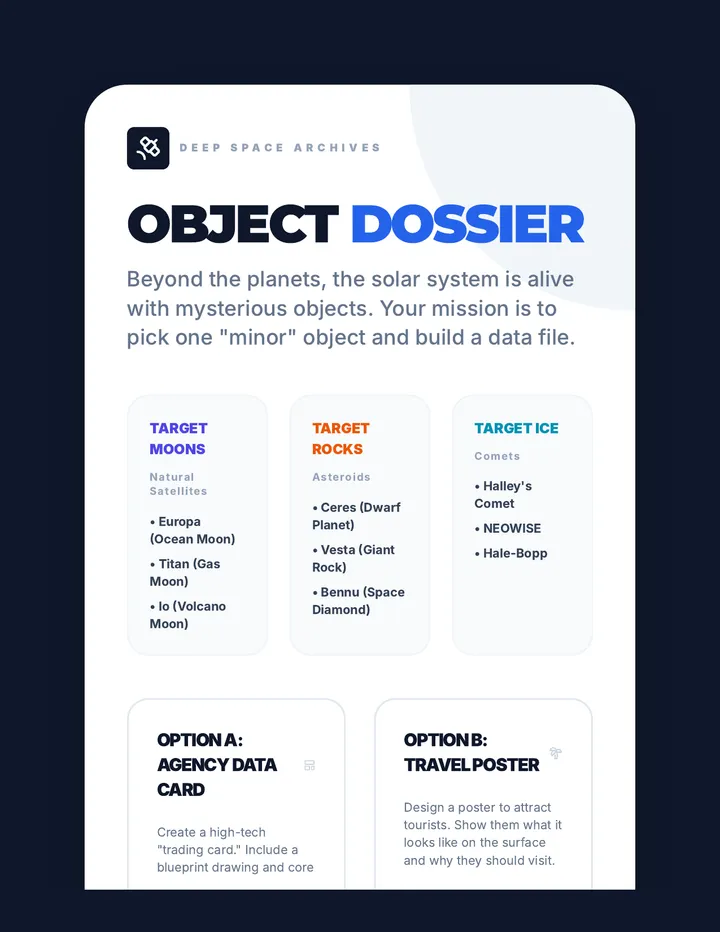
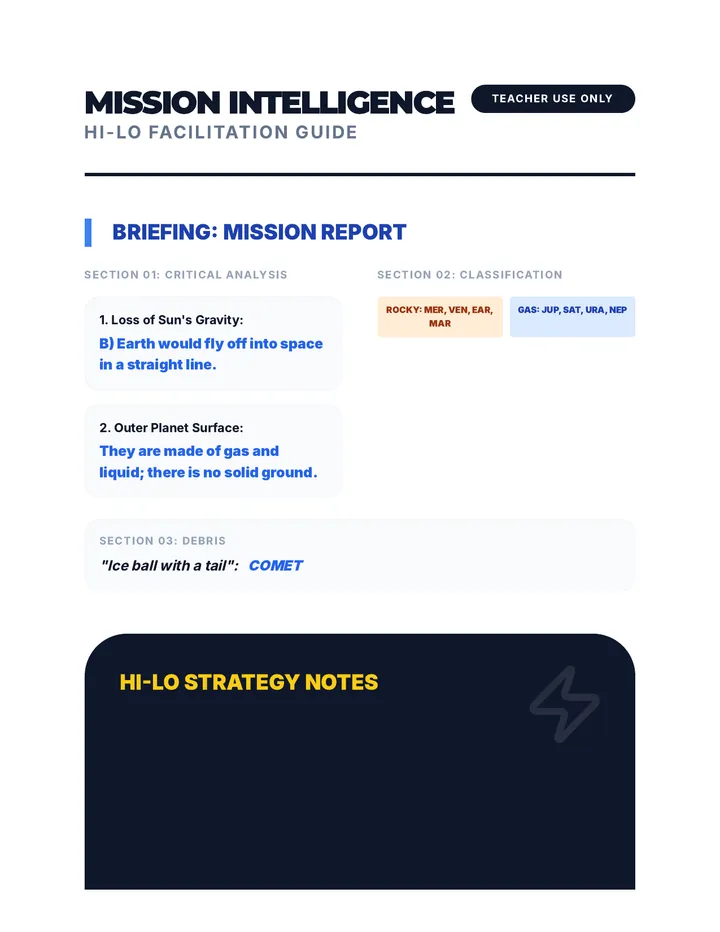
A comprehensive Hi-Lo unit for 6th graders exploring the scale of the universe, our place in the Milky Way, the technology used to explore space, and the history of human spaceflight.
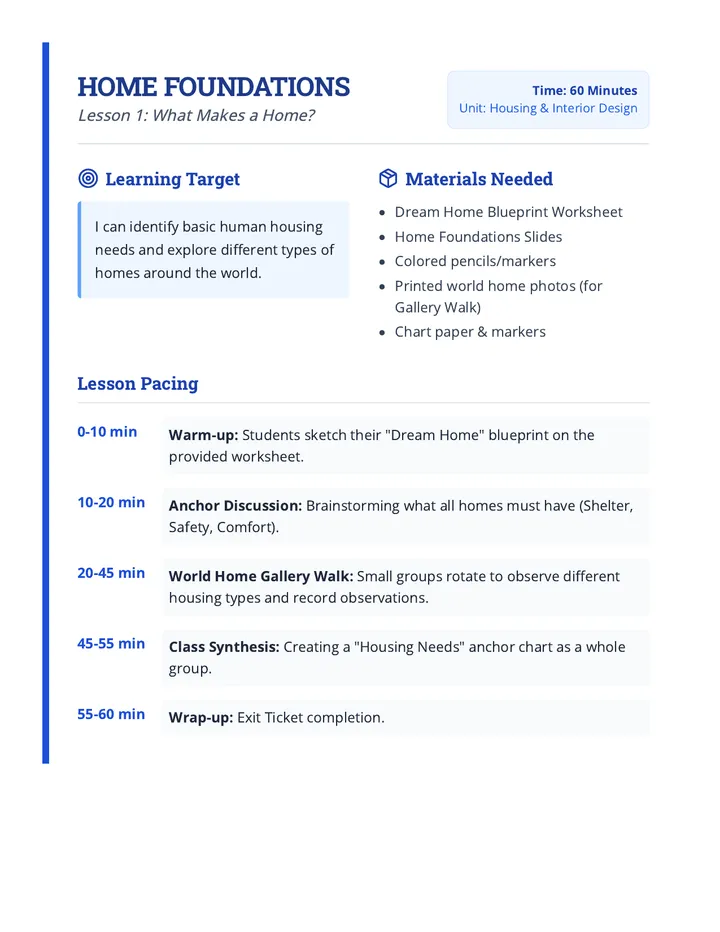
An introductory unit on Housing and Interior Design within the Human Services field. Students explore basic housing needs, sustainable green building, universal design for accessibility, the impact of local resources and climate on home construction, and residential energy efficiency.
A comprehensive technical course on reading and interpreting commercial HVAC mechanical blueprints, focusing on symbol recognition, duct sizing, and system layout analysis.
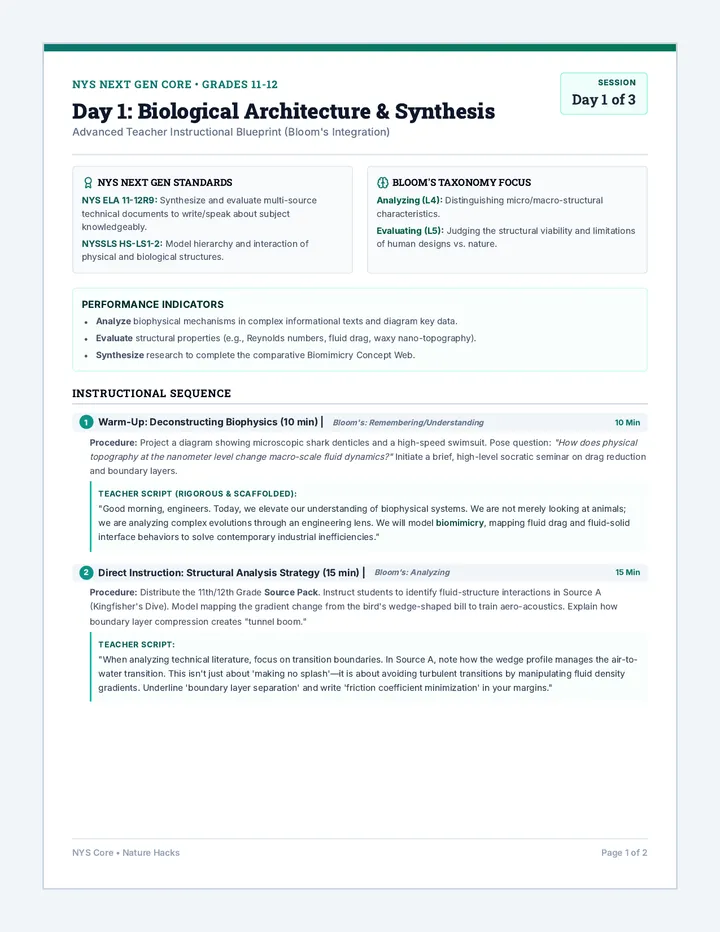
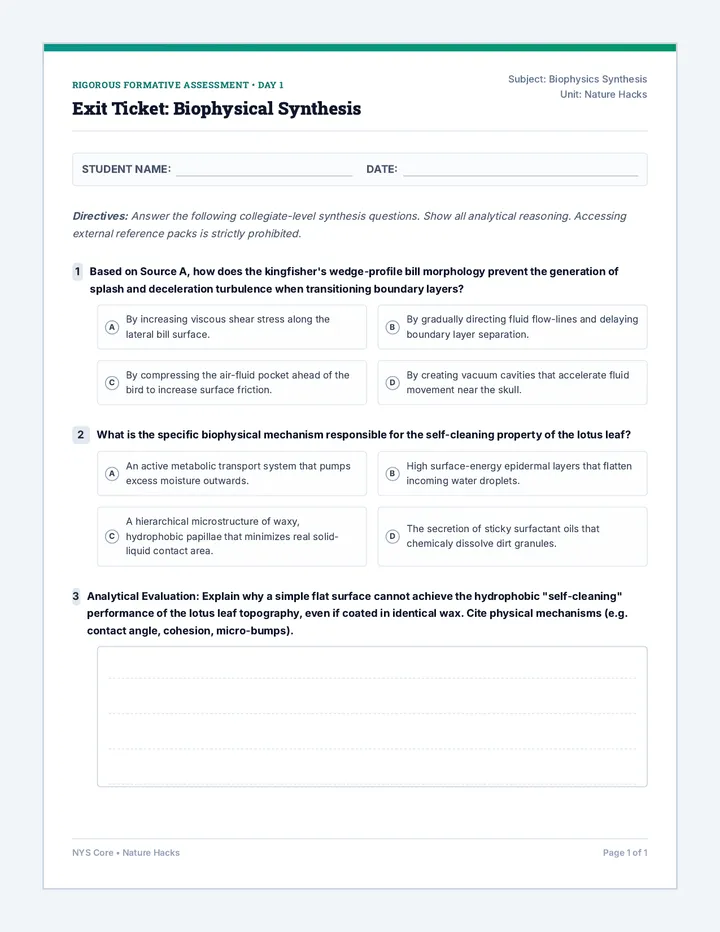
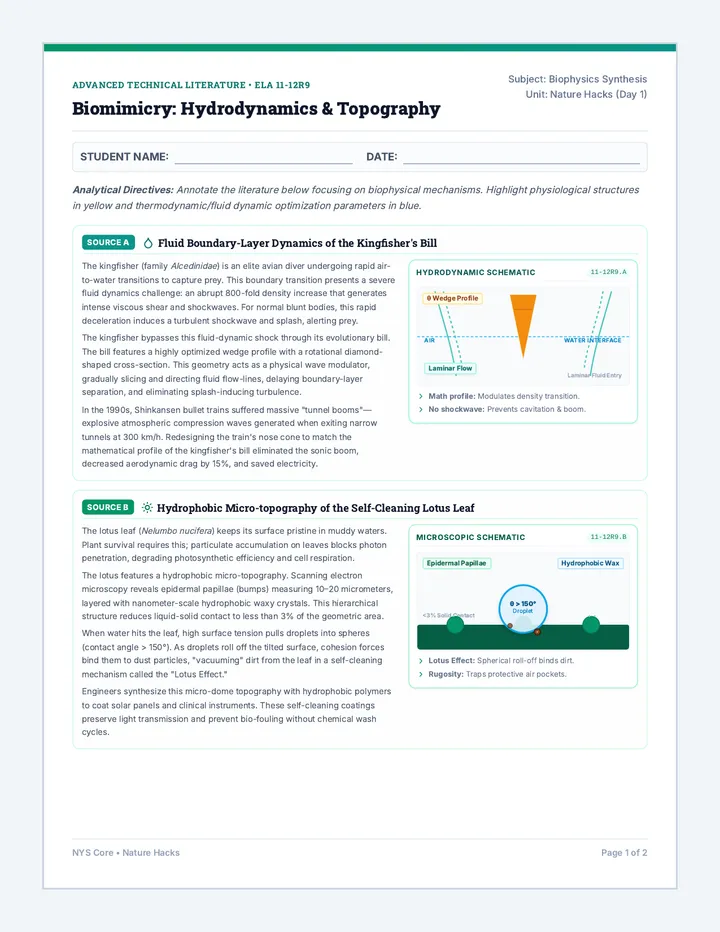
A 3-day cross-curricular STEAM unit where students research biological adaptations, design biomimetic engineering solutions, perform scale calculations, and write a synthesized informational article.
A comprehensive unit focused on the digital launch of marketing campaigns, bridging the gap between design and messaging to create persuasive online presences.
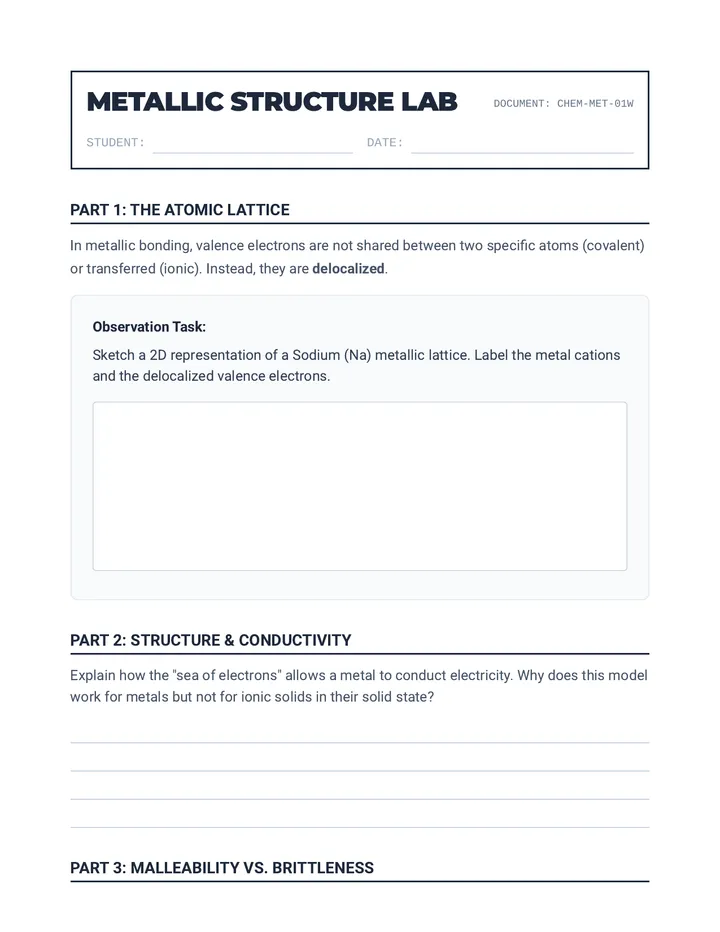
This sequence explores the unique bonding in metals and solid-state materials, moving from delocalized electrons to alloys, semiconductors, and material failure analysis. Students connect atomic-level structures to macroscopic engineering properties.
A graduate-level exploration of sustainable set design, focusing on ecoscenography, material science, modular engineering, and digital fabrication to move the theater industry toward a circular economy.
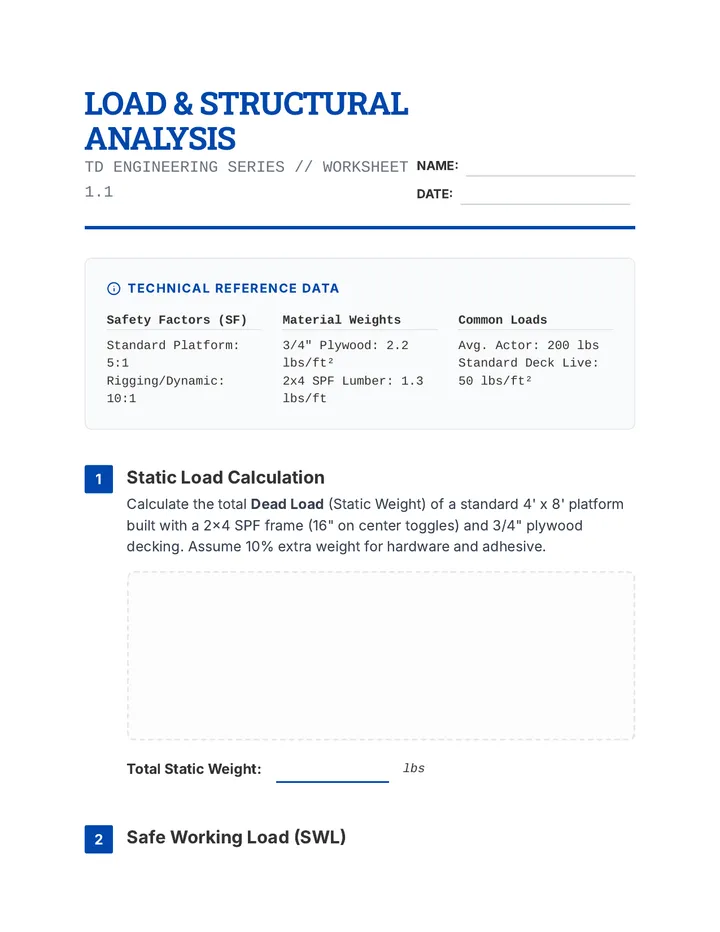
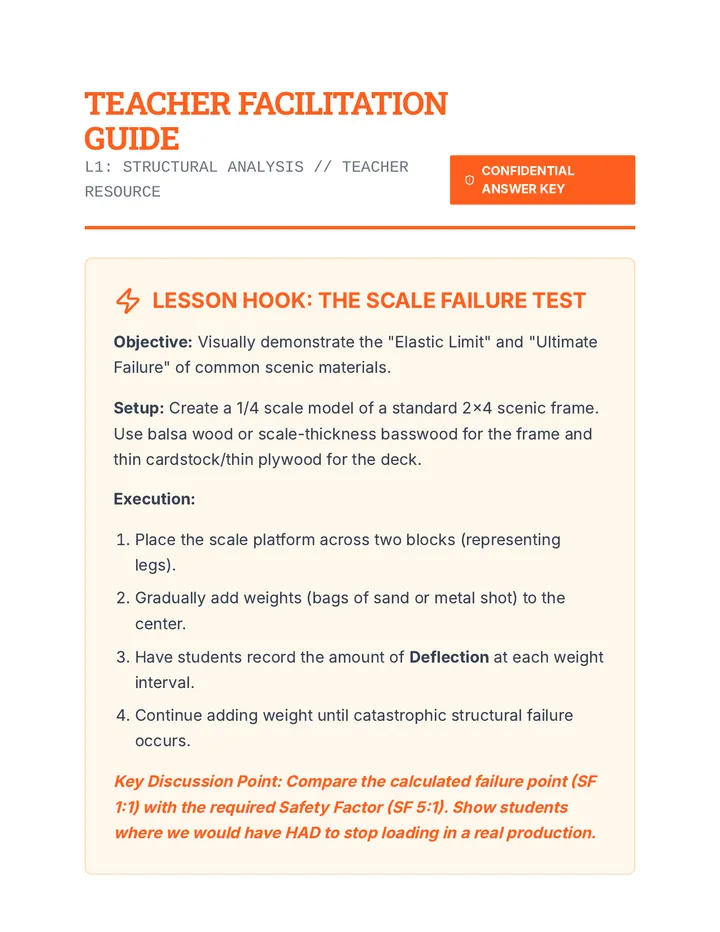
A graduate-level sequence exploring the intersection of structural engineering, physics, and project management in theatrical technical direction. Students master load calculations, CAD for fabrication, automation mechanics, budgeting, and rigging safety.
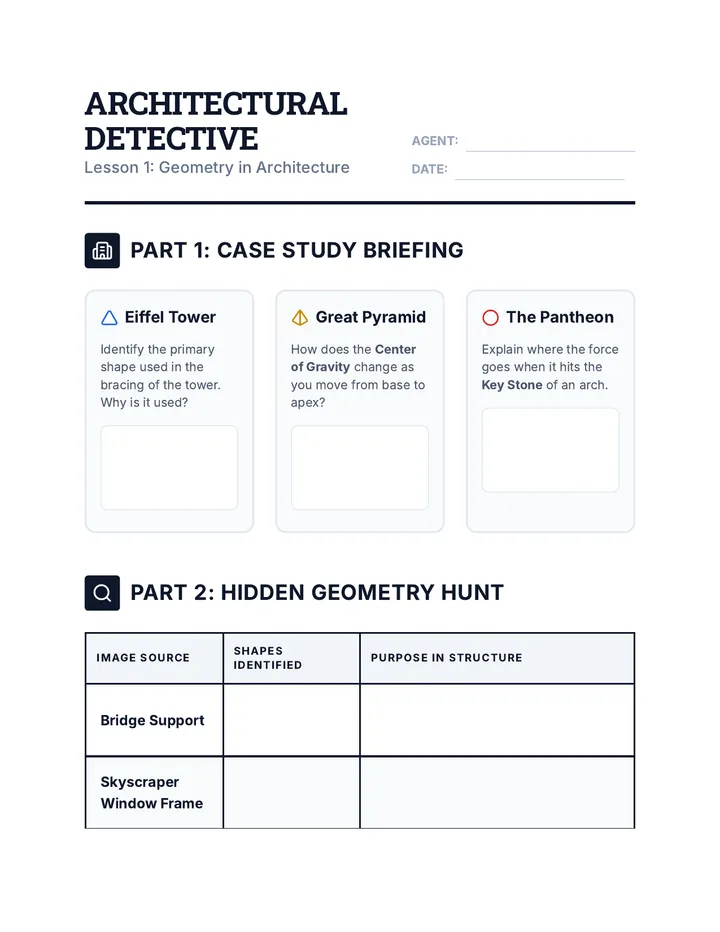
A comprehensive 6th-grade engineering sequence exploring how geometric properties like triangulation, tessellation, and symmetry contribute to structural stability and architectural strength.
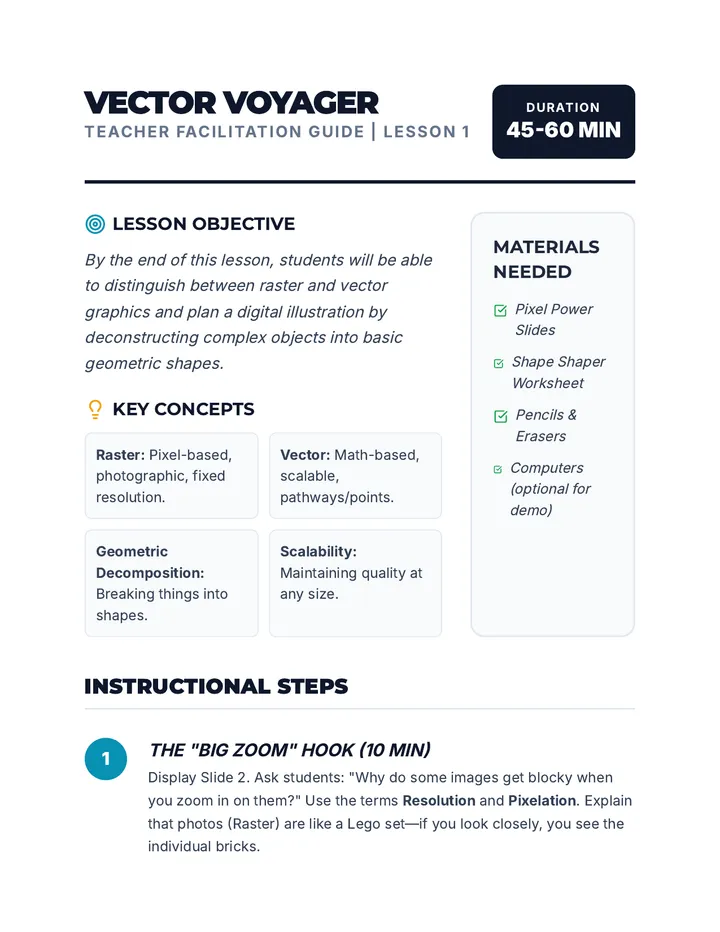
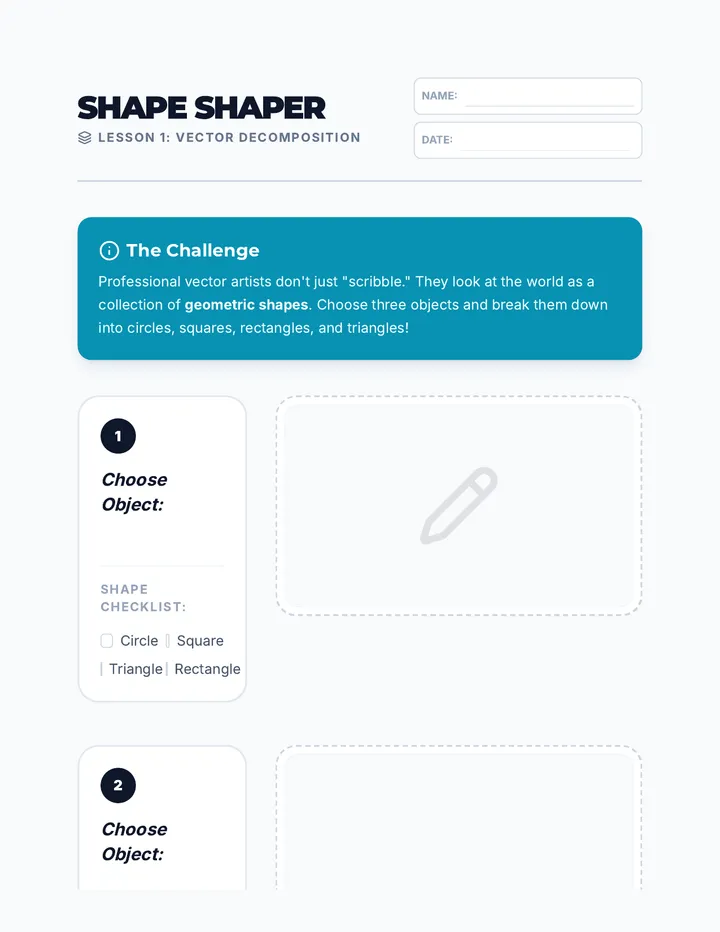
A project-based sequence where 4th-grade students learn the fundamentals of vector illustration and user interface design to create their own mobile app mockup. Students progress from basic shape manipulation to high-fidelity digital prototyping and user testing.
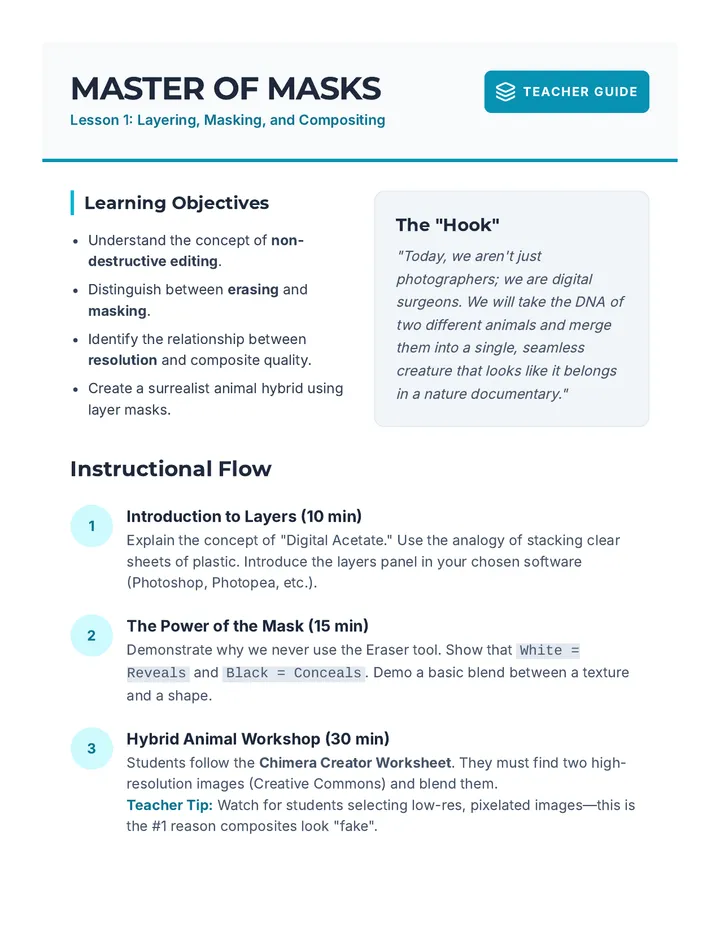
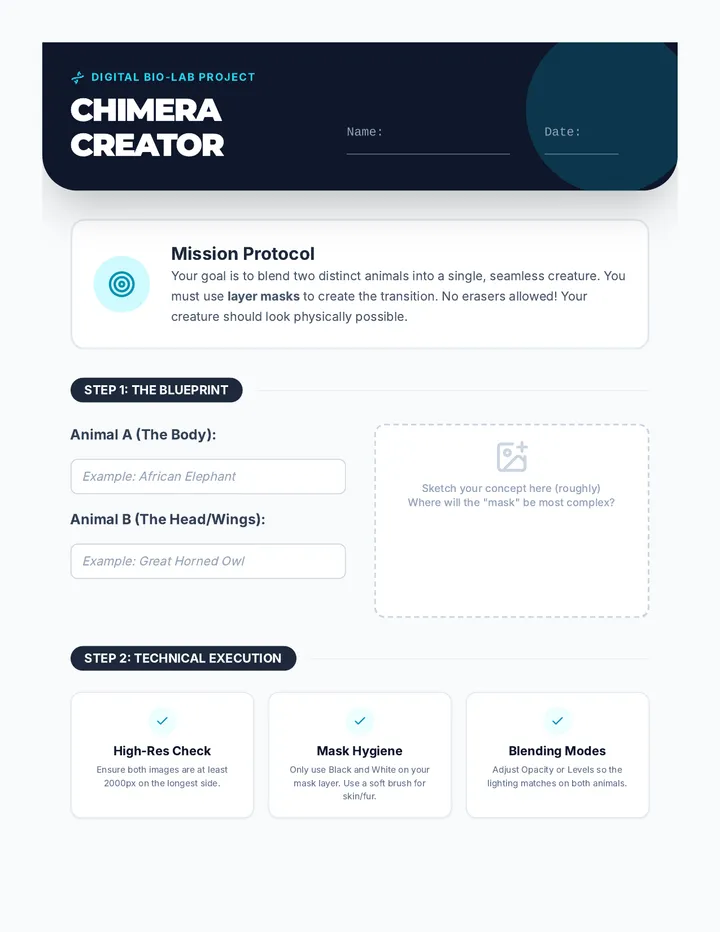
A comprehensive 8th-grade sequence on digital image manipulation and UI design, covering raster editing, ethics, visual hierarchy, and app prototyping. Students progress from basic compositing to creating high-fidelity interface mockups.
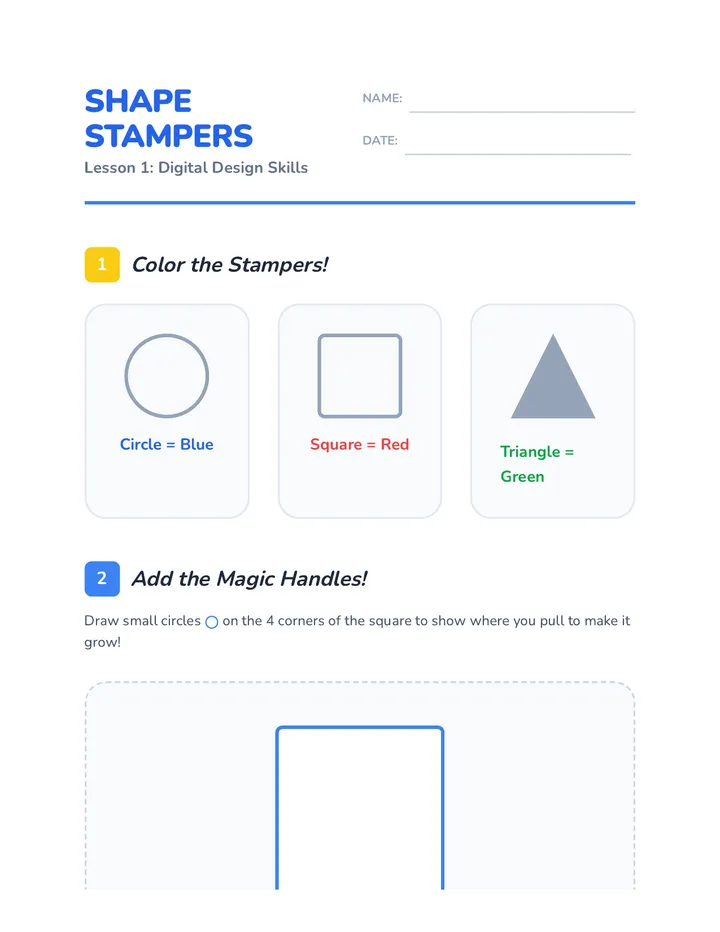
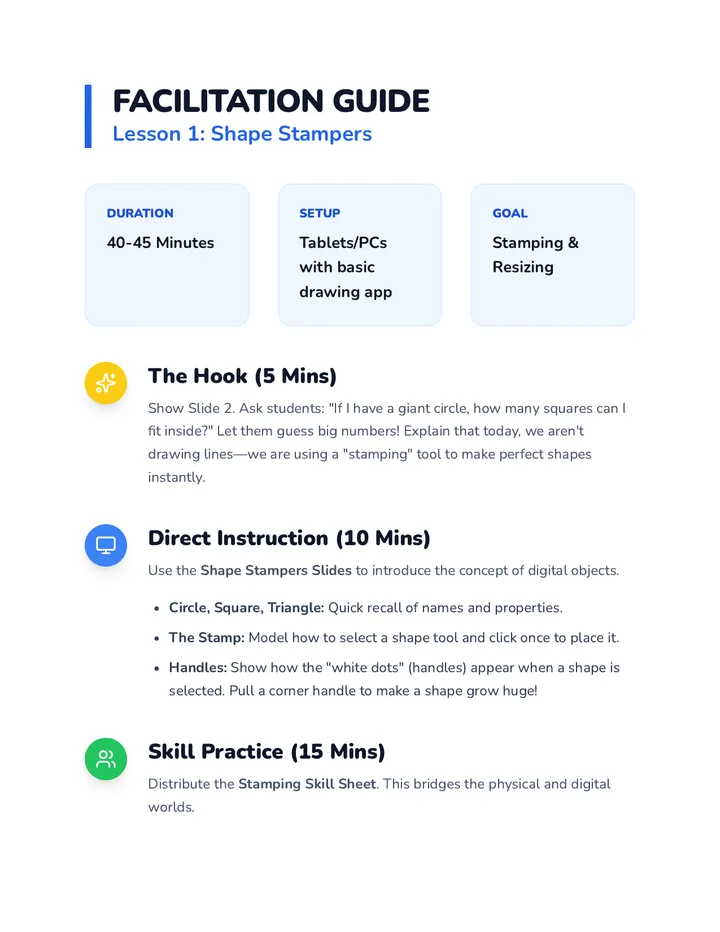
A Kindergarten sequence introducing digital design through geometric shapes. Students learn to manipulate, layer, and repeat shapes to create complex scenes like robots and cities.
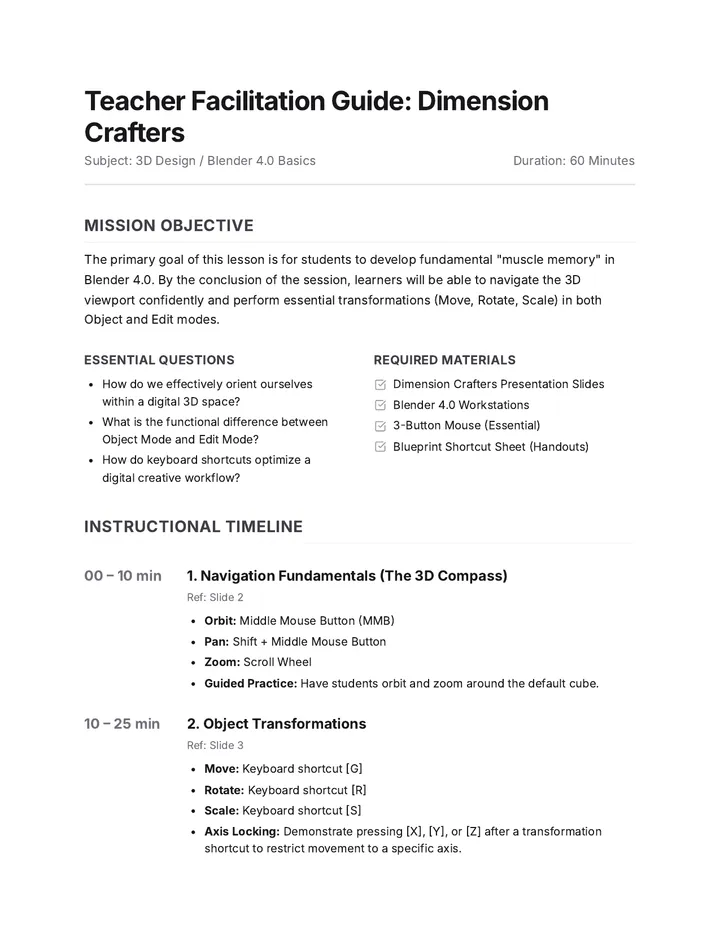
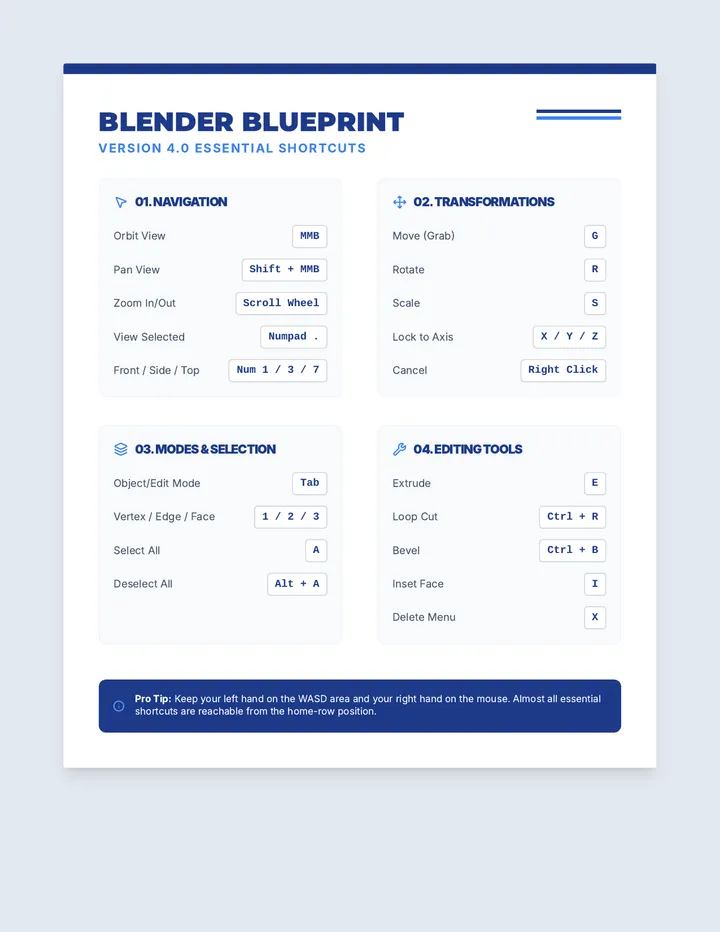
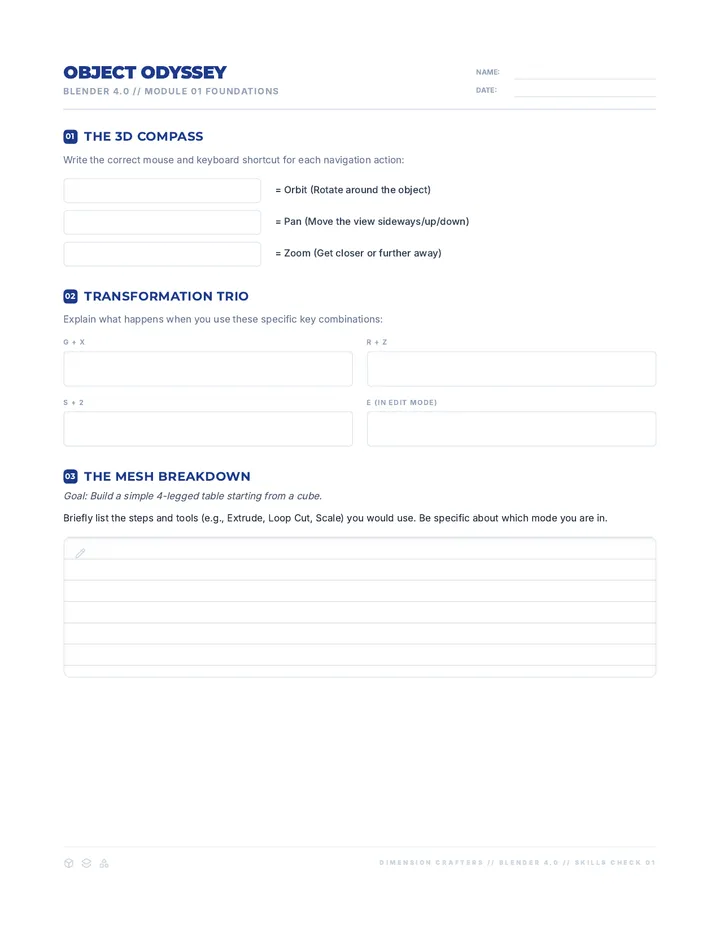
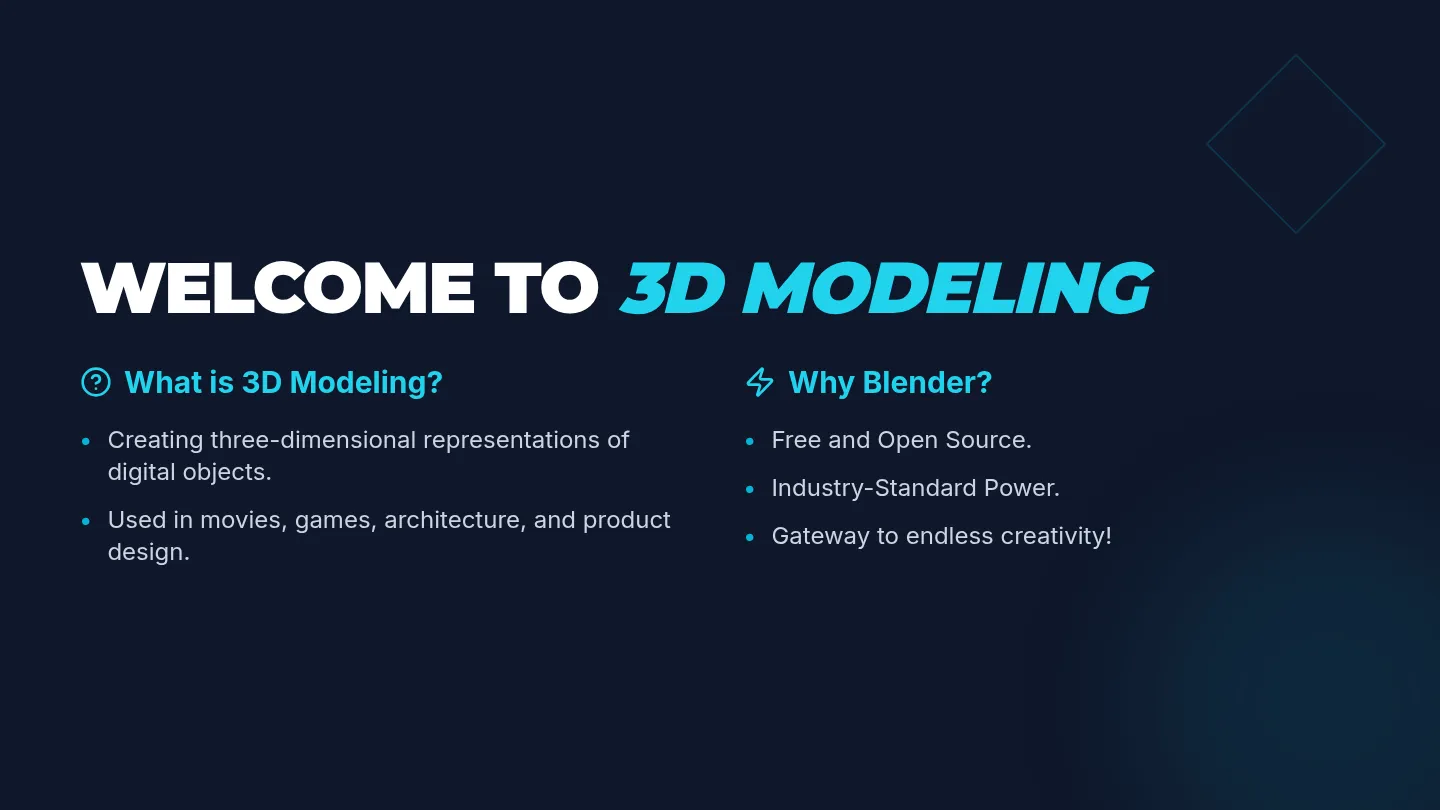
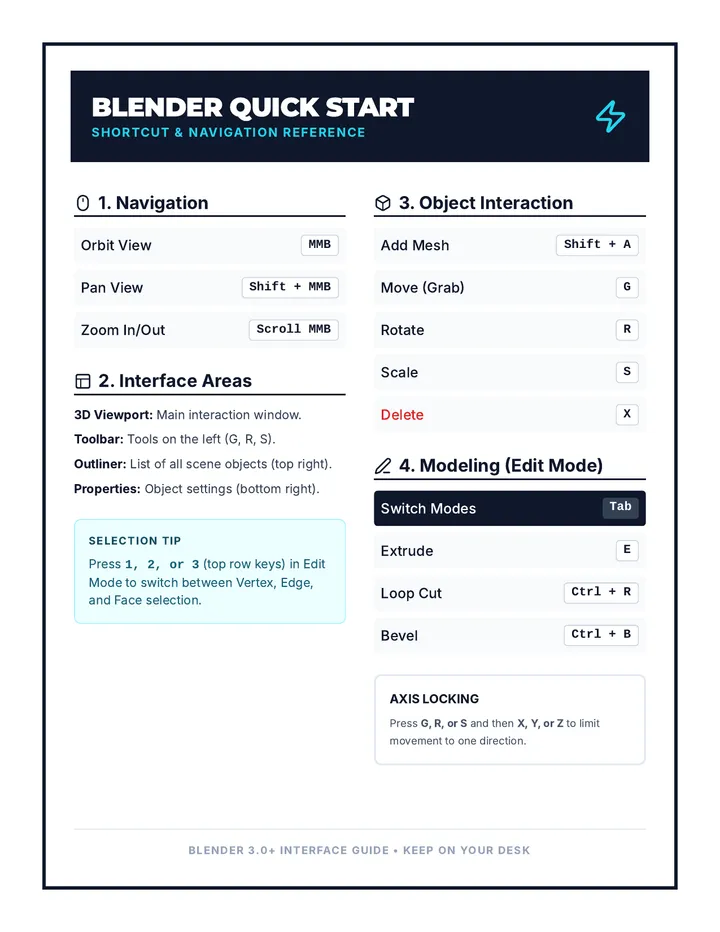
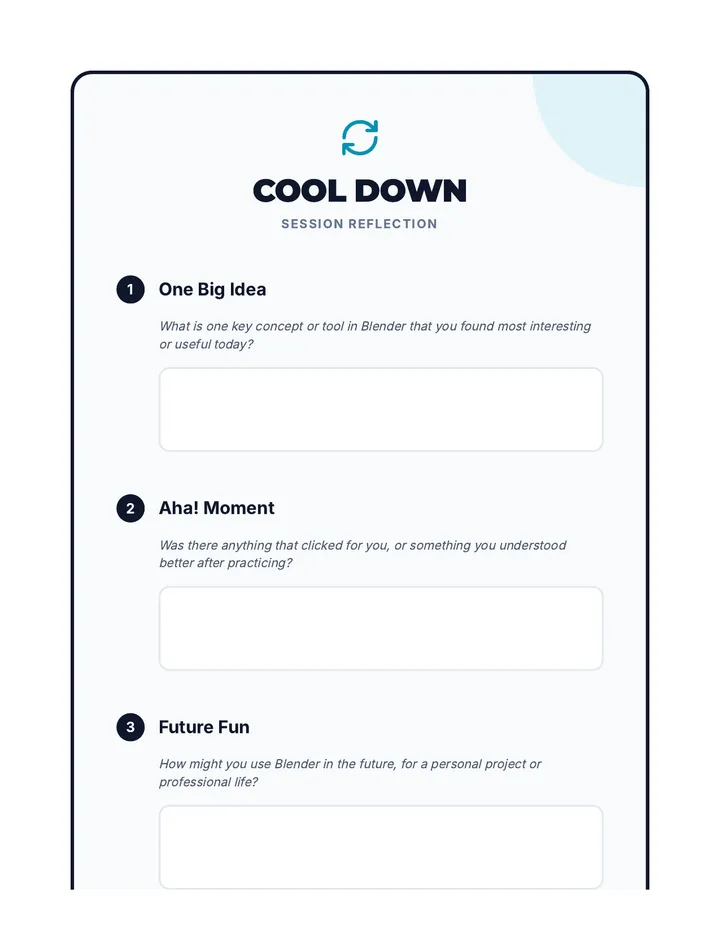
A beginner-friendly introduction to Blender 4.0, focusing on navigation, object transformations, and essential edit mode tools for 3D modeling.
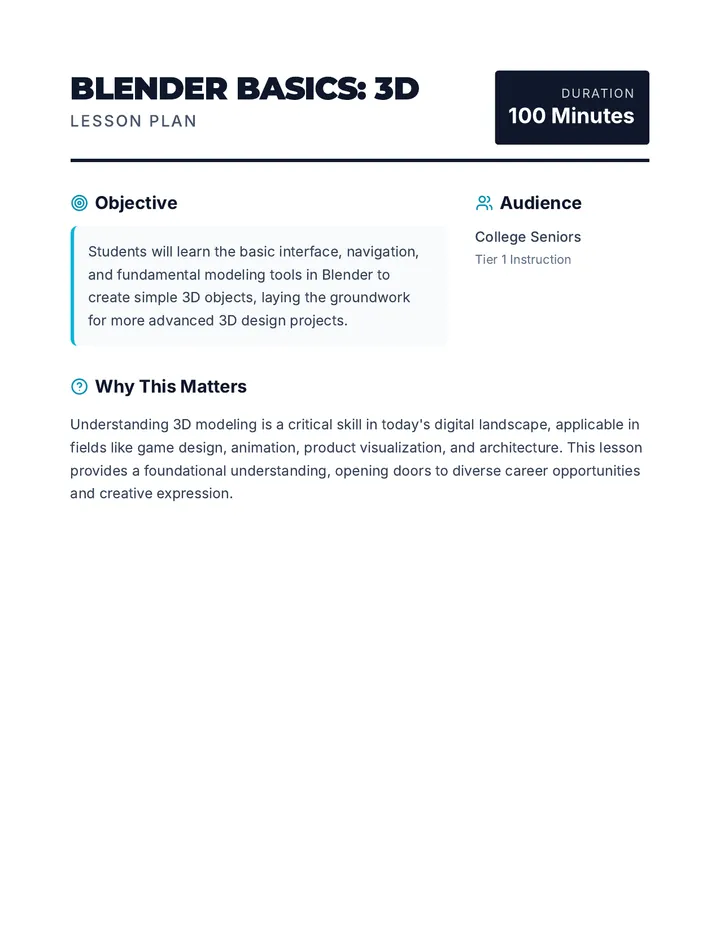
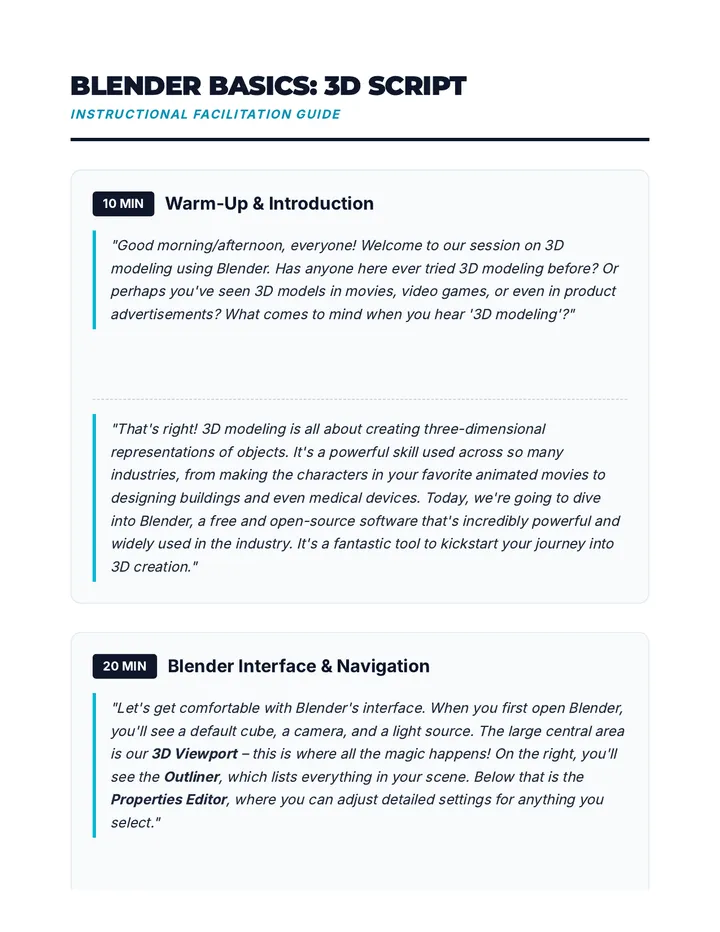
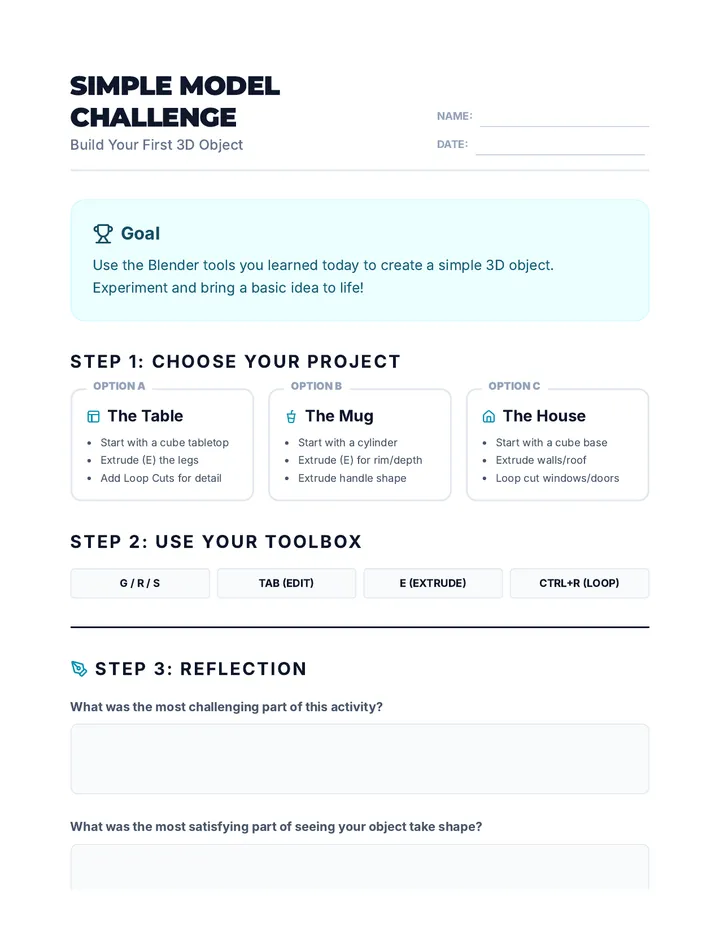
A comprehensive 100-minute introduction to 3D modeling using Blender, designed for college seniors to master interface navigation, basic object transformation, and fundamental modeling techniques.
A 90-minute workshop where 9th-grade students rotate through stations to explore modern fabrication tools like laser cutters, 3D printers, and vinyl cutters to design and create personalized gifts.
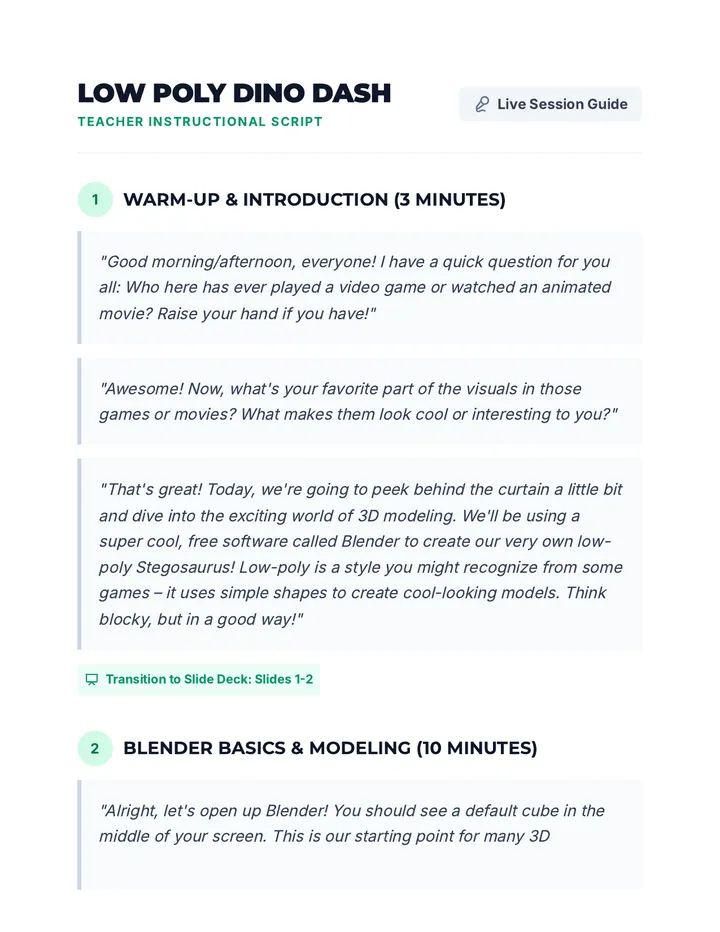
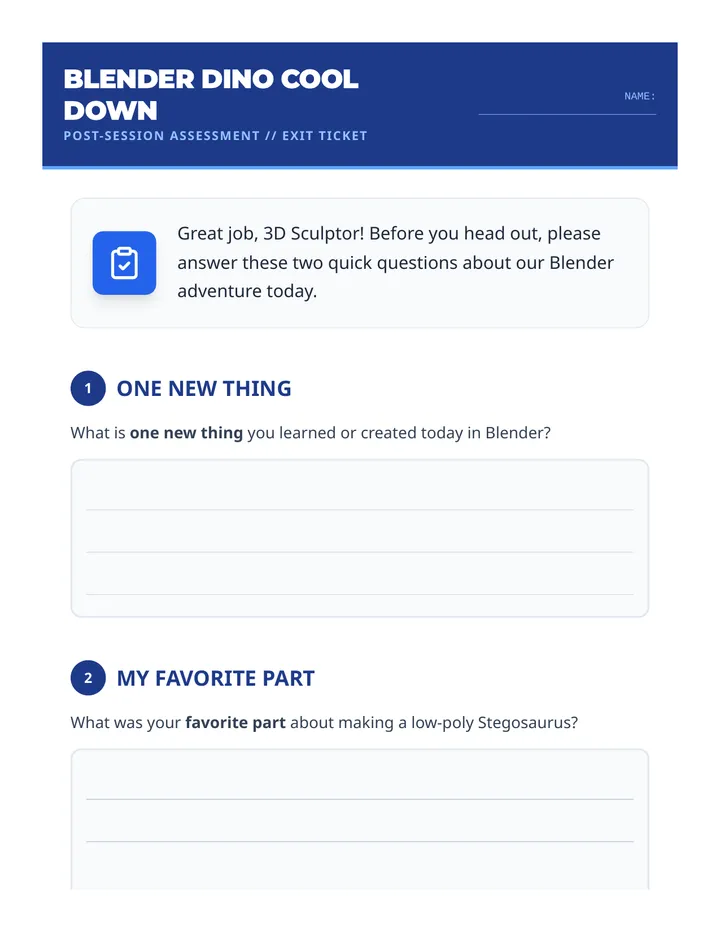
A quick and fun introduction to 3D modeling in Blender, focusing on creating a simple low-poly Stegosaurus. Students learn fundamental tools like scaling, extruding, and loop cuts.
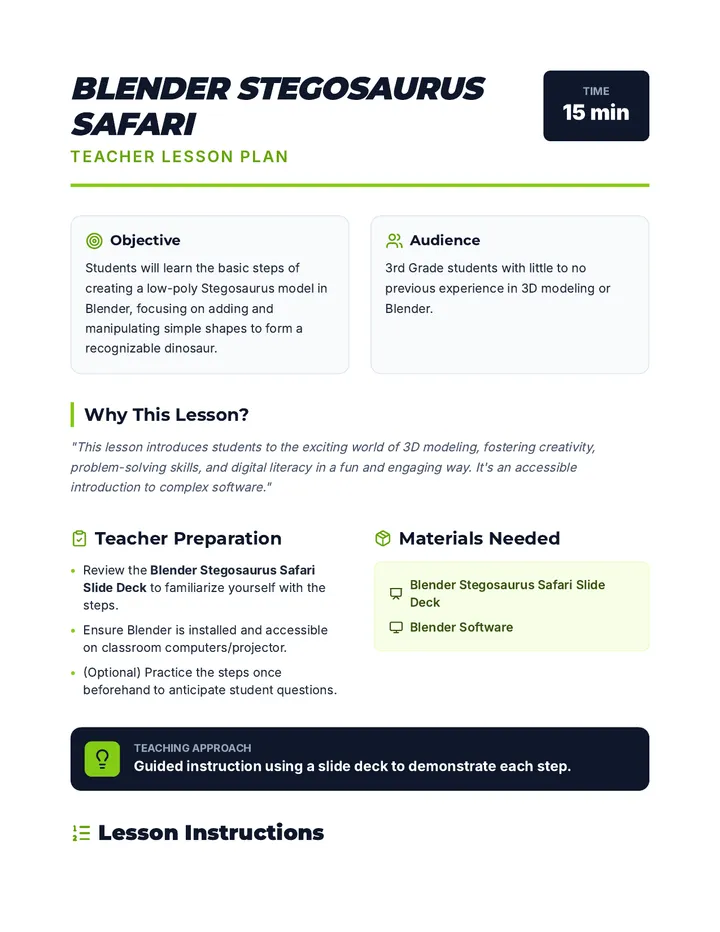
A 15-minute introductory lesson for 3rd graders on creating a low-poly Stegosaurus in Blender, focusing on basic 3D modeling concepts through simple shapes.
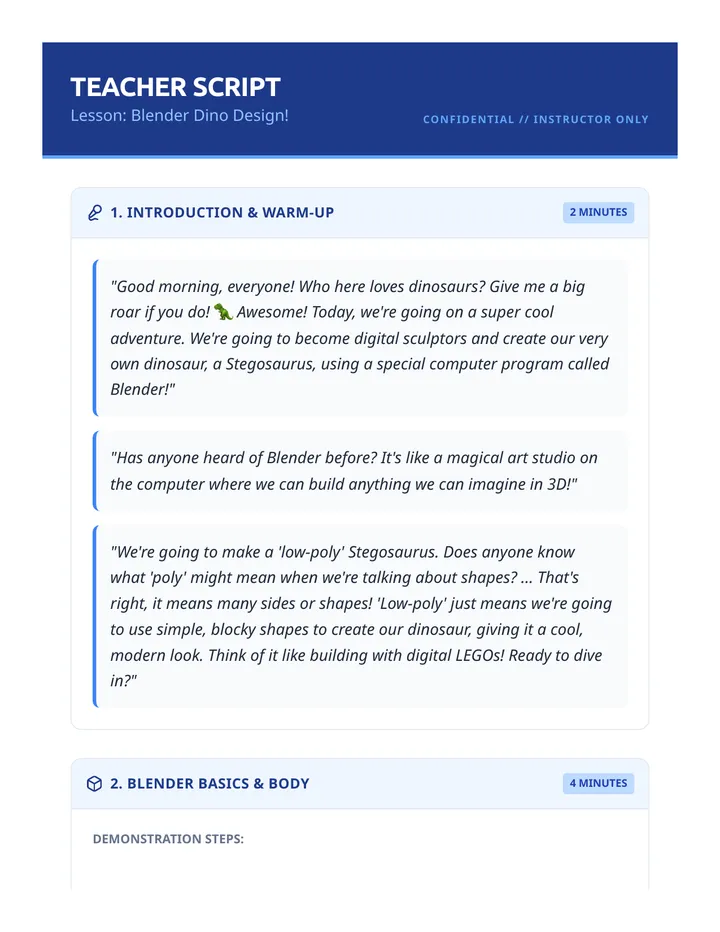
In this 15-minute introductory lesson, 8th-grade students explore the fundamentals of 3D modeling by creating a low-poly Stegosaurus in Blender. They learn essential navigation and transformation tools while engaging with the digital art style of low-poly modeling.
A 15-minute introductory lesson for 3rd graders on 3D modeling in Blender, focusing on creating a low-poly stegosaurus using basic shapes and transformations.
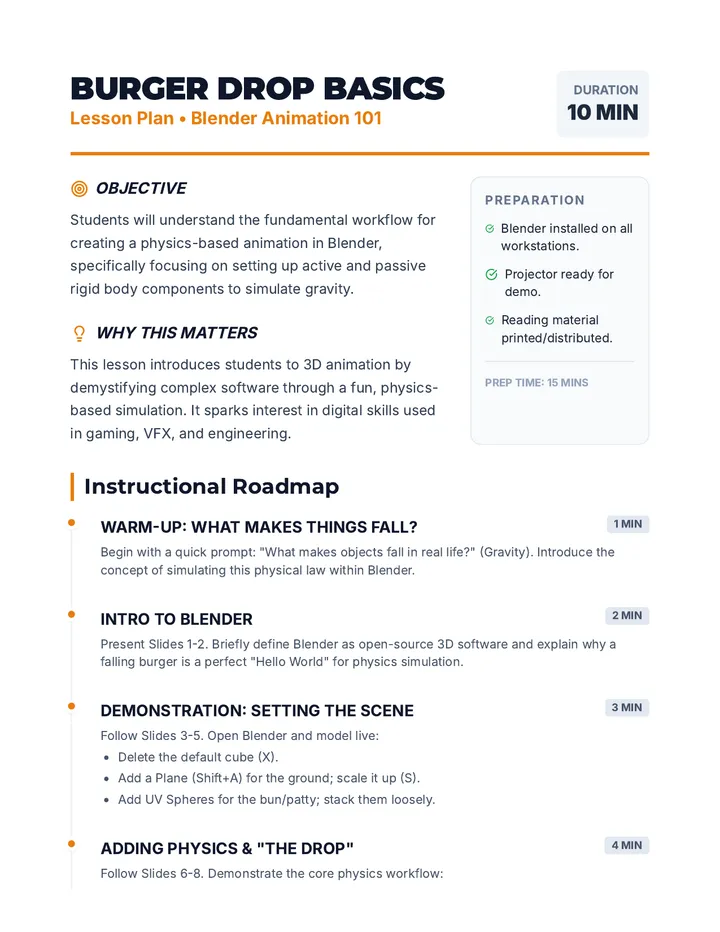
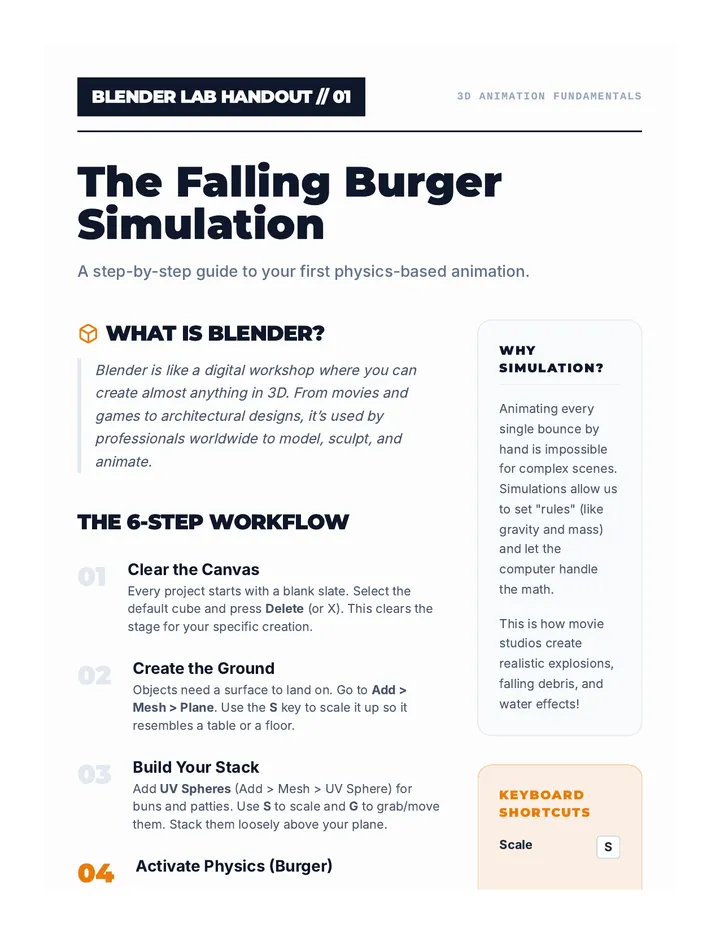
A high-energy, 10-minute introduction to 3D animation in Blender, teaching students how to simulate gravity on a burger stack using rigid body physics.
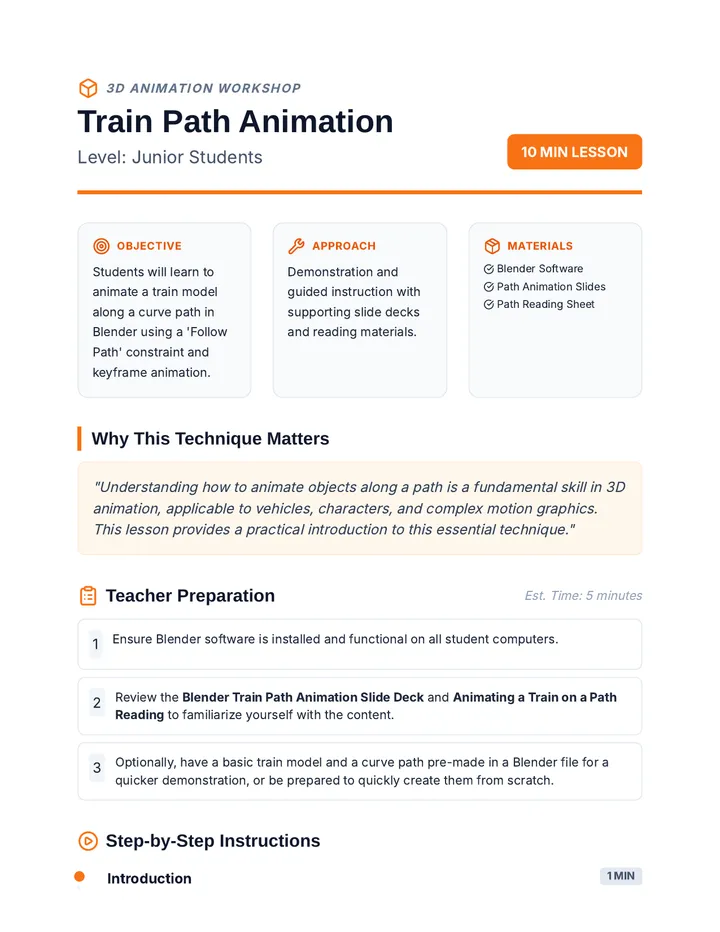
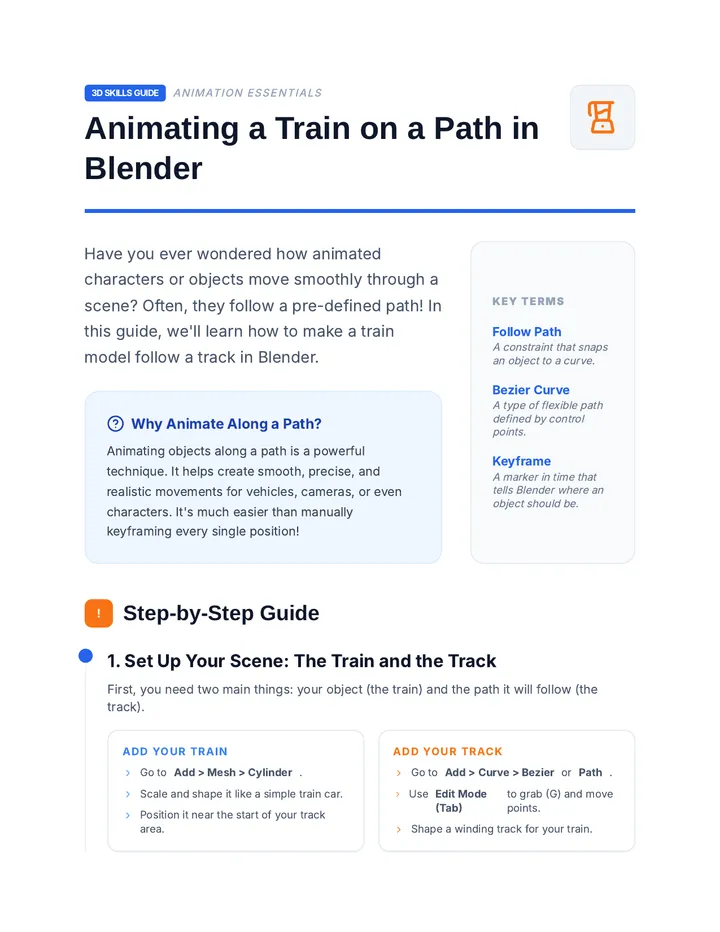
This lesson introduces students to the basics of animating objects along a path in Blender, using a train as an example. It will help students understand keyframe animation and path constraints, essential skills for 3D modeling and animation.
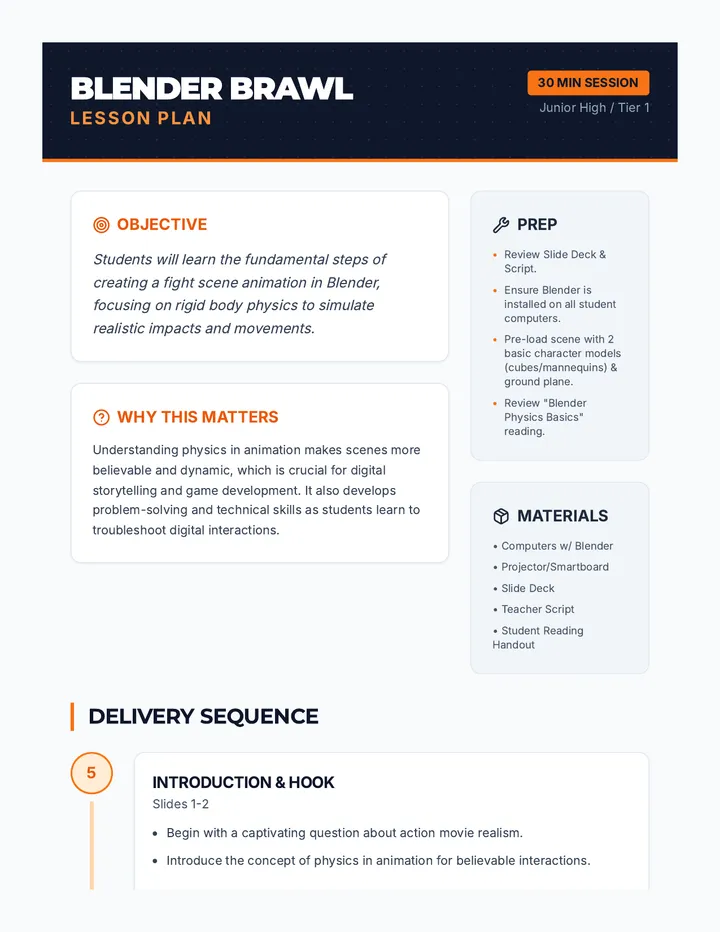
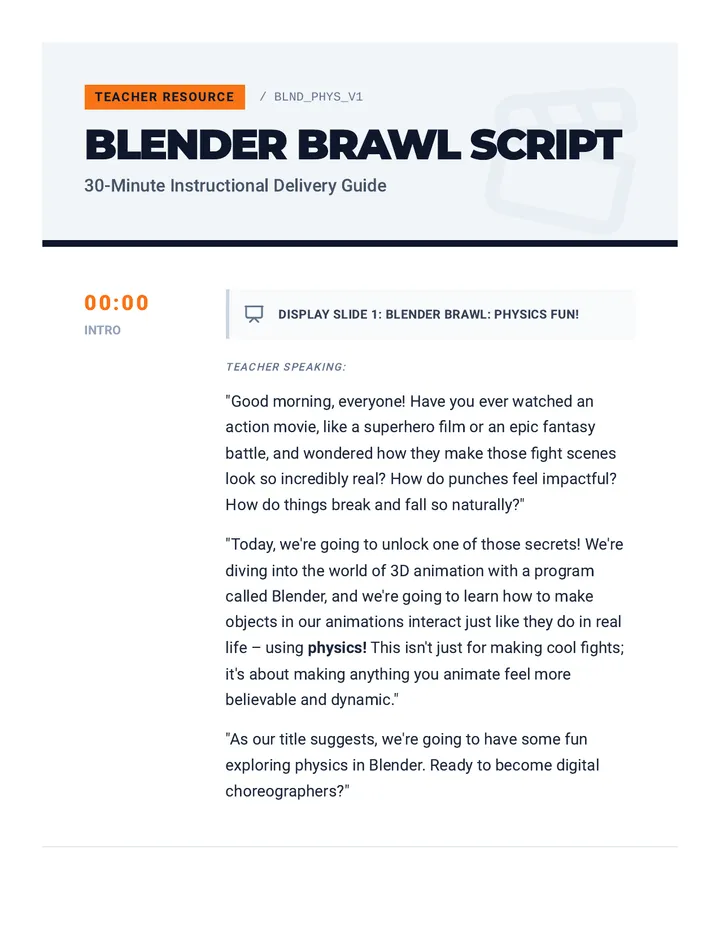
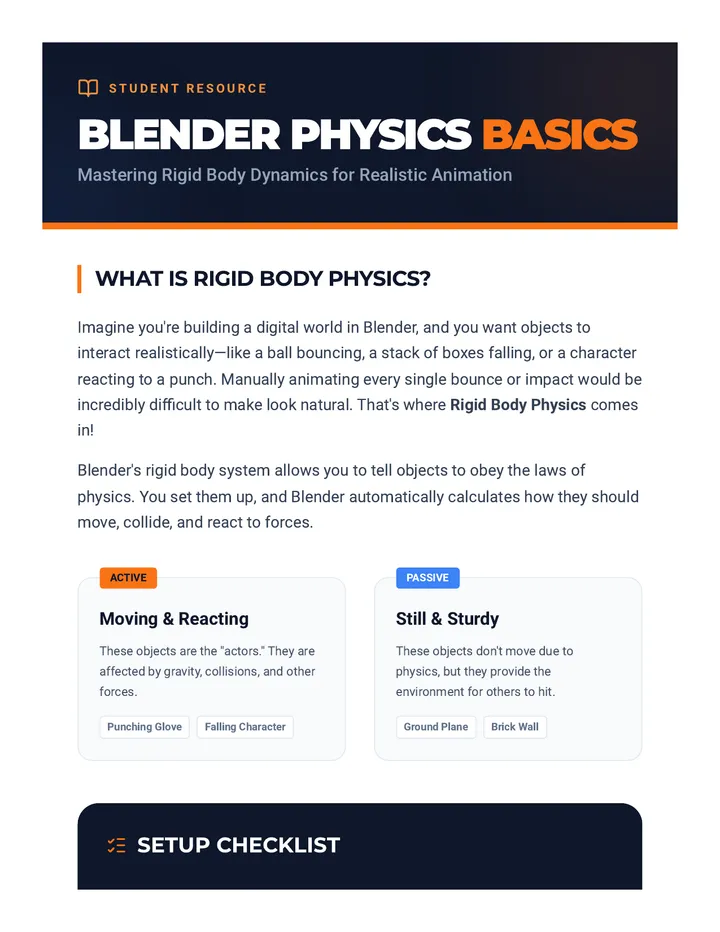
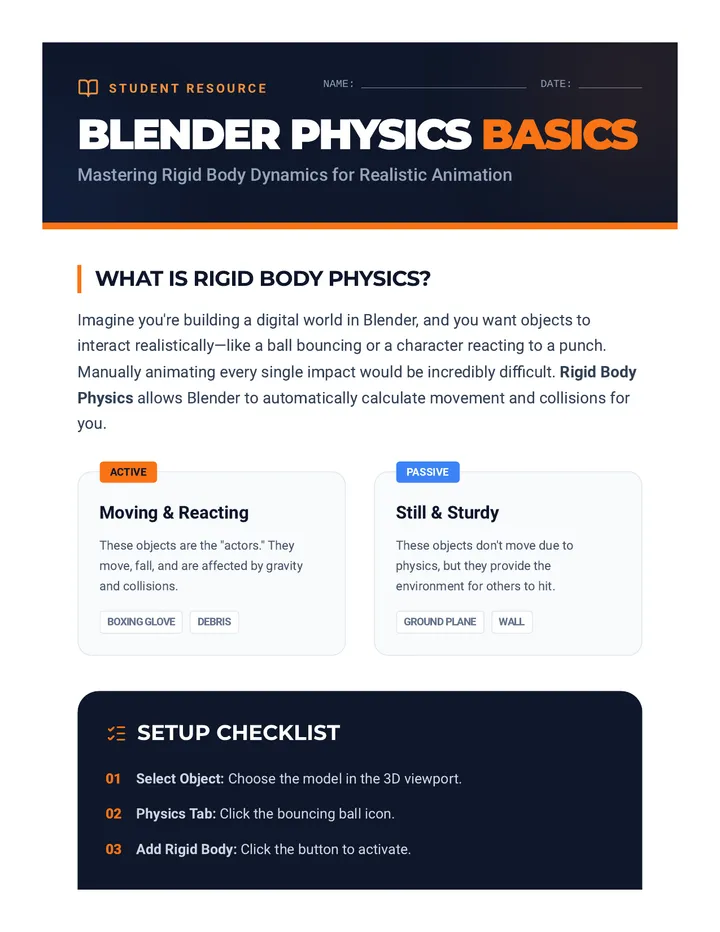
A high-energy 30-minute introduction to Blender's rigid body physics, teaching students how to create realistic fight scenes by transitioning from keyframed animation to physics simulations.
A comprehensive teacher evaluation suite focused on an architectural scaling lesson, incorporating the Marzano framework for formal feedback and professional growth.
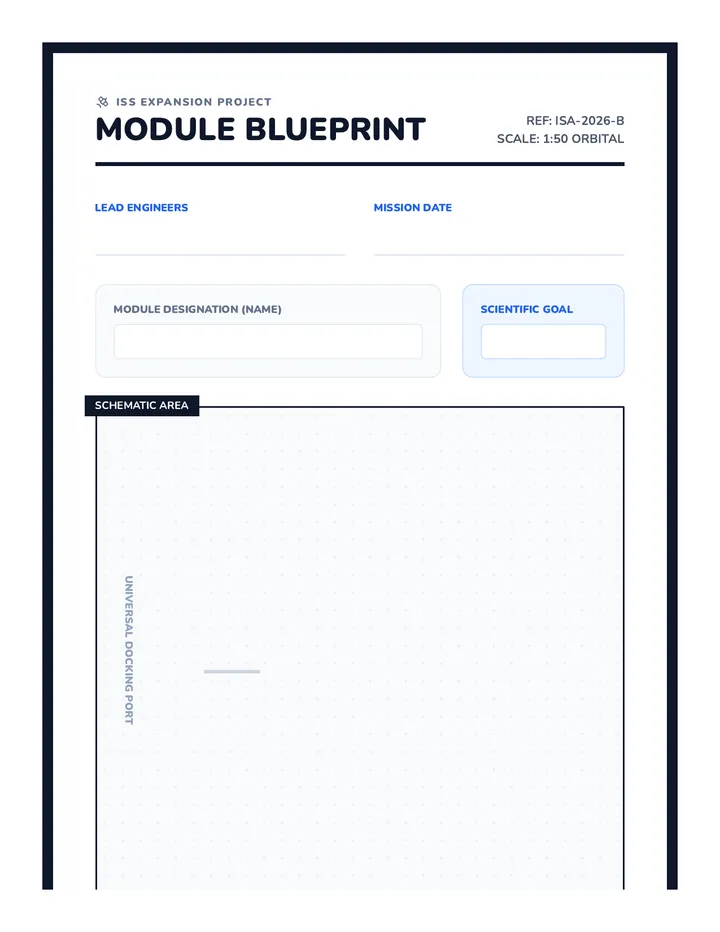
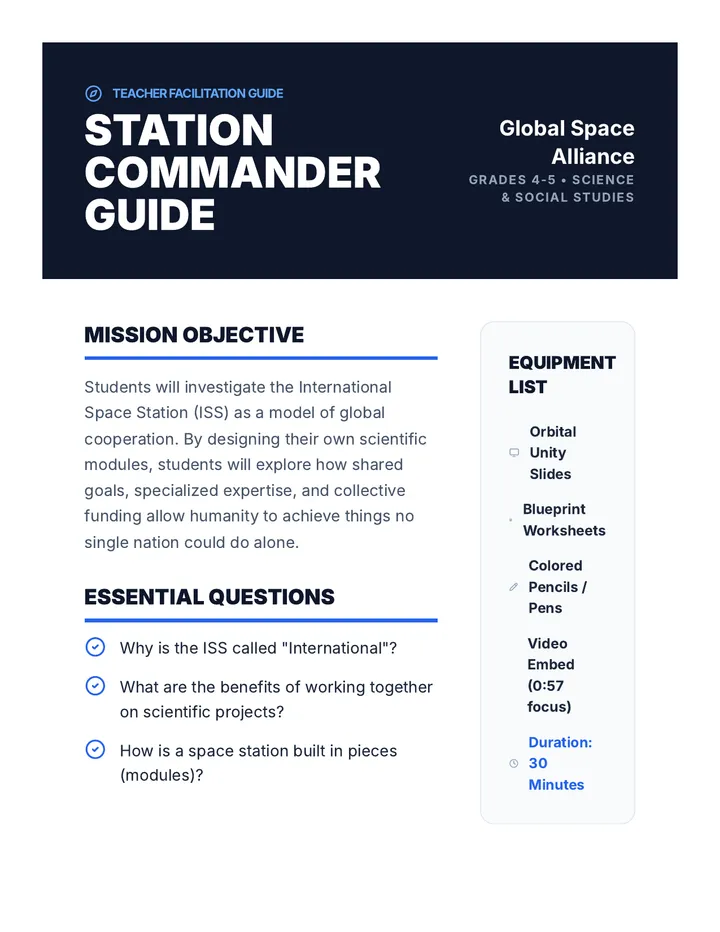
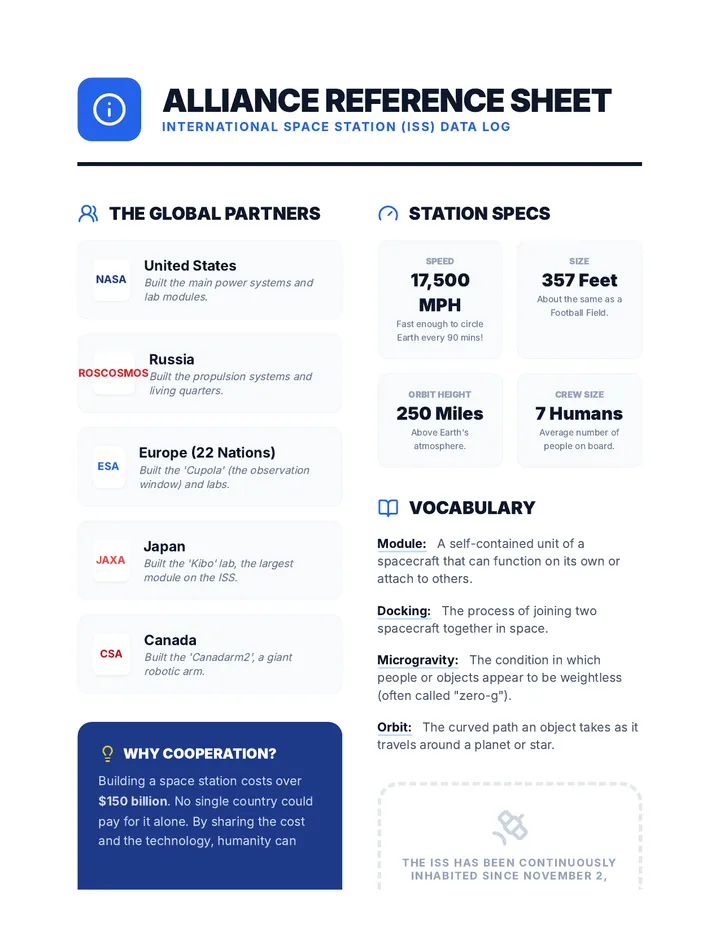
A lesson for upper elementary students exploring the International Space Station as a symbol of global cooperation, featuring a video-based discussion and a creative engineering activity to design a new scientific module.