Lenny.com
Explore
Create
ActivitiesNewMathEnglish Language ArtsScience & EngineeringSocial StudiesGlobal LanguagesHealth & Physical EducationSpecial EducationCounseling & Life SkillsArts & CreativityESL
Lenny.com
Lenny.com
Explore
Create
ActivitiesNewMathEnglish Language ArtsScience & EngineeringSocial StudiesGlobal LanguagesHealth & Physical EducationSpecial EducationCounseling & Life SkillsArts & CreativityESL
Lenny.com
Lenny.com

Solutions

Lenny for EducatorsLenny for SchoolsLenny for Districts

Product

ExploreSign inCreateSupportAbout

Resources

Getting startedMTSS Acceleration Program

© 2026 Lenny Learning Inc.

TermsPrivacyAccessibility
LinkedInInstagramX
Lenny

Light and Sound

Physical properties of waves including reflection, refraction, and transmission through various media. Connects frequency and amplitude to human perception of pitch, volume, and color.

Science & EngineeringLife ScienceLiving ThingsAnimalsPlantsBody SystemsTraitsAdaptationsCellsEcosystemsHeredityGenes to TraitsCell DivisionPhysicsComparing MaterialsShapes and PropertiesMagnetsMagnetismLightSoundLight and SoundMatterStates of MatterChanges of StateMixturesPhysical and Chemical ChangeHeating and CoolingHeat and Thermal EnergyEnergyForce and MotionElectrical CircuitsAtoms and MoleculesPeriodic TableMotion in One DimensionMotion in Two DimensionsScalars and VectorsForces and Laws of MotionCircular Motion and GravityMomentum and ImpulseWork, Energy, and PowerWavesElectromagnetic WavesGeometric OpticsElectricity and MagnetismSimple Harmonic MotionThermodynamicsNuclear PhysicsEarth Science & AstronomyWeatherWater CycleRocks and MineralsFossilsEarth's FeaturesEarth's ResourcesEarth's StructureWeather and ClimateEarth EventsFossils and Geologic TimePlate TectonicsHuman ImpactsAstronomyChemistryUnits and MeasurementAtomic StructurePeriodic TrendsChemical BondingNomenclatureMolecular StructureIntermolecular ForcesThe MoleStoichiometryProperties of GasesSolutionsChemical ReactionsBalancing EquationsEnergy ChangesRates of ReactionsEquilibriumAcids and BasesQuantum ModelBiologyClassificationCell StructureThe Chemistry of LifeBiomoleculesCellular TransportCell EnergyCell Growth and DivisionDNAProtein SynthesisMeiosis and Sexual ReproductionPatterns of InheritanceMulticellular OrganismsEvolutionEcologyBiodiversityComputer ScienceAlgorithms and Computational ThinkingProgramming LanguagesComputing SystemsNetworks and InternetData AnalysisCybersecurityAI and Machine LearningSoftware Design and DevelopmentBlockchainEngineering & AIDesigning ExperimentsEngineering PracticesDesign ThinkingEngineering Design ProcessMechanical EngineeringElectrical EngineeringMaterials and StructuresCAD and 3D DesignRoboticsArtificial Intelligence BasicsVibe CodingMachine LearningAI Ethics and SocietySystems ThinkingEntrepreneurship & InnovationEntrepreneurial MindsetBusiness Idea DevelopmentBusiness Plan BasicsMarketing & Customer DiscoveryFinancial Management for Startups

Videos

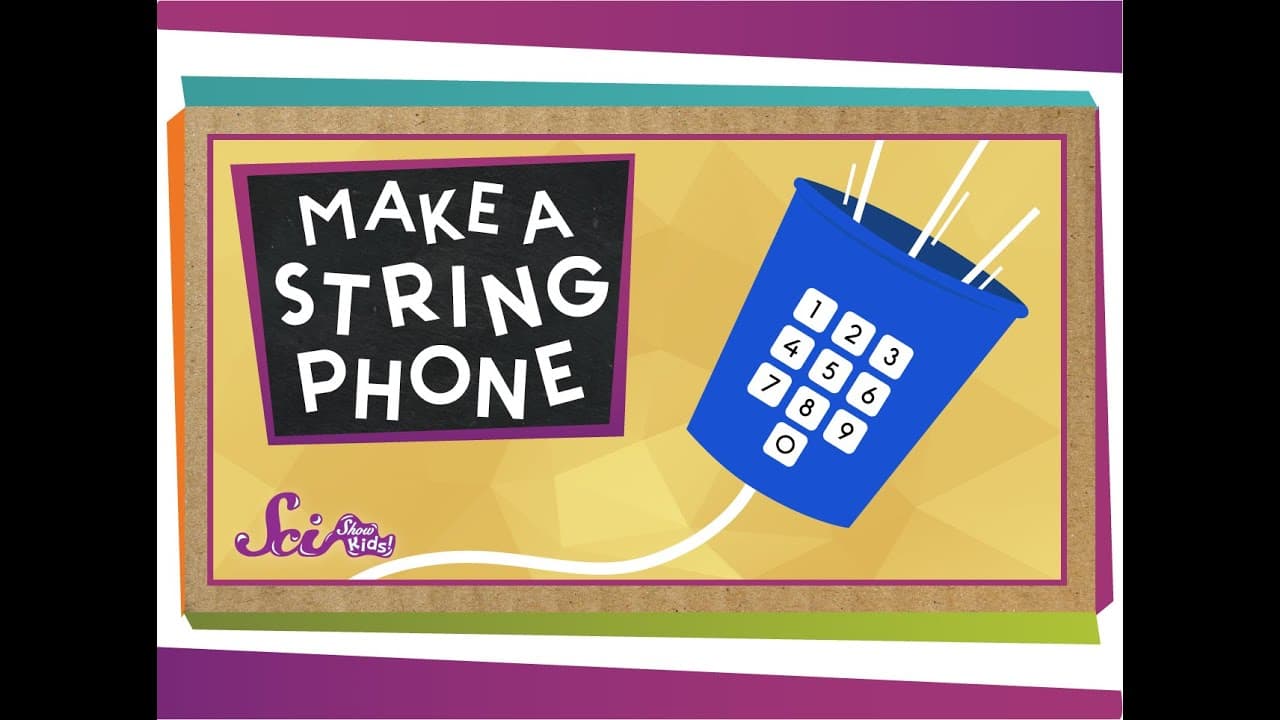
How to Build a String Phone to See Sound Work

How to Build a String Phone to See Sound Work

This engaging episode of SciShow Kids explores the science of sound through the lens of a classic childhood experiment: the cup-and-string phone. Host Jessi explains that all sounds originate from vibrations, demonstrating this concept through relatable examples like vocal cords and guitar strings. The video breaks down the physics of how sound waves travel through air particles, explaining why voices get harder to hear as distance increases.

SciShow KidsSciShow Kids

4mins 38s

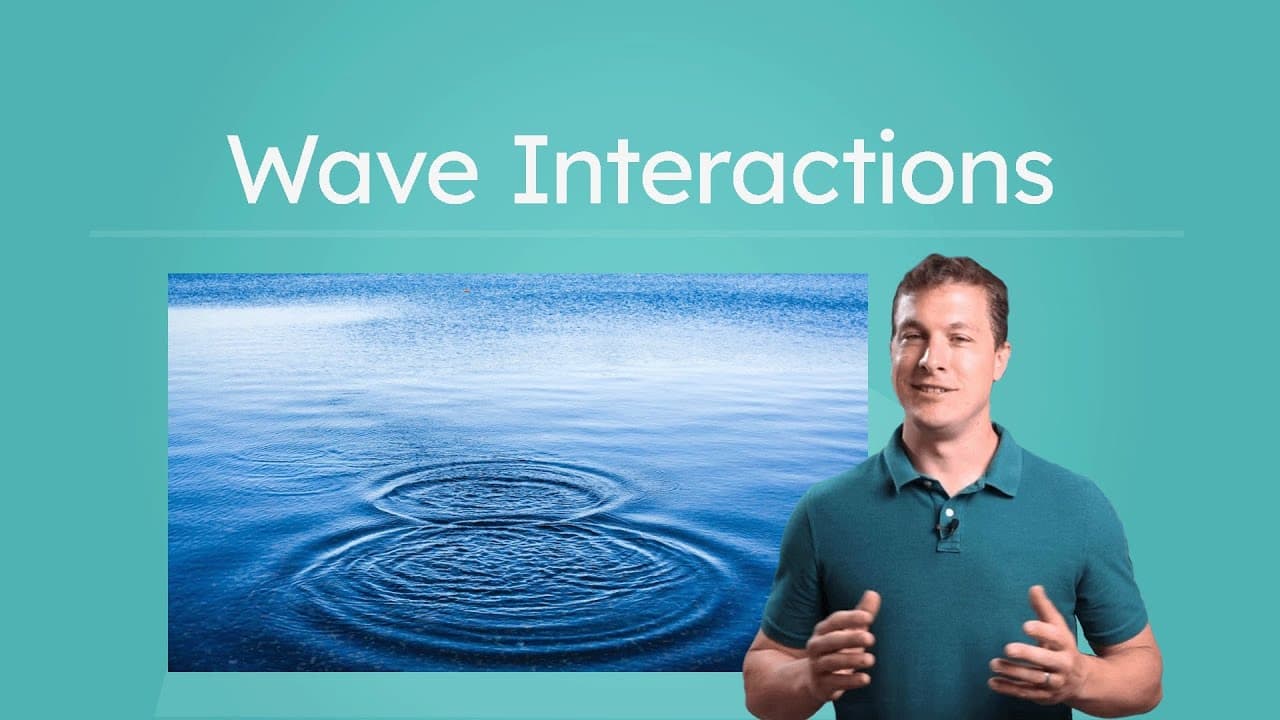
How Waves Interact: Reflection, Refraction, and Interference

How Waves Interact: Reflection, Refraction, and Interference

This engaging physics video explores the fundamental behaviors of waves through the lens of everyday phenomena like rainbows and echoes. The narrator breaks down complex concepts into three primary categories of interaction: interference, reflection, and refraction. By comparing light waves and sound waves, the video demonstrates how the same physical principles apply to different types of energy moving through the world. The content dives deep into specific mechanics, using clear animations and real-world footage. It illustrates constructive and destructive interference using water ripples and sine wave diagrams. It explains reflection through echoes and mirrors, and demystifies refraction (bending light) using a clever analogy involving a kayak turning in water. The relationship between the speed of light, material density, and color is also explained to uncover the science behind rainbows. For educators, this resource serves as an excellent core lesson for Physical Science or Physics units on wave properties. It effectively bridges the gap between abstract wave theory and observable reality. The included review quiz and summary make it a complete learning package, ideal for introducing new concepts or reinforcing standard curriculum regarding how waves interact with matter.

Miacademy & MiaPrep Learning ChannelMiacademy & MiaPrep Learning Channel

8mins 25s

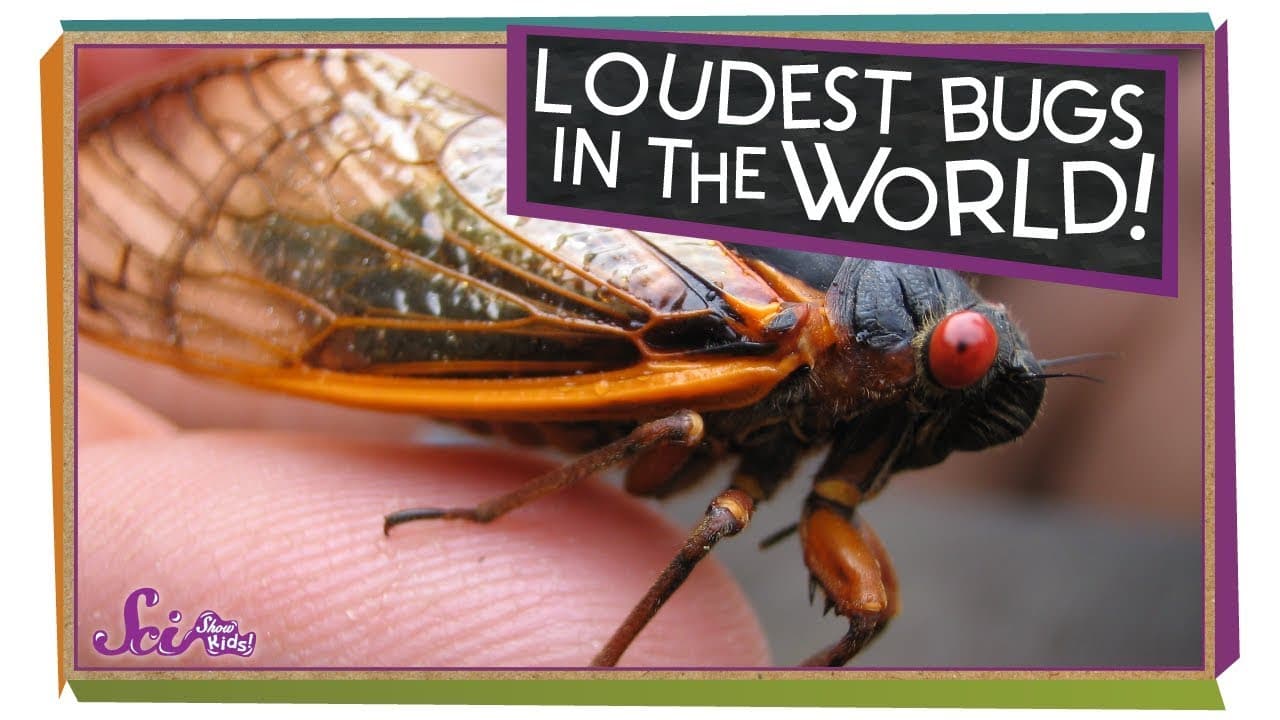
How Cicadas Make Such Loud Noises

How Cicadas Make Such Loud Noises

This educational video from SciShow Kids explores the fascinating world of cicadas, focusing on their unique life cycles and the mechanics behind their incredibly loud songs. Hosted by Jessi and her robot rat friend Squeaks, the video explains that while cicadas are often heard buzzing loudly in the summer, they spend the vast majority of their lives—up to 17 years—living underground. The narrative covers their emergence, their need to find mates quickly, and how they use camouflage to survive during their short time above ground. The video dives deep into the biology of sound production, introducing specific insect anatomy like 'tymbals' and 'membranes.' It uses a clear, accessible analogy of a bendy straw to explain how cicadas produce clicking sounds that merge into a continuous buzz. Students learn about the physics of sound, how different species like the Walker's Cicada compare to man-made noises like motorcycles, and the biological imperative behind these loud calls. For educators, this video is an excellent resource for units on insects, life cycles, sound waves, or adaptation. It simplifies complex biological mechanisms into age-appropriate explanations and provides concrete examples and analogies. The content naturally bridges biology and physics, offering opportunities for cross-curricular lessons involving nature walks, sound experiments, and creative writing about the insect's long underground journey.
SciShow KidsSciShow Kids

4mins 18s

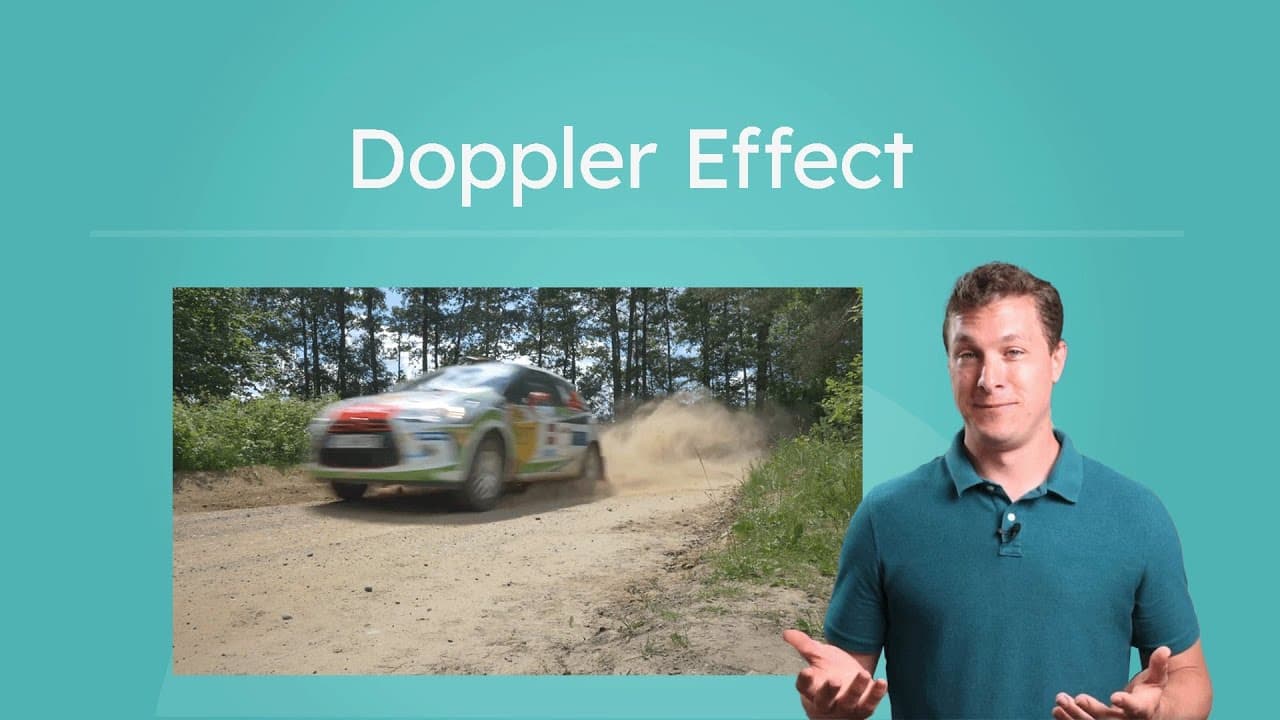
The Doppler Effect Explained: From Cars to Calculations

The Doppler Effect Explained: From Cars to Calculations

This educational video provides a comprehensive overview of the Doppler effect, bridging conceptual understanding with mathematical application. It begins by introducing the phenomenon through familiar real-world examples, such as the changing pitch of a race car speeding by, and visually demonstrates how sound waves compress and expand due to motion relative to an observer. The narrator explains the relationship between frequency and pitch, establishing the core definition of the Doppler effect as a frequency shift caused by relative motion. The video explores practical applications of this physics principle in nature and technology. It highlights how bats use Doppler shifts in echolocation to determine the speed of their prey, not just location, and how medical professionals use Doppler ultrasound to measure the speed of blood flow in the heart. These examples help ground the abstract concept in tangible, useful realities. Finally, the lesson transitions into the mathematical calculation of the Doppler effect. It introduces the specific equation used to determine observed frequency, breaking down each variable ($f_o$, $f_s$, $v_w$, $v_s$). The narrator guides viewers through a specific rule for determining whether to add or subtract the source velocity based on direction of travel. Two step-by-step practice problems involving a train whistle allow students to apply the formula directly, reinforcing the link between the math and the physical auditory experience.

Miacademy & MiaPrep Learning ChannelMiacademy & MiaPrep Learning Channel

12mins 21s

How Sound Vibrations Travel to Our Ears

How Sound Vibrations Travel to Our Ears

Join Jessi and Squeaks the Robot in this engaging exploration of sound science. The video begins with a listening exercise to help viewers realize that sounds are constantly around them, differentiating between "noise" (unpleasant sounds like traffic) and "music" (organized notes). The core concept of vibration is introduced as the source of all sound, explaining that sound is simply rapid back-and-forth movement.

SciShow KidsSciShow Kids

3mins 58s

Why We See the Moon During the Day

Why We See the Moon During the Day

This engaging video from SciShow Kids answers a common student inquiry: "Why can I see the moon during the day?" Through clear narration and helpful animations, the host breaks down the complex mechanics of the Earth-Sun-Moon system. The video explains foundational astronomical concepts, differentiating between Earth's daily rotation and the Moon's monthly orbit, while effectively demonstrating how the interaction of these movements allows the Moon to be visible in the daytime sky. Key themes include the rotation of Earth causing day and night, the concept of orbiting, and the physics of light reflection. A crucial distinction is made between the Sun as a source of light and the Moon as a reflector of that light. The video also introduces the concept of moon phases using kid-friendly analogies—comparing the changing shapes to a bitten cookie, a fingernail clipping, and a dinner plate—to explain that the Moon's shape doesn't actually change, only our view of its illuminated half does. For classroom application, this resource is invaluable for dispelling the misconception that the Moon acts solely as a "night light." It serves as a perfect launchpad for units on space systems, patterns in the sky, or the properties of light. Teachers can utilize the video's clear visual models to set up classroom demonstrations using globes and flashlights, or to initiate a long-term moon observation journal project where students track the moon's visibility during school hours.

SciShow KidsSciShow Kids

3mins 52s

Materials

Light Paths Slide Deck

Light Paths Slide Deck

An 11-slide presentation for a 45-minute lesson on light and how it travels. It covers luminous sources, rectilinear propagation, ray diagrams, material transparency, the law of reflection, refraction through varying media, classroom demonstrations, and review practice questions.

MT

Micha Taylor

Light Mixer Journal Booklet

Light Mixer Journal Booklet

A 1st-grade printable science observation journal for exploring color mixing with light and Magna-Tiles. Features enlarged test headers, vibrant color-coded labels, drawing prompts, and primary handwriting guidelines.

AA

Annalise Arriola

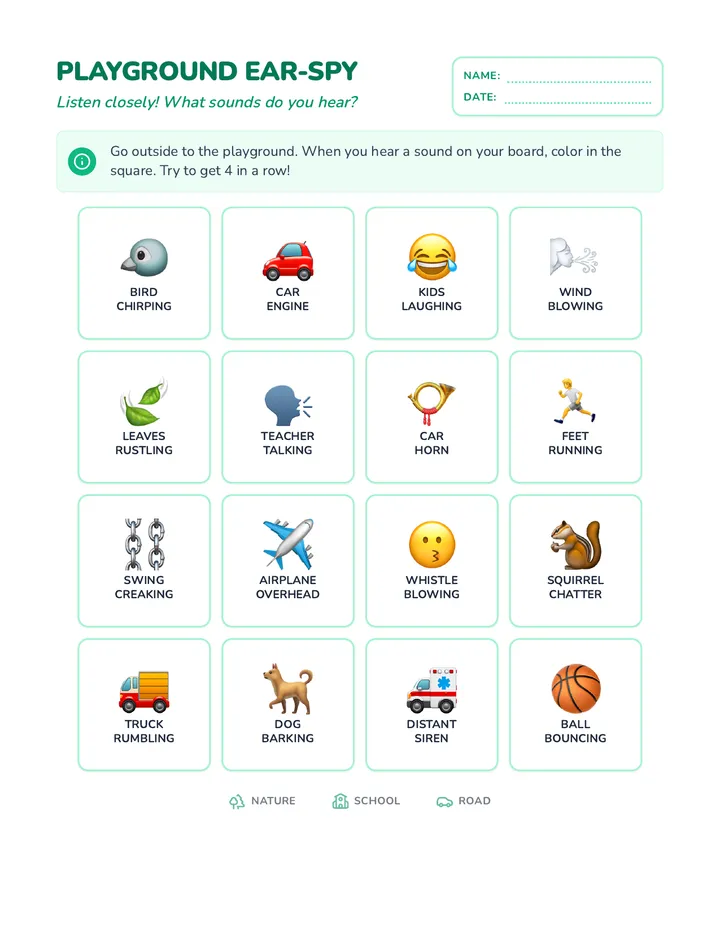
Ear Spy Bingo Board

Ear Spy Bingo Board

A single-page 4x4 bingo board for first graders to identify school playground sounds, featuring large emojis and bold labels for easy recognition.

LA

Lynne Aftuck

راز صدا اسلاید

راز صدا اسلاید

مجموعه اسلایدهای آموزشی و تعاملی برای آموزش مفهوم صدا، ارتعاش و انتقال صوت به دانش‌آموزان دوره ابتدایی همراه با مثال‌های ملموس روزمره و آزمایش‌های کلاسی فوری.

Sequences

Wave Racer CER Bellringer

Wave Runners Sequence

A comprehensive physics unit covering the behavior of mechanical and electromagnetic waves. Students transition from hands-on slinky exploration to advanced optical modeling and mathematical derivations.

OM

Olutoyin Makinde

65
Straight Shooters Slides

Light Speed

A comprehensive 5-lesson unit for 4th graders exploring the properties of light energy, including how it travels, reflects, refracts, and interacts with different materials.

NP

Natalie Pelletier

20
Sonic Signals Slides

Wild Signals

A comprehensive two-week, 4th-grade life science unit exploring how animals send, receive, and decode signals across auditory, visual, olfactory, and vibrational sensory modes to survive. Students analyze scientific evidence, acoustic and seismic spectrograms, behavioral patterns, and engineer biomimetic communication prototypes.

CQ

Constance Quinones

19
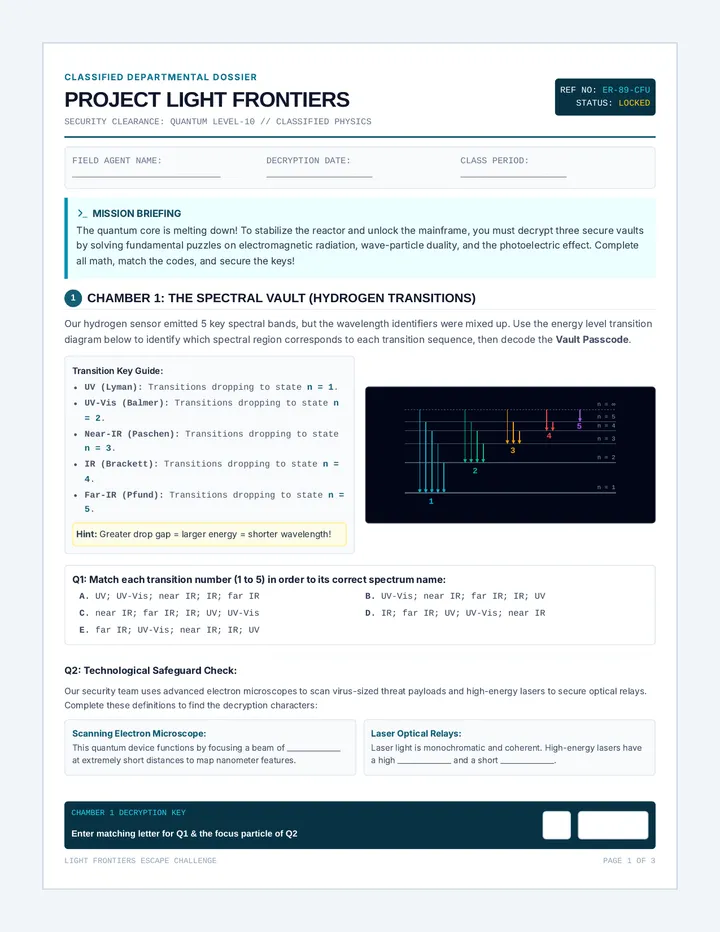
Quantum Escape Room Worksheet

Light Frontiers

A comprehensive physics sequence exploring the dual nature of light, the electromagnetic spectrum, and the interactions of radiation with matter, including the photoelectric effect and polarization.

OM

Olutoyin Makinde

18
Science Scout Slides

Science Explorer Series

A series of foundational science lessons designed for high school students with autism, featuring highly visual and structured activities across various scientific domains.

MR

Maddy Roberts

15
Peer Review Packet Worksheet

Sound Wave Specialists

A four-day instructional unit for 4th-grade students exploring the relationship between pitch, wavelength, and frequency, comparing these concepts to previously learned amplitude. Students engage with a professional-style scientific journal article, hands-on demonstrations, and visual wave modeling.

MG

Matthew Gaudin

10

Lessons

Heat Flow Teacher Guide

Particle Behavior Review

A lesson focusing on the states of matter (solid, liquid, gas) and the behavior of particles at the molecular level. Students will model particle motion and arrangement, as well as the energy changes that drive phase transitions.

EA

Erica Andre

54
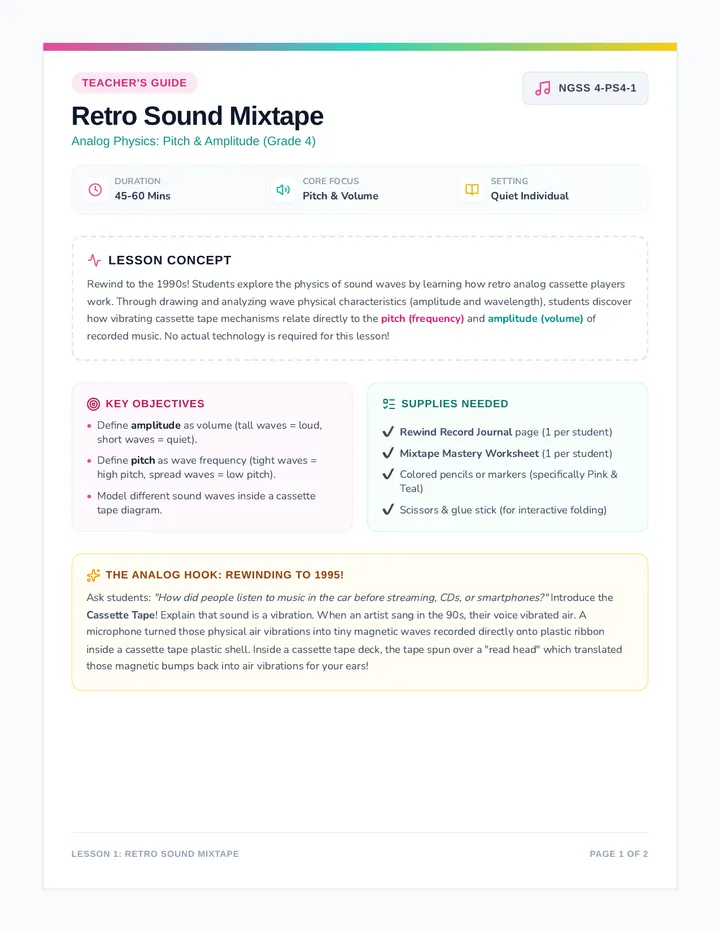
Tape Deck Lesson Plan

Retro Sound Mixtape

A retro 90s-themed science lesson where fourth-grade students explore the concepts of pitch and amplitude (volume) through the analog mechanics and culture of cassette tapes.

MG

Matthew Gaudin

4
Shadow Detectives Slides

Shadow Sleuths

A comprehensive first-grade science exploration on light and shadows. Students investigate how light travels, how opaque objects block light to create shadows, how the sun's position changes shadow length and direction, and how to create shadow puppets.

JE

Joselynn Escobar

4
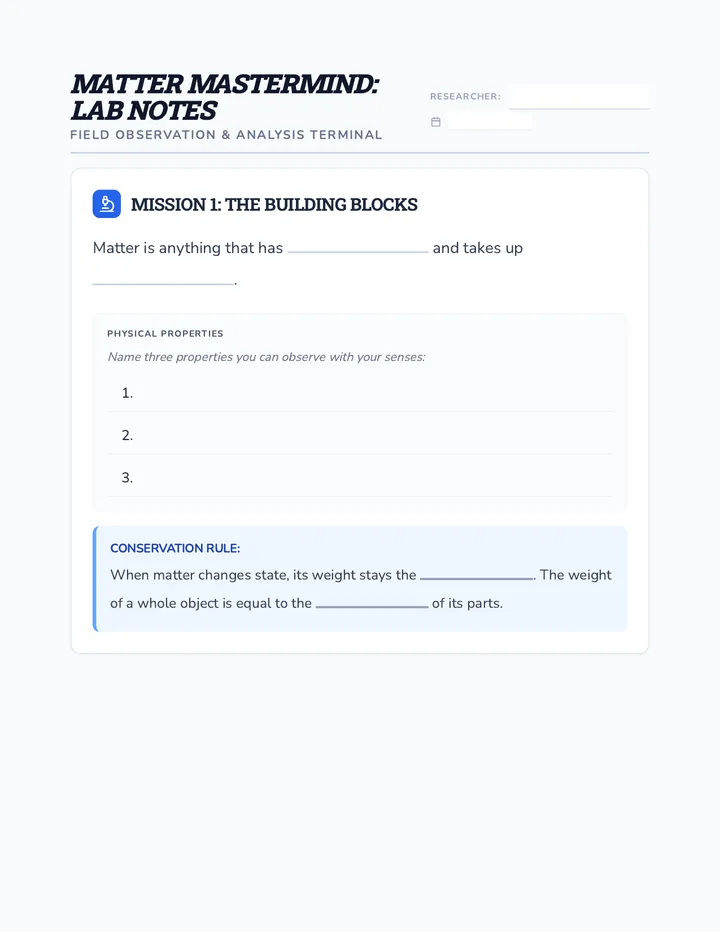
Matter Mastermind Lab Notes

Matter Mastermind

This integrated lesson explores the properties of matter and the forces of gravity. Students will analyze scientific claims by identifying the reasons and evidence used to support them, bridging physical science concepts with critical reading skills.

MW

Mr Whitfield

9
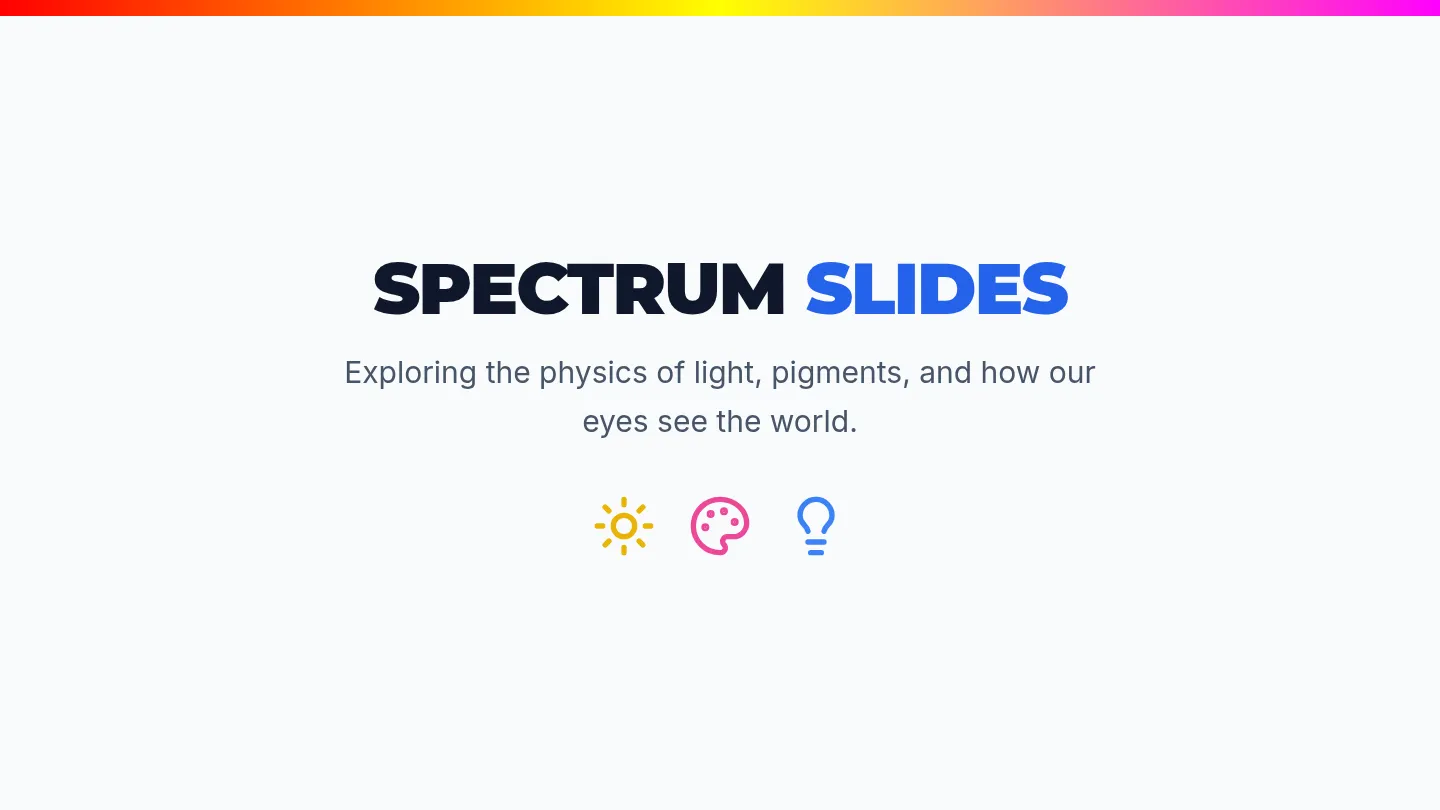
Spectrum Slides

Color Lab

A hands-on exploration of the physics of color, focusing on additive light mixing and subtractive pigment mixing through experimentation.

TL

Tricia Lucie

3
Tube Tunes Guided Notes

Resonating Pipes

A comprehensive lesson exploring the physics of sound resonance in open and closed pipes, focusing on harmonics, wave patterns, and mathematical relationships.

CM

Chuguna Murugesan

27