Lenny.com
Explore
Create
ActivitiesNewMathEnglish Language ArtsScience & EngineeringSocial StudiesGlobal LanguagesHealth & Physical EducationSpecial EducationCounseling & Life SkillsArts & CreativityESL
Lenny.com
Lenny.com
Explore
Create
ActivitiesNewMathEnglish Language ArtsScience & EngineeringSocial StudiesGlobal LanguagesHealth & Physical EducationSpecial EducationCounseling & Life SkillsArts & CreativityESL
Lenny.com
Science & EngineeringLife ScienceLiving ThingsAnimalsPlantsBody SystemsTraitsAdaptationsCellsEcosystemsHeredityGenes to TraitsCell DivisionPhysicsComparing MaterialsShapes and PropertiesMagnetsMagnetismLightSoundLight and SoundMatterStates of MatterChanges of StateMixturesPhysical and Chemical ChangeHeating and CoolingHeat and Thermal EnergyEnergyForce and MotionElectrical CircuitsAtoms and MoleculesPeriodic TableMotion in One DimensionMotion in Two DimensionsScalars and VectorsForces and Laws of MotionCircular Motion and GravityMomentum and ImpulseWork, Energy, and PowerWavesElectromagnetic WavesGeometric OpticsElectricity and MagnetismSimple Harmonic MotionThermodynamicsNuclear PhysicsEarth Science & AstronomyWeatherWater CycleRocks and MineralsFossilsEarth's FeaturesEarth's ResourcesEarth's StructureWeather and ClimateEarth EventsFossils and Geologic TimePlate TectonicsHuman ImpactsAstronomyChemistryUnits and MeasurementAtomic StructurePeriodic TrendsChemical BondingNomenclatureMolecular StructureIntermolecular ForcesThe MoleStoichiometryProperties of GasesSolutionsChemical ReactionsBalancing EquationsEnergy ChangesRates of ReactionsEquilibriumAcids and BasesQuantum ModelBiologyClassificationCell StructureThe Chemistry of LifeBiomoleculesCellular TransportCell EnergyCell Growth and DivisionDNAProtein SynthesisMeiosis and Sexual ReproductionPatterns of InheritanceMulticellular OrganismsEvolutionEcologyBiodiversityComputer ScienceAlgorithms and Computational ThinkingProgramming LanguagesComputing SystemsNetworks and InternetData AnalysisCybersecurityAI and Machine LearningSoftware Design and DevelopmentBlockchainEngineering & AIDesigning ExperimentsEngineering PracticesDesign ThinkingEngineering Design ProcessMechanical EngineeringElectrical EngineeringMaterials and StructuresCAD and 3D DesignRoboticsArtificial Intelligence BasicsVibe CodingMachine LearningAI Ethics and SocietySystems ThinkingEntrepreneurship & InnovationEntrepreneurial MindsetBusiness Idea DevelopmentBusiness Plan BasicsMarketing & Customer DiscoveryFinancial Management for Startups
Lenny.com

Solutions

Lenny for EducatorsLenny for SchoolsLenny for Districts

Product

ExploreSign inCreateSupportAbout

Resources

Getting startedMTSS Acceleration Program

© 2026 Lenny Learning Inc.

TermsPrivacyAccessibility
LinkedInInstagramX
Lenny

Human Impacts

Anthropogenic effects on ecosystems, biodiversity, and global climate patterns. Examines mitigation strategies, sustainable resource management, and individual actions to reduce ecological footprints.

Videos

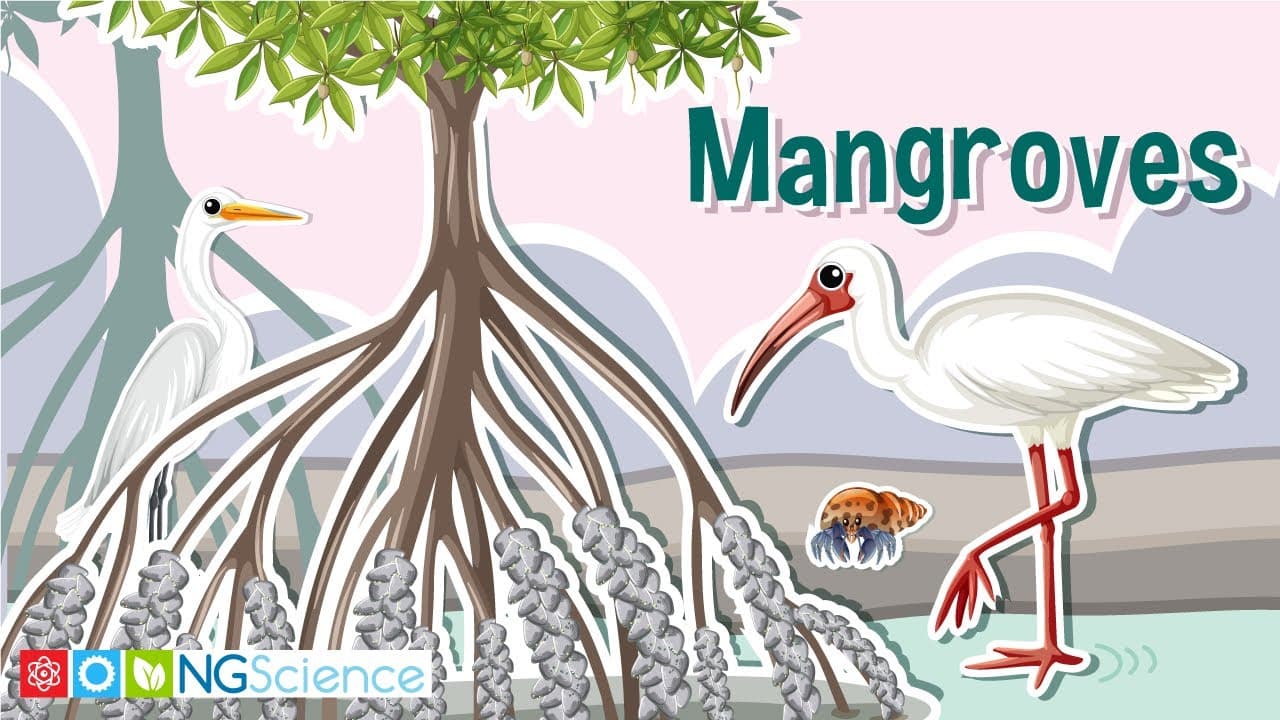
How Mangroves Survive and Protect the Coast

How Mangroves Survive and Protect the Coast

This educational video provides a comprehensive look at mangrove forests, exploring how these unique plants survive in harsh intertidal environments where land meets the sea. It details the specific biological adaptations that allow mangroves to thrive in salty, low-oxygen soil, including their specialized root systems and unique reproductive cycle. The narration clearly explains the challenges of the intertidal zone, such as shifting tides and soft sediment, and how the trees have evolved to overcome them. The video specifically focuses on structural adaptations like stilt roots that prop up the trees and pneumatophores (breathing roots) that stick out of the mud to absorb oxygen. It also covers the fascinating reproductive strategy where seeds germinate while still attached to the parent plant before dropping into the water to float away. These examples serve as excellent case studies for teaching students about structural and behavioral adaptations in plants. Finally, the video highlights the crucial role mangroves play in the wider ecosystem. It showcases the biodiversity supported by these forests, including fish, crabs, and birds, and explains how mangroves act as natural barriers against coastal erosion, storm surges, and tsunamis. This makes the video highly relevant for lessons on ecosystems, biodiversity, and environmental conservation.

Next Generation ScienceNext Generation Science

2mins 51s

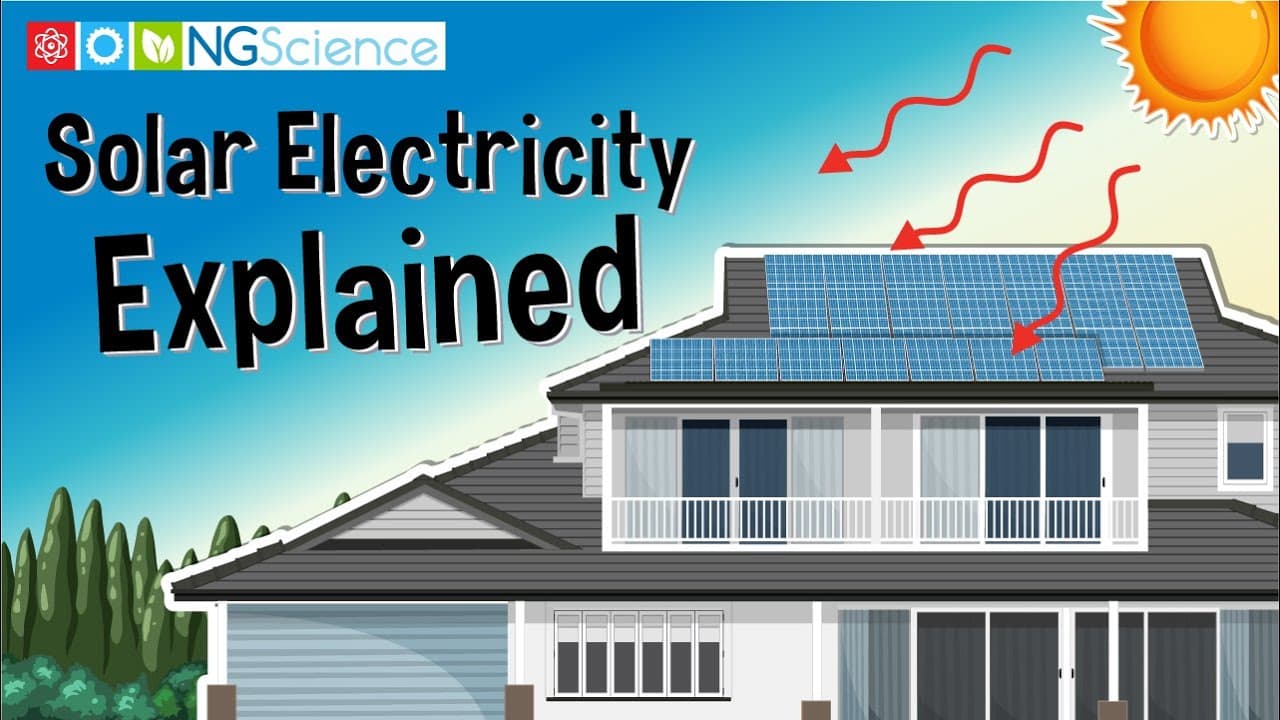
How Solar Panels Power Our Homes: From Sunlight to Electricity

How Solar Panels Power Our Homes: From Sunlight to Electricity

This educational video provides a clear and concise explanation of how solar energy is harvested, converted, and utilized in modern homes and businesses. It breaks down the technical process of photovoltaic generation, explaining the critical difference between Direct Current (DC) and Alternating Current (AC), and the role of inverters in making solar power compatible with the electrical grid. The video also introduces the concept of battery storage to manage energy demand during non-sunlight hours. Beyond the technical mechanics, the video explores the broader implications of adopting solar technology. It balances the discussion by highlighting key advantages—such as environmental sustainability, cost savings, and technological advancements—against significant challenges like weather dependence, high initial installation costs, and the environmental concerns surrounding panel disposal. For educators, this resource serves as an excellent primer for units on renewable energy, electricity, or environmental science. It simplifies complex electrical concepts like AC/DC conversion into digestible visuals, making it accessible for upper elementary and middle school students. The balanced presentation of pros and cons also makes it a valuable tool for critical thinking exercises regarding energy policy and sustainability.

Next Generation ScienceNext Generation Science

3mins 30s

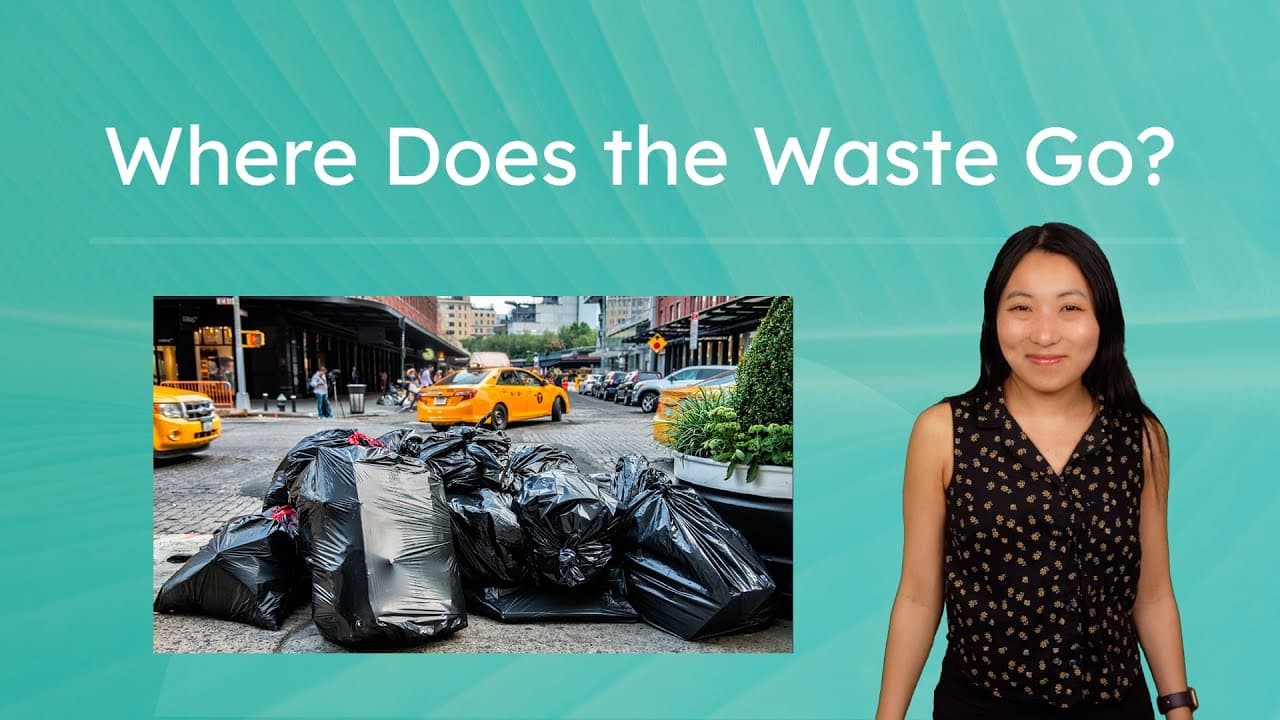
Where Does the Waste Go? Managing Trash and the Zero-Waste Future

Where Does the Waste Go? Managing Trash and the Zero-Waste Future

This educational video provides a comprehensive overview of waste management systems, exploring where trash goes after it leaves our homes and how modern cities are striving for sustainability. Using Stockholm, Sweden as a case study for a "zero-waste future," the narrator guides viewers through the journey of waste, explaining the difference between municipal and industrial waste and the impact of urbanization on trash production. The video details current disposal methods—specifically landfills and incineration—while honestly analyzing their environmental drawbacks, such as leachate, methane production, and air pollution. Key themes include the distinction between different types of waste, the mechanics and environmental costs of landfills versus incineration, and the hierarchy of sustainable solutions: composting, recycling, and waste prevention. The concept of a "circular economy" is introduced as a vital alternative to the traditional "take-make-waste" model. The video breaks down the zero-waste approach into three digestible pillars: waste prevention, resource conservation, and the circular economy, providing concrete examples of each. For educators, this resource serves as an excellent foundation for units on environmental science, sustainability, or human geography. It moves beyond simple slogans like "reduce, reuse, recycle" to explain *why* these actions matter scientifically and economically. The video encourages critical thinking by asking students to evaluate different waste strategies and empowers them with actionable steps they can take in their own lives to reduce their environmental footprint, making it highly applicable for project-based learning and classroom discussions.
Miacademy & MiaPrep Learning ChannelMiacademy & MiaPrep Learning Channel

10mins 29s

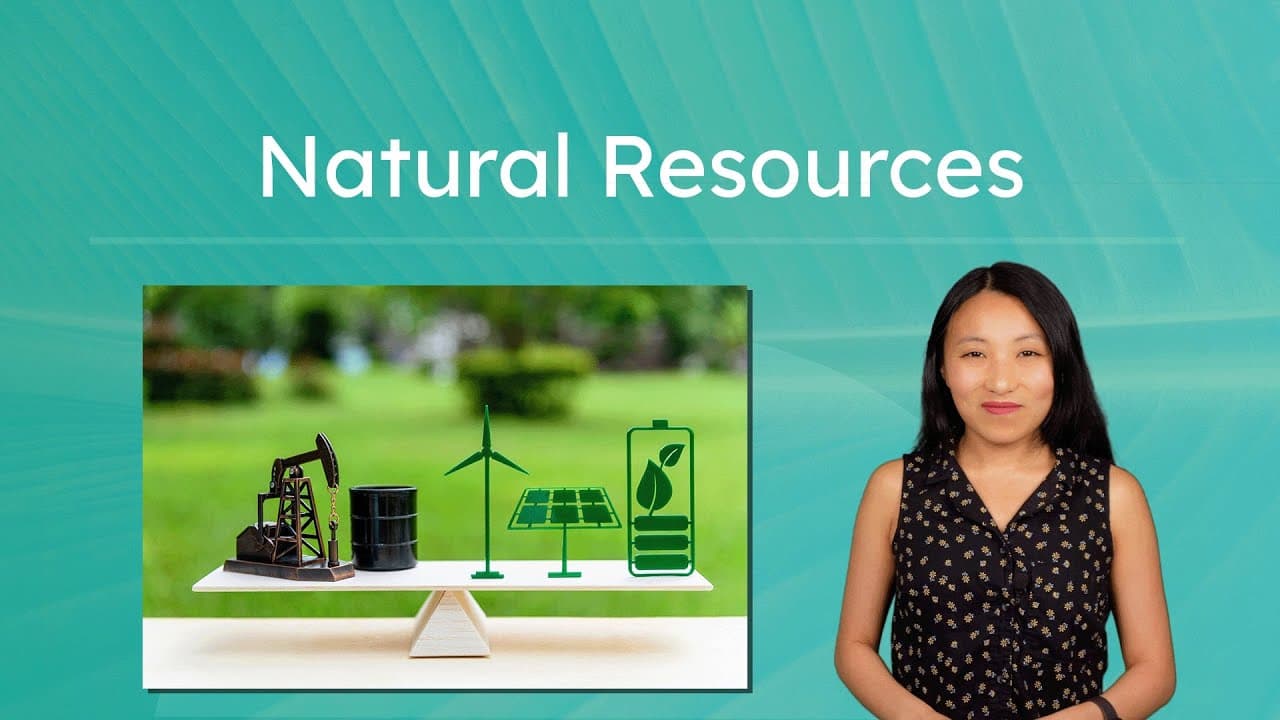
Managing Natural Resources and the Tragedy of the Commons

Managing Natural Resources and the Tragedy of the Commons

This engaging video introduces students to the fundamental concepts of natural resources, distinguishing clearly between renewable and nonrenewable materials that humans depend on for survival. Opening with a relatable mystery about disappearing fish in a local lake, the narrator leads viewers through an exploration of where resources come from (the Earth's spheres) and how we use them in daily life. The content addresses the nuance that renewable resources, like fish populations or forests, can become effectively nonrenewable if harvested faster than they can replenish. The video bridges environmental science with basic economic principles, introducing concepts such as supply and demand, cost-benefit analysis, and the influence of technology and culture on resource use. A central theme is the "Tragedy of the Commons," illustrated through the fishing narrative to show how individual self-interest can lead to the depletion of shared public resources. The video explains that while renewable resources need time to recover, nonrenewable resources are finite and require especially careful management. For educators, this resource is a powerful tool for interdisciplinary teaching, connecting science, economics, and ethics. It encourages critical thinking about sustainability and systems thinking. The video includes built-in pause points for reflection, visual graphs to explain economic concepts, and clear real-world examples, making it ideal for sparking classroom discussions about conservation, personal responsibility, and the long-term consequences of human decision-making.

Miacademy & MiaPrep Learning ChannelMiacademy & MiaPrep Learning Channel

10mins

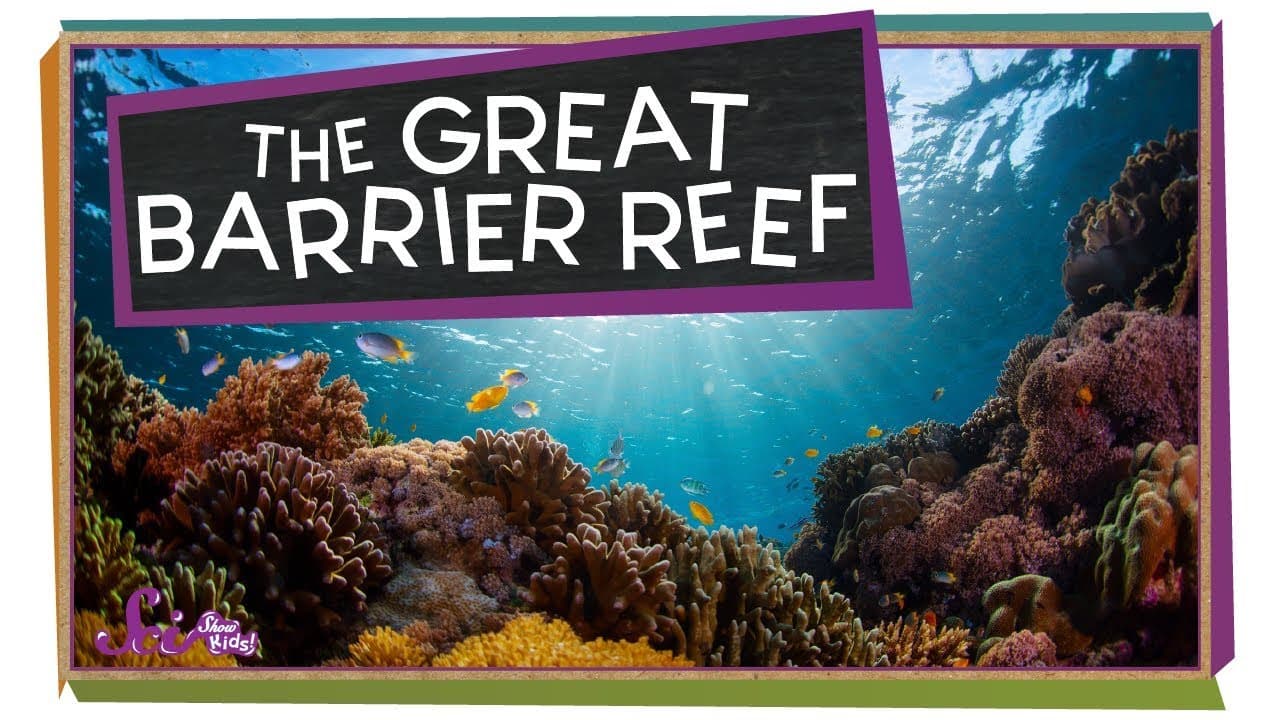
Exploring the Great Barrier Reef and Its Amazing Animals

Exploring the Great Barrier Reef and Its Amazing Animals

This educational video from SciShow Kids takes young learners on an underwater journey to explore the Great Barrier Reef. Hosted by Jessi and her robot rat friend Squeaks, the video explains exactly what coral is—clarifying the common misconception that it is a rock or plant by identifying it as a colony of tiny animals. The narrative explores the massive scale of the Great Barrier Reef off the coast of Australia and introduces viewers to some of its unique inhabitants, including the dugong, moray eel, and cuttlefish. The video touches on key biological themes such as animal classification, habitats, and adaptations like camouflage. It illustrates how different species rely on the reef for food and shelter, highlighting the interdependence of the ecosystem. The latter part of the video gently introduces environmental concepts, explaining how human activities, climate change, and pollution impact ocean health. Teachers can use this video to spark lessons on marine biology, geography, and environmental stewardship. It serves as an excellent visual aid for explaining complex concepts like coral polyps and ecosystem fragility in an age-appropriate way. The actionable advice at the end—such as recycling and being careful about what goes down the drain—empowers students to participate in ocean conservation in their daily lives.

SciShow KidsSciShow Kids

3mins 47s

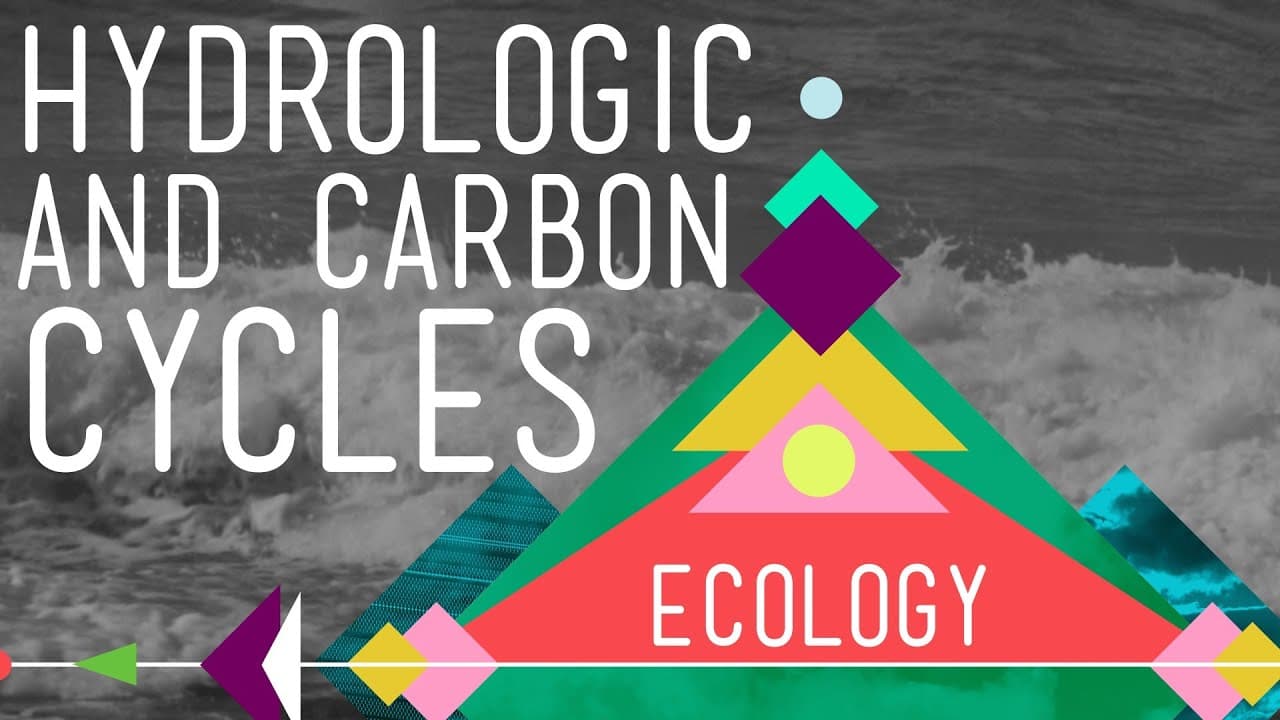
How Water and Carbon Cycle Through Earth

How Water and Carbon Cycle Through Earth

In this engaging episode of Crash Course Ecology, Hank Green explores the fundamental recycling systems of our planet: the Hydrologic (Water) Cycle and the Carbon Cycle. The video explains that Earth is essentially a closed system regarding matter, meaning every atom currently on Earth has been here since the planet's formation, constantly being repurposed through biogeochemical cycles. The narration breaks down complex processes into understandable components, moving from the movement of water through states of matter to the movement of carbon through living and non-living reservoirs.

CrashCourseCrashCourse

10mins 4s

Materials

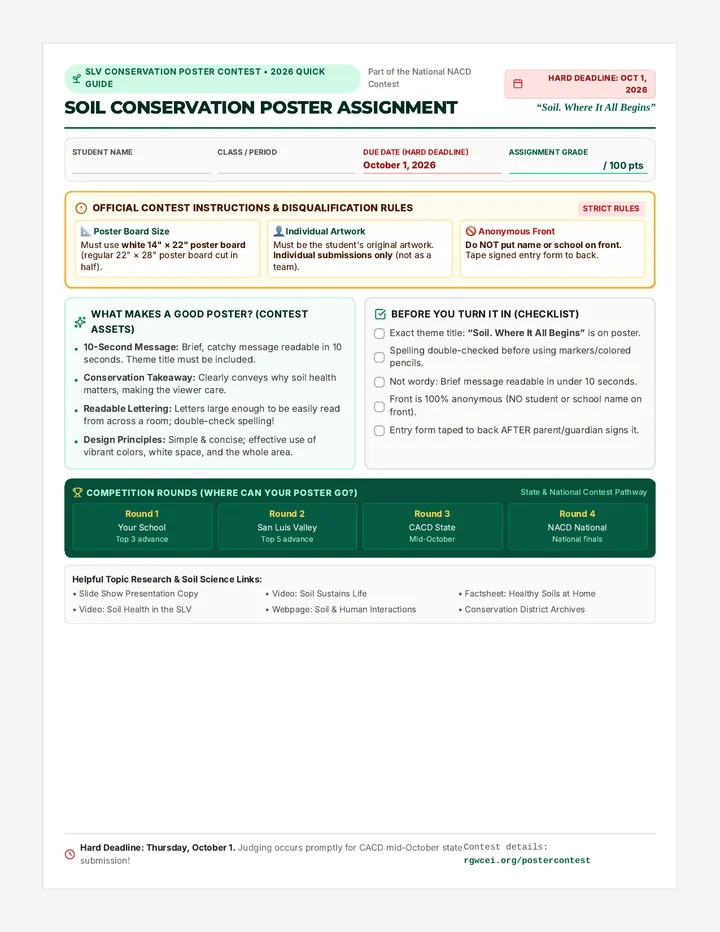
Living Soil Poster Rubric

Living Soil Poster Rubric

High-contrast print-ready 2-page assignment overview and official 100-point rubric for the 2026 SLV Conservation Poster Contest. Changed the Total Score block on Page 2 to a clean white background with bold, high-contrast dark emerald and stone lettering for handwriting and grading.

CP

Carmen Pavlovsky

Roof Modification Challenge Slides

Roof Modification Challenge Slides

A 31-slide interactive presentation featuring 15 multiple-choice questions covering pages 60-63 of the Futura Engineering Dossier (White Roofs and Solar Roofs). Each question slide is followed immediately by an answer and explanation slide, fully adhering to font size guidelines and answer length constraints.

K

KATIE.CADLE

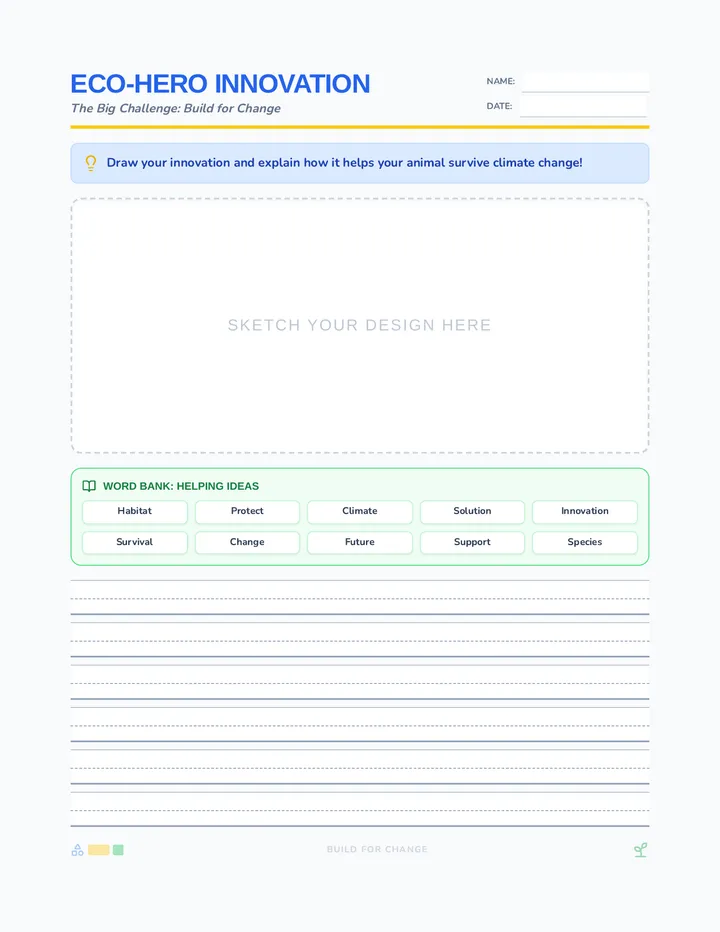
Eco-Hero Innovation Worksheet

Eco-Hero Innovation Worksheet

A finalized creative writing and drawing worksheet for 'The Big Challenge'. Features a spacious drawing box, a student-friendly word bank, and six sets of primary-style handwriting lines with clear top, mid (dashed), and baseline boundaries, all fitted to a single page.

N

nmack

Ancient Energy Reading Worksheet

Ancient Energy Reading Worksheet

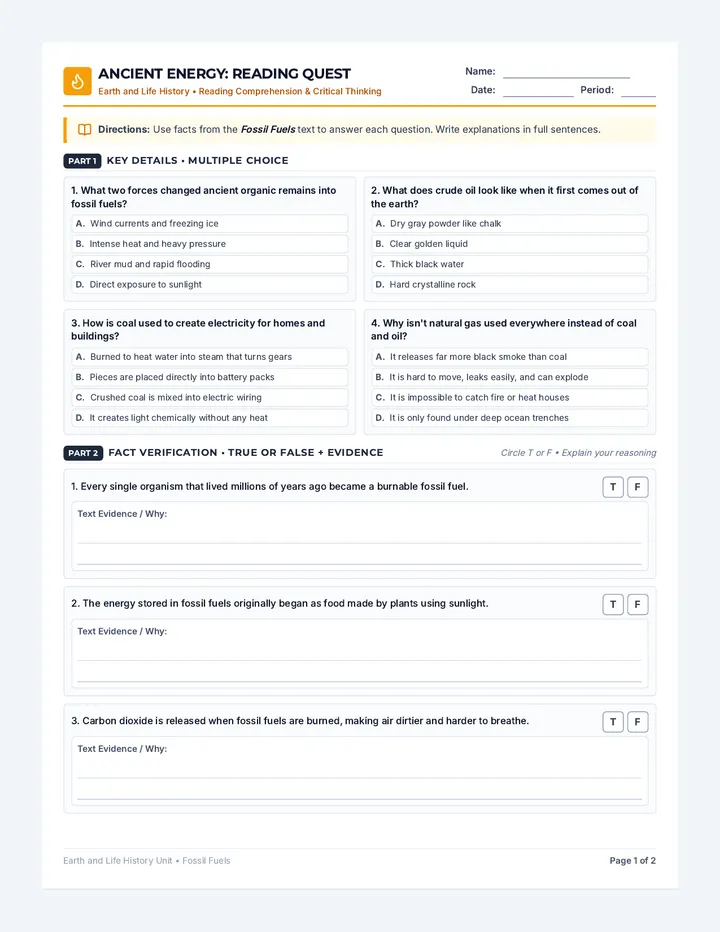
A two-page printable reading comprehension worksheet based on the Fossil Fuels text, revised with spacious student handwriting lines, enlarged answer spaces, and balanced layout to prevent vertical overflow.

EG

Emily Gianni

Planet Chemistry Teacher Guide

Planet Chemistry Teacher Guide

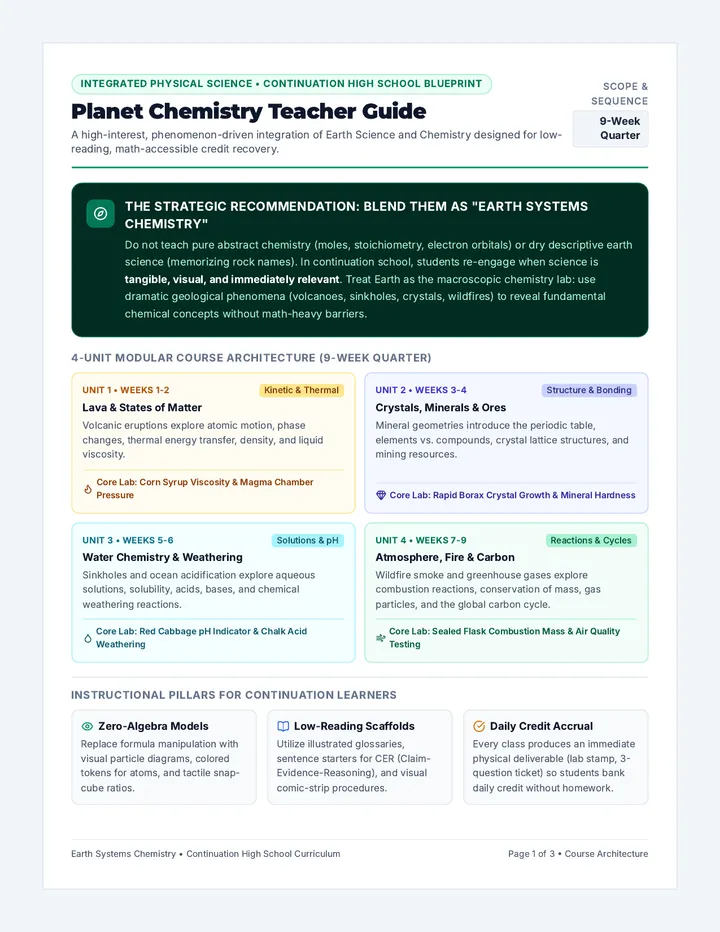
A comprehensive curriculum blueprint integrating chemistry and earth science specifically tailored for continuation high school students. Features four accessible, hands-on units, low-math lab investigations, and structured literacy supports for credit recovery.

MH

Meagan Hudson

River Shield Research Worksheet

River Shield Research Worksheet

A comprehensive two-page student research worksheet exploring U.S. Army Corps of Engineers civil works in Evansville, Indiana, including floodwalls, levees, and Ohio River navigation locks. Students document research sources, examine structural mechanisms for flood control and river transit, evaluate community and economic impacts, and master vital infrastructure vocabulary.

CB

Christopher Boylan

Sequences

Climate Crisis Slides

Science Essentials Vault

A comprehensive collection of core science units covering Environmental Science, Biology, and Physical Science. This sequence provides high-impact instructional slides, hands-on lab experiences, guided notes, and differentiated assessments for five major scientific domains.

CB

Chloe Brown

25
Home Foundations Teacher Guide

Housing and Interior Design

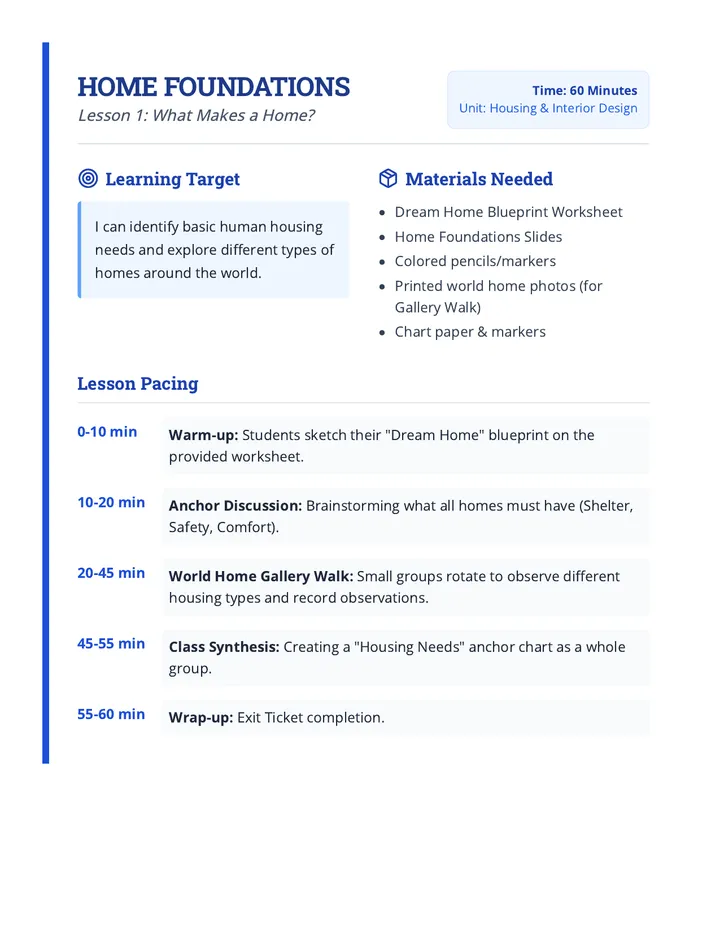
An introductory unit on Housing and Interior Design within the Human Services field. Students explore basic housing needs, sustainable green building, universal design for accessibility, the impact of local resources and climate on home construction, and residential energy efficiency.

JM

Jill Miller

38
Science Squad Student Booklet

Science Literacy Journals

A multi-grade collection of scientific reading comprehension and response booklets designed to build disciplinary literacy in Earth, Life, and Physical sciences across elementary and middle school levels.

N

nmack

4
Acid Base Action Plan

Acid Base Investigation

A comprehensive unit exploring the properties, reactions, and mathematical relationships of acids and bases, featuring pH calculations, titrations, and buffer systems.

OM

Olutoyin Makinde

34
Matter and Mixes Worksheet

Science Summit

A comprehensive end-of-year review for 5th Grade NGSS science standards, organized by domain to ensure mastery of physical, life, and Earth sciences.

MA

Madelyne Ashbaugh

9
Habitat Recon Worksheet

Nature Intelligence Agency

A series of secret agent-themed ecology missions where students act as Eco-Detectives for the Nature Intelligence Agency (NIA) to study habitats, food chains, and environmental impacts.

A

Alaina.Burton

14