Lenny.com
Explore
Create
ActivitiesNewMathEnglish Language ArtsScience & EngineeringSocial StudiesGlobal LanguagesHealth & Physical EducationSpecial EducationCounseling & Life SkillsArts & CreativityESL
Lenny.com
Lenny.com
Explore
Create
ActivitiesNewMathEnglish Language ArtsScience & EngineeringSocial StudiesGlobal LanguagesHealth & Physical EducationSpecial EducationCounseling & Life SkillsArts & CreativityESL
Lenny.com
Science & EngineeringLife ScienceLiving ThingsAnimalsPlantsBody SystemsTraitsAdaptationsCellsEcosystemsHeredityGenes to TraitsCell DivisionPhysicsComparing MaterialsShapes and PropertiesMagnetsMagnetismLightSoundLight and SoundMatterStates of MatterChanges of StateMixturesPhysical and Chemical ChangeHeating and CoolingHeat and Thermal EnergyEnergyForce and MotionElectrical CircuitsAtoms and MoleculesPeriodic TableMotion in One DimensionMotion in Two DimensionsScalars and VectorsForces and Laws of MotionCircular Motion and GravityMomentum and ImpulseWork, Energy, and PowerWavesElectromagnetic WavesGeometric OpticsElectricity and MagnetismSimple Harmonic MotionThermodynamicsNuclear PhysicsEarth Science & AstronomyWeatherWater CycleRocks and MineralsFossilsEarth's FeaturesEarth's ResourcesEarth's StructureWeather and ClimateEarth EventsFossils and Geologic TimePlate TectonicsHuman ImpactsAstronomyChemistryUnits and MeasurementAtomic StructurePeriodic TrendsChemical BondingNomenclatureMolecular StructureIntermolecular ForcesThe MoleStoichiometryProperties of GasesSolutionsChemical ReactionsBalancing EquationsEnergy ChangesRates of ReactionsEquilibriumAcids and BasesQuantum ModelBiologyClassificationCell StructureThe Chemistry of LifeBiomoleculesCellular TransportCell EnergyCell Growth and DivisionDNAProtein SynthesisMeiosis and Sexual ReproductionPatterns of InheritanceMulticellular OrganismsEvolutionEcologyBiodiversityComputer ScienceAlgorithms and Computational ThinkingProgramming LanguagesComputing SystemsNetworks and InternetData AnalysisCybersecurityAI and Machine LearningSoftware Design and DevelopmentBlockchainEngineering & AIDesigning ExperimentsEngineering PracticesDesign ThinkingEngineering Design ProcessMechanical EngineeringElectrical EngineeringMaterials and StructuresCAD and 3D DesignRoboticsArtificial Intelligence BasicsVibe CodingMachine LearningAI Ethics and SocietySystems ThinkingEntrepreneurship & InnovationEntrepreneurial MindsetBusiness Idea DevelopmentBusiness Plan BasicsMarketing & Customer DiscoveryFinancial Management for Startups
Lenny.com

Solutions

Lenny for EducatorsLenny for SchoolsLenny for Districts

Product

ExploreSign inCreateSupportAbout

Resources

Getting startedMTSS Acceleration Program

© 2026 Lenny Learning Inc.

TermsPrivacyAccessibility
LinkedInInstagramX
Lenny

Earth's Resources

Renewable and non-renewable energy sources, mineral extraction, and sustainable water management. Examines environmental impacts of human consumption and conservation strategies for natural ecosystems.

Videos

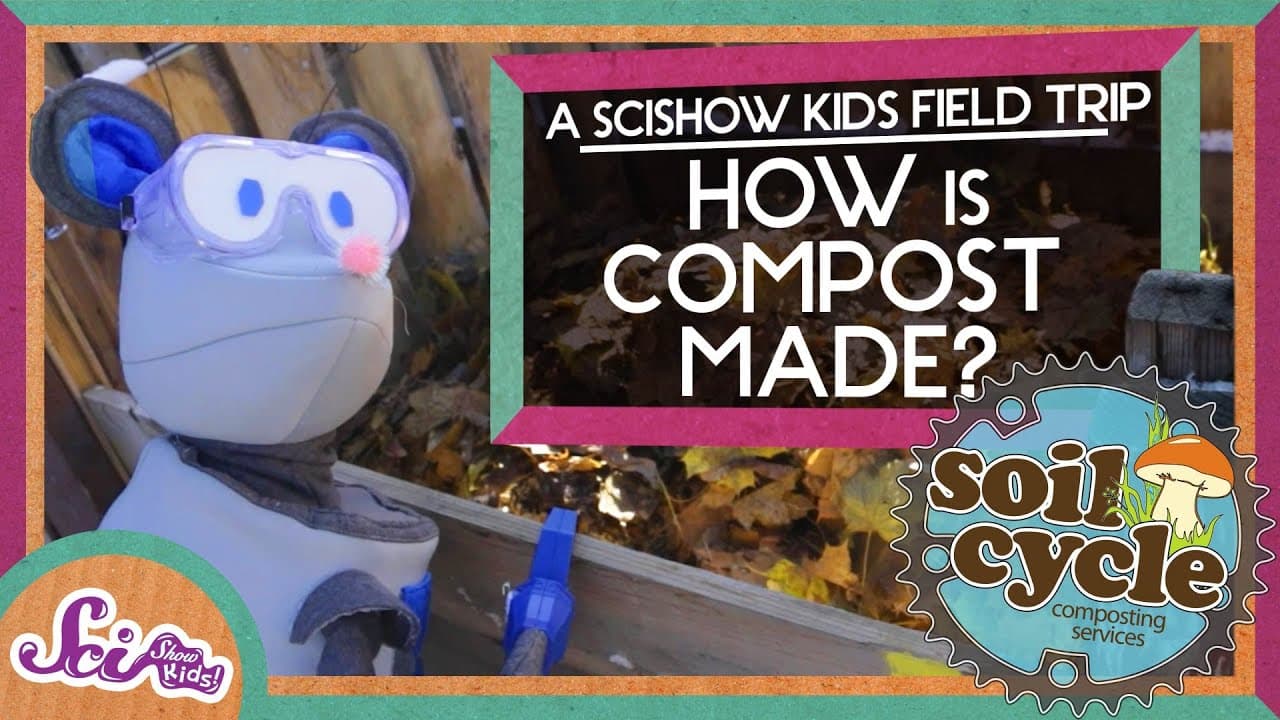
Turning Food Scraps Into Soil: A Composting Field Trip

Turning Food Scraps Into Soil: A Composting Field Trip

In this engaging episode of SciShow Kids, host Mr. Brown and his robot mouse friend Squeaks take students on a virtual field trip to learn about composting. The video begins in their "Fort," where Mr. Brown explains his compost bucket routine before transporting viewers to a real-world facility called Soil Cycle. There, they meet an expert named Caitlyn who demystifies the process of turning food scraps into nutrient-rich soil.

SciShow KidsSciShow Kids

6mins 43s

Exploring Natural and Artificial Resources

Exploring Natural and Artificial Resources

This educational video introduces students to the concepts of natural and artificial resources through an engaging narrative featuring a scientist entering a gardening competition. The host explains that resources are items used to meet needs or accomplish goals, distinguishing between materials found directly in nature and those created by humans. Through clear visual examples like wind turbines, video game consoles, and garden tools, the video illustrates how raw materials are transformed into everyday objects.

Miacademy & MiaPrep Learning ChannelMiacademy & MiaPrep Learning Channel

7mins 34s

Using CER to Explain Environmental Decisions

Using CER to Explain Environmental Decisions

This video introduces students to the Claim, Evidence, Reasoning (CER) framework, a critical tool for constructing scientific arguments and communicating environmental decisions effectively. Building upon a previous lesson about a cost-benefit analysis for a forest owner named Mr. Carter, the video demonstrates how to transition from making a decision to explaining it persuasively. It breaks down each component of the acronym: the Claim as the decision statement, Evidence as the supporting data (quantitative or qualitative), and Reasoning as the logical bridge connecting the two. The video explores key themes of scientific communication, critical thinking, and environmental stewardship. It emphasizes that CER is not just for persuasion but also for reflection, ensuring that decisions align with stated goals and are supported by strong evidence. The content specifically addresses the challenge of distinguishing between simply listing facts and providing the logical reasoning that explains why those facts matter, using the metaphor of a bridge to visualize this connection. For educators, this video serves as an excellent scaffold for teaching scientific writing and argumentation, specifically within the Next Generation Science Standards (NGSS) practice of engaging in argument from evidence. It provides concrete examples and built-in pause points for students to practice writing their own CER statements based on a provided scenario. This resource helps students move beyond simple "yes/no" answers to developing sophisticated, evidence-based arguments applicable to environmental science and beyond.

Miacademy & MiaPrep Learning ChannelMiacademy & MiaPrep Learning Channel

8mins 52s

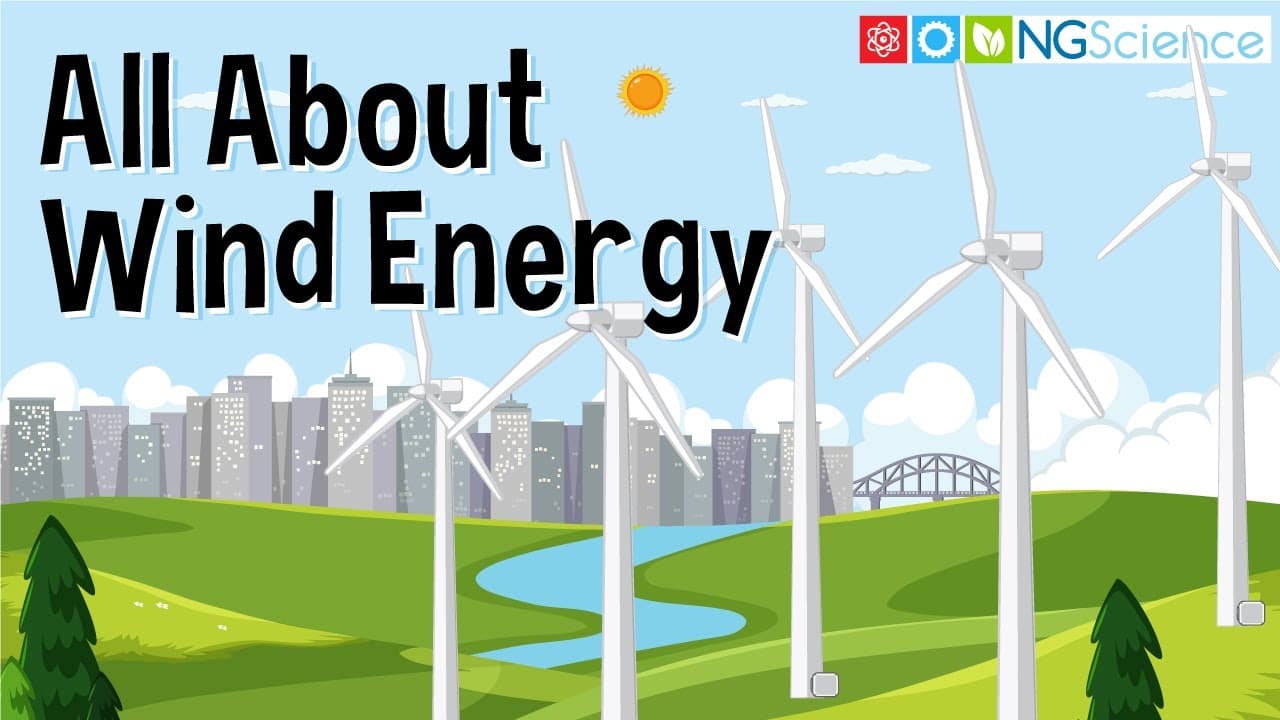
How Wind Turbines Generate Clean Energy

How Wind Turbines Generate Clean Energy

This educational video provides a clear and concise overview of wind energy, explaining how wind turbines function to generate electricity. It begins by establishing the importance of electricity in modern life before diving into the mechanics of energy conversion—specifically how kinetic energy from wind is transformed into electrical power through generators. The video utilizes clear diagrams to illustrate the internal components of a wind turbine, making complex engineering concepts accessible to students. Beyond just the mechanics, the video explores the broader implications of wind energy. It introduces the concept of "wind farms" and how they can power entire cities. Crucially, it discusses the environmental benefits of wind power as a clean, renewable resource that doesn't produce emissions. This sets the stage for discussions about sustainable living and alternative energy sources. The video concludes by presenting a balanced view, addressing the disadvantages of wind turbines, including their potential impact on wildlife like birds and bats, noise pollution, and high maintenance costs. This balanced perspective is excellent for critical thinking exercises, allowing students to weigh the pros and cons of renewable energy technologies and understand that engineering solutions often involve trade-offs.

Next Generation ScienceNext Generation Science

1min 45s

Why Earth's Water Is Precious and How to Save It

Why Earth's Water Is Precious and How to Save It

In this engaging episode of SciShow Kids, host Anthony and his robot friend Squeaks tackle a common worry: will Earth ever run out of water? The video starts with a simple dripping faucet and expands into a global lesson about Earth's water supply. It uses clear visuals and simple charts to explain the difference between salt water and fresh water, demonstrating that while our planet is covered in blue, only a tiny fraction of that water is actually usable for humans and land animals. The video breaks down where Earth's water is located, explaining that most fresh water is locked away in ice caps at the poles or hidden deep underground. This helps students understand why water scarcity is a real issue despite the vastness of the oceans. The narrative clarifies why we cannot drink ocean water and emphasizes the effort required to clean and process water for human use. Ideal for early elementary science lessons, this resource translates abstract environmental concepts into practical action. It empowers students with specific, actionable steps they can take immediately to conserve water, such as turning off the tap while brushing teeth and taking shorter showers. It connects personal responsibility to global stewardship in a way that is accessible and encouraging for young learners.

SciShow KidsSciShow Kids

4mins 53s

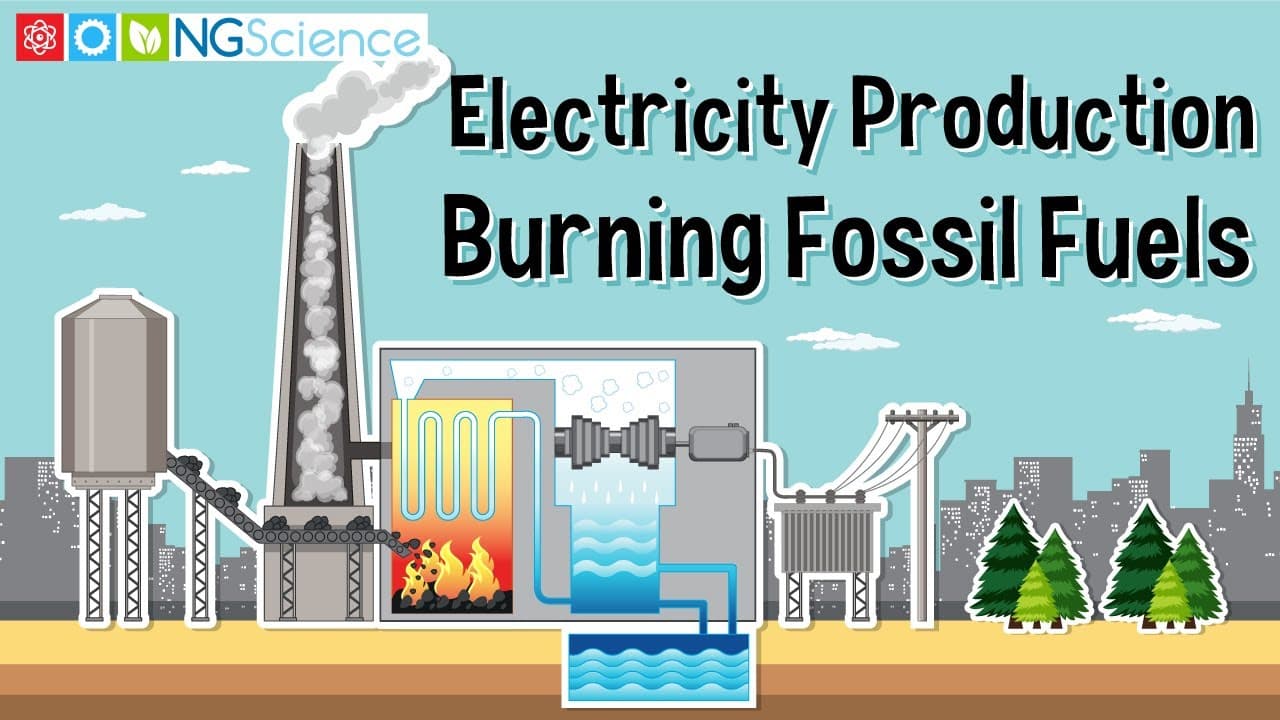
How Fossil Fuels Generate Electricity

How Fossil Fuels Generate Electricity

This concise educational video explains the step-by-step process of generating electricity using fossil fuels. It begins by identifying the three primary fossil fuels—coal, natural gas, and petroleum—and visualizes their extraction and industrial use. The core of the video utilizes a clear, animated cross-section of a power plant to demonstrate the chain of energy transformations required to produce power: converting chemical energy in fuel to heat, heat to mechanical energy via steam and turbines, and finally into electrical energy through a generator. The video explores key themes of physical science and environmental science, specifically focusing on energy conversion and the environmental impact of human activity. It breaks down complex machinery like turbines and generators into understandable visual components. Furthermore, it honestly addresses the ecological cost of this process, highlighting how the combustion of these fuels releases harmful gases into the atmosphere, contributing to air pollution and climate change. For educators, this video serves as an excellent visual anchor for units on energy, natural resources, or environmental stewardship. The clear schematic animation helps students visualize the abstract concept of energy transfer, making it tangible. Teachers can use this resource to introduce the mechanics of electricity generation before diving into deeper discussions about renewable vs. non-renewable resources, the efficiency of energy transfer, or the engineering challenges of modern power grids.
Next Generation ScienceNext Generation Science

1min 47s

Materials

Living Soil Poster Rubric

Living Soil Poster Rubric

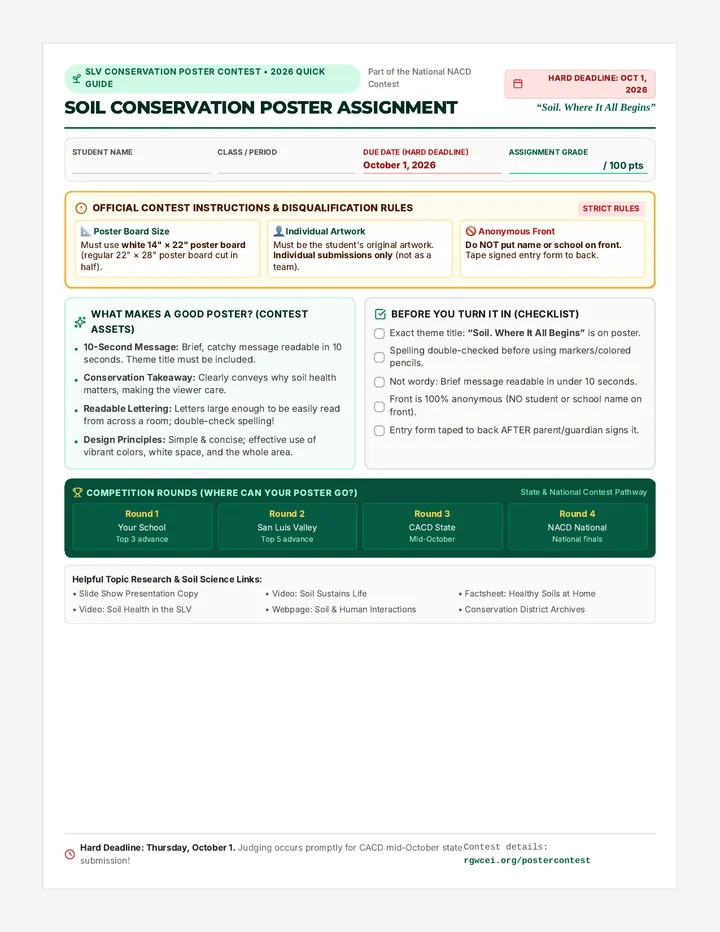
High-contrast print-ready 2-page assignment overview and official 100-point rubric for the 2026 SLV Conservation Poster Contest. Changed the Total Score block on Page 2 to a clean white background with bold, high-contrast dark emerald and stone lettering for handwriting and grading.

CP

Carmen Pavlovsky

Roof Modification Challenge Slides

Roof Modification Challenge Slides

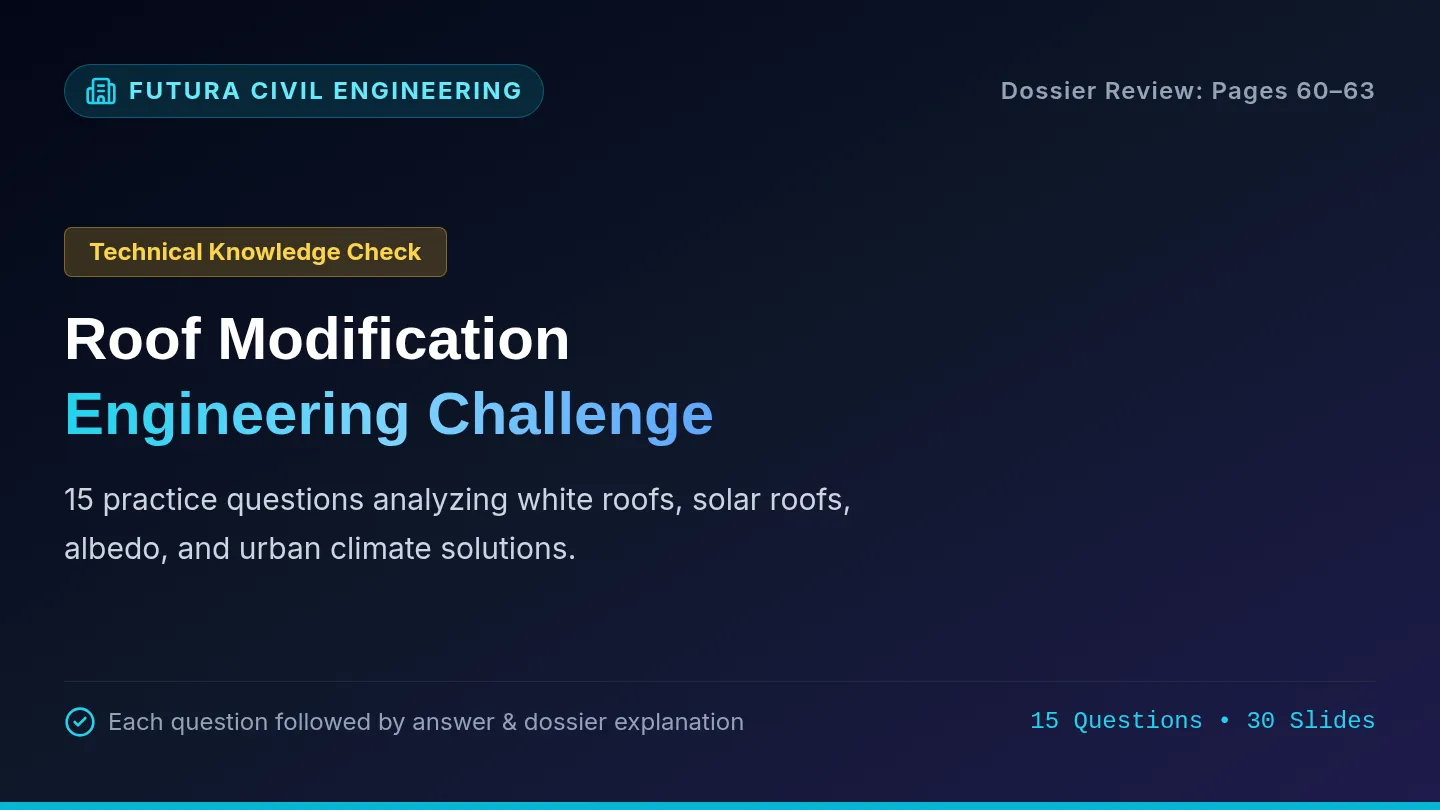
A 31-slide interactive presentation featuring 15 multiple-choice questions covering pages 60-63 of the Futura Engineering Dossier (White Roofs and Solar Roofs). Each question slide is followed immediately by an answer and explanation slide, fully adhering to font size guidelines and answer length constraints.

K

KATIE.CADLE

Clean Currents Reading Worksheet

Clean Currents Reading Worksheet

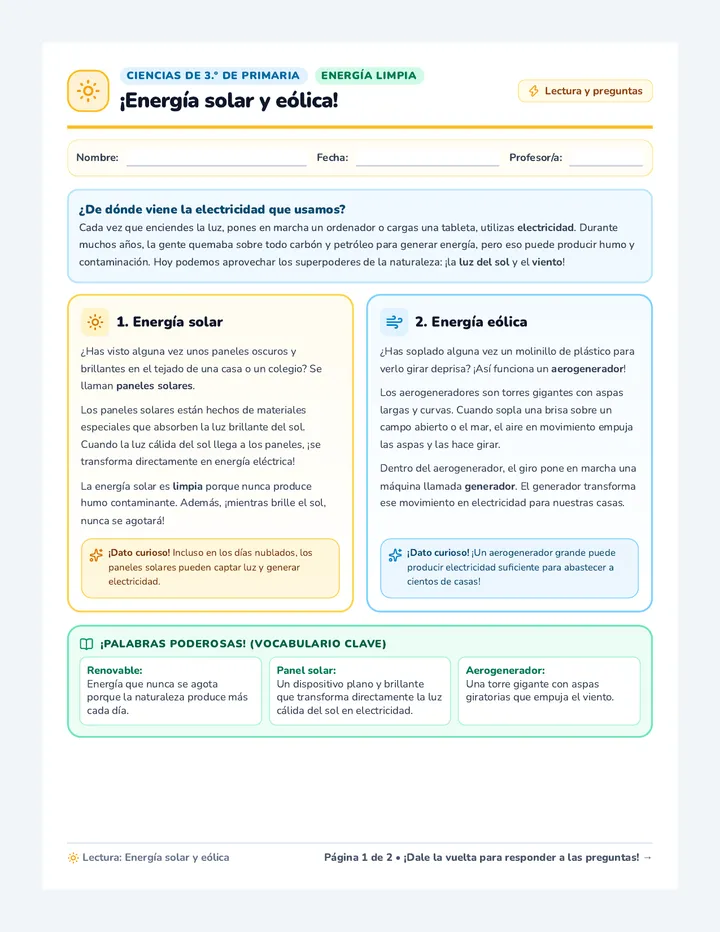
A two-page 3rd-grade reading comprehension worksheet on solar and wind energy. Features age-appropriate informational passages, friendly vocabulary callouts, multiple-choice questions, true/false checks, spacious writing lines, and a drawing prompt.

EG

Emily Gianni

Heavy Air Reading Passage

Heavy Air Reading Passage

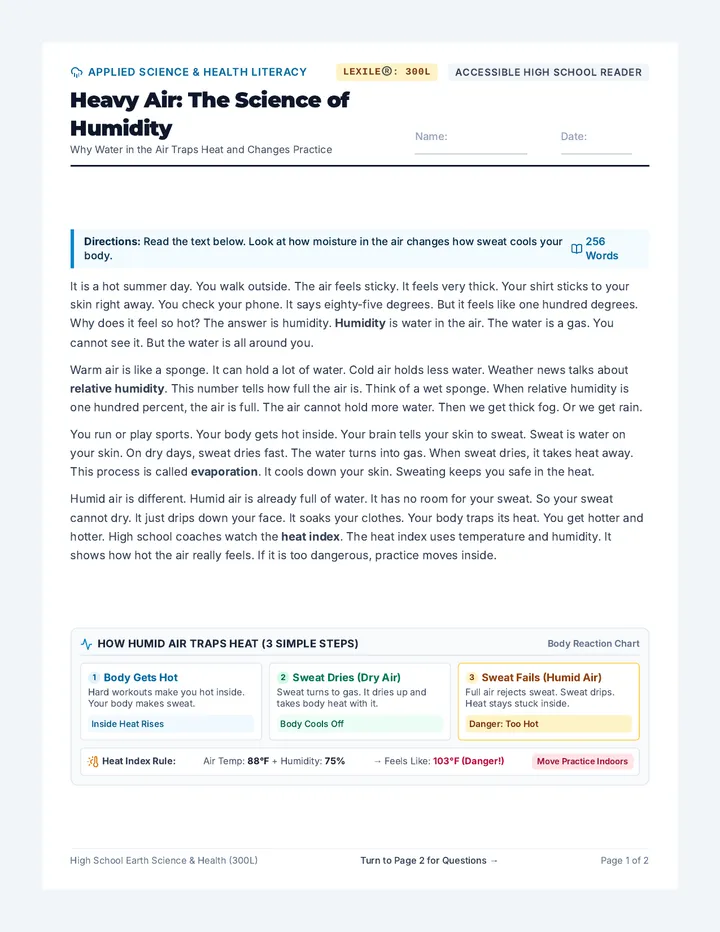
A high-school appropriate reading comprehension passage on humidity rewritten to an accessible 300 Lexile level, featuring 5 literal questions and 5 inferential questions with an evaporative cooling diagram and heat index chart.

EB

Emily Bear

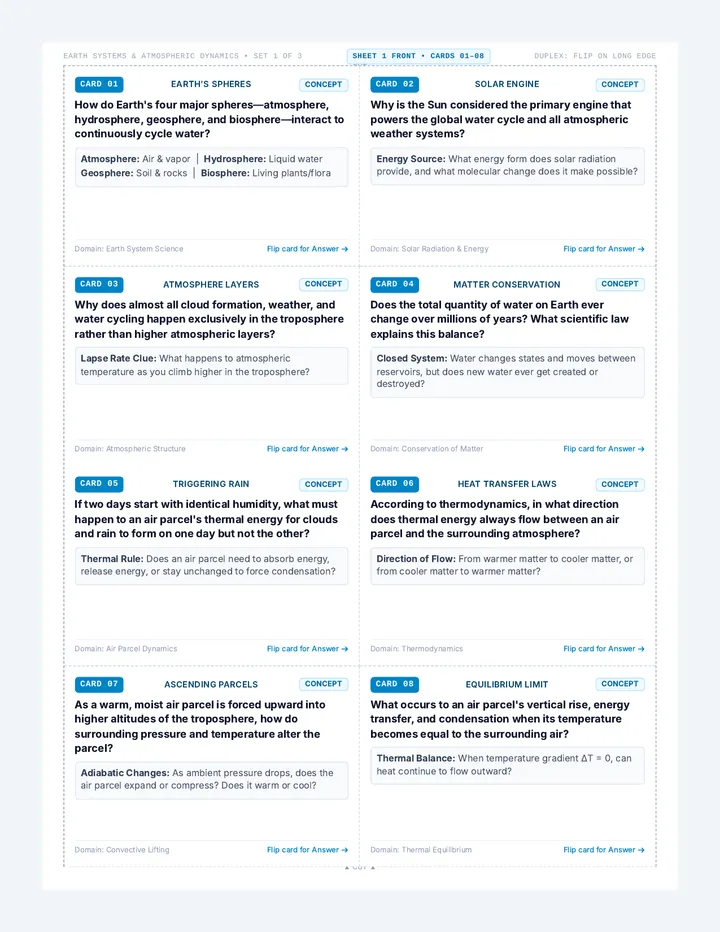
Water Cycle Flashcards

Water Cycle Flashcards

A 24-card conceptual double-sided flashcard set engineered for long-edge duplex printing. Focuses on foundational Earth science concepts, atmospheric thermodynamics, energy transfer mechanisms, and hydrological processes without duplicating specific test questions.

A

Andrea.Golden

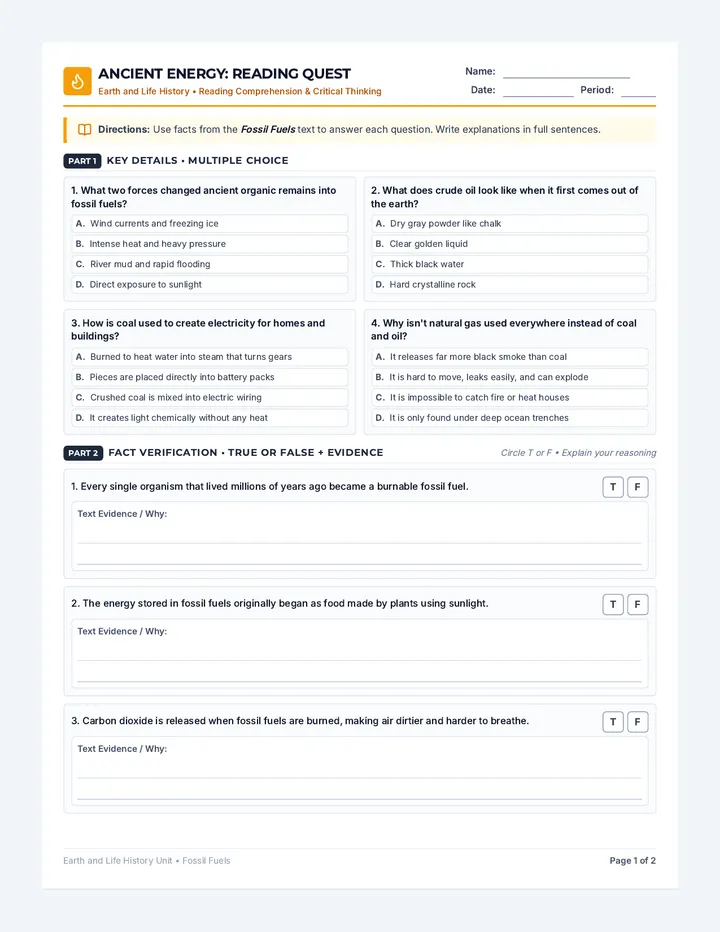
Ancient Energy Reading Worksheet

Ancient Energy Reading Worksheet

A two-page printable reading comprehension worksheet based on the Fossil Fuels text, revised with spacious student handwriting lines, enlarged answer spaces, and balanced layout to prevent vertical overflow.

EG

Emily Gianni

Sequences

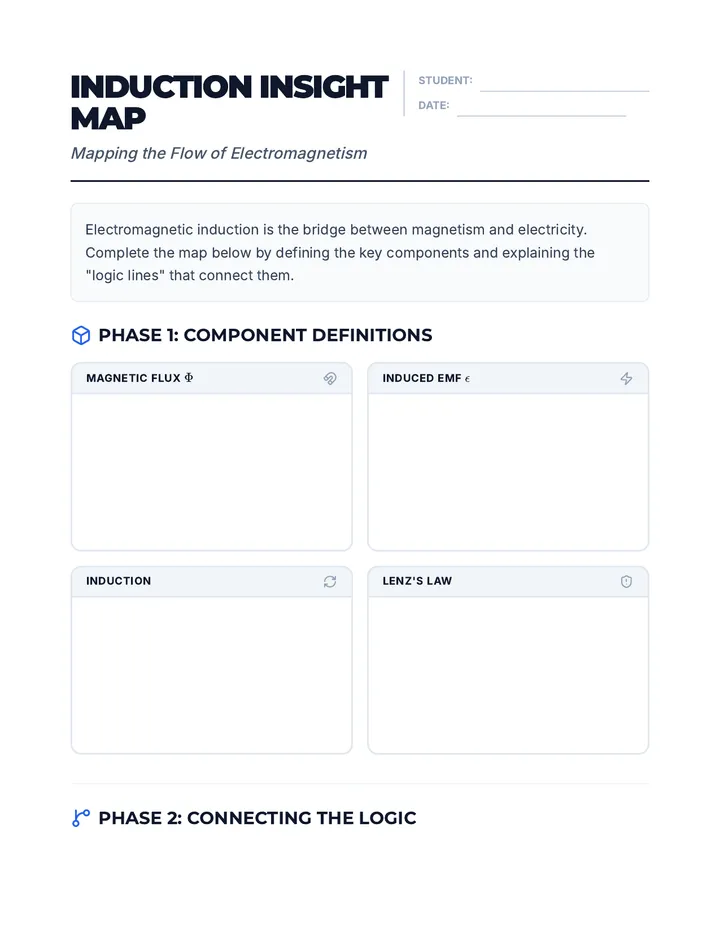
Induction Insight Map Handout

Magnetic Forces Investigation

A 5-day intensive exploration of magnetic forces and fields, focusing on atomic-level causes, field interactions, and mathematical modeling of forces on charged particles. Students progress from anchoring phenomena to complex mathematical applications and a comprehensive unit review.

OM

Olutoyin Makinde

68
Climate Crisis Slides

Science Essentials Vault

A comprehensive collection of core science units covering Environmental Science, Biology, and Physical Science. This sequence provides high-impact instructional slides, hands-on lab experiences, guided notes, and differentiated assessments for five major scientific domains.

CB

Chloe Brown

25
Water World Slides

Earths Dynamic Systems

A series of lessons exploring Earth's major systems, starting with the hydrosphere and its impact on the planet's processes.

JS

Janette Sullivan

36
Home Foundations Teacher Guide

Housing and Interior Design

An introductory unit on Housing and Interior Design within the Human Services field. Students explore basic housing needs, sustainable green building, universal design for accessibility, the impact of local resources and climate on home construction, and residential energy efficiency.

JM

Jill Miller

38
Science Squad Student Booklet

Science Literacy Journals

A multi-grade collection of scientific reading comprehension and response booklets designed to build disciplinary literacy in Earth, Life, and Physical sciences across elementary and middle school levels.

N

nmack

4
Matter and Mixes Worksheet

Science Summit

A comprehensive end-of-year review for 5th Grade NGSS science standards, organized by domain to ensure mastery of physical, life, and Earth sciences.

MA

Madelyne Ashbaugh

9