Lenny.com
Explore
Create
ActivitiesNewMathEnglish Language ArtsScience & EngineeringSocial StudiesGlobal LanguagesHealth & Physical EducationSpecial EducationCounseling & Life SkillsArts & CreativityESL
Lenny.com
Lenny.com
Explore
Create
ActivitiesNewMathEnglish Language ArtsScience & EngineeringSocial StudiesGlobal LanguagesHealth & Physical EducationSpecial EducationCounseling & Life SkillsArts & CreativityESL
Lenny.com
Lenny.com

Solutions

Lenny for EducatorsLenny for SchoolsLenny for Districts

Product

ExploreSign inCreateSupportAbout

Resources

Getting startedMTSS Acceleration Program

© 2026 Lenny Learning Inc.

TermsPrivacyAccessibility
LinkedInInstagramX
Lenny

Heredity

Traces the transmission of genetic traits from parents to offspring through DNA and chromosomal inheritance. Examines Punnett squares, Mendelian genetics, and the relationship between genotypes and phenotypes.

Science & EngineeringLife ScienceLiving ThingsAnimalsPlantsBody SystemsTraitsAdaptationsCellsEcosystemsHeredityGenes to TraitsCell DivisionPhysicsComparing MaterialsShapes and PropertiesMagnetsMagnetismLightSoundLight and SoundMatterStates of MatterChanges of StateMixturesPhysical and Chemical ChangeHeating and CoolingHeat and Thermal EnergyEnergyForce and MotionElectrical CircuitsAtoms and MoleculesPeriodic TableMotion in One DimensionMotion in Two DimensionsScalars and VectorsForces and Laws of MotionCircular Motion and GravityMomentum and ImpulseWork, Energy, and PowerWavesElectromagnetic WavesGeometric OpticsElectricity and MagnetismSimple Harmonic MotionThermodynamicsNuclear PhysicsEarth Science & AstronomyWeatherWater CycleRocks and MineralsFossilsEarth's FeaturesEarth's ResourcesEarth's StructureWeather and ClimateEarth EventsFossils and Geologic TimePlate TectonicsHuman ImpactsAstronomyChemistryUnits and MeasurementAtomic StructurePeriodic TrendsChemical BondingNomenclatureMolecular StructureIntermolecular ForcesThe MoleStoichiometryProperties of GasesSolutionsChemical ReactionsBalancing EquationsEnergy ChangesRates of ReactionsEquilibriumAcids and BasesQuantum ModelBiologyClassificationCell StructureThe Chemistry of LifeBiomoleculesCellular TransportCell EnergyCell Growth and DivisionDNAProtein SynthesisMeiosis and Sexual ReproductionPatterns of InheritanceMulticellular OrganismsEvolutionEcologyBiodiversityComputer ScienceAlgorithms and Computational ThinkingProgramming LanguagesComputing SystemsNetworks and InternetData AnalysisCybersecurityAI and Machine LearningSoftware Design and DevelopmentBlockchainEngineering & AIDesigning ExperimentsEngineering PracticesDesign ThinkingEngineering Design ProcessMechanical EngineeringElectrical EngineeringMaterials and StructuresCAD and 3D DesignRoboticsArtificial Intelligence BasicsVibe CodingMachine LearningAI Ethics and SocietySystems ThinkingEntrepreneurship & InnovationEntrepreneurial MindsetBusiness Idea DevelopmentBusiness Plan BasicsMarketing & Customer DiscoveryFinancial Management for Startups

Videos

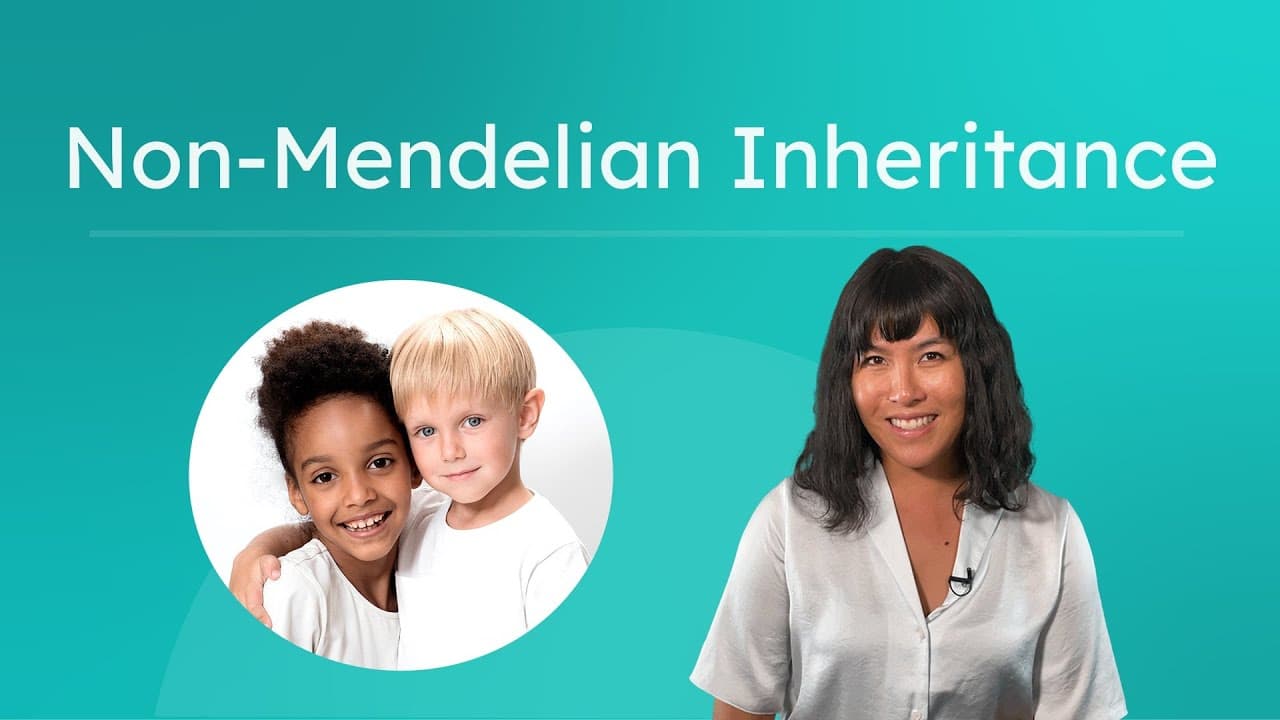
How Non-Mendelian Genetics Creates Diversity

How Non-Mendelian Genetics Creates Diversity

This educational video serves as a comprehensive introduction to Non-Mendelian genetics, exploring the complex patterns of inheritance that defy Gregor Mendel's simple dominant and recessive rules. It clarifies why the natural world exhibits such a vast diversity of phenotypes—like pink flowers coming from red and white parents, or the spectrum of human skin colors—that cannot be explained by binary genetic laws alone. The narrator breaks down three specific types of non-Mendelian inheritance: incomplete dominance, codominance, and polygenic traits, providing clear biological mechanisms for each. The video covers several key themes central to high school biology curricula. It distinguishes between incomplete dominance (blending of traits) and codominance (simultaneous expression of traits), using classic examples like snapdragon flowers and roan horses. It also delves into multiple alleles through the lens of human blood types, demonstrating how to construct and interpret complex Punnett squares. Finally, it addresses polygenic traits, using human skin color and melanin production to explain how multiple genes interact to create continuous variation within a population. For educators, this video is an invaluable tool for moving students beyond the basics of genetics. It effectively bridges the gap between simple Mendelian theory and the complex reality of biological diversity. The clear visual demonstrations of Punnett squares for non-standard inheritance patterns make it excellent for direct instruction, while the real-world examples of blood types and skin color adaptation provide fertile ground for classroom discussions about evolution, human health, and diversity.
Miacademy & MiaPrep Learning ChannelMiacademy & MiaPrep Learning Channel

13mins 51s

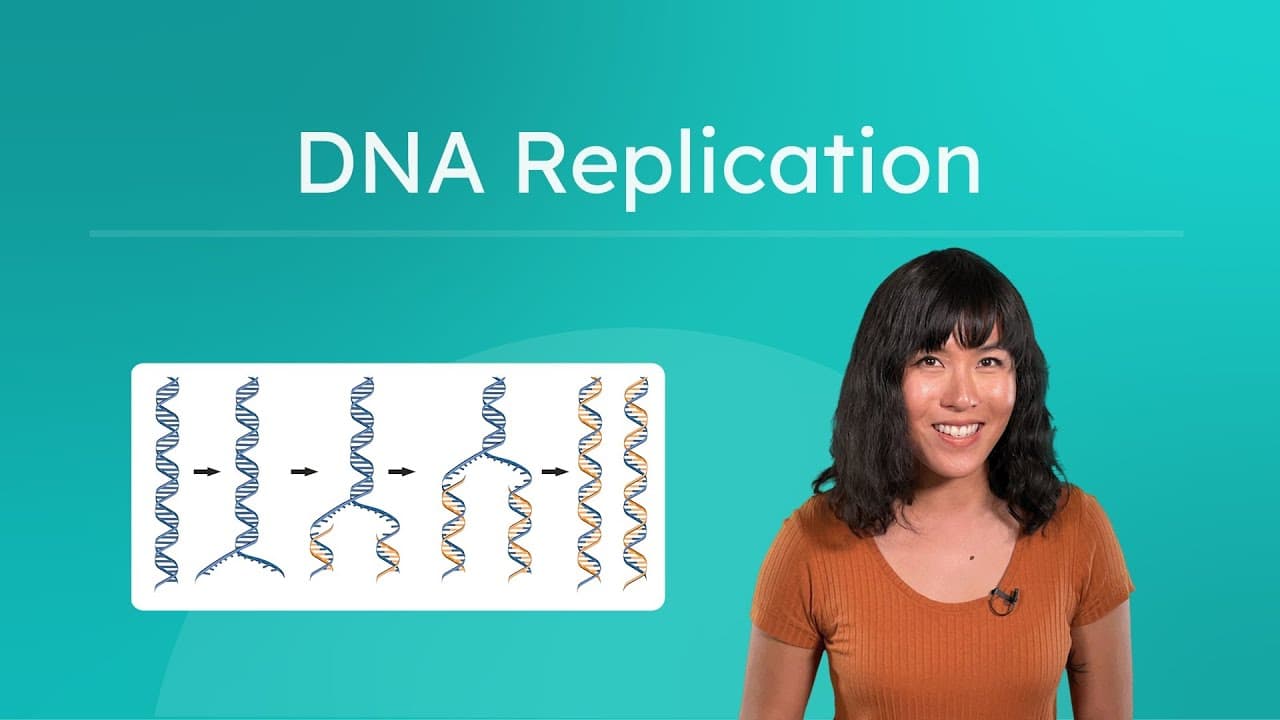
How DNA Replicates and Repairs Itself

How DNA Replicates and Repairs Itself

This comprehensive biology video breaks down the complex process of DNA replication, explaining how cells faithfully copy their genetic material before division. Using the analogy of copying tedious math formulas, the narrator introduces the sheer scale of cellular division in the human body—approximately 10 quadrillion times in a lifetime. The video visually demonstrates the semi-conservative nature of replication, where the double helix unwinds and unzips to create templates for new strands, ensuring genetic continuity.

Miacademy & MiaPrep Learning ChannelMiacademy & MiaPrep Learning Channel

10mins 57s

How DNA Technology Solves Crimes and Cures Diseases

How DNA Technology Solves Crimes and Cures Diseases

This educational video introduces students to the fascinating world of DNA technology through the lens of a crime scene investigation. Hosted by a presenter named "B", the video explains how forensic scientists use biological evidence to solve crimes. It breaks down complex laboratory techniques like Polymerase Chain Reaction (PCR) and Gel Electrophoresis into understandable concepts using effective analogies and animations. The narrative solves a hypothetical crime while simultaneously teaching the underlying molecular biology principles.

Miacademy & MiaPrep Learning ChannelMiacademy & MiaPrep Learning Channel

17mins 13s

Introduction to Molecular Genetics: How DNA Builds Life

Introduction to Molecular Genetics: How DNA Builds Life

This educational video serves as a comprehensive introduction to a unit on molecular genetics, bridging the gap between basic cell biology and the complex molecular processes that drive life. The host, 'B', reviews foundational concepts like DNA and chromosomes before diving into the specific mechanisms of protein synthesis, explaining how DNA acts as the instruction manual for building proteins. The video clearly distinguishes between eukaryotic and prokaryotic cells in terms of DNA storage and introduces the central dogma of biology: DNA to RNA to Protein. Key themes include the structure of the DNA double helix, the relationship between DNA and chromosomes, the difference between transcription and translation, and the process of meiosis in inheritance. The video also touches upon genetic mutations—using a humorous visual of a giant frog—and real-world applications of genetics such as crime scene investigation and medical advancements. For educators, this video is an excellent hook or introductory resource for a middle or high school biology unit. It simplifies complex abstract concepts through clear animations and analogies (like the twisted ladder). It provides multiple natural pause points for checking prior knowledge about cells and setting the stage for hands-on activities regarding DNA modeling, protein synthesis simulations, or discussions about genetic engineering and forensics.

Miacademy & MiaPrep Learning ChannelMiacademy & MiaPrep Learning Channel

5mins 30s

Why Bananas Don't Have Seeds and How They Grow

Why Bananas Don't Have Seeds and How They Grow

This engaging episode of SciShow Kids explores the fascinating biological history and science behind one of the world's most popular fruits: the banana. Host Jessi and her robot friend Squeaks explain why the bananas found in grocery stores lack seeds, unlike wild bananas or other fruits like apples. The video breaks down the anatomy of a banana plant, clarifying that it is actually a giant herb rather than a tree, and introduces students to the concept of rhizomes and asexual reproduction. The video delves into critical scientific themes including genetic diversity, cloning, and agricultural vulnerability. Using a relatable analogy of a cold spreading through a classroom, Jessi explains how being genetically identical makes the Cavendish banana (the variety we eat today) highly susceptible to disease. The narrative covers the historical extinction of the Gros Michel banana due to Panama Disease and warns that the current Cavendish variety faces similar threats. For educators, this video serves as an excellent bridge between everyday life and complex biological concepts. It simplifies topics like monoculture, selective breeding, and plant life cycles without dumbing them down. It provides a natural jumping-off point for lessons on where food comes from, the importance of biodiversity in ecosystems, and the anatomy of plants, making it a versatile tool for lower elementary science curriculums.

SciShow KidsSciShow Kids

5mins 6s

How Cells Build Proteins: The Process of Protein Synthesis

How Cells Build Proteins: The Process of Protein Synthesis

This educational video uses a relatable baking analogy to explain the complex biological process of protein synthesis. The presenter simplifies how cells utilize DNA instructions to build proteins, breaking the mechanism down into two understandable stages: transcription and translation. The video clearly illustrates the roles of DNA, mRNA, ribosomes, and amino acids in creating the structures that make up living organisms. Key themes explored include the function of proteins in the human body (beyond just muscles), the structure of amino acids, the difference between DNA and RNA, and the specific cellular machinery involved in synthesizing proteins. The video also touches upon cellular transport, metabolism, and the concept of denaturation, explaining why this continuous cycle is vital for homeostasis. This resource is highly valuable for biology teachers introducing genetics or cellular processes. By comparing the nucleus to a secure vault and mRNA to a copied recipe, it transforms abstract molecular concepts into concrete, memorable visualizations. It serves as an excellent foundational lesson for middle and high school students before diving into more advanced topics like genetics and heredity.

Miacademy & MiaPrep Learning ChannelMiacademy & MiaPrep Learning Channel

10mins 21s

Materials

Spider Taxonomy Lab Sheet

Spider Taxonomy Lab Sheet

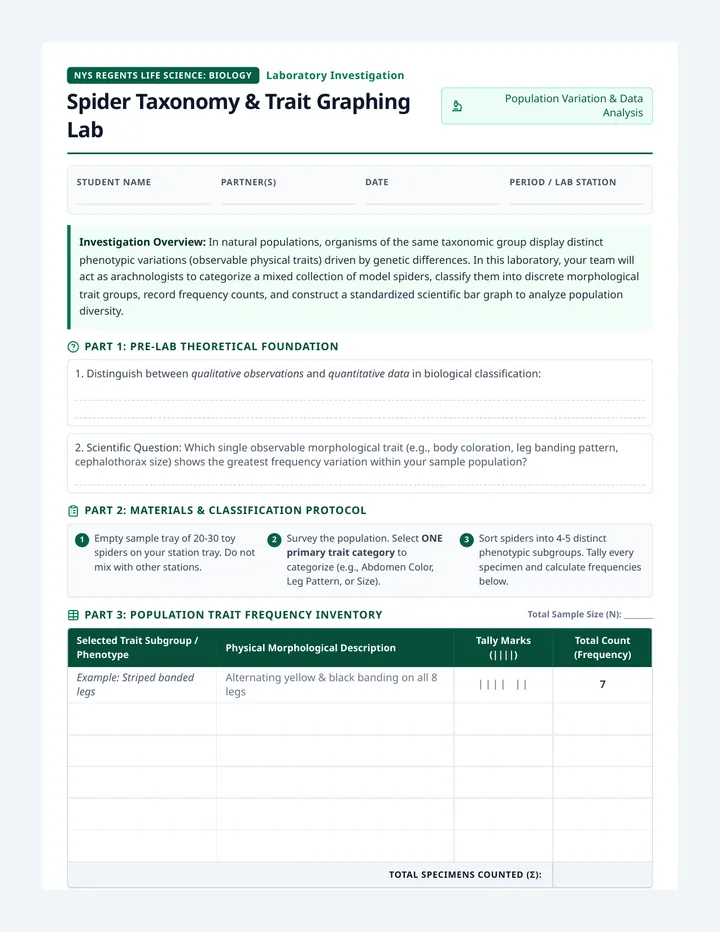
A hands-on New York State Regents Life Science lab sheet where students classify toy spiders by observable morphological traits, tally frequency distributions, construct a formatted scientific bar graph, and answer Regents-aligned analysis and evolutionary adaptation questions. Enhanced with a full-width vertical, sequential step-by-step laboratory classification procedure (Steps 1–5 stacked vertically) for optimal student readability and practical execution.

S

stewart

Science Action Syllabus

Science Action Syllabus

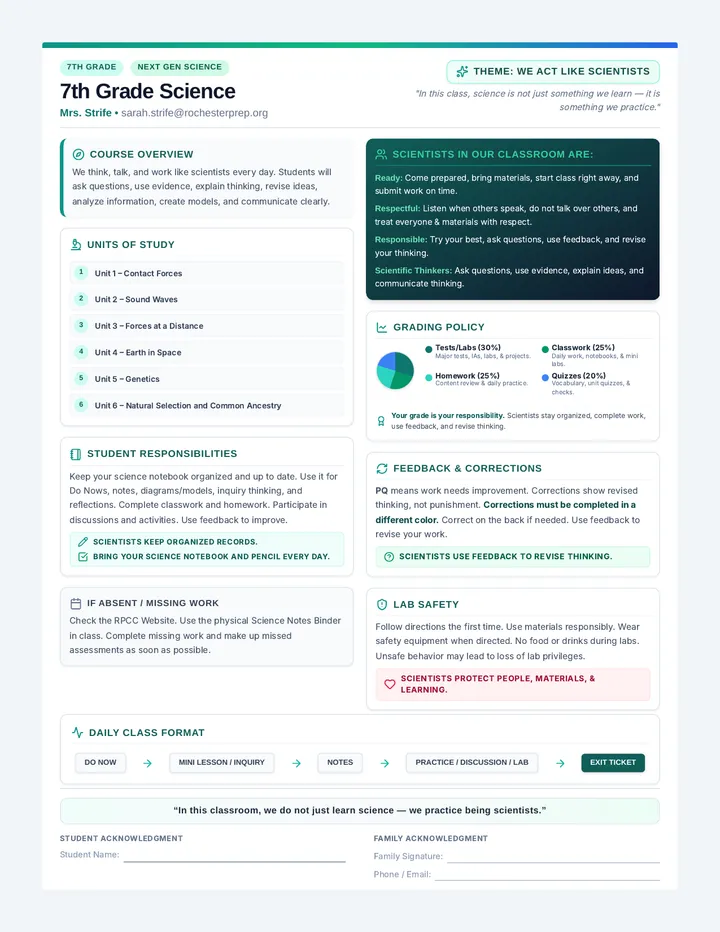
An updated 1-page 7th Grade Science Syllabus for Mrs. Strife. Formatted in a clean, professional, and visually engaging dual-column layout with organized boxes, bold headings, blue/green accent themes, and custom science icons. Includes a newly designed visual 'Grading Policy' section with a clean CSS-based donut chart. Perfect for student and parent onboarding.

SS

Sarah Strife

Trait Tracker Homework Extra Compact

Trait Tracker Homework Extra Compact

Final ultra-compact version of the Trait Tracker Homework, featuring a minimized header to maximize page space for student answers while retaining the engaging detective theme and core objectives. Question 4 has been moved to a separate page for easier printing.

AC

Aaron Conlin

Genetics Casefiles Practice Worksheet

Genetics Casefiles Practice Worksheet

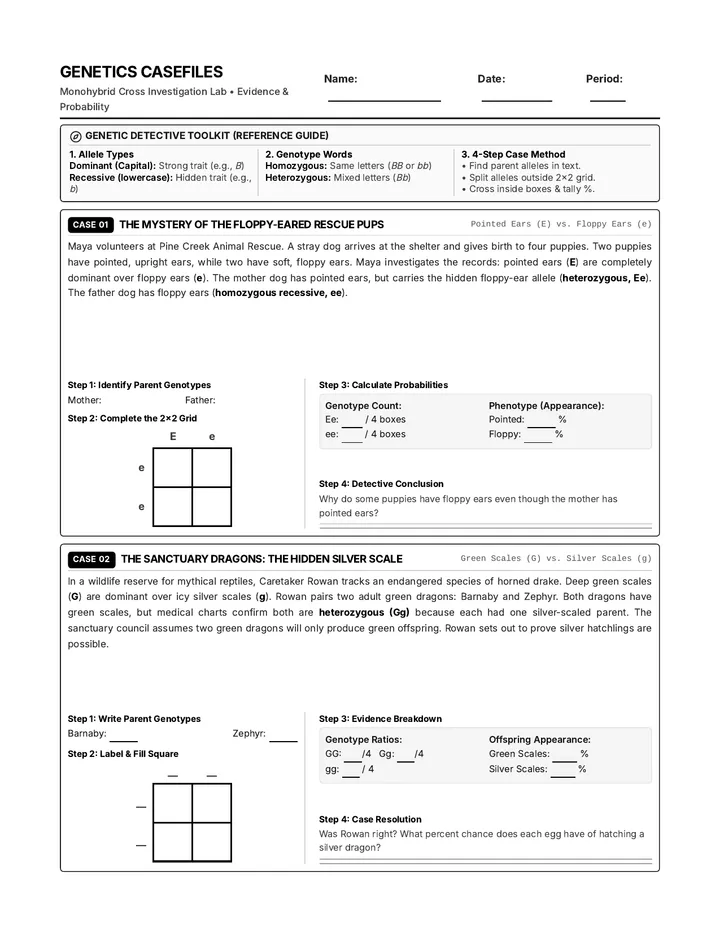
A printer-friendly, 2-page monohybrid Punnett square practice worksheet featuring high-interest narrative case studies with scaffolded problem-solving steps designed for 9th-grade students needing reading and learning support.

RA

Richard Alan Frazier

Biology Exam Record Sheet

Biology Exam Record Sheet

A professional, biotechnology-themed answer record sheet for a 50-question Biology Final Exam. Features organized entry columns, scoring sections, and an academic integrity statement.

MB

Marsha Bolden

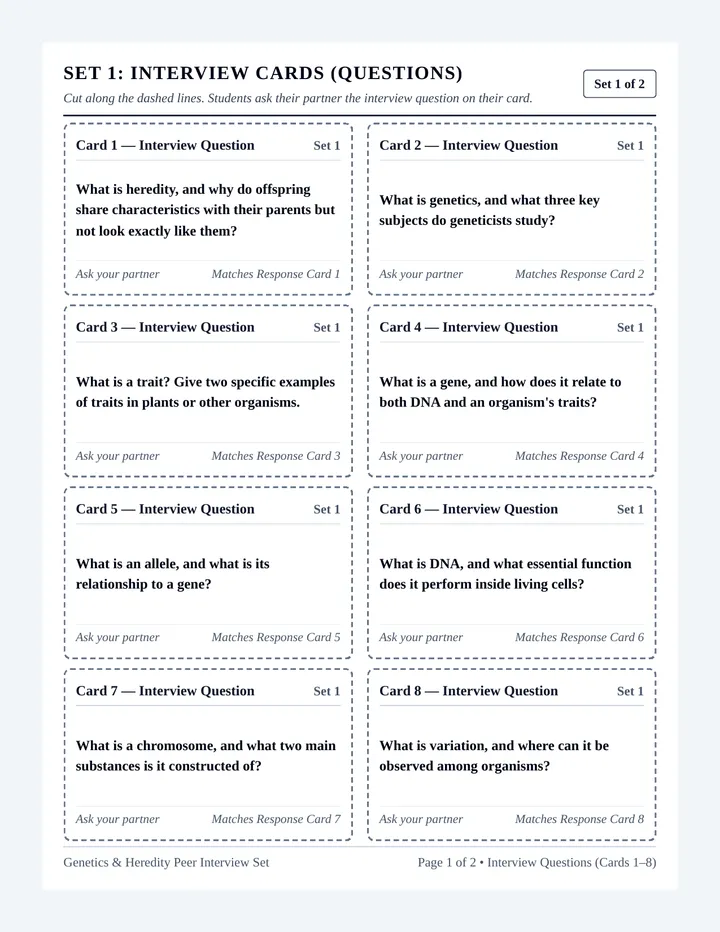
Heredity Matchup Cards

Heredity Matchup Cards

A two-page printable card resource featuring 8 interview question cards in Set 1 and 8 corresponding response cards in Set 2 formatted in 12pt Times New Roman, covering core heredity and genetics vocabulary.

MB

Marsha Bolden

Sequences

Climate Crisis Slides

Science Essentials Vault

A comprehensive collection of core science units covering Environmental Science, Biology, and Physical Science. This sequence provides high-impact instructional slides, hands-on lab experiences, guided notes, and differentiated assessments for five major scientific domains.

CB

Chloe Brown

25
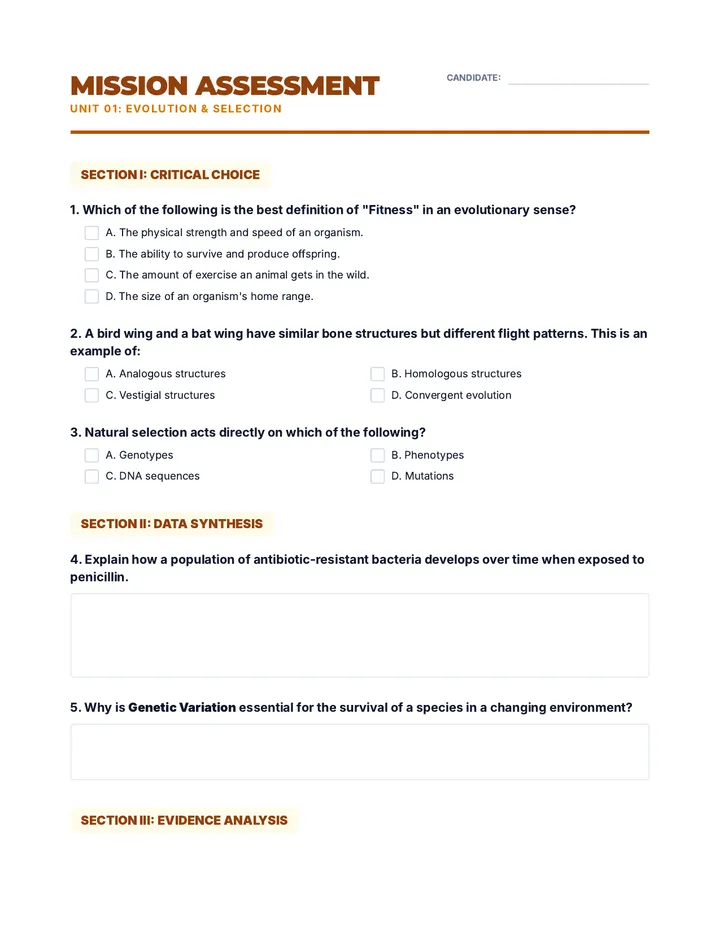
Evolution Assessment Quiz

Biology Recovery Sprint

A high-intensity biology credit recovery program focused on high-yield standards: Evolution, Systems, Viruses, and Cellular Genetics.

PB

Priyadarshini Bharath

15
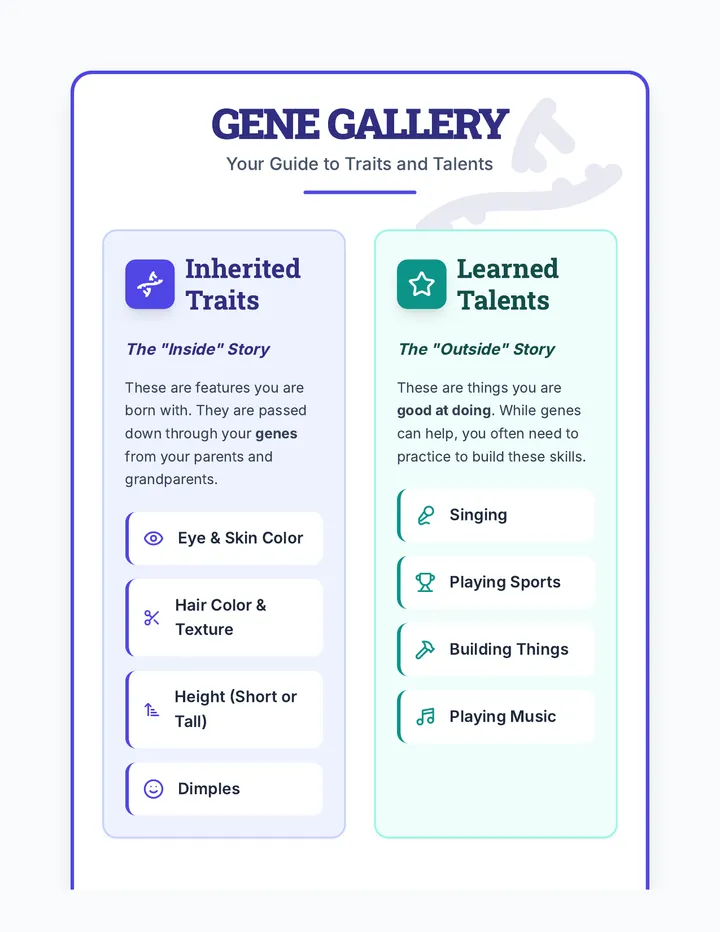
Gene Gallery Anchor Chart

Trait Trackers

A comprehensive unit exploring inherited traits, talents, and character analysis through the lens of Kamal's story. Students will distinguish between genetic traits and learned talents, analyze character motivations, and document their own unique 'code'.

EE

Erin Esswein

7
Sprint Mastery Tracker Worksheet

Biology Mastery Sprint

A high-intensity review sequence designed to move students from 'not met' to 'mastery' in Biology through vocabulary immersion and STAAR-style practice.

PB

Priyadarshini Bharath

10
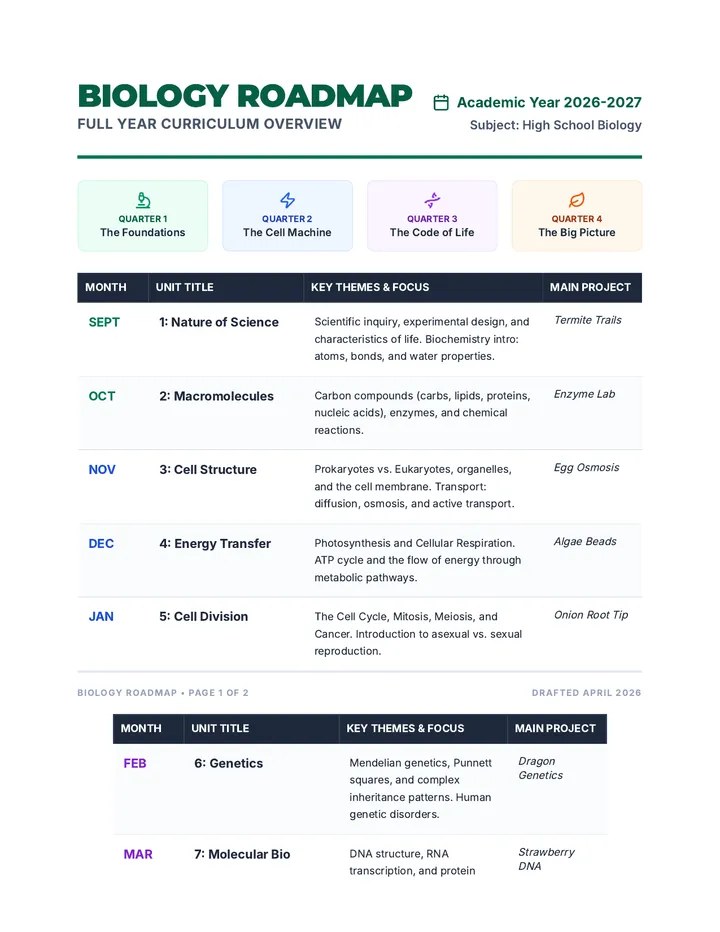
Biology Roadmap Document Trimmed

Biology Blueprint

A comprehensive full-year planning framework for high school Biology, including pacing, unit objectives, lab requirements, and assessment strategies.

A

AMY.MILLER

7
Bio Blueprint Curriculum Map

Indiana Biology Curriculum

A comprehensive biology curriculum aligned with Indiana Academic Standards, spanning twelve core units from the characteristics of living things to human impact, designed for 9th-grade on-level students.

M

MELANIE.ROBERTS

5

Lessons

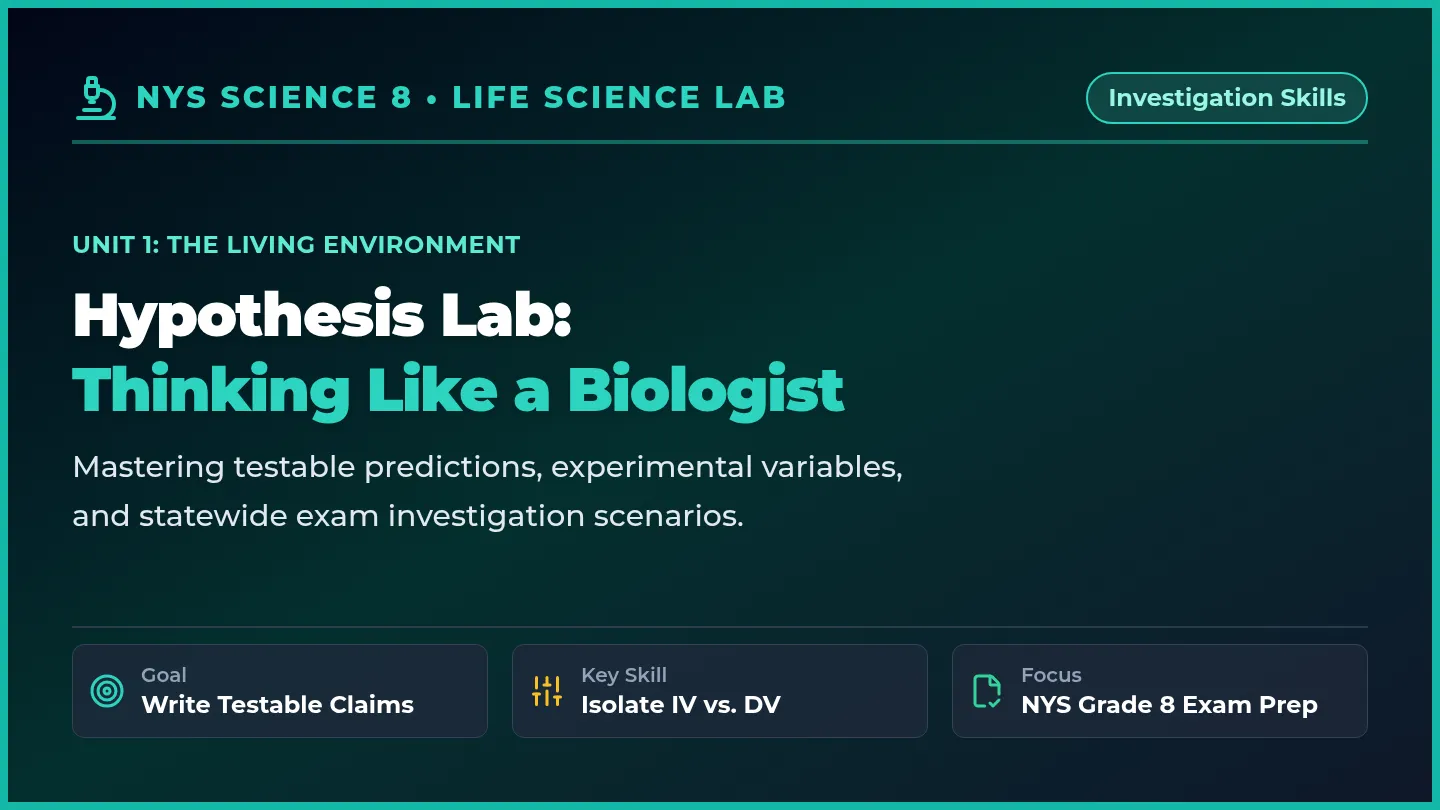
Hypothesis Lab Slides

Hypothesis Lab

An eighth-grade life science investigation lesson where students analyze New York statewide science exam biology scenarios to master hypothesis generation, independent and dependent variable identification, and experimental testing.

J

jelterman

7
Mutation Lab Teacher Guide

Mutation Lab

A comprehensive lesson on genetic mutations, exploring how changes in DNA structure affect protein function and organism traits through a high-tech laboratory lens.

D

david_malio

7
Biology Syllabus Infographic

Course Launch

An introductory framework establishing course policies, Indiana state biology standards, and the integrated biochemistry roadmap for the academic year.

M

MELANIE.ROBERTS

4
Alien Alleles Slides

Monster Genetics

A lesson exploring genetic inheritance using alien and monster traits, focusing on genotypes, phenotypes, and Punnett square probability. Includes visual aids with color-coded alleles and scaffolded analysis prompts.

S

speargl

3
Cell and Genetics Quiz

HSED Life Science Prep

A comprehensive high-school equivalency preparation module focusing on Wisconsin HSED Life Science standards. This modular quiz series integrates key Reading Language Arts (RLA) skills, including text feature analysis, drawing conclusions, and interpreting scientific data, alongside life science concepts.

VL

V Lundgren

4
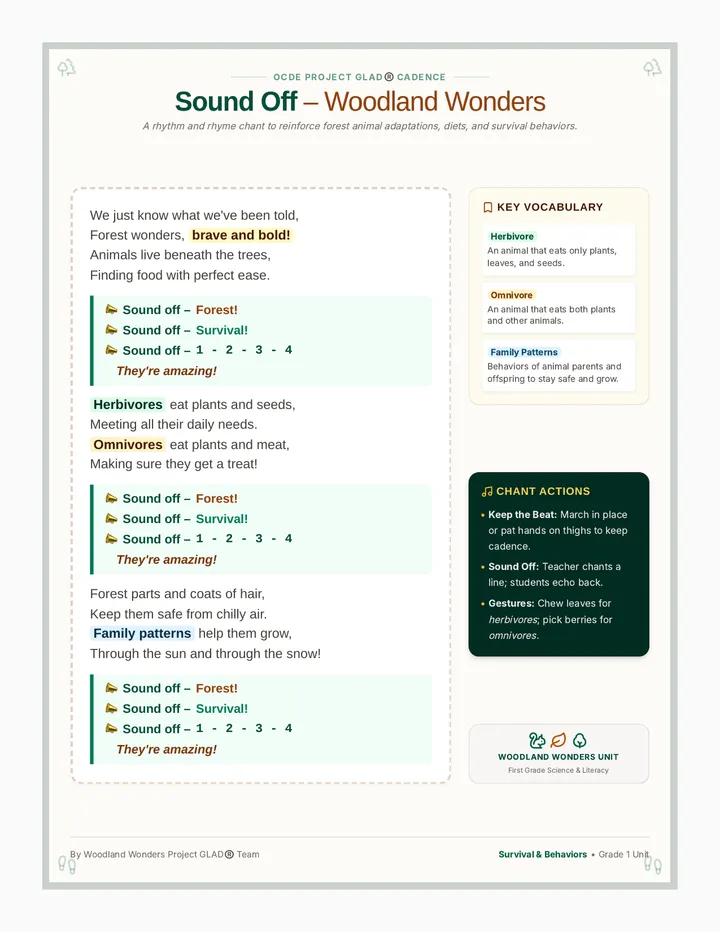
Woodland Cadence Poster

Woodland Wonders

A lesson exploring the survival traits and behaviors of forest animals, focusing on how external parts and family patterns help them thrive in their habitats.

CM

Courtney McGregor

9