Lenny.com
Explore
Create
ActivitiesNewMathEnglish Language ArtsScience & EngineeringSocial StudiesGlobal LanguagesHealth & Physical EducationSpecial EducationCounseling & Life SkillsArts & CreativityESL
Lenny.com
Lenny.com
Explore
Create
ActivitiesNewMathEnglish Language ArtsScience & EngineeringSocial StudiesGlobal LanguagesHealth & Physical EducationSpecial EducationCounseling & Life SkillsArts & CreativityESL
Lenny.com

Engineering Practices

Iterative design cycles, rigorous testing protocols, and documentation standards for artificial intelligence lifecycles. Addresses reliability, scalability, and ethical compliance within technical engineering workflows.

Lenny.com

Solutions

Lenny for EducatorsLenny for SchoolsLenny for Districts

Product

ExploreSign inCreateSupportAbout

Resources

Getting startedMTSS Acceleration Program

Newsletters

School Funding Newsletter

© 2026 Lenny Learning Inc.

TermsPrivacyAccessibility
LinkedInInstagramX
Lenny
Science & EngineeringLife ScienceLiving ThingsAnimalsPlantsBody SystemsTraitsAdaptationsCellsEcosystemsHeredityGenes to TraitsCell DivisionPhysicsComparing MaterialsShapes and PropertiesMagnetsMagnetismLightSoundLight and SoundMatterStates of MatterChanges of StateMixturesPhysical and Chemical ChangeHeating and CoolingHeat and Thermal EnergyEnergyForce and MotionElectrical CircuitsAtoms and MoleculesPeriodic TableMotion in One DimensionMotion in Two DimensionsScalars and VectorsForces and Laws of MotionCircular Motion and GravityMomentum and ImpulseWork, Energy, and PowerWavesElectromagnetic WavesGeometric OpticsElectricity and MagnetismSimple Harmonic MotionThermodynamicsNuclear PhysicsEarth Science & AstronomyWeatherWater CycleRocks and MineralsFossilsEarth's FeaturesEarth's ResourcesEarth's StructureWeather and ClimateEarth EventsFossils and Geologic TimePlate TectonicsHuman ImpactsAstronomyChemistryUnits and MeasurementAtomic StructurePeriodic TrendsChemical BondingNomenclatureMolecular StructureIntermolecular ForcesThe MoleStoichiometryProperties of GasesSolutionsChemical ReactionsBalancing EquationsEnergy ChangesRates of ReactionsEquilibriumAcids and BasesQuantum ModelBiologyClassificationCell StructureThe Chemistry of LifeBiomoleculesCellular TransportCell EnergyCell Growth and DivisionDNAProtein SynthesisMeiosis and Sexual ReproductionPatterns of InheritanceMulticellular OrganismsEvolutionEcologyBiodiversityComputer ScienceAlgorithms and Computational ThinkingProgramming LanguagesComputing SystemsNetworks and InternetData AnalysisCybersecurityAI and Machine LearningSoftware Design and DevelopmentBlockchainEngineering & AIDesigning ExperimentsEngineering PracticesDesign ThinkingEngineering Design ProcessMechanical EngineeringElectrical EngineeringMaterials and StructuresCAD and 3D DesignRoboticsArtificial Intelligence BasicsVibe CodingMachine LearningAI Ethics and SocietySystems ThinkingEntrepreneurship & InnovationEntrepreneurial MindsetBusiness Idea DevelopmentBusiness Plan BasicsMarketing & Customer DiscoveryFinancial Management for Startups

Videos

Why Engineers Change One Variable at a Time

Why Engineers Change One Variable at a Time

In this engaging episode of Crash Course Kids, host Sabrina Cruz uses the analogy of a mobile video game to explain the fundamental engineering concepts of variables and outcomes. The video breaks down the scientific method of testing solutions, specifically focusing on why it is critical to isolate variables during an experiment to understand cause and effect. Through a "Catbot" slingshot game, viewers see a practical demonstration of how changing launch angle versus pull strength affects the result.

Crash Course KidsCrash Course Kids

3mins 18s

4 Fun Indoor Science Experiments: Oobleck, Potions, Paint & Forts

4 Fun Indoor Science Experiments: Oobleck, Potions, Paint & Forts

In this engaging compilation of four hands-on science activities, Jessi and her robot rat friend Squeaks demonstrate how to turn a stuck-inside day into an exciting laboratory adventure. The video guides young viewers through creating Oobleck (a non-Newtonian fluid), mixing "potions" to understand solutions versus suspensions, creating homemade watercolor paints using a chemical reaction, and engineering blanket forts to learn about physics and tension. Each segment is practical, easy to follow, and uses common household items. The video explores fundamental scientific concepts across chemistry, physics, and engineering. Key topics include states of matter (solids, liquids, and things in between), the properties of mixtures (dissolving vs. separating), chemical reactions (acids and bases fizzing), color theory, and physical forces like tension that hold structures together. The content seamlessly blends fun activities with rigorous scientific vocabulary and explanation. For educators, this video is a treasure trove of ready-to-use classroom demonstrations or stations. It is ideal for introducing units on matter, mixtures, or simple machines/forces. The step-by-step instructions allow teachers to pause and have students predict outcomes or follow along in real-time. It transforms abstract concepts like "suspension" or "tension" into tangible, memorable experiences that students can touch, see, and build themselves.
SciShow KidsSciShow Kids

16mins 1s

How Engineers Solve Problems and Build Prototypes

How Engineers Solve Problems and Build Prototypes

This engaging video introduces young learners to the engineering design process through a relatable narrative featuring Jessi and her robot mouse friend, Squeeks. When Squeeks faces the problem of trying to invite too many friends over to play one by one, Jessi guides him—and the viewers—through using engineering principles to find a better solution. They define the problem, identify constraints (like the need for friends to both see and hear the signal), brainstorm ideas, and build a prototype using LEGO bricks and sensors. The video covers key STEM themes including the definition of engineering, the importance of collaboration ('two heads are better than one'), the concept of a prototype as an early model, and the role of sensors in robotics. It also emphasizes the iterative nature of design, showing that the first solution (a small model) often leads to questions about how to scale up or improve the design for the real world. For educators, this video serves as an excellent hook for elementary engineering units. It demystifies the term 'engineer' by framing it simply as problem-solving to make life better. The clear visual demonstration of inputs (color bricks) and outputs (flag raising/lowering) provides a tangible example of cause-and-effect and basic coding logic without needing screens. It is particularly useful for launching design challenges or introducing the vocabulary of the design cycle.

SciShow KidsSciShow Kids

5mins 55s

How Engineers Find and Fix Failure Points

How Engineers Find and Fix Failure Points

This video explores the engineering design process, specifically focusing on how engineers identify and resolve "failure points" to create safe and effective solutions. Hosted by Sabrina Cruz, the episode uses engaging animations and real-world examples to explain that failure isn't a negative outcome in engineering, but a necessary step in testing limits. It breaks down how engineers create plans, build models, and conduct trials by isolating variables to find exactly where a design stops working. Key themes include the definition of a "failure point," the importance of strategic planning over random guessing, and the scientific method's role in engineering through isolating variables. The video illustrates these concepts through a relatable example of testing a model bridge's weight capacity and a historical reference to the Tacoma Narrows Bridge collapse. It emphasizes iteration—using failure data to redesign and improve the solution. For educators, this resource is an excellent tool to introduce the "Test and Improve" phase of the engineering cycle. It helps destigmatize failure, framing it as critical data collection. Teachers can use the bridge testing demonstration to launch hands-on STEM challenges where students must intentionally test their designs to the breaking point to understand their limits. It also bridges science and engineering by showing how controlled experiments (trials) are used to validate design choices.

Crash Course KidsCrash Course Kids

4mins 2s

Designing Fair Tests with Variables

Designing Fair Tests with Variables

In this engaging episode of Crash Course Kids, host Sabrina Cruz dives deeper into the engineering design process by exploring how to test multiple solutions to a single problem. Picking up from a previous experiment involving a carnival ring toss game, the video demonstrates that engineers often need to find alternative methods to achieve a goal when resources or conditions change. The narrative guides viewers through setting up fair tests by identifying criteria and variables, illustrating how changing one variable at a time is crucial for scientific validity. The core themes of the video are the scientific method, fair testing, and data organization. It explicitly defines and demonstrates the relationship between independent variables (the thing you change), controlled variables (the things you keep the same), and the desired outcome. The video also emphasizes the importance of using data tables to track results across different trials, teaching students that organization is a key part of the engineering process. This video is an excellent resource for upper elementary science classrooms introducing the concepts of variables and experimental design. By using the relatable and visual example of a ring toss game, it makes abstract concepts like "isolating variables" concrete and understandable. Teachers can use this to introduce a hands-on experiment, model how to create data tables, or reinforce the rule of only changing one variable at a time during investigations.

Crash Course KidsCrash Course Kids

4mins 44s

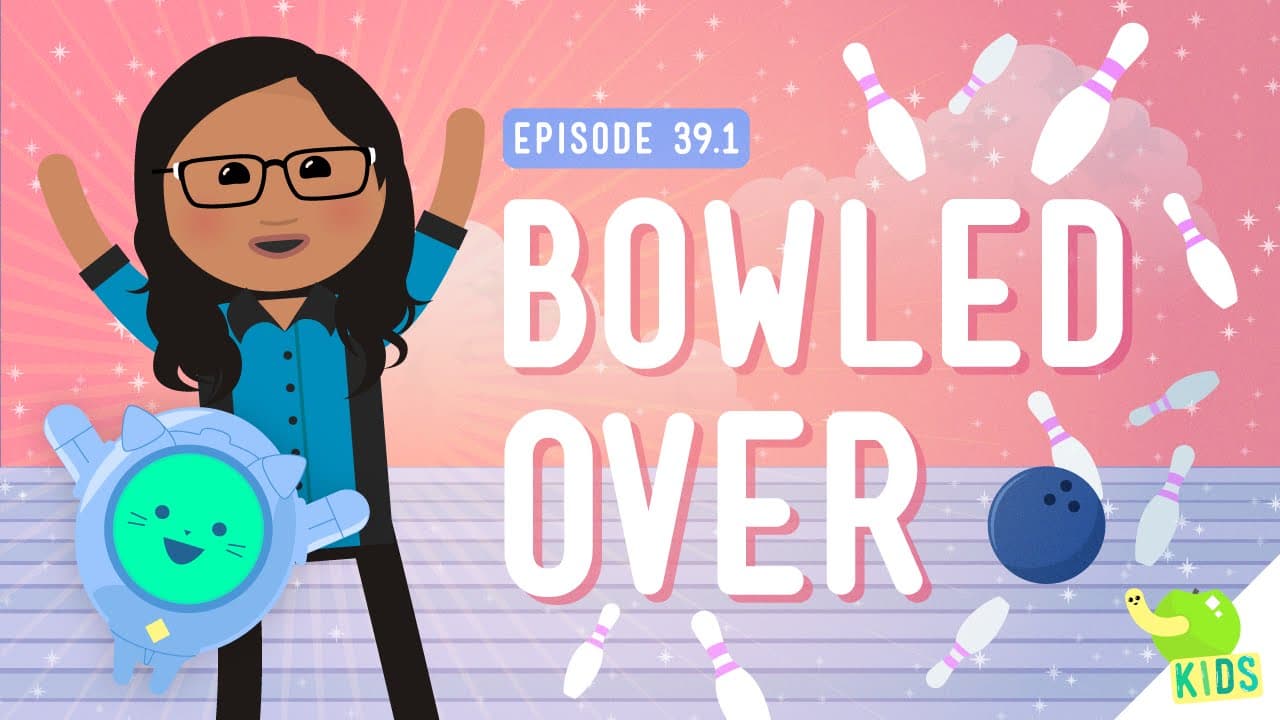
How Engineers Test Solutions with Variables and Criteria

How Engineers Test Solutions with Variables and Criteria

This educational video from Crash Course Kids explores the critical engineering concepts of testing solutions through variables and criteria. Using relatable analogies like a slingshot mobile game and bowling, the host explains how engineers verify if their solutions actually work. The narrative demystifies the abstract concept of a "fair test" by demonstrating why changing multiple factors at once makes it impossible to know what caused a specific result. The video breaks down two main scientific method components: "criteria" (the rules for success) and "isolating variables" (changing only one thing at a time). It walks viewers through an investigation where human error acts as an uncontrolled variable, leading to the engineering solution of using a ramp to ensure consistency. Visual aids include animated diagrams, definitions of key terms, and character-driven scenarios that make these technical concepts accessible. Teachers can use this video to introduce or reinforce the scientific method and engineering design process. It is particularly useful for explaining the difference between independent and controlled variables—often a stumbling block for students. The clear examples provide a perfect launchpad for classroom experiments where students must design their own fair tests, emphasizing the importance of consistency and measurable success criteria.

Crash Course KidsCrash Course Kids

4mins 38s

Materials

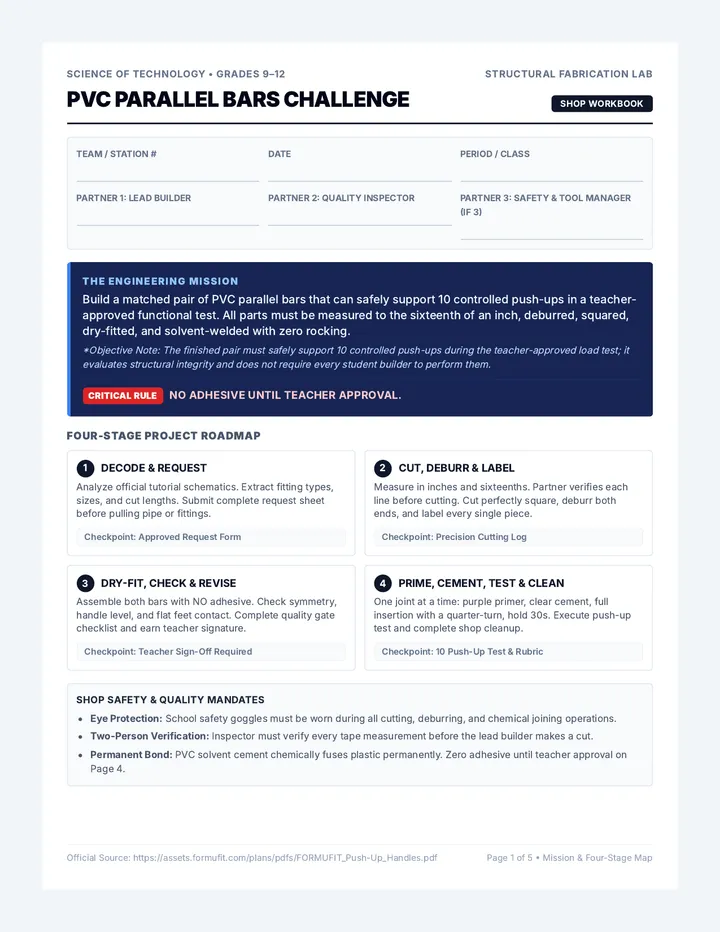
PVC Parallel Bars Workbook

PVC Parallel Bars Workbook

A comprehensive 5-page student workbook for the PVC Parallel Bars Challenge in Grade 9-12 Science of Technology. Features tight individual crops of only the original FORMUFIT black line-art silhouettes on Page 2, a 14-piece cutting log on Page 3, official 4-step assembly diagrams on Page 4, and consistent shop deburring terminology throughout.

KI

Koah Ing

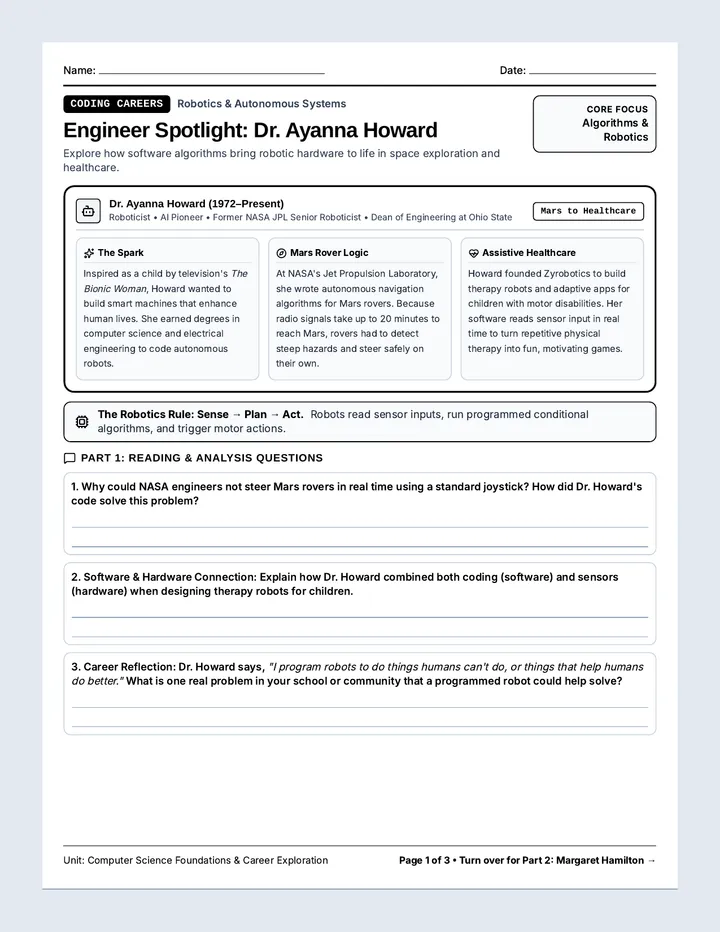
Coding Pioneers Worksheet

Coding Pioneers Worksheet

A printer-friendly black-and-white edition of the three-page computer science packet featuring Dr. Ayanna Howard (Page 1), Margaret Hamilton (Page 2), and an independent digital research lab (Page 3), optimized for crisp monochrome photocopying and minimal toner use.

M

Megan.Tanner

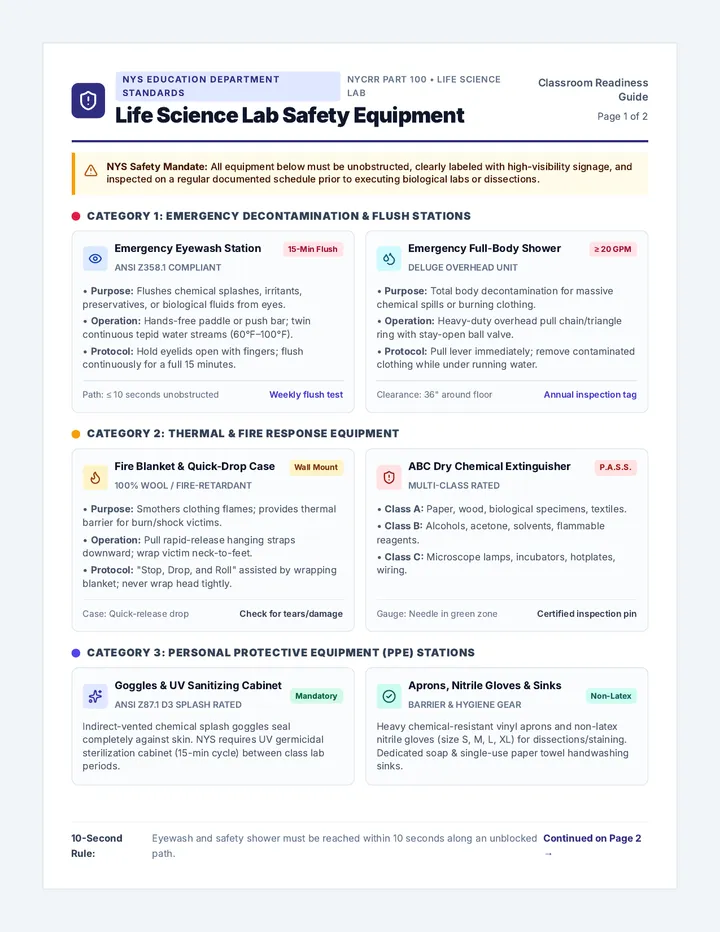
Lab Shield Equipment Reference Guide

Lab Shield Equipment Reference Guide

A comprehensive, print-ready reference and compliance guide detailing all New York State required laboratory safety equipment for Life Science and Biology classrooms. It includes emergency decontamination stations, personal protective equipment, waste disposal containers, and room inspection logging fields.

JE

Jeffrey Elterman

Cord Wrap Blueprint Worksheet

Cord Wrap Blueprint Worksheet

A friendly, 4th-grade-accessible two-page printable engineering worksheet for designing a 3D-printed headphone cord wrap in Tinkercad. Features simple caliper and ruler prompts, playful concept sketch boxes, a millimeter drawing grid, a Tinkercad shape recipe builder, and an easy-to-follow 3D print checklist.

N

nmack

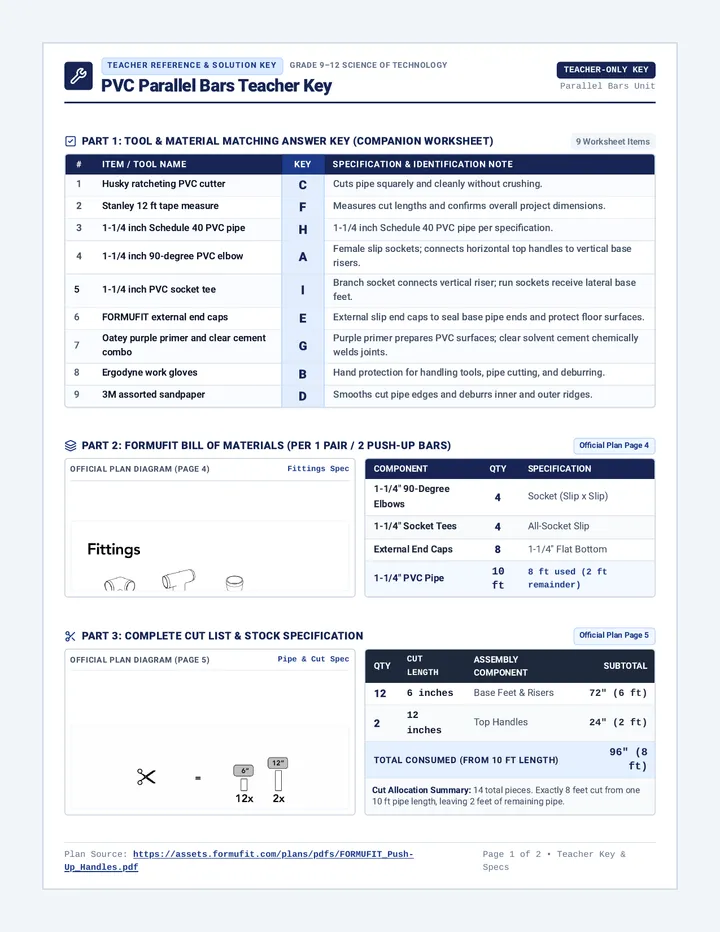
PVC Parallel Bars Teacher Key

PVC Parallel Bars Teacher Key

A two-page teacher key and evaluation guide for Grade 9-12 Science of Technology, featuring tool identification answers, official FORMUFIT diagrams from pages 4 through 9, bill of materials, stock cut list, tolerance scoring matrix, and standardized 100-point rubric with clarified 50-point accuracy conversion.

KI

Koah Ing

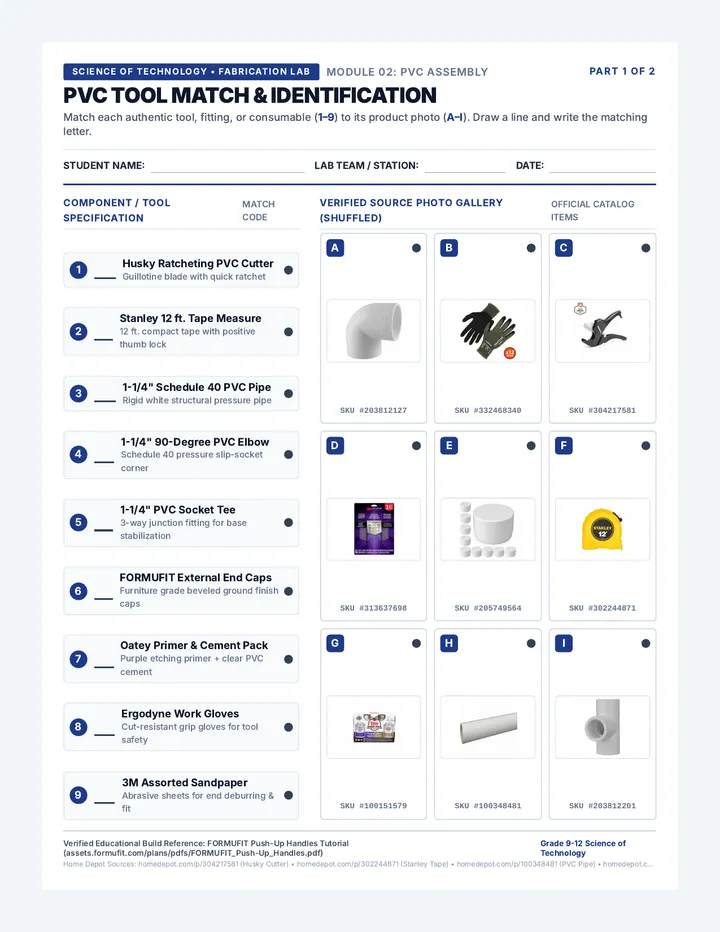
PVC Cutter Safety Worksheet

PVC Cutter Safety Worksheet

A two-page printable worksheet for high school Science of Technology featuring authentic Home Depot product images for tool matching with names removed to keep answers hidden, and a Husky PVC cutter safety licence with neutral tool labeling.

KI

Koah Ing

Sequences

Planet Profile Slides

Infinite Frontier

A comprehensive Hi-Lo unit for 6th graders exploring the scale of the universe, our place in the Milky Way, the technology used to explore space, and the history of human spaceflight.

JS

Janette Sullivan

54
Fondations SQL Slides

Maîtrise SQL pour Data Analyste

Un programme complet conçu pour transformer un débutant en analyste de données capable de manipuler MySQL pour le Big Data et l'IA. Le parcours couvre les bases, les agrégations, les jointures et l'optimisation pour les grands volumes de données.

EM

Elhadji Malick DIENE

22
Naval Architect Challenge Answer Key

Fluid Dynamics

A series of lessons exploring the physics of fluids, including buoyancy, pressure, and fluid flow.

CM

Chuguna Murugesan

28
Malware Mutiny Lesson Plan

Digital Defense Unit

A multi-part cybersecurity unit focusing on defensive strategies, from identifying malicious threats to mastering network access control and traffic filtering.

KW

Karen Wright

13
Wave Racer CER Bellringer

Wave Runners Sequence

A comprehensive physics unit covering the behavior of mechanical and electromagnetic waves. Students transition from hands-on slinky exploration to advanced optical modeling and mathematical derivations.

OM

Olutoyin Makinde

65
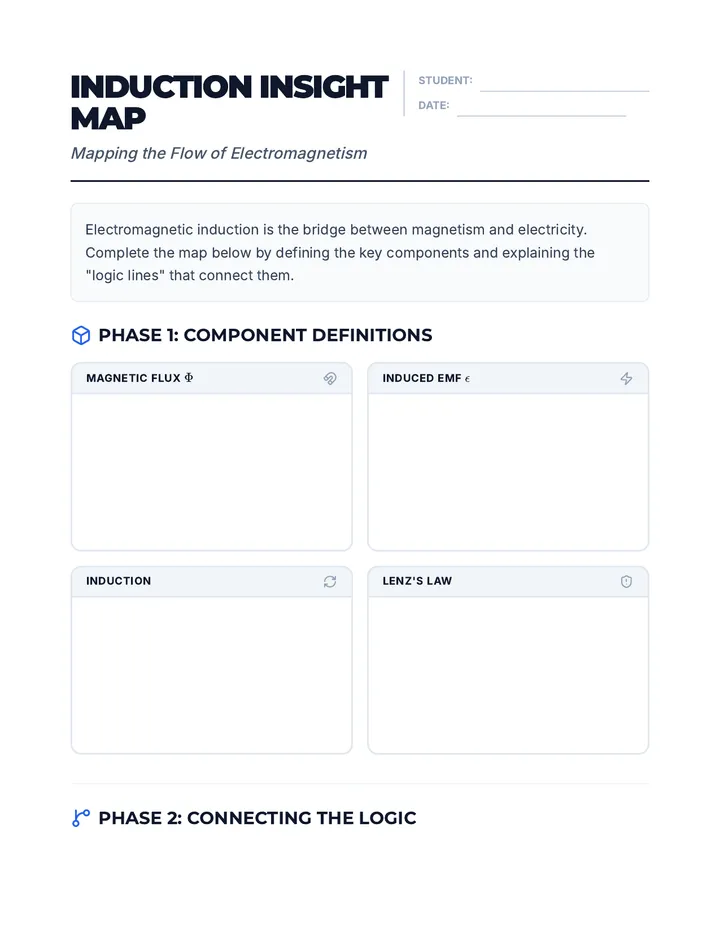
Induction Insight Map Handout

Magnetic Forces Investigation

A 5-day intensive exploration of magnetic forces and fields, focusing on atomic-level causes, field interactions, and mathematical modeling of forces on charged particles. Students progress from anchoring phenomena to complex mathematical applications and a comprehensive unit review.

OM

Olutoyin Makinde

68