Lenny.com
Explore
Create
ActivitiesNewMathEnglish Language ArtsScience & EngineeringSocial StudiesGlobal LanguagesHealth & Physical EducationSpecial EducationCounseling & Life SkillsArts & CreativityESL
Lenny.com
Lenny.com
Explore
Create
ActivitiesNewMathEnglish Language ArtsScience & EngineeringSocial StudiesGlobal LanguagesHealth & Physical EducationSpecial EducationCounseling & Life SkillsArts & CreativityESL
Lenny.com
Lenny.com

Solutions

Lenny for EducatorsLenny for SchoolsLenny for Districts

Product

ExploreSign inCreateSupportAbout

Resources

Getting startedMTSS Acceleration Program

© 2026 Lenny Learning Inc.

TermsPrivacyAccessibility
LinkedInInstagramX
Lenny

The Chemistry of Life

Atomic structure, chemical bonding, and the unique properties of water that support biological systems. Examines the composition and function of macromolecules, including proteins, carbohydrates, lipids, and nucleic acids.

Science & EngineeringLife ScienceLiving ThingsAnimalsPlantsBody SystemsTraitsAdaptationsCellsEcosystemsHeredityGenes to TraitsCell DivisionPhysicsComparing MaterialsShapes and PropertiesMagnetsMagnetismLightSoundLight and SoundMatterStates of MatterChanges of StateMixturesPhysical and Chemical ChangeHeating and CoolingHeat and Thermal EnergyEnergyForce and MotionElectrical CircuitsAtoms and MoleculesPeriodic TableMotion in One DimensionMotion in Two DimensionsScalars and VectorsForces and Laws of MotionCircular Motion and GravityMomentum and ImpulseWork, Energy, and PowerWavesElectromagnetic WavesGeometric OpticsElectricity and MagnetismSimple Harmonic MotionThermodynamicsNuclear PhysicsEarth Science & AstronomyWeatherWater CycleRocks and MineralsFossilsEarth's FeaturesEarth's ResourcesEarth's StructureWeather and ClimateEarth EventsFossils and Geologic TimePlate TectonicsHuman ImpactsAstronomyChemistryUnits and MeasurementAtomic StructurePeriodic TrendsChemical BondingNomenclatureMolecular StructureIntermolecular ForcesThe MoleStoichiometryProperties of GasesSolutionsChemical ReactionsBalancing EquationsEnergy ChangesRates of ReactionsEquilibriumAcids and BasesQuantum ModelBiologyClassificationCell StructureThe Chemistry of LifeBiomoleculesCellular TransportCell EnergyCell Growth and DivisionDNAProtein SynthesisMeiosis and Sexual ReproductionPatterns of InheritanceMulticellular OrganismsEvolutionEcologyBiodiversityComputer ScienceAlgorithms and Computational ThinkingProgramming LanguagesComputing SystemsNetworks and InternetData AnalysisCybersecurityAI and Machine LearningSoftware Design and DevelopmentBlockchainEngineering & AIDesigning ExperimentsEngineering PracticesDesign ThinkingEngineering Design ProcessMechanical EngineeringElectrical EngineeringMaterials and StructuresCAD and 3D DesignRoboticsArtificial Intelligence BasicsVibe CodingMachine LearningAI Ethics and SocietySystems ThinkingEntrepreneurship & InnovationEntrepreneurial MindsetBusiness Idea DevelopmentBusiness Plan BasicsMarketing & Customer DiscoveryFinancial Management for Startups

Videos

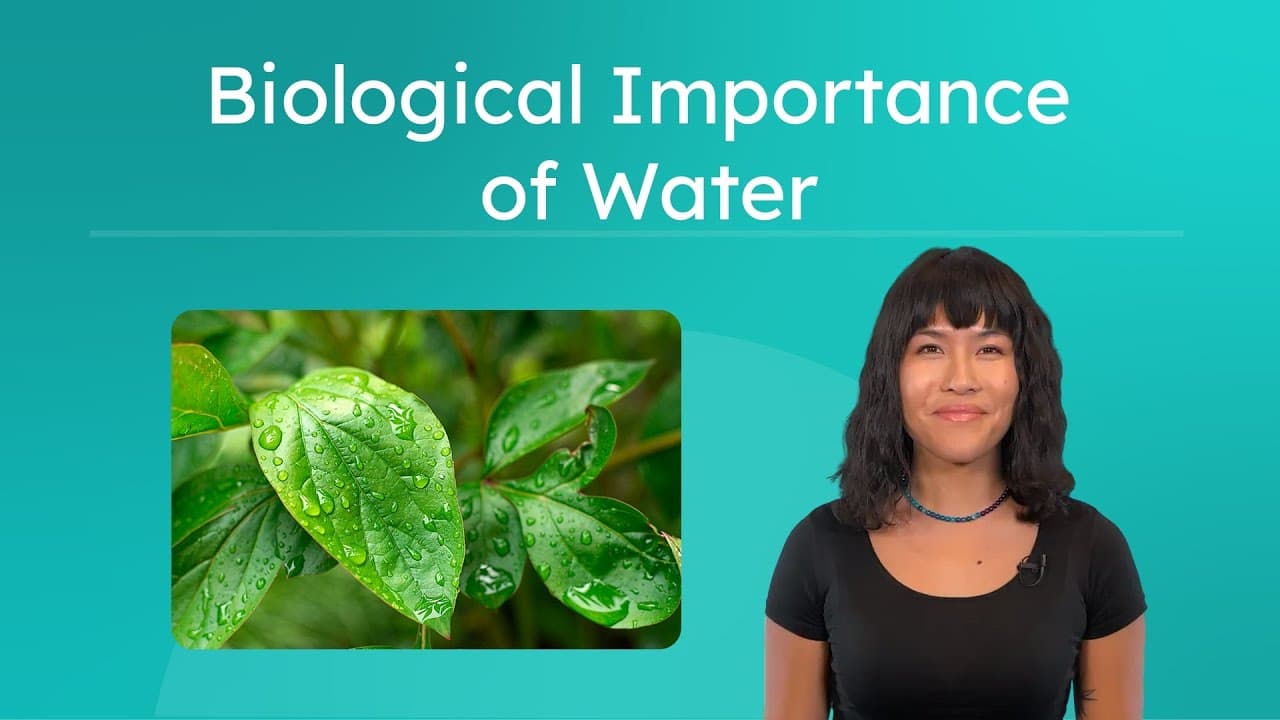
Why Water Is Essential for Life: A Molecular Look

Why Water Is Essential for Life: A Molecular Look

This video provides a comprehensive exploration of the biological importance of water, bridging the gap between molecular chemistry and macroscopic biological functions. It begins by contrasting the diverse life of the Amazon Rainforest with the sparse life of the Sahara Desert to illustrate water's critical role in ecosystems. The narrator then zooms in to the molecular level, explaining the chemical structure of water ($H_2O$), the difference between elements and compounds, and the concept of polarity, using magnets as an analogy for how positive hydrogen and negative oxygen atoms interact.

Miacademy & MiaPrep Learning ChannelMiacademy & MiaPrep Learning Channel

15mins 32s

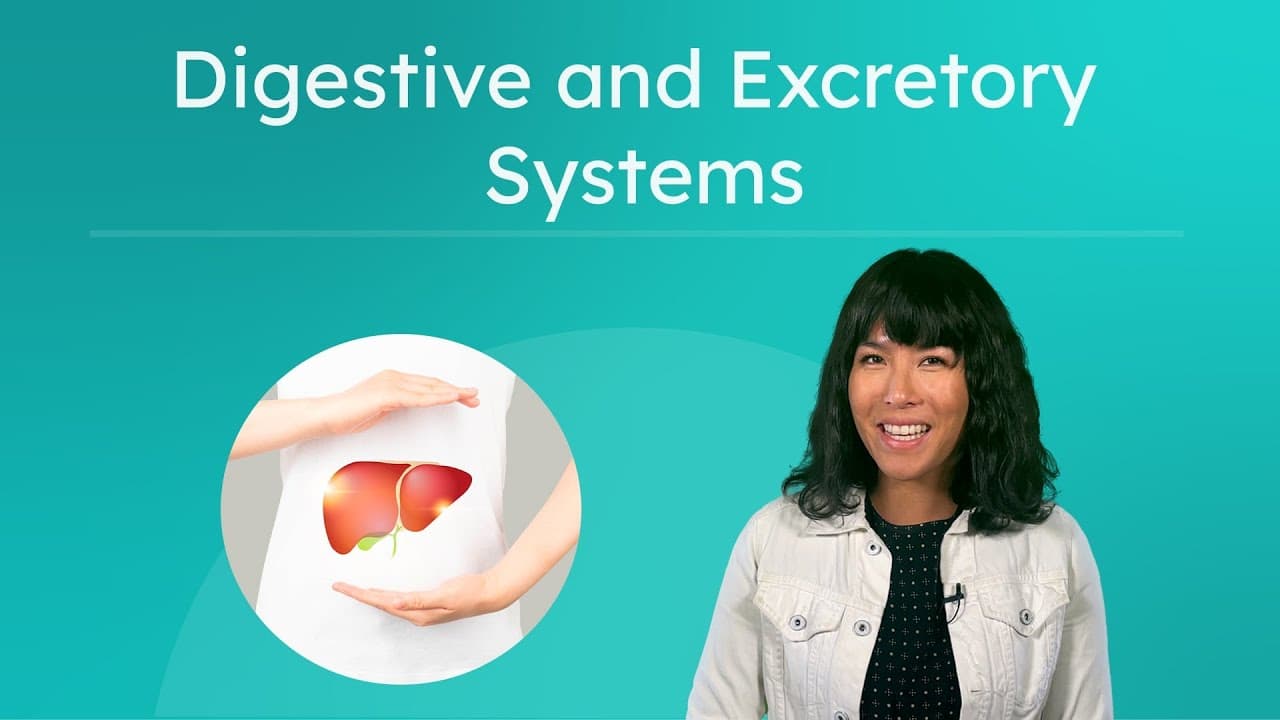
How Your Body Turns Food Into Energy: The Digestive and Excretory Systems

How Your Body Turns Food Into Energy: The Digestive and Excretory Systems

This educational video provides a comprehensive exploration of the human digestive and excretory systems, taking viewers on the journey of food from ingestion to waste elimination. It details the mechanical and chemical processes involved in digestion, starting with the mouth and moving through the esophagus, stomach, and intestines. The video explains the critical roles of enzymes like amylase, protease, and lipase, as well as the function of accessory organs including the liver, pancreas, and gallbladder.

Miacademy & MiaPrep Learning ChannelMiacademy & MiaPrep Learning Channel

12mins 22s

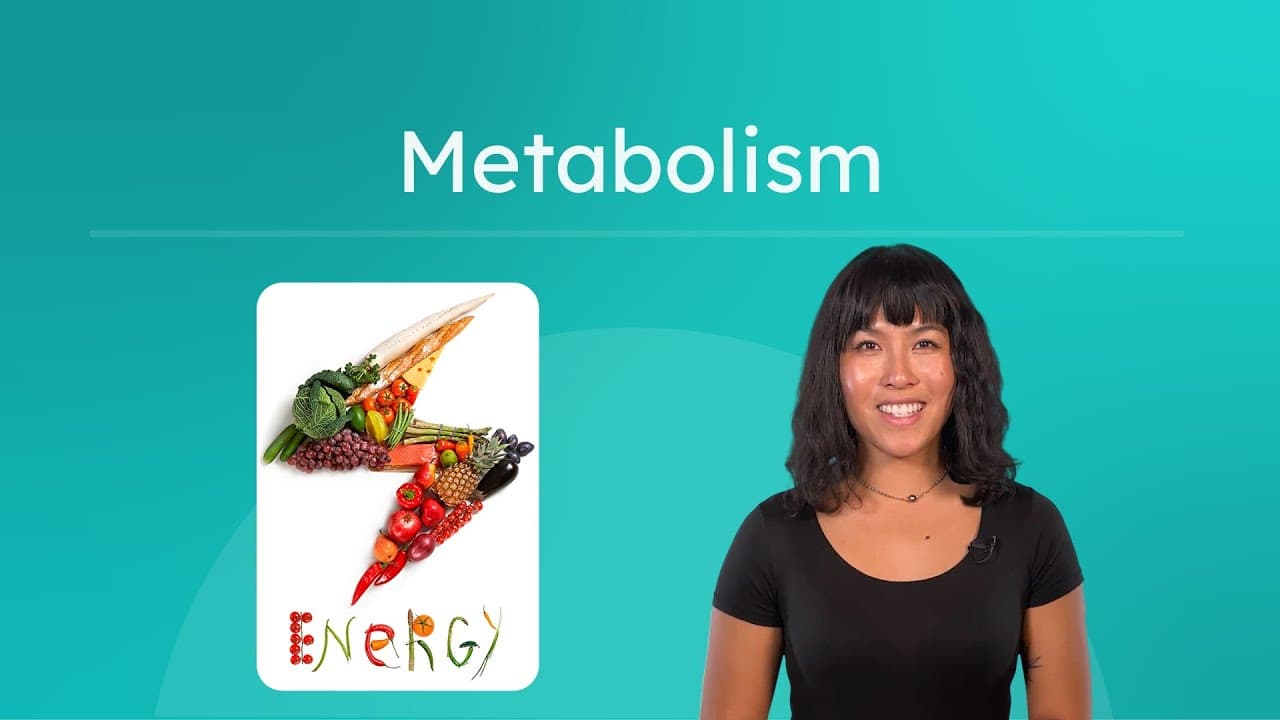
Metabolism Explained: How Your Body Uses Energy

Metabolism Explained: How Your Body Uses Energy

This comprehensive biology lesson explores the complex concept of metabolism, breaking it down into understandable processes that sustain life. The video defines metabolism not just as digestion, but as the sum of all chemical reactions in an organism, specifically focusing on how living things obtain and process energy. It distinguishes between autotrophs and heterotrophs, explaining how different organisms source their carbon, and details the six kingdoms of life through this metabolic lens. The core of the video differentiates between catabolism (breaking down molecules for energy) and anabolism (using energy to build new molecules). It uses memorable analogies, such as a "catastrophe" for catabolism and Lego structures for molecular rearrangement, to make abstract biochemical concepts concrete. Specific metabolic pathways like cellular respiration, lipolysis, and gluconeogenesis are introduced, along with the hierarchy of how the body burns carbohydrates, lipids, and proteins. For educators, this resource provides a solid foundation for units on cellular energetics, biochemistry, or ecology. It bridges the gap between molecular biology and macroscopic observations, showing how the cheeseburger a student eats is transformed into the cellular structures and energy their body needs. The clear visual diagrams of metabolic cycles and energy transfer make high-level concepts accessible for high school biology students.

Miacademy & MiaPrep Learning ChannelMiacademy & MiaPrep Learning Channel

15mins 13s

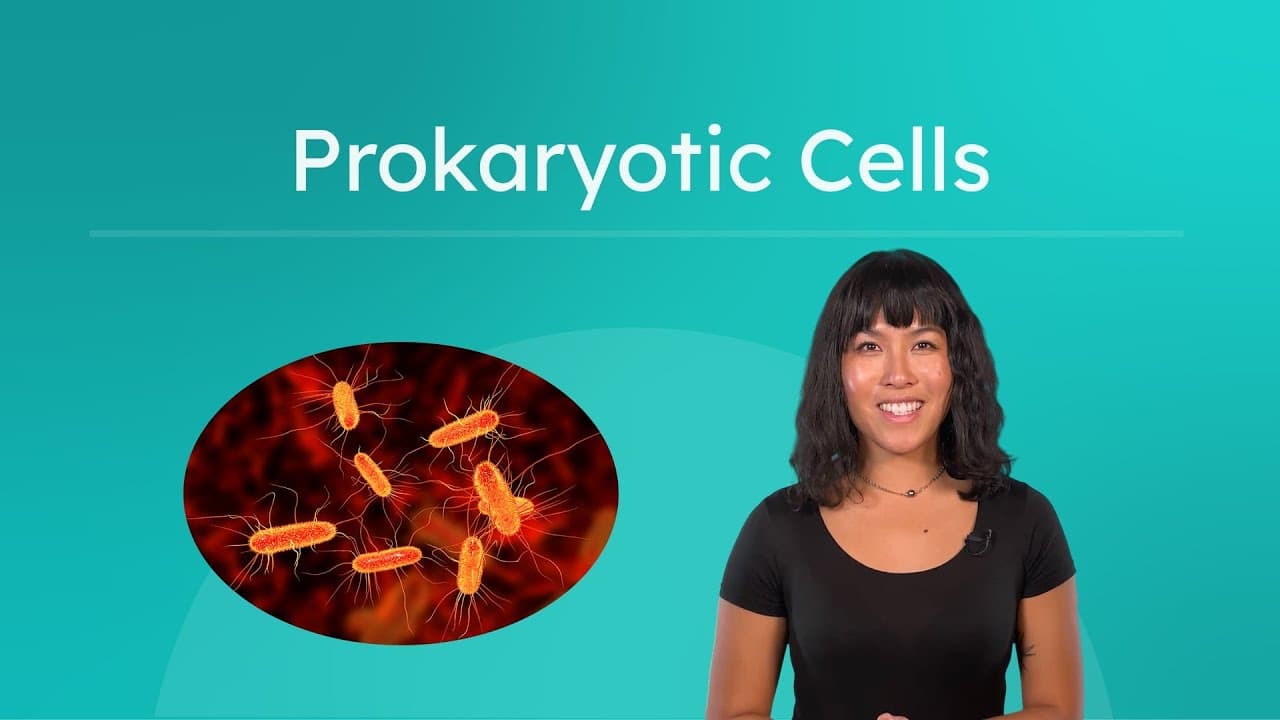
Exploring Prokaryotic Cells: Bacteria and Archaea

Exploring Prokaryotic Cells: Bacteria and Archaea

This engaging biology lesson introduces students to prokaryotic cells, the simplest and most ancient forms of life on Earth. Through clear visual diagrams and relatable analogies, the video breaks down the complex anatomy of a bacterial cell, explaining the functions of internal structures like the nucleoid, ribosomes, and cytoplasm, as well as external protective layers like the cell membrane, cell wall, and capsule. The narrator distinguishes between the two domains of prokaryotes—Bacteria and Archaea—highlighting their differences, evolutionary history, and habitats ranging from the human body to extreme environments like hot springs and the Dead Sea. The content explores key themes in cellular biology, including cell structure and function, biological classification, and the microscopic scale of life. It connects abstract scientific concepts to everyday experiences, such as why we use soap to wash away sticky bacterial capsules, how yogurt is made using Lactobacillus, and the role of our skin's microbiome. The video also touches upon the chemical building blocks of life, reminding students that cells are composed of atoms and macromolecules. For educators, this video serves as an excellent foundational tool for units on cells, microbiology, or the diversity of life. The clear distinction made between "good" bacteria (like those in our gut) and pathogenic bacteria (like Streptococcus) helps dispel the misconception that all microbes are harmful. The detailed breakdown of cell anatomy provides a step-by-step guide for labeling activities, while the introduction to extremophiles offers exciting hooks for discussions about adaptation and the resilience of life.

Miacademy & MiaPrep Learning ChannelMiacademy & MiaPrep Learning Channel

13mins 9s

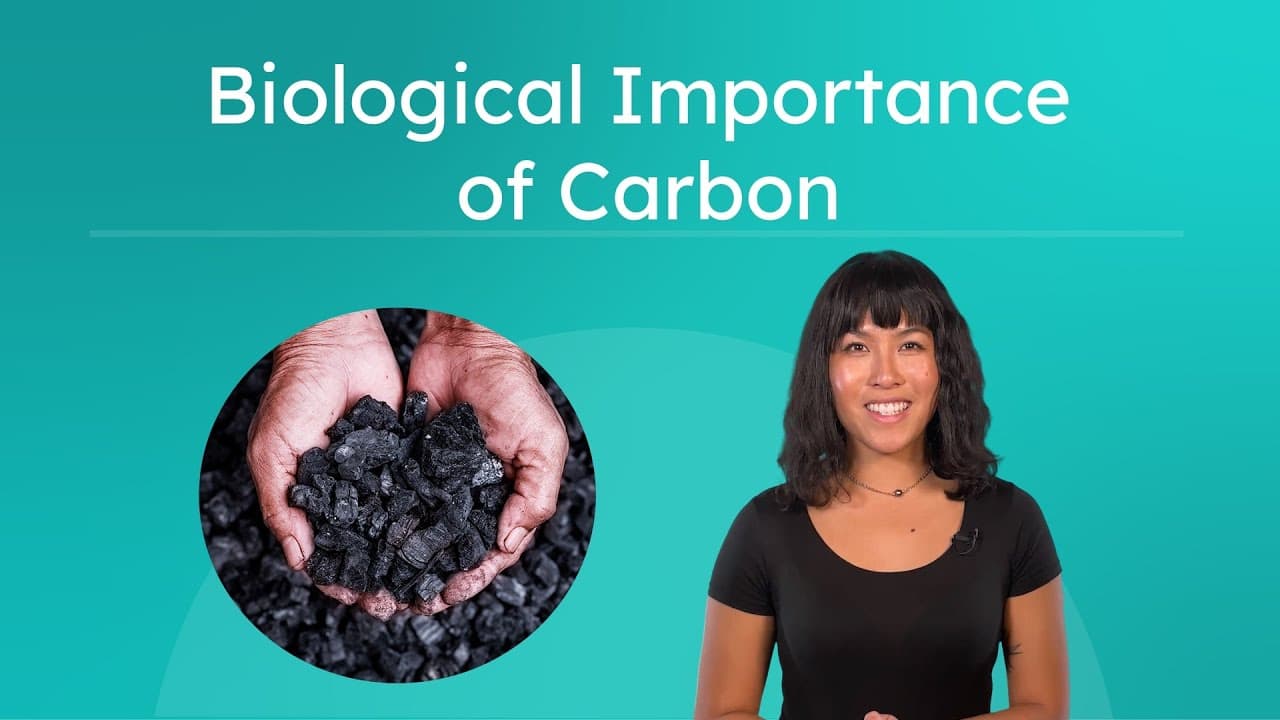
Exploring Carbon: Life's Building Block and Climate Changer

Exploring Carbon: Life's Building Block and Climate Changer

This comprehensive educational video explores the fundamental role of carbon as the building block of life and its significant impact on the Earth's climate. The narrator, Bee, takes viewers on a journey from the swampy forests of the Carboniferous period to the molecular structures that make up our bodies, explaining why carbon's unique chemical properties make it essential for biological complexity. The video uses accessible analogies, such as comparing atoms to Legos, to demystify concepts like chemical bonding, electron sharing, and molecular diversity. The content bridges the gap between chemistry and environmental science by tracing the lifecycle of carbon from ancient plant matter to fossil fuels like coal. It explains the chemical process of combustion and how burning these fuels releases stored carbon dioxide into the atmosphere. The video provides a clear, scientific explanation of the greenhouse effect, distinguishing between the natural warming that makes Earth habitable and the accelerated warming caused by human activity. Teachers can use this video to support units in chemistry, biology, and environmental science. It effectively connects abstract concepts like atomic structure and covalent bonding to tangible real-world issues like energy consumption and climate change. By integrating the history of the Earth with modern scientific challenges, the video encourages students to think critically about sustainable energy solutions and the importance of ecological balance.

Miacademy & MiaPrep Learning ChannelMiacademy & MiaPrep Learning Channel

17mins 20s

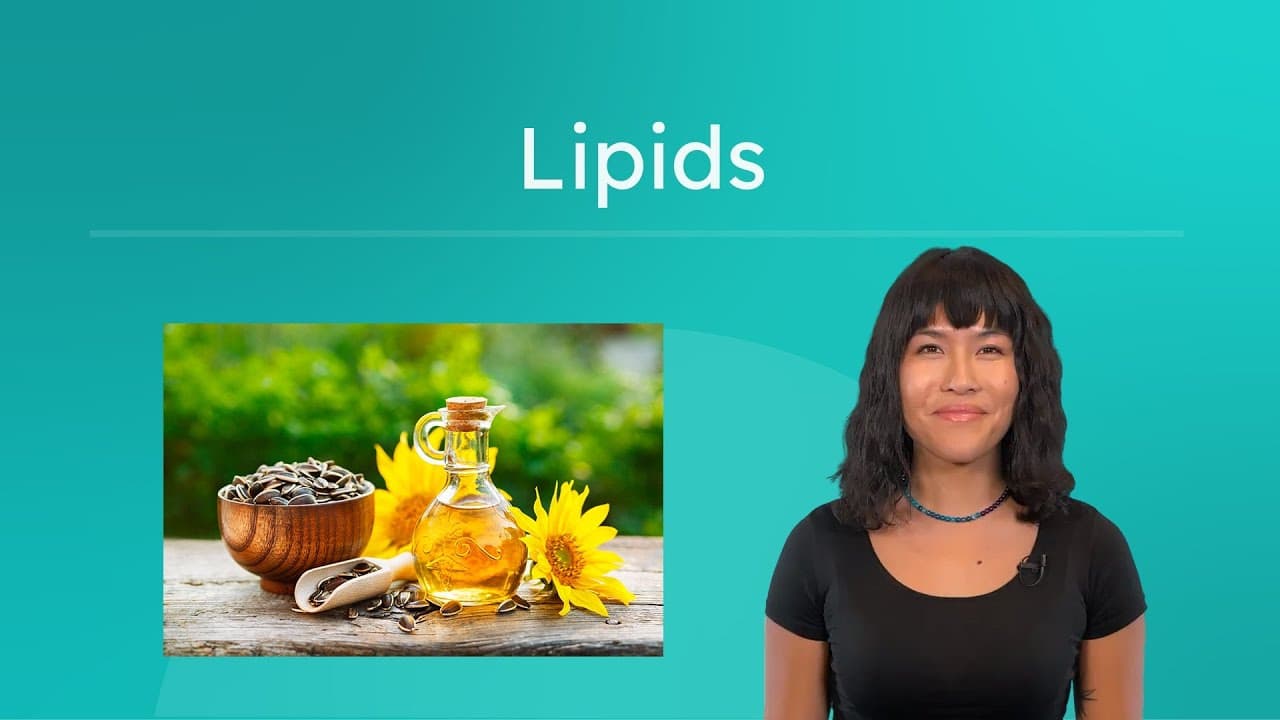
What Are Lipids? Fats, Steroids, and Waxes Explained

What Are Lipids? Fats, Steroids, and Waxes Explained

This comprehensive video lesson explores lipids, a diverse group of nonpolar macromolecules essential for life. Beginning with an overview of their chemical composition (Carbon, Hydrogen, Oxygen) and hydrophobic nature, the video contrasts lipids with carbohydrates, explaining why lipids do not dissolve in water but are soluble in other nonpolar substances. The presenter introduces the concept of "like dissolves like," using vitamins as a practical example to explain how different substances interact within biological systems. The core of the video breaks down the four main categories of lipids: triglycerides, phospholipids, steroids, and waxes. It provides detailed molecular visualizations to explain the structural differences between saturated, unsaturated, and trans fats, linking these structures to their physical states at room temperature and their health implications. The lesson clarifies the structure and function of phospholipids in cell membranes, the role of cholesterol and steroid hormones, and the protective waterproofing function of waxes in plants and animals. Designed for biology and health classrooms, this video connects complex biochemical structures to real-world applications, such as interpreting nutrition labels, understanding the health risks of trans fats, and appreciating the engineering of honeycombs. It effectively bridges the gap between molecular biology and everyday life, making it an excellent resource for units on macromolecules, nutrition, or cell biology.
Miacademy & MiaPrep Learning ChannelMiacademy & MiaPrep Learning Channel

21mins 30s

Materials

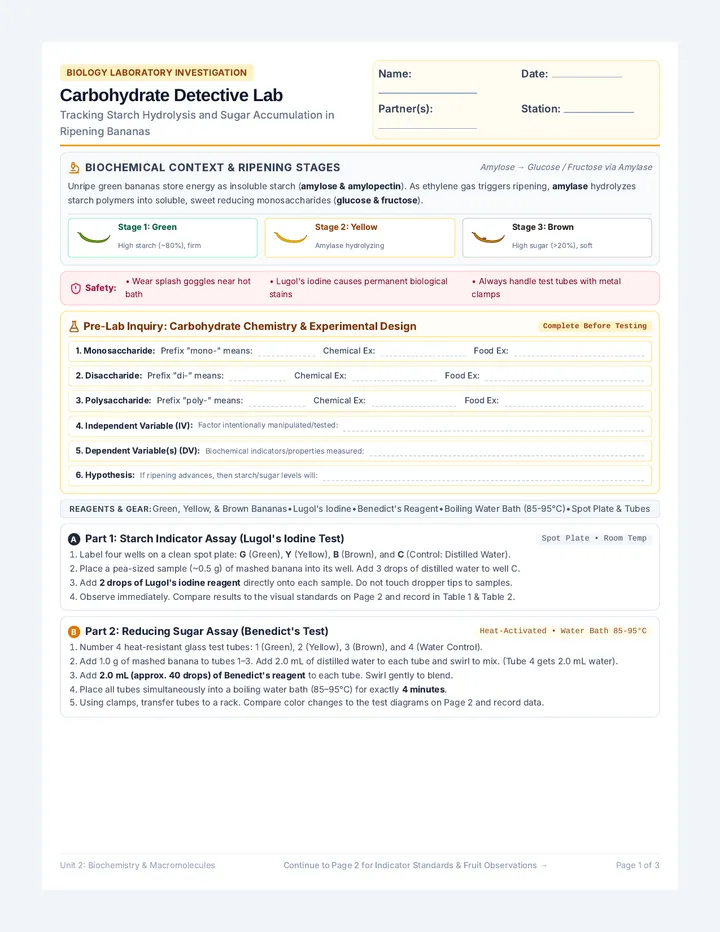
Banana Ripening Lab Worksheet

Banana Ripening Lab Worksheet

A comprehensive three-page student laboratory investigation worksheet examining carbohydrate changes across banana ripening stages, updated with 12px font sizing for enhanced legibility across instructional text, headers, and metadata, complete with visual indicator standards, photographic observation tables, and a NYS Regents biology item cluster with quantitative data and a student bar graphing grid.

S

stewart

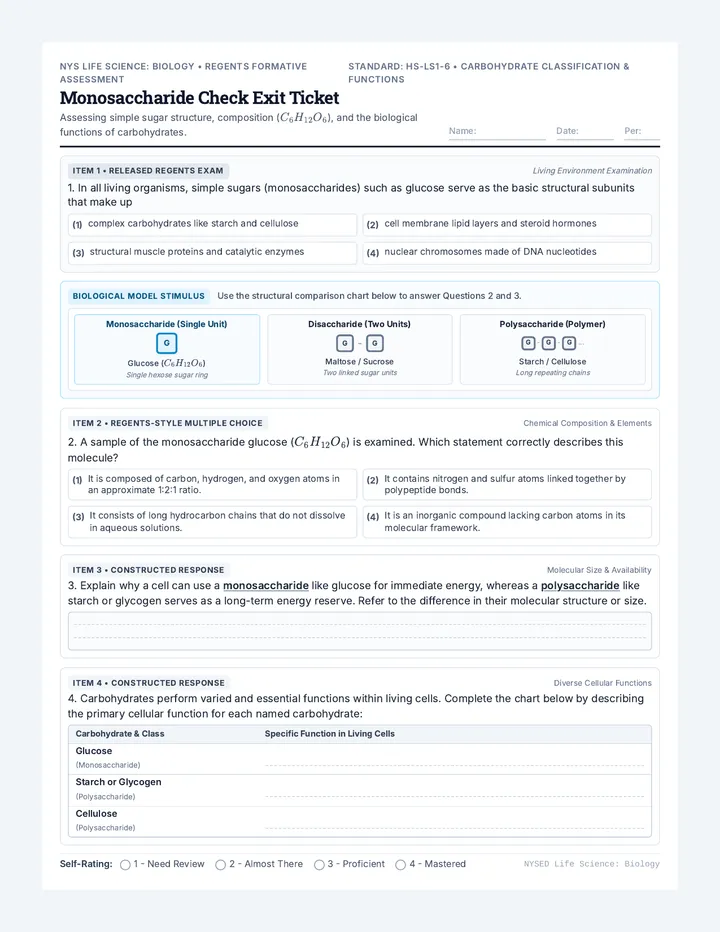
Monosaccharide Check Exit Ticket

Monosaccharide Check Exit Ticket

A print-ready New York State Regents-style exit ticket focused on monosaccharide structure, classification, and carbohydrate functions in cells. It contains zero questions on diffusion, chemical indicators, or chemical reactions, centering purely on building blocks, elemental composition, and biological roles (energy fuel, storage, and plant cell wall structure).

S

stewart

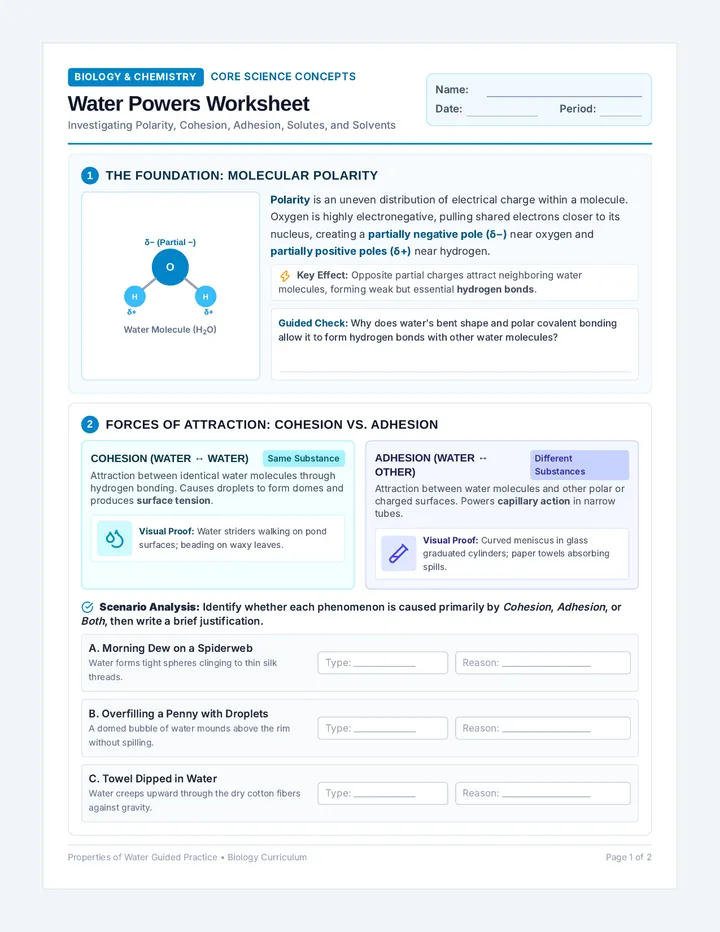
Water Powers Worksheet

Water Powers Worksheet

A comprehensive two-page guided practice worksheet exploring the unique properties of water, updated with crystal-clear concrete solute/solvent examples, an explicit modeled anchor row, and labeled hydration diagrams.

S

stewart

Bond Battles Warmup Slides

Bond Battles Warmup Slides

A 3-slide projected bell work presentation tailored for a Biology class, reviewing ionic, covalent, hydrogen, and carbon bonding through cellular examples, macromolecule structures, and living phenomena.

R

Rebekah.Rees

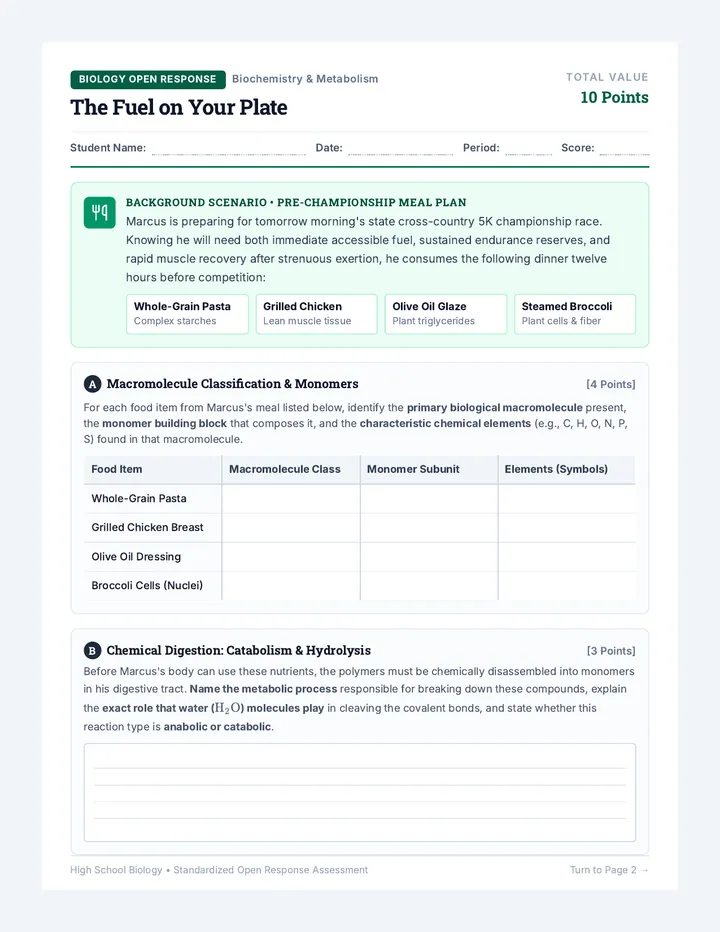
Marathon Meal Open Response

Marathon Meal Open Response

A comprehensive high school biology open-response assessment task based on biochemistry lecture notes. Students analyze an endurance athlete's meal, classify its nutritional components into macromolecules and monomers, explain the catabolic and anabolic chemical reactions (hydrolysis and dehydration synthesis) during digestion and cellular storage, and justify the meal choice based on physiological demands.

NP

Nicole Prince

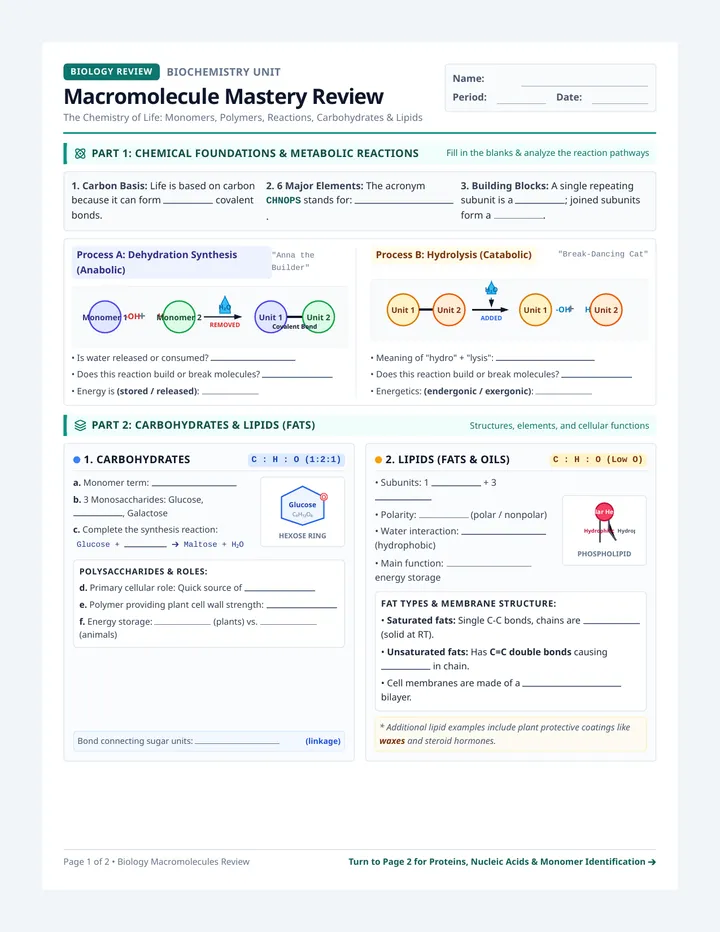
Macromolecule Mastery Review Packet

Macromolecule Mastery Review Packet

A comprehensive two-page student review packet covering biochemistry and macromolecules based on lecture slides, featuring visual reaction diagrams (dehydration synthesis and hydrolysis), molecular structures, fill-in-the-blank concept checks, vocabulary matching, and a monomer identification challenge.

NP

Nicole Prince

Sequences

Climate Crisis Slides

Science Essentials Vault

A comprehensive collection of core science units covering Environmental Science, Biology, and Physical Science. This sequence provides high-impact instructional slides, hands-on lab experiences, guided notes, and differentiated assessments for five major scientific domains.

CB

Chloe Brown

25
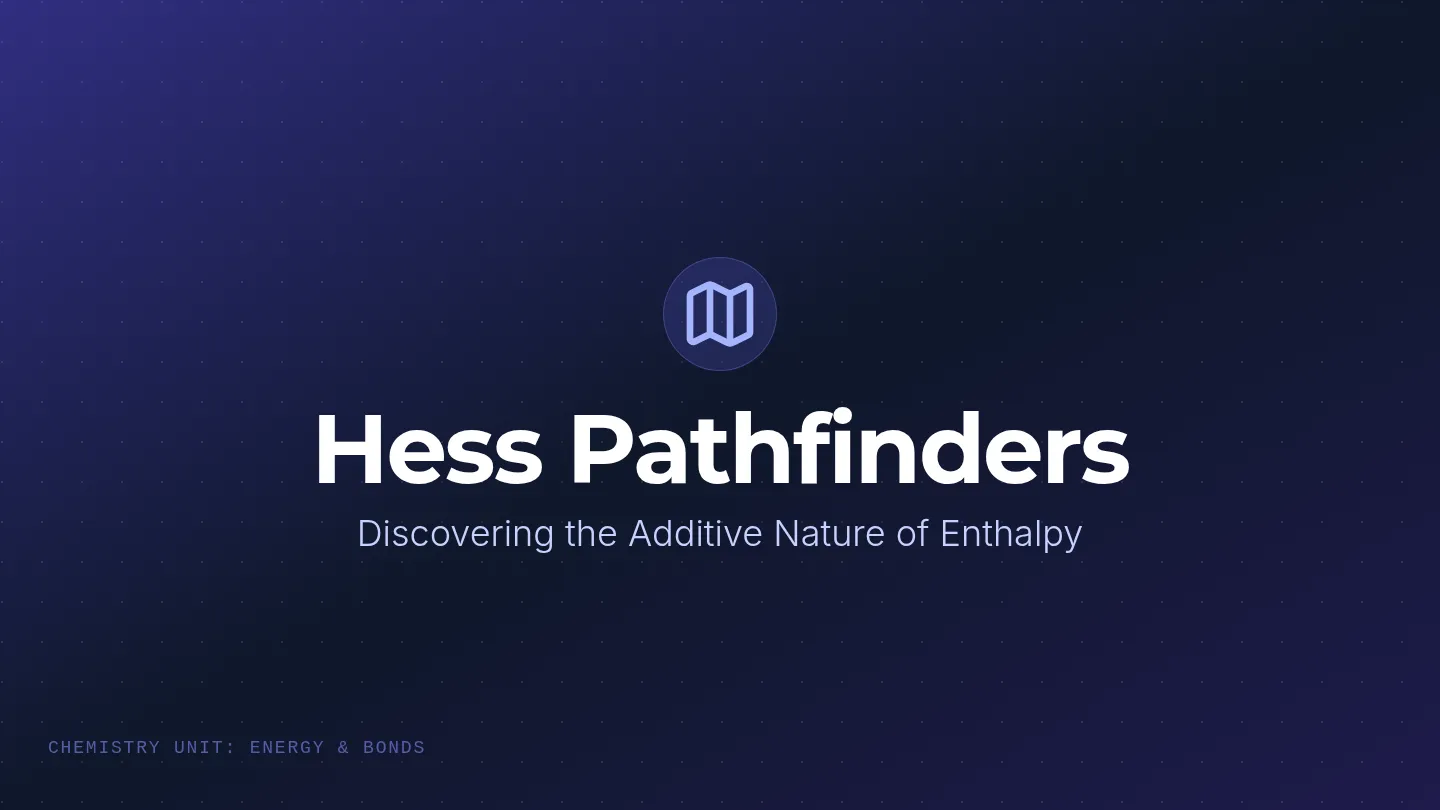
Hess Pathfinders Slides

Energy in Chemical Bonds

A five-day high school chemistry unit exploring thermochemistry, collision theory, enthalpy diagrams, and calorimetry through the lens of body heat and chemical reactions. Students investigate the anchoring phenomenon of exercise-induced heat while mastering TEKS C.13 standards.

OM

Olutoyin Makinde

48
Systems Sync Lesson Plan

System Synergy Unit

A comprehensive biology unit covering the complex interactions of animal and plant systems, the structural nature of viruses, and the application of these concepts to real-world disease outbreaks.

PB

Priyadarshini Bharath

15
Sprint Mastery Tracker Worksheet

Biology Mastery Sprint

A high-intensity review sequence designed to move students from 'not met' to 'mastery' in Biology through vocabulary immersion and STAAR-style practice.

PB

Priyadarshini Bharath

10
Catalyst Chaos Slides

Bio Machine

A unit exploring the microscopic machines that keep living things running, from building cells to breaking down food.

EE

Erin Esswein

9
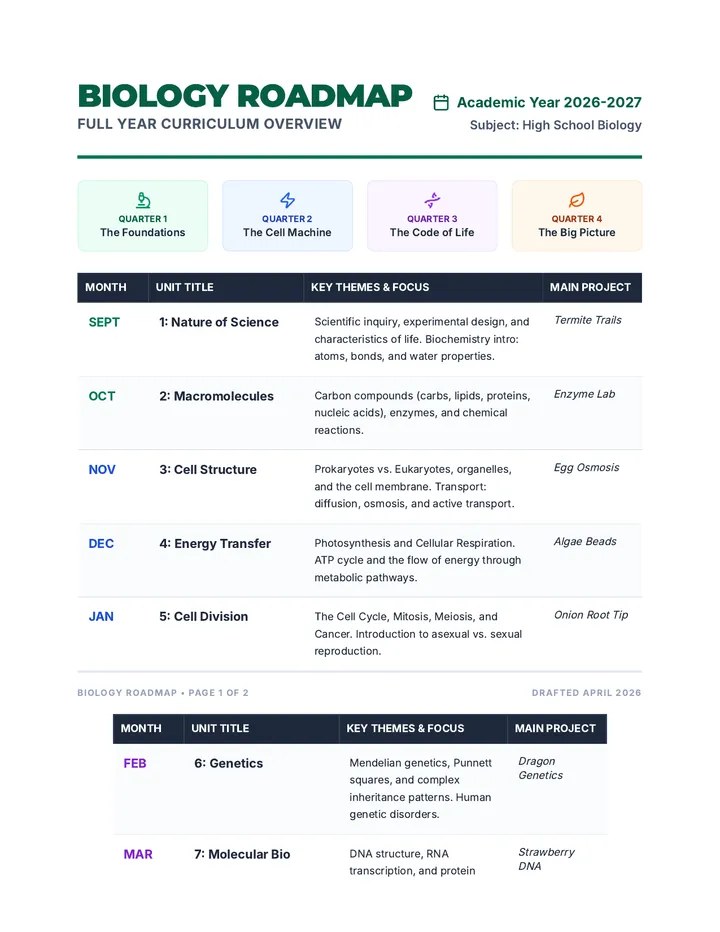
Biology Roadmap Document Trimmed

Biology Blueprint

A comprehensive full-year planning framework for high school Biology, including pacing, unit objectives, lab requirements, and assessment strategies.

A

AMY.MILLER

7

Lessons

Digestion Expedition Lesson Plan

Digestion Deep Dive

A comprehensive review lesson on the digestive system and enzyme function, focusing on the path of food, mechanical vs. chemical digestion, and enzyme specificity through interactive activities and guided notes.

EE

Erin Esswein

17
Flow State Reading Guide Expanded

Flow State

This lesson explores the fundamental properties of fluids, including the molecular differences between solids, liquids, and gases, the concept of density, and the characteristics of ideal fluids. Students will learn to distinguish states of matter through atomic interactions and apply the density formula to various substances.

CM

Chuguna Murugesan

33
Biomolecule Blueprint Worksheet

Molecular Machinery

An introductory exploration of the four primary biomolecules (carbohydrates, lipids, proteins, and nucleic acids), aligning to TEKS Biology 5A. Students compare their chemical functions and identify key biological examples across animal, plant, and cellular systems.

SB

Stephen Bassford

5
Biology Syllabus Infographic

Course Launch

An introductory framework establishing course policies, Indiana state biology standards, and the integrated biochemistry roadmap for the academic year.

M

MELANIE.ROBERTS

4
Biomolecule Burnout Worksheet

Biomolecule Burnout

A high school biology quick lab exploring energy storage in biomolecules through the combustion of common foods representing carbohydrates, lipids, and proteins.

SB

Stephen Bassford

4
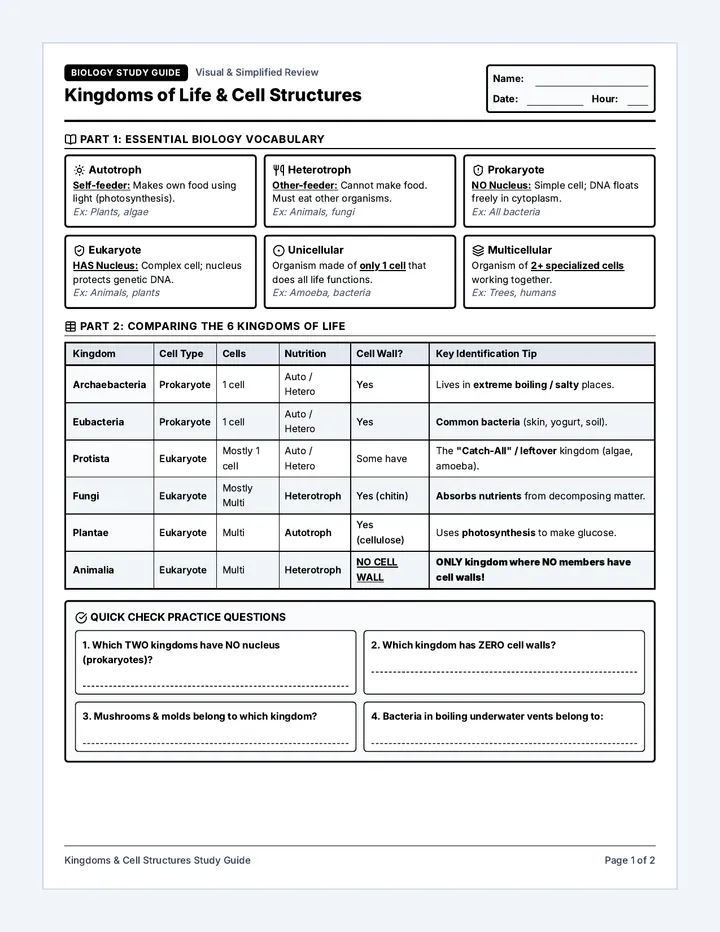
Kingdoms Cells Study Guide

Kingdoms and Cells

A comprehensive review and assessment package covering the six kingdoms of life, cellular classification, and cell organelle structures. Includes a visual study guide, an adapted 3-choice test designed for reading accessibility, and complete answer keys.

CH

Cindy Heckman

7