Lenny.com
Explore
Create
ActivitiesNewMathEnglish Language ArtsScience & EngineeringSocial StudiesGlobal LanguagesHealth & Physical EducationSpecial EducationCounseling & Life SkillsArts & CreativityESL
Lenny.com
Lenny.com
Explore
Create
ActivitiesNewMathEnglish Language ArtsScience & EngineeringSocial StudiesGlobal LanguagesHealth & Physical EducationSpecial EducationCounseling & Life SkillsArts & CreativityESL
Lenny.com
Lenny.com

Solutions

Lenny for EducatorsLenny for SchoolsLenny for Districts

Product

ExploreSign inCreateSupportAbout

Resources

Getting startedMTSS Acceleration Program

© 2026 Lenny Learning Inc.

TermsPrivacyAccessibility
LinkedInInstagramX
Lenny

Magnets

Magnetic poles, attraction, and repulsion principles alongside magnetic field mapping. Examines the relationship between electricity and magnetism through electromagnetic construction and real-world applications.

Science & EngineeringLife ScienceLiving ThingsAnimalsPlantsBody SystemsTraitsAdaptationsCellsEcosystemsHeredityGenes to TraitsCell DivisionPhysicsComparing MaterialsShapes and PropertiesMagnetsMagnetismLightSoundLight and SoundMatterStates of MatterChanges of StateMixturesPhysical and Chemical ChangeHeating and CoolingHeat and Thermal EnergyEnergyForce and MotionElectrical CircuitsAtoms and MoleculesPeriodic TableMotion in One DimensionMotion in Two DimensionsScalars and VectorsForces and Laws of MotionCircular Motion and GravityMomentum and ImpulseWork, Energy, and PowerWavesElectromagnetic WavesGeometric OpticsElectricity and MagnetismSimple Harmonic MotionThermodynamicsNuclear PhysicsEarth Science & AstronomyWeatherWater CycleRocks and MineralsFossilsEarth's FeaturesEarth's ResourcesEarth's StructureWeather and ClimateEarth EventsFossils and Geologic TimePlate TectonicsHuman ImpactsAstronomyChemistryUnits and MeasurementAtomic StructurePeriodic TrendsChemical BondingNomenclatureMolecular StructureIntermolecular ForcesThe MoleStoichiometryProperties of GasesSolutionsChemical ReactionsBalancing EquationsEnergy ChangesRates of ReactionsEquilibriumAcids and BasesQuantum ModelBiologyClassificationCell StructureThe Chemistry of LifeBiomoleculesCellular TransportCell EnergyCell Growth and DivisionDNAProtein SynthesisMeiosis and Sexual ReproductionPatterns of InheritanceMulticellular OrganismsEvolutionEcologyBiodiversityComputer ScienceAlgorithms and Computational ThinkingProgramming LanguagesComputing SystemsNetworks and InternetData AnalysisCybersecurityAI and Machine LearningSoftware Design and DevelopmentBlockchainEngineering & AIDesigning ExperimentsEngineering PracticesDesign ThinkingEngineering Design ProcessMechanical EngineeringElectrical EngineeringMaterials and StructuresCAD and 3D DesignRoboticsArtificial Intelligence BasicsVibe CodingMachine LearningAI Ethics and SocietySystems ThinkingEntrepreneurship & InnovationEntrepreneurial MindsetBusiness Idea DevelopmentBusiness Plan BasicsMarketing & Customer DiscoveryFinancial Management for Startups

Videos

Visualizing Invisible Magnetic Fields

Visualizing Invisible Magnetic Fields

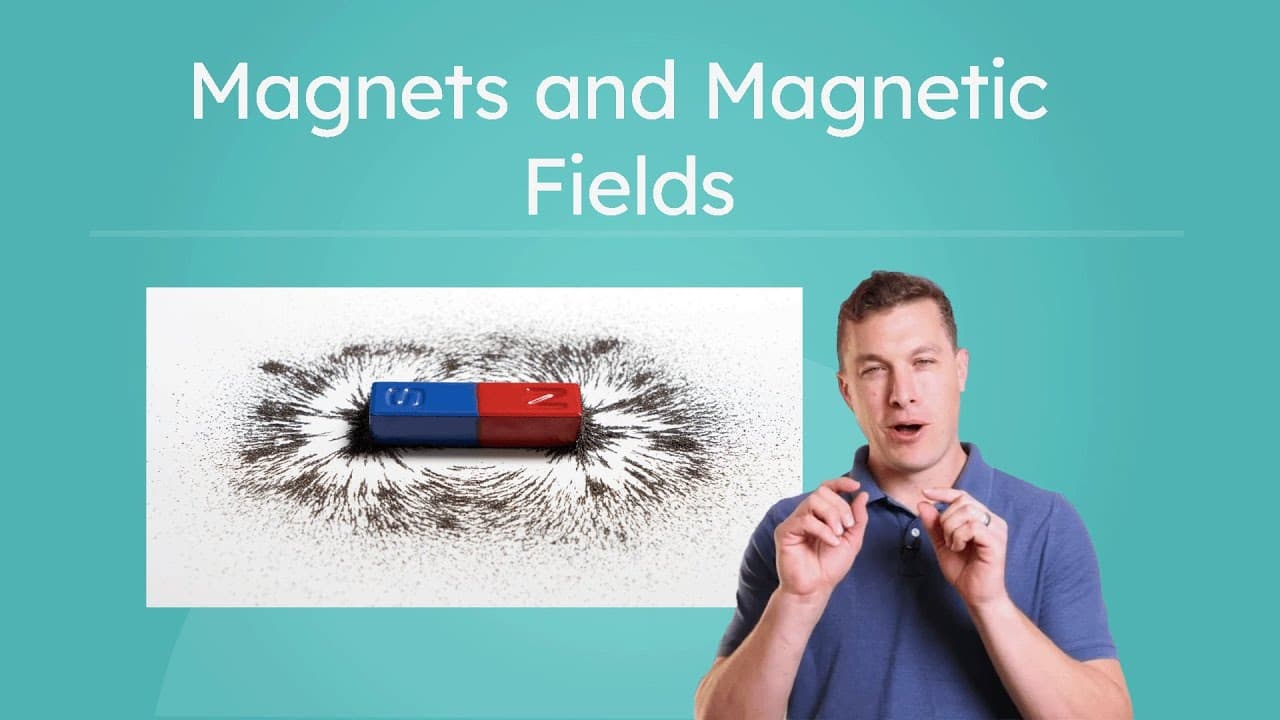
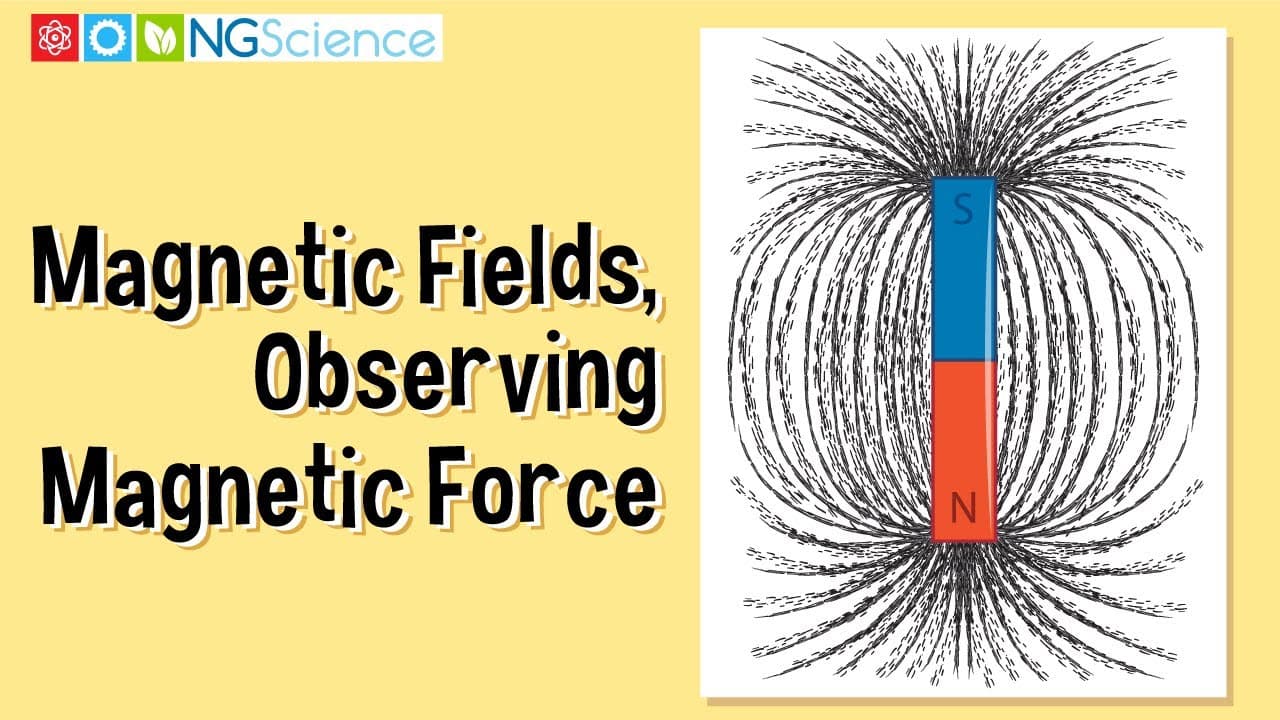
This educational video provides a clear, visual demonstration of magnetic fields, transforming an abstract concept into a concrete observation. Through the use of bar magnets, paper, and iron filings, the narrator explains what a magnetic field is and demonstrates how to make these invisible forces visible. The video systematically tests different scenarios, showing the magnetic field of a single magnet, the repulsive force between like poles, and the attractive force between unlike poles. The key themes explored include the properties of magnets, magnetic poles (North and South), and the interaction between magnetic fields. The video specifically highlights how field lines are most concentrated at the poles and how the pattern of field lines changes depending on whether magnets are repelling or attracting one another. It introduces essential vocabulary such as "repel," "attract," "magnetic force," and "iron filings." For educators, this video is an invaluable tool for physics and general science units on forces. It serves as a perfect precursor to or substitute for a live lab activity, allowing students to see the expected results of a classic experiment. It can spark learning by prompting students to predict field patterns before they are revealed, helping them build mental models of invisible forces and understanding the fundamental rules of magnetism.

Next Generation ScienceNext Generation Science

3mins 18s

Testing Which Metals Are Magnetic

Testing Which Metals Are Magnetic

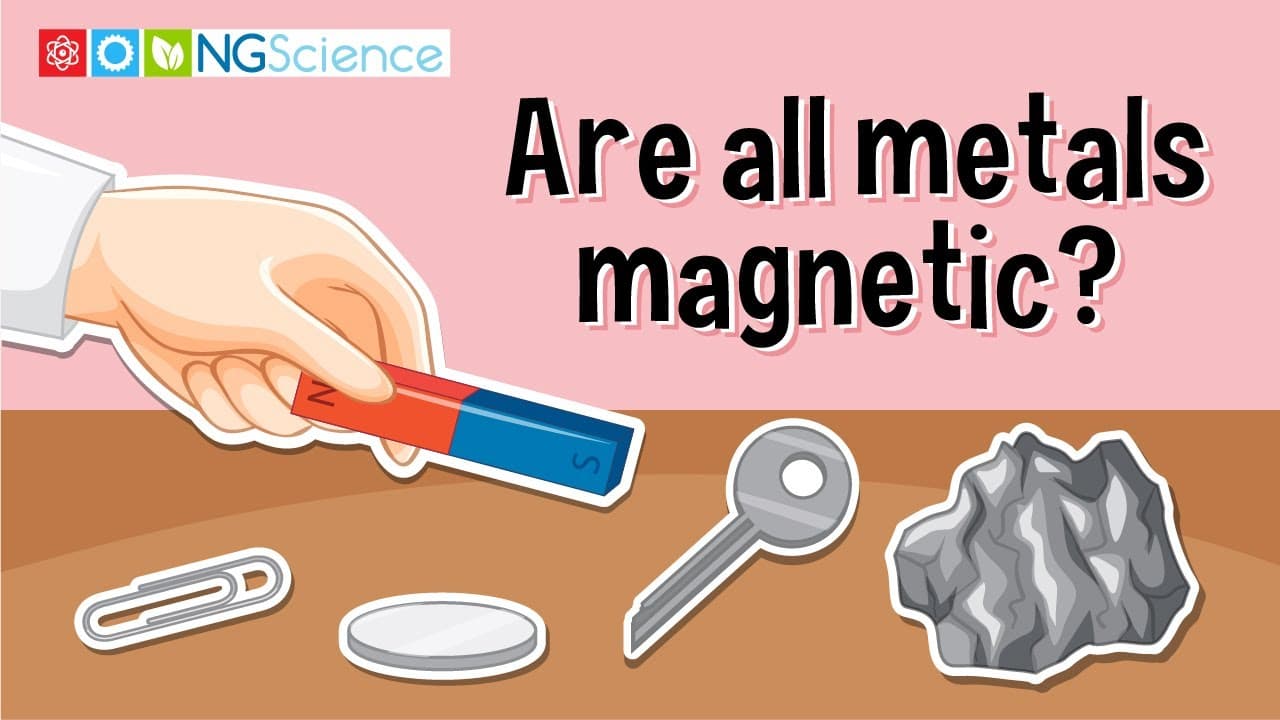
This concise science demonstration investigates the relationship between magnets and various metal objects to determine which materials possess magnetic properties. Through a clear, step-by-step experiment, the narrator tests common household items—like keys, coins, and safety pins—against a U-shaped magnet. The video explicitly tests the hypothesis that "all metals are magnetic" by showing that while all the test objects are metallic, only some interact with the magnet. The core themes explore the physical properties of matter, specifically magnetism and material composition. It introduces the fundamental scientific concept that magnetism is a property specific to certain metals (ferromagnetic materials) rather than a general property of all metals. The video concludes by identifying specific elements—iron, nickel, and cobalt—that are magnetic, contrasting them with non-magnetic metals like aluminum, copper, and silver. For educators, this video serves as an excellent hook or demonstration for units on physical science and properties of matter. It directly addresses the common student misconception that magnets stick to all metals. The clear visual evidence of the key and coin failing to stick provides a memorable "discrepant event" that sparks inquiry. It lays the groundwork for understanding material composition and classification, making it valuable for early elementary science curriculums.

Next Generation ScienceNext Generation Science

1min 53s

How Magnets, Fields, and Generators Work

How Magnets, Fields, and Generators Work

This engaging physics lesson explores the fundamental principles of magnetism, moving from basic interactions to complex real-world applications. It begins with a relatable personal anecdote to introduce the strength of modern magnets before diving into core concepts like magnetic poles, attraction and repulsion, and the non-existence of magnetic monopoles. The video utilizes clear animations and diagrams to visualize invisible forces, making abstract concepts accessible to students.

Miacademy & MiaPrep Learning ChannelMiacademy & MiaPrep Learning Channel

8mins 9s

Earth's Magnetic Shield and the Right-Hand Rule

Earth's Magnetic Shield and the Right-Hand Rule

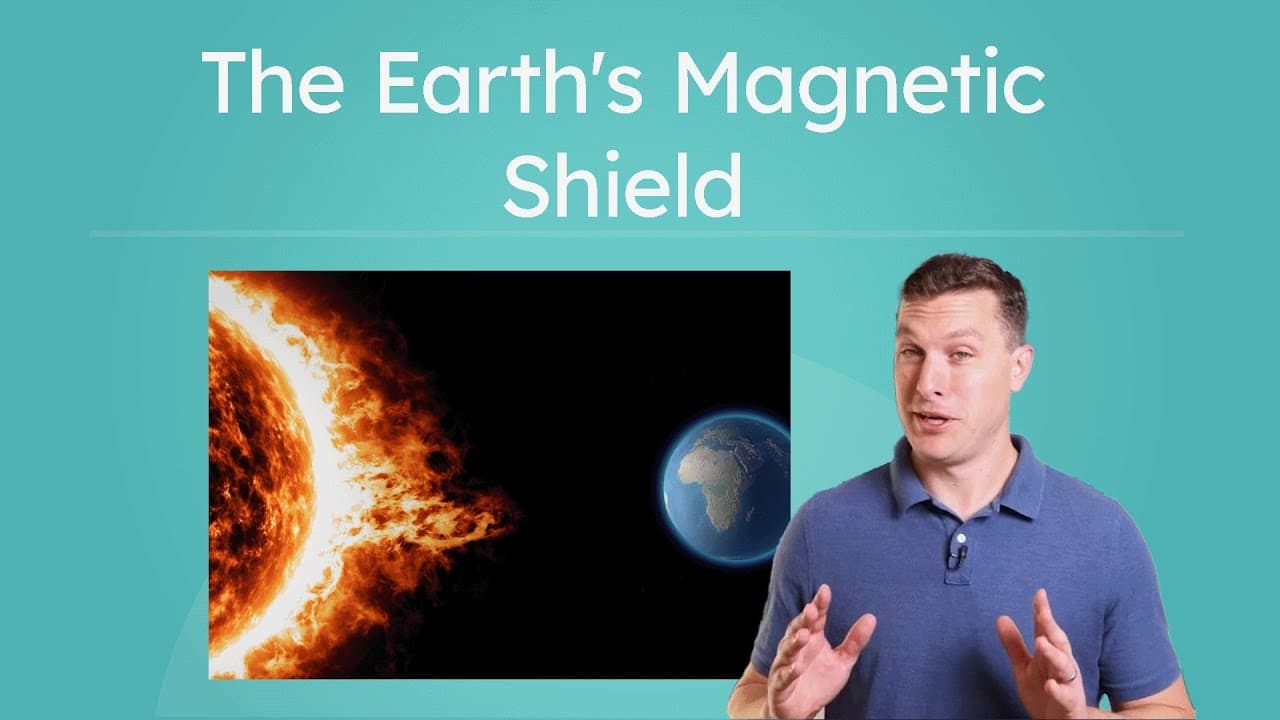
This educational video explores the critical role of Earth's magnetic field in protecting our planet from harmful solar radiation and introduces the physics concept of the Right-Hand Rule. The lesson begins by visualizing the sun as a massive nuclear reactor and explains how Earth's magnetic shield deflects solar wind, creating phenomena like the Aurora Borealis while preventing the radiation damage seen on barren worlds like the Moon and Mars. The second half of the video transitions into a practical physics tutorial on electromagnetism. It breaks down how magnetic fields exert force on moving charges and teaches students how to use the Right-Hand Rule to determine the direction of that force. The presenter uses clear, step-by-step examples with on-screen graphics to demonstrate how to position fingers to represent charge, field, and force vectors. For educators, this video serves as a bridge between Earth science and physics concepts. It provides a real-world application for abstract electromagnetic principles, making it an excellent resource for high school physics units on magnetism or earth science units on planetary habitability. The visual demonstrations of 3D spatial reasoning (using the hand) are particularly helpful for students who struggle with vector directions.

Miacademy & MiaPrep Learning ChannelMiacademy & MiaPrep Learning Channel

7mins 57s

How Adding Coils Affects an Electromagnet's Strength

How Adding Coils Affects an Electromagnet's Strength

This educational video provides a clear, step-by-step demonstration on how to construct a simple electromagnet using basic materials: a battery, wire with alligator clips, and a metal nail. The video uses clean, distinct 2D animations to visualize the assembly process, showing exactly how to connect the circuit and coil the wire around the nail to create a magnetic field capable of picking up paperclips. The content moves beyond simple construction by introducing the scientific method and variable testing. It explicitly asks viewers to predict the effect of adding more coils of wire to the nail. It then demonstrates the result—that increasing the number of coils increases the magnetic force, allowing the magnet to pick up more paperclips—visually reinforcing the relationship between the number of turns in a solenoid and magnetic field strength. For educators, this video serves as an excellent introduction to electricity and magnetism units. It functions well as a pre-lab primer before students build their own electromagnets, or as a virtual demonstration for classrooms lacking materials. The built-in pause points for prediction make it an interactive tool for discussing independent variables (number of coils) and dependent variables (strength of magnet/number of clips held).

Next Generation ScienceNext Generation Science

1min 30s

Exploring Magnetic Poles: Attraction and Repulsion

Exploring Magnetic Poles: Attraction and Repulsion

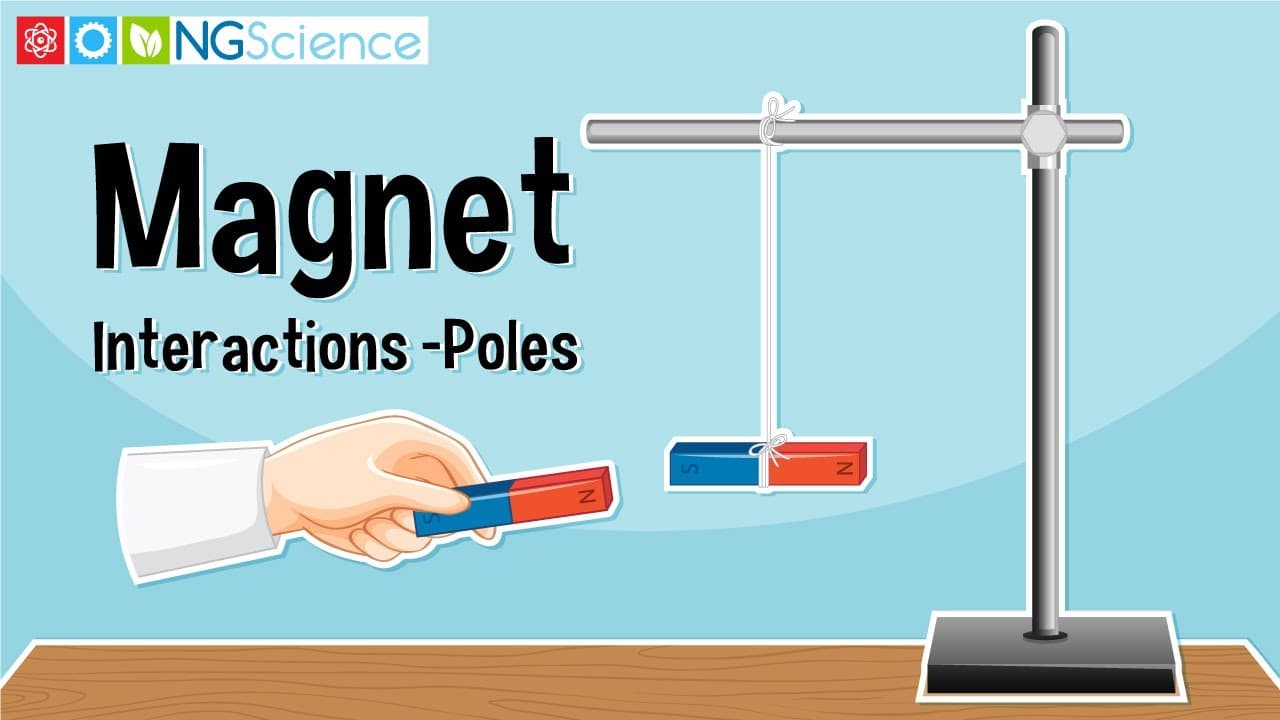
This educational video provides a clear, step-by-step demonstration of the fundamental principles of magnetism, specifically focusing on how magnetic poles interact. Through a virtual laboratory setup, viewers observe a controlled experiment using two bar magnets—one suspended freely from a retort stand and another held by hand. The video systematically tests every combination of pole interactions (North-North, South-North, South-South, and North-South) to visually prove the rules of magnetic force. The core themes explored are the concepts of magnetic poles (North and South), non-contact forces, and the defining laws of magnetism: attraction and repulsion. The video explicitly introduces and reinforces scientific vocabulary such as "interact," "attract," "repel," and "poles." By isolating the variables and showing the physical movement of the hanging magnet, it makes the invisible force of magnetism observable and concrete for young learners. For educators, this video serves as an excellent introduction to a unit on forces or magnetism. It models proper scientific inquiry by asking a question, setting up an experiment, observing results, and drawing a conclusion. It is particularly useful for demonstrating an experiment that students can then replicate in the classroom using their own magnets. The clear visual evidence of repulsion (pushing away) and attraction (pulling closer) provides a perfect anchor for discussions about invisible forces that act at a distance.
Next Generation ScienceNext Generation Science

2mins 10s

Materials

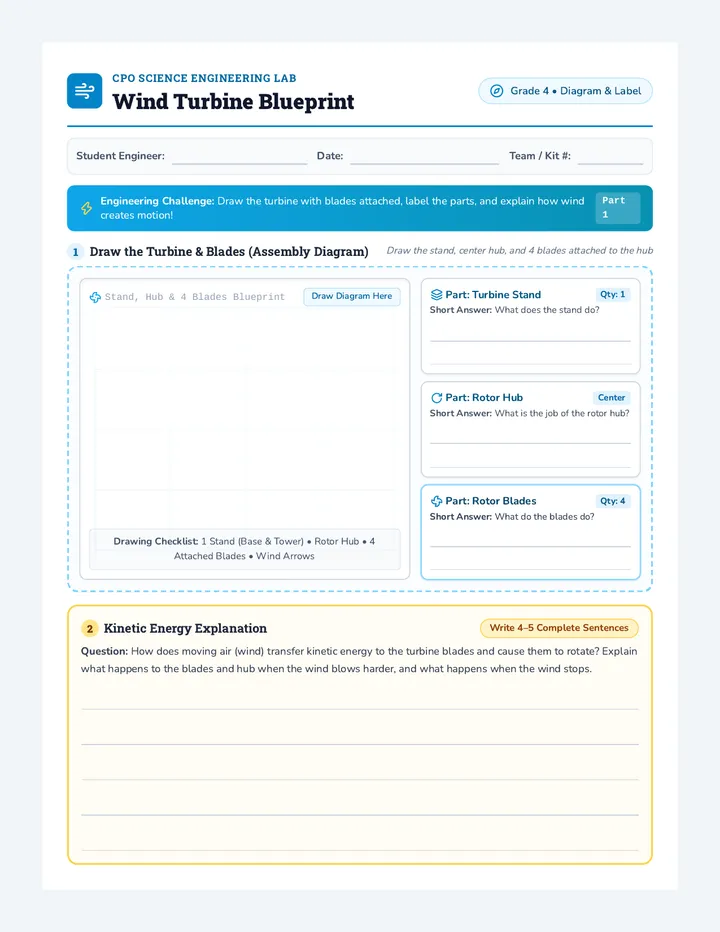
Wind Power Blueprint Worksheet

Wind Power Blueprint Worksheet

A two-page fourth-grade science diagram and labeling worksheet for the CPO Science Wind Turbine. Page 1 features drawing the turbine assembly, defining exterior component functions, and a dedicated 4-5 sentence kinetic energy explanation; Page 2 covers the electromagnetic generator parts and energy chain.

N

nmack

Magnetic Pull Anchor Chart

Magnetic Pull Anchor Chart

An Upper Elementary science anchor chart poster comparing magnetic and non-magnetic everyday objects, featuring key ferromagnetic metals (iron, steel, nickel, cobalt), common non-magnetic metals (aluminum, copper), non-metals, and misconception alerts.

RM

Rosalyn Mcrae

Science Explorer Field Journal

Science Explorer Field Journal

A refined 6-page guided research packet for 3rd-grade science projects. It features a standards-aligned topic menu, dedicated sections for scientific explanation with evidence, real-world connections, model planning, and a final mission checklist.

JD

Jillian Danton

Magnetic Power Slides

Magnetic Power Slides

An engaging, visually rich 9-slide presentation for upper elementary students (grades 3-5) featuring in-depth coverage of magnetic vs. non-magnetic materials, magnetic poles, attraction and repulsion, magnetic fields, Earth's magnetism, and real-world tech.

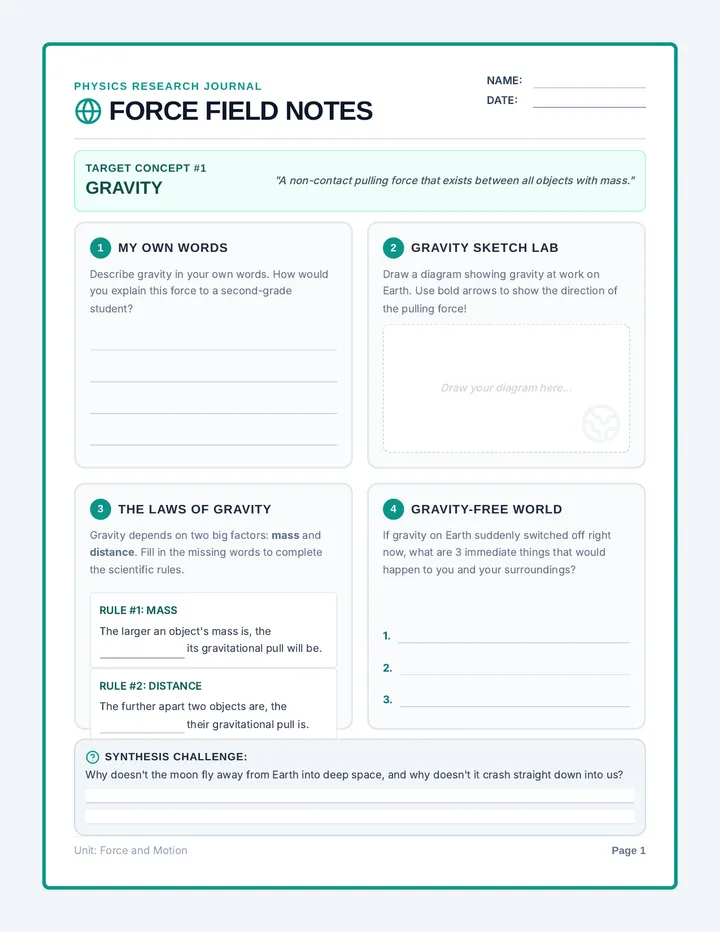
Force Field Vocab Organizers

Force Field Vocab Organizers

A 4-page student vocabulary graphic organizer packet on force and motion, themed as 'Force Field Notes' for upper elementary. Features highly structured, customized Frayer models and semantic maps for Gravity, Friction, Balanced Forces, and Magnetism.

Sequences

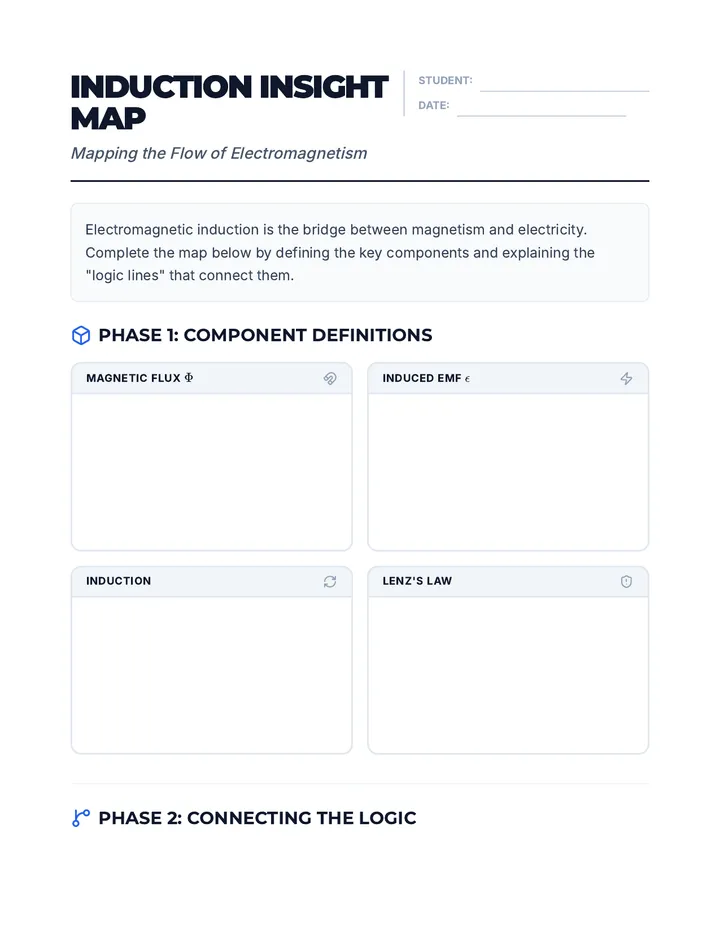
Induction Insight Map Handout

Magnetic Forces Investigation

A 5-day intensive exploration of magnetic forces and fields, focusing on atomic-level causes, field interactions, and mathematical modeling of forces on charged particles. Students progress from anchoring phenomena to complex mathematical applications and a comprehensive unit review.

OM

Olutoyin Makinde

68
Science Squad Student Booklet

Science Literacy Journals

A multi-grade collection of scientific reading comprehension and response booklets designed to build disciplinary literacy in Earth, Life, and Physical sciences across elementary and middle school levels.

N

nmack

4
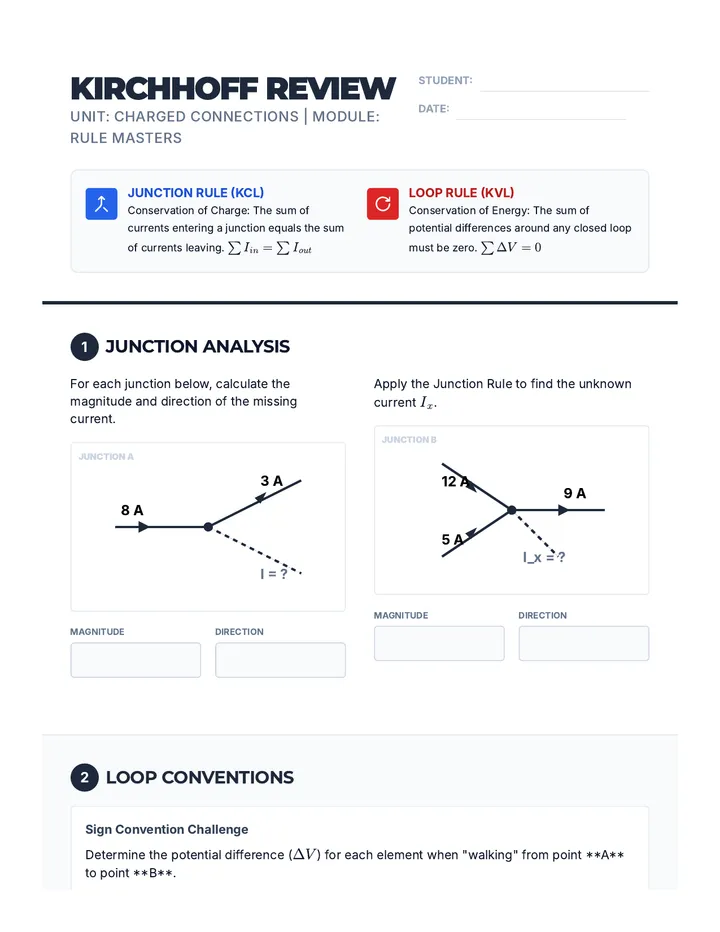
Kirchhoff Review Worksheet

Charged Connections

A modular physics unit focused on the principles of electricity, circuit design, and the mathematical laws governing energy flow in electrical systems.

OM

Olutoyin Makinde

42
Matter and Mixes Worksheet

Science Summit

A comprehensive end-of-year review for 5th Grade NGSS science standards, organized by domain to ensure mastery of physical, life, and Earth sciences.

MA

Madelyne Ashbaugh

9
Matter Lab Facilitator Guide

Matter Mysteries

A series of lessons focused on the physical properties of matter, specifically mixtures and solutions, designed for 4th-grade science standards.

TC

Tracey Craft

5
Forces Motion Slides

Force Fields Action

A comprehensive 5-week 4th-grade physical science unit exploring contact and non-contact forces, magnetic fields, electrical charges, and how invisible forces produce motion. Students investigate magnetic poles, field strength over distance, static electricity push and pull, and culminate with an engineering review challenge.

TG

Tolisha Goldston

16