Lenny.com
Explore
Create
ActivitiesNewMathEnglish Language ArtsScience & EngineeringSocial StudiesGlobal LanguagesHealth & Physical EducationSpecial EducationCounseling & Life SkillsArts & CreativityESL
Lenny.com
Lenny.com
Explore
Create
ActivitiesNewMathEnglish Language ArtsScience & EngineeringSocial StudiesGlobal LanguagesHealth & Physical EducationSpecial EducationCounseling & Life SkillsArts & CreativityESL
Lenny.com
Lenny.com

Solutions

Lenny for EducatorsLenny for SchoolsLenny for Districts

Product

ExploreSign inCreateSupportAbout

Resources

Getting startedMTSS Acceleration Program

© 2026 Lenny Learning Inc.

TermsPrivacyAccessibility
LinkedInInstagramX
Lenny

Multicellular Organisms

Specialized cell functions, tissue organization, and organ system coordination in plants and animals. Examines cell differentiation and the biological processes required to maintain homeostasis in complex life forms.

Science & EngineeringLife ScienceLiving ThingsAnimalsPlantsBody SystemsTraitsAdaptationsCellsEcosystemsHeredityGenes to TraitsCell DivisionPhysicsComparing MaterialsShapes and PropertiesMagnetsMagnetismLightSoundLight and SoundMatterStates of MatterChanges of StateMixturesPhysical and Chemical ChangeHeating and CoolingHeat and Thermal EnergyEnergyForce and MotionElectrical CircuitsAtoms and MoleculesPeriodic TableMotion in One DimensionMotion in Two DimensionsScalars and VectorsForces and Laws of MotionCircular Motion and GravityMomentum and ImpulseWork, Energy, and PowerWavesElectromagnetic WavesGeometric OpticsElectricity and MagnetismSimple Harmonic MotionThermodynamicsNuclear PhysicsEarth Science & AstronomyWeatherWater CycleRocks and MineralsFossilsEarth's FeaturesEarth's ResourcesEarth's StructureWeather and ClimateEarth EventsFossils and Geologic TimePlate TectonicsHuman ImpactsAstronomyChemistryUnits and MeasurementAtomic StructurePeriodic TrendsChemical BondingNomenclatureMolecular StructureIntermolecular ForcesThe MoleStoichiometryProperties of GasesSolutionsChemical ReactionsBalancing EquationsEnergy ChangesRates of ReactionsEquilibriumAcids and BasesQuantum ModelBiologyClassificationCell StructureThe Chemistry of LifeBiomoleculesCellular TransportCell EnergyCell Growth and DivisionDNAProtein SynthesisMeiosis and Sexual ReproductionPatterns of InheritanceMulticellular OrganismsEvolutionEcologyBiodiversityComputer ScienceAlgorithms and Computational ThinkingProgramming LanguagesComputing SystemsNetworks and InternetData AnalysisCybersecurityAI and Machine LearningSoftware Design and DevelopmentBlockchainEngineering & AIDesigning ExperimentsEngineering PracticesDesign ThinkingEngineering Design ProcessMechanical EngineeringElectrical EngineeringMaterials and StructuresCAD and 3D DesignRoboticsArtificial Intelligence BasicsVibe CodingMachine LearningAI Ethics and SocietySystems ThinkingEntrepreneurship & InnovationEntrepreneurial MindsetBusiness Idea DevelopmentBusiness Plan BasicsMarketing & Customer DiscoveryFinancial Management for Startups

Videos

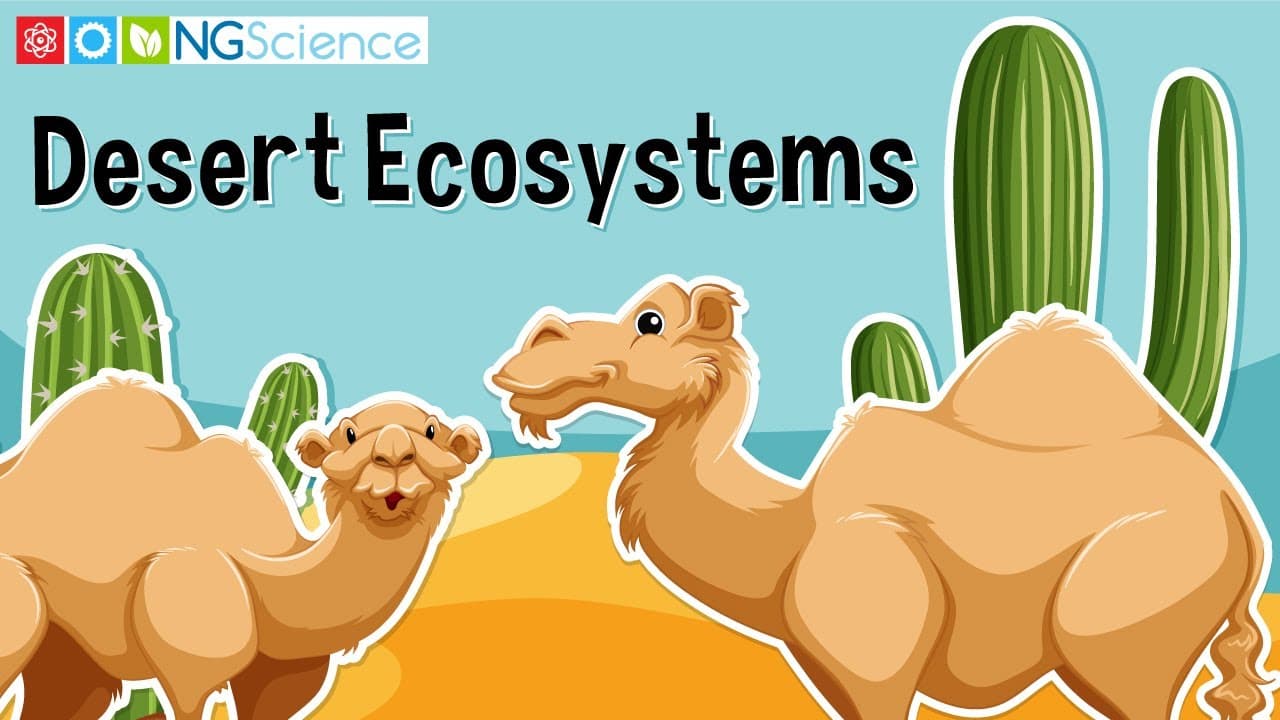
How Plants and Animals Survive in Desert Ecosystems

How Plants and Animals Survive in Desert Ecosystems

This educational video provides a comprehensive exploration of desert ecosystems, challenging the common misconception that deserts are defined solely by heat. It explains that deserts are actually defined by precipitation levels—receiving less than 25 centimeters (10 inches) of rain annually—and introduces viewers to both hot and cold deserts, including the Arctic and Antarctic. The video offers a global perspective, showcasing deserts on every continent and visualizing their unique landscapes. A significant portion of the video is dedicated to the concept of biological adaptation. It details how flora and fauna have evolved specific traits to survive in harsh, arid environments. Viewers learn about plant adaptations through the example of cacti, examining their spines, waxy surfaces, and specialized root systems (tap roots vs. shallow roots). The video then transitions to animal adaptations, using camels, fennec foxes, and desert tortoises to illustrate survival strategies such as water storage, heat dissipation via large ears, nocturnal behavior, and estivation. For educators, this video is an excellent resource for units on biomes, habitats, and evolutionary biology. It provides clear visual examples of structural and behavioral adaptations, making abstract concepts concrete for students. The content naturally supports cross-curricular learning, connecting science (biology/environmental science) with geography (mapping global deserts) and math (calculating water consumption), making it a versatile tool for elementary and middle school classrooms.

Next Generation ScienceNext Generation Science

6mins 17s

Why Hair Turns Gray As We Get Older

Why Hair Turns Gray As We Get Older

This educational video from SciShow Kids explores the biological reasons behind why human hair changes color as we age. Hosted by Jessi and her robot mouse friend Squeaks, the video answers a common curiosity: "Where does gray hair come from?" It breaks down the anatomy of a hair strand, introducing students to follicles, melanin, and melanocytes in an accessible way. The content covers key biological themes including cell function, human growth and development, and diversity in physical traits. Through clear animations and analogies, it explains how hair follicles act like factories, how melanin provides color to our hair, skin, and eyes, and how the gradual loss of pigment-producing cells (melanocytes) results in gray or white hair. Ideally suited for elementary science classrooms, this video helps demystify the aging process and celebrates human diversity. It provides excellent opportunities for teachers to introduce cellular biology concepts using simple analogies, discuss how bodies change over time, and explore the science of pigmentation. The tone is positive and normalizing, making it a great resource for health or biology units.

SciShow KidsSciShow Kids

2mins 55s

Discovering Amazing Plants: From Moss to Sequoias

Discovering Amazing Plants: From Moss to Sequoias

This engaging educational video takes young viewers on a visual journey through the diverse world of plants, highlighting six distinct species to showcase the incredible variety found in nature. From the microscopic beauty of forest moss to the towering grandeur of the Giant Sequoia, the video illustrates that plants come in all shapes, sizes, and habitats. The narration introduces specific characteristics for each plant, such as the sunflower's movement with the sun, the ancient lineage of tree ferns, and the seasonal color changes of the deciduous maple tree. The video explores key themes of biodiversity and adaptation, introducing students to different plant structures (fronds, floating leaves, sturdy trunks) and life cycles. It emphasizes that every plant, whether a tiny water lily or a massive tree, has a unique role and "story" within its ecosystem. The imagery transitions from sunny fields to shaded forest floors and aquatic environments, helping students visualize the different biomes where these plants thrive. For educators, this video serves as an excellent "hook" for a unit on botany, ecosystems, or living things. It provides accessible examples that can spark discussions about plant needs, habitats, and physical traits. Teachers can use the video to prompt comparative writing assignments, art projects based on plant geometry, or outdoor observation activities where students look for similar plant features in their local environment.
Next Generation ScienceNext Generation Science

2mins 53s

How Moss Grows and Reproduces: A Step-by-Step Life Cycle

How Moss Grows and Reproduces: A Step-by-Step Life Cycle

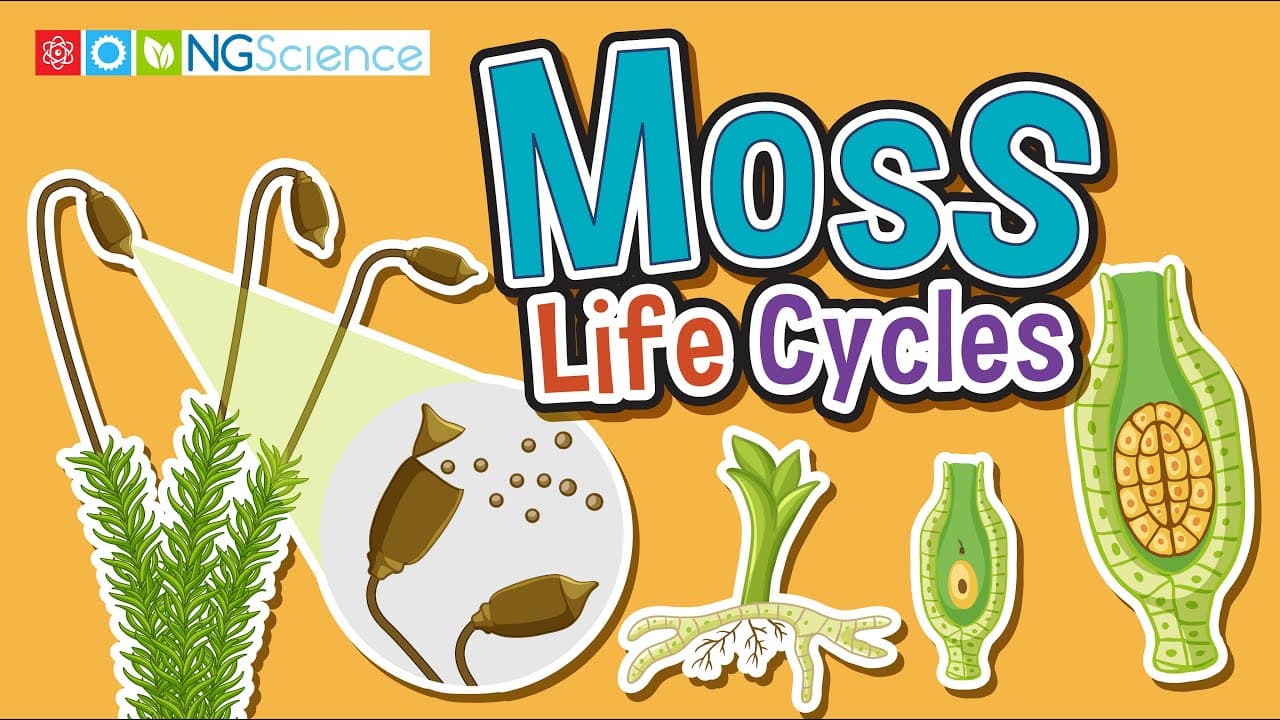
This educational animation provides a clear, step-by-step explanation of the life cycle of moss. Through calm narration and detailed graphics, the video breaks down the complex biological process into six distinct stages, starting from the release of microscopic spores and following their journey through germination, growth into leafy plants, and reproduction. The video specifically highlights the alternation of generations, distinguishing between the familiar green gametophyte and the stalk-like sporophyte. The content focuses on key biological themes including plant reproduction, the role of environmental factors like water in fertilization, and the cyclic nature of life in forest ecosystems. It simplifies advanced botanical concepts such as gametophytes, sporophytes, and the sexual reproduction of non-flowering plants, making the invisible microscopic world visible and understandable. For educators, this video serves as an excellent visual aid for science units on plant biology, life cycles, or forest ecology. It is particularly valuable for helping students visualize processes that are too small to see with the naked eye, such as spores floating in the air or sperm swimming to eggs during fertilization. The clear labeling and sequential structure allow teachers to pause at each step for discussion and note-taking.

Next Generation ScienceNext Generation Science

2mins 27s

How to Grow a Potato Plant from Scraps

How to Grow a Potato Plant from Scraps

Join Jessi and her robot rat friend Squeaks in this hands-on science lesson about vegetative propagation. The video explores how potatoes are unique compared to many other plants because they are typically grown from other potatoes (tubers) rather than seeds. Jessi guides viewers through a step-by-step experiment to sprout a potato using simple household materials like a cup, water, and toothpicks, turning a common grocery item into a living botany lesson. The content covers key biological concepts including plant life cycles, the function of "eyes" on a potato, and the differing needs of plants at various growth stages. It explains why potatoes start growing underground in the dark and when they need to be moved to sunlight to support photosynthesis. The video also details the full timeline of the plant's life, from initial sprouting to the flowering stage, and finally to the withering of leaves which signals harvest time. This video is an excellent resource for early elementary classrooms as it demonstrates an accessible, low-cost experiment that every student can participate in. It encourages long-term scientific observation, data recording, and understanding where our food comes from. Teachers can use this to introduce units on plant biology, agriculture, or to practice procedural writing and following scientific instructions.

SciShow KidsSciShow Kids

4mins 49s

How Animals Use Body Parts to Move

How Animals Use Body Parts to Move

This educational video explores the fascinating relationship between animal anatomy and locomotion, explaining how various creatures are physically adapted to move within their specific environments. Through high-quality footage of animals in the wild, the narrator breaks down different habitats—land, trees, water, and air—and identifies the specific body parts that enable movement in each. The video covers a wide range of examples, from the powerful legs of cheetahs and kangaroos to the specialized fins of sharks and the diverse wing structures of birds and insects. Key themes include biological adaptation, structure and function, and habitat-specific survival strategies. The content introduces scientific vocabulary such as "brachiation" while keeping explanations accessible for young learners. It specifically contrasts how similar structures, like wings, can function differently based on an animal's needs—comparing the rapid hovering of hummingbirds to the long-distance gliding of eagles. For educators, this video serves as an excellent visual anchor for units on animal adaptations or basic biology. It provides clear, observable evidence of the "structure and function" crosscutting concept in science standards. Teachers can use the distinct segments to facilitate discussions about why animals look the way they do and how their physical traits directly impact their ability to find food, escape predators, and survive.

Next Generation ScienceNext Generation Science

2mins 23s

Materials

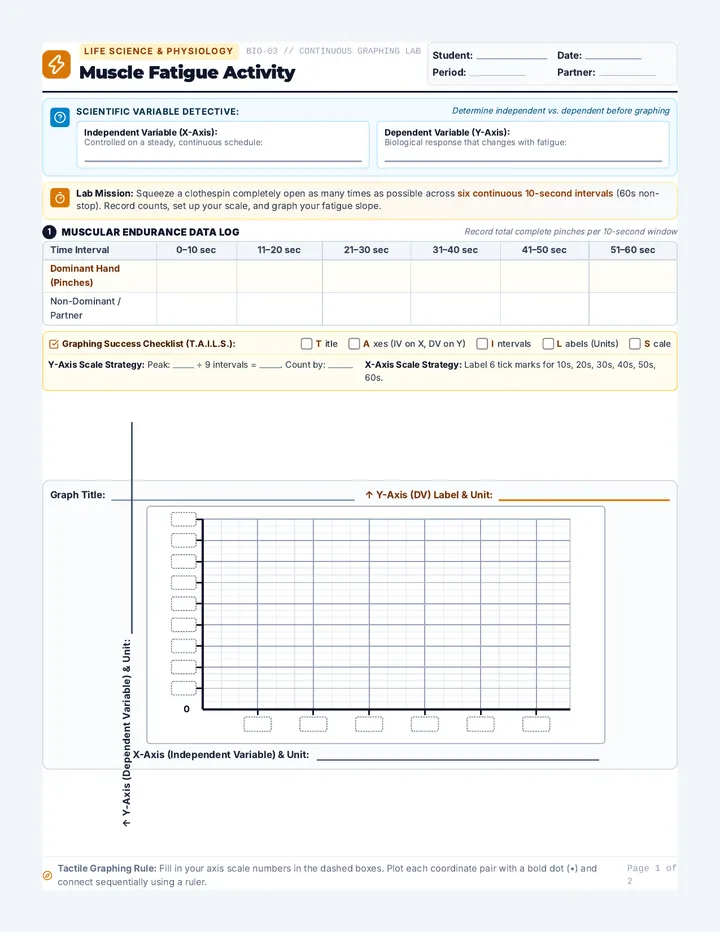
Muscle Fatigue Activity

Muscle Fatigue Activity

A 2-page hands-on life science printable activity where students measure clothespin pinch frequency across six 10-second intervals to map muscular fatigue, independently identify the independent and dependent variables, determine their coordinate scale, and construct a precision line graph on a full coordinate grid.

S

stewart

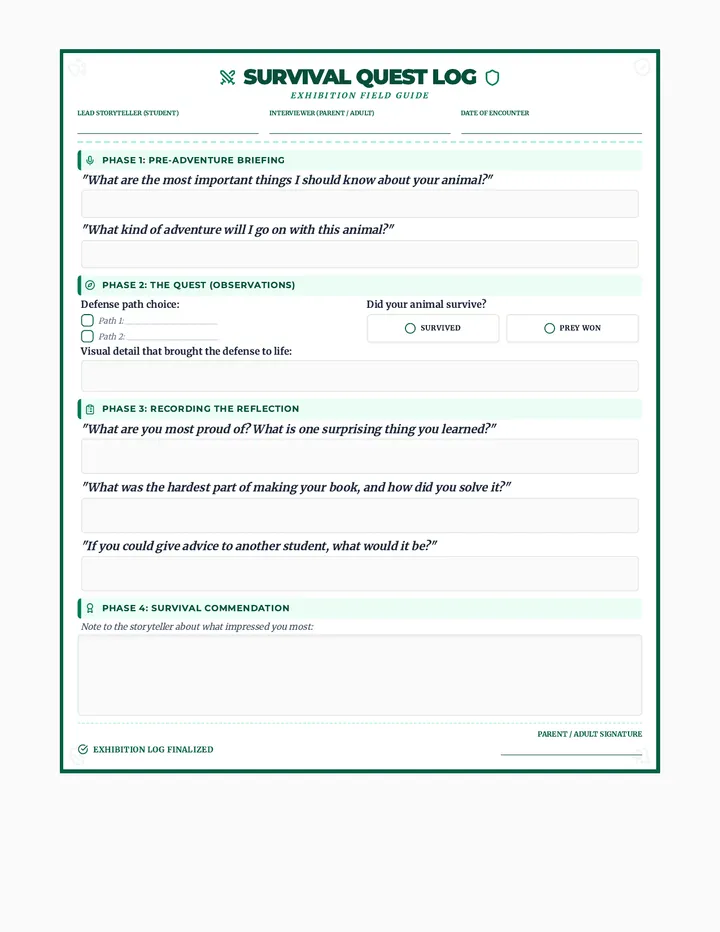
Survival Quest Final Log Form Trimmed

Survival Quest Final Log Form Trimmed

Final one-page Survival Quest parent feedback form. Optimized with a constrained 820px height and tightened vertical spacing to guarantee it fits on a single printed page while maintaining readable font sizes for the interview and reflection questions.

PM

Pam Muise

Form Y Biology Answer Key

Form Y Biology Answer Key

Complete teacher scoring key and rubric for Form Y of the Regents Biology exam. Features item rationales, distractor analyses, acceptable constructed responses, and NYS Regents grading criteria for body systems, homeostasis, and cellular energy.

J

jelterman

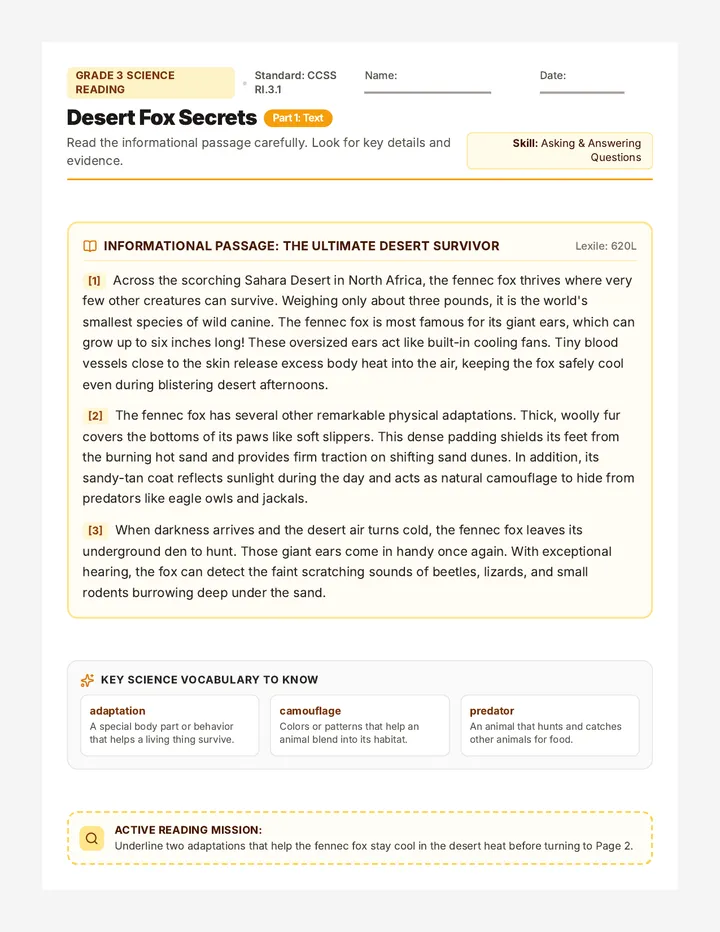
Desert Fox Secrets Worksheet

Desert Fox Secrets Worksheet

A 2-page Grade 3 reading comprehension worksheet formatted in large, highly accessible fonts for elementary readers. Features an expanded informational passage on the fennec fox with vocabulary support on Page 1, followed on Page 2 by three CCSS RI.3.1 multiple-choice questions with generous, lined text-evidence handwriting spaces.

TM

Tiffany Muniz

Bunny Life Worksheet Swapped Stages

Bunny Life Worksheet Swapped Stages

A detailed two-page bunny life cycle worksheet. The first page visuals 5 key stages: litter, newborn (no fur), young kit (some fur), older kit (full fur/leaving nest), and adulthood. The second page features an expanded reading passage with five paragraphs explaining each stage in depth to fill the page, plus a small writing area.

A

adaniels

Cell Hierarchy Quiz

Cell Hierarchy Quiz

A comprehensive 9th-grade multiple-choice quiz and teacher answer key covering biological levels of organization, specialized cells, tissues, organs, organ systems, and homeostatic interdependence.

BR

BERKYS RAMIREZ

Sequences

Wave Racer CER Bellringer

Wave Runners Sequence

A comprehensive physics unit covering the behavior of mechanical and electromagnetic waves. Students transition from hands-on slinky exploration to advanced optical modeling and mathematical derivations.

OM

Olutoyin Makinde

65
Detective Entry Exam Assessment

Defense Detectives

A 10-session Tier 2 intervention for 4th-grade students focused on vocabulary and comprehension, aligned with EL Education Module 2 (Animal Defenses). Students act as 'Defense Detectives' to investigate how animals survive in the wild.

S

svallely

29
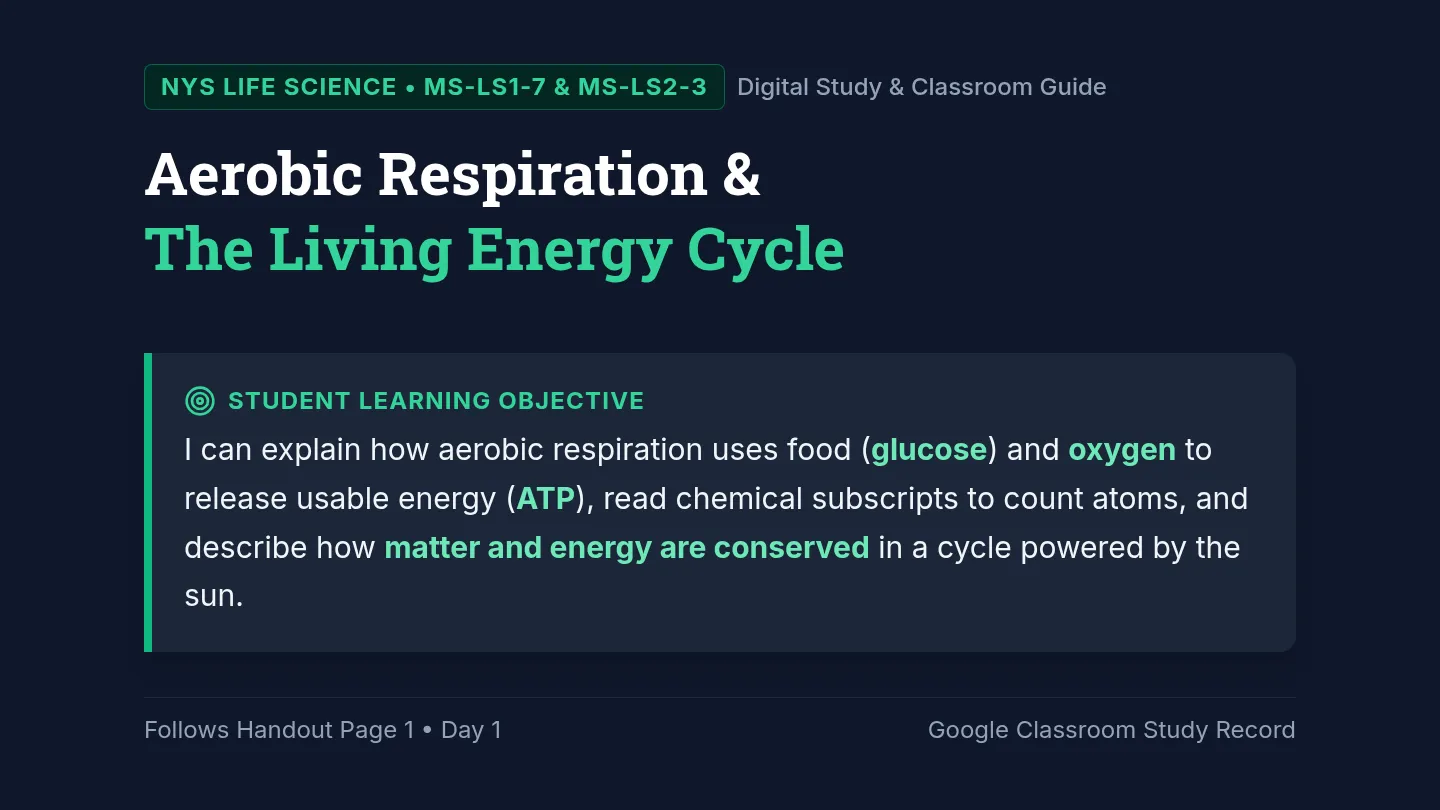
Aerobic Respiration Lesson Slides

Cellular Respiration Cycle

A comprehensive multi-day middle school life science sequence aligned with NYS learning standards exploring aerobic and anaerobic cellular respiration, matter recycling, and energy flow powered by the sun.

JE

Jeffrey Elterman

8
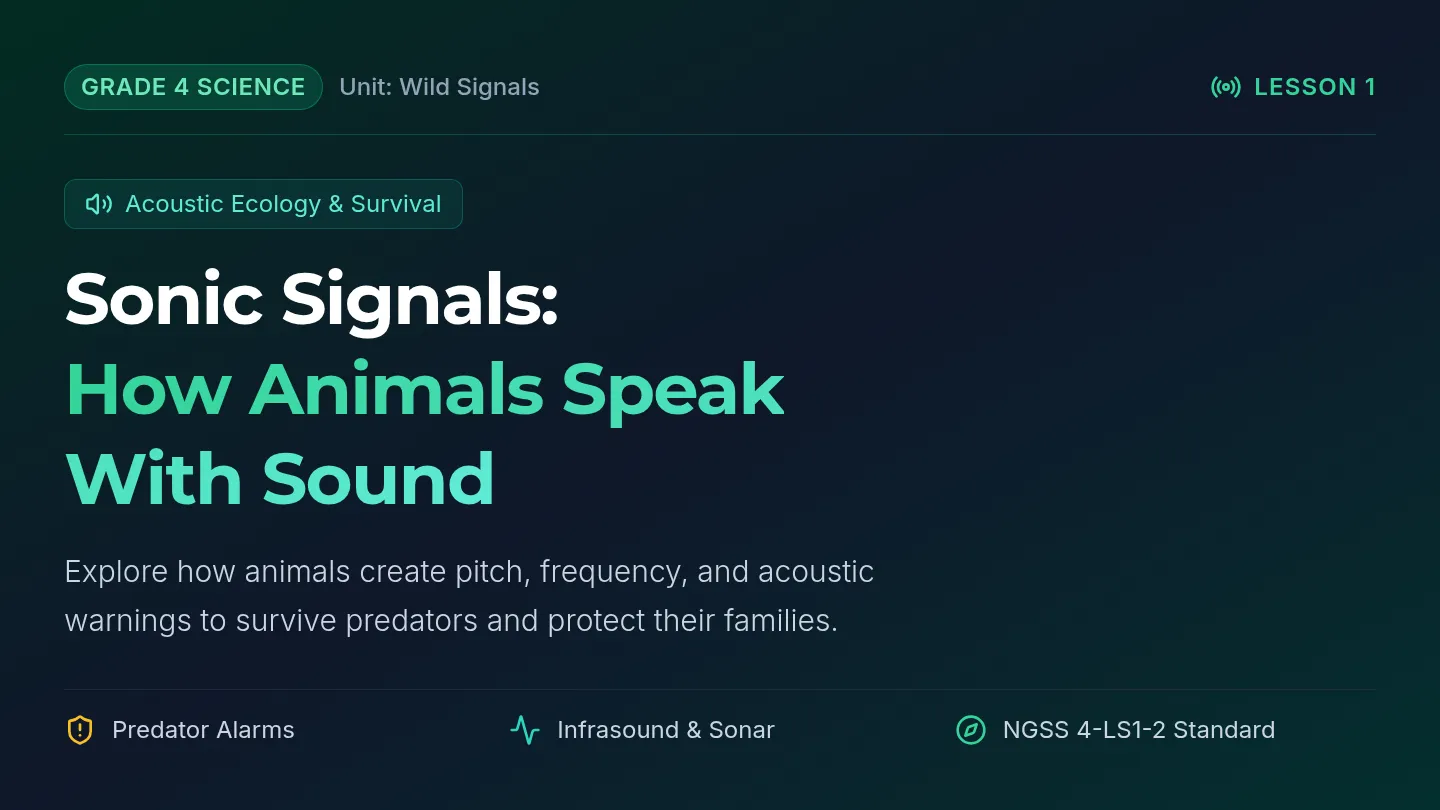
Sonic Signals Slides

Wild Signals

A comprehensive two-week, 4th-grade life science unit exploring how animals send, receive, and decode signals across auditory, visual, olfactory, and vibrational sensory modes to survive. Students analyze scientific evidence, acoustic and seismic spectrograms, behavioral patterns, and engineer biomimetic communication prototypes.

CQ

Constance Quinones

19
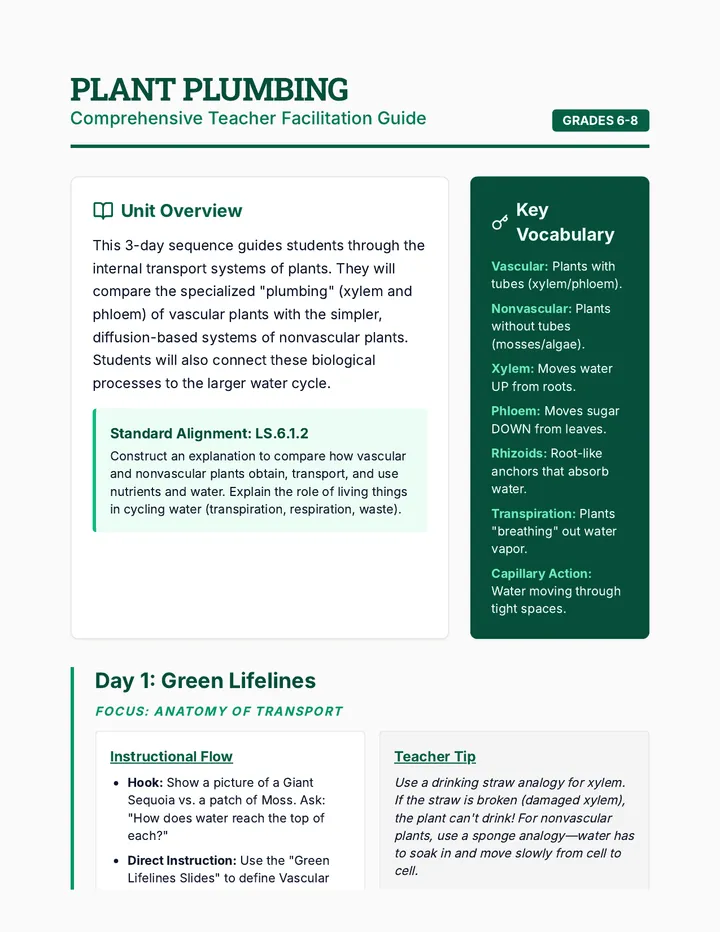
Tropism Trails Teacher Guide

Green Machine Survival

A three-day sequence for 6th-grade science focusing on plant adaptations, responses, and survival strategies, including tropisms, defense mechanisms, and gas exchange.

CW

Candace Woodell

17
Mouth Manners Worksheet

Inside Scoops

A 5-day comprehensive reading unit that explores the human digestive system while building critical literacy skills like using context clues, sequencing, identifying main ideas, and analyzing cause and effect.

SP

sashagaye Panton

6

Lessons

Plant Plumbing Teacher Guide

Water Wayfarers

Focuses on the role of plants and animals in cycling water through ecosystems, specifically looking at transpiration and animal respiration/waste.

CW

Candace Woodell

13
Heat Flow Teacher Guide

Particle Behavior Review

A lesson focusing on the states of matter (solid, liquid, gas) and the behavior of particles at the molecular level. Students will model particle motion and arrangement, as well as the energy changes that drive phase transitions.

EA

Erica Andre

54
Digestion Expedition Lesson Plan

Digestion Deep Dive

A comprehensive review lesson on the digestive system and enzyme function, focusing on the path of food, mechanical vs. chemical digestion, and enzyme specificity through interactive activities and guided notes.

EE

Erin Esswein

17
Evidence Log Worksheet

Detective Quest: The Missing Phone

A digital forensic escape room where students solve the mystery of a missing classroom phone by analyzing fingerprint evidence, identifying patterns, and matching minutiae.

PB

Priyadarshini Bharath

6
Triage Reference Guide

Triage Dispatchers

An immersive, hands-on lesson where students step into the role of 911 medical dispatchers. They analyze emergency calls to identify affected core body systems and rate the medical urgency of each scenario.

M

MELANIE.ROBERTS

4
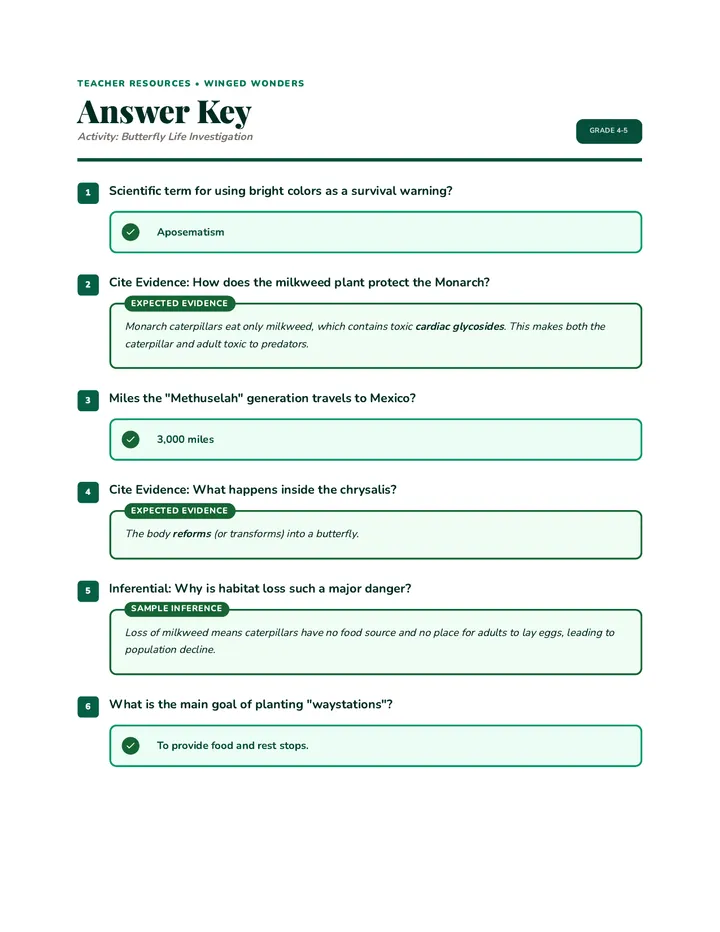
Butterfly Life Answer Key

Winged Wonders

A comprehensive lesson on butterfly biology and conservation, focusing on citing textual evidence and structured informative writing for 4th-5th grade students.

RK

Rachel Knight

8