Lenny.com
Explore
Create
ActivitiesNewMathEnglish Language ArtsScience & EngineeringSocial StudiesGlobal LanguagesHealth & Physical EducationSpecial EducationCounseling & Life SkillsArts & CreativityESL
Lenny.com
Lenny.com
Explore
Create
ActivitiesNewMathEnglish Language ArtsScience & EngineeringSocial StudiesGlobal LanguagesHealth & Physical EducationSpecial EducationCounseling & Life SkillsArts & CreativityESL
Lenny.com
Lenny.com

Solutions

Lenny for EducatorsLenny for SchoolsLenny for Districts

Product

ExploreSign inCreateSupportAbout

Resources

Getting startedMTSS Acceleration Program

Newsletters

School Funding Newsletter

© 2026 Lenny Learning Inc.

TermsPrivacyAccessibility
LinkedInInstagramX
Lenny

Ecosystems

Interactions between living organisms and their physical environments across various biomes. Examines energy flow, nutrient cycling, and the delicate balance of food webs.

Science & EngineeringLife ScienceLiving ThingsAnimalsPlantsBody SystemsTraitsAdaptationsCellsEcosystemsHeredityGenes to TraitsCell DivisionPhysicsComparing MaterialsShapes and PropertiesMagnetsMagnetismLightSoundLight and SoundMatterStates of MatterChanges of StateMixturesPhysical and Chemical ChangeHeating and CoolingHeat and Thermal EnergyEnergyForce and MotionElectrical CircuitsAtoms and MoleculesPeriodic TableMotion in One DimensionMotion in Two DimensionsScalars and VectorsForces and Laws of MotionCircular Motion and GravityMomentum and ImpulseWork, Energy, and PowerWavesElectromagnetic WavesGeometric OpticsElectricity and MagnetismSimple Harmonic MotionThermodynamicsNuclear PhysicsEarth Science & AstronomyWeatherWater CycleRocks and MineralsFossilsEarth's FeaturesEarth's ResourcesEarth's StructureWeather and ClimateEarth EventsFossils and Geologic TimePlate TectonicsHuman ImpactsAstronomyChemistryUnits and MeasurementAtomic StructurePeriodic TrendsChemical BondingNomenclatureMolecular StructureIntermolecular ForcesThe MoleStoichiometryProperties of GasesSolutionsChemical ReactionsBalancing EquationsEnergy ChangesRates of ReactionsEquilibriumAcids and BasesQuantum ModelBiologyClassificationCell StructureThe Chemistry of LifeBiomoleculesCellular TransportCell EnergyCell Growth and DivisionDNAProtein SynthesisMeiosis and Sexual ReproductionPatterns of InheritanceMulticellular OrganismsEvolutionEcologyBiodiversityComputer ScienceAlgorithms and Computational ThinkingProgramming LanguagesComputing SystemsNetworks and InternetData AnalysisCybersecurityAI and Machine LearningSoftware Design and DevelopmentBlockchainEngineering & AIDesigning ExperimentsEngineering PracticesDesign ThinkingEngineering Design ProcessMechanical EngineeringElectrical EngineeringMaterials and StructuresCAD and 3D DesignRoboticsArtificial Intelligence BasicsVibe CodingMachine LearningAI Ethics and SocietySystems ThinkingEntrepreneurship & InnovationEntrepreneurial MindsetBusiness Idea DevelopmentBusiness Plan BasicsMarketing & Customer DiscoveryFinancial Management for Startups

Videos

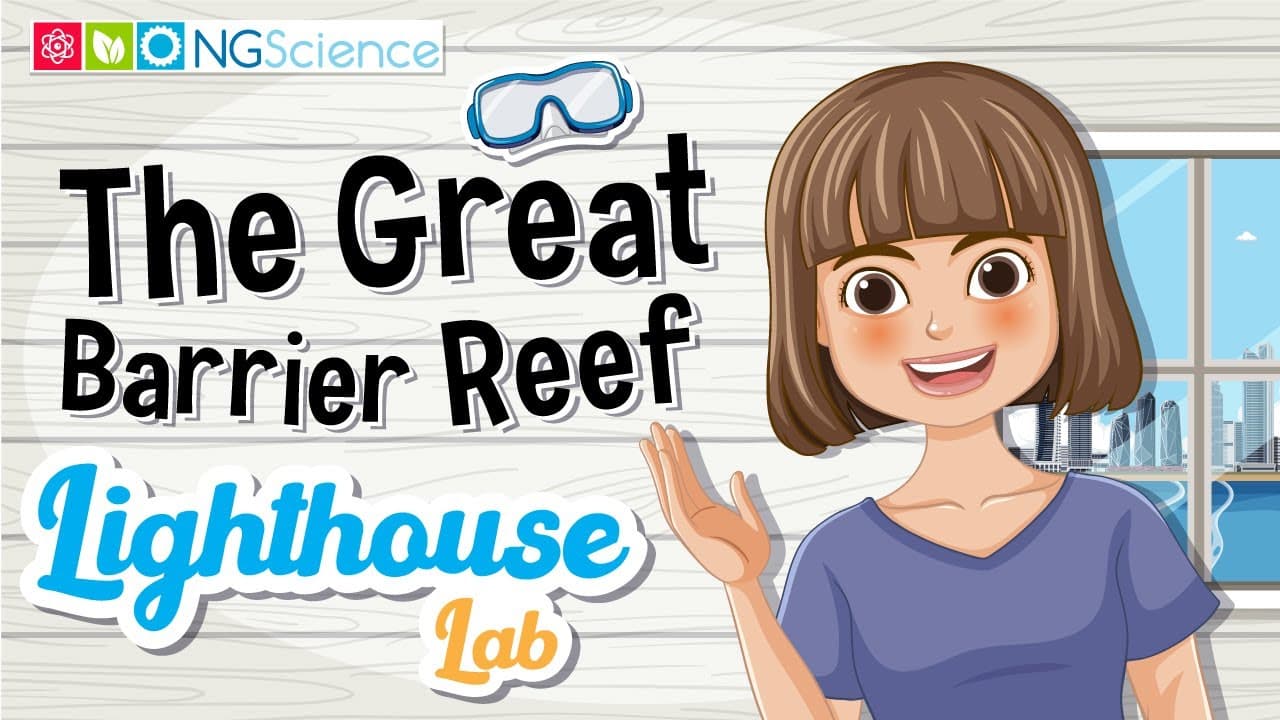
Exploring the Great Barrier Reef: A Virtual Field Trip

Exploring the Great Barrier Reef: A Virtual Field Trip

This educational video from Lighthouse Lab takes students on an engaging virtual field trip to Australia's Great Barrier Reef. Hosted by a lively presenter, the journey begins in the lab before transporting viewers to the Queensland coast. The video combines high-quality underwater footage, maps, and narration to explore the geography, structure, and incredible biodiversity of the world's largest coral reef system. It breaks down complex biological categories into accessible segments, covering everything from the microscopic coral polyps that build the reef to the massive marine mammals that inhabit it. Key themes explored include marine biology, taxonomy, and geography. The video details specific statistics about the reef's size and composition while introducing various animal groups such as fish, reptiles (sea turtles and snakes), marine mammals (dugongs, whales), and invertebrates (echinoderms, mollusks, crustaceans). It specifically highlights unique species like the dugong and the Spanish Dancer nudibranch, providing a broad overview of the reef's ecosystem. For educators, this video serves as an excellent anchor for lessons on ocean habitats, animal classification, and Australian geography. The structure is particularly classroom-friendly, as it encourages active listening through note-taking and concludes with a comprehensive 10-question multiple-choice quiz that reinforces the key facts presented. It effectively bridges the gap between entertainment and academic content, making it suitable for introducing a marine biology unit or supplementing a geography lesson.

Next Generation ScienceNext Generation Science

11mins 6s

Exploring Birds of Prey: Adaptations and Survival

Exploring Birds of Prey: Adaptations and Survival

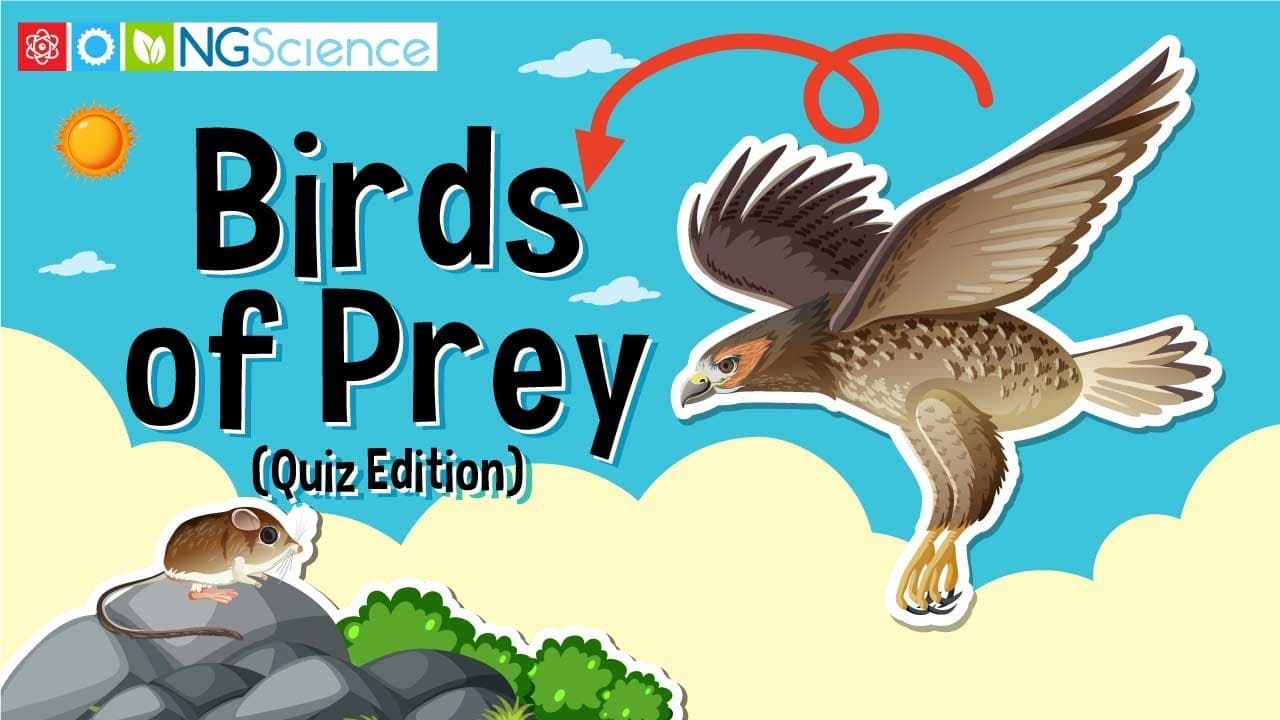
This educational video provides a comprehensive overview of birds of prey, also known as raptors, highlighting their unique physical adaptations and roles within ecosystems. It explores the defining characteristics of these birds, such as their keen eyesight, hooked beaks, and sharp talons, while showcasing a variety of species ranging from the small American Kestrel to the massive Andean Condor. Specific segments detail the hunting strategies and specialized traits of iconic birds like the Bald Eagle, Peregrine Falcon, and various owls and vultures. The video delves into key biological themes including adaptation, predator-prey relationships, and ecological niches. It explains how different raptors have evolved to survive, such as the owl's silent flight feathers for nocturnal hunting and the vulture's role as nature's cleanup crew. Furthermore, the content addresses the environmental challenges these birds face, including habitat loss and pollution, emphasizing the importance of conservation efforts to protect declining populations. For educators, this video serves as an excellent resource for Life Science units on animal adaptations and food webs. The clear narration and high-quality footage make complex biological concepts accessible to students. The video concludes with a 10-question interactive quiz, allowing teachers to immediately assess student comprehension and reinforce the material covered, making it a ready-made lesson component.

Next Generation ScienceNext Generation Science

7mins 33s

Exploring Earth's Deserts: Hot, Cold, and Dry Environments

Exploring Earth's Deserts: Hot, Cold, and Dry Environments

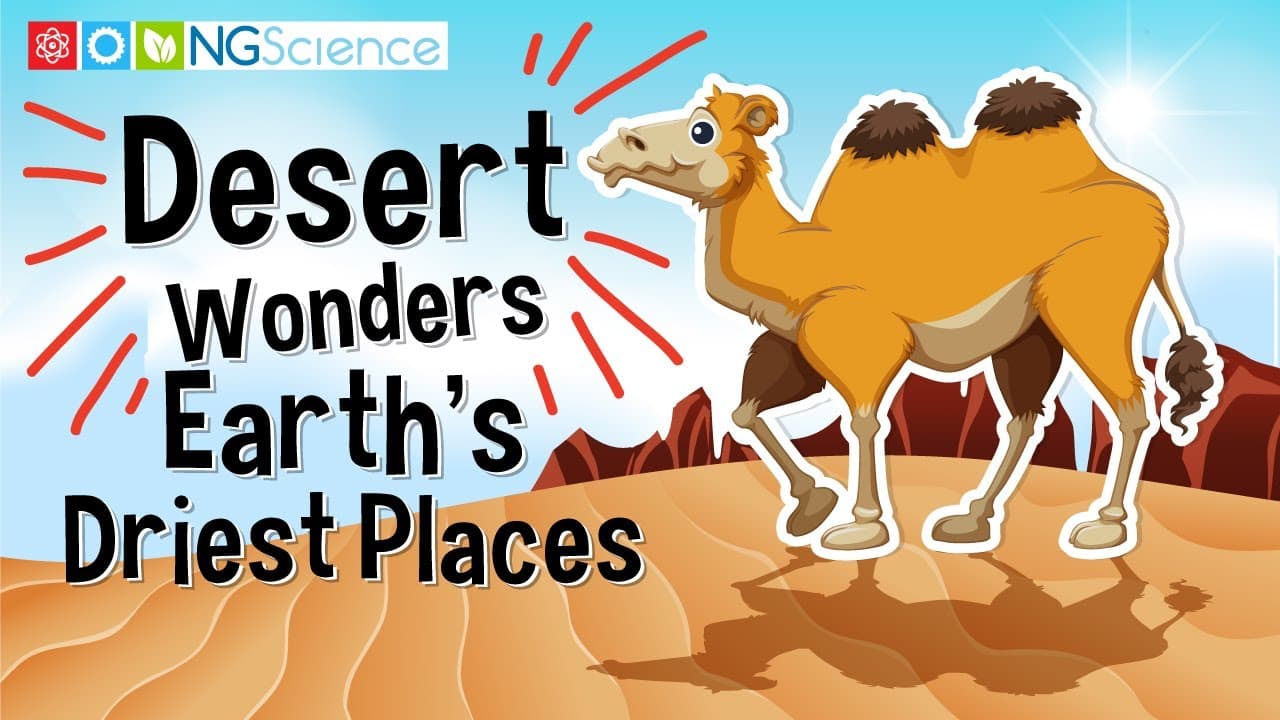
This educational video provides a comprehensive overview of desert biomes, challenging the common misconception that deserts are always hot. It defines deserts primarily by their aridity and lack of rainfall rather than temperature, showcasing the diversity of these landscapes from the scorching sands of the Sahara to the icy plains of Antarctica. The narration explains the extreme weather patterns found in deserts, including the dramatic temperature shifts between day and night and unpredictable rainfall events.

Next Generation ScienceNext Generation Science

4mins 46s

Exploring the Diverse World of Birds

Exploring the Diverse World of Birds

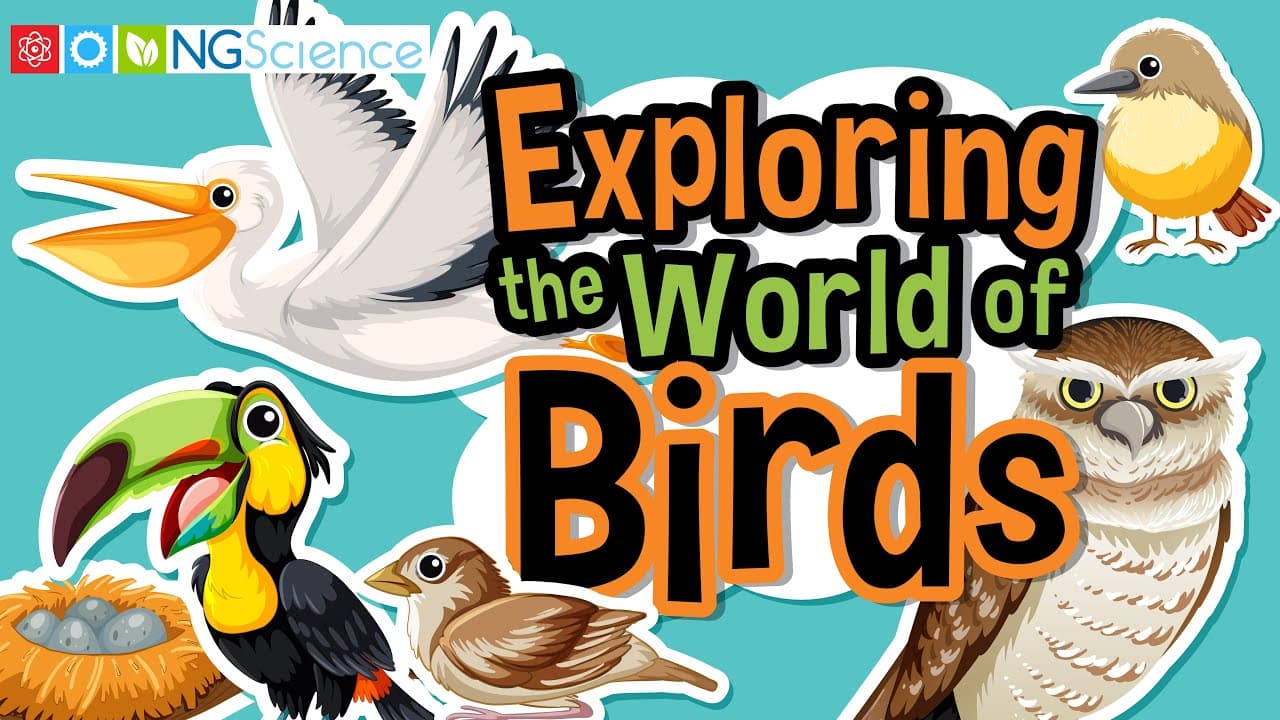
This educational video provides a comprehensive introduction to the diverse class of animals known as birds. It begins by exploring their wide range of habitats, from urban cities to the frozen landscapes of Antarctica, and outlines the fundamental characteristics shared by all bird species, including being warm-blooded, having feathers, laying eggs, and possessing wings. The video combines high-quality footage of various species—such as eagles, penguins, ostriches, and hummingbirds—to illustrate these traits vividly. Beyond basic classification, the video delves into specific adaptations and behaviors that allow birds to thrive in different environments. It highlights unique examples like the nocturnal vision of owls, the incredible running speed of the flightless ostrich, and the swimming abilities of penguins. The narrative also explains the concept of migration, featuring the record-breaking journey of the Arctic Tern, helping students understand how physical traits support survival strategies. Ideally suited for life science units, this resource emphasizes the ecological importance of birds. It explains their critical roles in ecosystems as pollinators, seed dispersers, and pest controllers. Teachers can use this video to launch discussions on biodiversity, animal adaptations, and the interdependence of living things within an ecosystem.

Next Generation ScienceNext Generation Science

4mins 34s

How Do Bees Make Honey?

How Do Bees Make Honey?

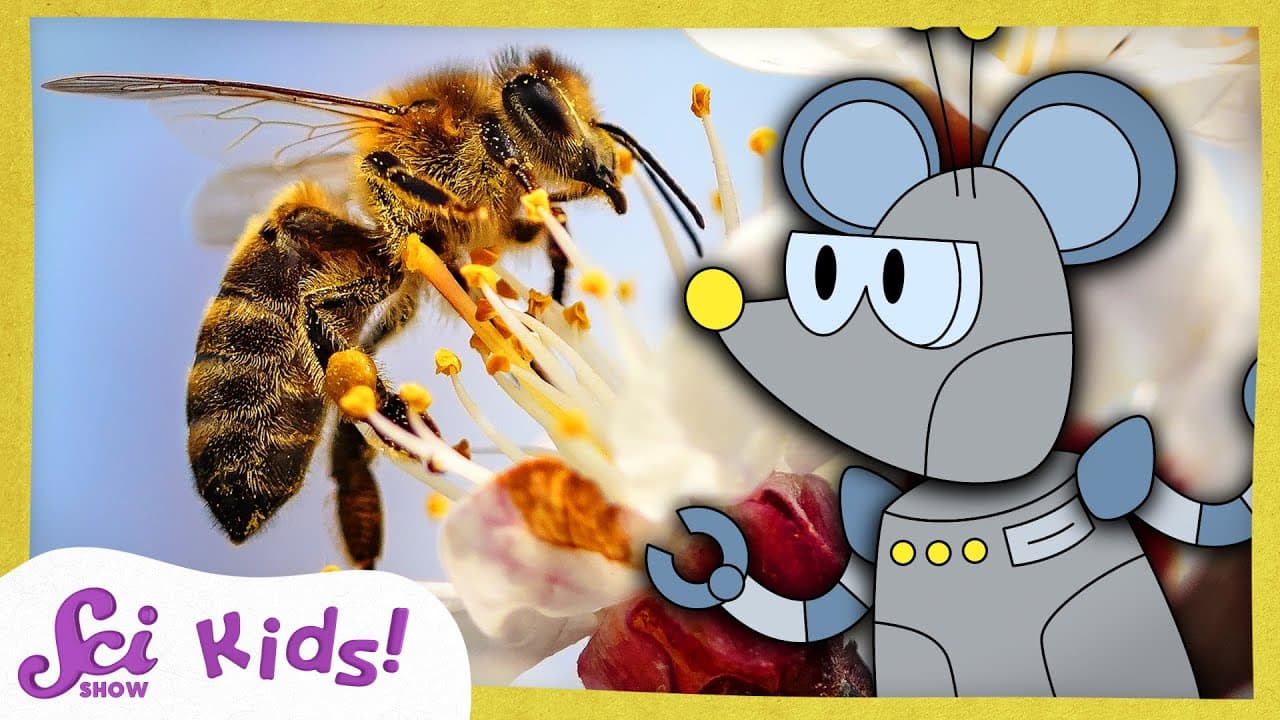
This engaging episode of SciShow Kids explores the fascinating biological process behind how bees create honey. Hosted by Anthony and his robot friend Squeaks, the video takes viewers on a journey from a spring picnic to the inside of a beehive. It breaks down the complex relationship between plants and pollinators, explaining how bees collect nectar and pollen, and the specific anatomical features that allow them to transport these materials.

SciShow KidsSciShow Kids

6mins 2s

Exploring the Arctic: Animals, Adaptations, and Extreme Climates

Exploring the Arctic: Animals, Adaptations, and Extreme Climates

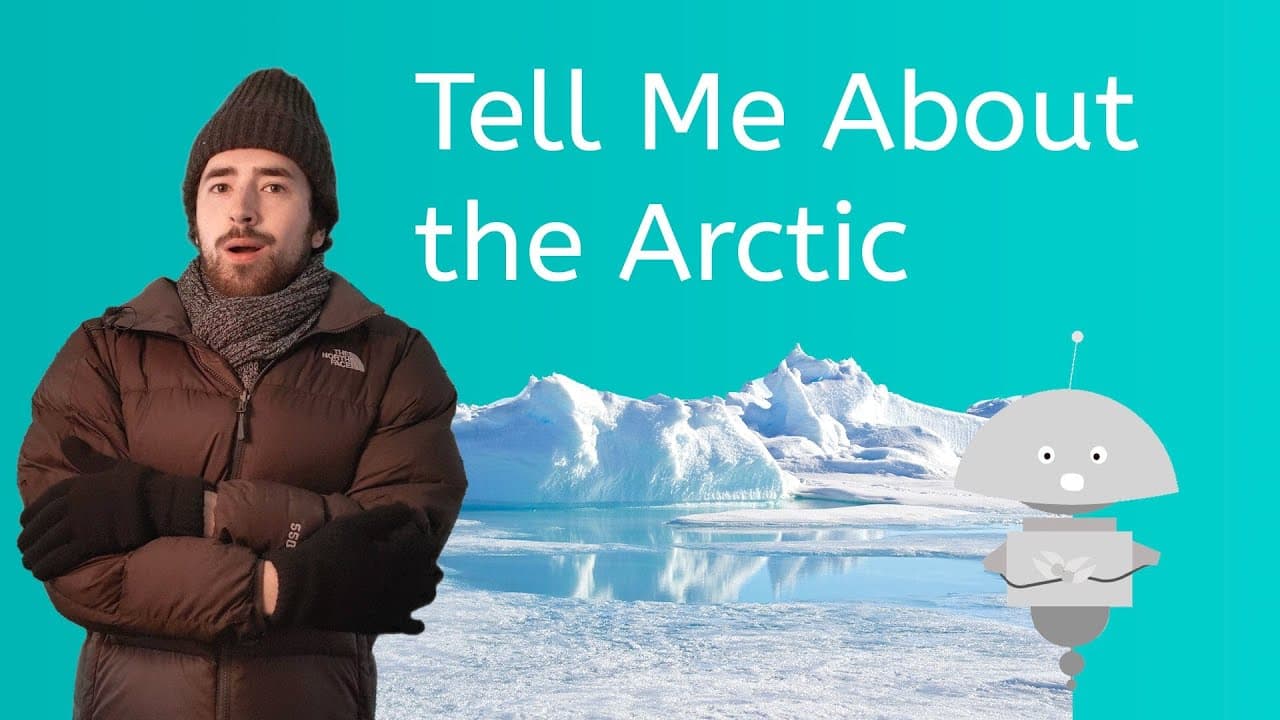
This engaging video provides a comprehensive introduction to the Arctic biome, taking students on a journey to the northernmost part of the Earth. Hosted by an energetic presenter, the video explains the unique geography and climate of the region, including temperatures that drop to 70 degrees below zero and the phenomenon of the "Midnight Sun" where the sun doesn't set in summer or rise in winter. It differentiates between the frozen Arctic Ocean, the rocky Tundra, and the forested Taiga, giving viewers a complete picture of this diverse environment. The core focus of the video is on the incredible biodiversity of the Arctic and the specific adaptations animals use to survive. Through clear visuals and explanations, students learn about a wide range of animals including polar bears, walruses, arctic wolves, and narwhals. Key biological concepts such as insulation (blubber and fur), camouflage (changing fur color with seasons), migration, and physical adaptations (like the lynx's snowshoe-like paws) are explored in depth. The video also briefly touches upon human life in the Arctic, showing how people adapt to the environment using snowmobiles and sleds. For educators, this video is an excellent resource for units on habitats, biomes, and animal adaptations. It uses simple analogies—like comparing a polar bear's paw to a dinner plate or a lynx's feet to snowshoes—that make complex concepts accessible to young learners. The segment on camouflage, showing side-by-side comparisons of animals in winter versus summer coats, offers immediate visual evidence for scientific discussion. Additionally, the inclusion of diagrams, such as the cross-section of a polar bear's den, supports visual literacy and understanding of animal behaviors.
Miacademy & MiaPrep Learning ChannelMiacademy & MiaPrep Learning Channel

12mins 21s

Materials

BioGraph Essentials Worksheet

BioGraph Essentials Worksheet

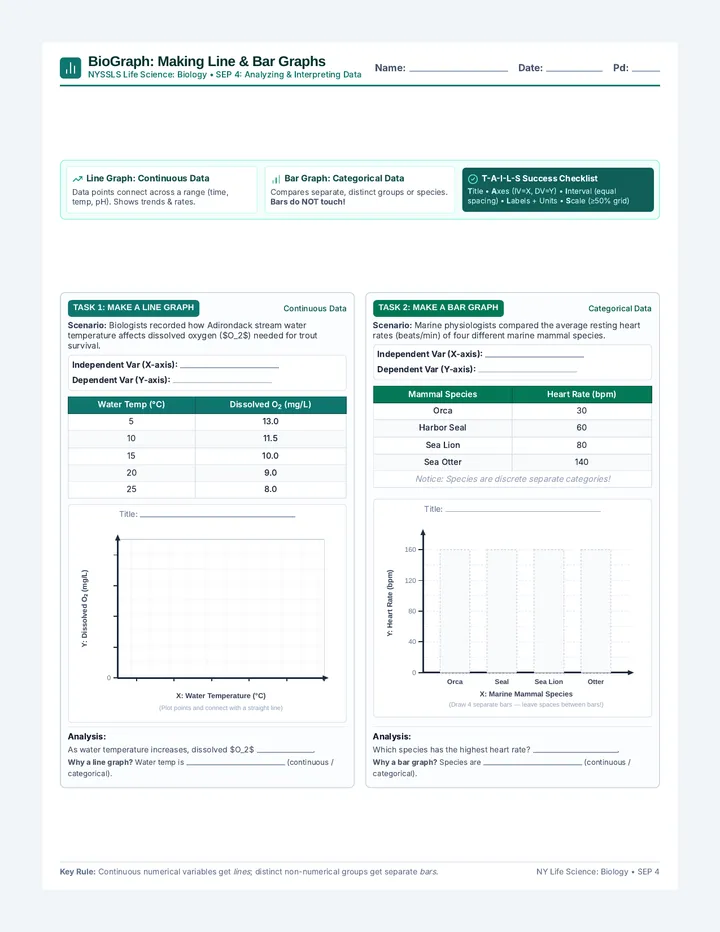
A heavily scaffolded New York Life Science Biology worksheet featuring side-by-side construction tasks for both a line graph (continuous aquatic data) and a bar graph (categorical mammalian heart rates), complete with data tables, grids, and analysis prompts.

S

stewart

Graph Decoders Worksheet

Graph Decoders Worksheet

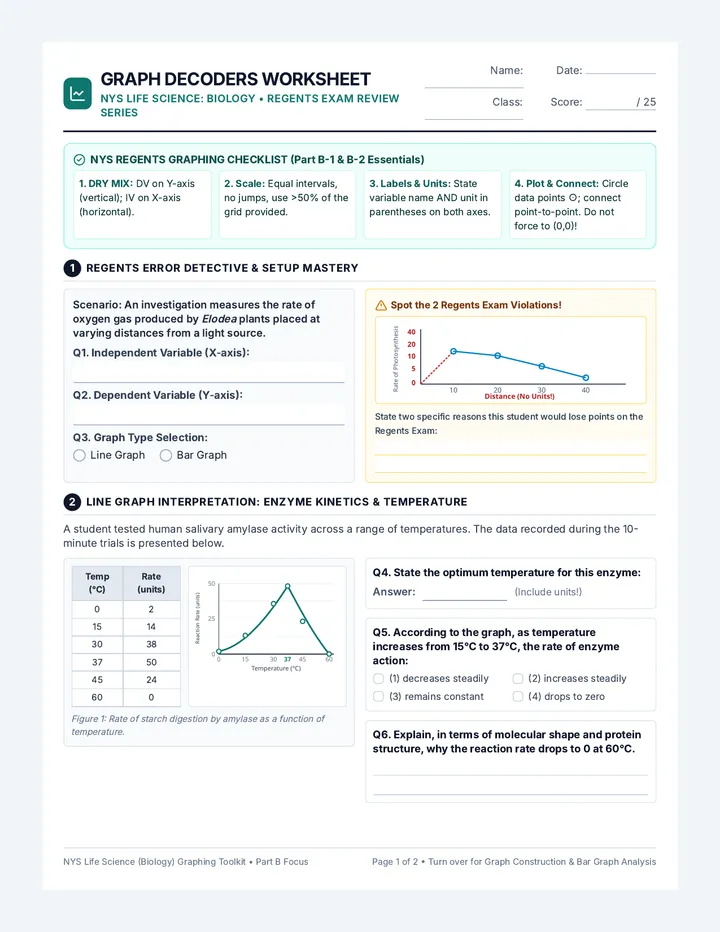
A two-page NYS Life Science: Biology exam review worksheet focusing on bar and line graph interpretation, error analysis, and student graph construction. Includes enzyme kinetics, yeast respiration bar graph construction, and aquatic ecology trends with authentic Regents-style questions.

S

stewart

Survival Quest Final Log Form Trimmed

Survival Quest Final Log Form Trimmed

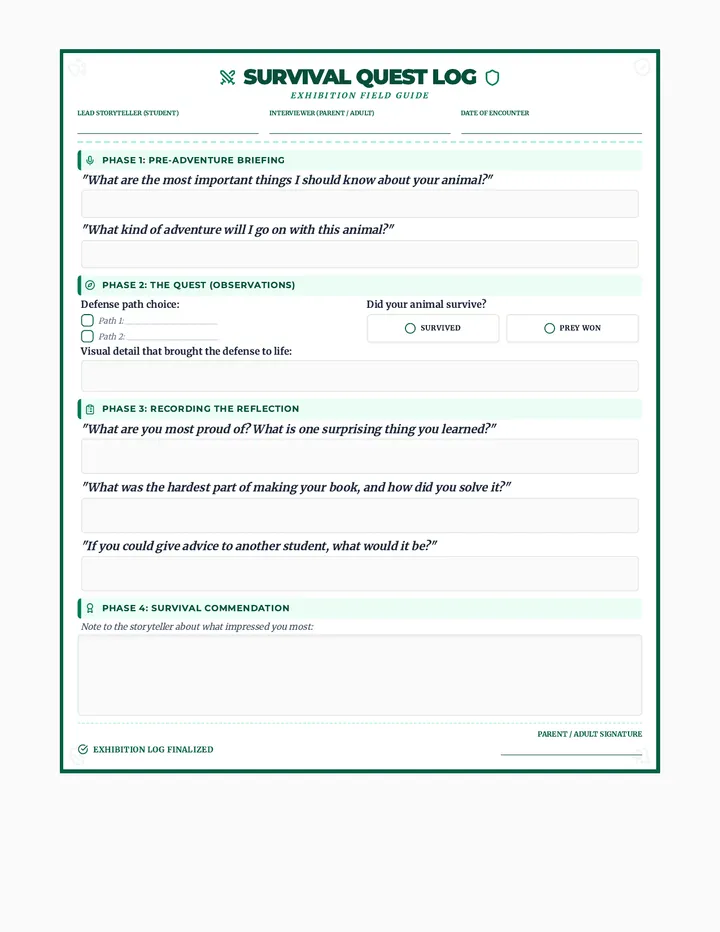
Final one-page Survival Quest parent feedback form. Optimized with a constrained 820px height and tightened vertical spacing to guarantee it fits on a single printed page while maintaining readable font sizes for the interview and reflection questions.

PM

Pam Muise

Eco Logic CER Worksheet

Eco Logic CER Worksheet

A verbatim restoration of the original CER packet for biotic and abiotic factors, featuring a reconstructed central graphic and significantly expanded writing space across four pages for classroom use. Claim section has been reduced to three writing lines and Evidence section to eight lines as requested. Header contrast and graphic connections have been further polished.

LN

Leah Nickols

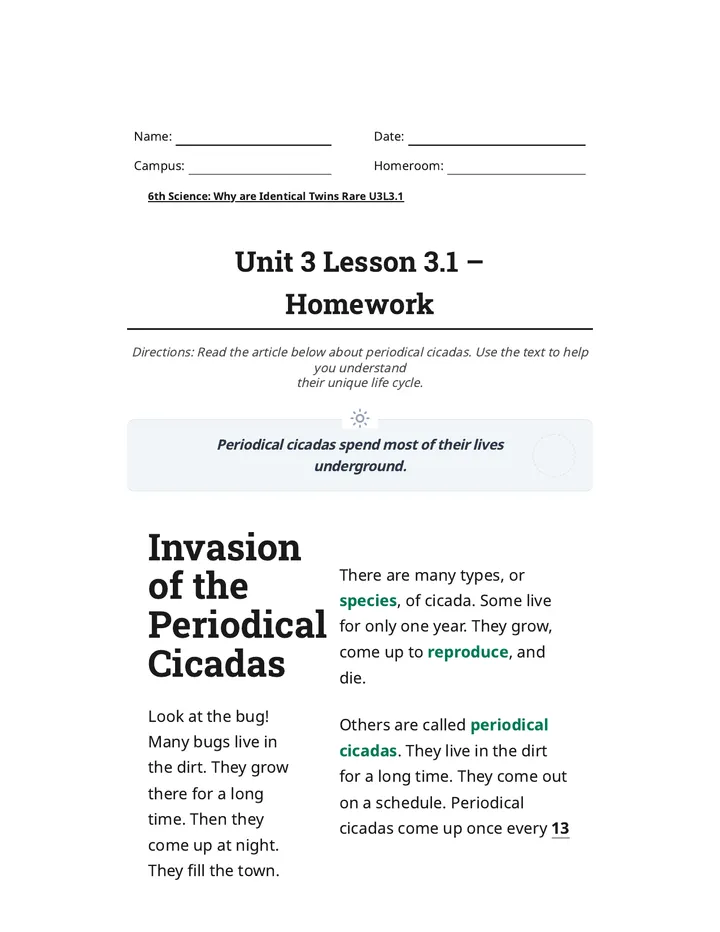
Cicada Bug Homework Worksheet house refined layout final clean layout final final v2

Cicada Bug Homework Worksheet house refined layout final clean layout final final v2

A 2-page homework article about periodical cicadas, adapted for a kindergarten reading level. This version removes the dashed borders and page numbers while maintaining the original layout and 6th-grade vocabulary, designed to be printed front and back on standard paper.

AC

Aaron Conlin

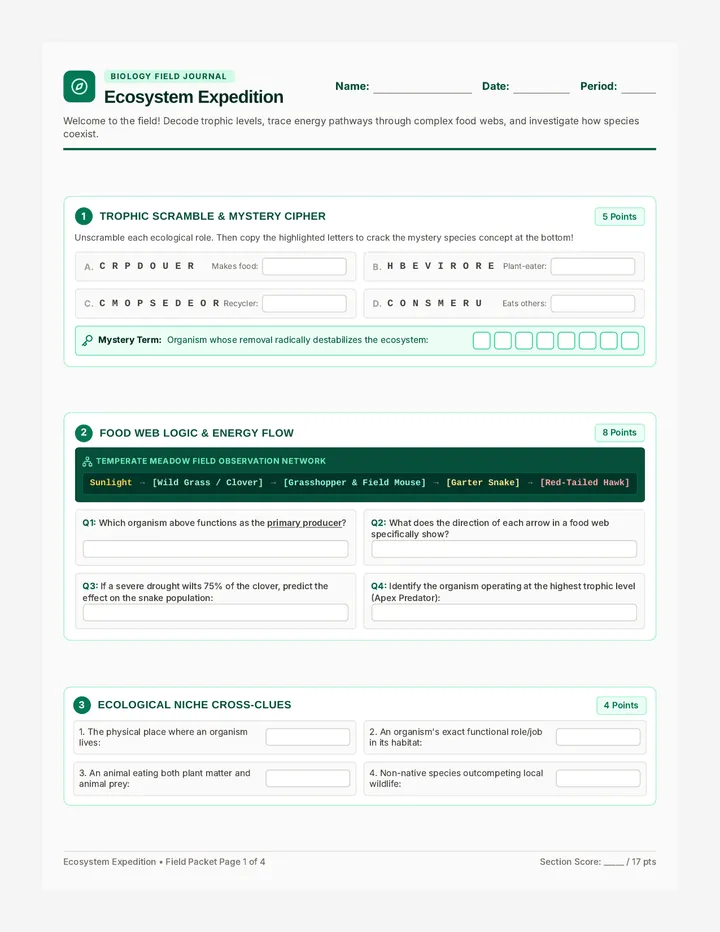
Ecosystem Expedition Activity Sheet

Ecosystem Expedition Activity Sheet

A complete four-page ecosystem biology activity packet featuring trophic scrambles, food web logic pathways, a light and print-friendly 14x14 word search grid, symbiosis scenario matrices, 10% energy pyramid calculations, keystone species cascades, and ecological succession puzzles.

T

tiffany.holman

Sequences

Climate Crisis Slides

Science Essentials Vault

A comprehensive collection of core science units covering Environmental Science, Biology, and Physical Science. This sequence provides high-impact instructional slides, hands-on lab experiences, guided notes, and differentiated assessments for five major scientific domains.

CB

Chloe Brown

25
Hess Pathfinders Slides

Energy in Chemical Bonds

A five-day high school chemistry unit exploring thermochemistry, collision theory, enthalpy diagrams, and calorimetry through the lens of body heat and chemical reactions. Students investigate the anchoring phenomenon of exercise-induced heat while mastering TEKS C.13 standards.

OM

Olutoyin Makinde

48
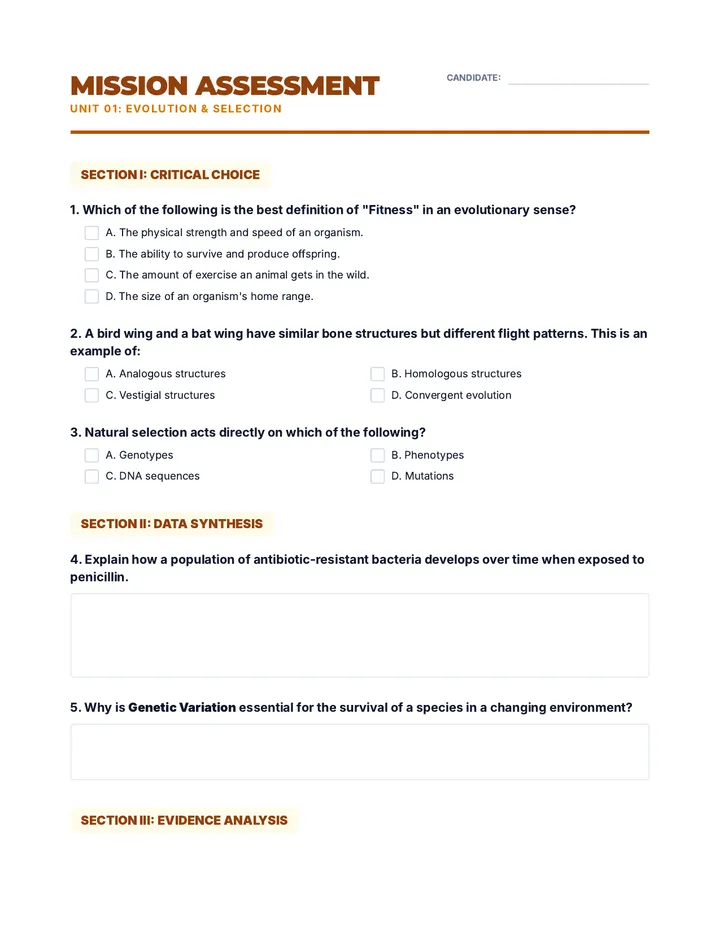
Evolution Assessment Quiz

Biology Recovery Sprint

A high-intensity biology credit recovery program focused on high-yield standards: Evolution, Systems, Viruses, and Cellular Genetics.

PB

Priyadarshini Bharath

15
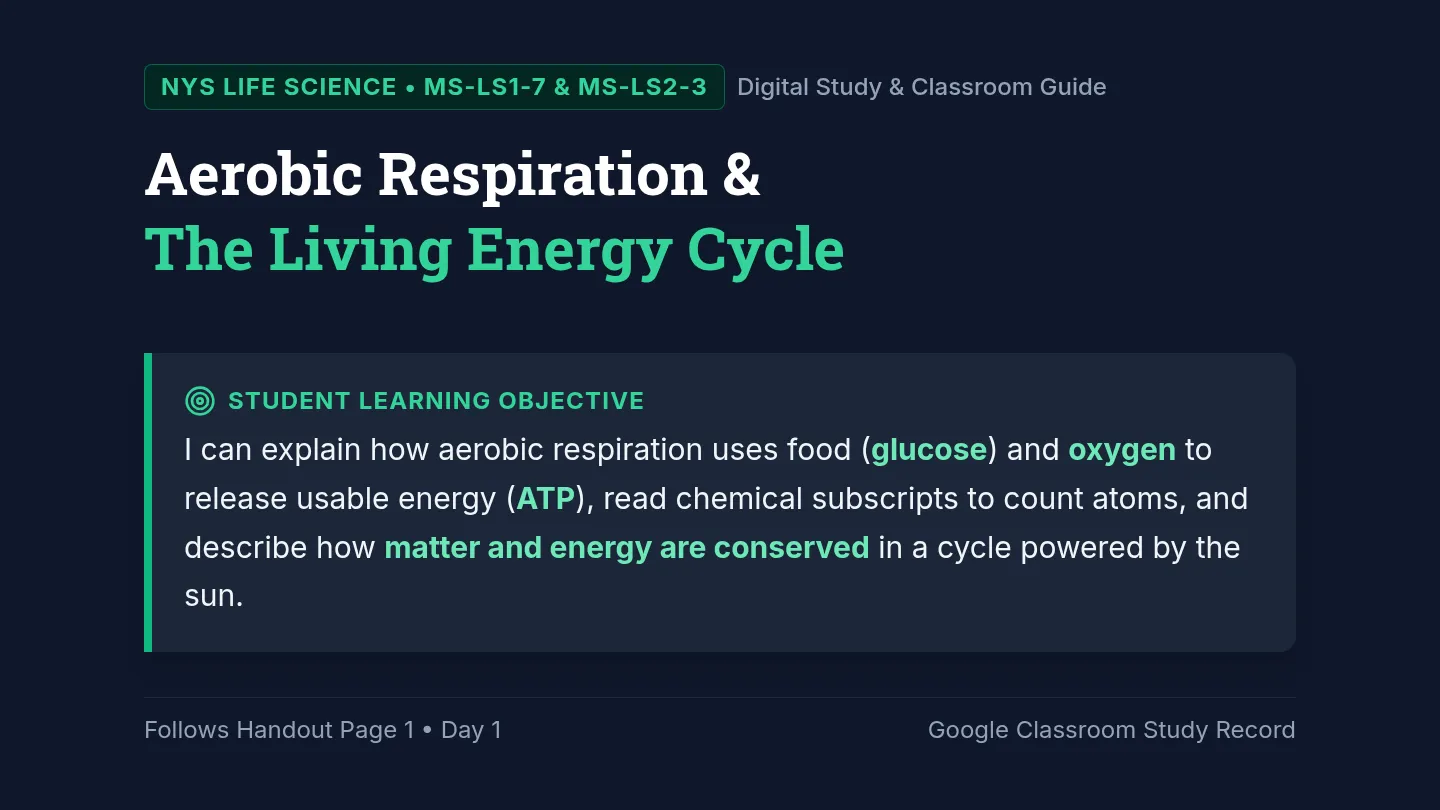
Aerobic Respiration Lesson Slides

Cellular Respiration Cycle

A comprehensive multi-day middle school life science sequence aligned with NYS learning standards exploring aerobic and anaerobic cellular respiration, matter recycling, and energy flow powered by the sun.

JE

Jeffrey Elterman

8
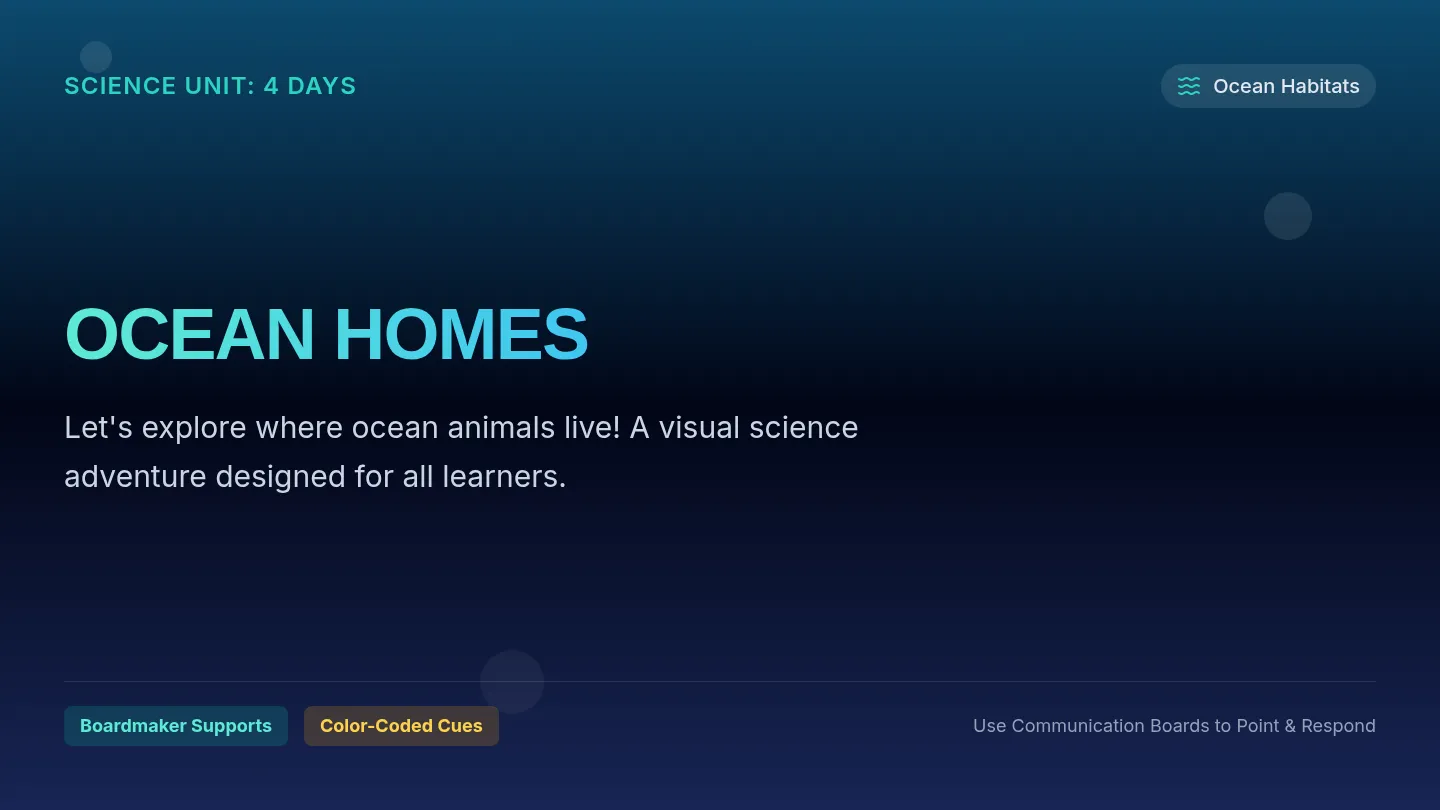
Ocean Homes Slides

Ocean Homes

A highly visual 4-day science unit exploring ocean habitats and depth zones. Tailored for differentiated instruction for 3rd grade and nonverbal 7th grade students using Boardmaker-style symbols, color-coded matching, and visual check comprehension.

D

dbowers

17
Water World Slides

Earths Dynamic Systems

A series of lessons exploring Earth's major systems, starting with the hydrosphere and its impact on the planet's processes.

JS

Janette Sullivan

36