Lenny.com
Explore
Create
ActivitiesNewMathEnglish Language ArtsScience & EngineeringSocial StudiesGlobal LanguagesHealth & Physical EducationSpecial EducationCounseling & Life SkillsArts & CreativityESL
Lenny.com
Lenny.com
Explore
Create
ActivitiesNewMathEnglish Language ArtsScience & EngineeringSocial StudiesGlobal LanguagesHealth & Physical EducationSpecial EducationCounseling & Life SkillsArts & CreativityESL
Lenny.com
Lenny.com

Solutions

Lenny for EducatorsLenny for SchoolsLenny for Districts

Product

ExploreSign inCreateSupportAbout

Resources

Getting startedMTSS Acceleration Program

© 2026 Lenny Learning Inc.

TermsPrivacyAccessibility
LinkedInInstagramX
Lenny

Waves

Mechanical and electromagnetic wave properties including frequency, wavelength, and amplitude. Examines wave behaviors such as reflection, refraction, and interference across sound and light spectrums.

Science & EngineeringLife ScienceLiving ThingsAnimalsPlantsBody SystemsTraitsAdaptationsCellsEcosystemsHeredityGenes to TraitsCell DivisionPhysicsComparing MaterialsShapes and PropertiesMagnetsMagnetismLightSoundLight and SoundMatterStates of MatterChanges of StateMixturesPhysical and Chemical ChangeHeating and CoolingHeat and Thermal EnergyEnergyForce and MotionElectrical CircuitsAtoms and MoleculesPeriodic TableMotion in One DimensionMotion in Two DimensionsScalars and VectorsForces and Laws of MotionCircular Motion and GravityMomentum and ImpulseWork, Energy, and PowerWavesElectromagnetic WavesGeometric OpticsElectricity and MagnetismSimple Harmonic MotionThermodynamicsNuclear PhysicsEarth Science & AstronomyWeatherWater CycleRocks and MineralsFossilsEarth's FeaturesEarth's ResourcesEarth's StructureWeather and ClimateEarth EventsFossils and Geologic TimePlate TectonicsHuman ImpactsAstronomyChemistryUnits and MeasurementAtomic StructurePeriodic TrendsChemical BondingNomenclatureMolecular StructureIntermolecular ForcesThe MoleStoichiometryProperties of GasesSolutionsChemical ReactionsBalancing EquationsEnergy ChangesRates of ReactionsEquilibriumAcids and BasesQuantum ModelBiologyClassificationCell StructureThe Chemistry of LifeBiomoleculesCellular TransportCell EnergyCell Growth and DivisionDNAProtein SynthesisMeiosis and Sexual ReproductionPatterns of InheritanceMulticellular OrganismsEvolutionEcologyBiodiversityComputer ScienceAlgorithms and Computational ThinkingProgramming LanguagesComputing SystemsNetworks and InternetData AnalysisCybersecurityAI and Machine LearningSoftware Design and DevelopmentBlockchainEngineering & AIDesigning ExperimentsEngineering PracticesDesign ThinkingEngineering Design ProcessMechanical EngineeringElectrical EngineeringMaterials and StructuresCAD and 3D DesignRoboticsArtificial Intelligence BasicsVibe CodingMachine LearningAI Ethics and SocietySystems ThinkingEntrepreneurship & InnovationEntrepreneurial MindsetBusiness Idea DevelopmentBusiness Plan BasicsMarketing & Customer DiscoveryFinancial Management for Startups

Videos

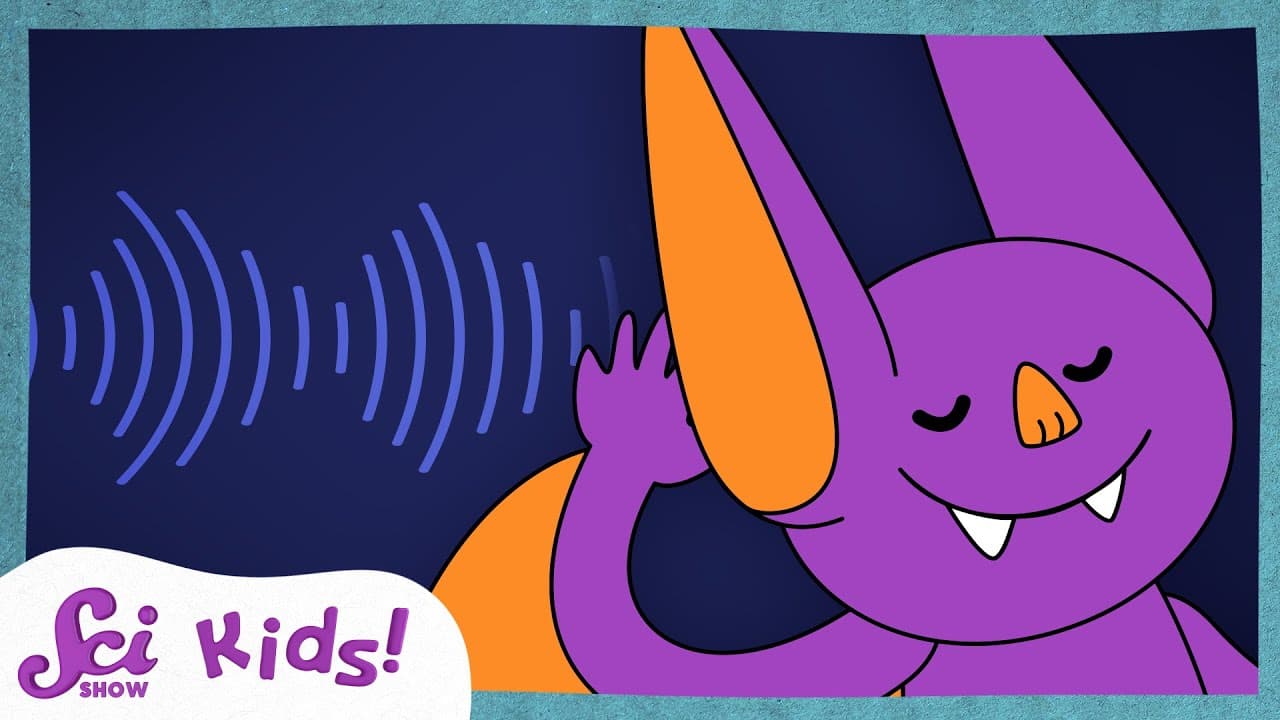
How Your Ears Hear Sound

How Your Ears Hear Sound

In this engaging episode of Sci Kids!, host Jessi and her robot mouse friend Squeaks explore the fascinating science of hearing. The video breaks down the complex anatomy of the ear, explaining how sound waves travel through the air and are processed by the outer, middle, and inner ear to send signals to the brain. Through clear animations and demonstrations, students learn about specific structures like the auricle, ear canal, eardrum (tympanic membrane), ossicles, and the cochlea. The video also delves into the physics of sound, introducing concepts like vibration, pitch (frequency), and how sound travels through different states of matter. It addresses hearing loss and the technology used to assist hearing, such as hearing aids and cochlear implants. The lesson extends into the animal kingdom with guest puppet characters—Sam the Bat and Bill the Duck—who explain how different species utilize hearing, introducing the concept of echolocation. Ideally suited for elementary science curriculums, this resource transforms abstract biological and physical concepts into accessible knowledge. Teachers can use this video to support units on the five senses, the human body, or sound energy. The inclusion of diverse hearing abilities and animal adaptations offers excellent opportunities for discussions about inclusivity and comparative biology.
SciShow KidsSciShow Kids

8mins 22s

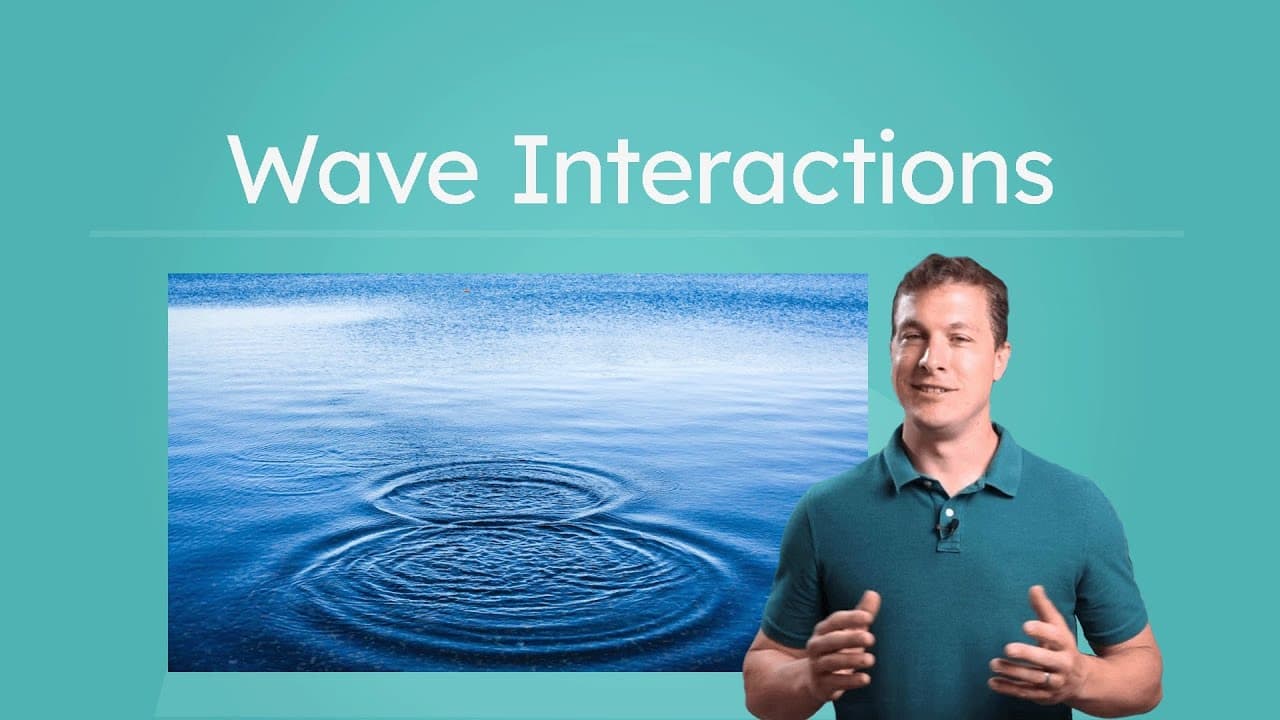
How Waves Interact: Reflection, Refraction, and Interference

How Waves Interact: Reflection, Refraction, and Interference

This engaging physics video explores the fundamental behaviors of waves through the lens of everyday phenomena like rainbows and echoes. The narrator breaks down complex concepts into three primary categories of interaction: interference, reflection, and refraction. By comparing light waves and sound waves, the video demonstrates how the same physical principles apply to different types of energy moving through the world. The content dives deep into specific mechanics, using clear animations and real-world footage. It illustrates constructive and destructive interference using water ripples and sine wave diagrams. It explains reflection through echoes and mirrors, and demystifies refraction (bending light) using a clever analogy involving a kayak turning in water. The relationship between the speed of light, material density, and color is also explained to uncover the science behind rainbows. For educators, this resource serves as an excellent core lesson for Physical Science or Physics units on wave properties. It effectively bridges the gap between abstract wave theory and observable reality. The included review quiz and summary make it a complete learning package, ideal for introducing new concepts or reinforcing standard curriculum regarding how waves interact with matter.

Miacademy & MiaPrep Learning ChannelMiacademy & MiaPrep Learning Channel

8mins 25s

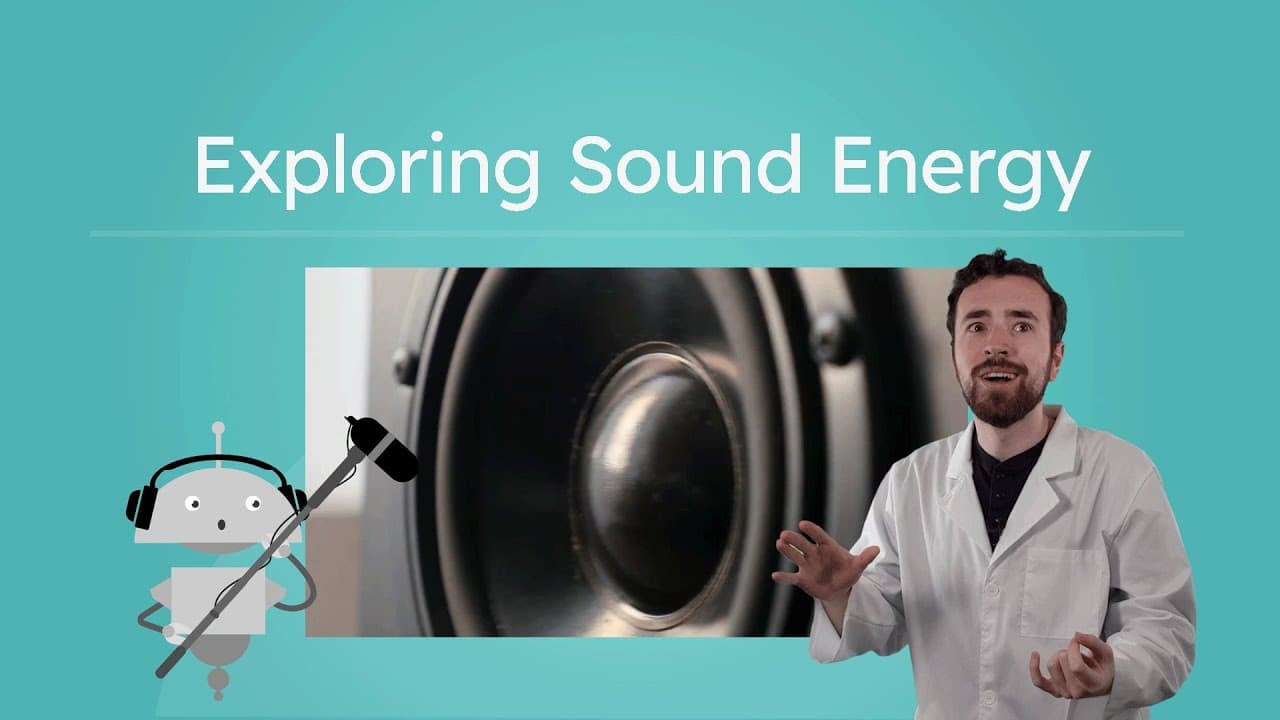
Exploring Sound Energy and How It Travels

Exploring Sound Energy and How It Travels

This engaging science video explores the fundamental concepts of sound energy, defining it as mechanical energy created by vibrations. Hosted by a presenter who uses humor and clear demonstrations, the lesson breaks down complex physics concepts into accessible segments. It covers the creation of sound through vibration, the anatomy of the ear including the role of the eardrum, and how the brain interprets these signals as distinct noises.

Miacademy & MiaPrep Learning ChannelMiacademy & MiaPrep Learning Channel

8mins 58s

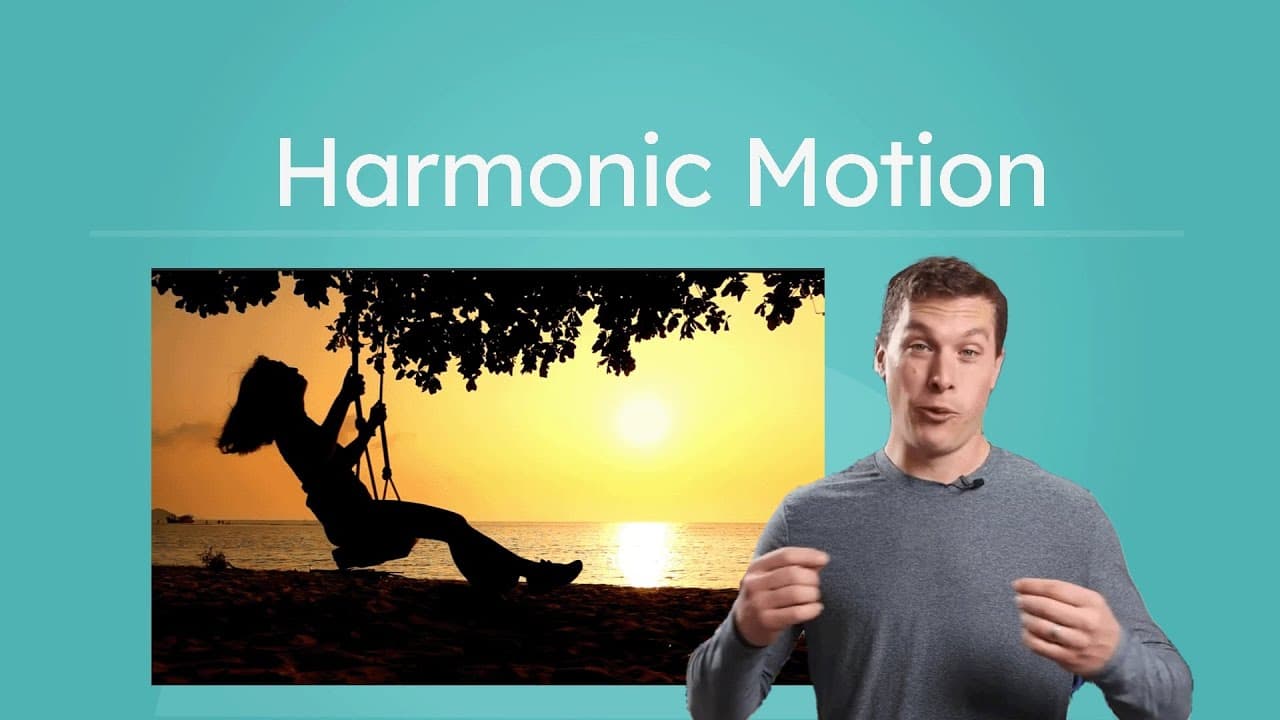
Understanding Harmonic Motion, Frequency, and Amplitude

Understanding Harmonic Motion, Frequency, and Amplitude

This engaging physics lesson introduces students to the fundamental concepts of harmonic motion through relatable storytelling and clear visual examples. The video begins with a humorous personal anecdote about the host's childhood attempt at bungee jumping using suspenders, which serves as a perfect hook to explain the concept of "restoring force." From there, the lesson transitions into a structured explanation of what constitutes harmonic motion—specifically, a repeated back-and-forth movement driven by a force pulling an object back to a central position. The content breaks down two critical properties of harmonic motion: frequency and amplitude. Through high-quality animations and real-world footage, students learn that frequency is the rate of repetition (measured in Hertz) and amplitude is the magnitude of the movement from the center point. The video uses diverse examples ranging from playground swings and grandfather clocks to trampolines and ocean swells to make these abstract physics concepts concrete and understandable. Ideally suited for middle school physical science or introductory high school physics, this video goes beyond definitions by including guided practice problems. The narrator walks students through the math of calculating frequency, including unit conversion and significant figures, and demonstrates how to visually estimate amplitude using a scale. This combination of conceptual understanding and quantitative application makes it a versatile tool for introducing periodic motion.

Miacademy & MiaPrep Learning ChannelMiacademy & MiaPrep Learning Channel

8mins 56s

Exploring the Nature of Light and Electromagnetic Waves

Exploring the Nature of Light and Electromagnetic Waves

This educational video provides a comprehensive introduction to the physics of light, defining it as an oscillating electromagnetic wave. The instructor breaks down complex abstract concepts by first explaining electric and magnetic fields separately, using clear diagrams and real-world analogies like magnets and iron filings. The video then combines these concepts to visualize light as two perpendicular fields—electric and magnetic—oscillating together as they travel through space. The lesson delves into the specific wave properties of light, including wavelength, frequency, and amplitude. It effectively connects these mathematical and physical properties to human perception, explaining how wavelength and frequency determine the color we see, while amplitude determines the brightness. The video uses helpful animations, such as 3D graphs and water wave comparisons, to make these invisible phenomena easier to visualize. This resource is highly valuable for physical science and physics classrooms as it bridges the gap between static electricity/magnetism and wave theory. It is ideal for introducing the electromagnetic spectrum, teaching wave properties, or explaining the fundamental nature of light. The video includes a built-in review quiz and summary, making it a ready-to-use lesson component for checking student understanding of key physics vocabulary.

Miacademy & MiaPrep Learning ChannelMiacademy & MiaPrep Learning Channel

10mins

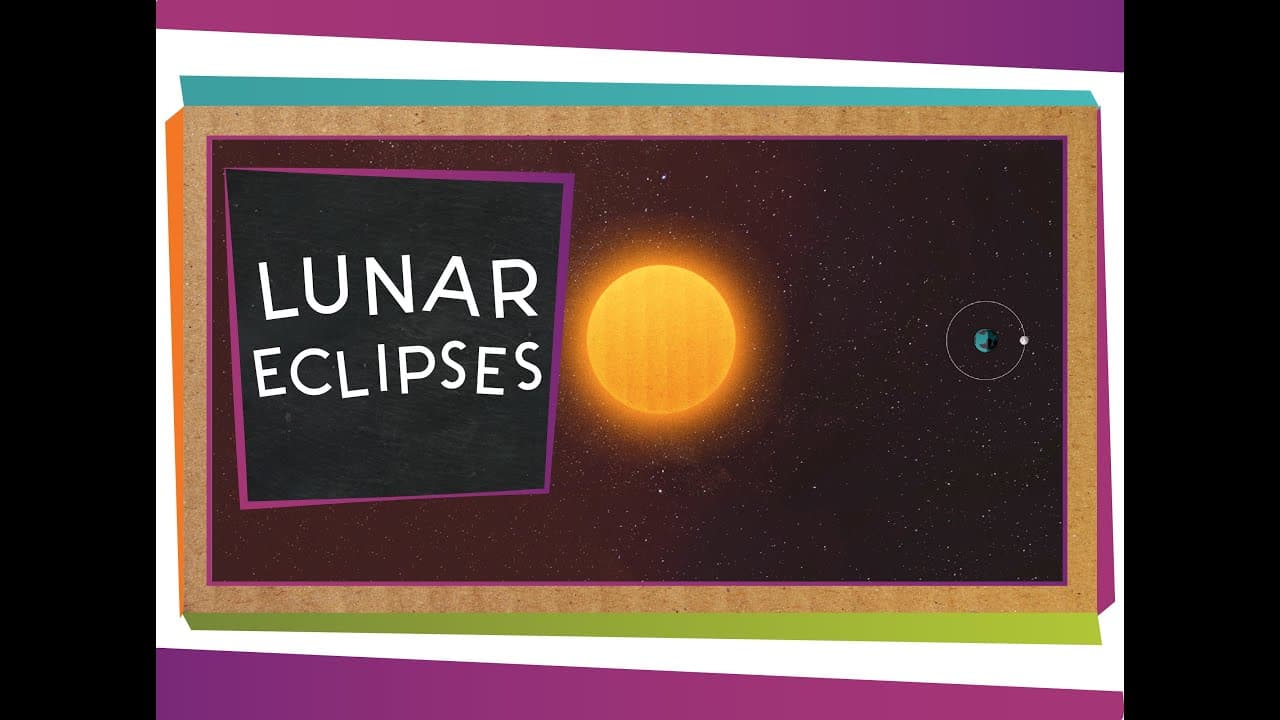
Why the Moon Turns Red: Understanding Lunar Eclipses

Why the Moon Turns Red: Understanding Lunar Eclipses

In this engaging episode of SciShow Kids, host Jessi takes young astronomers into the observatory to explore the phenomenon of a lunar eclipse. The video breaks down the celestial mechanics behind this event, explaining how the specific alignment of the Sun, Earth, and Moon creates a shadow that changes the Moon's appearance. It specifically addresses the "Blood Moon" phenomenon, answering the intriguing question of why the Moon turns red instead of going completely dark when it passes into Earth's shadow. The content covers key astronomical concepts including the definition of "lunar" and "eclipse," the orbital paths of the Earth and Moon, and the physics of light refraction through Earth's atmosphere. Through clear, colorful animations, students visualize the straight-line alignment required for an eclipse and learn why these events are visible only from certain parts of the world and at specific times. The video also importantly distinguishes between solar and lunar eclipses regarding eye safety. This resource is highly valuable for elementary science classrooms as it simplifies the complex 3D spatial relationships of celestial bodies into understandable 2D animations. It serves as an excellent introduction to units on space, light and shadows, or the solar system. Teachers can use this video to spark curiosity about the night sky, model orbital mechanics, or introduce basic optics concepts. While the video references specific dates from 2015, the scientific explanations remain evergreen and accurate.

SciShow KidsSciShow Kids

3mins 9s

Sequences

Naval Architect Challenge Answer Key

Fluid Dynamics

A series of lessons exploring the physics of fluids, including buoyancy, pressure, and fluid flow.

CM

Chuguna Murugesan

28
Wave Racer CER Bellringer

Wave Runners Sequence

A comprehensive physics unit covering the behavior of mechanical and electromagnetic waves. Students transition from hands-on slinky exploration to advanced optical modeling and mathematical derivations.

OM

Olutoyin Makinde

65
Straight Shooters Slides

Light Speed

A comprehensive 5-lesson unit for 4th graders exploring the properties of light energy, including how it travels, reflects, refracts, and interacts with different materials.

NP

Natalie Pelletier

20
Mission Scoring Rubric

Physics Frontiers Research Project

A partner-based research project for 9th-grade conceptual physics students focusing on diverse topics from celestial mechanics to the physics of dance. Students move through a structured research process with mandatory teacher checkpoints for source reliability.

C

ckroeker

13
Hess Pathfinders Slides

Energy in Chemical Bonds

A five-day high school chemistry unit exploring thermochemistry, collision theory, enthalpy diagrams, and calorimetry through the lens of body heat and chemical reactions. Students investigate the anchoring phenomenon of exercise-induced heat while mastering TEKS C.13 standards.

OM

Olutoyin Makinde

48
Pressure Poster Workshop Handout

Pressure Power

A comprehensive 5-day chemistry unit investigating the relationships between gas pressure, volume, temperature, and moles using lab inquiries, mathematical modeling, and real-world applications.

OM

Olutoyin Makinde

69

Lessons

Heat Flow Teacher Guide

Particle Behavior Review

A lesson focusing on the states of matter (solid, liquid, gas) and the behavior of particles at the molecular level. Students will model particle motion and arrangement, as well as the energy changes that drive phase transitions.

EA

Erica Andre

54
Quake Coords Map Activity

Tectonic Tremors

A comprehensive GED science lesson on tectonic activity, focusing on seismic wave analysis, seismograms, and the Richter scale. Students will learn to calculate S-P intervals and interpret map data to locate epicenters and volcanic hotspots.

CL

Carmela Leone

5
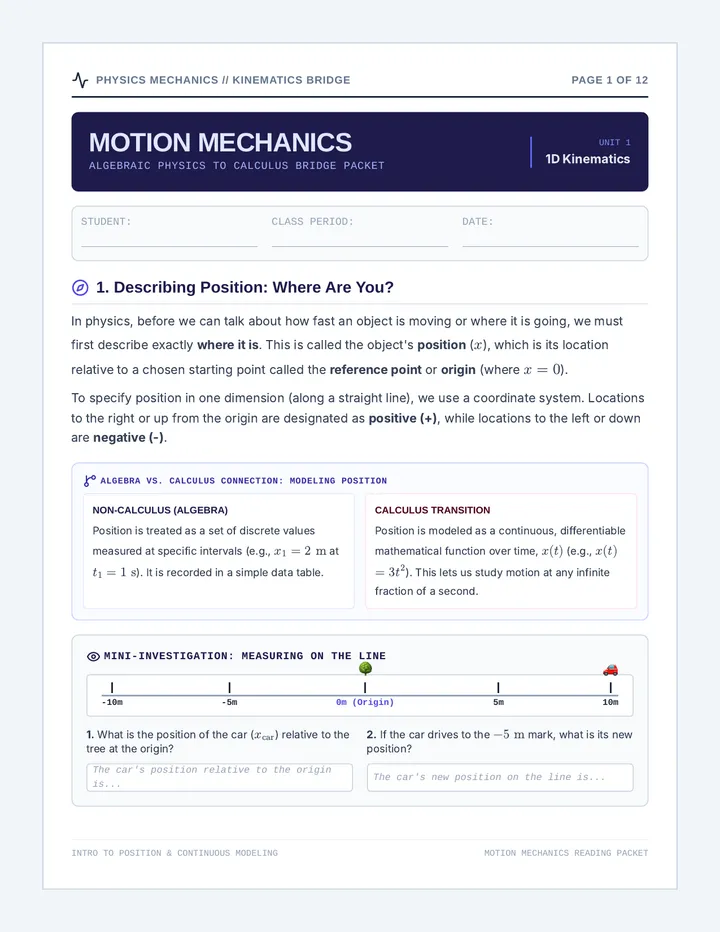
Motion Mechanics Reading Packet

Motion Mechanics

A comprehensive physics lesson bridging algebraic kinematics to introductory calculus. Includes a 12-page side-by-side reading packet, 13 instructional presentation slides, active learning Think-Pair-Share worksheets, a conceptual transition workbook, and a detailed teacher guide with full answer keys.

CM

Chuguna Murugesan

24
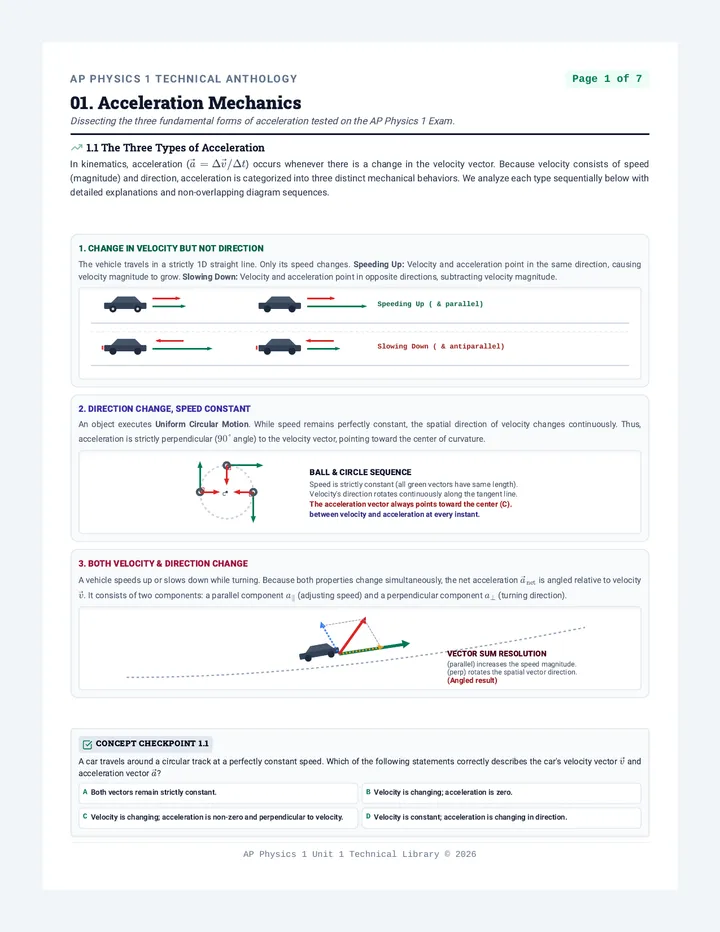
Motion Mechanics Anthology

Motion Mechanics

An AP Physics 1 lesson focusing on the advanced graphical, algebraic, and vector representations of velocity and acceleration. Includes a comprehensive 12-page reading anthology and a matching 12-page student analysis packet.

CM

Chuguna Murugesan

14
Oscillation Station Slides

SHM Fundamentals

A comprehensive introduction to Simple Harmonic Motion, covering restoring forces, kinematics, and energy conservation in oscillating systems.

CM

Chuguna Murugesan

42
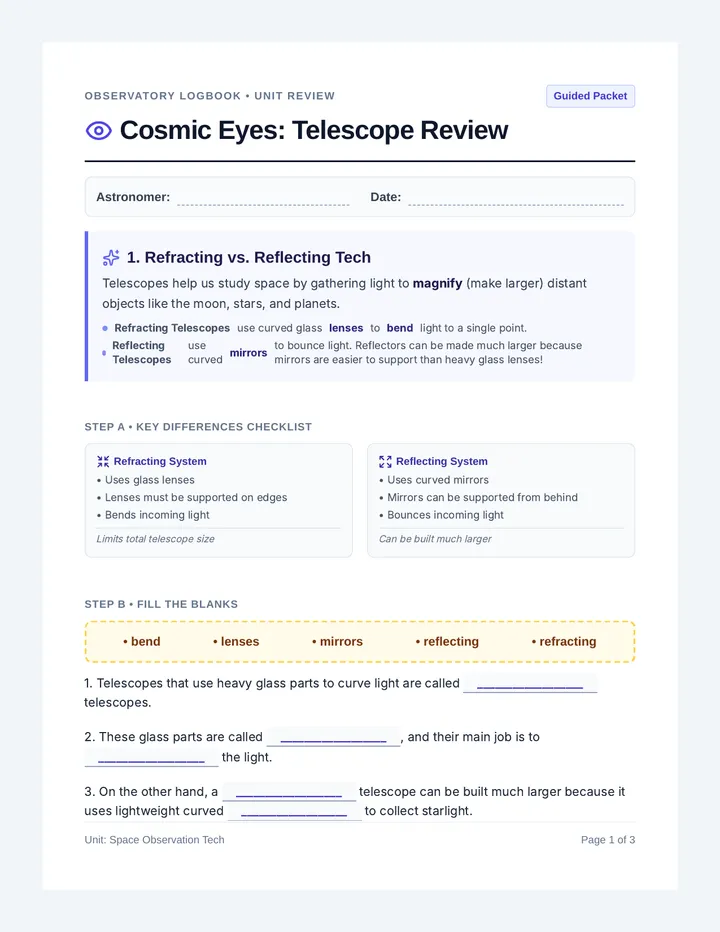
Cosmic Eyes Review Packet

Cosmic Eyes

An accommodated science lesson covering telescope technology, optical vs. radio systems, reflecting vs. refracting designs, and the history of space observation (including Hubble and Galileo). Features high-scaffolding review materials and a fresh, aligned assessment.

S

Shelby.Toll

7