Lenny.com
Explore
Create
ActivitiesNewMathEnglish Language ArtsScience & EngineeringSocial StudiesGlobal LanguagesHealth & Physical EducationSpecial EducationCounseling & Life SkillsArts & CreativityESL
Lenny.com
Lenny.com
Explore
Create
ActivitiesNewMathEnglish Language ArtsScience & EngineeringSocial StudiesGlobal LanguagesHealth & Physical EducationSpecial EducationCounseling & Life SkillsArts & CreativityESL
Lenny.com
Lenny.com

Solutions

Lenny for EducatorsLenny for SchoolsLenny for Districts

Product

ExploreSign inCreateSupportAbout

Resources

Getting startedMTSS Acceleration Program

© 2026 Lenny Learning Inc.

TermsPrivacyAccessibility
LinkedInInstagramX
Lenny

Living Things

Fundamental characteristics of life, including growth, metabolism, and reproduction. Distinguishes between biotic and abiotic factors while examining plant and animal adaptations within various ecosystems.

Science & EngineeringLife ScienceLiving ThingsAnimalsPlantsBody SystemsTraitsAdaptationsCellsEcosystemsHeredityGenes to TraitsCell DivisionPhysicsComparing MaterialsShapes and PropertiesMagnetsMagnetismLightSoundLight and SoundMatterStates of MatterChanges of StateMixturesPhysical and Chemical ChangeHeating and CoolingHeat and Thermal EnergyEnergyForce and MotionElectrical CircuitsAtoms and MoleculesPeriodic TableMotion in One DimensionMotion in Two DimensionsScalars and VectorsForces and Laws of MotionCircular Motion and GravityMomentum and ImpulseWork, Energy, and PowerWavesElectromagnetic WavesGeometric OpticsElectricity and MagnetismSimple Harmonic MotionThermodynamicsNuclear PhysicsEarth Science & AstronomyWeatherWater CycleRocks and MineralsFossilsEarth's FeaturesEarth's ResourcesEarth's StructureWeather and ClimateEarth EventsFossils and Geologic TimePlate TectonicsHuman ImpactsAstronomyChemistryUnits and MeasurementAtomic StructurePeriodic TrendsChemical BondingNomenclatureMolecular StructureIntermolecular ForcesThe MoleStoichiometryProperties of GasesSolutionsChemical ReactionsBalancing EquationsEnergy ChangesRates of ReactionsEquilibriumAcids and BasesQuantum ModelBiologyClassificationCell StructureThe Chemistry of LifeBiomoleculesCellular TransportCell EnergyCell Growth and DivisionDNAProtein SynthesisMeiosis and Sexual ReproductionPatterns of InheritanceMulticellular OrganismsEvolutionEcologyBiodiversityComputer ScienceAlgorithms and Computational ThinkingProgramming LanguagesComputing SystemsNetworks and InternetData AnalysisCybersecurityAI and Machine LearningSoftware Design and DevelopmentBlockchainEngineering & AIDesigning ExperimentsEngineering PracticesDesign ThinkingEngineering Design ProcessMechanical EngineeringElectrical EngineeringMaterials and StructuresCAD and 3D DesignRoboticsArtificial Intelligence BasicsVibe CodingMachine LearningAI Ethics and SocietySystems ThinkingEntrepreneurship & InnovationEntrepreneurial MindsetBusiness Idea DevelopmentBusiness Plan BasicsMarketing & Customer DiscoveryFinancial Management for Startups

Videos

What Life Needs to Survive on Earth and Beyond

What Life Needs to Survive on Earth and Beyond

This engaging educational video explores the fundamental requirements for life on Earth and uses those principles to speculate about what extraterrestrial life might look like. It begins by identifying what makes Earth special—specifically the existence of life—and breaks down the three essential ingredients needed for survival: a star for energy, liquid water, and food sources. The host explains the flow of energy from the sun to producers and consumers, establishing a baseline for how ecosystems function. The video then transitions into a fascinating investigation of how these rules might apply to alien environments. It challenges students to apply their understanding of adaptation by presenting hypothetical scenarios, such as planets where organisms rely on liquid methane instead of water or geothermal vents instead of sunlight. This speculative approach helps students understand that while the specific chemicals might change, the functional roles within an ecosystem (producers, consumers, decomposers) remain constant. Ideal for upper elementary and middle school science classrooms, this resource bridges biology and astronomy. It is particularly useful for teaching energy transfer in food webs, the concept of the habitable zone, and the diversity of life. The video concludes with a discussion on the sheer scale of the universe, introducing students to the statistical probability of life elsewhere and encouraging a sense of wonder and scientific curiosity.

Crash Course KidsCrash Course Kids

4mins 28s

Exploring Birds of Prey: Adaptations and Survival

Exploring Birds of Prey: Adaptations and Survival

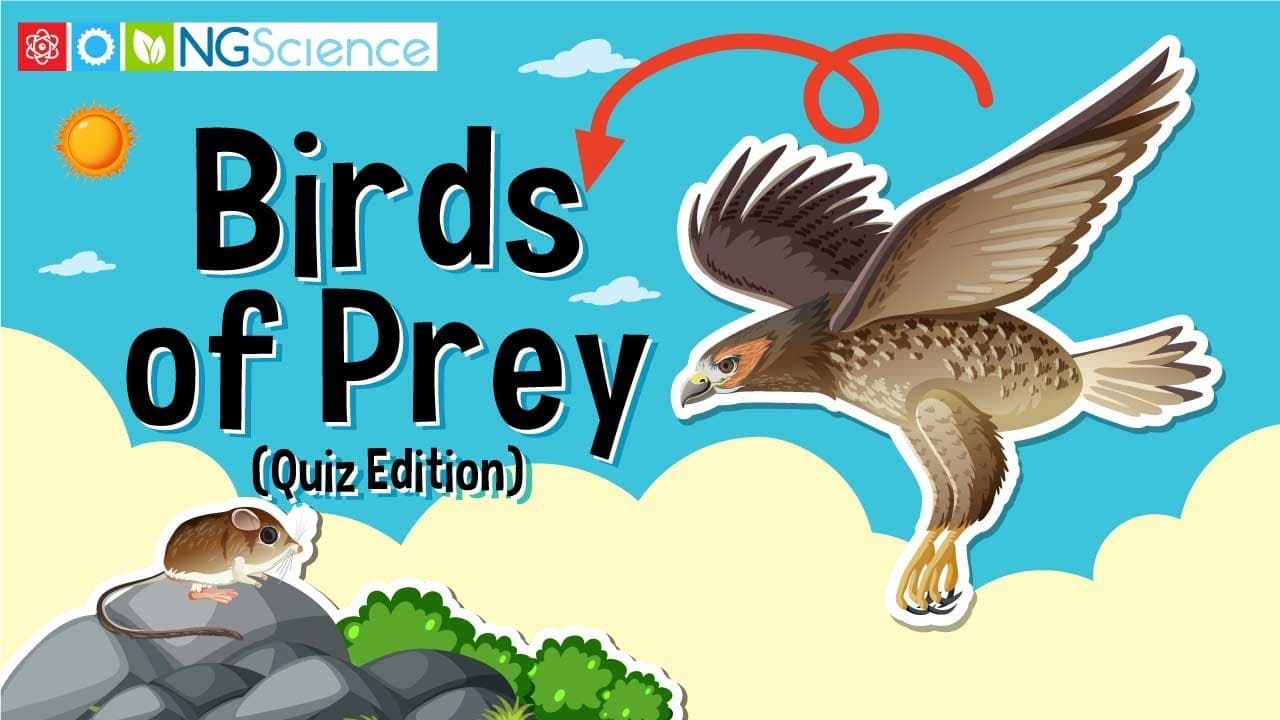
This educational video provides a comprehensive overview of birds of prey, also known as raptors, highlighting their unique physical adaptations and roles within ecosystems. It explores the defining characteristics of these birds, such as their keen eyesight, hooked beaks, and sharp talons, while showcasing a variety of species ranging from the small American Kestrel to the massive Andean Condor. Specific segments detail the hunting strategies and specialized traits of iconic birds like the Bald Eagle, Peregrine Falcon, and various owls and vultures. The video delves into key biological themes including adaptation, predator-prey relationships, and ecological niches. It explains how different raptors have evolved to survive, such as the owl's silent flight feathers for nocturnal hunting and the vulture's role as nature's cleanup crew. Furthermore, the content addresses the environmental challenges these birds face, including habitat loss and pollution, emphasizing the importance of conservation efforts to protect declining populations. For educators, this video serves as an excellent resource for Life Science units on animal adaptations and food webs. The clear narration and high-quality footage make complex biological concepts accessible to students. The video concludes with a 10-question interactive quiz, allowing teachers to immediately assess student comprehension and reinforce the material covered, making it a ready-made lesson component.

Next Generation ScienceNext Generation Science

7mins 33s

Thinking Like a Scientist: The Scientific Method Explained

Thinking Like a Scientist: The Scientific Method Explained

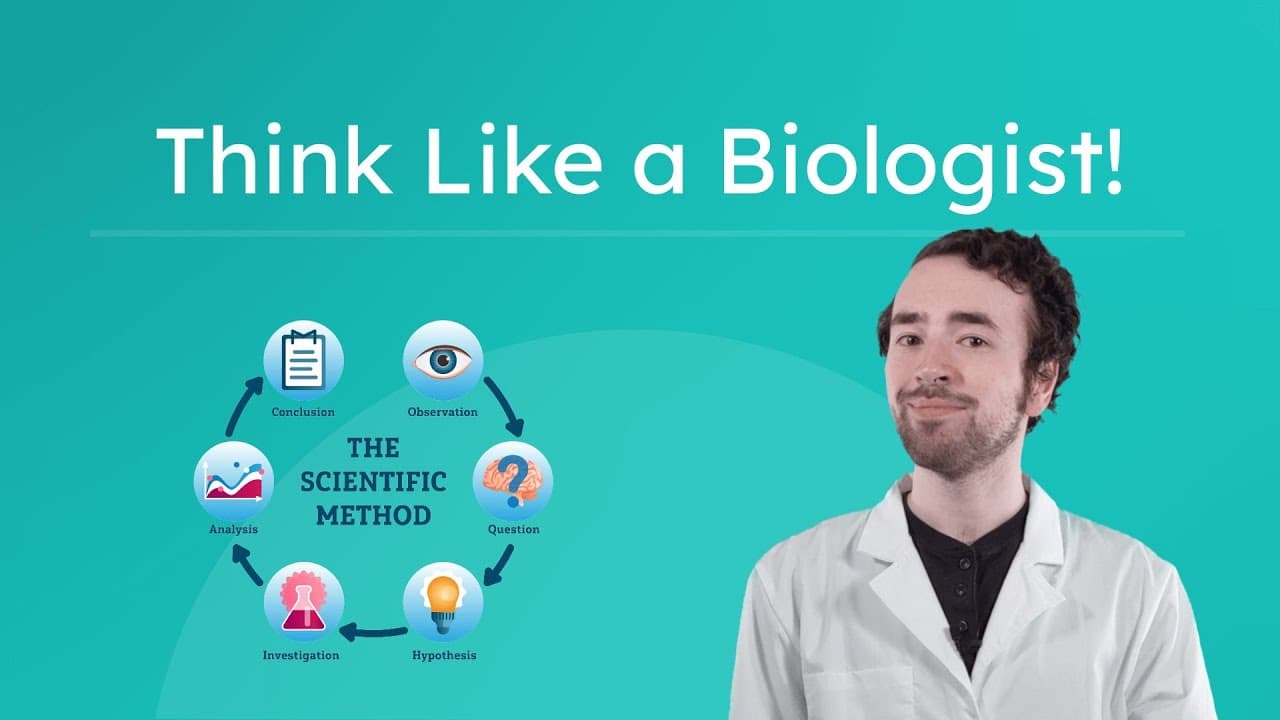
This engaging video introduces students to the fundamental concepts of the scientific method by debunking the myth that scientists are defined by lab coats and equipment. Instead, it posits that anyone can be a scientist simply by thinking like one. Through a relatable and humorous narrative involving a mysterious carpet stain and a suspect cat named Lucy, the presenter guides viewers through the six essential steps of scientific inquiry: observation, questioning, hypothesis formulation, investigation, analysis, and conclusion. The content specifically focuses on distinguishing between observations (using the five senses) and inferences (educated guesses), a critical skill for young scientists. It also teaches students how to craft specific, testable questions versus questions based on opinion or ethics. The video clarifies the difference between general investigations and controlled experiments, emphasizing that science is a flexible process of discovery rather than a rigid set of rules. For educators, this resource serves as an excellent foundational tool for introducing or reviewing the scientific method. It simplifies complex terminology like "hypothesis" and "inference" using concrete visual examples. The video's narrative arc allows for natural pause points where teachers can ask students to make their own observations, generate questions, and form hypotheses before the video reveals the answers, making it highly interactive and suitable for upper elementary and middle school science curricula.

Miacademy & MiaPrep Learning ChannelMiacademy & MiaPrep Learning Channel

10mins 14s

Meet the Wombat: Australia's Burrowing Bulldozer

Meet the Wombat: Australia's Burrowing Bulldozer

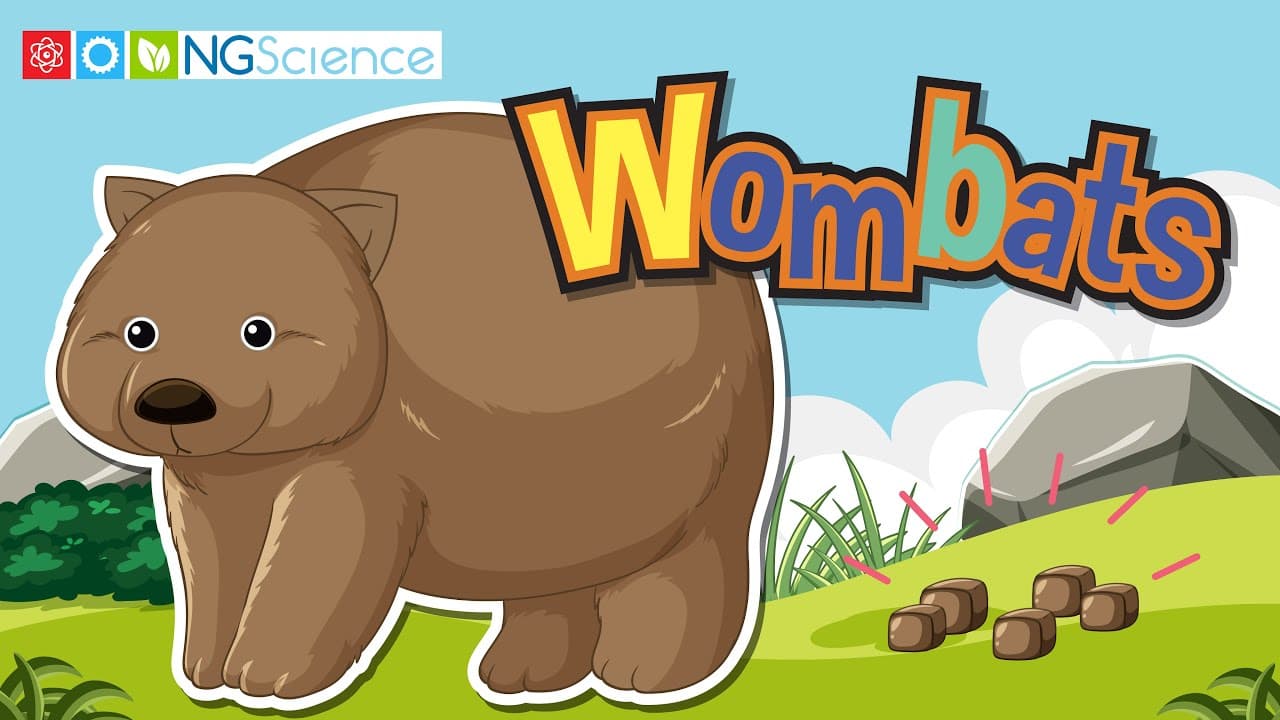
This engaging nature documentary takes young viewers on a journey to the Australian outback to uncover the secrets of one of its most unique inhabitants: the wombat. While famous neighbors like kangaroos and koalas often steal the spotlight, this video reveals why the wombat deserves attention, detailing its physical characteristics, burrowing behaviors, and unique adaptations. From their sturdy, bulldozer-like bodies to their surprising cube-shaped scat, the video provides a comprehensive look at how this marsupial survives and thrives in the wild. Key themes explored in the video include animal adaptations, structural function, and the life cycle of marsupials. The narration highlights specific evolutionary traits, such as the backward-facing pouch that prevents dirt from entering while digging and continuously growing teeth suited for a tough diet of bark and roots. It also introduces biological concepts like nocturnal behavior, territory marking, and the definition of a marsupial, using the wombat as a primary case study. For educators, this video is a treasure trove of memorable examples for teaching structure and function in biology. The clear explanation of *why* the wombat's pouch faces backward offers a perfect illustration of adaptation for elementary students. Furthermore, the fun fact about cube-shaped poop serves as an excellent hook to engage students in conversations about animal communication and biological processes. It is versatile enough to support lessons on habitats, animal diets, and informational report writing.

Next Generation ScienceNext Generation Science

3mins 1s

Whale Sharks Explained: The Largest Fish in the Sea

Whale Sharks Explained: The Largest Fish in the Sea

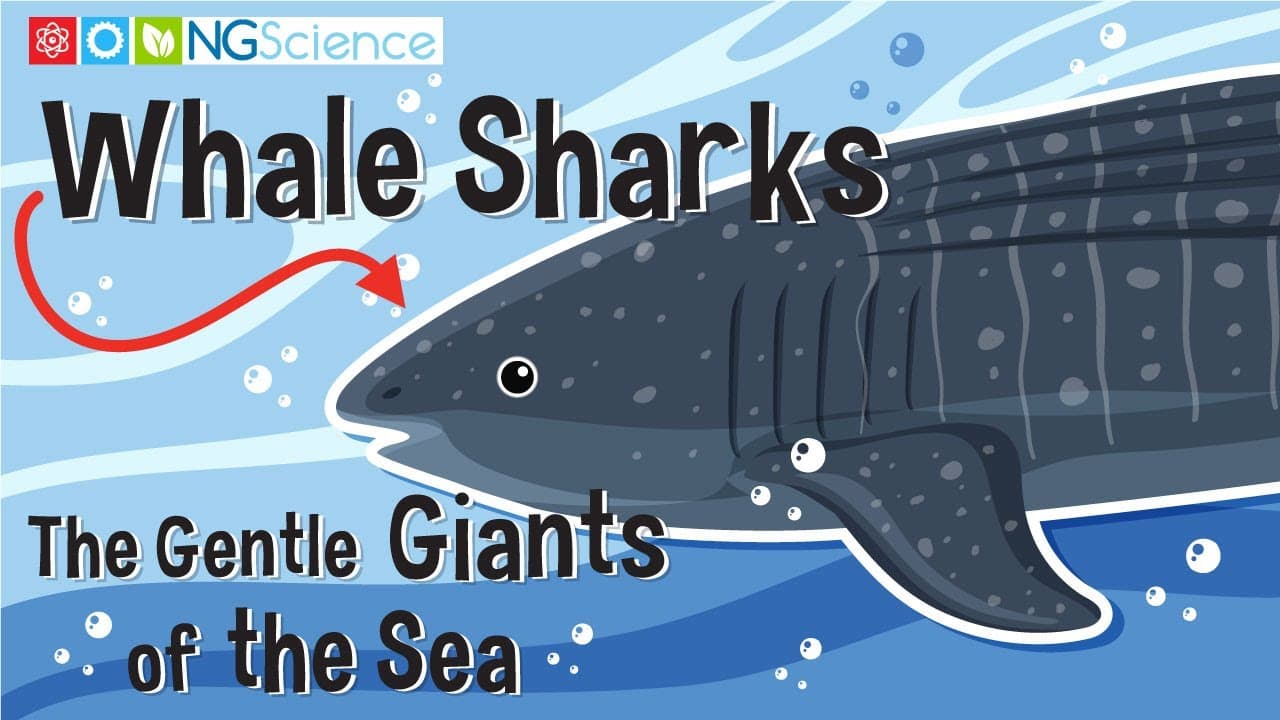
This educational video provides a comprehensive profile of the Whale Shark, clarifying its biological classification as the world's largest fish rather than a whale. Through high-quality underwater footage, the narration explores the creature's anatomy, feeding habits, and gentle temperament. The video systematically breaks down the distinctions between sharks and whales, explains the specific scientific order Whale Sharks belong to, and details their unique physical traits like their distinctive spot patterns and massive five-foot-wide mouths used for filter feeding. Key themes include marine taxonomy (distinguishing fish from mammals), animal adaptations, ecosystem roles, and conservation. The video delves into the shark's habitat in warm global waters, its migratory nature, and its solitary behavior. Significant attention is given to the conservation status of Whale Sharks, which are listed as a vulnerable species due to threats from human activities such as overfishing and accidental capture, highlighting the importance of global protection efforts. For educators, this video serves as an excellent resource for biology and environmental science units. It offers clear visual examples of specific adaptations like gill slits and filter feeding mechanisms, making abstract biological concepts concrete. The content naturally bridges into discussions about human impact on marine ecosystems and the importance of international cooperation in wildlife conservation. Its clear pacing and definitions make it accessible for upper elementary and middle school students studying ocean life, classification, or environmental stewardship.
Next Generation ScienceNext Generation Science

4mins 34s

Discovering the Unique Wildlife of the Australian Outback

Discovering the Unique Wildlife of the Australian Outback

This engaging virtual field trip transports students to the vast, arid landscapes of the Australian Outback to explore its unique ecosystem. Hosted by two narrators who trade fun facts and banter, the video introduces the harsh climate of central and northern Australia before diving into a survey of the continent's most iconic wildlife. From cuddly marsupials to deadly predators, the video provides a balanced look at the biodiversity that thrives in this challenging environment. The video covers a wide range of biological themes, specifically focusing on physical and behavioral adaptations. Students learn about marsupials like kangaroos and koalas, investigate the defense mechanisms of reptiles like the inland taipan and thorny devil, and explore the hunting strategies of birds like the kookaburra and wedge-tailed eagle. Special attention is given to how these animals have evolved to survive extreme heat and scarcity, such as the taipan changing color to regulate temperature. Ideally suited for elementary and middle school science classes, this resource serves as an excellent anchor for units on habitats, adaptations, and biodiversity. The clear narration and vivid footage make complex concepts like venom toxicity and territorial behavior accessible. Teachers can use this video to spark discussions on predator-prey relationships, the difference between native and introduced species, and the geography of the Southern Hemisphere.

Next Generation ScienceNext Generation Science

10mins 15s

Materials

BioGraph Essentials Worksheet

BioGraph Essentials Worksheet

A heavily scaffolded New York Life Science Biology worksheet featuring side-by-side construction tasks for both a line graph (continuous aquatic data) and a bar graph (categorical mammalian heart rates), complete with data tables, grids, and analysis prompts.

S

stewart

Lens Detectives Lab Activity

Lens Detectives Lab Activity

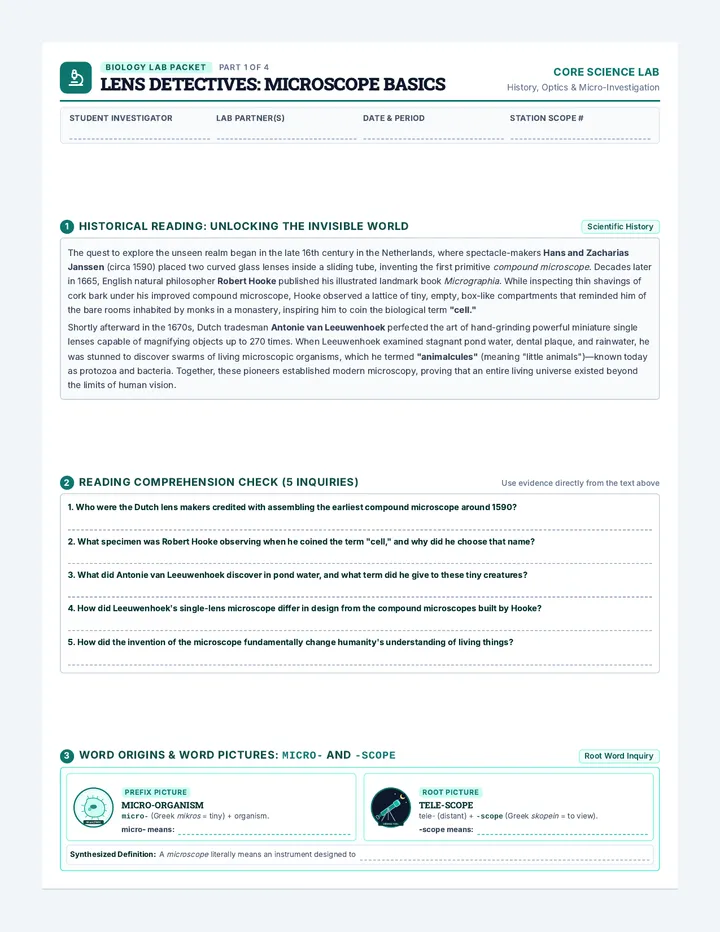
A comprehensive 4-page laboratory investigation packet covering microscope history with comprehension questions, root word pictures, a labeled microscope anatomy diagram, magnification math, letter 'e' inversion inquiry, and pond water wet-mount microscopy with realistic 400x photomicrograph views of Euglena, Paramecium, Amoeba, and Diatoms.

S

stewart

Bear Life Loop Cut and Paste Worksheet

Bear Life Loop Cut and Paste Worksheet

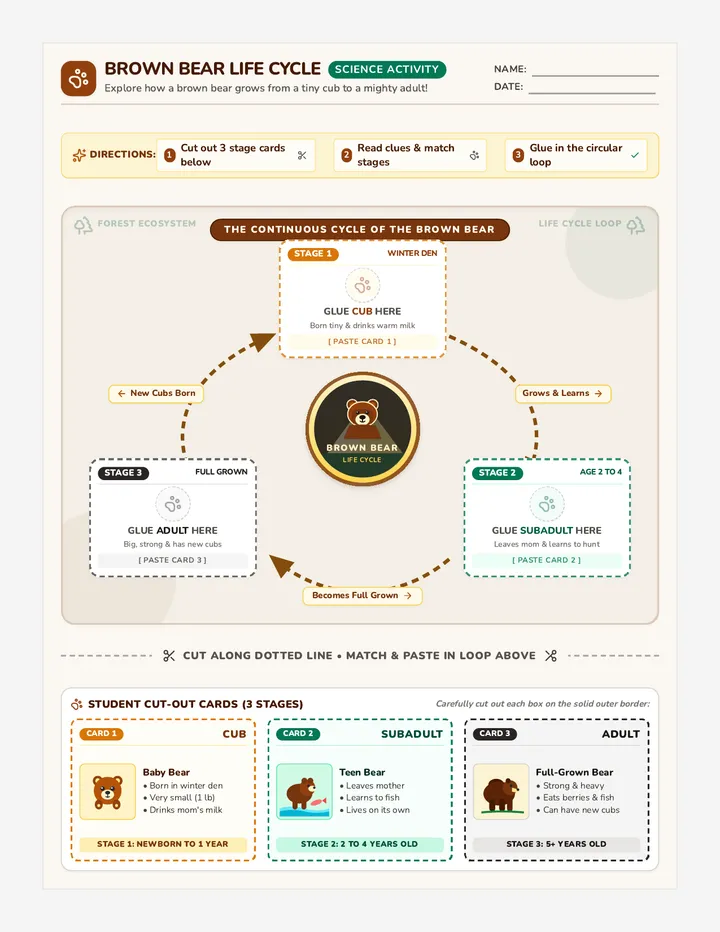
A print-ready cut-and-paste life cycle worksheet featuring a circular diagram of the brown bear with stages for cub, subadult, and adult. Designed for developing readers with visual stage cards, bold vocabulary, and guided placement targets.

S

sjcarr

Wild Adventure Log Guest Form Plus Plus Plus Plus Plus

Wild Adventure Log Guest Form Plus Plus Plus Plus Plus

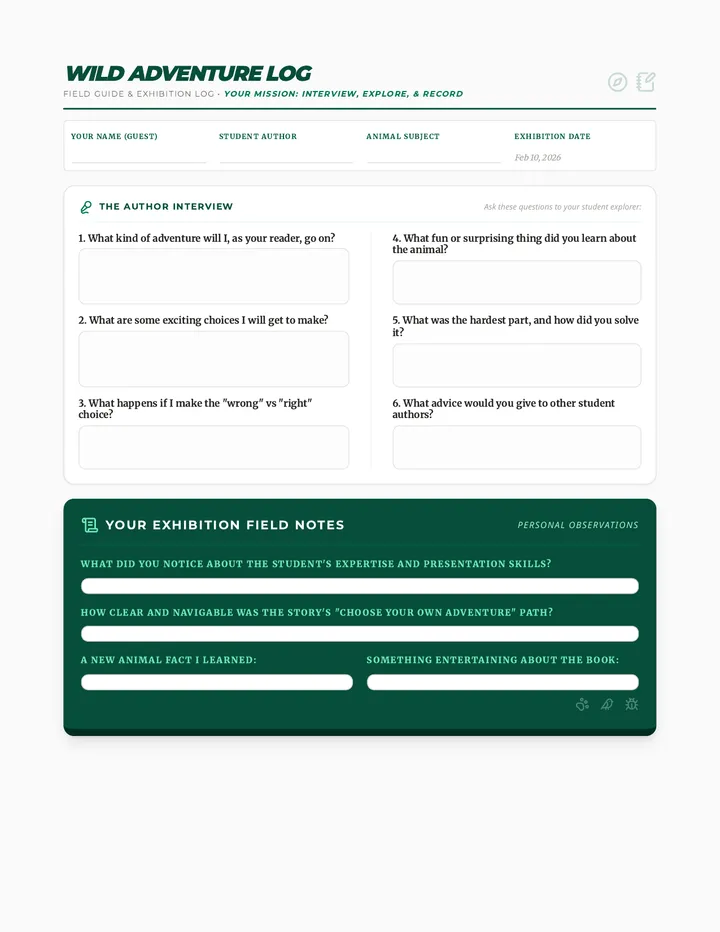
A 2nd-person 'Wild Adventure Log' guest form with maximized writing space. It features a side-by-side author interview/process section and a large Guest Observation area, all designed for comfortable handwriting on a single page.

E

epate

Bird Words Slides

Bird Words Slides

A two-slide vocabulary presentation introducing 9 essential bird-science terms for Birds: Wings and Feathers. Slide 1 covers cavity, glide, insulation, and nest; Slide 2 covers flock, feather, plumage, nectar, and attract with elementary-friendly definitions, illustrations, and sentence examples.

LH

Lyndsey Hughes

Eco Logic CER Worksheet

Eco Logic CER Worksheet

A verbatim restoration of the original CER packet for biotic and abiotic factors, featuring a reconstructed central graphic and significantly expanded writing space across four pages for classroom use. Claim section has been reduced to three writing lines and Evidence section to eight lines as requested. Header contrast and graphic connections have been further polished.

LN

Leah Nickols

Sequences

Cell Discovery Guide Worksheet

Hidden Worlds Sequence

A comprehensive one-week unit covering the foundations of cell theory, the technical mastery of microscopes, and the fascinating structures of unicellular organisms (Amoeba, Paramecium, Euglena, and Volvox).

S

sam

12
Wave Racer CER Bellringer

Wave Runners Sequence

A comprehensive physics unit covering the behavior of mechanical and electromagnetic waves. Students transition from hands-on slinky exploration to advanced optical modeling and mathematical derivations.

OM

Olutoyin Makinde

65
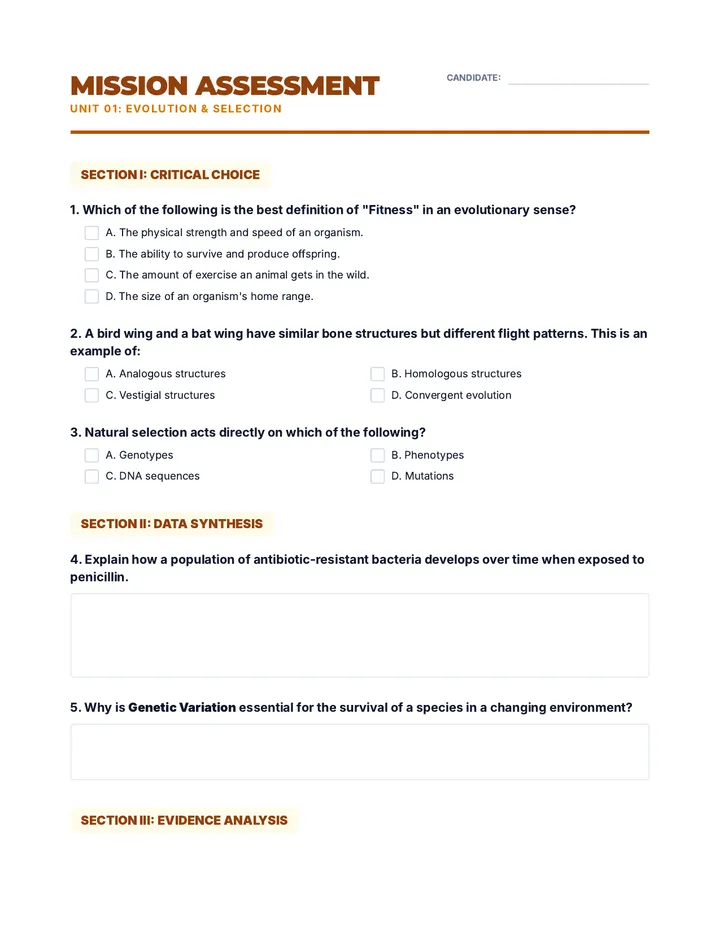
Detective Entry Exam Assessment

Defense Detectives

A 10-session Tier 2 intervention for 4th-grade students focused on vocabulary and comprehension, aligned with EL Education Module 2 (Animal Defenses). Students act as 'Defense Detectives' to investigate how animals survive in the wild.

S

svallely

29
Climate Crisis Slides

Science Essentials Vault

A comprehensive collection of core science units covering Environmental Science, Biology, and Physical Science. This sequence provides high-impact instructional slides, hands-on lab experiences, guided notes, and differentiated assessments for five major scientific domains.

CB

Chloe Brown

25
Hess Pathfinders Slides

Energy in Chemical Bonds

A five-day high school chemistry unit exploring thermochemistry, collision theory, enthalpy diagrams, and calorimetry through the lens of body heat and chemical reactions. Students investigate the anchoring phenomenon of exercise-induced heat while mastering TEKS C.13 standards.

OM

Olutoyin Makinde

48
Evolution Assessment Quiz

Biology Recovery Sprint

A high-intensity biology credit recovery program focused on high-yield standards: Evolution, Systems, Viruses, and Cellular Genetics.

PB

Priyadarshini Bharath

15