Lenny.com
Explore
Create
ActivitiesNewMathEnglish Language ArtsScience & EngineeringSocial StudiesGlobal LanguagesHealth & Physical EducationSpecial EducationCounseling & Life SkillsArts & CreativityESL
Lenny.com
Lenny.com
Explore
Create
ActivitiesNewMathEnglish Language ArtsScience & EngineeringSocial StudiesGlobal LanguagesHealth & Physical EducationSpecial EducationCounseling & Life SkillsArts & CreativityESL
Lenny.com
Lenny.com

Solutions

Lenny for EducatorsLenny for SchoolsLenny for Districts

Product

ExploreSign inCreateSupportAbout

Resources

Getting startedMTSS Acceleration Program

© 2026 Lenny Learning Inc.

TermsPrivacyAccessibility
LinkedInInstagramX
Lenny

Body Systems

Structural and functional overviews of the skeletal, muscular, nervous, and circulatory systems. Examines how individual organs collaborate to maintain homeostasis and support human life.

Science & EngineeringLife ScienceLiving ThingsAnimalsPlantsBody SystemsTraitsAdaptationsCellsEcosystemsHeredityGenes to TraitsCell DivisionPhysicsComparing MaterialsShapes and PropertiesMagnetsMagnetismLightSoundLight and SoundMatterStates of MatterChanges of StateMixturesPhysical and Chemical ChangeHeating and CoolingHeat and Thermal EnergyEnergyForce and MotionElectrical CircuitsAtoms and MoleculesPeriodic TableMotion in One DimensionMotion in Two DimensionsScalars and VectorsForces and Laws of MotionCircular Motion and GravityMomentum and ImpulseWork, Energy, and PowerWavesElectromagnetic WavesGeometric OpticsElectricity and MagnetismSimple Harmonic MotionThermodynamicsNuclear PhysicsEarth Science & AstronomyWeatherWater CycleRocks and MineralsFossilsEarth's FeaturesEarth's ResourcesEarth's StructureWeather and ClimateEarth EventsFossils and Geologic TimePlate TectonicsHuman ImpactsAstronomyChemistryUnits and MeasurementAtomic StructurePeriodic TrendsChemical BondingNomenclatureMolecular StructureIntermolecular ForcesThe MoleStoichiometryProperties of GasesSolutionsChemical ReactionsBalancing EquationsEnergy ChangesRates of ReactionsEquilibriumAcids and BasesQuantum ModelBiologyClassificationCell StructureThe Chemistry of LifeBiomoleculesCellular TransportCell EnergyCell Growth and DivisionDNAProtein SynthesisMeiosis and Sexual ReproductionPatterns of InheritanceMulticellular OrganismsEvolutionEcologyBiodiversityComputer ScienceAlgorithms and Computational ThinkingProgramming LanguagesComputing SystemsNetworks and InternetData AnalysisCybersecurityAI and Machine LearningSoftware Design and DevelopmentBlockchainEngineering & AIDesigning ExperimentsEngineering PracticesDesign ThinkingEngineering Design ProcessMechanical EngineeringElectrical EngineeringMaterials and StructuresCAD and 3D DesignRoboticsArtificial Intelligence BasicsVibe CodingMachine LearningAI Ethics and SocietySystems ThinkingEntrepreneurship & InnovationEntrepreneurial MindsetBusiness Idea DevelopmentBusiness Plan BasicsMarketing & Customer DiscoveryFinancial Management for Startups

Videos

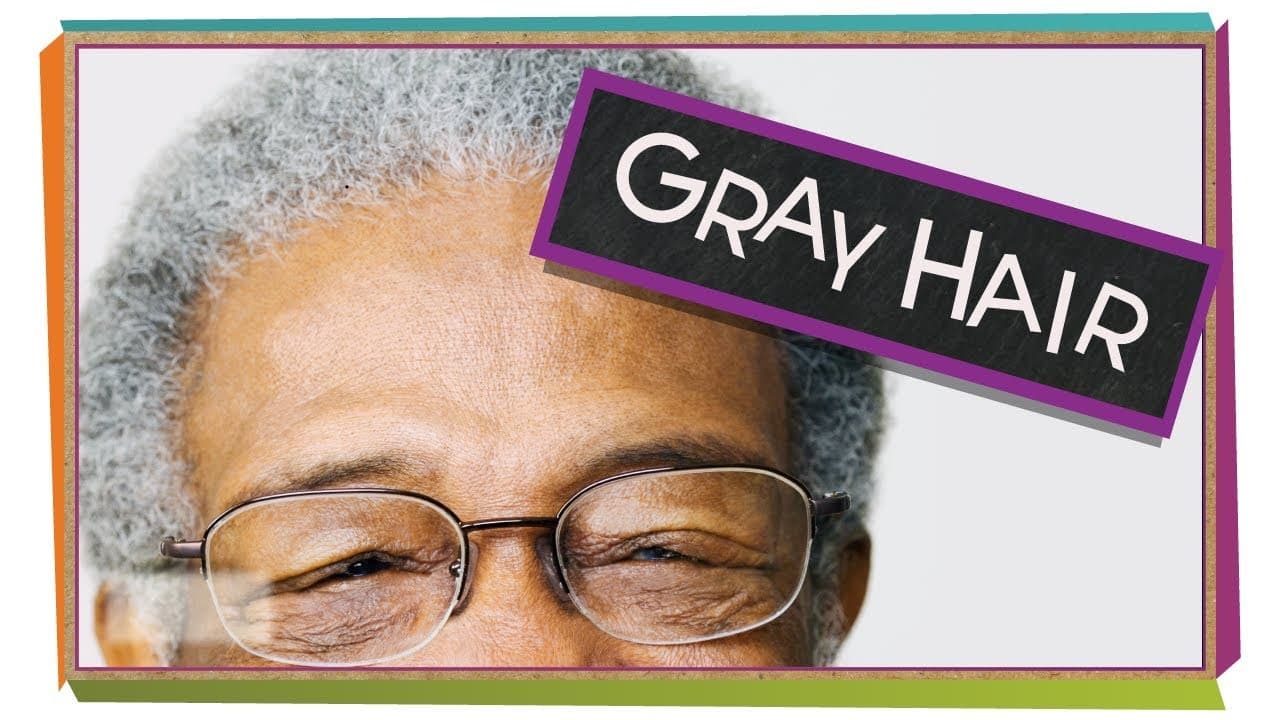
Why Hair Turns Gray As We Get Older

Why Hair Turns Gray As We Get Older

This educational video from SciShow Kids explores the biological reasons behind why human hair changes color as we age. Hosted by Jessi and her robot mouse friend Squeaks, the video answers a common curiosity: "Where does gray hair come from?" It breaks down the anatomy of a hair strand, introducing students to follicles, melanin, and melanocytes in an accessible way. The content covers key biological themes including cell function, human growth and development, and diversity in physical traits. Through clear animations and analogies, it explains how hair follicles act like factories, how melanin provides color to our hair, skin, and eyes, and how the gradual loss of pigment-producing cells (melanocytes) results in gray or white hair. Ideally suited for elementary science classrooms, this video helps demystify the aging process and celebrates human diversity. It provides excellent opportunities for teachers to introduce cellular biology concepts using simple analogies, discuss how bodies change over time, and explore the science of pigmentation. The tone is positive and normalizing, making it a great resource for health or biology units.

SciShow KidsSciShow Kids

2mins 55s

How Your Heart and Circulatory System Work

How Your Heart and Circulatory System Work

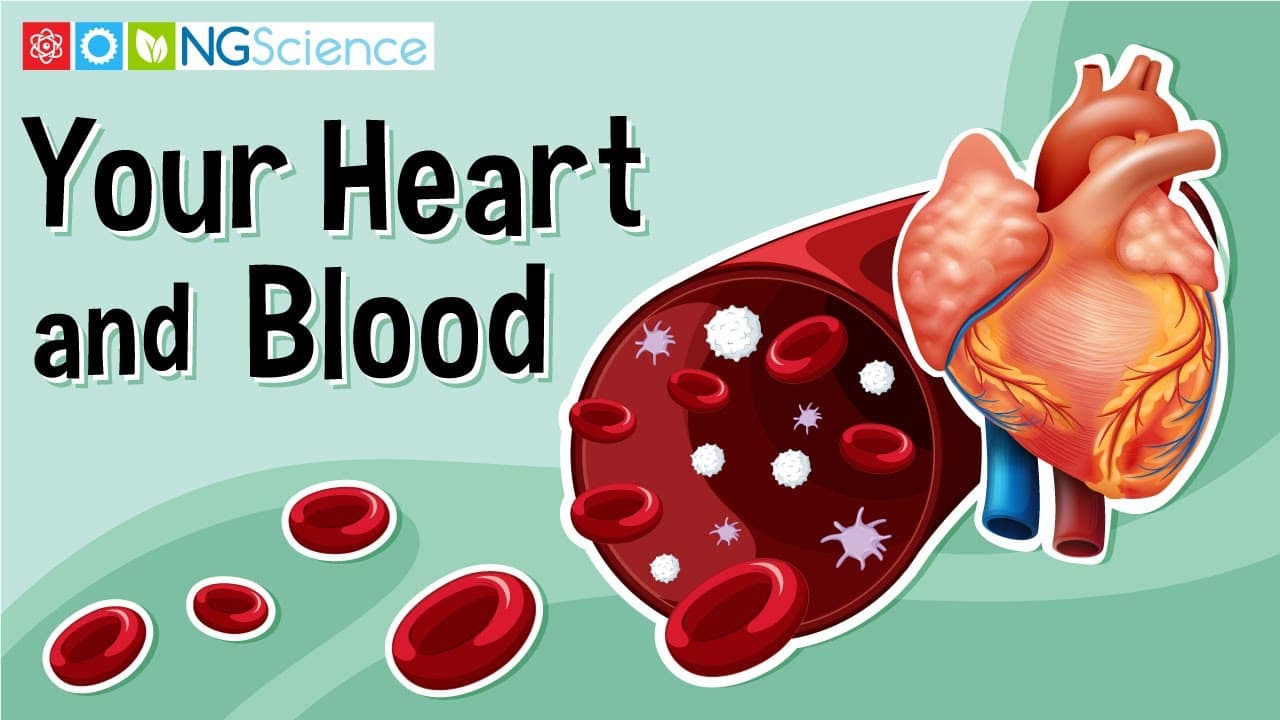
This educational video provides a clear and accessible introduction to the human heart and the circulatory system for elementary students. It begins by establishing the concept that the body is made of various parts with specific functions, distinguishing between external parts like legs and noses, and internal parts like organs. The narrative then zooms in on the heart, describing it as a tireless muscle located in the chest that serves as the central pump for the body. The video breaks down the mechanics of circulation using high-quality animations and diagrams. It explains how the heart pumps blood through a network of tubes called blood vessels, specifically introducing the difference between arteries (carrying blood away from the heart) and veins (carrying blood back to the heart). The content visualizes blood cells moving through vessels and uses schematic diagrams to show the flow of blood between the heart, lungs, and the rest of the body. Teachers can use this video as a foundational element in a human body systems unit. It effectively defines the "Circulatory System" by naming its three key components: the heart, blood vessels, and blood. The combination of relatable real-world footage (children playing) and scientific diagrams makes it an excellent bridge between a child's lived experience of their body and the biological processes happening inside them.

Next Generation ScienceNext Generation Science

1min 55s

How Sound Vibrations Travel to Our Ears

How Sound Vibrations Travel to Our Ears

Join Jessi and Squeaks the Robot in this engaging exploration of sound science. The video begins with a listening exercise to help viewers realize that sounds are constantly around them, differentiating between "noise" (unpleasant sounds like traffic) and "music" (organized notes). The core concept of vibration is introduced as the source of all sound, explaining that sound is simply rapid back-and-forth movement.

SciShow KidsSciShow Kids

3mins 58s

Exploring Sound Energy and How It Travels

Exploring Sound Energy and How It Travels

This engaging science video explores the fundamental concepts of sound energy, defining it as mechanical energy created by vibrations. Hosted by a presenter who uses humor and clear demonstrations, the lesson breaks down complex physics concepts into accessible segments. It covers the creation of sound through vibration, the anatomy of the ear including the role of the eardrum, and how the brain interprets these signals as distinct noises.

Miacademy & MiaPrep Learning ChannelMiacademy & MiaPrep Learning Channel

8mins 58s

Exploring the Musculoskeletal System: How We Move

Exploring the Musculoskeletal System: How We Move

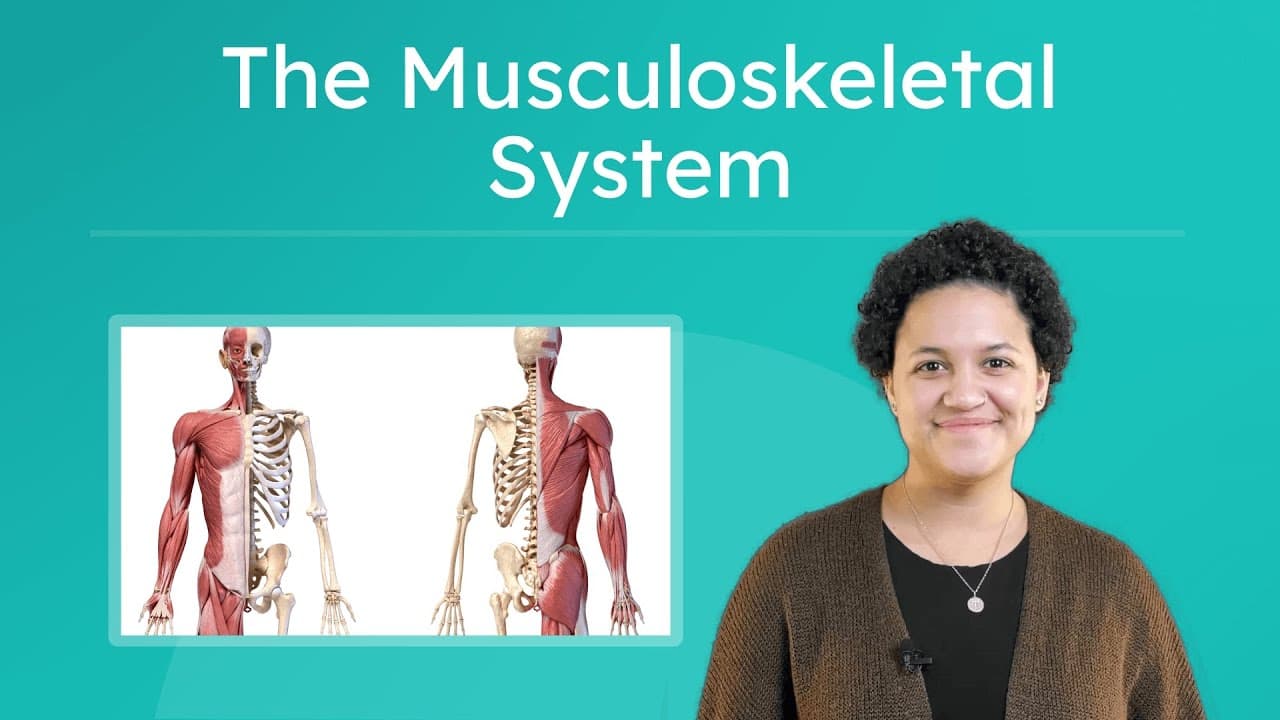
This comprehensive biology video explores the intricate relationship between muscles and bones, treating them as a unified musculoskeletal system. Hosted by Taylor, the lesson breaks down the specific anatomy and physiology required for human movement, moving beyond simple descriptions to explain the cellular and structural composition of body tissues. The video utilizes clear animations and diagrams to visualize internal structures like bone marrow, muscle fibers, and joint connections that students cannot easily observe otherwise. The content covers three primary areas: the types of muscle tissue (smooth, cardiac, and skeletal), the internal structure of living bone (compact, spongy, and marrow), and the connective tissues that bind them together (ligaments and tendons). It addresses common misconceptions—specifically that bones are non-living structures—and explains the physiological mechanics of how muscles contract to pull bones. Additionally, the video dedicates a significant portion to health education, outlining the role of nutrition (protein, calcium, Vitamin D), exercise, and sleep in maintaining this system. For educators, this video serves as a perfect core lesson for units on the human body, anatomy, or health. It effectively bridges the gap between identifying organs and understanding their function. The clear distinction made between voluntary and involuntary muscles, as well as the mechanical explanation of tendons versus ligaments, provides excellent anchor points for classroom demonstrations and physical education cross-integration.
Miacademy & MiaPrep Learning ChannelMiacademy & MiaPrep Learning Channel

11mins 28s

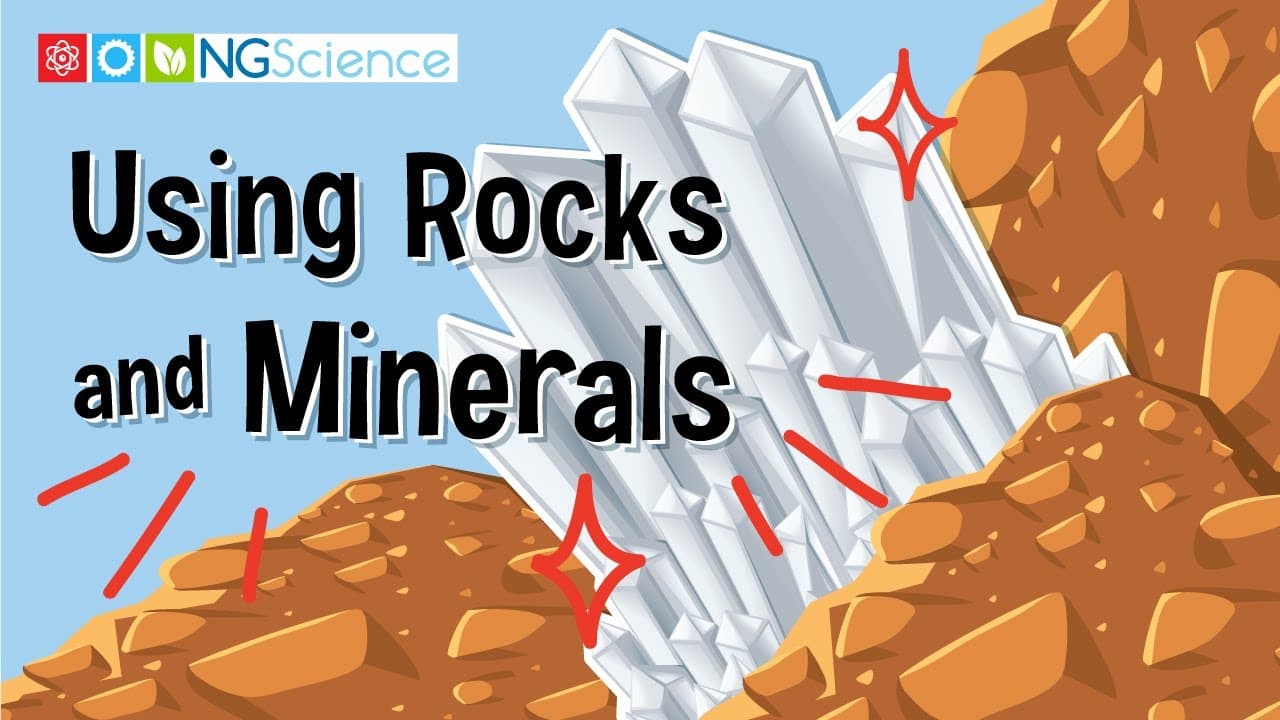
How We Use Rocks and Minerals in Everyday Life

How We Use Rocks and Minerals in Everyday Life

This educational video provides a clear and engaging overview of how rocks and minerals are utilized in our daily lives. Moving beyond simple geological definitions, the narration connects raw earth materials to finished products students recognize, such as houses, roads, skyscrapers, and electrical wires. It illustrates the transformation of raw ores like bauxite and iron into essential materials like aluminum and steel. The video explores several key themes including construction materials, industrial metals, decorative uses in jewelry, and biological necessity. Uniquely, it bridges the gap between geology and biology by explaining how minerals like potassium and fluoride play critical roles in human health, specifically for muscle function and dental hygiene. This helps students understand that minerals are not just stones on the ground, but integral parts of their bodies and technologies. For educators, this resource serves as an excellent hook for units on Earth Science, natural resources, or nutrition. It provides concrete examples that answer the common student question, "Why do we need to learn about rocks?" The visual examples allow for easy connections to classroom objects and personal experiences, making abstract supply chains tangible for young learners.

Next Generation ScienceNext Generation Science

1min 44s

Materials

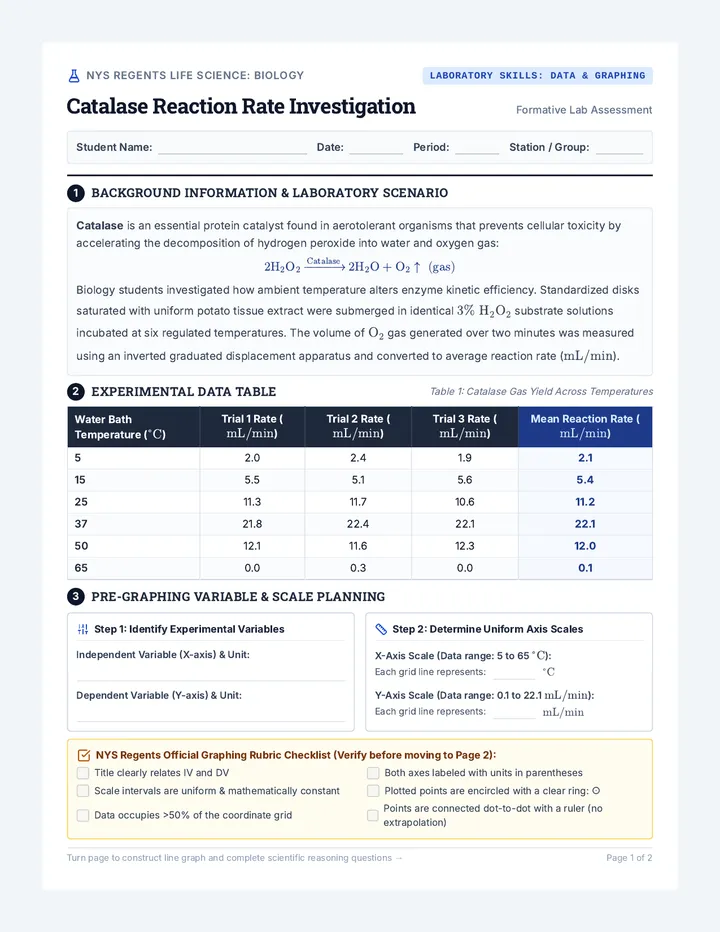
Pulse Rate Graph Lab Worksheet

Pulse Rate Graph Lab Worksheet

A two-page NY State Regents Life Science biology graphing lab worksheet with background instruction on Regents graphing rules, student pulse data collection, graph plotting, controlled variables analysis, and homeostatic recovery reasoning.

S

stewart

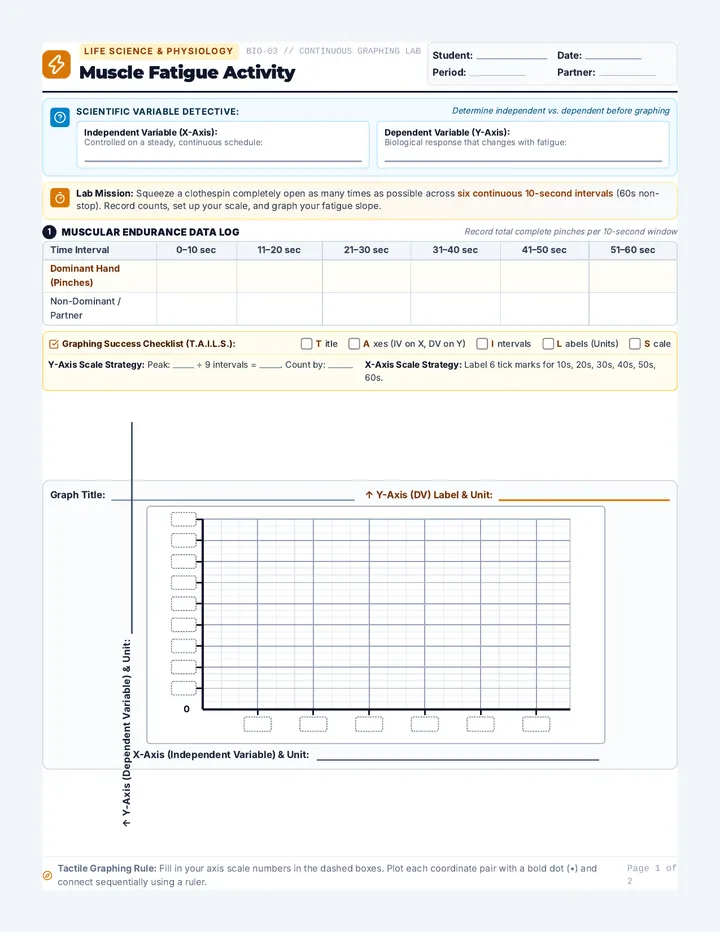
Muscle Fatigue Activity

Muscle Fatigue Activity

A 2-page hands-on life science printable activity where students measure clothespin pinch frequency across six 10-second intervals to map muscular fatigue, independently identify the independent and dependent variables, determine their coordinate scale, and construct a precision line graph on a full coordinate grid.

S

stewart

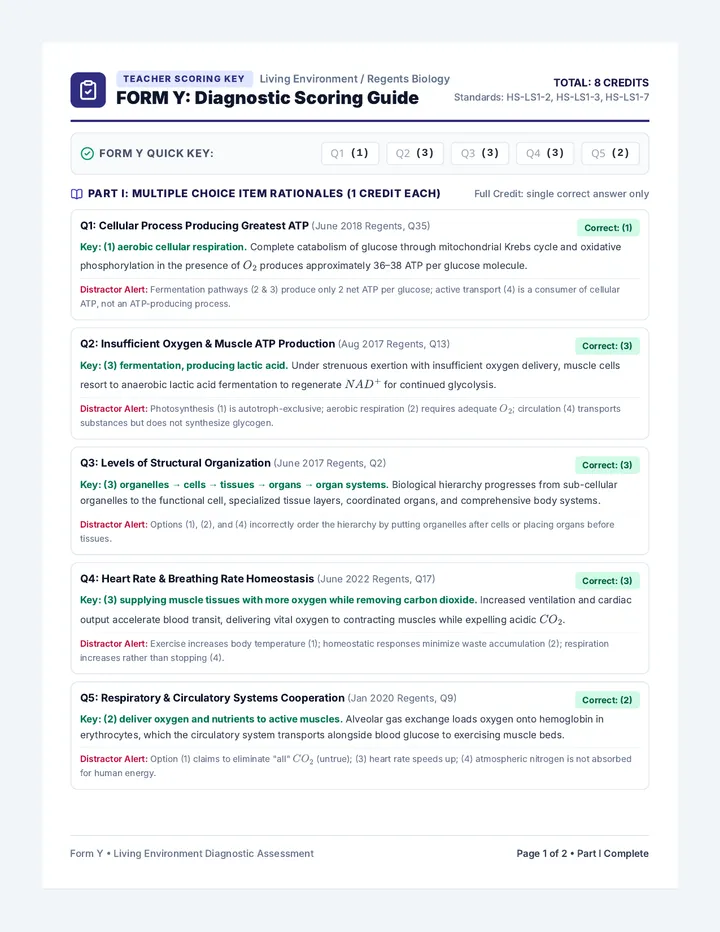
Form Y Biology Answer Key

Form Y Biology Answer Key

Complete teacher scoring key and rubric for Form Y of the Regents Biology exam. Features item rationales, distractor analyses, acceptable constructed responses, and NYS Regents grading criteria for body systems, homeostasis, and cellular energy.

J

jelterman

Spinning Skeleton Slides

Spinning Skeleton Slides

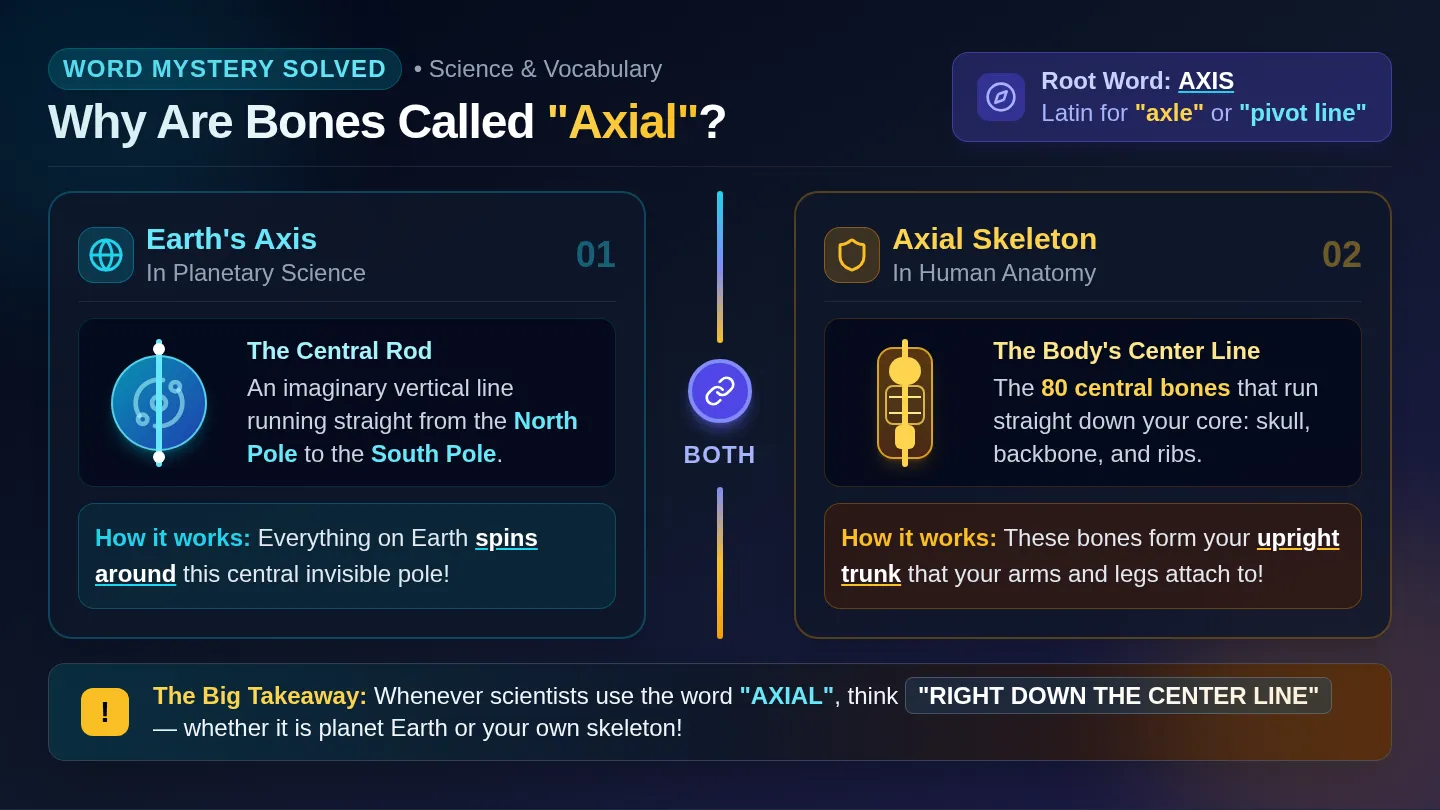
A comprehensive 6-slide presentation covering the Earth's axis connection, axial anatomy, and complete unit vocabulary from the textbook with exact definitions, sentences, and 3rd-grade visual illustrations.

LH

Lyndsey Hughes

Life Science Graph Lab Practice Worksheet

Life Science Graph Lab Practice Worksheet

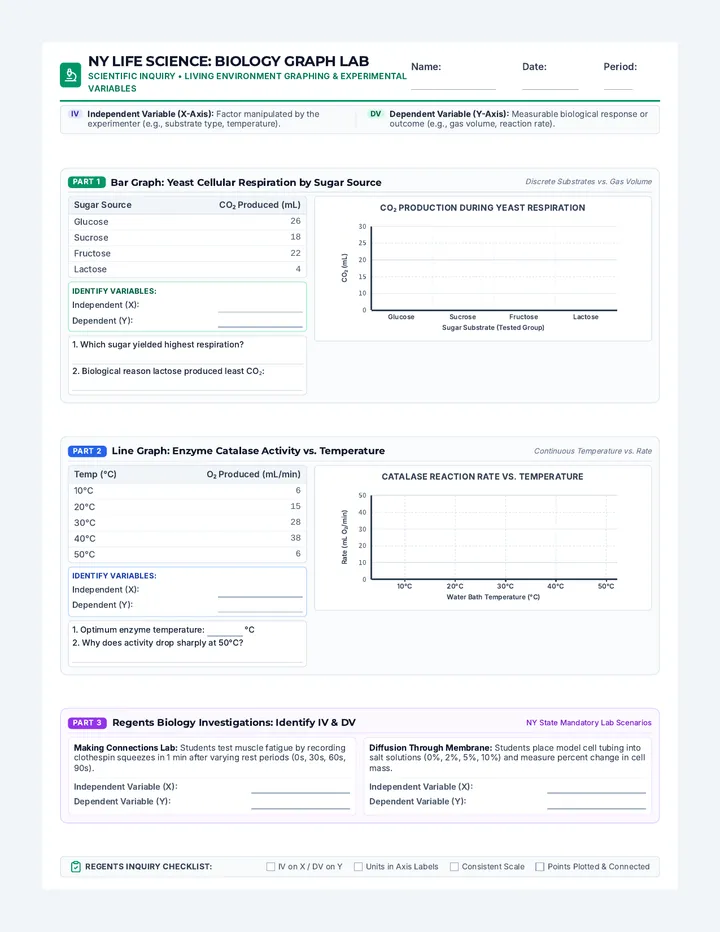
A NY Life Science / Living Environment biology practice worksheet aligned with NYSSLS, featuring yeast cellular respiration bar graphs, enzyme temperature line graphs, and Regents state lab variable identification.

S

stewart

Cuerpo y Sentidos Worksheet

Cuerpo y Sentidos Worksheet

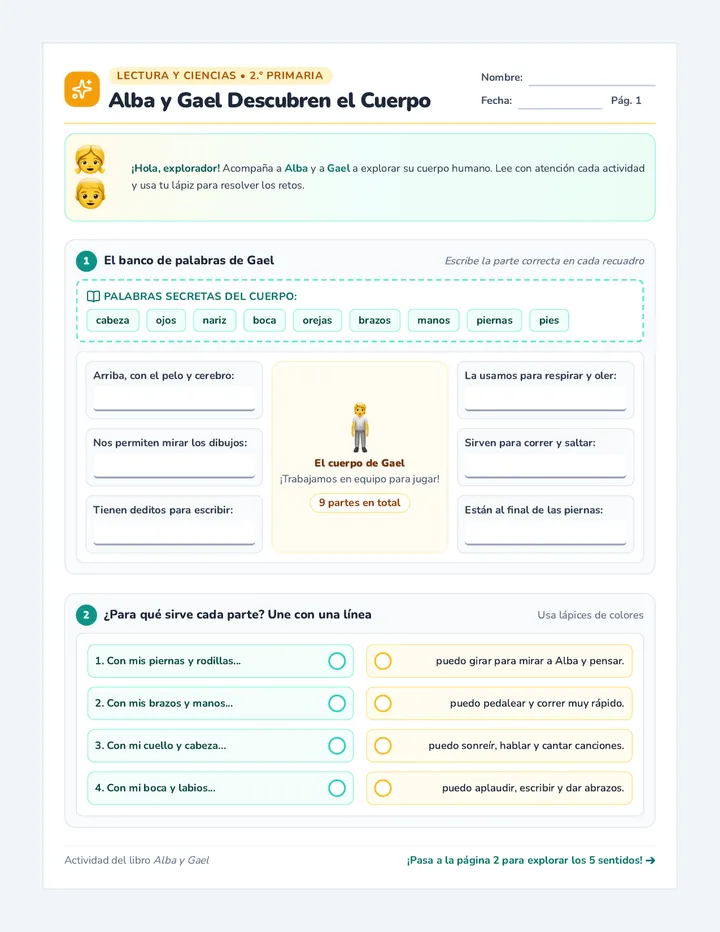
Hoja de actividades de dos páginas en español para segundo grado sobre las partes del cuerpo y los cinco sentidos con Alba y Gael, adaptada con un tamaño de letra mínimo de 12px (text-xs) para garantizar una lectura clara y accesible para niños de primaria.

N

Nancy

Sequences

Wave Racer CER Bellringer

Wave Runners Sequence

A comprehensive physics unit covering the behavior of mechanical and electromagnetic waves. Students transition from hands-on slinky exploration to advanced optical modeling and mathematical derivations.

OM

Olutoyin Makinde

65
Hess Pathfinders Slides

Energy in Chemical Bonds

A five-day high school chemistry unit exploring thermochemistry, collision theory, enthalpy diagrams, and calorimetry through the lens of body heat and chemical reactions. Students investigate the anchoring phenomenon of exercise-induced heat while mastering TEKS C.13 standards.

OM

Olutoyin Makinde

48
Evolution Assessment Quiz

Biology Recovery Sprint

A high-intensity biology credit recovery program focused on high-yield standards: Evolution, Systems, Viruses, and Cellular Genetics.

PB

Priyadarshini Bharath

15
Aerobic Respiration Lesson Slides

Cellular Respiration Cycle

A comprehensive multi-day middle school life science sequence aligned with NYS learning standards exploring aerobic and anaerobic cellular respiration, matter recycling, and energy flow powered by the sun.

JE

Jeffrey Elterman

8
Mouth Manners Worksheet

Inside Scoops

A 5-day comprehensive reading unit that explores the human digestive system while building critical literacy skills like using context clues, sequencing, identifying main ideas, and analyzing cause and effect.

SP

sashagaye Panton

6
Sea Parts Vocabulary Worksheet

Ocean Architects

A sequence of lessons exploring the specialized anatomy and physical structures of marine organisms, from basic fish biology to the complex adaptations that allow them to thrive in diverse oceanic environments.

JS

Jasmine Silva Villa

24