Lenny.com
Explore
Create
ActivitiesNewMathEnglish Language ArtsScience & EngineeringSocial StudiesGlobal LanguagesHealth & Physical EducationSpecial EducationCounseling & Life SkillsArts & CreativityESL
Lenny.com
Lenny.com
Explore
Create
ActivitiesNewMathEnglish Language ArtsScience & EngineeringSocial StudiesGlobal LanguagesHealth & Physical EducationSpecial EducationCounseling & Life SkillsArts & CreativityESL
Lenny.com
Lenny.com

Solutions

Lenny for EducatorsLenny for SchoolsLenny for Districts

Product

ExploreSign inCreateSupportAbout

Resources

Getting startedMTSS Acceleration Program

© 2026 Lenny Learning Inc.

TermsPrivacyAccessibility
LinkedInInstagramX
Lenny

Systems Thinking

Interconnected components, feedback loops, and holistic design principles for complex technical environments. Examines emergent behaviors and unintended consequences within artificial intelligence and large-scale engineering projects.

Science & EngineeringLife ScienceLiving ThingsAnimalsPlantsBody SystemsTraitsAdaptationsCellsEcosystemsHeredityGenes to TraitsCell DivisionPhysicsComparing MaterialsShapes and PropertiesMagnetsMagnetismLightSoundLight and SoundMatterStates of MatterChanges of StateMixturesPhysical and Chemical ChangeHeating and CoolingHeat and Thermal EnergyEnergyForce and MotionElectrical CircuitsAtoms and MoleculesPeriodic TableMotion in One DimensionMotion in Two DimensionsScalars and VectorsForces and Laws of MotionCircular Motion and GravityMomentum and ImpulseWork, Energy, and PowerWavesElectromagnetic WavesGeometric OpticsElectricity and MagnetismSimple Harmonic MotionThermodynamicsNuclear PhysicsEarth Science & AstronomyWeatherWater CycleRocks and MineralsFossilsEarth's FeaturesEarth's ResourcesEarth's StructureWeather and ClimateEarth EventsFossils and Geologic TimePlate TectonicsHuman ImpactsAstronomyChemistryUnits and MeasurementAtomic StructurePeriodic TrendsChemical BondingNomenclatureMolecular StructureIntermolecular ForcesThe MoleStoichiometryProperties of GasesSolutionsChemical ReactionsBalancing EquationsEnergy ChangesRates of ReactionsEquilibriumAcids and BasesQuantum ModelBiologyClassificationCell StructureThe Chemistry of LifeBiomoleculesCellular TransportCell EnergyCell Growth and DivisionDNAProtein SynthesisMeiosis and Sexual ReproductionPatterns of InheritanceMulticellular OrganismsEvolutionEcologyBiodiversityComputer ScienceAlgorithms and Computational ThinkingProgramming LanguagesComputing SystemsNetworks and InternetData AnalysisCybersecurityAI and Machine LearningSoftware Design and DevelopmentBlockchainEngineering & AIDesigning ExperimentsEngineering PracticesDesign ThinkingEngineering Design ProcessMechanical EngineeringElectrical EngineeringMaterials and StructuresCAD and 3D DesignRoboticsArtificial Intelligence BasicsVibe CodingMachine LearningAI Ethics and SocietySystems ThinkingEntrepreneurship & InnovationEntrepreneurial MindsetBusiness Idea DevelopmentBusiness Plan BasicsMarketing & Customer DiscoveryFinancial Management for Startups

Videos

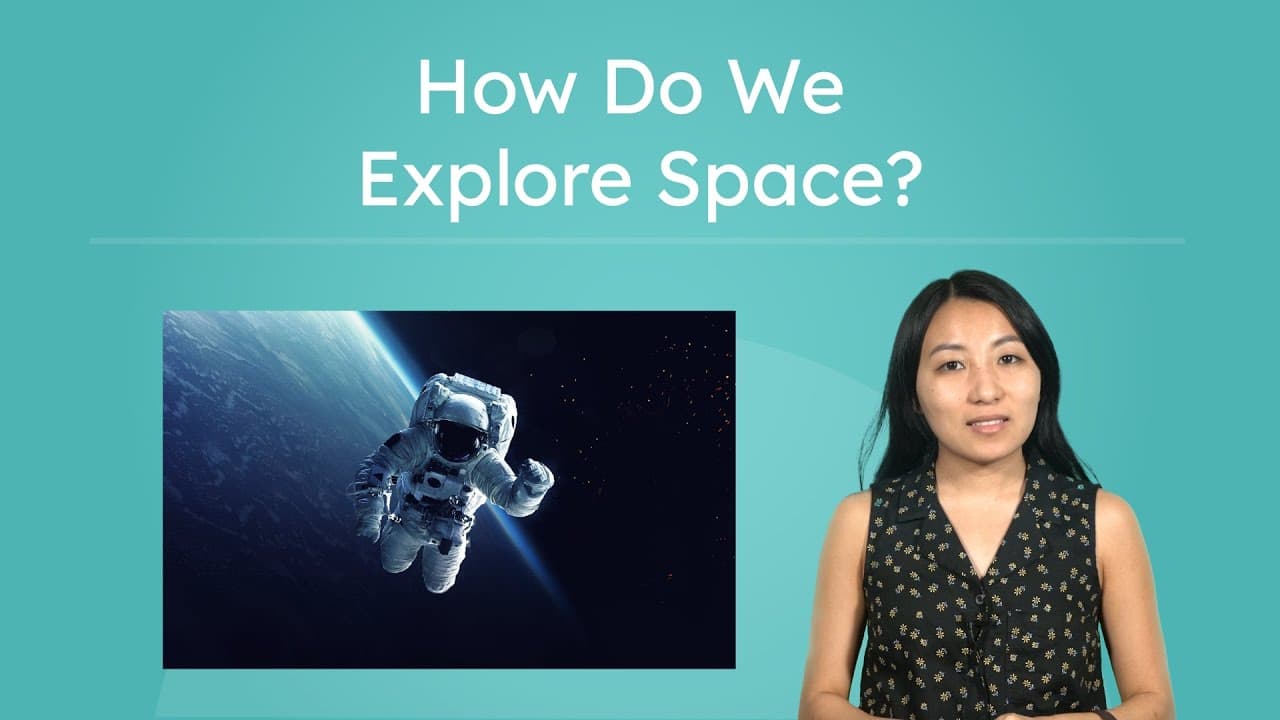
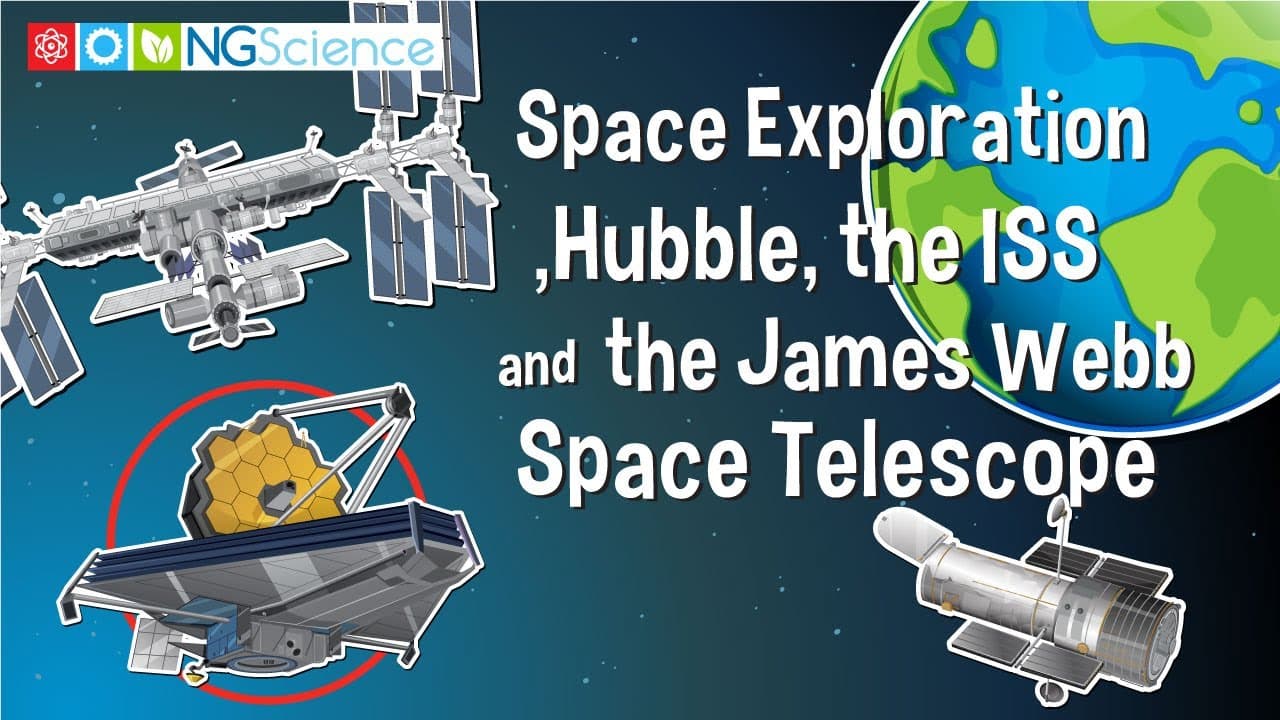
Exploring Space: Hubble, the ISS, and the James Webb Telescope

Exploring Space: Hubble, the ISS, and the James Webb Telescope

This educational video provides a concise yet comprehensive overview of humanity's presence in the solar system, moving from a broad look at our planetary neighborhood to specific human-made instruments orbiting in space. It begins by establishing the scale of the solar system, identifying the sun, planets, moons, and asteroids, before zooming in on Earth. The narrative then expands outward, introducing three critical pieces of space technology: the Hubble Space Telescope, the International Space Station (ISS), and the James Webb Space Telescope (JWST). A key focus of the video is illustrating the relative distances of these objects from Earth. Using clear animations and on-screen metrics (in both kilometers and miles), it visually demonstrates the vast difference between the Low Earth Orbit of the Hubble and ISS compared to the distant orbit of the Moon and the even more distant vantage point of the James Webb Telescope. This visual comparison helps students grasp the concept of space scale and orbital mechanics in an accessible way. For educators, this resource serves as an excellent bridge between lessons on the solar system and units on space exploration technology. It introduces complex concepts like the L2 Lagrange point and orbital distances with simple visuals, making it a valuable tool for discussing how astronomers study the universe. The video highlights themes of engineering marvels and international cooperation, providing multiple entry points for classroom discussion.
Next Generation ScienceNext Generation Science

1min 58s

How Wind Turbines Generate Clean Energy

How Wind Turbines Generate Clean Energy

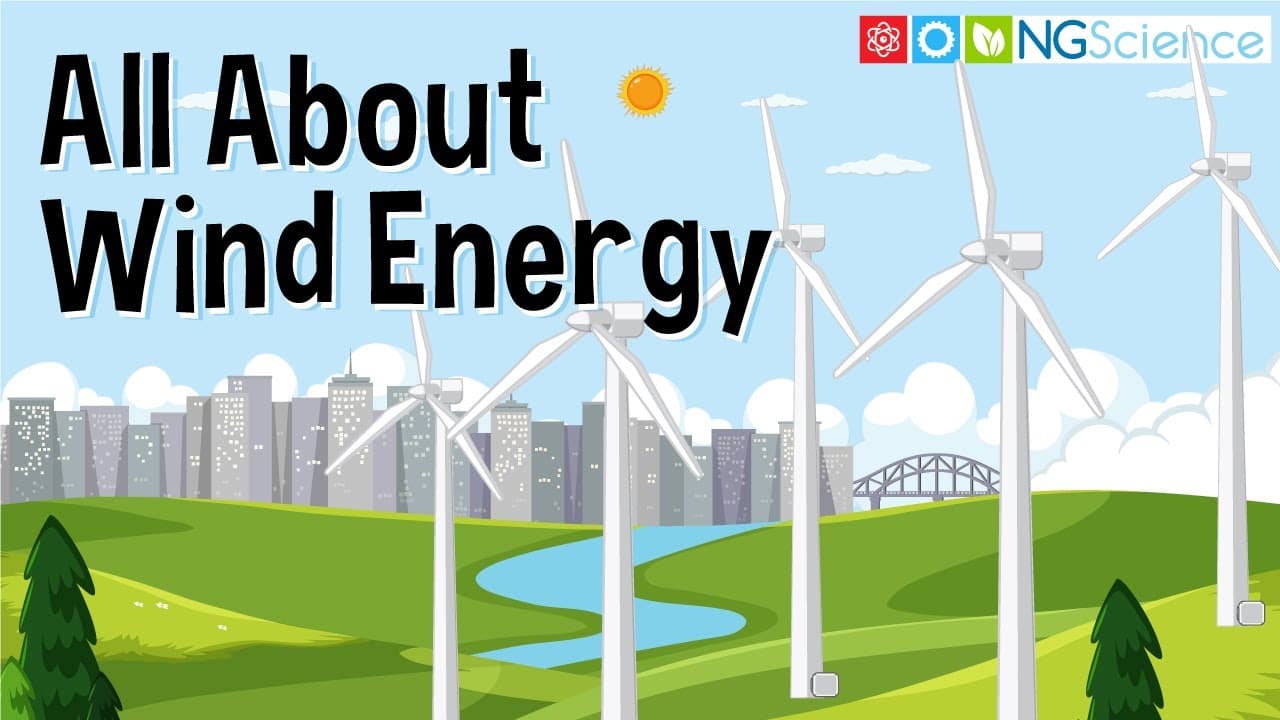
This educational video provides a clear and concise overview of wind energy, explaining how wind turbines function to generate electricity. It begins by establishing the importance of electricity in modern life before diving into the mechanics of energy conversion—specifically how kinetic energy from wind is transformed into electrical power through generators. The video utilizes clear diagrams to illustrate the internal components of a wind turbine, making complex engineering concepts accessible to students. Beyond just the mechanics, the video explores the broader implications of wind energy. It introduces the concept of "wind farms" and how they can power entire cities. Crucially, it discusses the environmental benefits of wind power as a clean, renewable resource that doesn't produce emissions. This sets the stage for discussions about sustainable living and alternative energy sources. The video concludes by presenting a balanced view, addressing the disadvantages of wind turbines, including their potential impact on wildlife like birds and bats, noise pollution, and high maintenance costs. This balanced perspective is excellent for critical thinking exercises, allowing students to weigh the pros and cons of renewable energy technologies and understand that engineering solutions often involve trade-offs.

Next Generation ScienceNext Generation Science

1min 45s

Solving Water Pollution: Prevention vs. Removal Strategies

Solving Water Pollution: Prevention vs. Removal Strategies

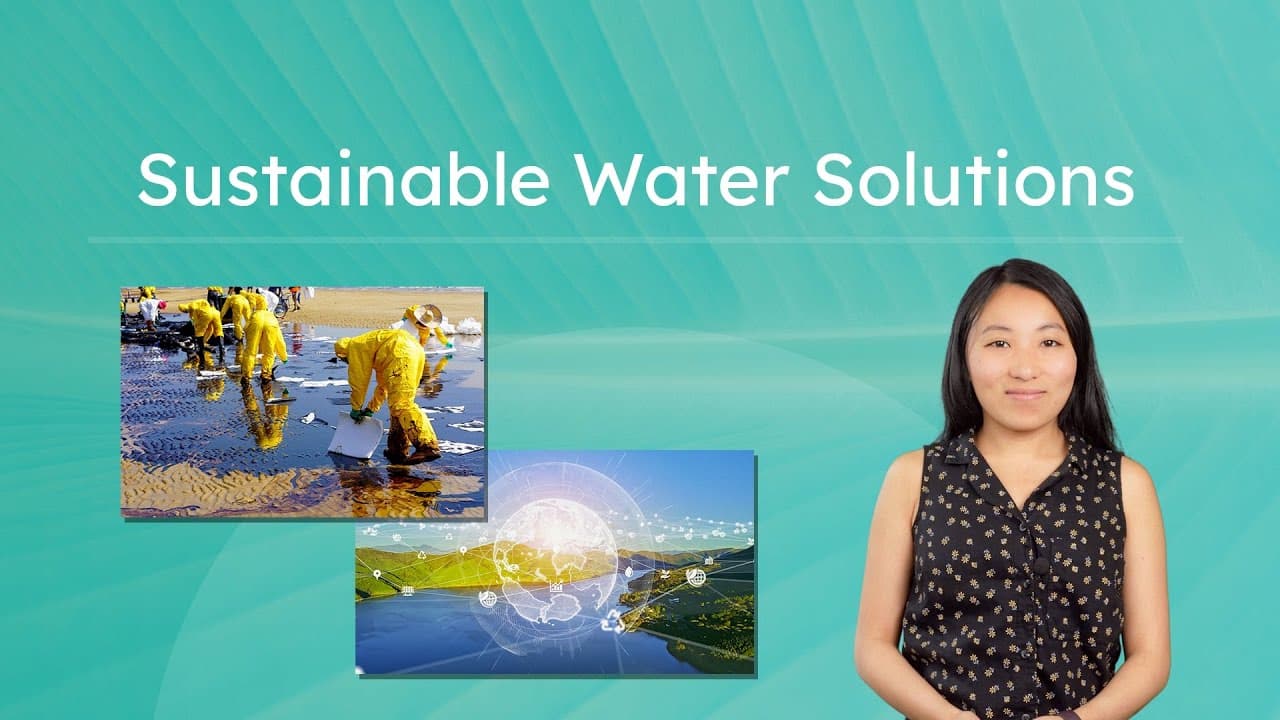
This video provides a comprehensive overview of strategies to combat water pollution, focusing specifically on the Chesapeake Bay watershed. It distinguishes between two primary approaches: prevention (keeping pollution out) and removal (cleaning pollution up). The host explains how nutrient pollution creates 'dead zones' that harm aquatic life and disrupt local economies, using real-world examples to illustrate the connection between human activities and environmental health. The content explores specific technologies and methods for each strategy. For prevention, it covers individual actions like managing pet waste and large-scale engineering solutions like permeable pavement and buffer strips. For removal, it discusses dredging, floating barriers, and biological treatments. The video emphasizes the challenges of cleaning moving water and explains why prevention is generally considered the 'gold standard' in environmental management. This resource is highly valuable for teaching environmental science, ecology, and critical thinking. It moves beyond simple definitions to explore the complexities of environmental decision-making, asking students to consider cost-benefit analyses and the competing needs of various stakeholders such as farmers, fishers, and local governments. It sets the stage for discussions on sustainability and civic responsibility.

Miacademy & MiaPrep Learning ChannelMiacademy & MiaPrep Learning Channel

9mins 1s

Surviving the Red Planet: Challenges of Living on Mars

Surviving the Red Planet: Challenges of Living on Mars

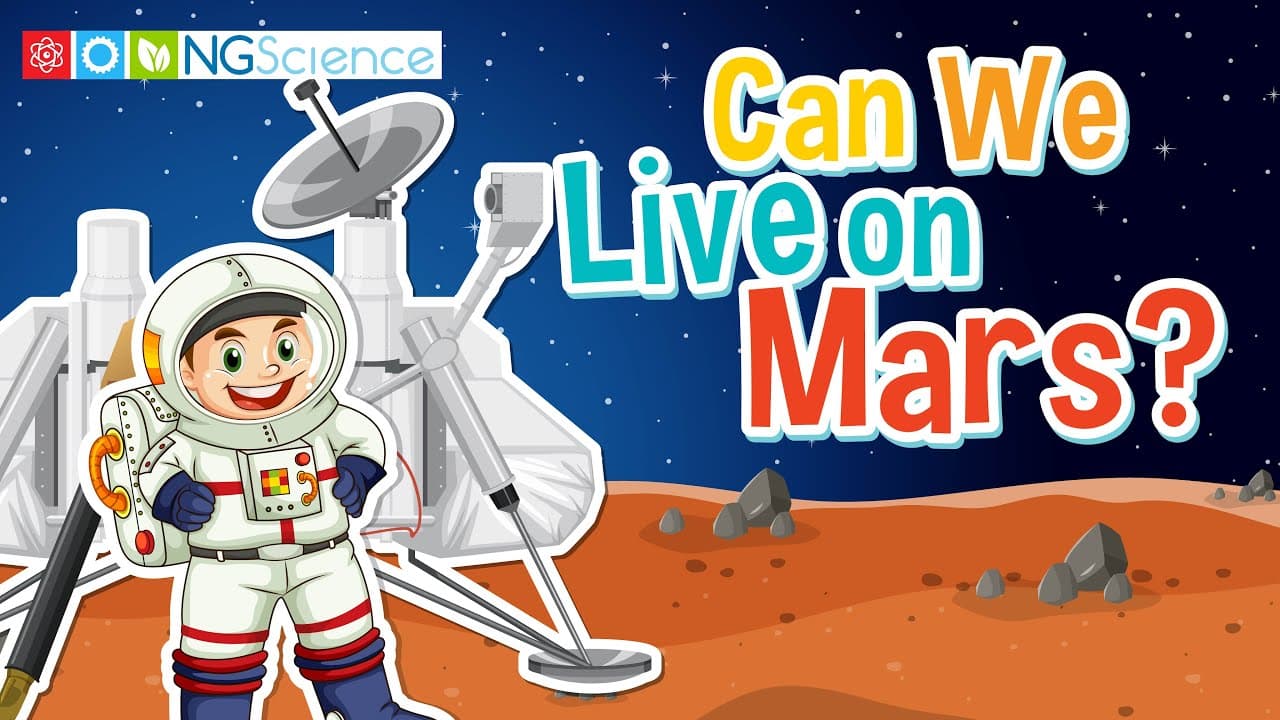
This educational video explores the scientific and logistical challenges of human colonization on Mars, contrasting the Red Planet's harsh environment with Earth's ideal life-sustaining conditions. It takes viewers on a visual journey from the lush biodiversity of Earth to the barren, dusty landscapes of Mars, explaining the fundamental requirements for life—such as breathable air, liquid water, and suitable temperatures—and how Mars lacks these essentials.

Next Generation ScienceNext Generation Science

7mins 14s

How Moving Water Becomes Electricity: Understanding Hydropower

How Moving Water Becomes Electricity: Understanding Hydropower

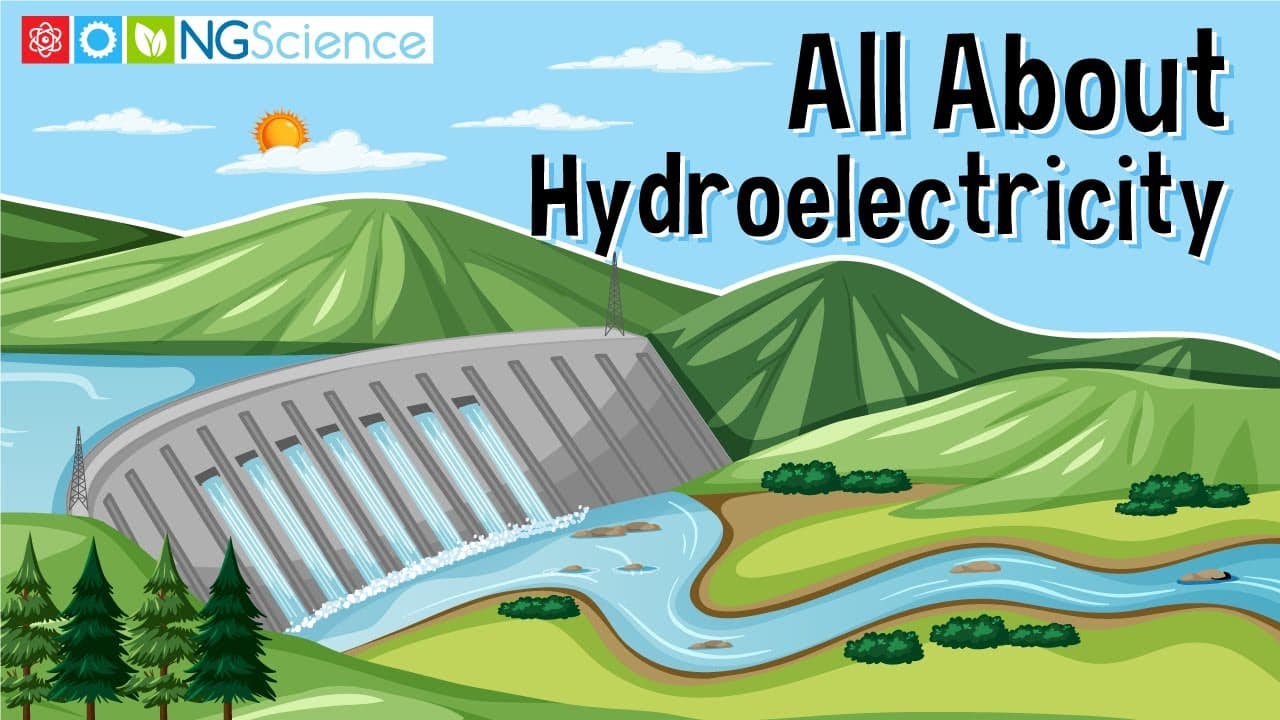
This educational video provides a clear and concise explanation of hydroelectricity, detailing how the kinetic energy of moving water is converted into electrical energy. It draws a helpful analogy to wind turbines to introduce the concept before diving into the mechanics of dams, generators, and power grids. The visual narrative follows the journey of water from natural rivers to massive dams, through the internal machinery of power plants, and finally out to the electrical grid that powers cities and homes. Key themes explored include renewable energy sources, energy transformation (kinetic to electrical), and the environmental impact of human engineering. The video offers a balanced view by highlighting the significant advantages of hydropower—such as its renewability and lack of air pollution—while also honestly addressing the disadvantages, specifically the disruption of local ecosystems and the impact on aquatic life caused by damming and diverting natural water courses. For educators, this video serves as an excellent resource for science units on energy, natural resources, and environmental stewardship. It simplifies complex engineering concepts through clear visuals and narration, making it accessible for elementary and middle school students. The balanced presentation of pros and cons naturally lends itself to classroom discussions about the trade-offs involved in sustainable energy production, encouraging critical thinking beyond just the mechanics of how things work.

Next Generation ScienceNext Generation Science

1min 56s

How Different Spacecraft Help Us Explore the Universe

How Different Spacecraft Help Us Explore the Universe

This educational video introduces students to the diverse array of spacecraft used by astronomers and engineers to explore the universe. It categorizes space exploration technology into two main groups: uncrewed spacecraft (robots) and crewed spacecraft (humans). The presenter, Caroline, breaks down specific types within these categories, including satellites, probes, rovers, space shuttles, landers, and space stations, explaining the unique function and design of each.

Miacademy & MiaPrep Learning ChannelMiacademy & MiaPrep Learning Channel

8mins 55s

Materials

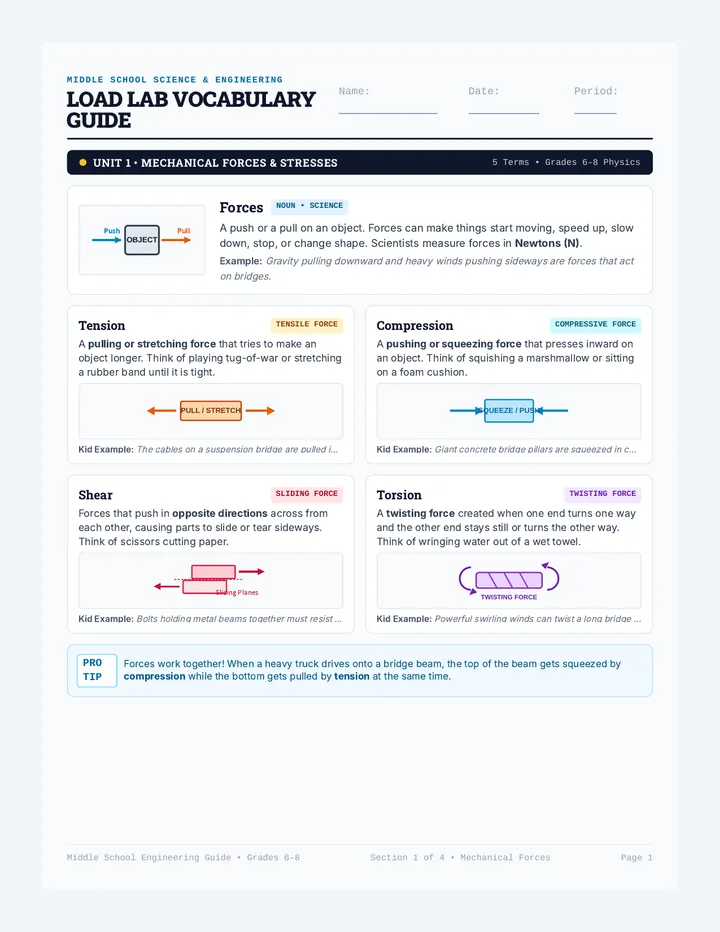
Load Lab Vocabulary Guide

Load Lab Vocabulary Guide

A four-page illustrated vocabulary guide tailored for 6th to 8th graders covering 21 structural engineering and scientific inquiry terms with relatable middle school definitions, real-world examples, and custom vector diagrams.

TC

Theresa Crafts

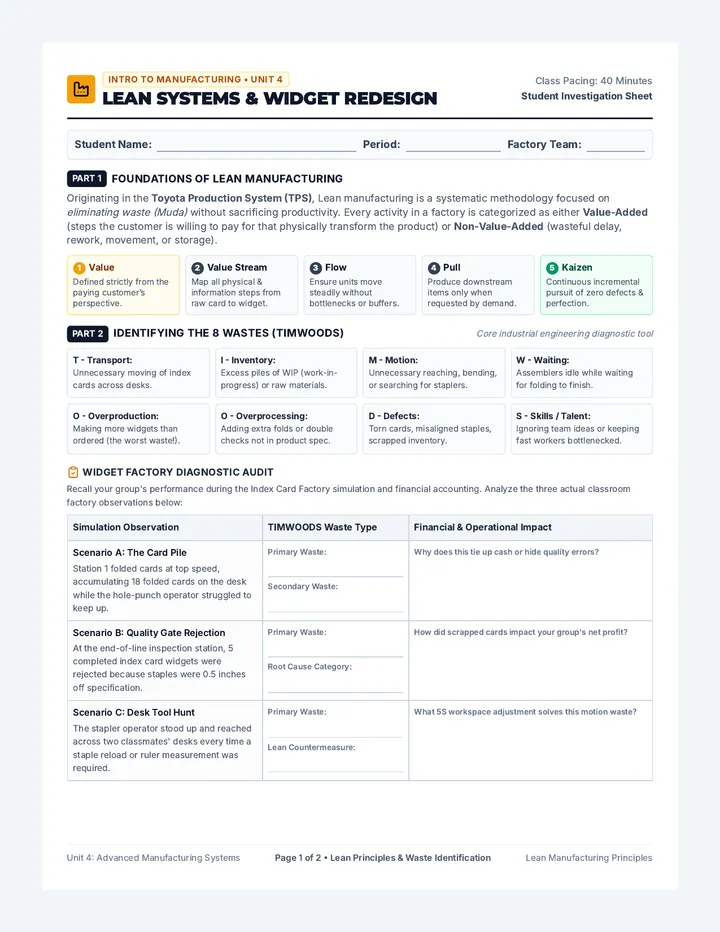
Lean Factory Challenge Worksheet

Lean Factory Challenge Worksheet

A 2-page print-ready student worksheet introducing core Lean Manufacturing principles, TIMWOODS waste identification, and pull production systems with digital resource links. Students analyze their recent index-card widget factory simulation, eliminate assembly bottlenecks, and evaluate real-world industrial continuous improvement strategies.

CT

Corey Turcheck

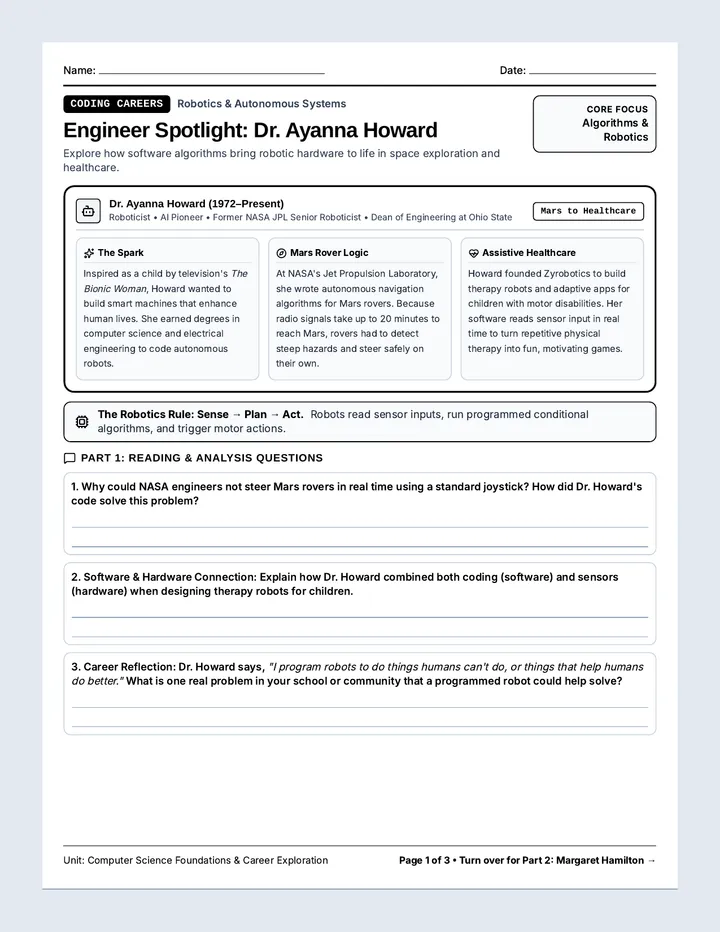
Coding Pioneers Worksheet

Coding Pioneers Worksheet

A printer-friendly black-and-white edition of the three-page computer science packet featuring Dr. Ayanna Howard (Page 1), Margaret Hamilton (Page 2), and an independent digital research lab (Page 3), optimized for crisp monochrome photocopying and minimal toner use.

M

Megan.Tanner

Widget Redesign Answer Key

Widget Redesign Answer Key

Teacher answer key and grading guide for the Lean Systems & Widget Redesign student investigation sheet, featuring complete model answers, point distributions, line balancing calculations, and pedagogical rubrics.

CT

Corey Turcheck

River Shield Research Worksheet

River Shield Research Worksheet

A comprehensive two-page student research worksheet exploring U.S. Army Corps of Engineers civil works in Evansville, Indiana, including floodwalls, levees, and Ohio River navigation locks. Students document research sources, examine structural mechanisms for flood control and river transit, evaluate community and economic impacts, and master vital infrastructure vocabulary.

CB

Christopher Boylan

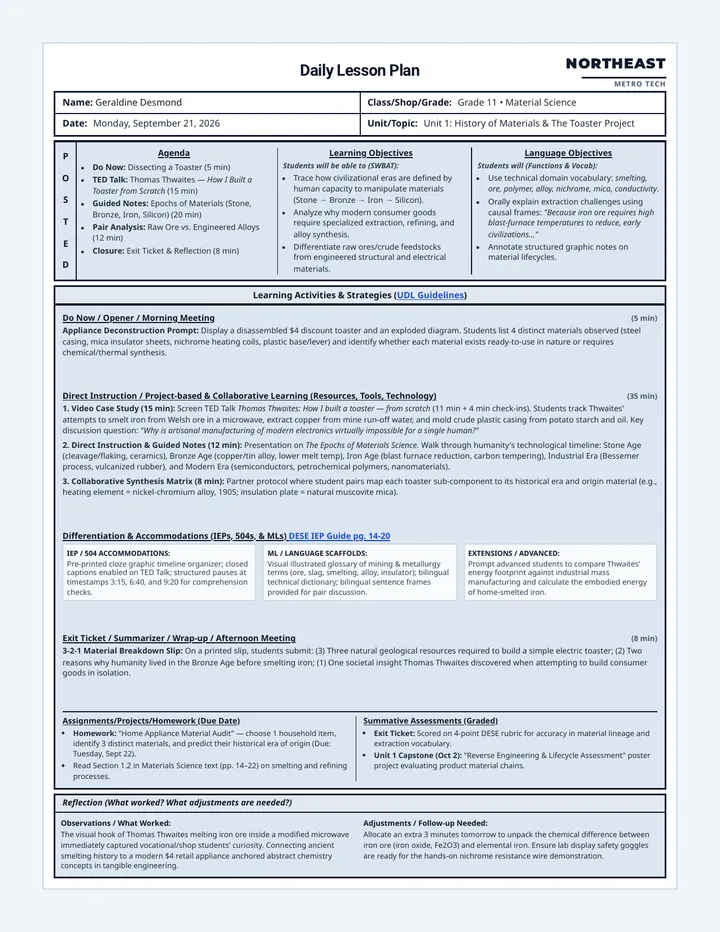
Material Science Toaster Lesson Plan

Material Science Toaster Lesson Plan

A fully completed Grade 11 Material Science daily lesson plan formatted to the Northeast Metro Tech instructional template for Monday, September 21, 2026. Focuses on the History of Materials, human eras of technology, and the industrial supply chain through the lens of Thomas Thwaites' TED Talk 'How I built a toaster -- from scratch'.

G

Geraldine

Sequences

Planet Profile Slides

Infinite Frontier

A comprehensive Hi-Lo unit for 6th graders exploring the scale of the universe, our place in the Milky Way, the technology used to explore space, and the history of human spaceflight.

JS

Janette Sullivan

54
Naval Architect Challenge Answer Key

Fluid Dynamics

A series of lessons exploring the physics of fluids, including buoyancy, pressure, and fluid flow.

CM

Chuguna Murugesan

28
Malware Mutiny Lesson Plan

Digital Defense Unit

A multi-part cybersecurity unit focusing on defensive strategies, from identifying malicious threats to mastering network access control and traffic filtering.

KW

Karen Wright

13
Wave Racer CER Bellringer

Wave Runners Sequence

A comprehensive physics unit covering the behavior of mechanical and electromagnetic waves. Students transition from hands-on slinky exploration to advanced optical modeling and mathematical derivations.

OM

Olutoyin Makinde

65
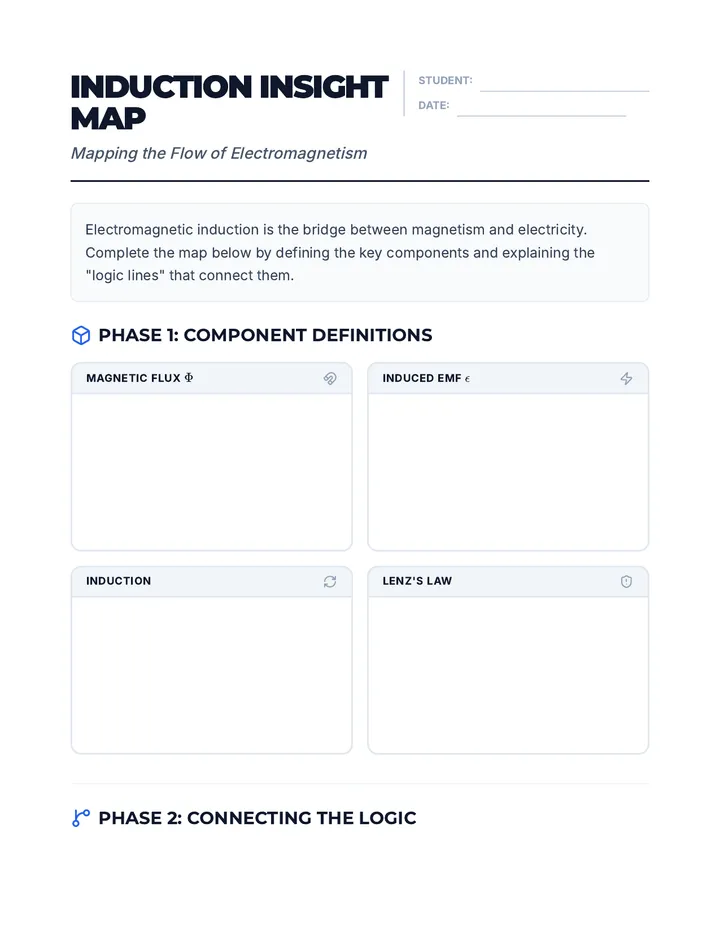
Induction Insight Map Handout

Magnetic Forces Investigation

A 5-day intensive exploration of magnetic forces and fields, focusing on atomic-level causes, field interactions, and mathematical modeling of forces on charged particles. Students progress from anchoring phenomena to complex mathematical applications and a comprehensive unit review.

OM

Olutoyin Makinde

68
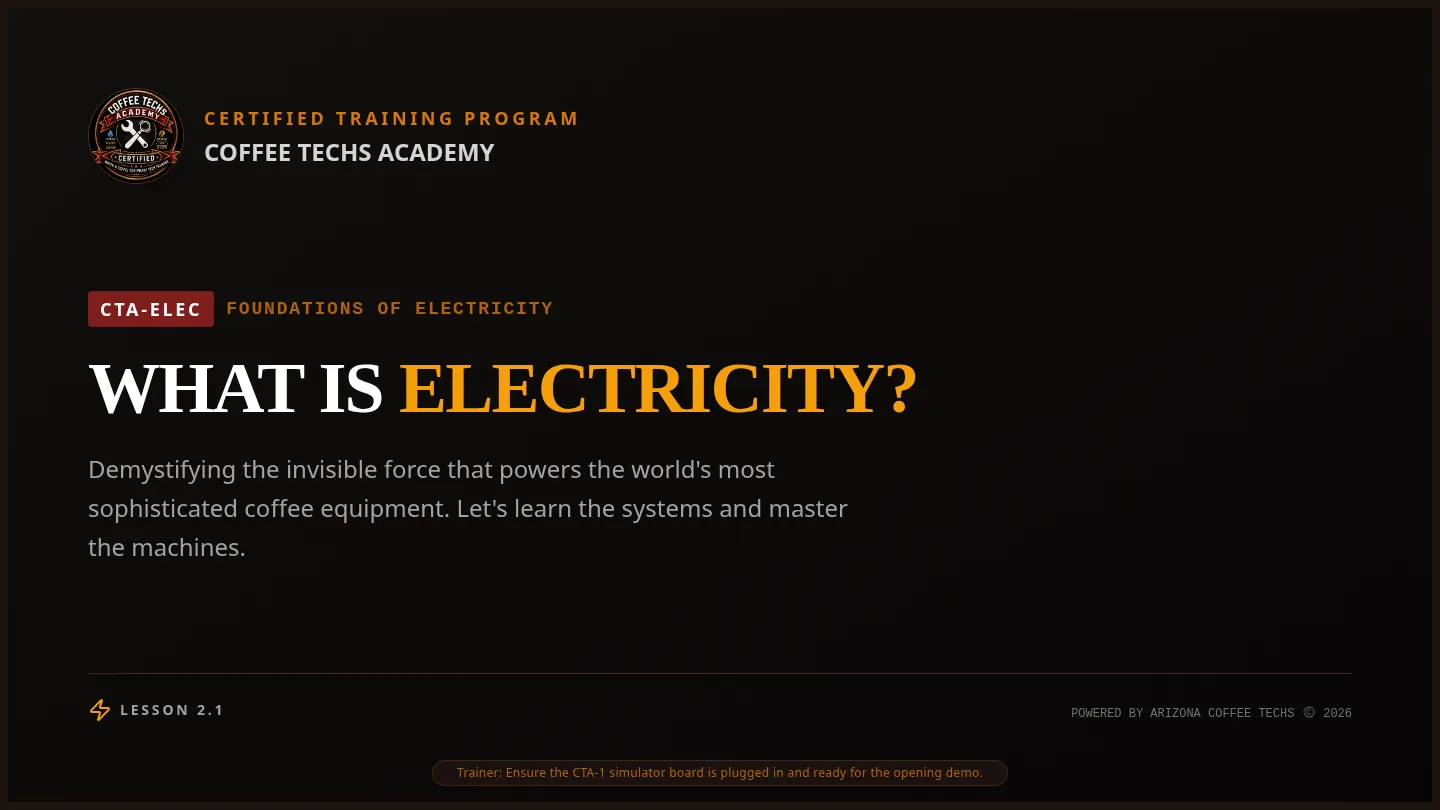
Volt Vibe Slides

Electrical Fundamentals

A comprehensive technical certification sequence designed to teach commercial coffee equipment technicians how to demystify electricity, safely troubleshoot components, and master electrical systems.

KO

Kyle Ousley

37

Lessons

Python Blocks Cheat Sheet

Python Coding Basics

A collection of highly visual, simplified resources designed for students with reading and word comprehension challenges to master the basics of Python programming.

BH

Becca Houston

51
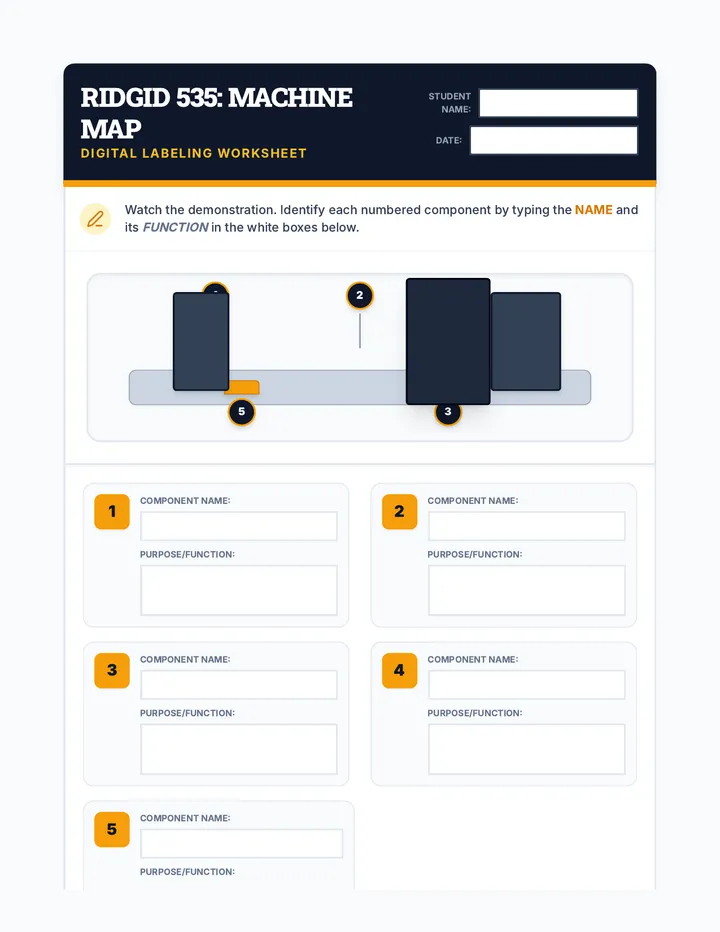
Machine Map Worksheet Digital

Threader Mastery

A 10-minute introductory lesson for 10th-grade students on the safe and basic operation of the Ridgid 535 pipe threader, focusing on safety protocols and component identification.

M

mcapeless

8
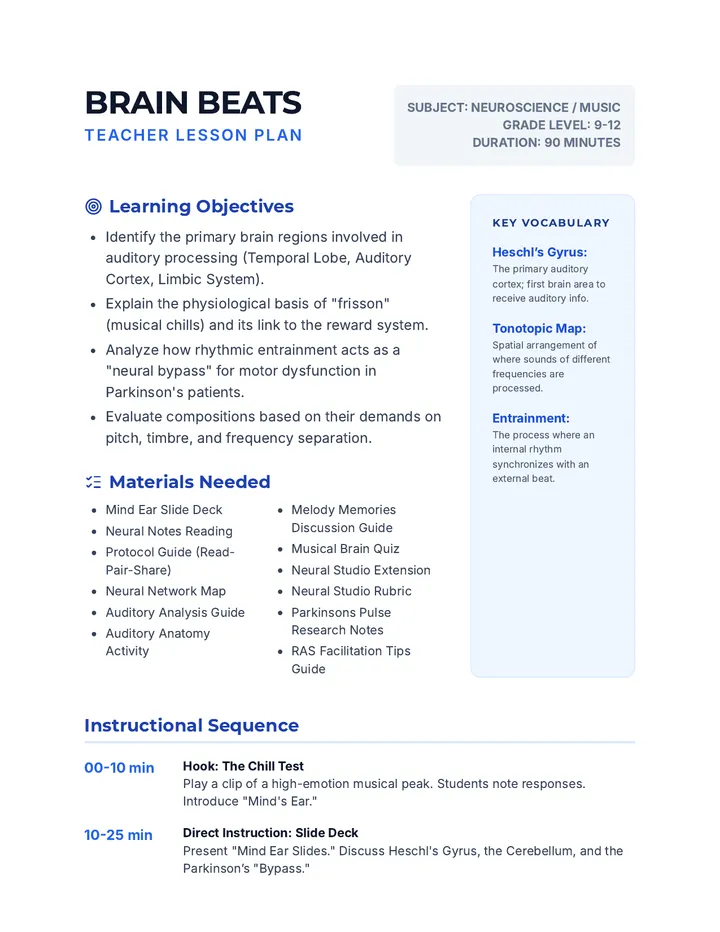
Brain Beats Lesson Plan

The Musical Brain

A high school lesson exploring the neuroscience of music, investigating how the brain processes auditory stimuli, triggers emotions, and encodes memories through melodies.

J

jditomaso

15
Operation Earth Slides

Operation Earth

A high-stakes research project where students choose an environmental challenge to solve. Using the David Attenborough video as inspiration, students research, plan, and create a model or presentation to rescue our planet.

PB

Priyadarshini Bharath

7
Power Pyramid Slides

Energy Flow

A foundational lesson exploring how energy moves through ecosystems, focusing on trophic levels, the 10% rule, and the complex connections in terrestrial and aquatic food webs.

EG

Emily Gianni

11
Engineer Manual Teacher Guide

Siege Science

An interdisciplinary exploration of medieval siege engines, combining the physics of levers, torque, and potential energy with the historical impact of engineering on territorial warfare. Students analyze how the trebuchet revolutionized medieval combat through mathematical precision.

JR

Jonathan Reynolds

5