Lenny.com
Explore
Create
ActivitiesNewMathEnglish Language ArtsScience & EngineeringSocial StudiesGlobal LanguagesHealth & Physical EducationSpecial EducationCounseling & Life SkillsArts & CreativityESL
Lenny.com
Lenny.com
Explore
Create
ActivitiesNewMathEnglish Language ArtsScience & EngineeringSocial StudiesGlobal LanguagesHealth & Physical EducationSpecial EducationCounseling & Life SkillsArts & CreativityESL
Lenny.com
Lenny.com

Solutions

Lenny for EducatorsLenny for SchoolsLenny for Districts

Product

ExploreSign inCreateSupportAbout

Resources

Getting startedMTSS Acceleration Program

© 2026 Lenny Learning Inc.

TermsPrivacyAccessibility
LinkedInInstagramX
Lenny
Science & EngineeringLife ScienceLiving ThingsAnimalsPlantsBody SystemsTraitsAdaptationsCellsEcosystemsHeredityGenes to TraitsCell DivisionPhysicsComparing MaterialsShapes and PropertiesMagnetsMagnetismLightSoundLight and SoundMatterStates of MatterChanges of StateMixturesPhysical and Chemical ChangeHeating and CoolingHeat and Thermal EnergyEnergyForce and MotionElectrical CircuitsAtoms and MoleculesPeriodic TableMotion in One DimensionMotion in Two DimensionsScalars and VectorsForces and Laws of MotionCircular Motion and GravityMomentum and ImpulseWork, Energy, and PowerWavesElectromagnetic WavesGeometric OpticsElectricity and MagnetismSimple Harmonic MotionThermodynamicsNuclear PhysicsEarth Science & AstronomyWeatherWater CycleRocks and MineralsFossilsEarth's FeaturesEarth's ResourcesEarth's StructureWeather and ClimateEarth EventsFossils and Geologic TimePlate TectonicsHuman ImpactsAstronomyChemistryUnits and MeasurementAtomic StructurePeriodic TrendsChemical BondingNomenclatureMolecular StructureIntermolecular ForcesThe MoleStoichiometryProperties of GasesSolutionsChemical ReactionsBalancing EquationsEnergy ChangesRates of ReactionsEquilibriumAcids and BasesQuantum ModelBiologyClassificationCell StructureThe Chemistry of LifeBiomoleculesCellular TransportCell EnergyCell Growth and DivisionDNAProtein SynthesisMeiosis and Sexual ReproductionPatterns of InheritanceMulticellular OrganismsEvolutionEcologyBiodiversityComputer ScienceAlgorithms and Computational ThinkingProgramming LanguagesComputing SystemsNetworks and InternetData AnalysisCybersecurityAI and Machine LearningSoftware Design and DevelopmentBlockchainEngineering & AIDesigning ExperimentsEngineering PracticesDesign ThinkingEngineering Design ProcessMechanical EngineeringElectrical EngineeringMaterials and StructuresCAD and 3D DesignRoboticsArtificial Intelligence BasicsVibe CodingMachine LearningAI Ethics and SocietySystems ThinkingEntrepreneurship & InnovationEntrepreneurial MindsetBusiness Idea DevelopmentBusiness Plan BasicsMarketing & Customer DiscoveryFinancial Management for Startups

Magnetic Pull Anchor Chart

An Upper Elementary science anchor chart poster comparing magnetic and non-magnetic everyday objects, featuring key ferromagnetic metals (iron, steel, nickel, cobalt), common non-magnetic metals (aluminum, copper), non-metals, and misconception alerts.

RMRosalyn Mcrae

Magnetic Pull Anchor Chart

An Upper Elementary science anchor chart poster comparing magnetic and non-magnetic everyday objects, featuring key ferromagnetic metals (iron, steel, nickel, cobalt), common non-magnetic metals (aluminum, copper), non-metals, and misconception alerts.

RMRosalyn Mcrae

You might also like

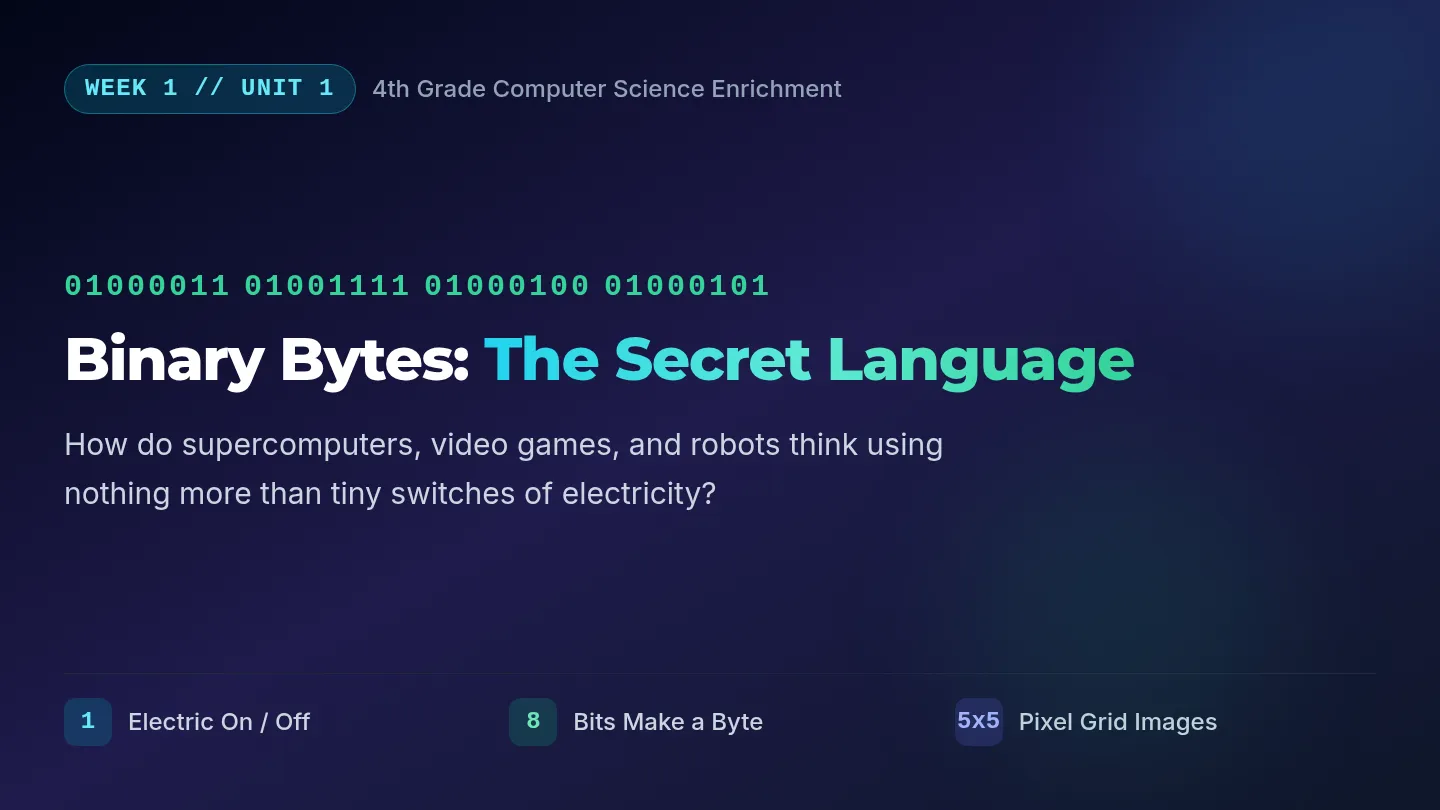
Binary Bytes Slides

Code Sparks

A four-week computer science enrichment unit for 4th graders introducing computational thinking fundamentals. Students progress from binary code and digital data representation to block-based algorithm logic, physical computing, and sensor-driven inventions with the micro:bit.

BK

Becky Krug

8
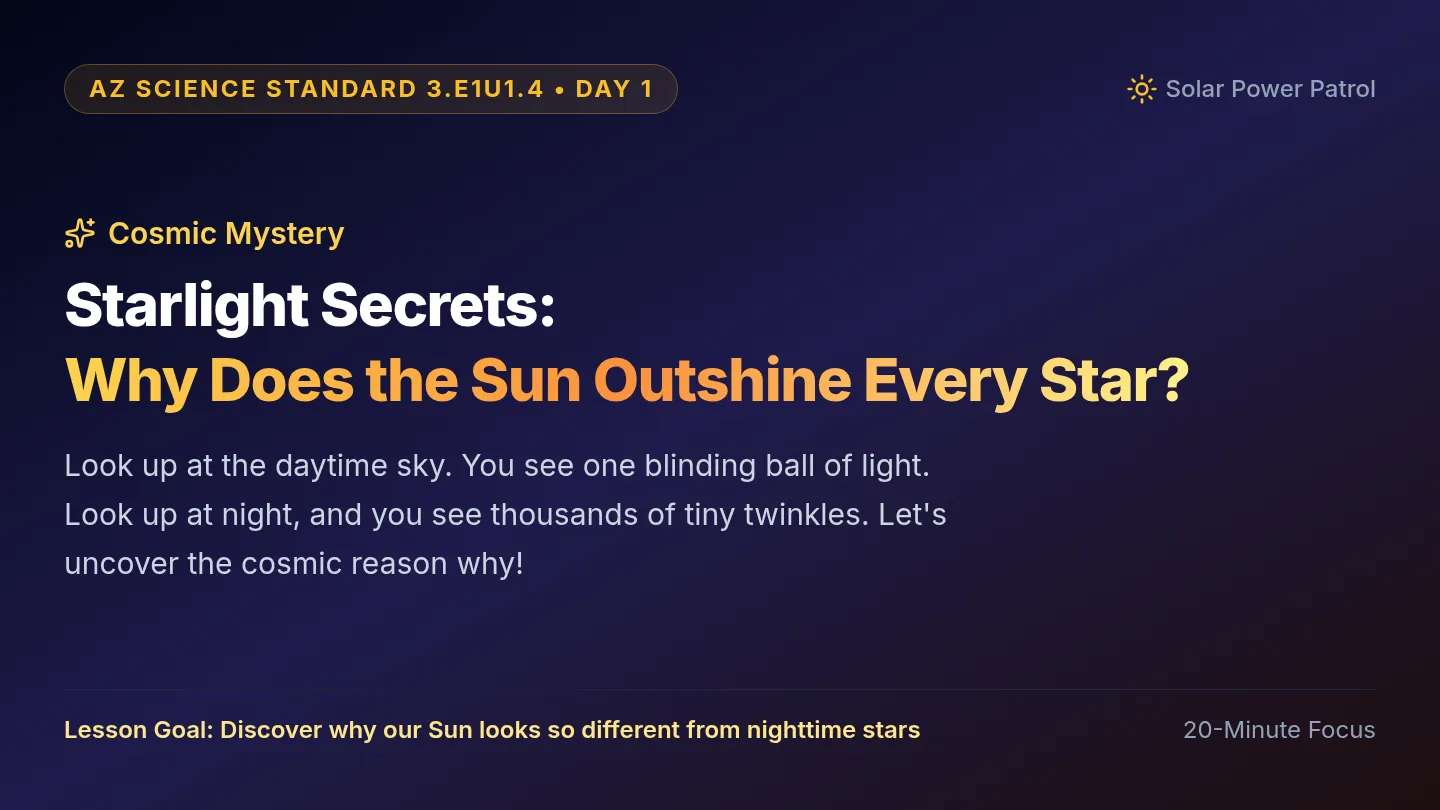
Starlight Secrets Slides

Starlight Secrets

A 5th-grade science lesson exploring how relative distance from Earth affects the apparent brightness and size of the Sun and other stars, aligned with NGSS 5-ESS1-1 and the STEMscopedia text.

G

glowder

2
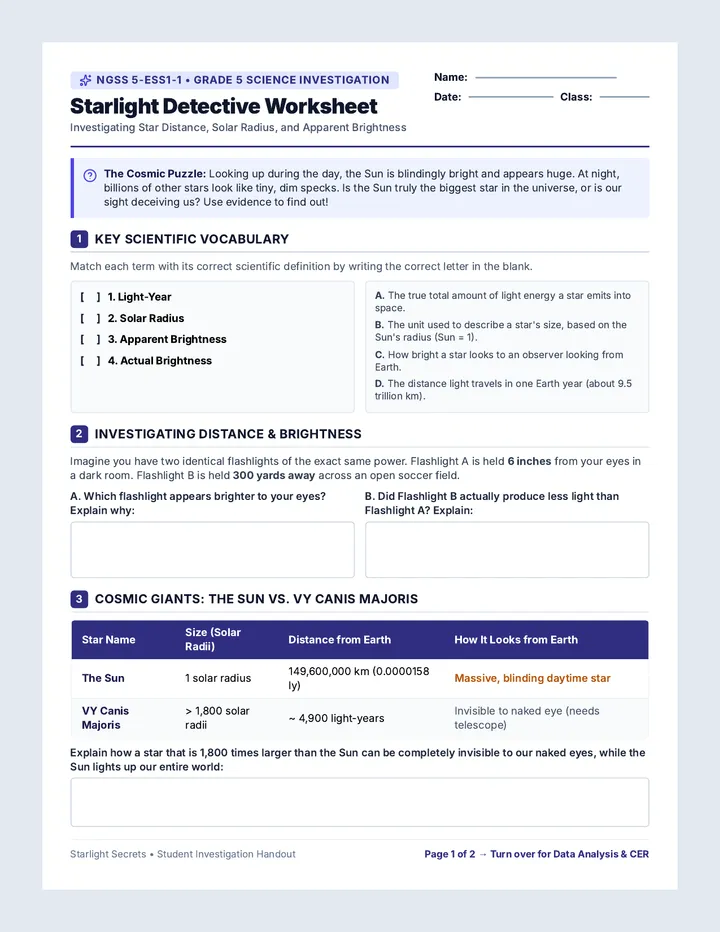
Starlight Detective Worksheet

Starlight Detective Worksheet

A comprehensive 2-page print-ready 5th-grade student worksheet aligned with NGSS 5-ESS1-1 and the STEMscopedia text, featuring stellar data analysis, distance models, and a structured Claim-Evidence-Reasoning (CER) scientific argument.

G

glowder

Starlight Secrets Slides

Solar Power Patrol

A four-day third-grade science unit exploring the Sun as our closest star, apparent brightness, solar energy, and the flow of sunlight to living ecosystems.

SM

Samantha McBath

8
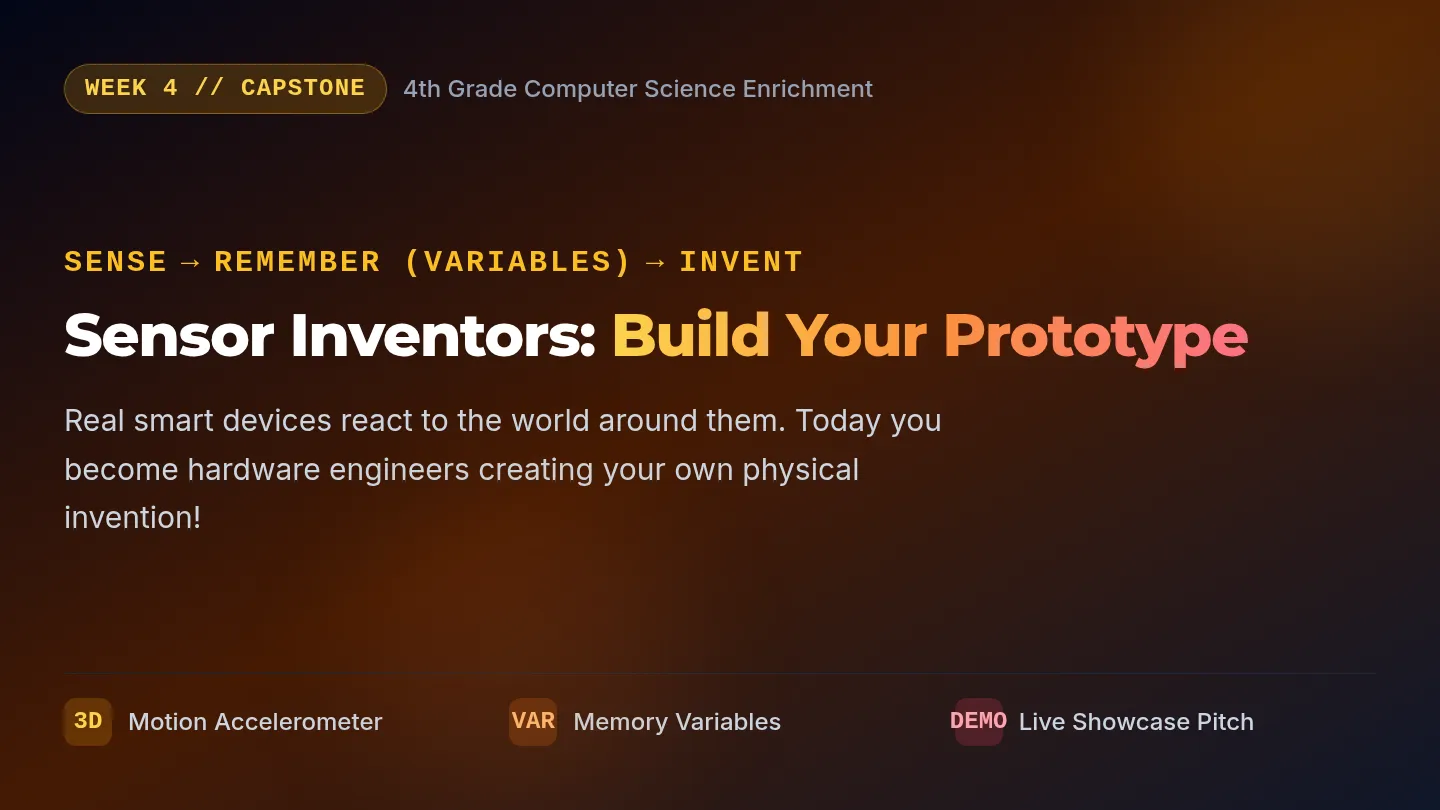
Sensor Inventors Slides

Sensor Inventors

Students harness onboard sensors including the accelerometer, light sensor, and compass to engineer interactive physical prototypes. Working through the design process, they build, test, and showcase custom wearable step counters, digital pets, or game gadgets.

BK

Becky Krug

2
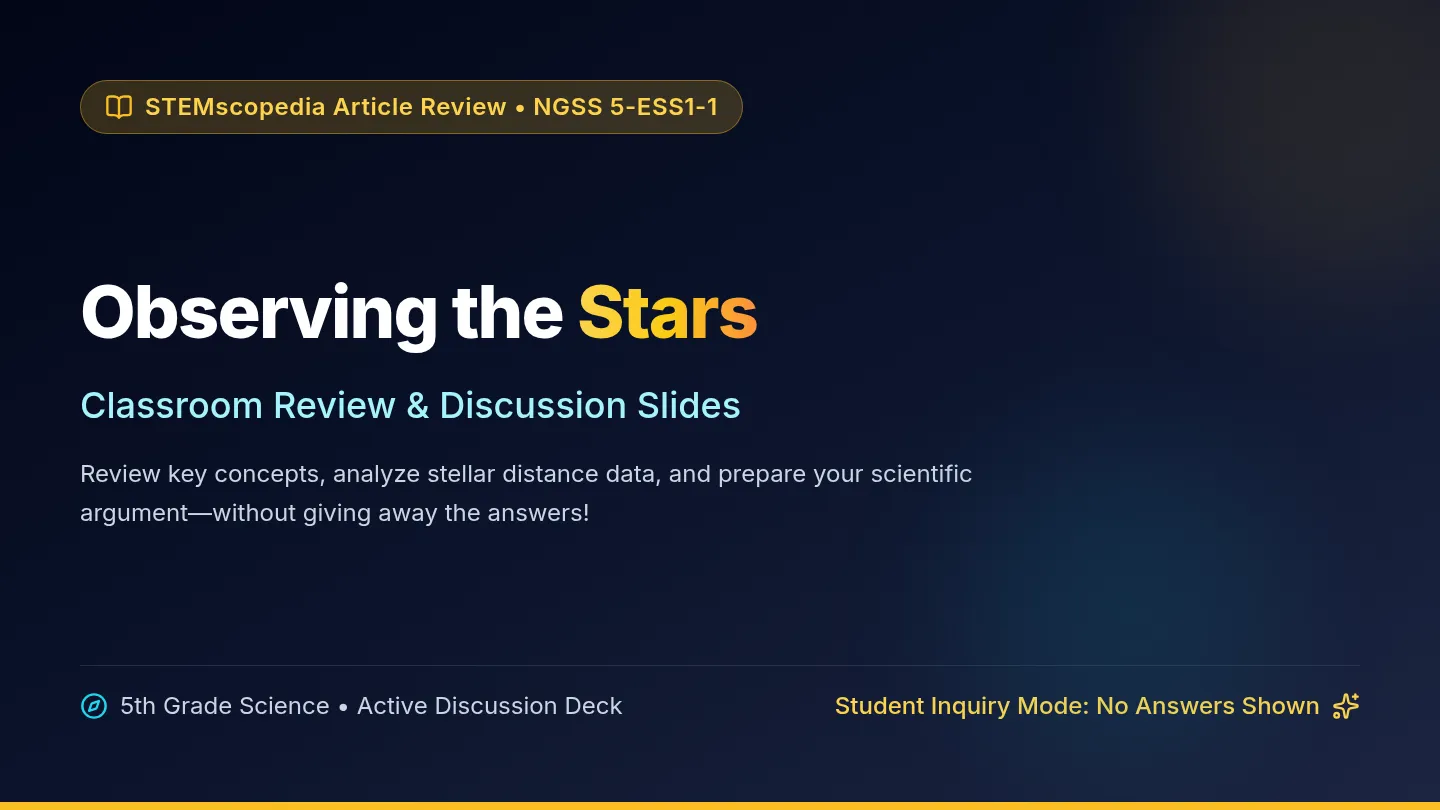
Starlight Secrets Slides

Starlight Secrets Slides

An 8-slide review presentation directly aligned with the STEMscopedia text, featuring article discussion prompts, data tables, and inquiry questions with all answers removed for active classroom review.

G

glowder

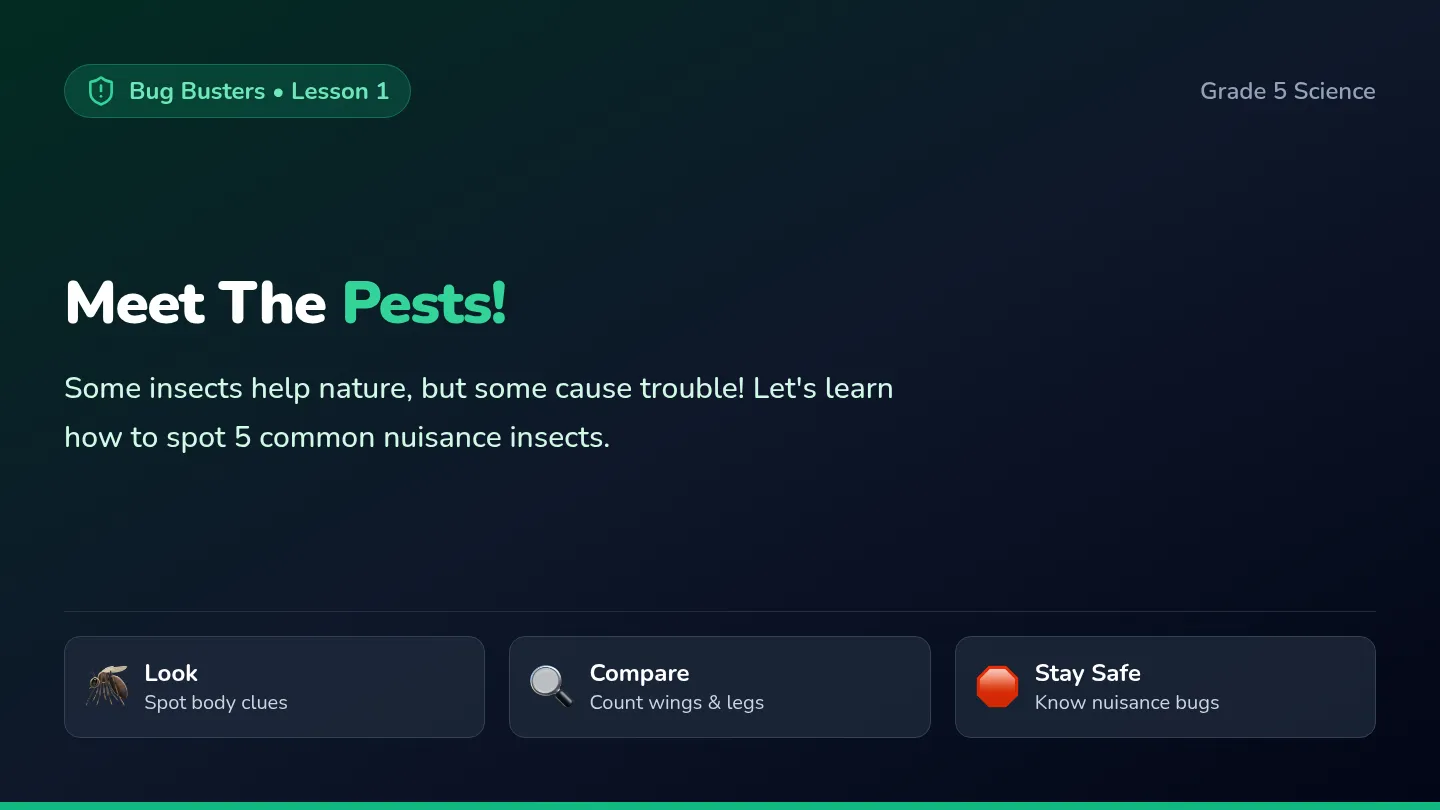
Pest Spotters Slides

Bug Busters

A hands-on, highly visual science sequence designed for lower-literacy 5th grade learners to identify common nuisance insects, master foundational vocabulary, and discover pest habitats and attractants.

A

amy_oshea

9
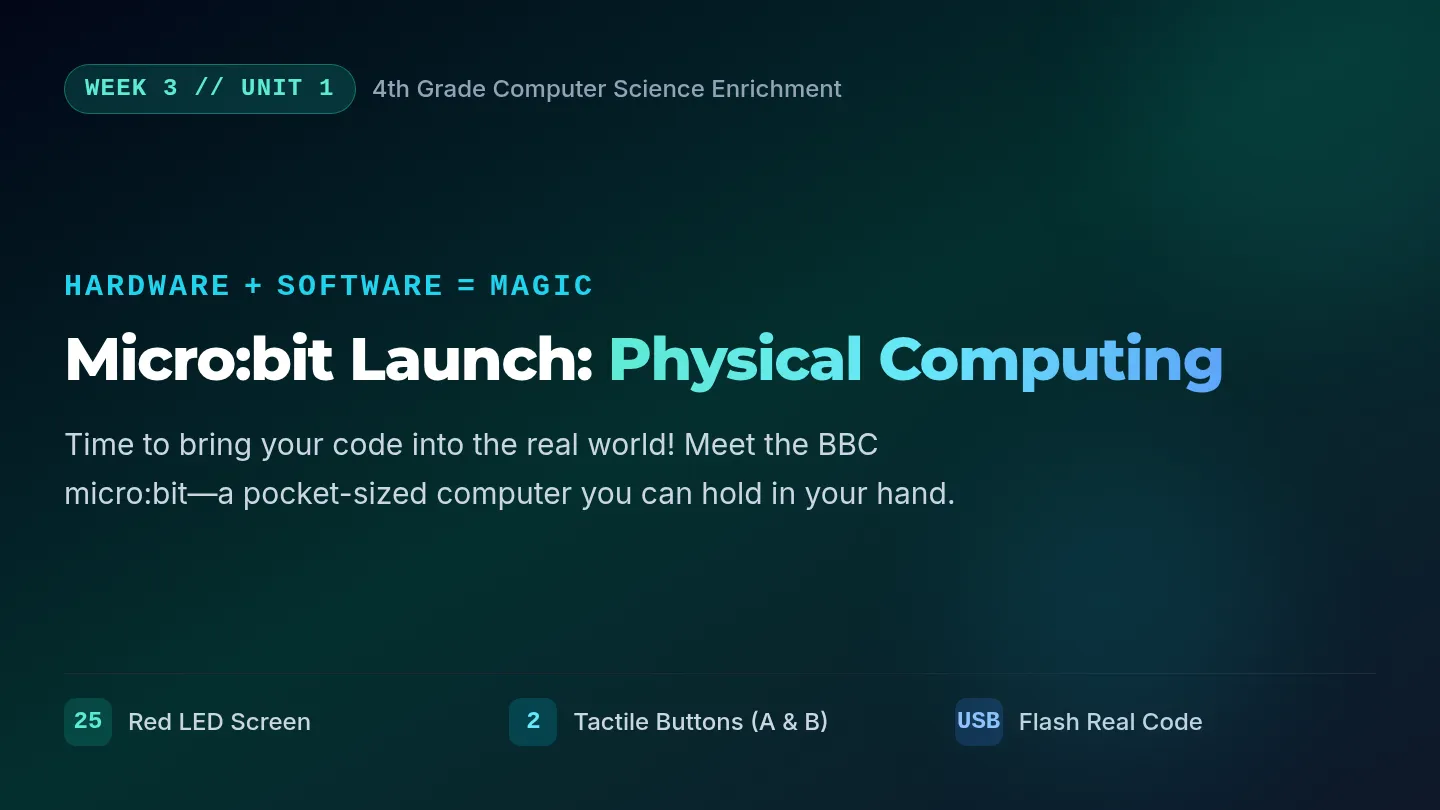
Microbit Launch Slides

Microbit Launch

Students bridge software and physical hardware using the BBC micro:bit. They explore inputs, outputs, the 5x5 LED matrix display, and tactile buttons A and B while programming interactive badges and digital dice in MakeCode.

BK

Becky Krug

2
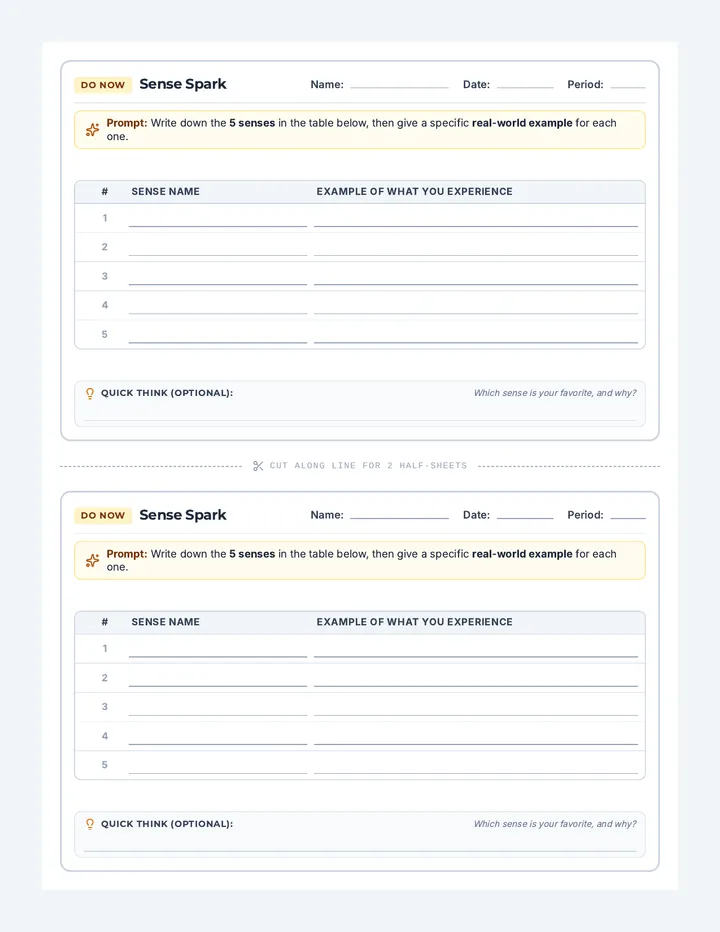
Sense Spark Do Now

Sense Spark Do Now

A printable double-copy half-sheet Do Now prompt designed for quick retrieval practice on the five human senses. Students recall each sense and describe a vivid real-world example, with a bonus reflection prompt asking for their favorite sense and why.

C

callawayj

Pesky Biters Slides

Bug Busters

A two-part fifth-grade science sequence investigating how insects can be annoying nuisances, bite and sting, and damage crops and homes. Specially scaffolded with high-visual supports, decodable text chunks, and guided practice for lower-literacy learners.

Lenny Avatar
Lenny
11
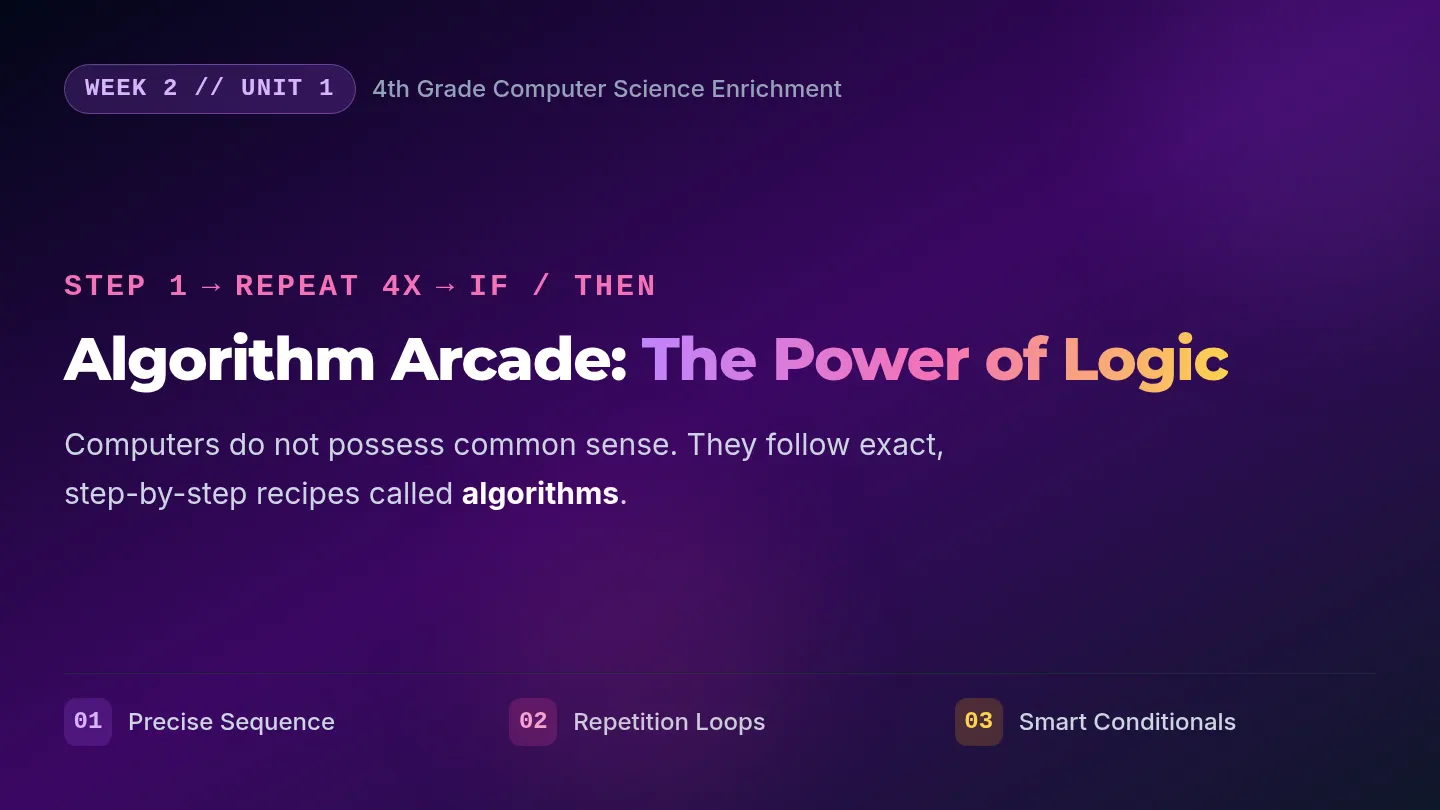
Algorithm Arcade Slides

Algorithm Arcade

Students dive into computer programming principles including sequence, loops, and conditionals. Through unplugged bug-fixing challenges and block-based coding, students learn how to write precise instructions and debug computational logic.

BK

Becky Krug

2
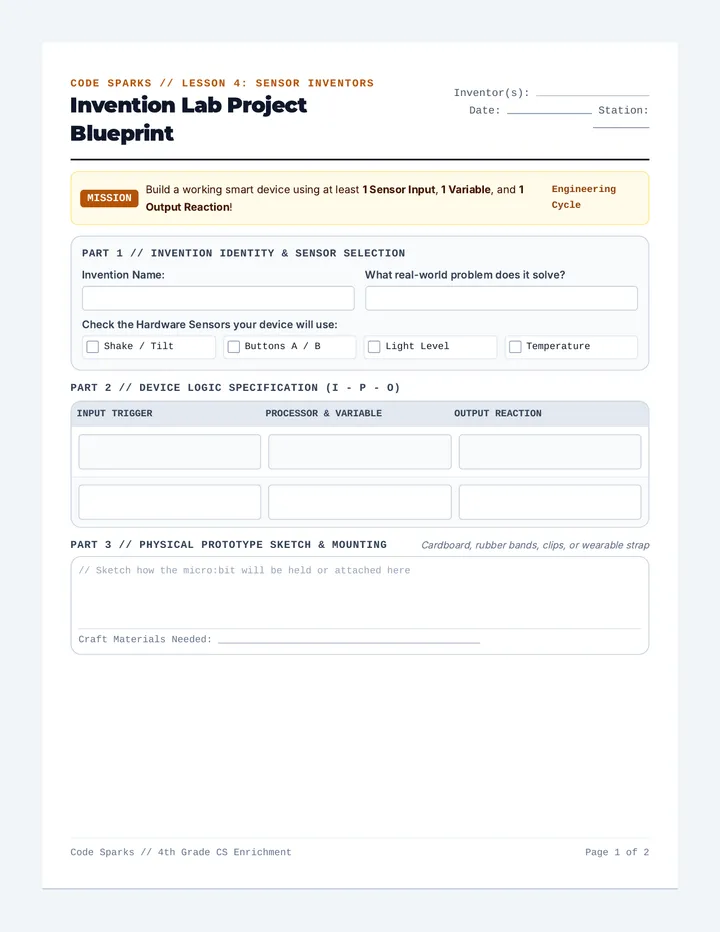
Project Blueprint Worksheet

Project Blueprint Worksheet

A two-page capstone engineering planner where 4th graders sketch their micro:bit invention, specify inputs, outputs, and variables, map out algorithm logic, log live test runs, and prepare their expo showcase pitch.

BK

Becky Krug