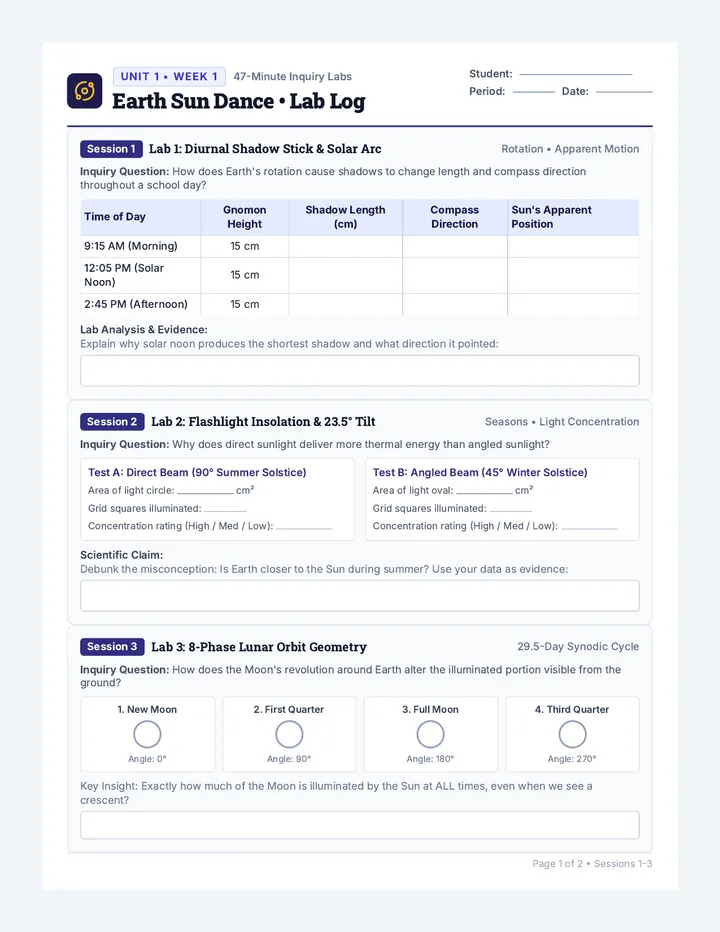
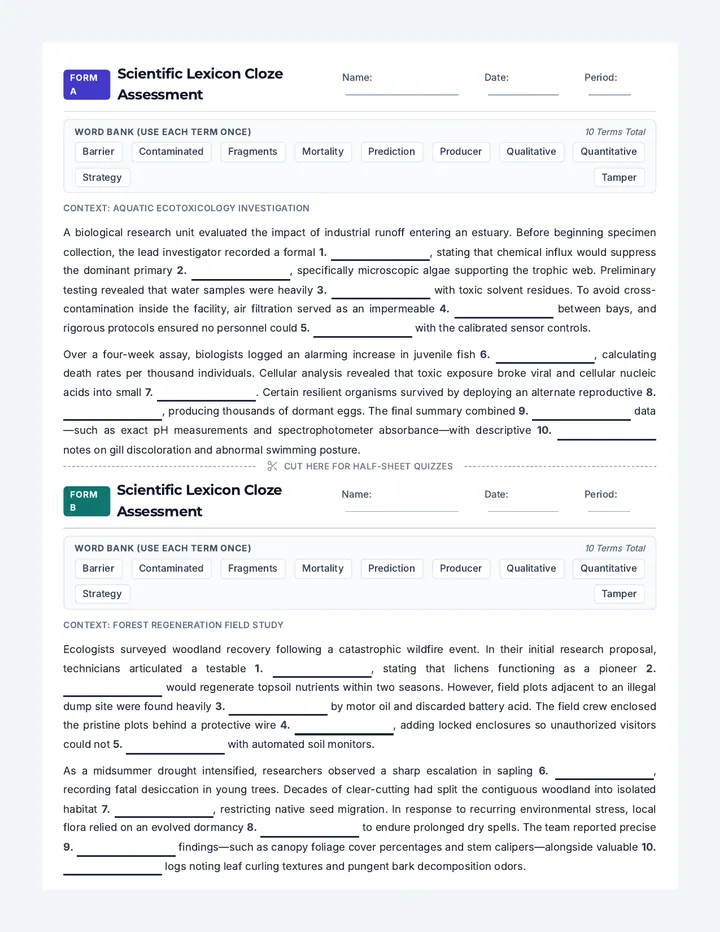
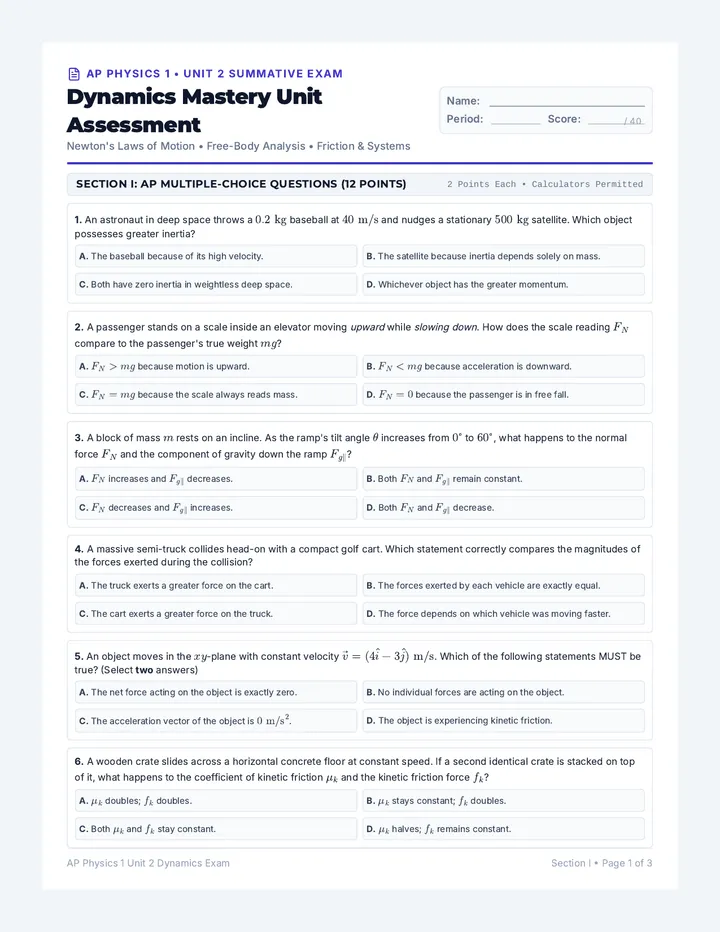
Spectrum SlidesSpectrum Slides Exploring the physics of light, pigments, and how our eyes see the world. The Physics of Light Visible Light Light is energy traveling in waves. We perceive different wavelengths as different colors. Reflection Objects absorb some wavelengths and reflect others. We only see what is bounced back! The Visible Spectrum Additive Color: Light Adding colored light beams together creates White Light. Red + Green = Yellow Green + Blue = Cyan Blue + Red = Magenta Subtractive Color: Pigment Pigments subtract (absorb) light. Mixing all three creates Black. Cyan + Yellow = Green Magenta + Cyan = Blue Yellow + Magenta = Red Lab Data Preview Pigment MixPredictionActual ResultCyan + Yellow??Magenta + Cyan??Yellow + Magenta??ALL THREE MIXEDDarkness? Let's Head to the Lab Stations!
Pigment Palette LabPigment Palette Lab Investigating Subtractive Color Mixing Name: Date: The Physics Fact Objects don't "have" color. They absorb every wavelength except the color you see. The seen color is reflected back to your eyes. Mixing pigments is subtractive mixing—each added color "subtracts" more light from the reflection. Equip Your Station Cyan, Magenta, Yellow Pigments Mixing Wells & Stirring Sticks Pipettes, Water, & Towels Hypothesis What happens when you mix equal parts of Cyan and Yellow? Why? Step 1: The Primary Baseline Place a pure drop of each primary pigment in the circles below. Cyan Magenta Yellow Step 2: Subtractive Reactions Mix equal amounts of the colors below. Swatch the result in the circle and record your notes. Result Observations Result Observations Result Observations The "Absorb All" Challenge Predict what happens when you mix equal amounts of all three primary pigments. Swatch it in the small circle below, then explain the result based on light absorption. All 3 Swatch
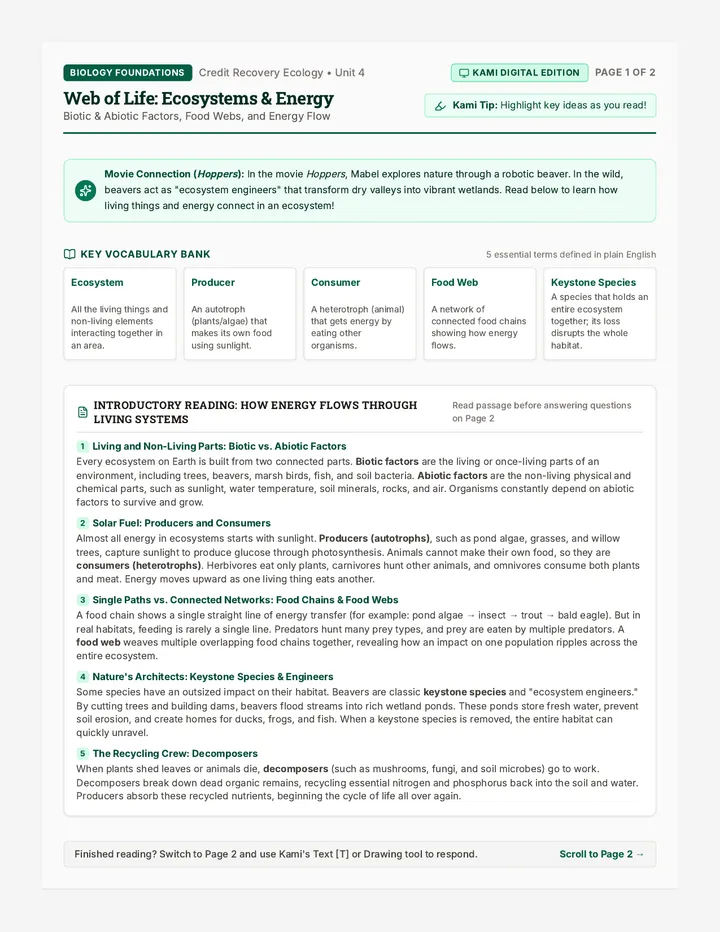
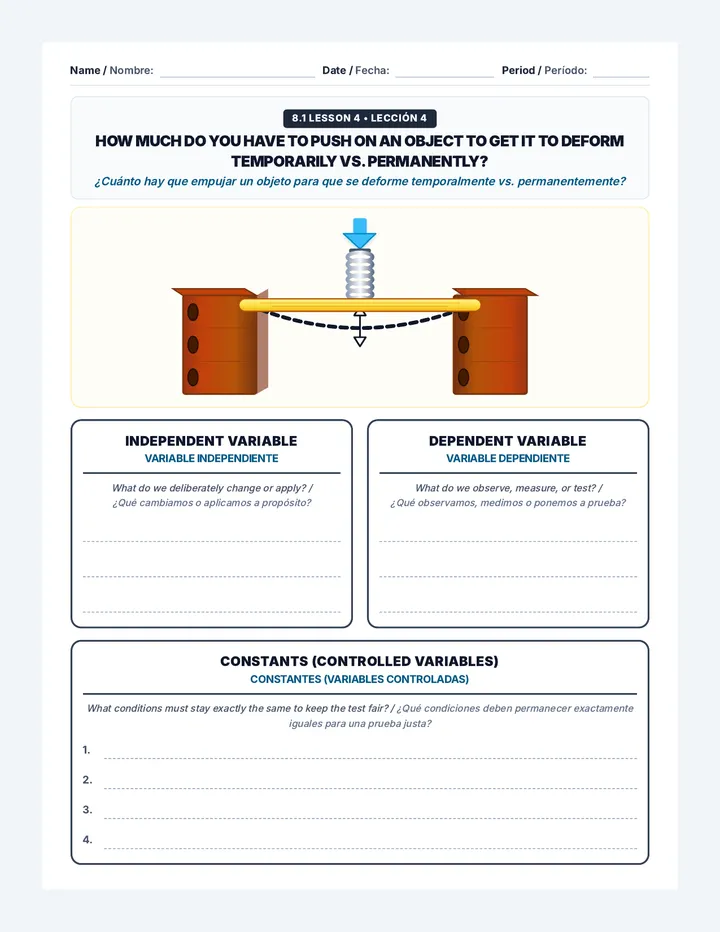
Color Master Teacher GuideColor Master Teacher Guide Hands-on Color Physics: Facilitation & Setup Learning Objectives 1 Distinguish between additive light mixing and subtractive pigment mixing. 2 Apply the physics of absorption and reflection to explain observed pigment colors. 3 Verify the CMY (Cyan, Magenta, Yellow) primary system through experimental mixing. Prep Time 15-20 MIN Class Time 45-60 MIN Prep & Materials Guide Pigment Choice Critical: Use Cyan, Magenta, and Yellow dyes. Standard Red/Blue paints often contain fillers that make mixing results muddy and inaccurate for physics demonstrations. • Recommended: Liquid watercolors or high-quality food dyes. • Dilution: Mix with water for easier pipette handling. Per Group Station 1 Pipette per primary color 1 Mixing tray (well palette) Paper towels for cleanup White cardstock for swatching The Lesson Flow 1. Hook & Introduction (10 Min) Use Spectrum Slides to demonstrate light as waves. Challenge students: "If light is all colors (white), why are my pants blue?" Lead them to the idea of absorption. 2. Guided Lab (30 Min) Students use the Pigment Palette Lab. Circulate to ensure they are cleaning pipettes or using dedicated ones for each primary color. Tip: Encourage students to count drops (e.g., 2 drops Cyan + 2 drops Yellow) to maintain consistency and observe the resulting pure green. 3. Synthesis & Reflection (10 Min) Discuss the "Absorb All" result. Explain that true black pigments are rare; usually, students will get a very dark "muddy" grey. This is evidence of imperfect light absorption!